Every October, London’s Berkeley Square becomes a meeting point for those interested in the increasingly fluid relationship between art, design and the decorative object. Returning from 13 to 18 October 2026, PAD London occupies a particular place in the city’s cultural calendar: a fair where furniture, lighting, ceramics, jewellery and objets d’art are considered not simply for their function, but for their artistic, material and historical significance.
Founded in 2007 by Parisian antique dealer Patrick Perrin, PAD London has developed an identity distinct from conventional art fairs. Its appeal lies partly in the dialogue between periods and disciplines, bringing historical pieces into conversation with contemporary creations and encouraging a more personal approach to collecting. A sculptural chair may stand alongside an antique object, while a contemporary ceramic work might be appreciated as much for its formal expression as for the knowledge and technique involved in its making.
At a moment when the boundaries between fine art and design are becoming increasingly porous, the fair offers an opportunity to consider what gives an object lasting relevance. Rarity and provenance remain important, but so too do material intelligence, artistic experimentation and the ability of an object to establish a meaningful relationship with its surroundings.
Among the presentations that illustrate this breadth are several artists and galleries connected to the Middle East and North Africa. Their presence offers an additional perspective on the international nature of collectible design, without suggesting a single regional aesthetic or shared artistic language.
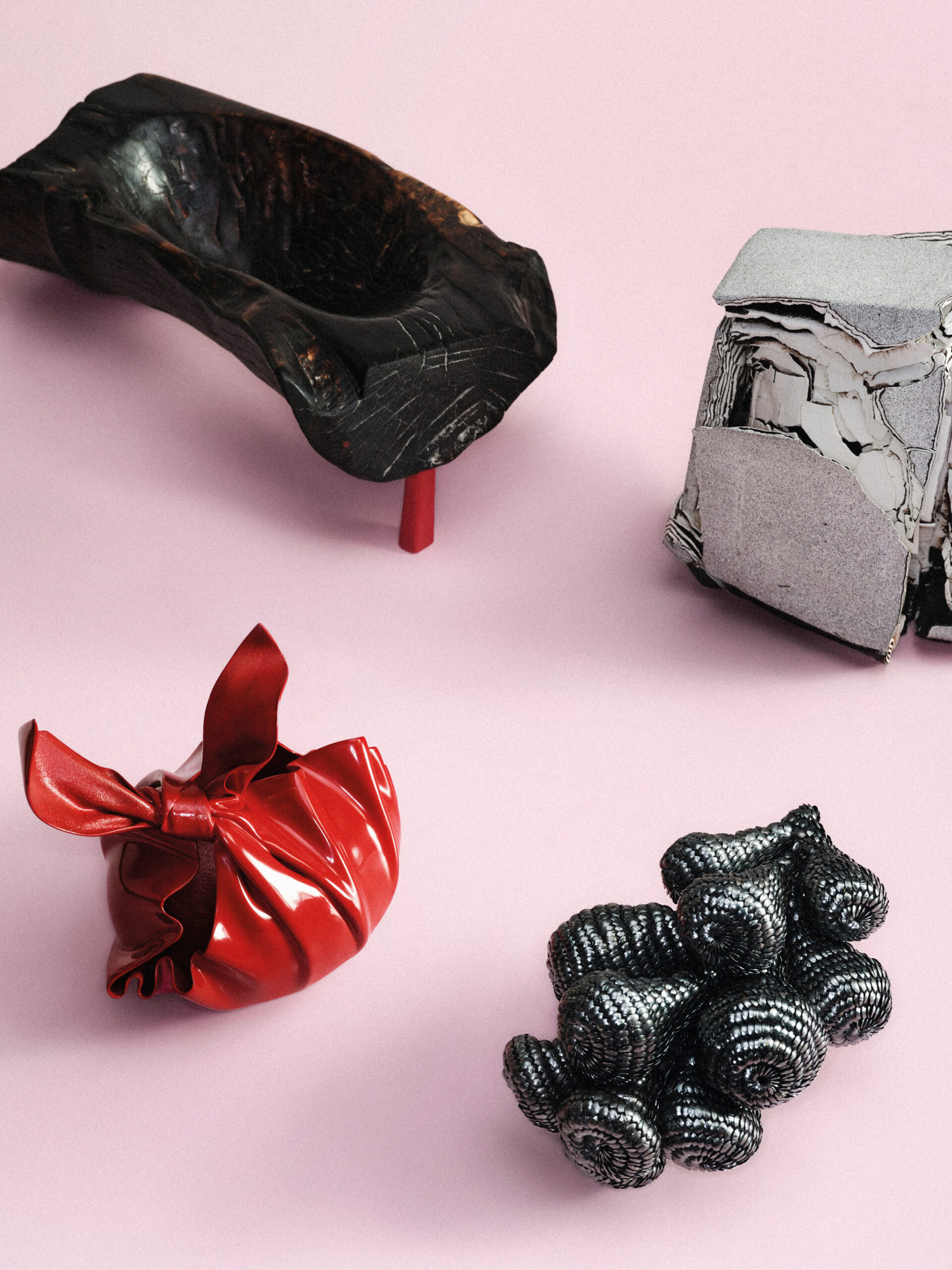
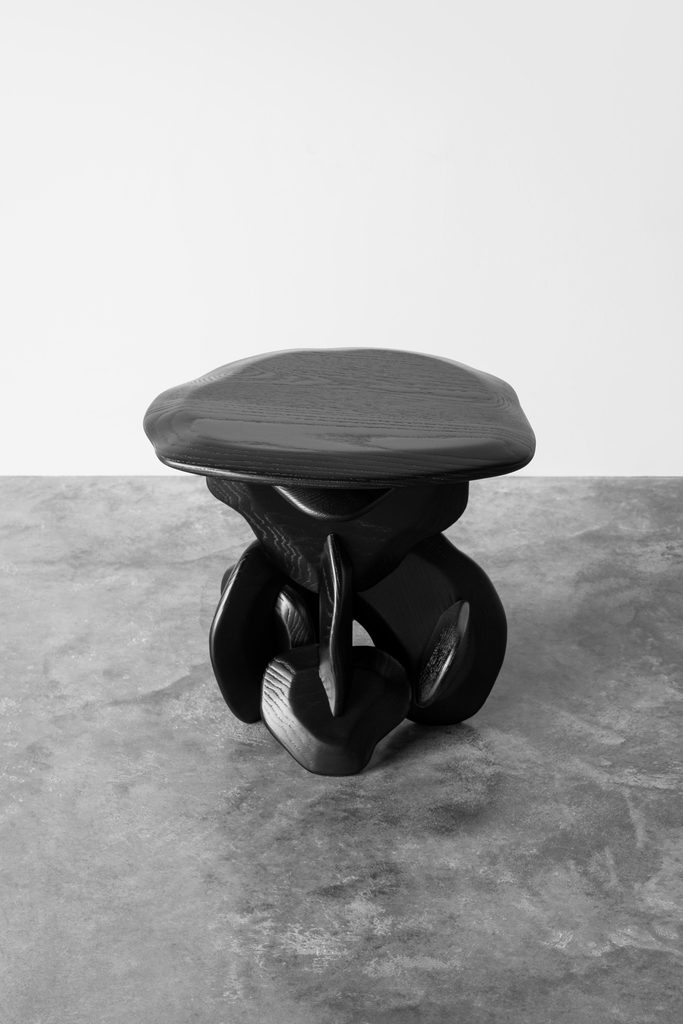
At Booroom Gallery, the work of Nikita Erokhin, founder of KAMEH, takes inspiration from the desert rose, a mineral formation whose layered geometry becomes the starting point for sculptural furniture. The KAMEH 0.6 collection uses charred timber, worked by artisans in the UAE, to create pieces whose dark, textured surfaces evoke the passage of geological time. The Dubai gallery’s presentation places these contemporary works alongside designs from different periods and traditions, including pieces by Brazilian modernist José Zanine Caldas.
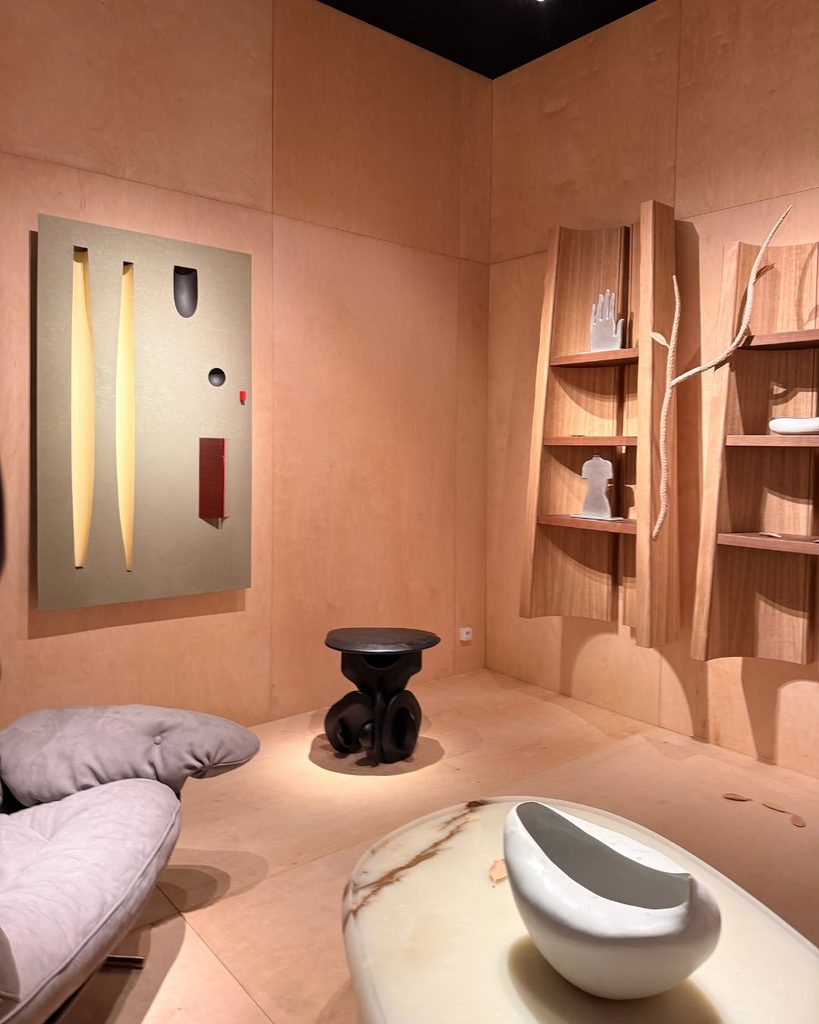
Material experimentation also informs the work of Moroccan designer Moulay Hafid Sdikiene, presented by Galerie Boketto. His practice explores the sculptural possibilities of materials such as metal and stone, with an interest in the tension between solidity, transparency and light.
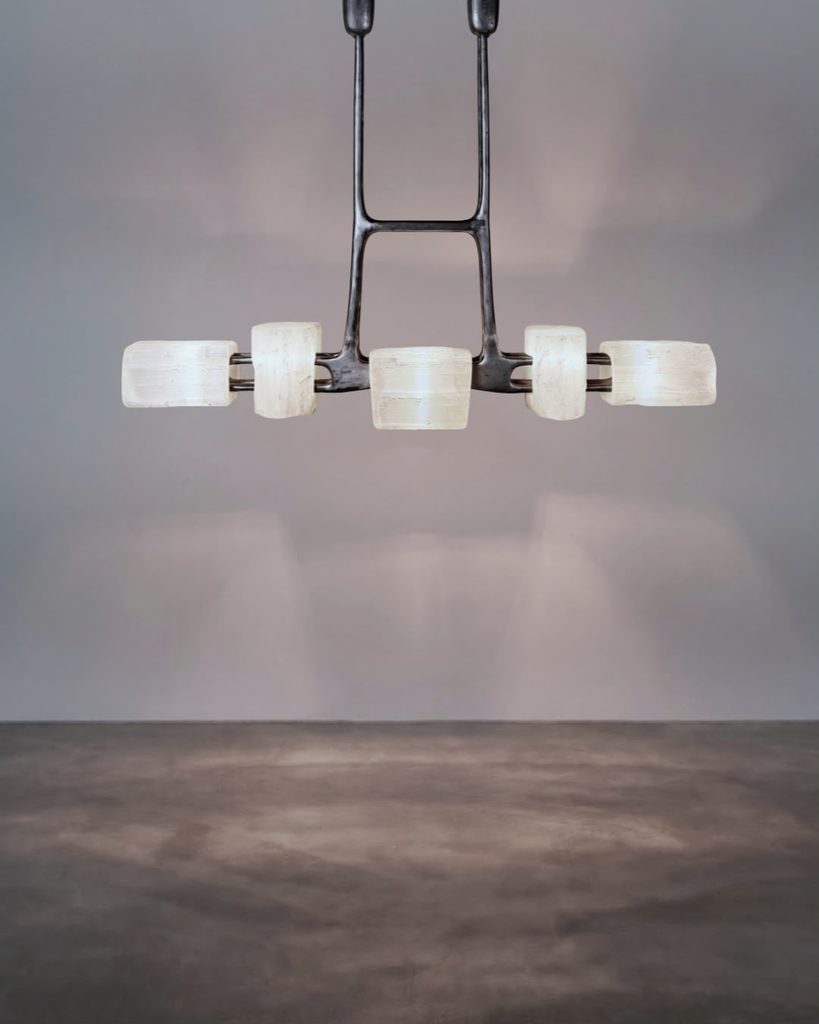
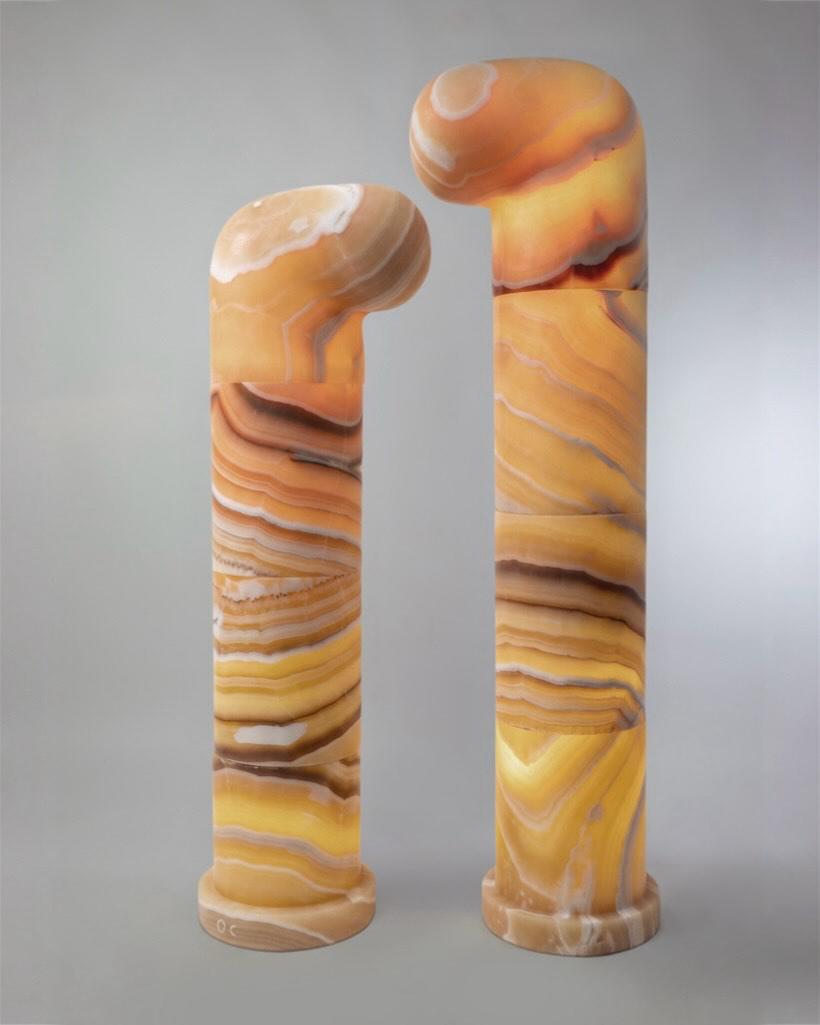
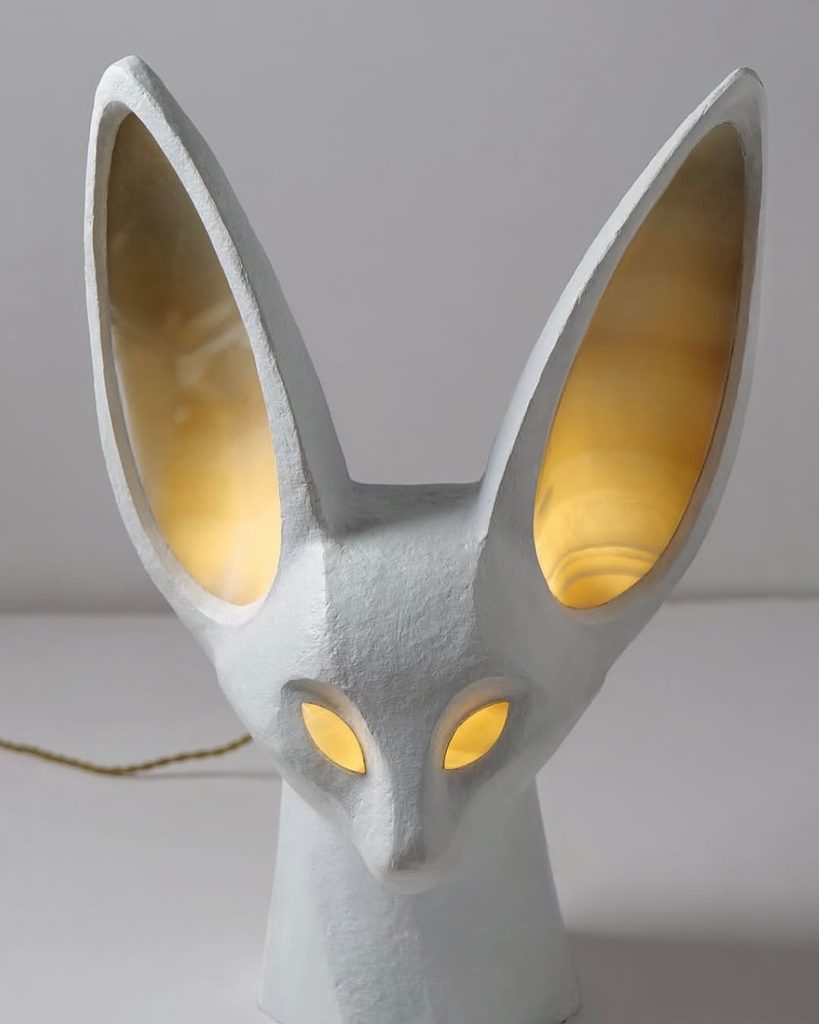
Elsewhere, Egyptian designer Omar Chakil, associated with Galerie Gastou, approaches furniture and lighting through a sculptural vocabulary informed by Egyptian alabaster, ancient forms and contemporary design. These are distinct practices, yet both demonstrate how material can become a vehicle for artistic expression rather than simply a means of construction.
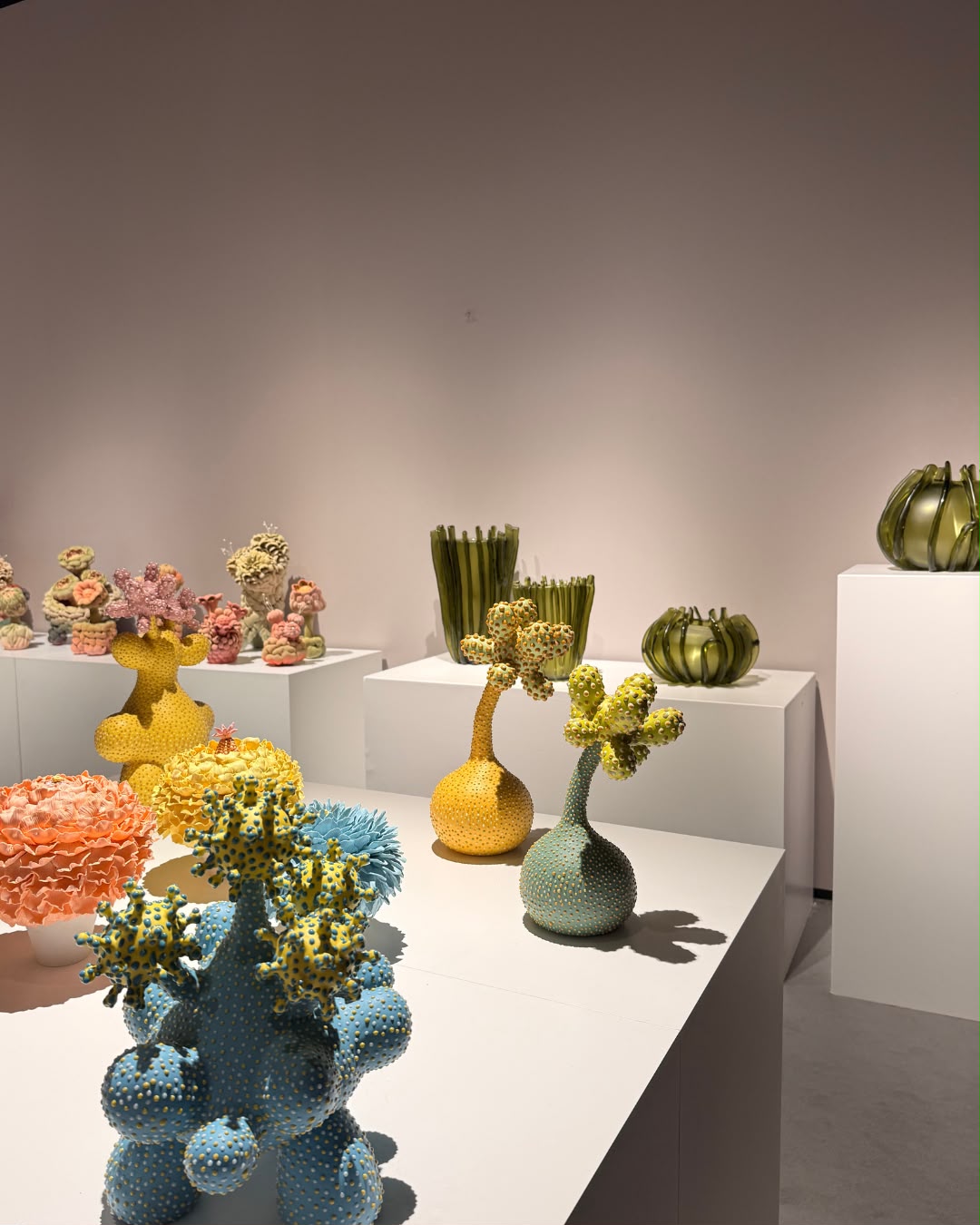
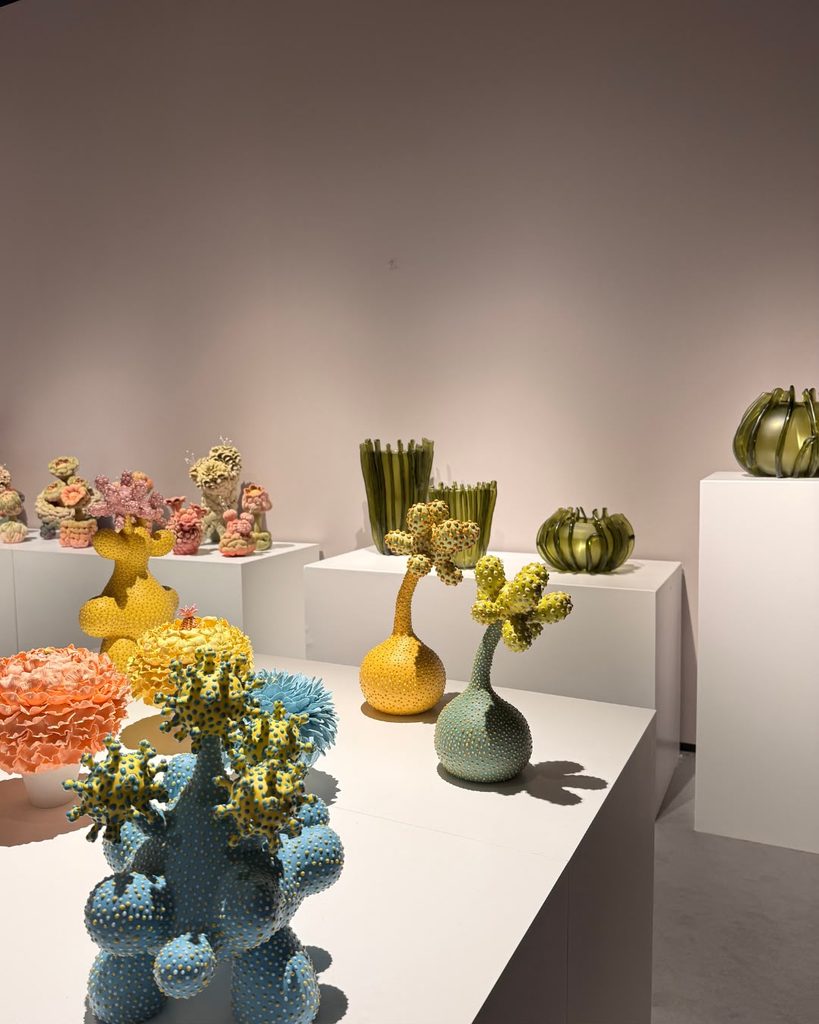
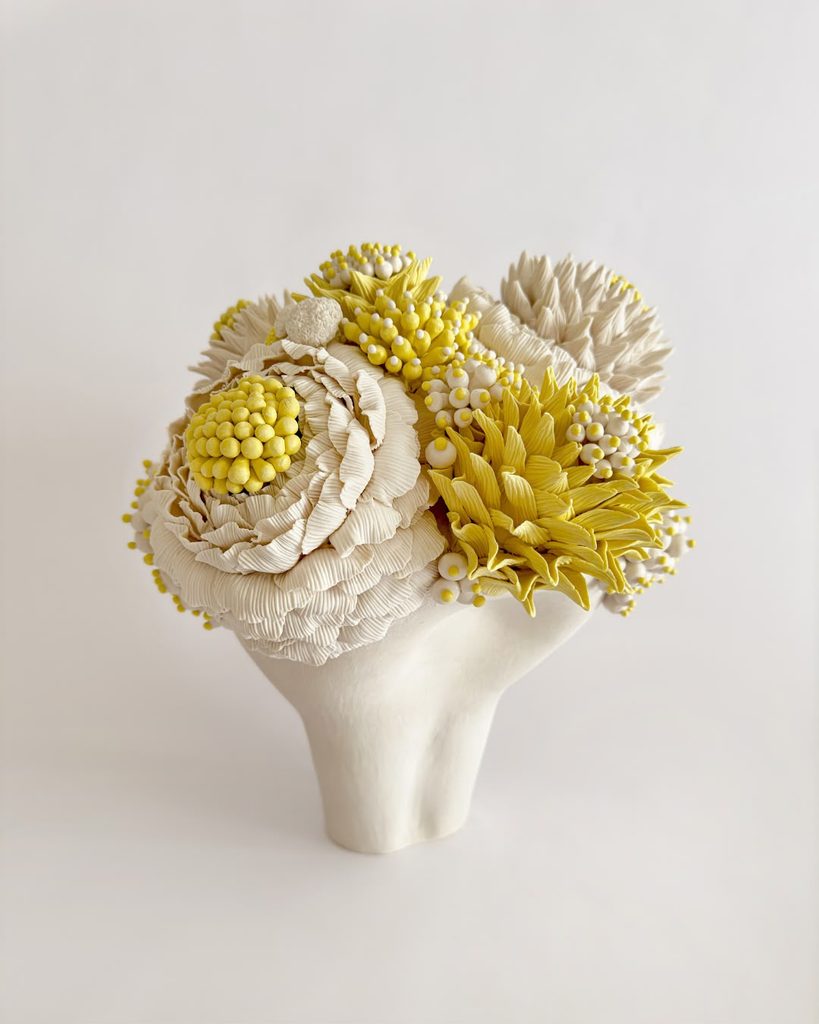
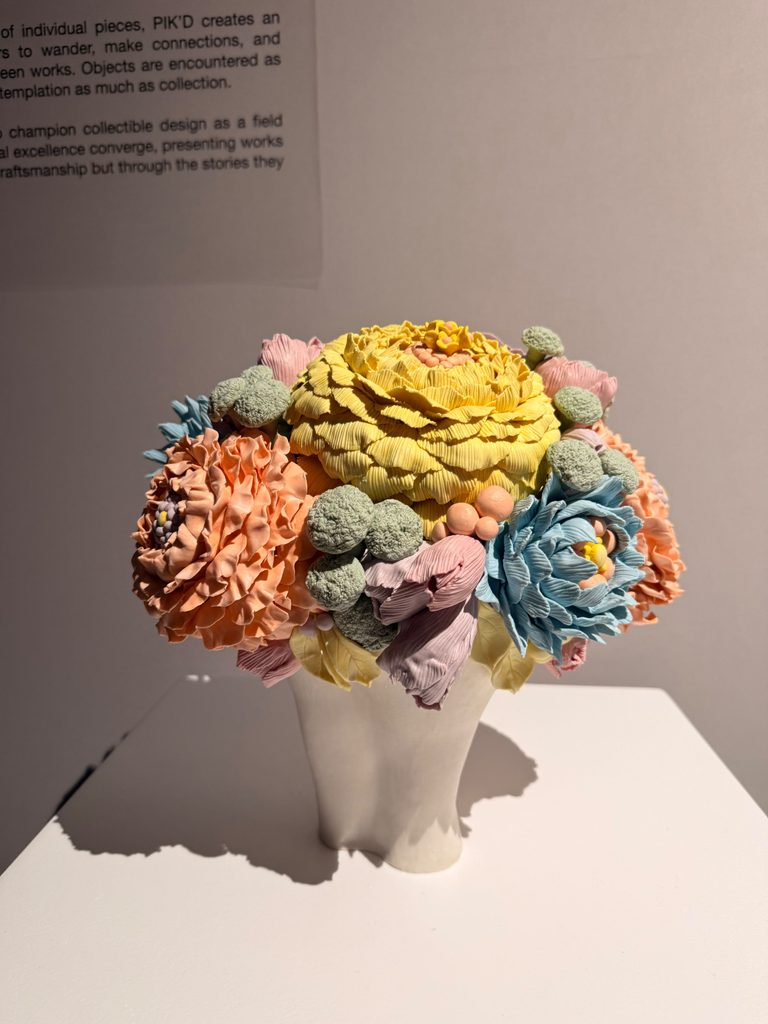
Ceramics occupy another important place in this conversation. Through Beirut-based PIK’D, the work of Andrea Nassar introduces an organic vocabulary inspired by botanical forms and natural structures. Her approach to clay gives particular attention to surface, repetition and the expressive potential of handmade objects. It is an example of how ceramics, once principally associated with domestic utility, have acquired an increasingly prominent place within contemporary collectible design.
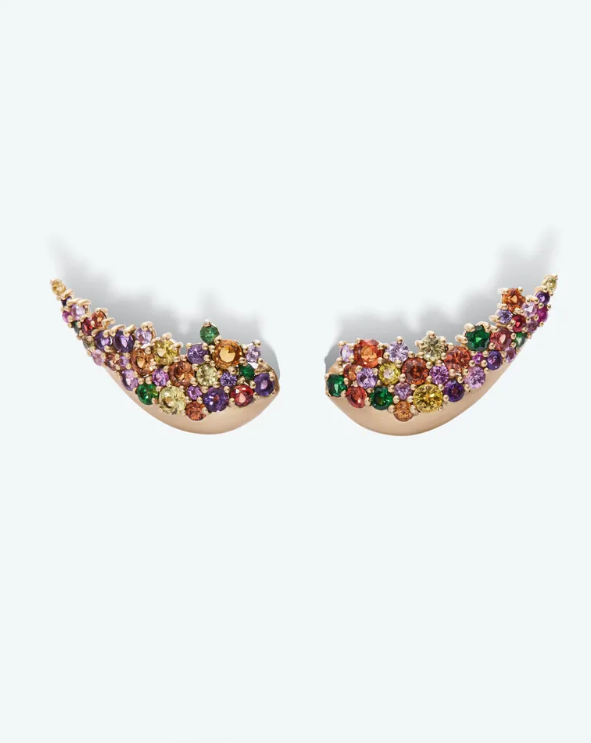
The fair’s inclusion of jewellery extends this discussion to a more intimate scale. Presented by Second Pétale, Lebanese designer Nada Ghazal approaches jewellery as a form of personal expression, creating pieces that engage with memory, emotion and the relationship between an object and its wearer. Her work is a reminder that collectibility is not determined by size or conventional categories, and that an object worn close to the body can carry the same artistic ambition as a piece of furniture or sculpture.
Beyond individual presentations, PAD London’s significance lies in the relationships it establishes between objects that might otherwise occupy separate cultural and commercial worlds. Galleries such as Adrian Sassoon bring contemporary ceramics, glass and metalwork into dialogue, while Rose Uniacke presents historical designs by figures including Jean-Michel Frank, Gio Ponti and René Lalique. Such juxtapositions encourage visitors to look beyond chronology and consider the continuities of craftsmanship, proportion and artistic invention.
For collectors and design enthusiasts alike, the pleasure of PAD London is found in this freedom of association. A piece need not belong to a particular movement, period or discipline to enter into conversation with another. What matters is the quality of the work, the intelligence of its making and the sensibility with which it is encountered.