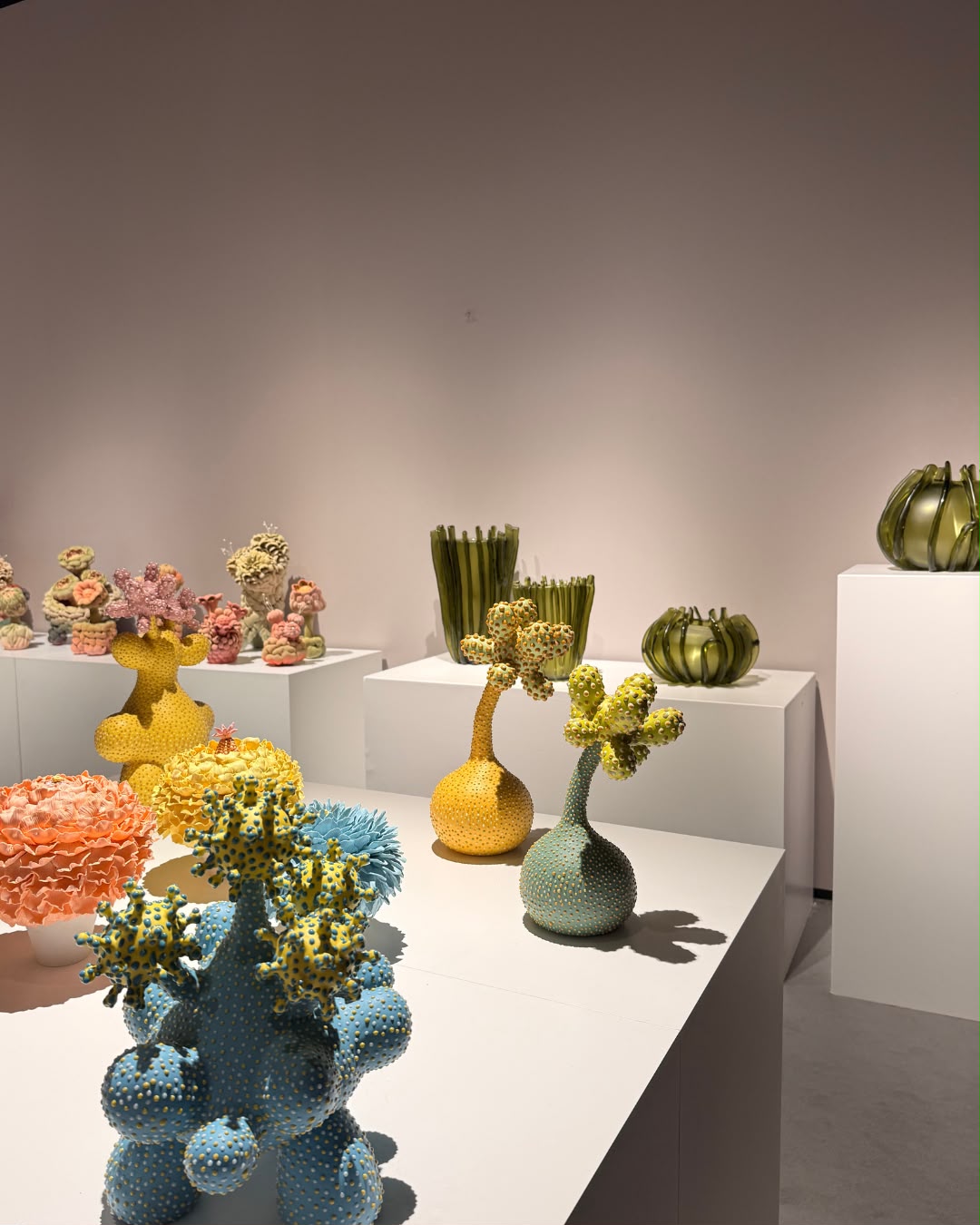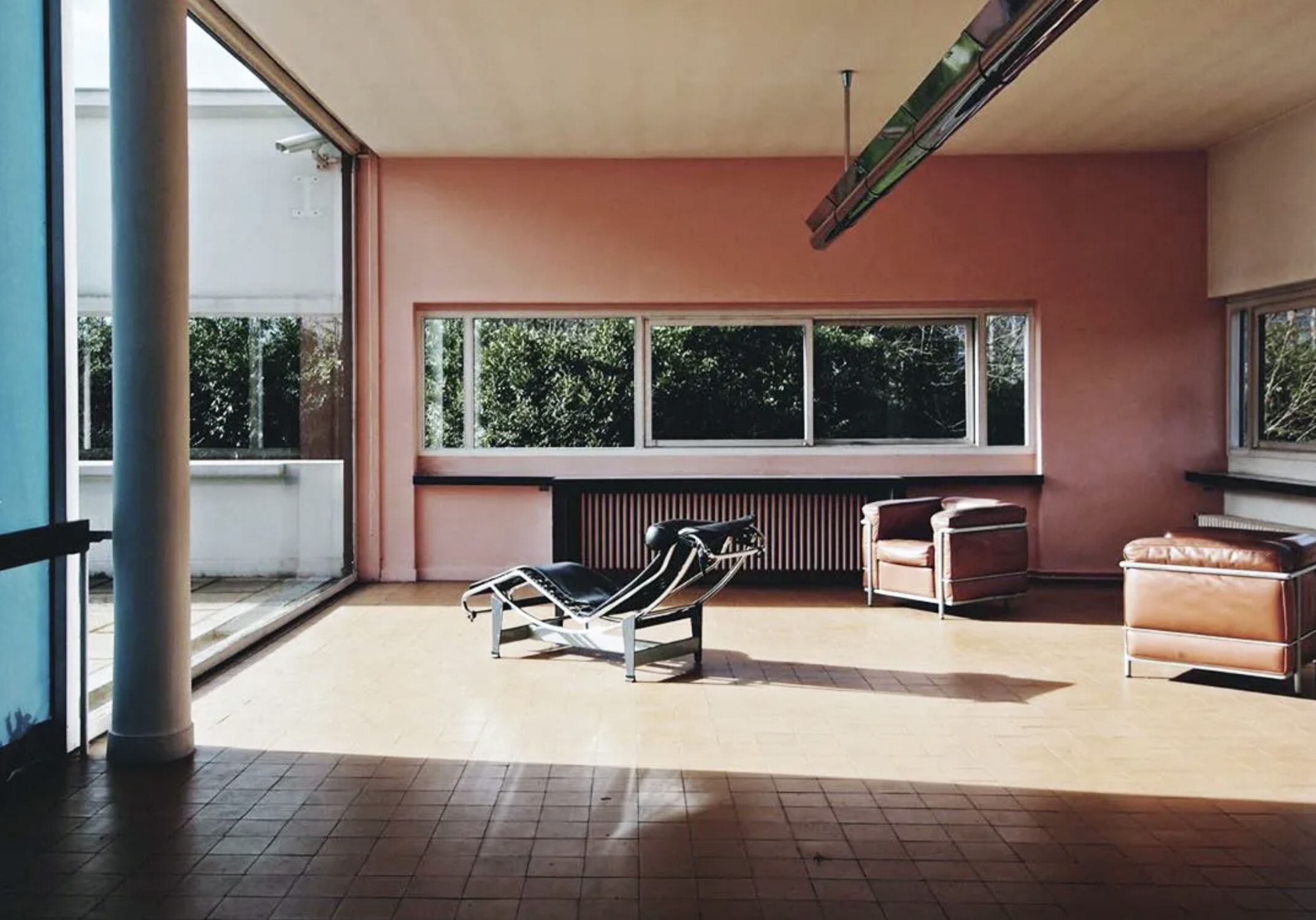
The distinction between art and craft has never been entirely convincing. Historically, it was less a question of creative merit than of classification: art belonged to the realm of intellectual expression, while craft was associated with technique, utility and the applied arts. Yet the history of objects tells a more complicated story. A vessel can be as conceptually sophisticated as a sculpture; a woven surface can articulate ideas about structure, rhythm and space. The difference, increasingly, is not found in the object itself, but in the cultural framework through which we choose to understand it.
This is the territory occupied by the LOEWE FOUNDATION Craft Prize, which will mark its tenth edition during Milan Design Week in April 2027. Established in 2016, with its first award presented in Madrid the following year, the Prize has developed into an international platform for contemporary craftsmanship, recognising practices in which technical knowledge and artistic experimentation are inseparable.

Its significance lies partly in the way it approaches the idea of mastery. In the conventional understanding of craftsmanship, excellence is measured through precision, control and the faithful transmission of techniques. Contemporary makers, however, frequently employ those same skills to question the conventions from which they emerged. Clay is pushed beyond the familiar vocabulary of ceramics; textiles abandon the flat surface to occupy space; traditional processes become instruments of formal investigation.
Here, technique is not the opposite of artistic freedom. It is what makes that freedom possible.
The material as an idea

To work with a material is to enter into a negotiation with its properties. Wood has a grain, clay has a memory, fibres have tension. Each imposes limitations, but also suggests possibilities. The most compelling contemporary craft often emerges from this dialogue, when the maker’s intention encounters the resistance of the material and something unforeseen becomes possible.
This understanding challenges the romantic notion of the handmade as an inherently authentic or superior category. An object does not acquire artistic significance simply because it has required considerable labour. What matters is the relationship between knowledge and invention: the ability to transform an inherited process into an individual language.
It is a distinction reflected in the criteria of the LOEWE FOUNDATION Craft Prize, which considers originality, artistic vision, technical execution, material excellence and innovation. The emphasis on a distinct authorial identity is particularly revealing. Craftsmanship is understood not as anonymous virtuosity, but as a practice capable of carrying an identifiable artistic position.
The Prize also belongs to a longer conversation about the status of the decorative and applied arts, whose historical separation from the fine arts has shaped museums, collections and cultural institutions for generations. Contemporary craft complicates that hierarchy without necessarily seeking to dissolve it. Its strength lies precisely in its ability to operate between categories, drawing on the histories of functional objects while claiming the intellectual autonomy traditionally reserved for art.
Milan, and the culture of objects
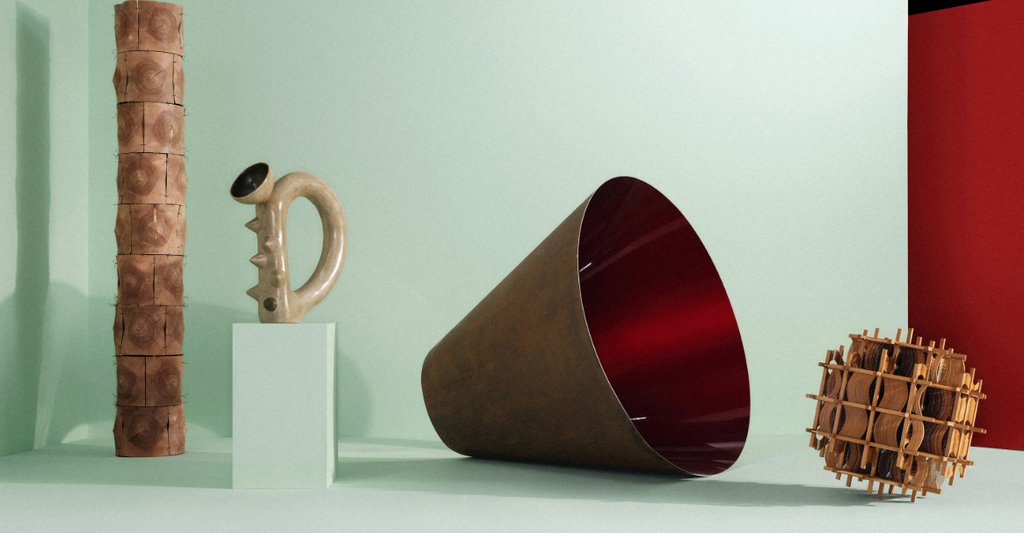
That the tenth edition should take place in Milan is especially pertinent. The city’s design culture has long been shaped by the relationship between industrial production, artisanal expertise and formal experimentation. It offers an appropriate context in which to reconsider the position of the handmade within a contemporary creative landscape.
The award ceremony will take place on 11 April 2027, followed by an exhibition from 12 to 28 April, presenting 30 shortlisted works selected by an expert panel. The anniversary also provides an occasion to consider the Prize’s international trajectory, from Madrid to cities including London, Tokyo, Paris, Seoul, New York and Singapore.
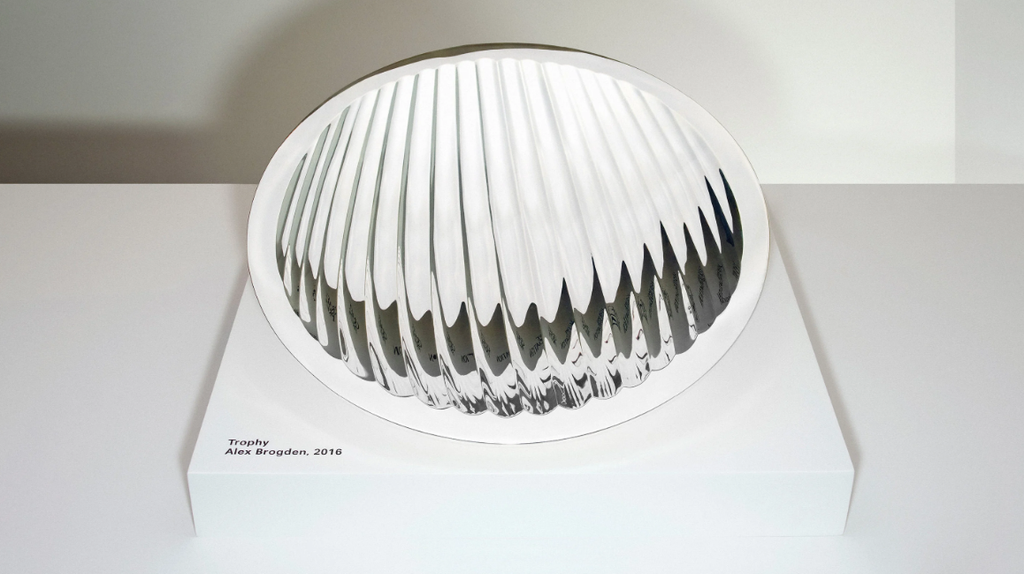
For LOEWE, whose origins lie in a nineteenth-century Spanish leather workshop, the relationship with craftsmanship is more than an exercise in historical continuity. Through the Foundation, established in 1988, it has become a sustained cultural commitment to practices that exist beyond the immediate concerns of fashion.
Perhaps the most interesting question raised by the Prize is not whether craft deserves to be considered art. That question presupposes a hierarchy in which artistic recognition represents the ultimate achievement of making. More compelling is the possibility that craftsmanship offers its own form of intellectual inquiry, one in which ideas are developed not independently of materials, but through them.
The hand, in this understanding, is neither a nostalgic symbol nor simply an instrument of execution. It is a means of thought.