At the House of Artisans retail space in Abu Dhabi, designed by Studio Collectus, the question of how craft is positioned within a contemporary institution is approached through control, distance, and tension. “The tension was an integral emotion to convey,” explains Amer Madhoun, Founder and Head of Creative at Collectus Studio who notes that craft today risks “flattening” when reduced to surface or decoration. Here, the intent was “to address craft in a more embedded method, rather than as a decorative treatment,” aligning with the institution’s role in both preserving techniques and “creating new concepts of interpreting craft in design, and storytelling.”
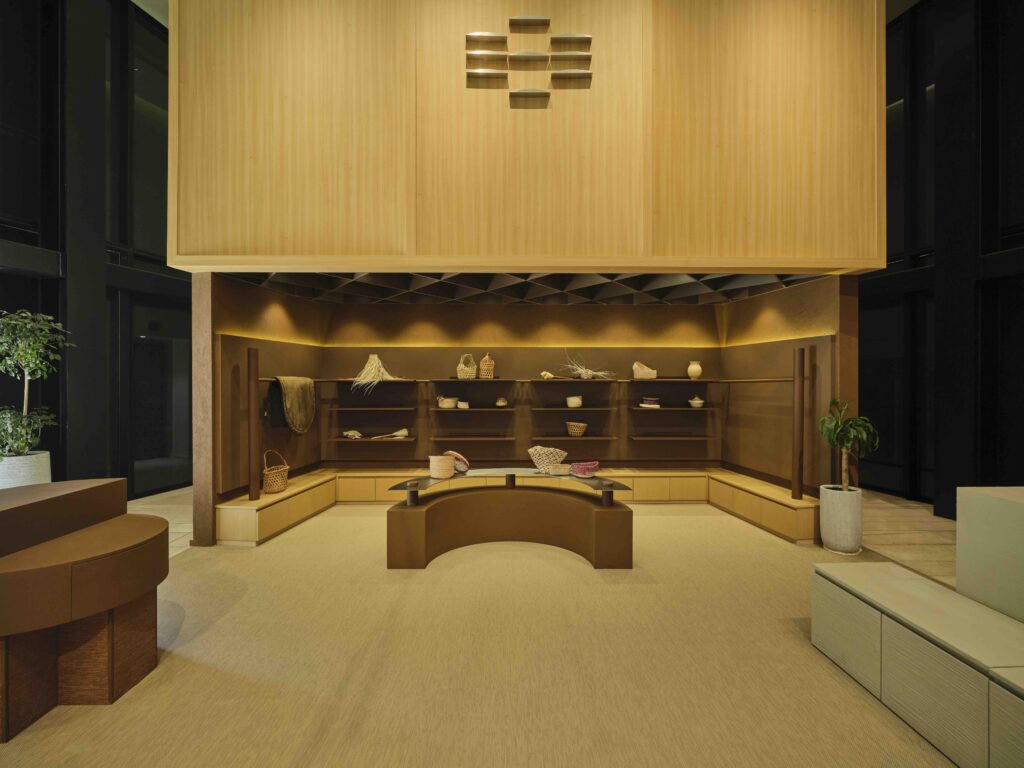
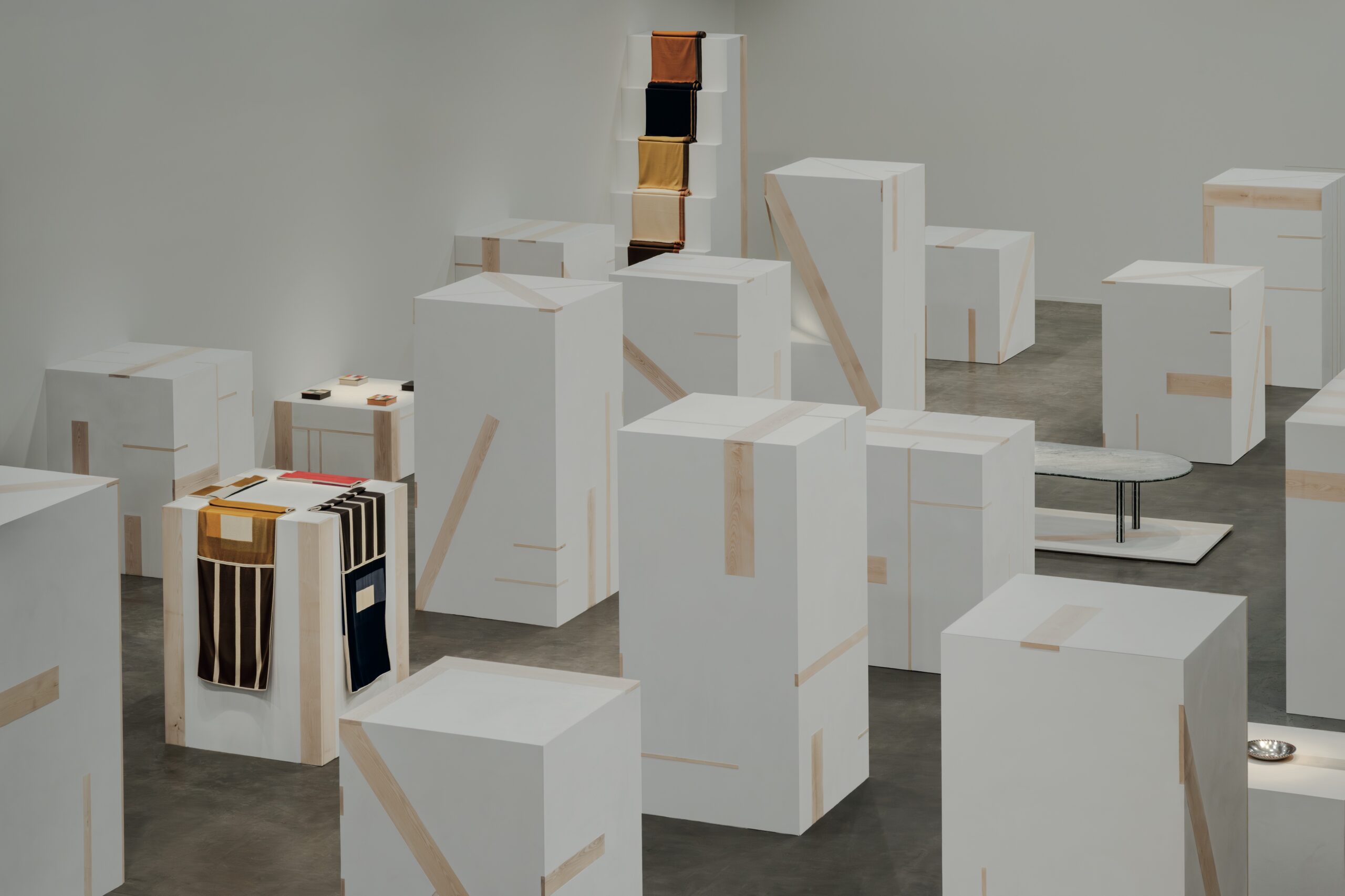
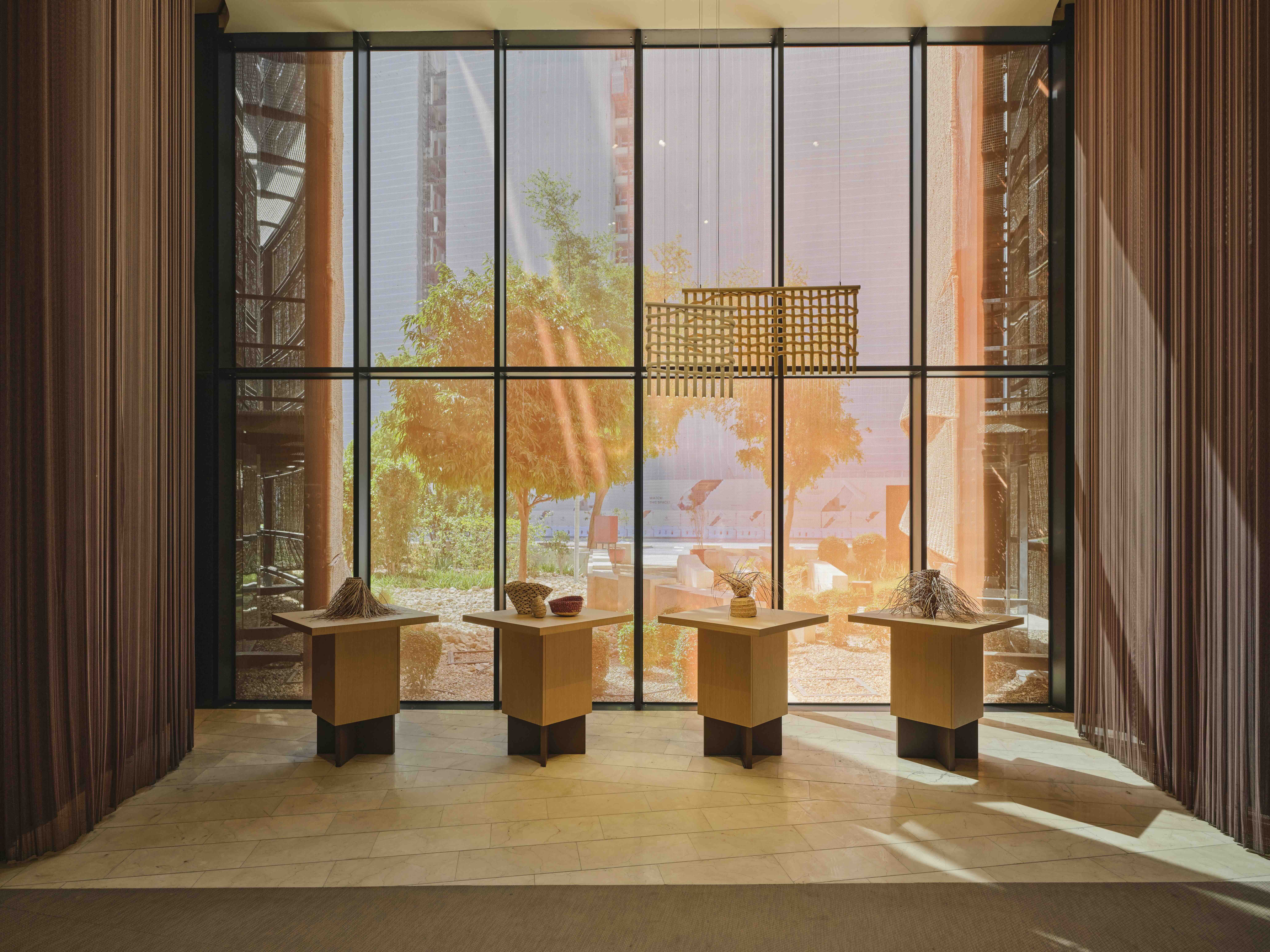
The architectural response begins with restraint. The space remains deliberately pristine, its palette composed of machined and industrially produced surfaces. This was not an aesthetic withdrawal, but a strategic calibration. “We needed to maintain the integrity and identity of the existing space,” Madhoun explains, allowing “the contrast between the machined items and materials against the hand made craft” to emerge with clarity. The result is a composed background where objects are neither absorbed nor overwhelmed, but held in suspension.
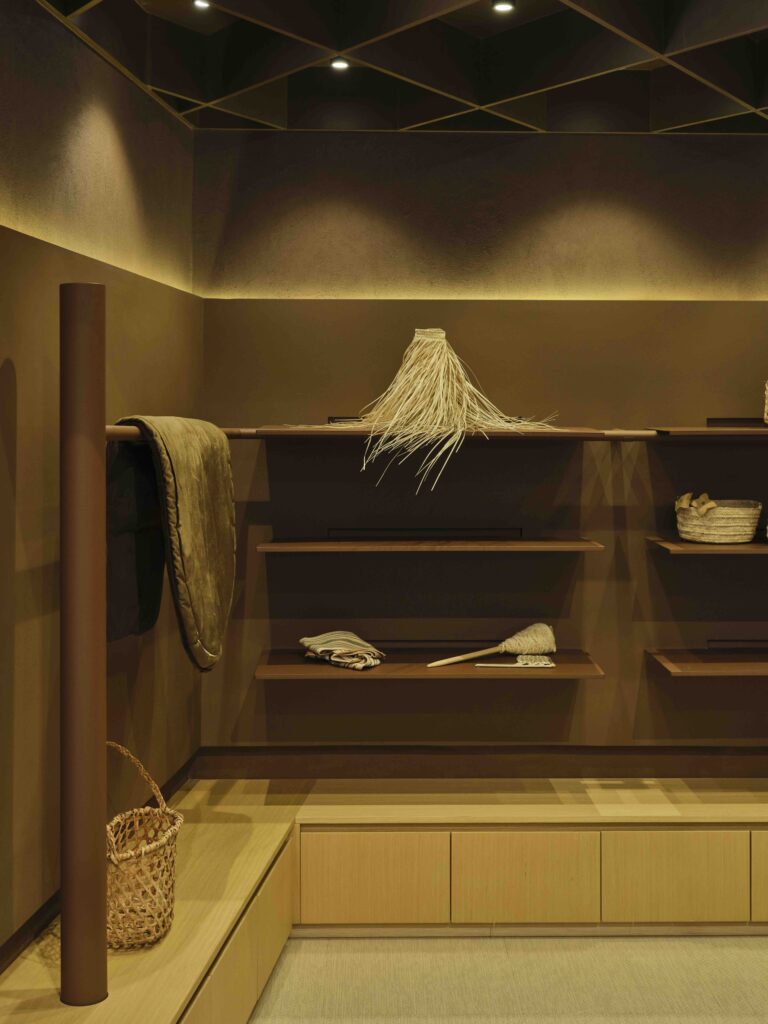
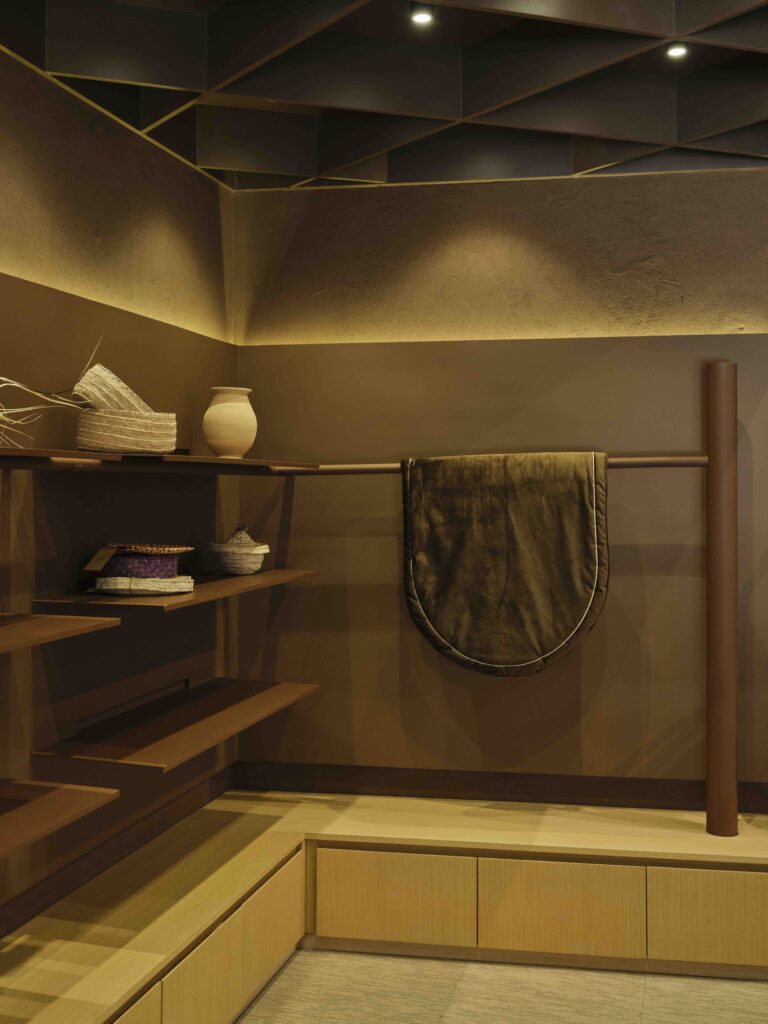
This logic extends into the plan. Drawing from the building’s diagonal geometry, a grid system organizes movement without enforcing it. “The result was a circulation that allowed visitors to slowly meander through the space,” he notes, encountering “different mediums and scales of the objects on display.” The absence of a linear path produces a maze like condition, where each display module is conceived as a distinct object, both autonomous and relational.
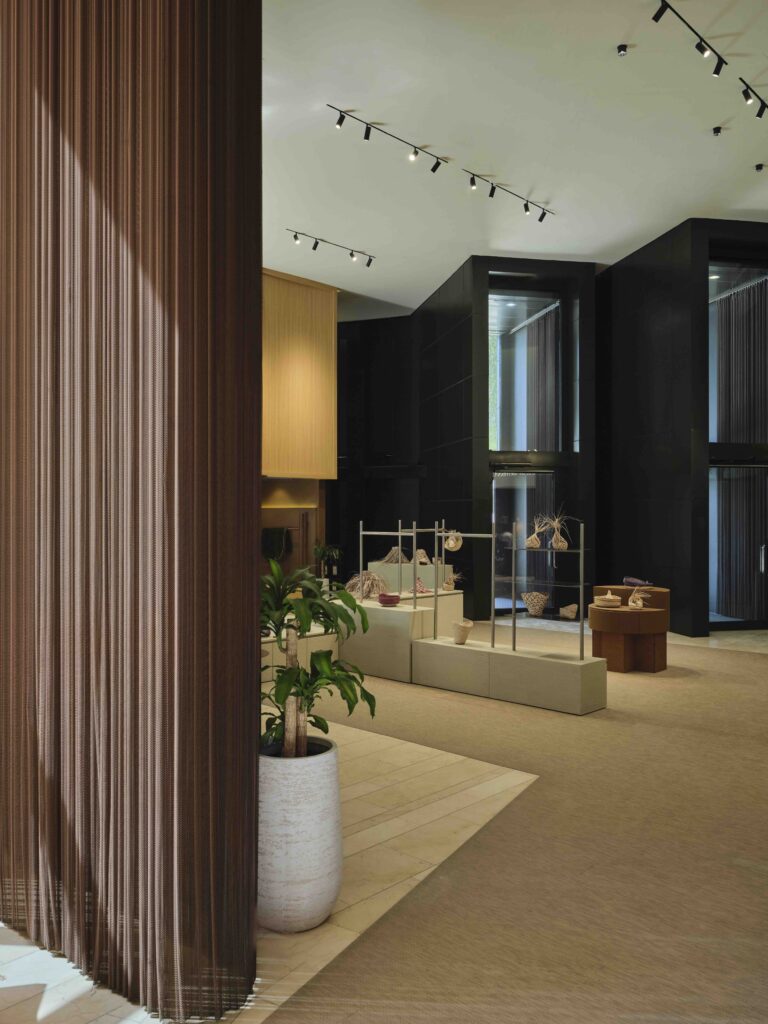
“Allowing visitors to slowly move through the space created an experience of intention,” Madhoun says. The modular system responds to varying scales and materials, while its machined language ensures that “the crafted materials stand out.” In this environment, architecture does not replicate craft, but frames its conditions of perception.
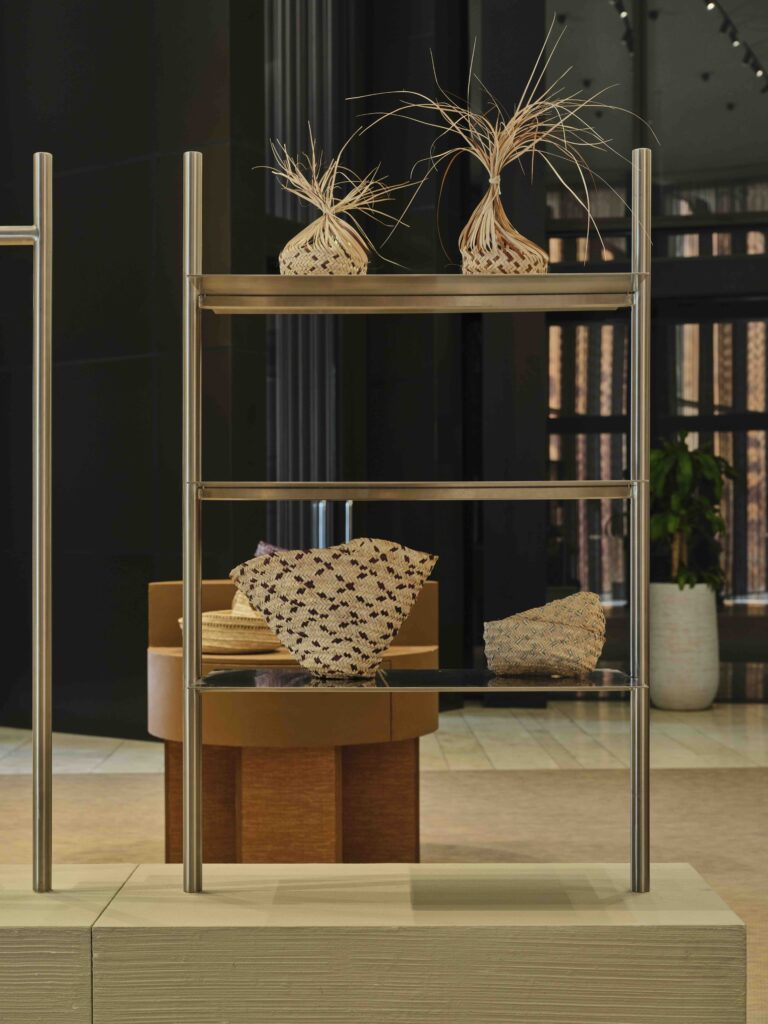
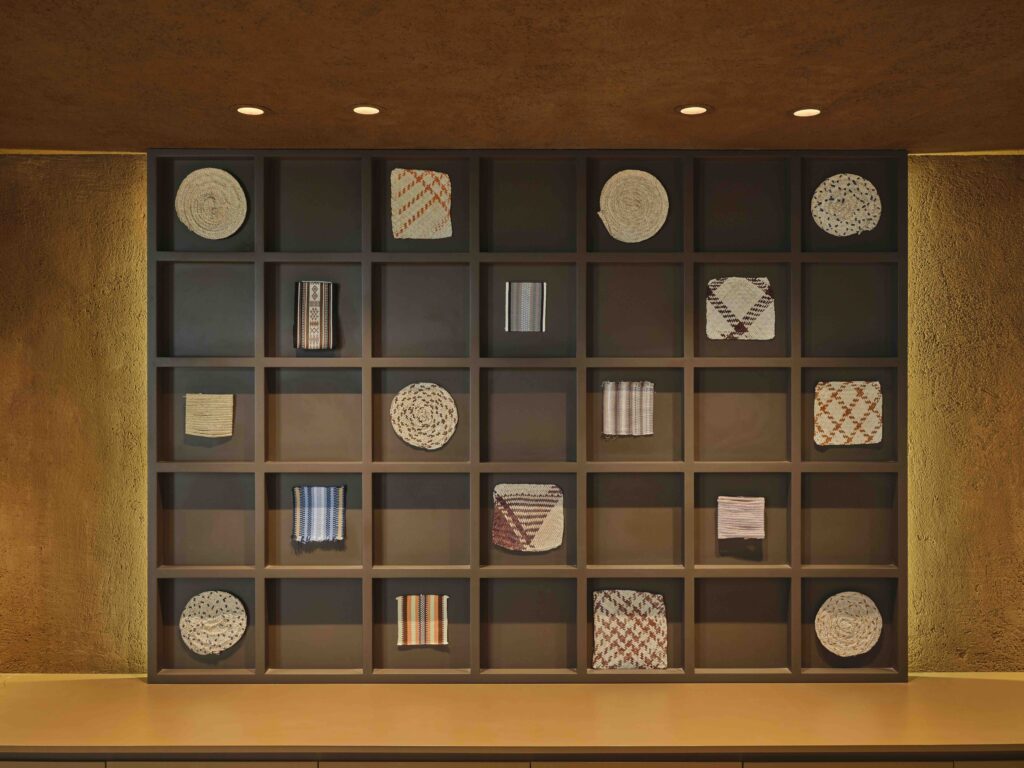
Within the context of the UAE, this approach carries weight. “Archiving and preserving craft and histories will lend itself into more thoughtful projects,” he reflects, suggesting that the role of architecture lies in sustaining dialogue without reducing it.