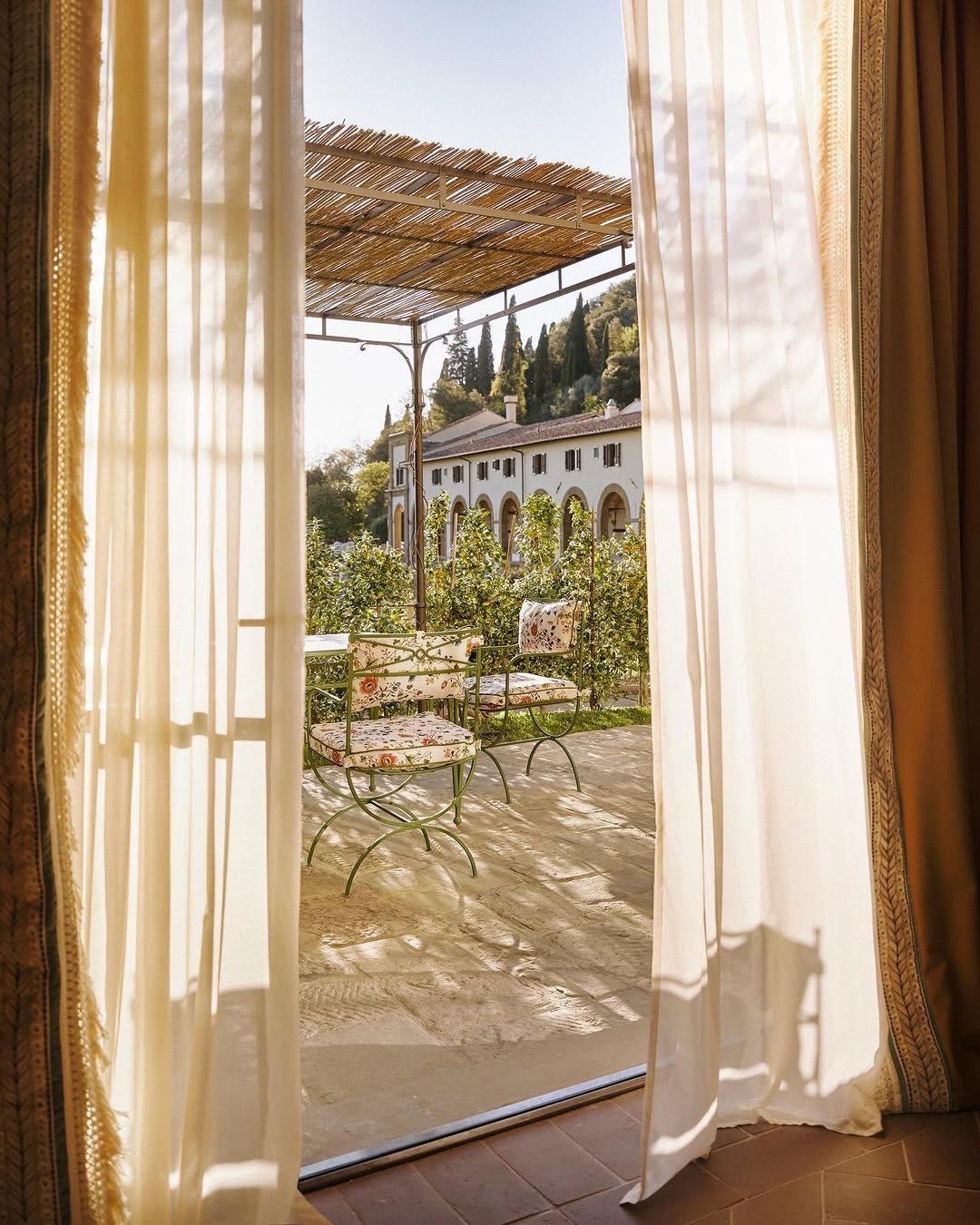
To intervene in a place like Villa San Michele, a Renaissance monastery set in the hills of Fiesole, is not simply a matter of preservation. It requires a clear position on what should remain visible, and what should recede. Originally a 15th-century Franciscan monastery built for the Davanzati family, the property carries over six centuries of architectural layering. The 2026 reopening, following an 18-month renovation, makes that position explicit: no nostalgic reconstruction, no imposed contemporary layer, but a process of calibration.
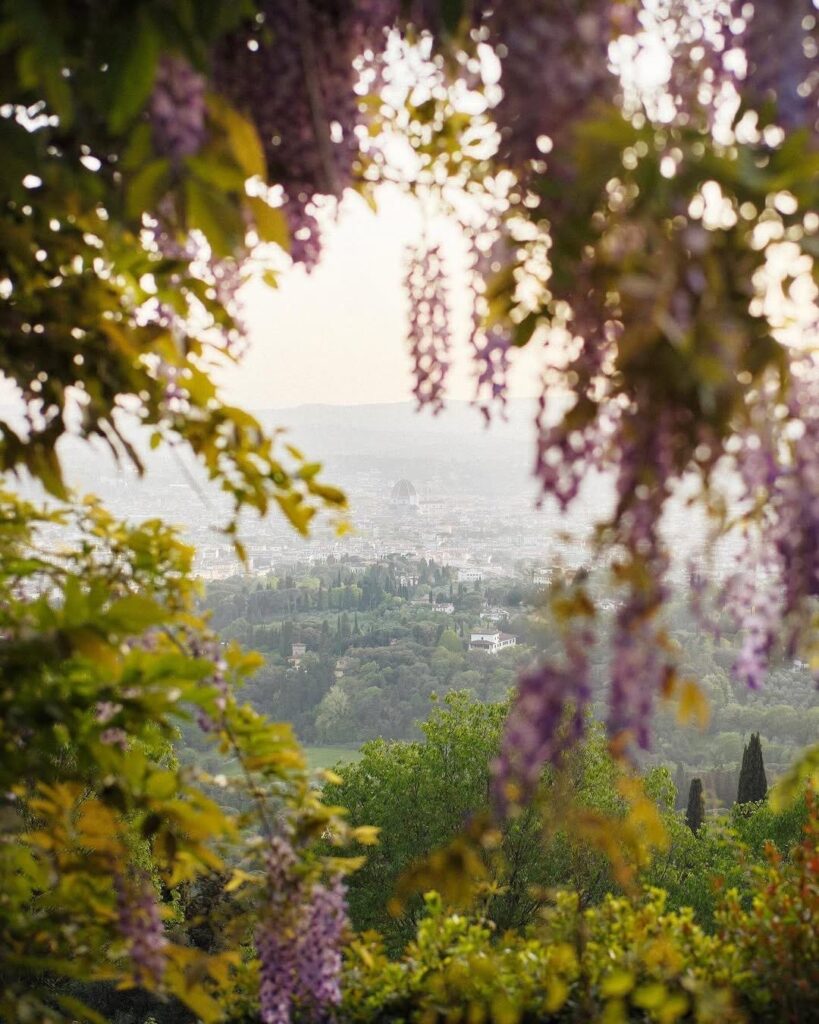
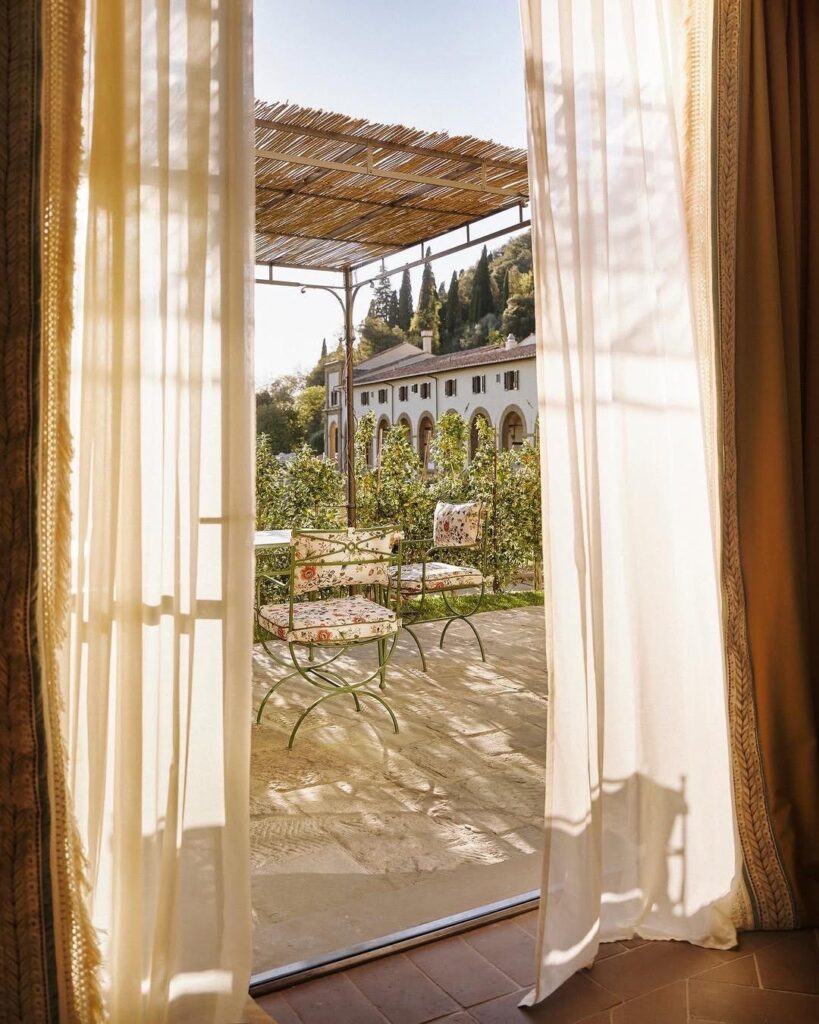
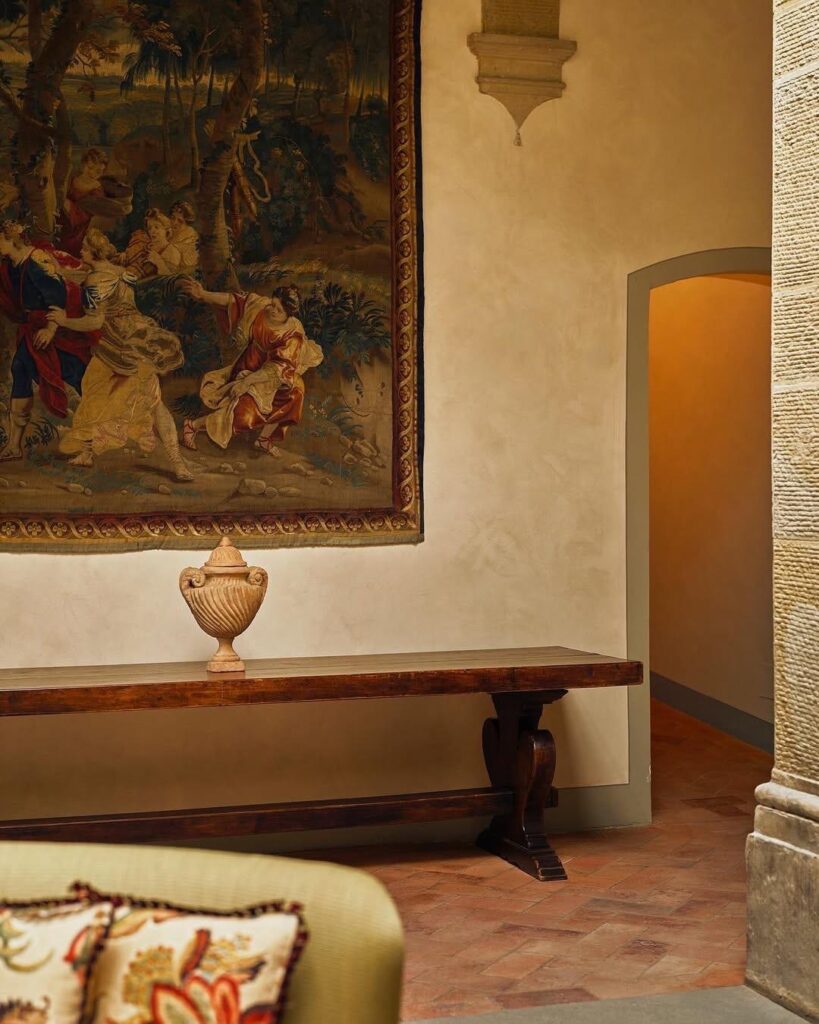
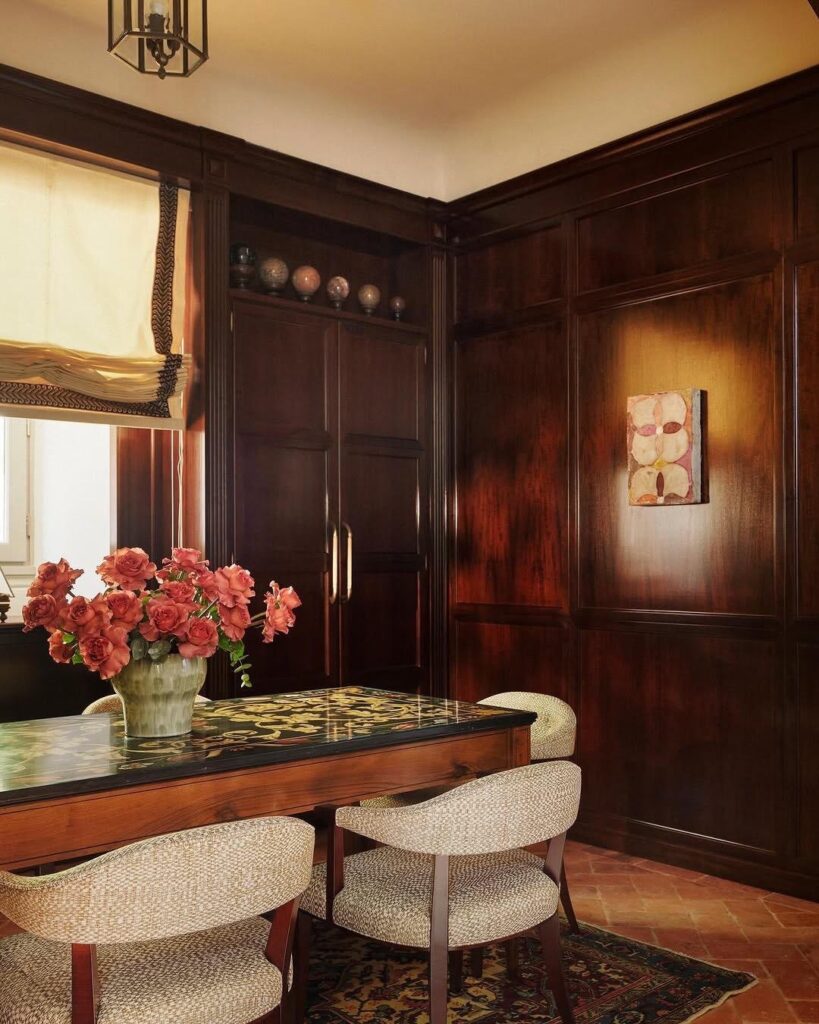
Fragola works through reduction. Historical elements are not amplified but returned to clarity. Stone fireplaces, frescoed walls and time-marked surfaces retain their presence, while new insertions, bespoke furnishings, curated antiques, and local materials such as Impruneta terracotta and Cipollino marble, are introduced with continuity rather than contrast. The interiors feel composed and resolved, yet never overstated. What reads as simplicity is in fact the result of precise control.
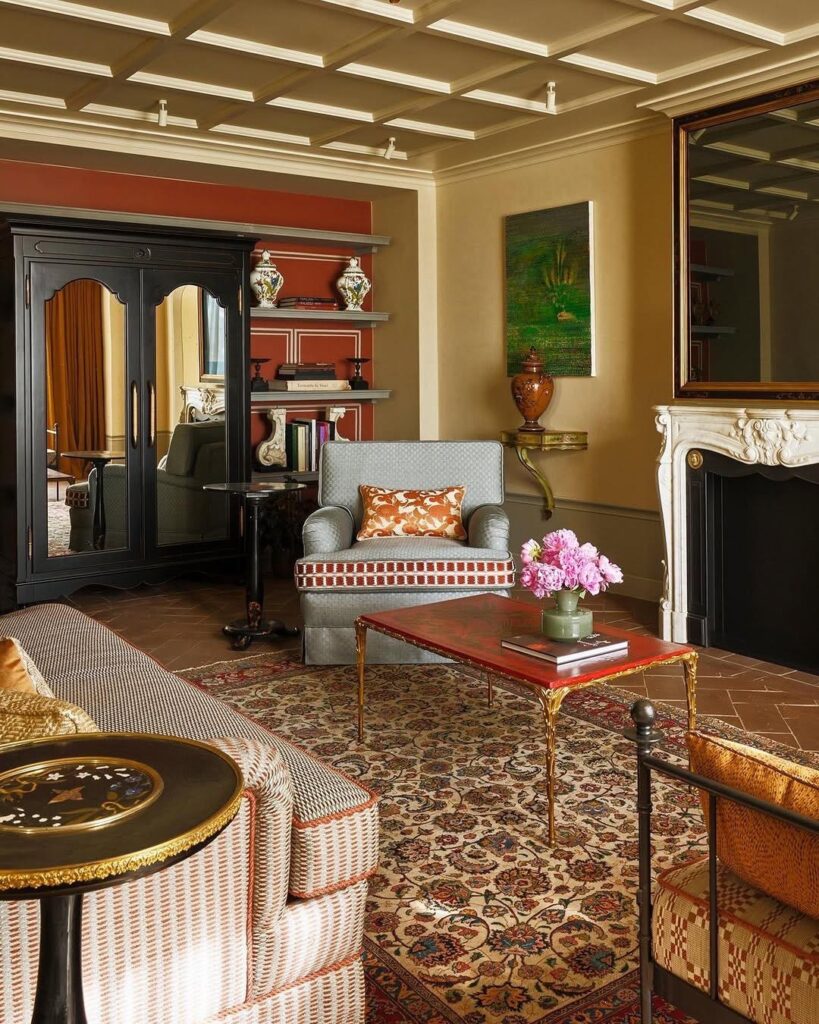
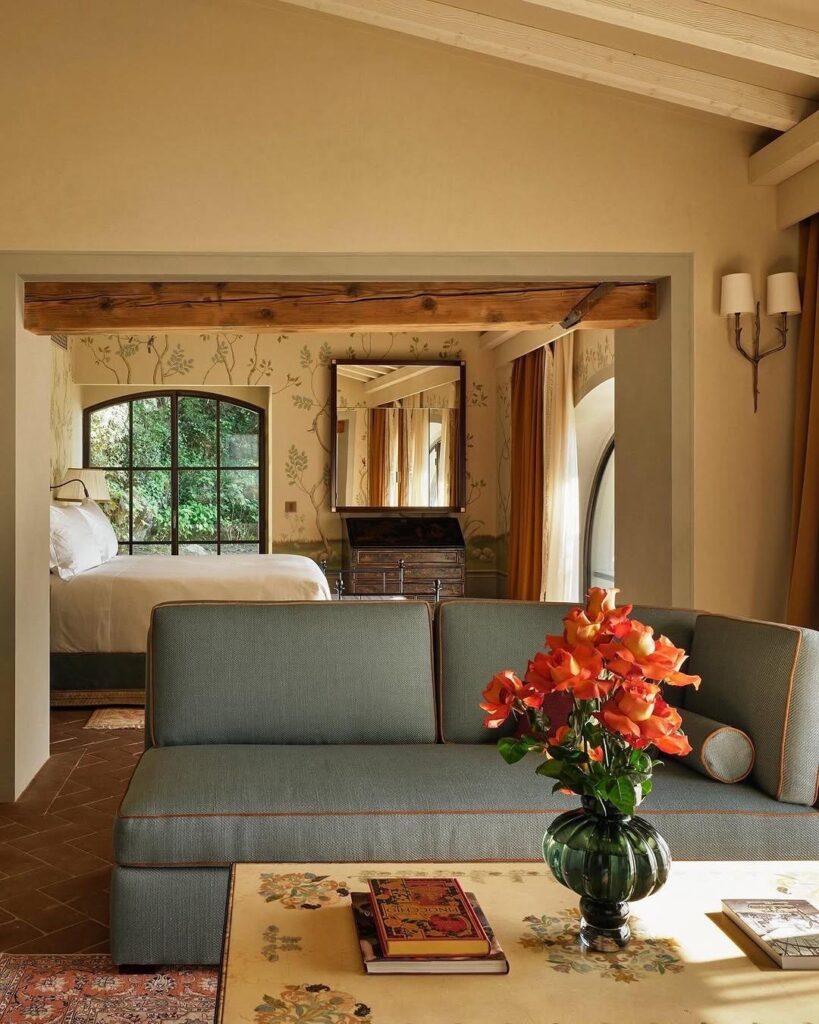
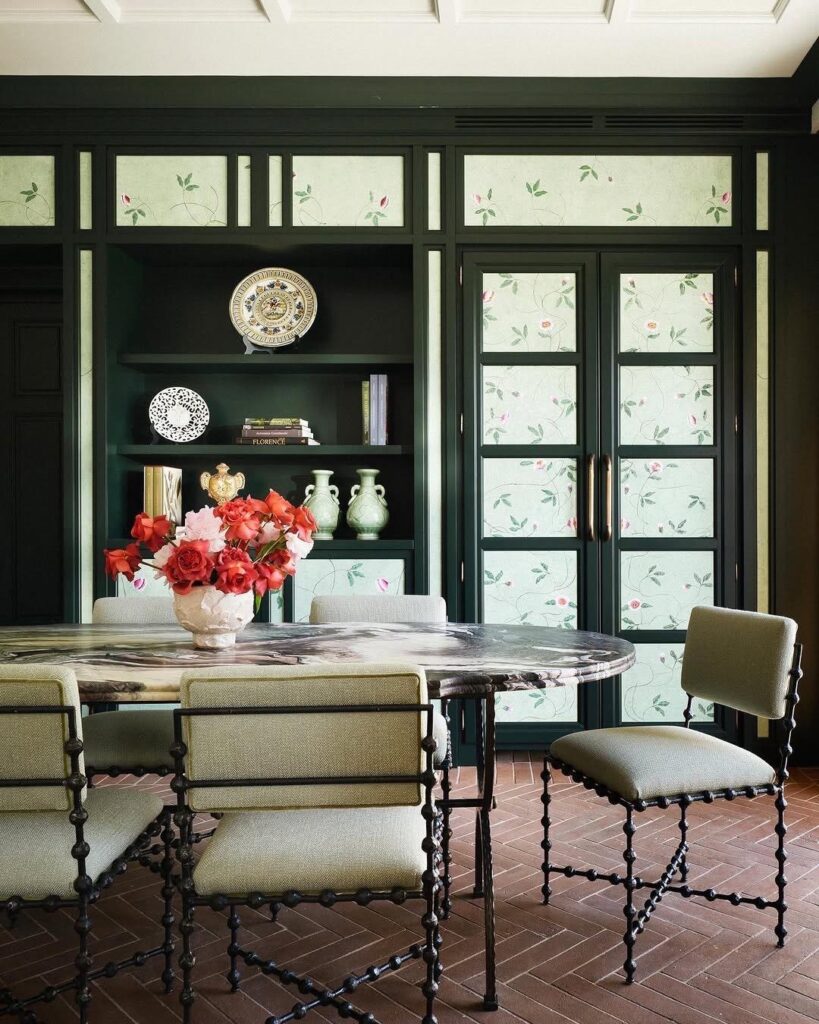
Across 39 rooms and suites, including 27 suites, the design remains deliberately consistent, defined by light, proportion and material. The Limonia Suite, set within the former orangery, is perhaps the clearest expression of this approach, with a spatial quality closer to a private Fiesolan villa than to a conventional hotel suite. Within the Limonia Suite, this approach extends to the surfaces themselves. Murals by Francesca Guicciardini introduce a calibrated layer of narrative, conceived as a contemporary interpretation of fresco. Drawing from the flora and avifauna of the surrounding park, the compositions unfold as a Tuscan chinoiserie, where botanical observation meets decorative tradition. Their visual language recalls the scientific studies of La Specola Museum, Florence’s historic natural history museum, where art and taxonomy converge. The result is not ornamental excess, but a controlled inflection—one that aligns with the project’s broader logic of continuity.
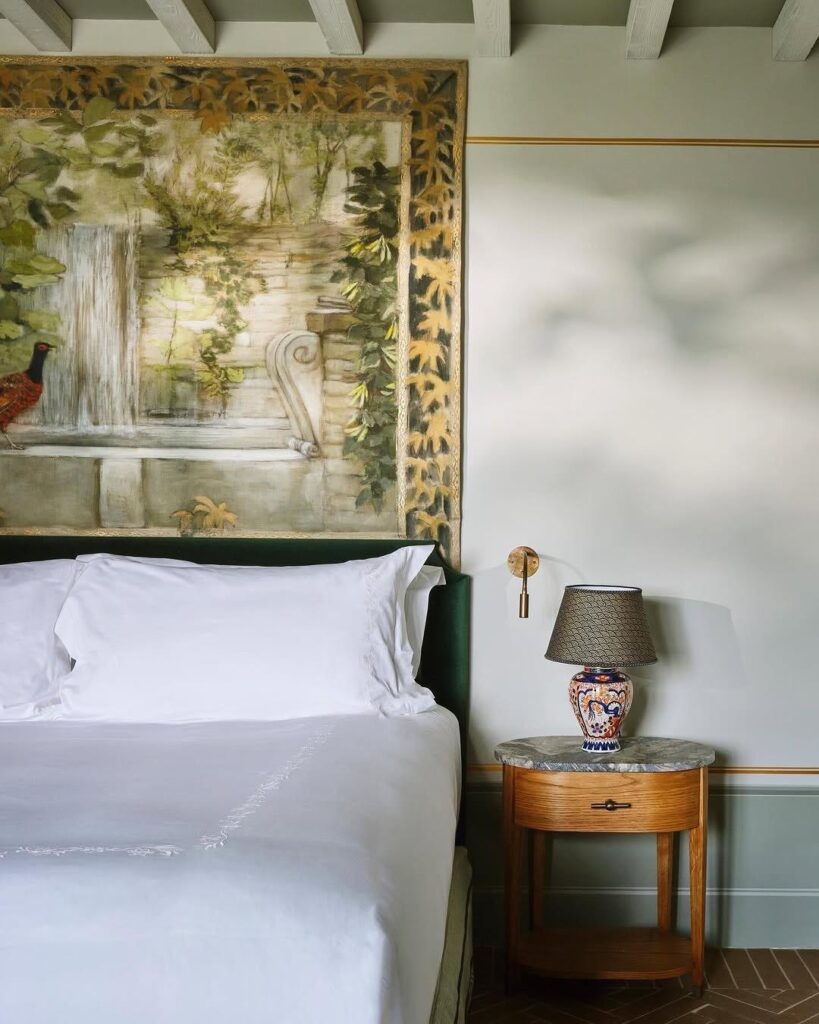
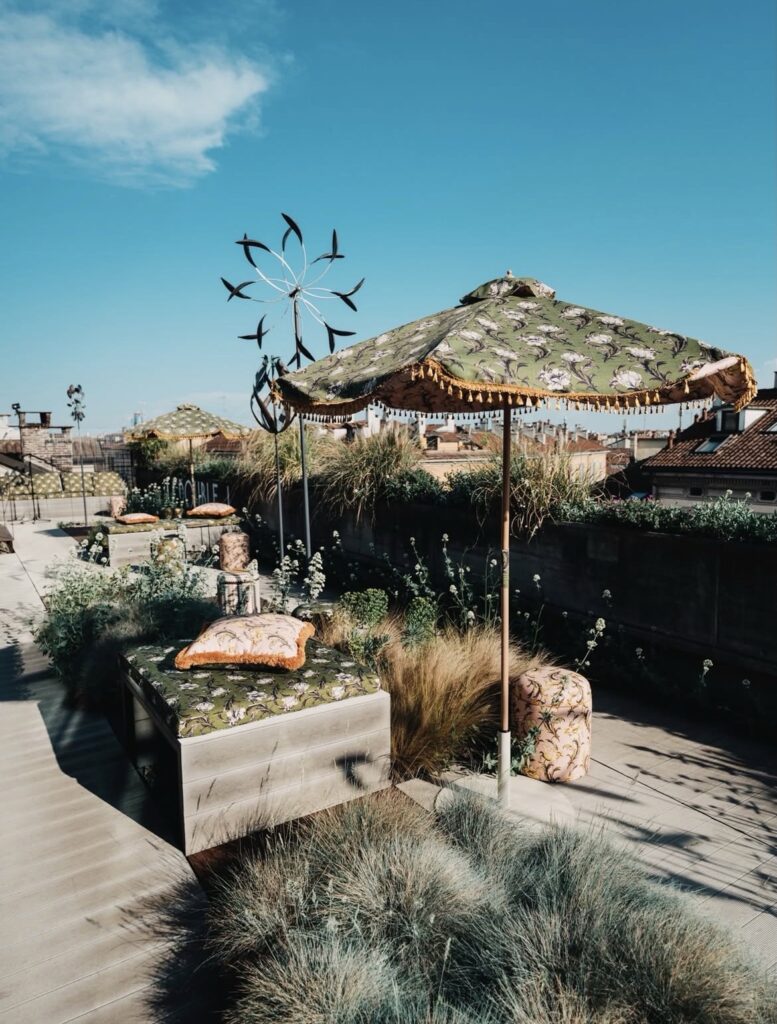
The project extends beyond architecture. The terraced gardens, spanning over 10,000 square meters, are treated as an integral spatial system rather than a backdrop. Likewise, the wellness program, from the spa developed with Guerlain to the interventions conceived with La DoubleJ, introduces a further layer without disrupting the overall balance. Spaces such as the Energy Chapel and Yoga Deck align with the contemplative character of the site rather than reinterpreting it.
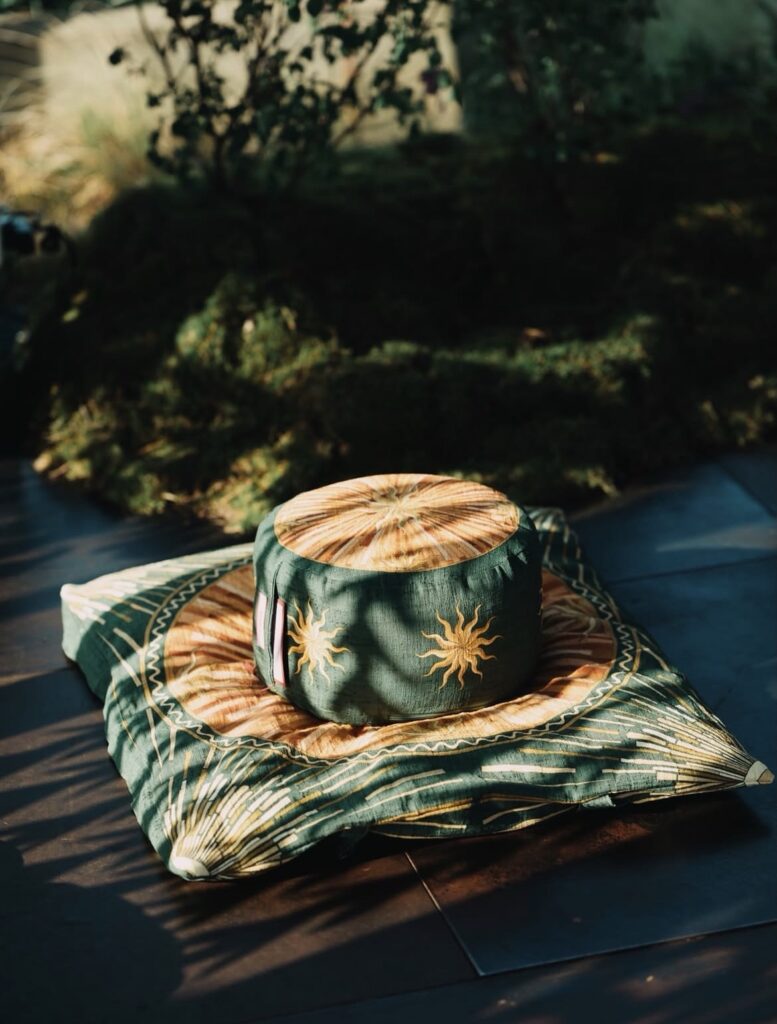
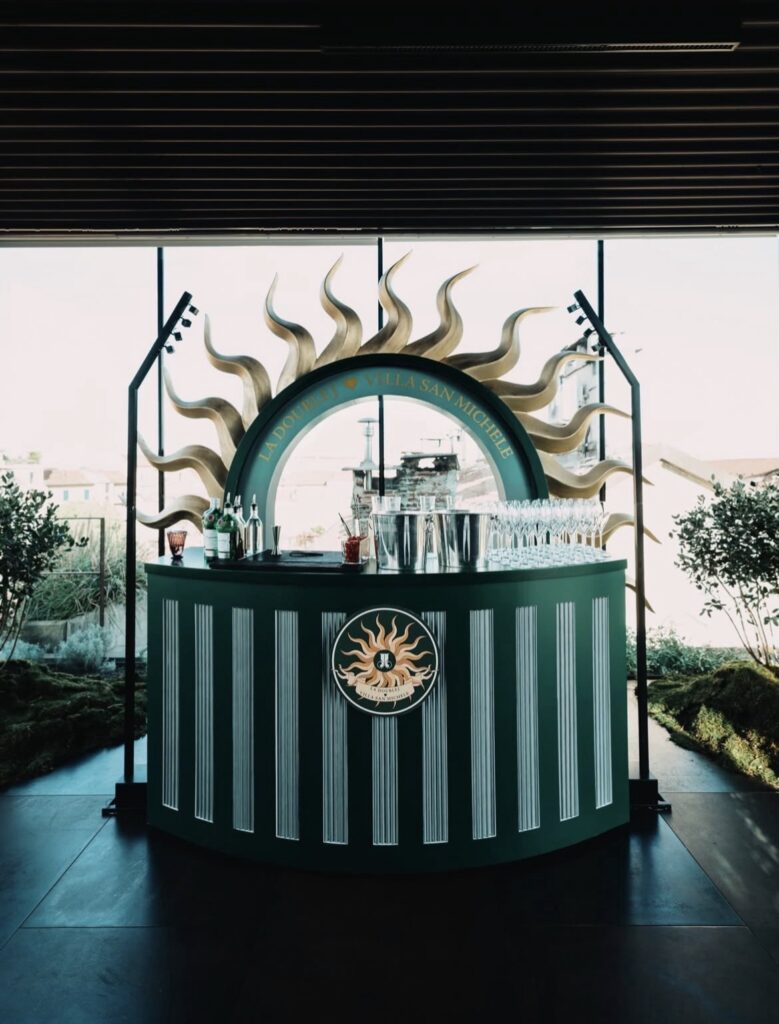
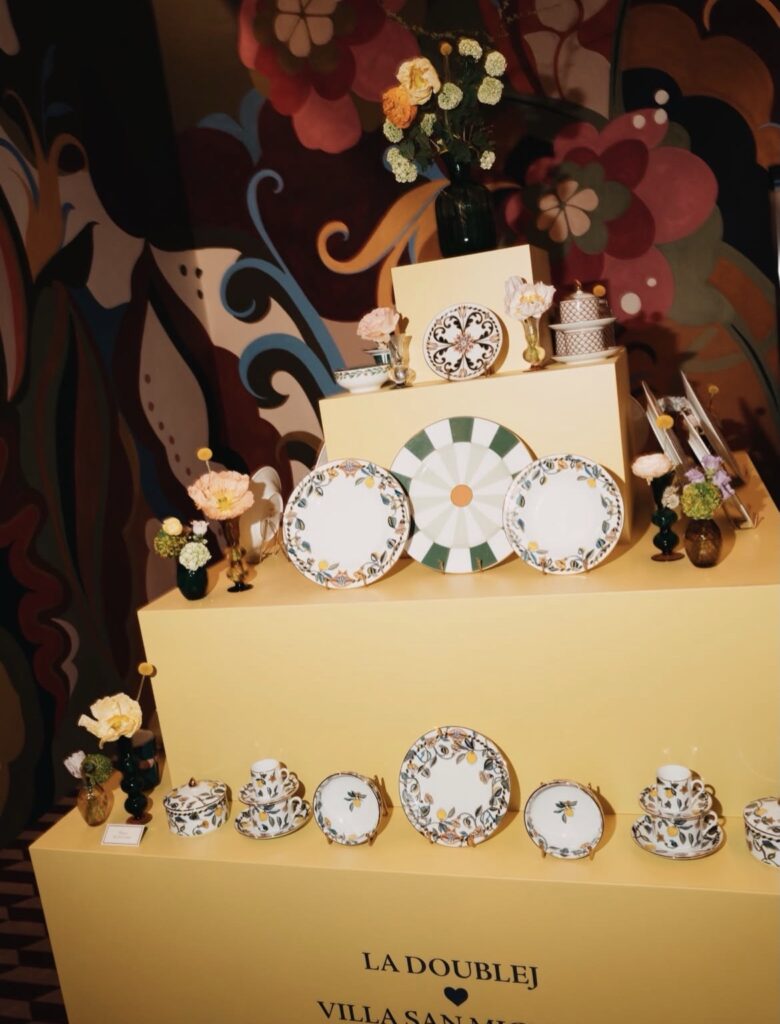
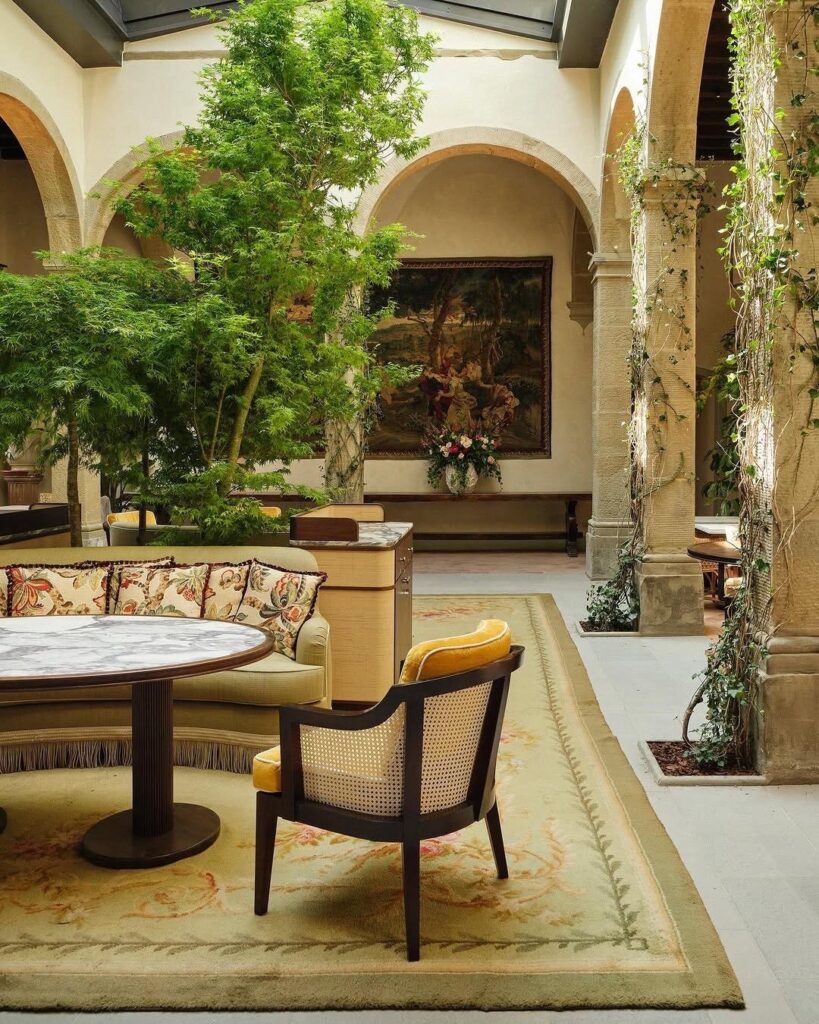
This balance between preservation and intervention extends across the project, from interiors to landscape and programming. Even the culinary direction follows this logic. At Antesi, the approach is based on timing and restraint, privileging seasonality and material integrity over spectacle. What emerges is a disciplined project. Villa San Michele is not transformed, but brought back into focus. And it is precisely in this clarity that the project asserts its relevance today.