Twenty-five years after its debut, Groundpiece remains one of Flexform’s most defining creations. Designed by Antonio Citterio in 2001, the sofa challenged conventional ideas of comfort, proportion and the way we inhabit our living spaces. What began as an unconventional experiment has since become a contemporary design icon. To mark this milestone, Marie Claire Maison Arabia sat down with Saul Galimberti, Director of Flexform Design Center, to discuss the evolution of Groundpiece, the changing rituals of domestic life, and what allows a design to remain relevant long after its creation.
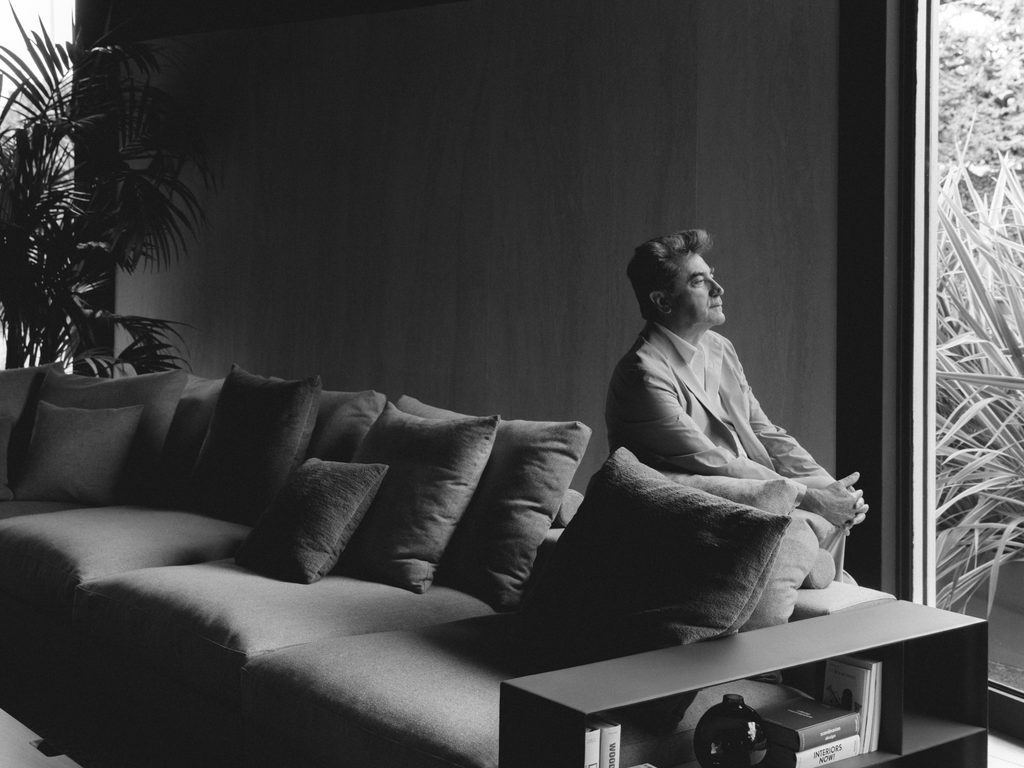
What was the most radical idea behind Groundpiece?
The real innovation was recognising that significant lifestyle changes were underway. The living room had become a place not only for gathering family and friends, but also for eating, watching television and relaxing. Groundpiece translated these changing needs into a completely new sofa model.
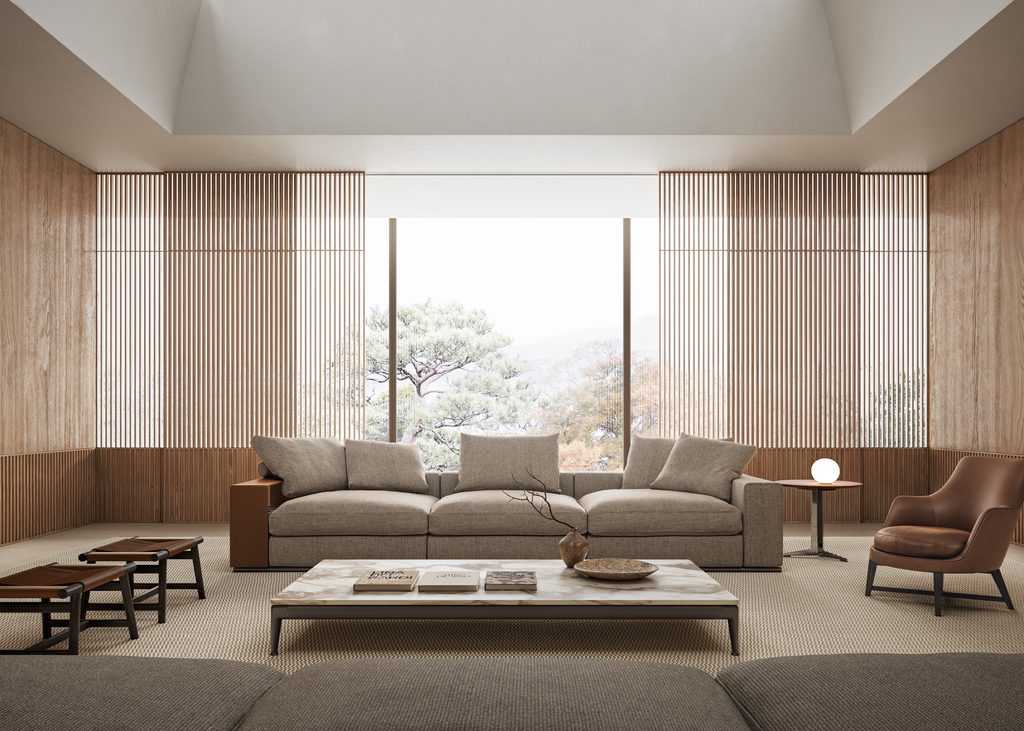
When did Flexform realise this unconventional design would endure?
When Groundpiece debuted at Salone del Mobile in 2001, even our most trusted dealers were sceptical. It was considered too low, too deep, with leather-clad elements replacing traditional upholstered armrests. Yet by the following year, the response from dealers worldwide and the initial sales figures showed that the concept had been embraced.
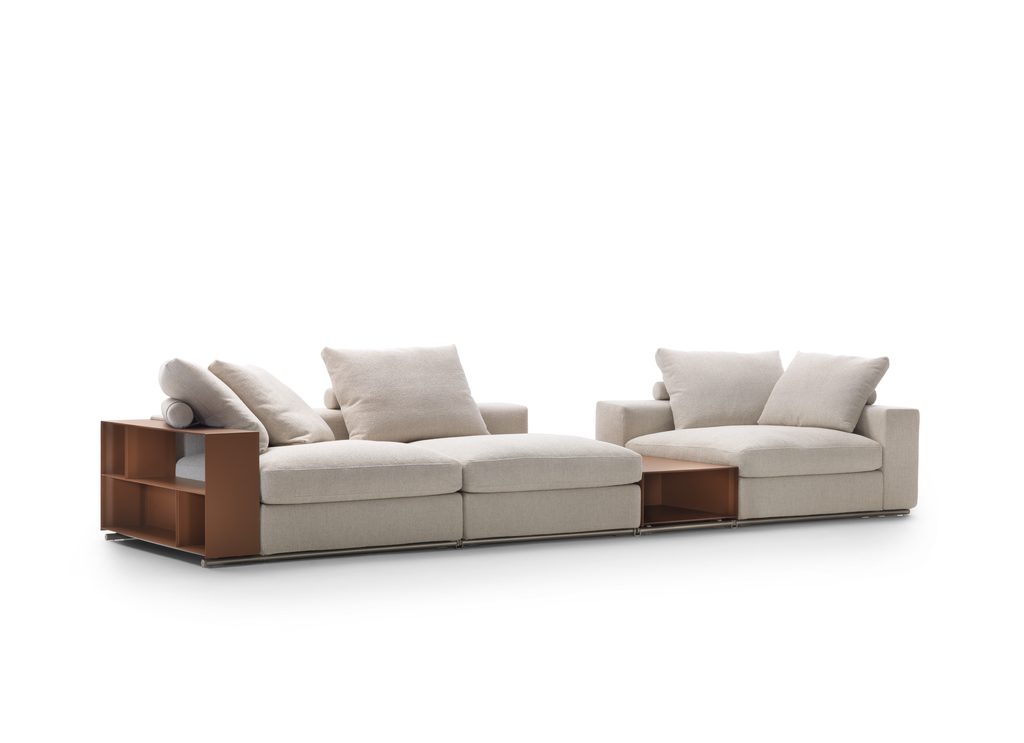
How has our relationship with the sofa changed since 2001?
Our lifestyles have transformed considerably. Connected television changed how long we spend on the sofa; the pandemic made us reconsider the importance of comfortable living environments; and remote working turned a suitably equipped sofa into a viable workspace. Unfortunately, we have also become “digital addicts”. Perhaps we should return to reading good books on the sofa.
What makes Groundpiece’s modularity different?
True modularity allows a sofa to adapt as life changes — across different rooms, layouts and stages of life. A configurable sofa is generally a more fixed arrangement chosen at the moment of purchase.
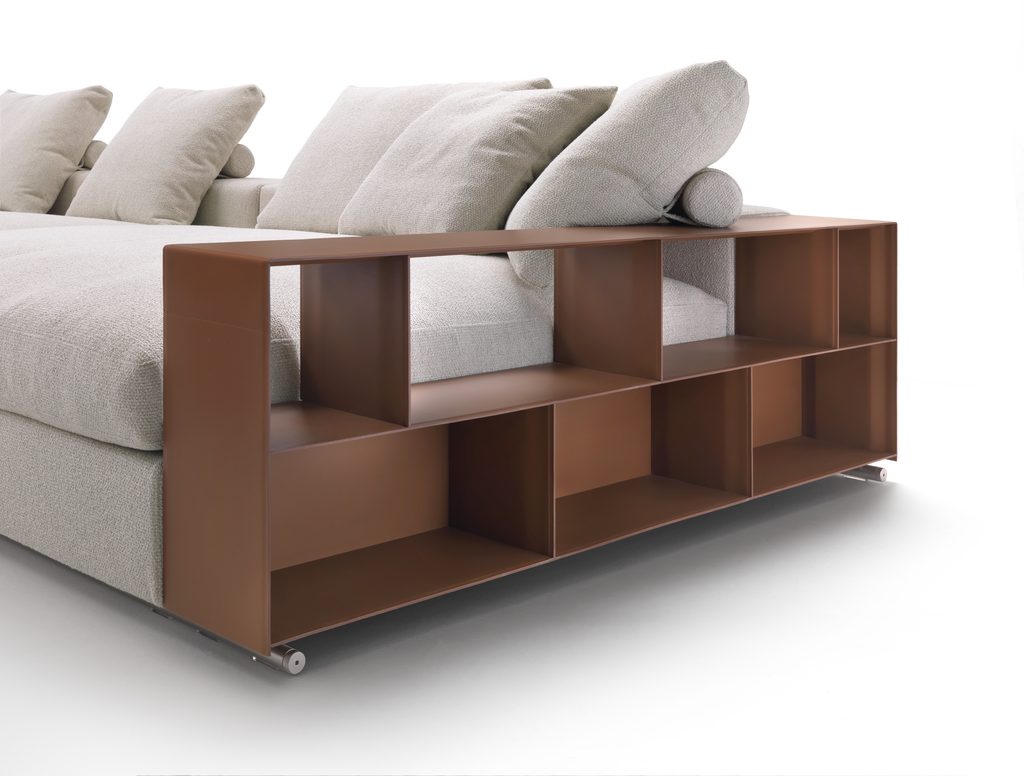
How important are materials to its identity?
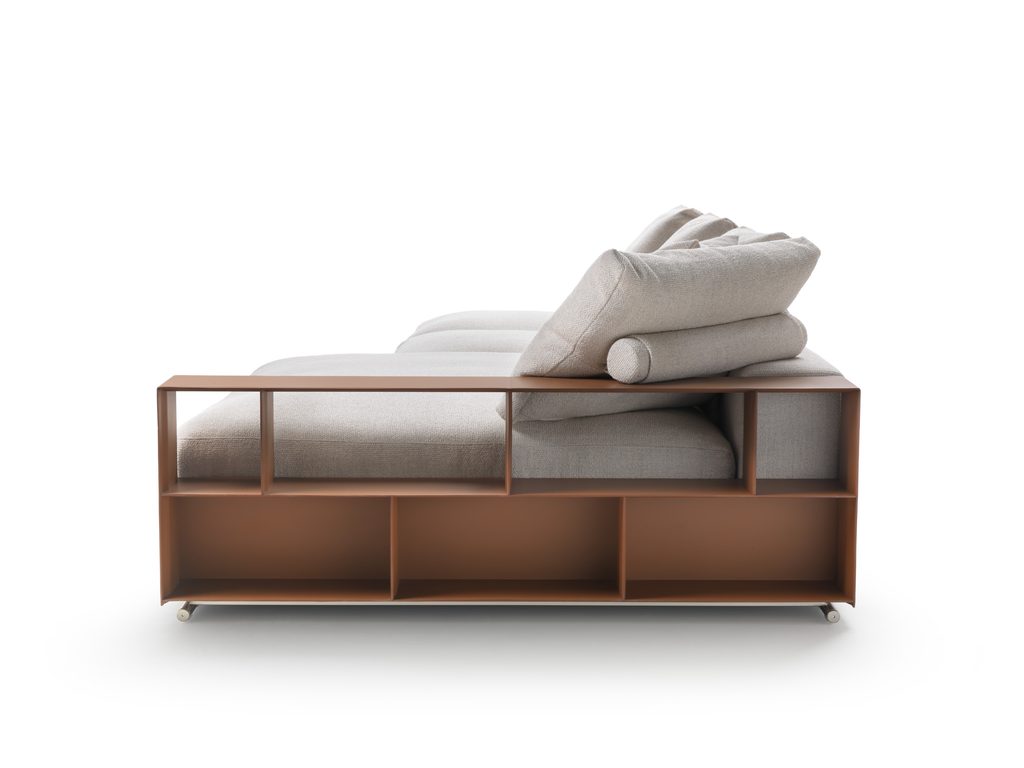
We believe there are “elective affinities” between design, form and material. From afar, form conveys the essence of a sofa; up close, surface, texture, tactility and light transform our perception. Raw linen catches the light across the goose-down cushions, while the cowhide-clad console lends intimacy to the minimalist form.
What turns a bestseller into an icon?
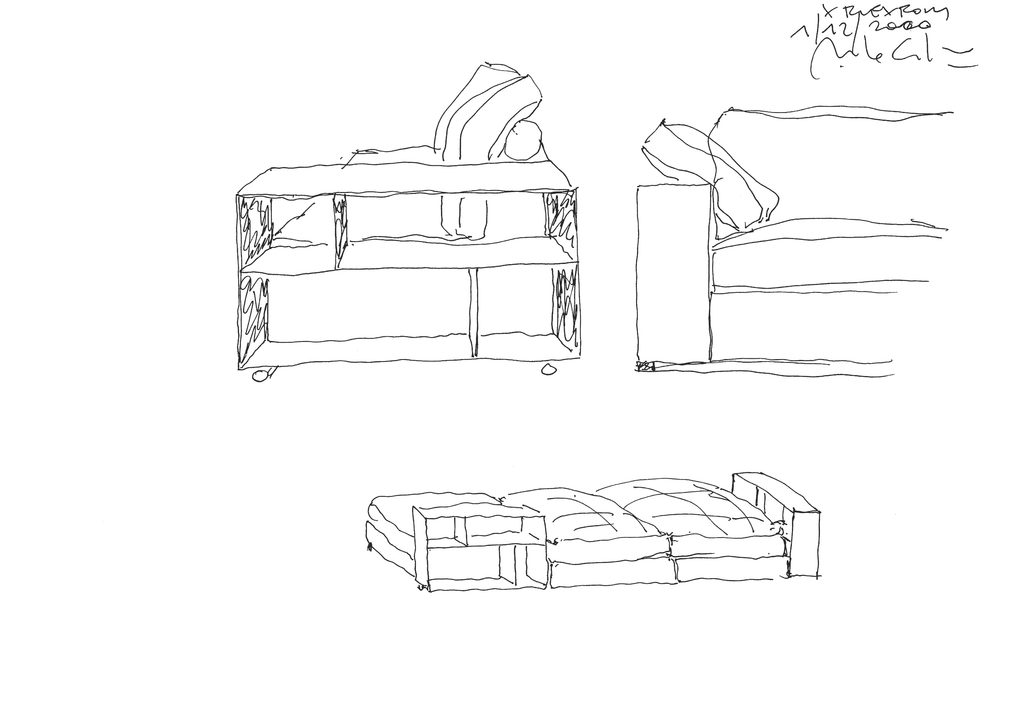
Time is the only relentless judge of what endures. Some iconic designs are placed in homes almost as works of art, yet never actually used. Groundpiece was designed and crafted to be truly lived in.