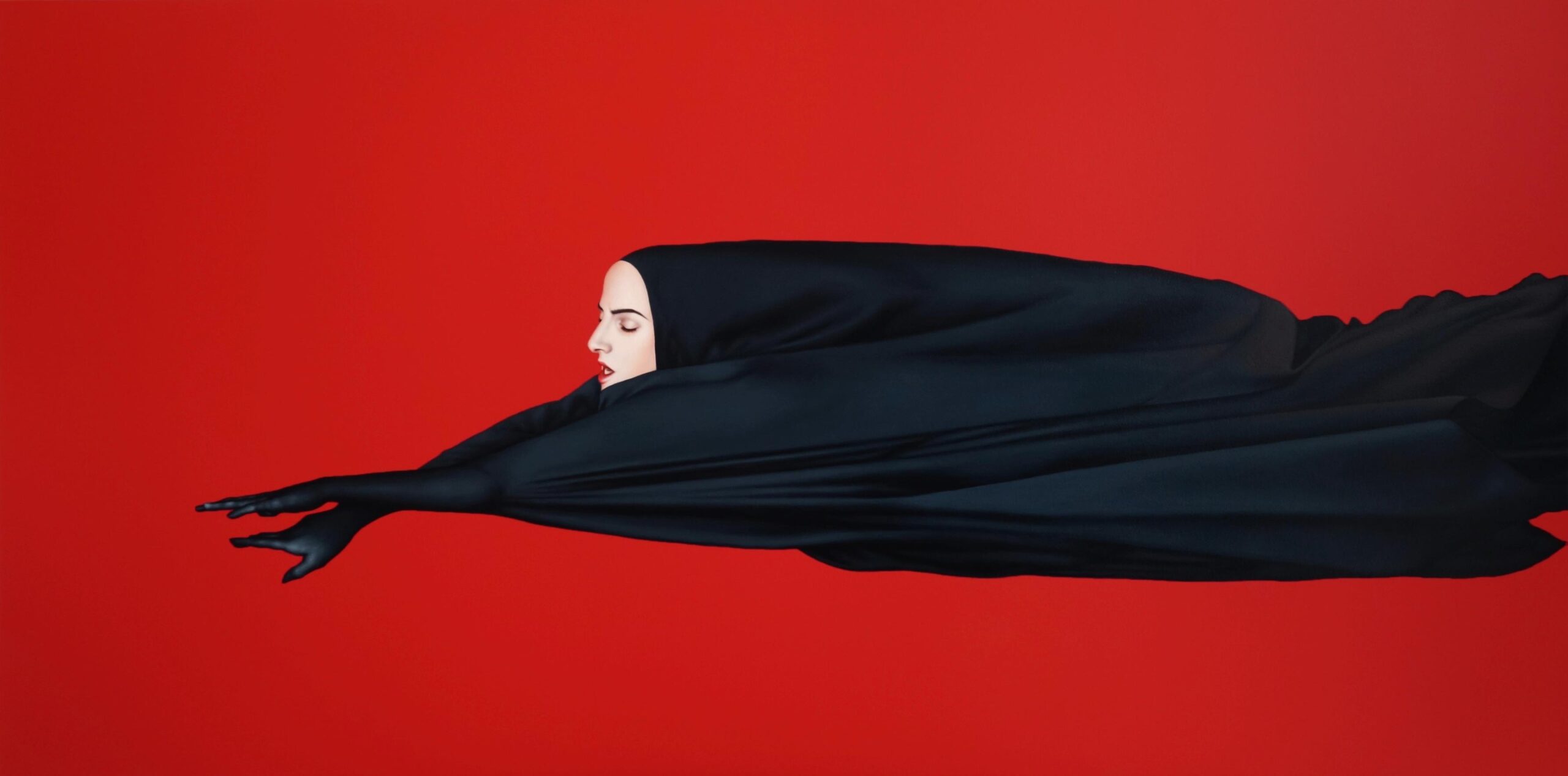
With more than 300 submissions received from artists living across the Emirates, JD Malat Gallery’s Made in the UAE open call offers a revealing snapshot of a creative scene that continues to grow in complexity and confidence. Selected by a jury including collector and patron Zina Khair, curator Roxane Zand, collector-curator Ali Mohammadioun and gallerist Jean-David Malat, seven artists have been chosen to present their work in a group exhibition opening on 11 June at JD Malat Gallery Dubai.
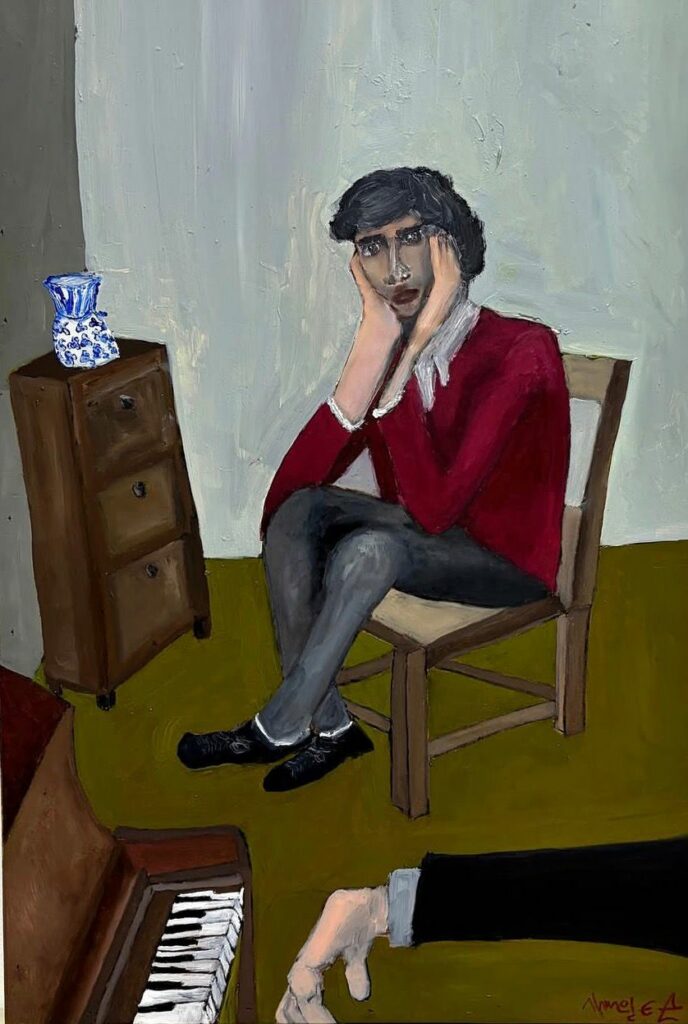
The finalists, Ahmed Emad (UAE/Egypt), Anila Ashraf (Pakistan), Camelia Mohebi (UAE), Elizaveta Pugacheva (Russia), Samo Shalaby (Egypt/Palestine), Sasan Nasernia (Iran) and Yousif Albadi (Sudan), reflect the multicultural fabric that has become one of the defining characteristics of the UAE’s artistic landscape.
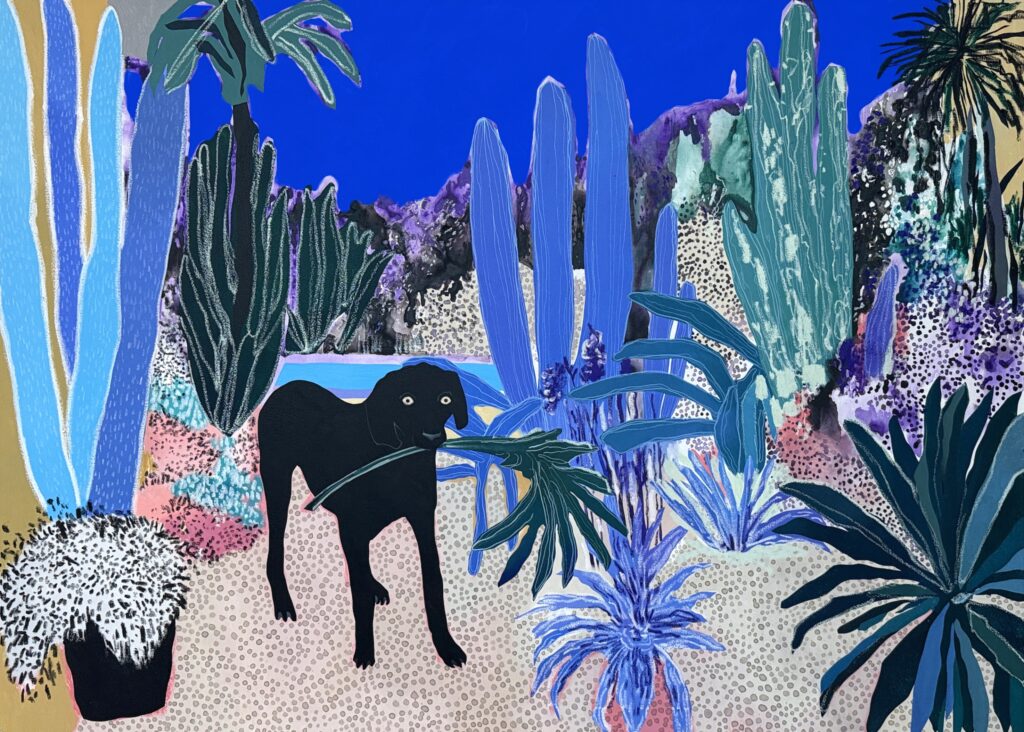
What emerges from the selection is not a singular vision of contemporary art in the Emirates, but a plurality of voices and visual languages. Working across painting, sculpture and mixed-media practices, the artists explore themes ranging from identity and memory to materiality and cultural exchange. Their works differ significantly in form and approach, yet collectively reveal the richness of a creative ecosystem shaped by movement, migration and dialogue.
That diversity is perhaps the exhibition’s greatest strength. In a country where residents come from every corner of the world, artistic production is increasingly defined by intersection rather than origin. An Egyptian-Palestinian perspective can coexist alongside Iranian, Sudanese, Pakistani, Russian and Emirati narratives, creating a cultural landscape that resists easy categorisation.
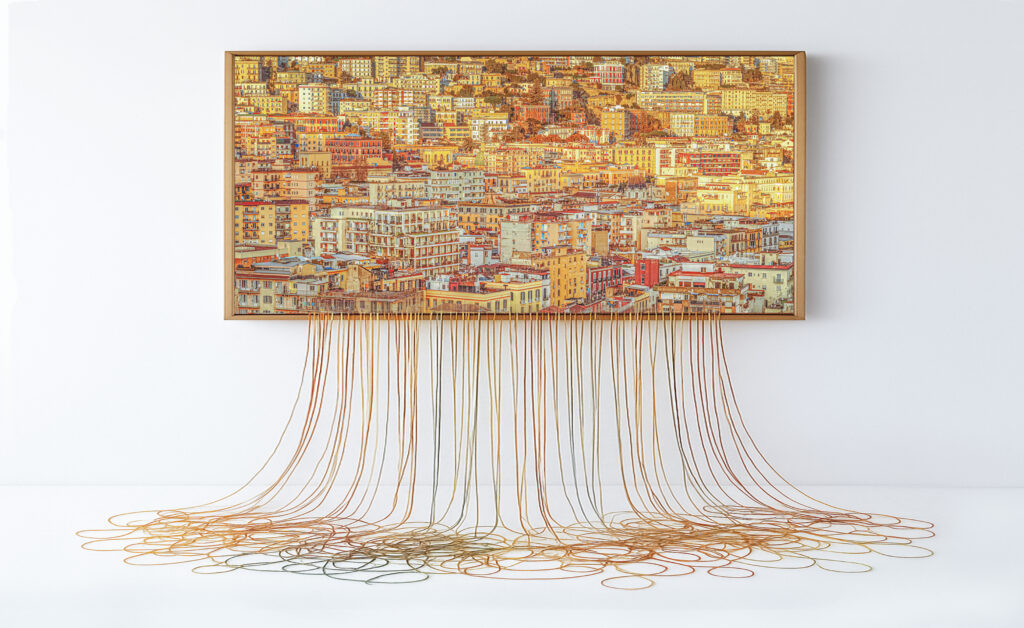
As Dubai’s art scene continues to mature, initiatives such as Made in the UAE play an important role in identifying and supporting emerging voices. More than a group exhibition, the project serves as a reminder that the UAE’s cultural identity is not fixed but constantly evolving—shaped by the artists who choose to call the country home. And if this year’s finalists are any indication, the future of that conversation looks remarkably diverse.