At Salone del Mobile Milano 2026, design remained grounded in its most classical definition: the articulation of product. Within the pavilions, furniture, systems, and typologies were presented with a renewed clarity, as if the discipline had momentarily returned to its core language. Chairs, sofas, tables, and storage units were not dissolved into narrative or scenography, but instead asserted themselves as objects to be understood through proportion, material, and construction.
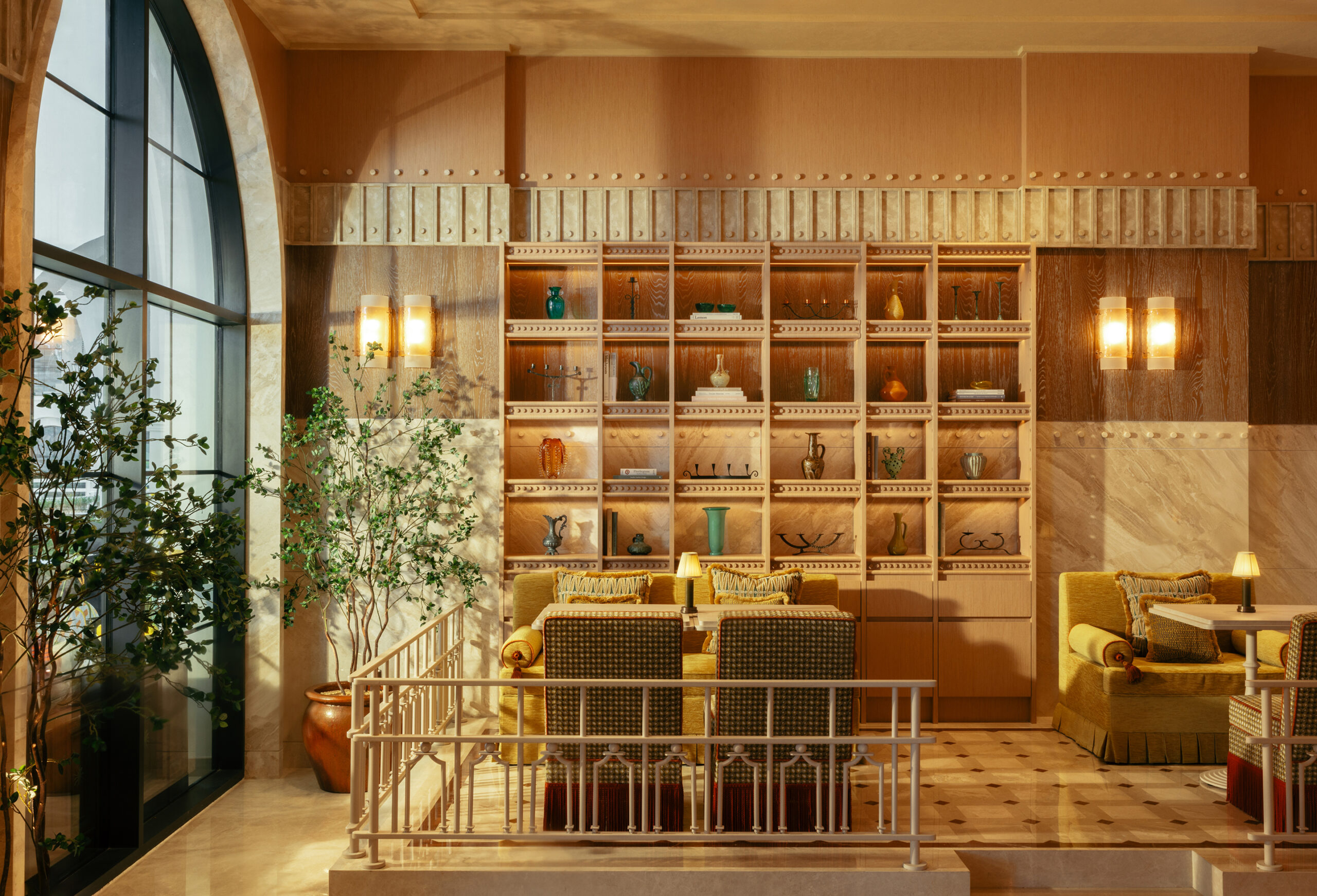
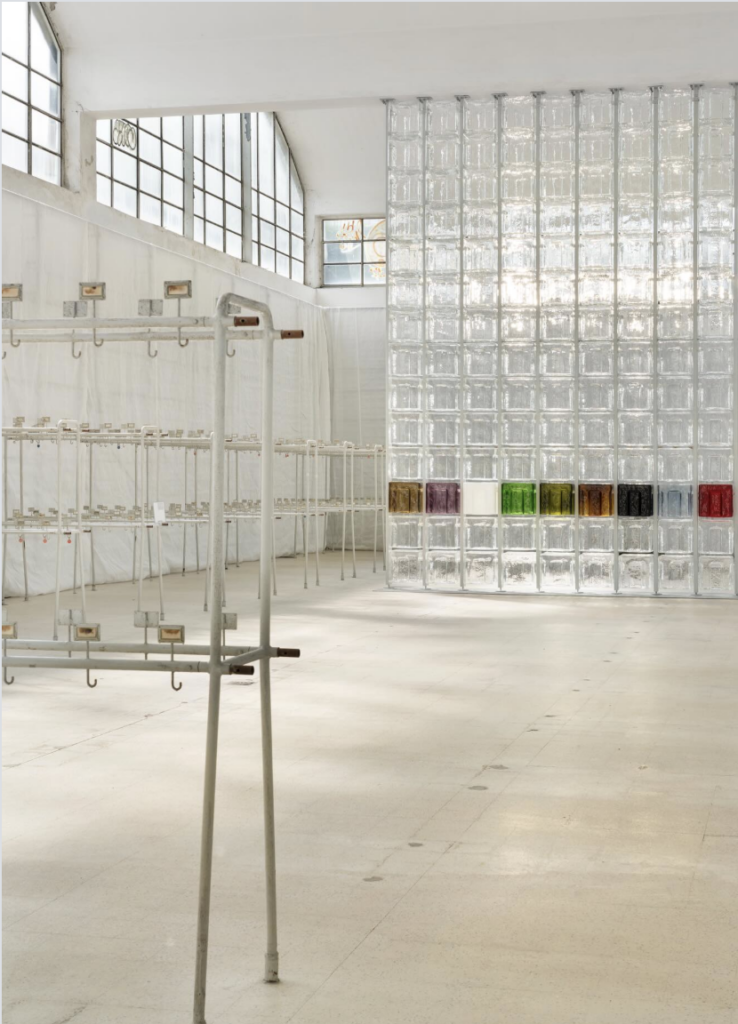
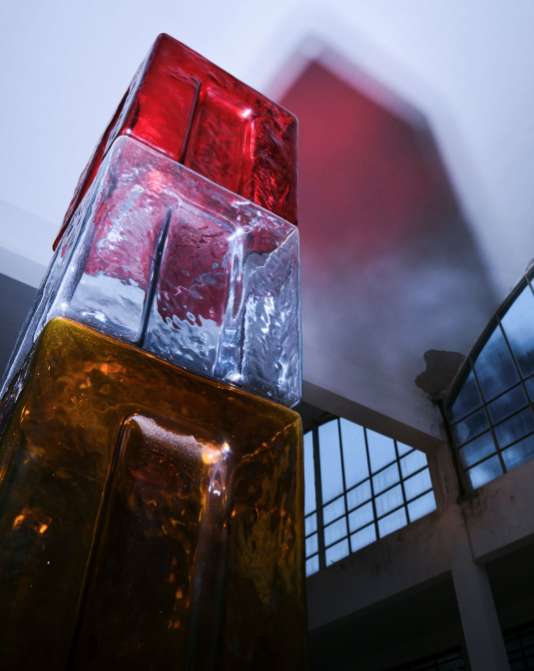
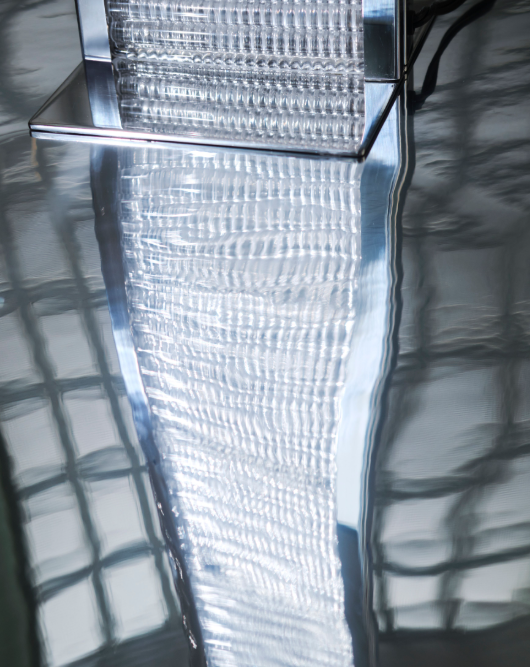
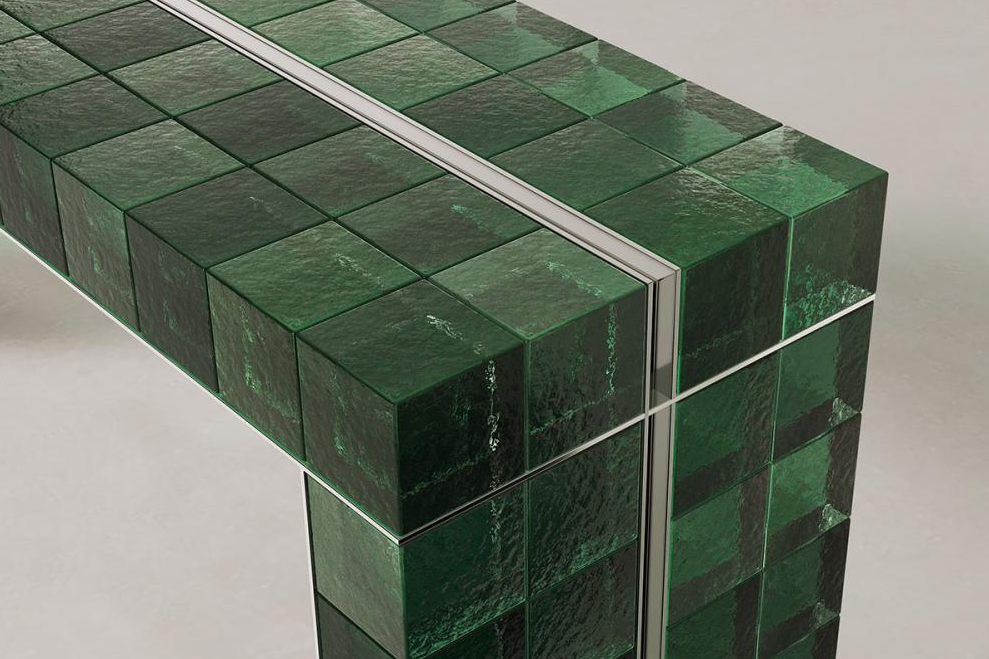
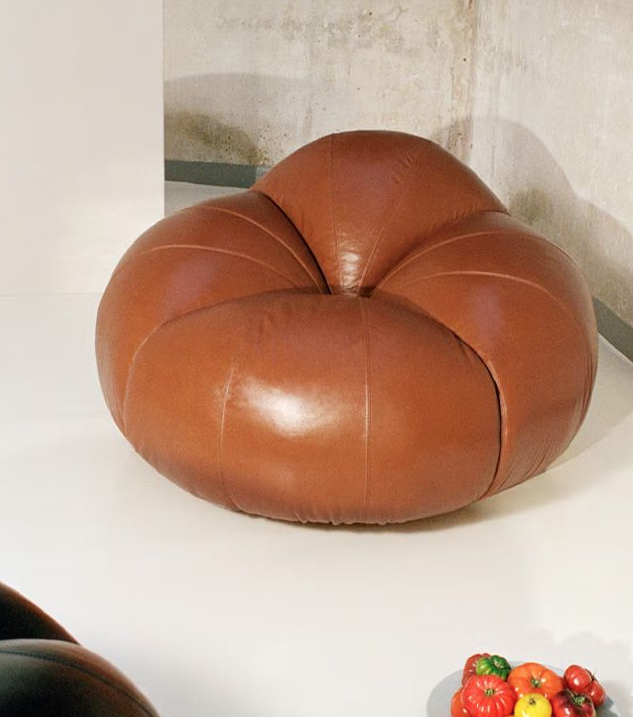
Yet this apparent return to fundamentals did not signal restraint. On the contrary, materials spoke with increased intensity. Marble, glass, lacquered surfaces, polished metals, and leather appeared not as neutral finishes, but as protagonists. Surfaces no longer receded into the background to support form; they became the form. Reflection, opacity, tactility, and weight were mobilized as design tools, producing objects that resisted disappearance. In this sense, materiality operated less as a technical choice and more as a visual and spatial statement, reintroducing a certain degree of ornament, not as applied decoration, but as intrinsic presence.
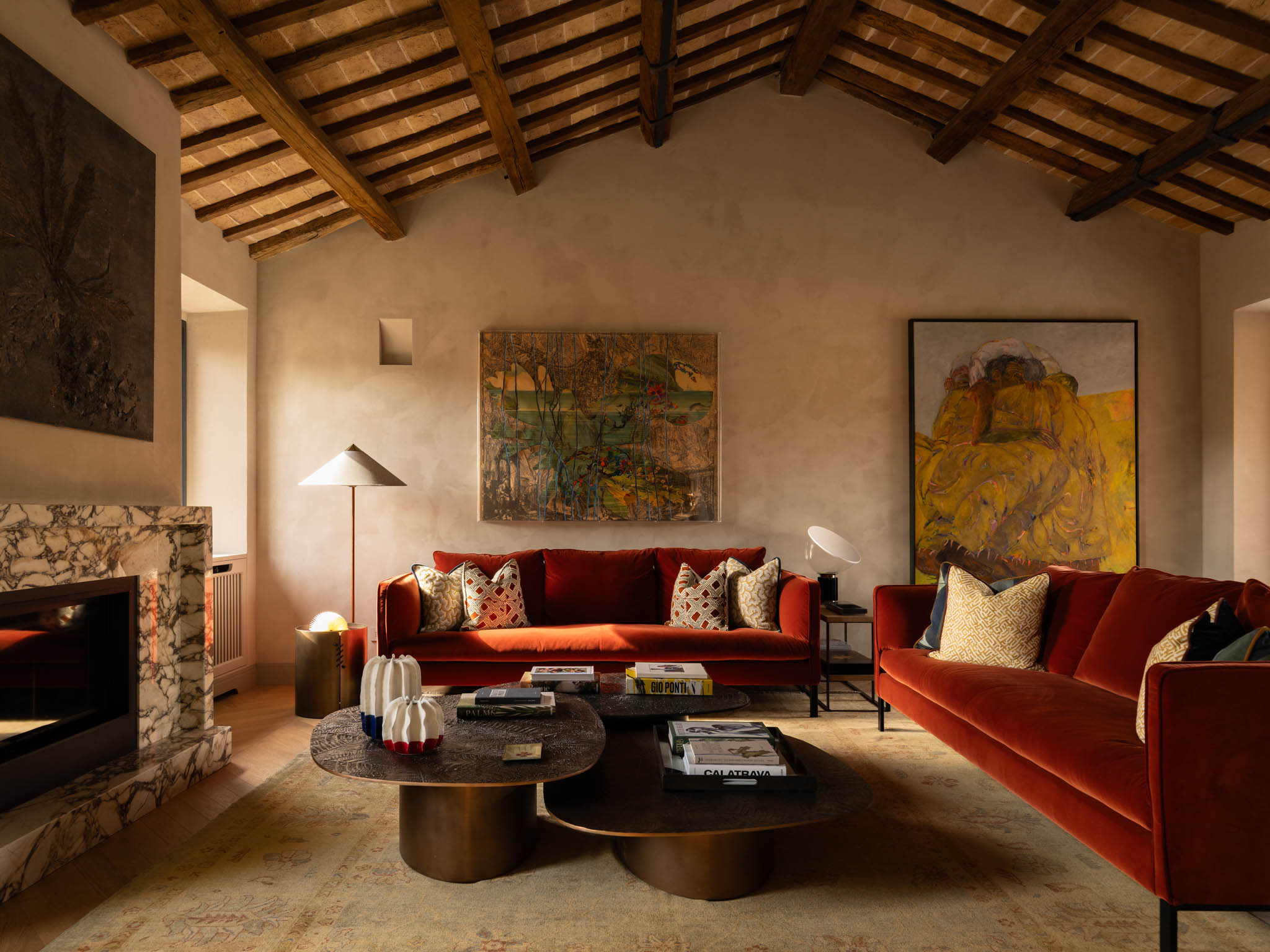
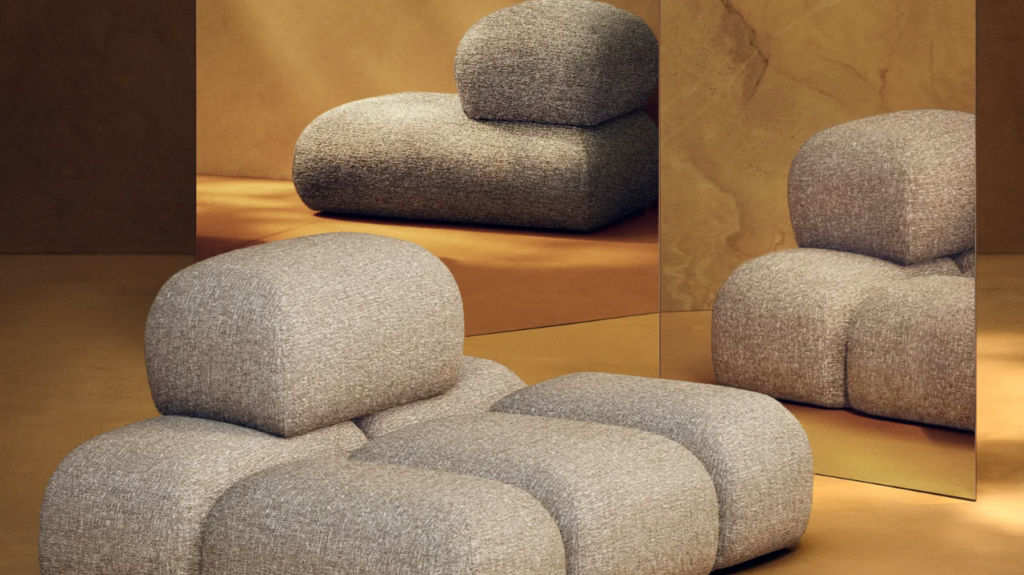
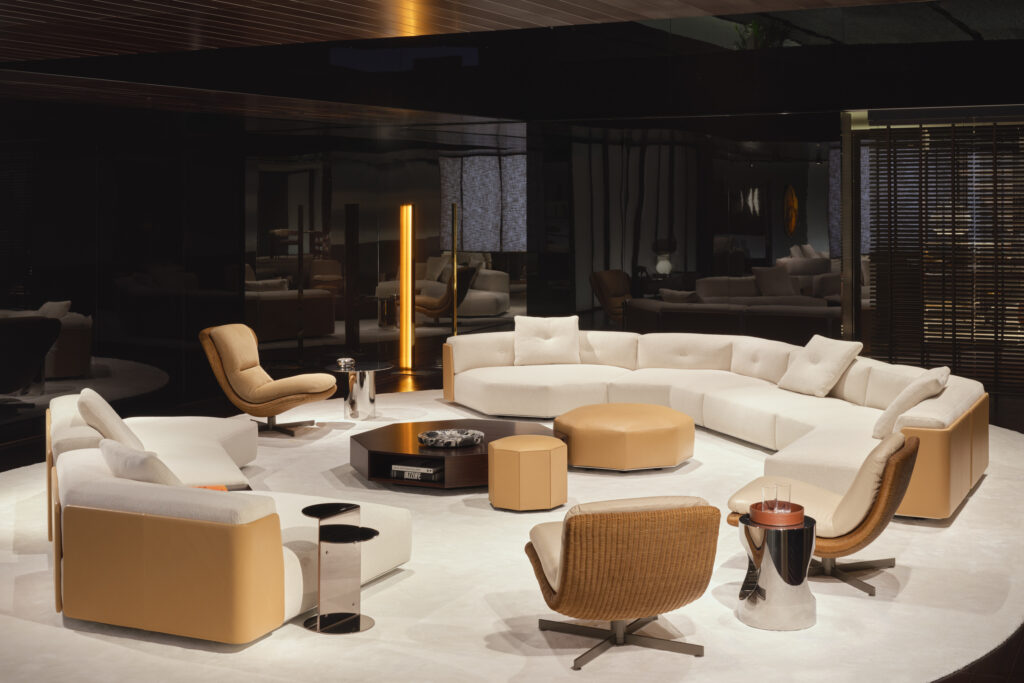
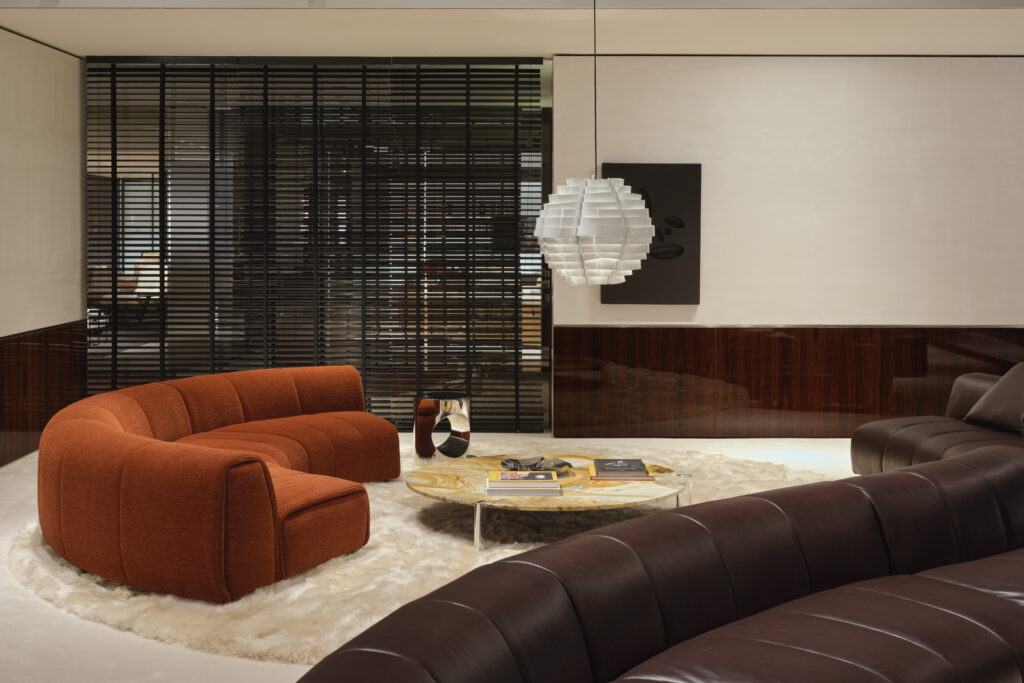
Seating, in particular, revealed a shift in how the body is positioned in space. Sofas expanded horizontally, lowered toward the ground, and increasingly adopted modular logics that allowed them to extend, fragment, and reconfigure. Rather than occupying a defined area, they spread across the interior, shaping it. The act of sitting became less about posture and more about inhabitation, suggesting a more relaxed, almost horizontal relationship between body and architecture.
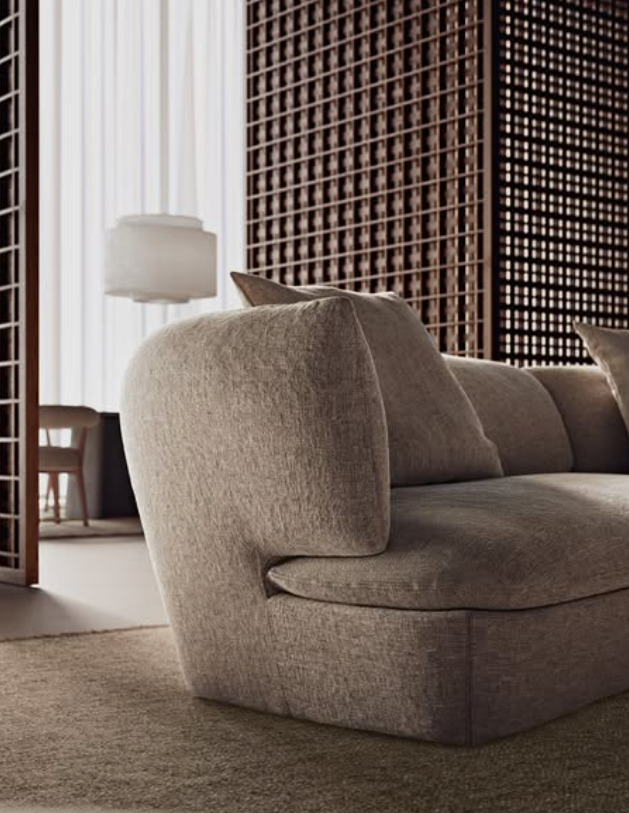
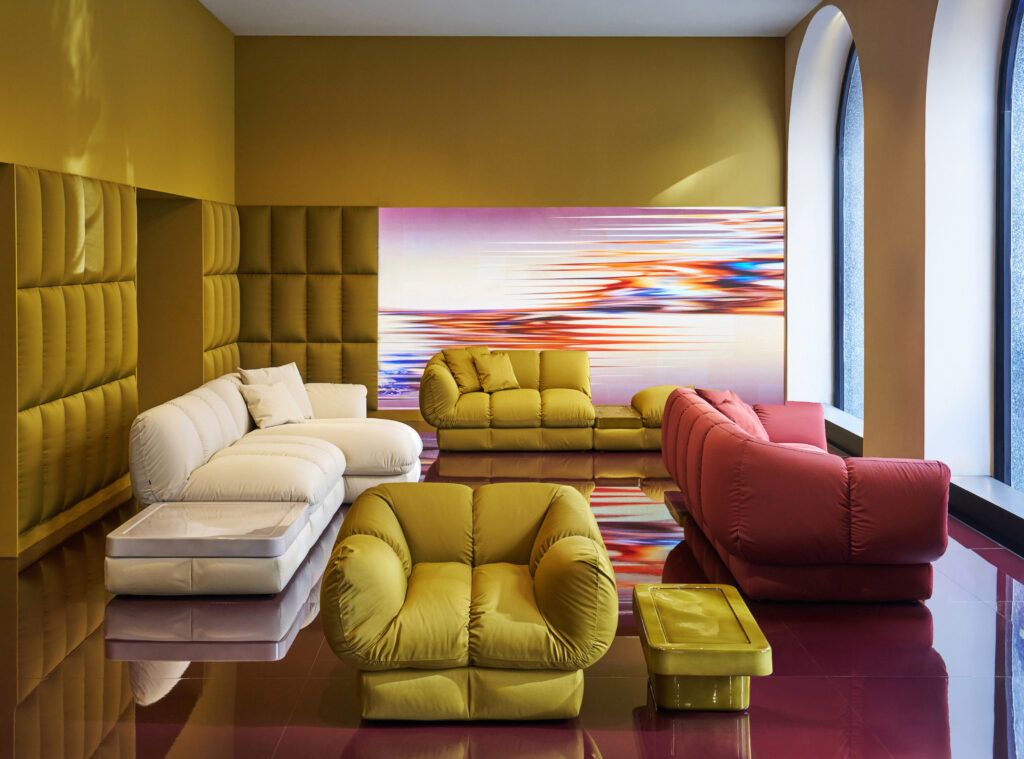
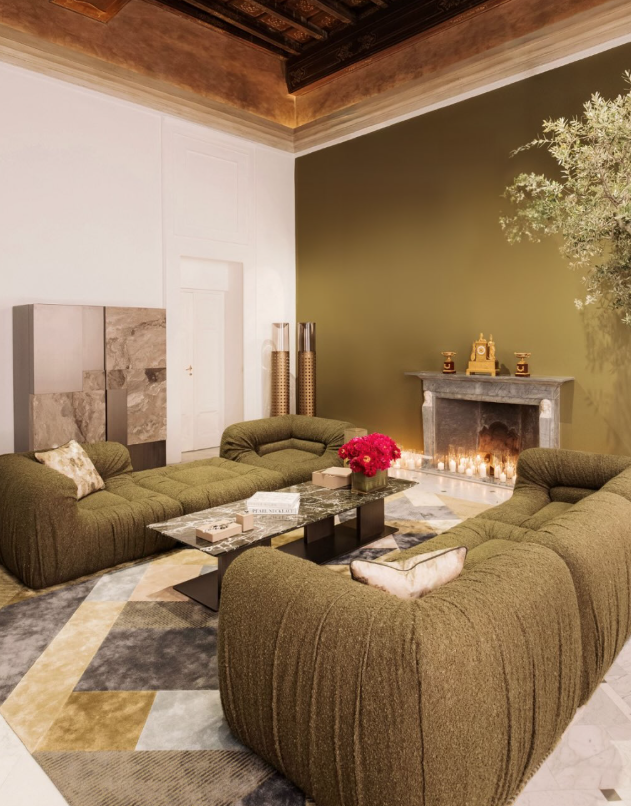
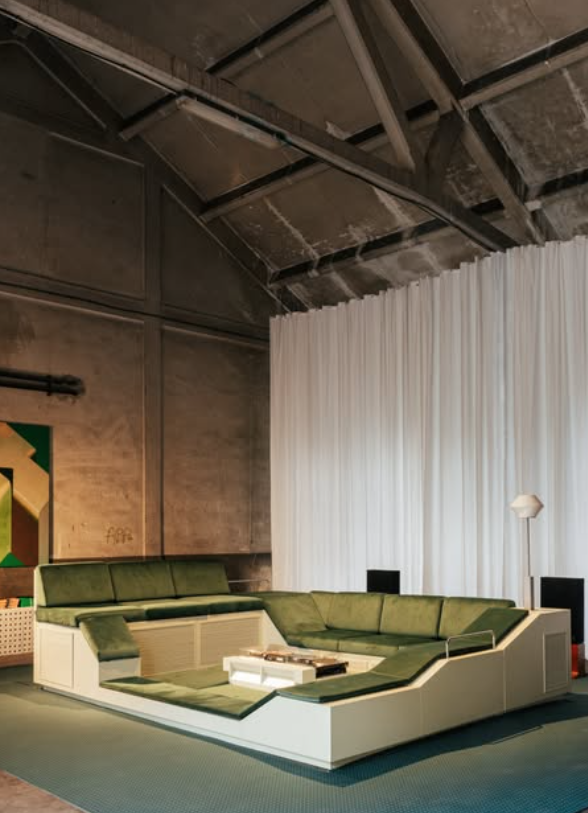
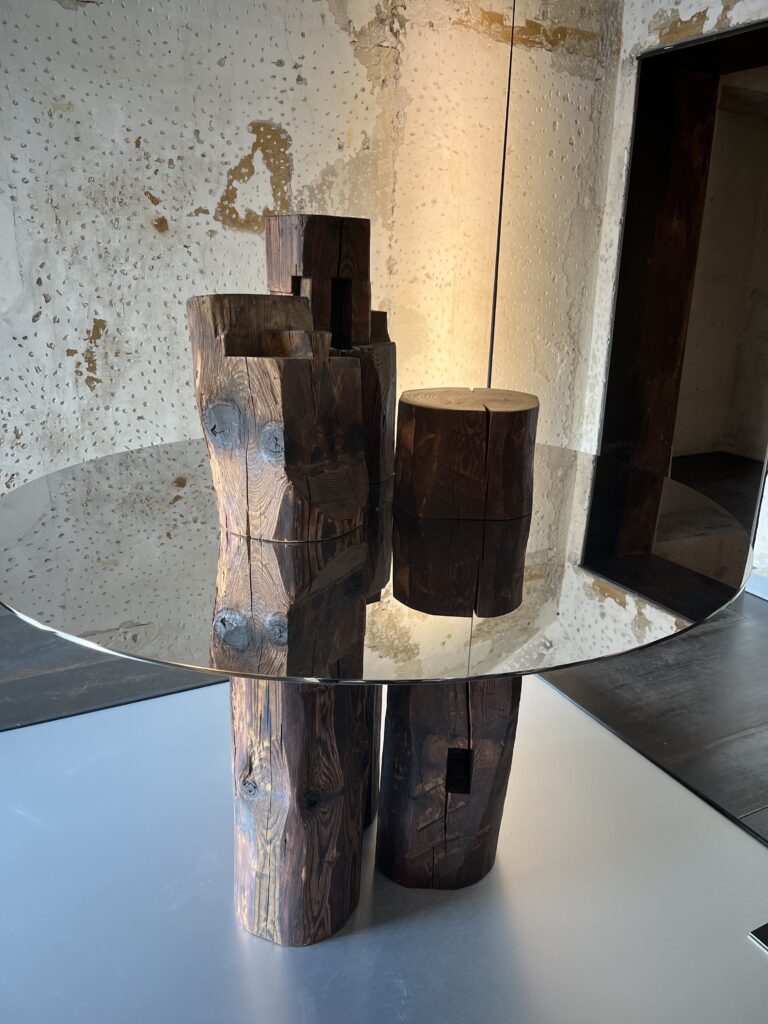
This tendency echoed in dining tables, where the emphasis moved away from the surface itself toward the base. Supports thickened, multiplied, or took on sculptural forms, transforming the table into a structural presence. The tabletop, in many cases, appeared almost secondary, a plane resting on an architectural gesture.
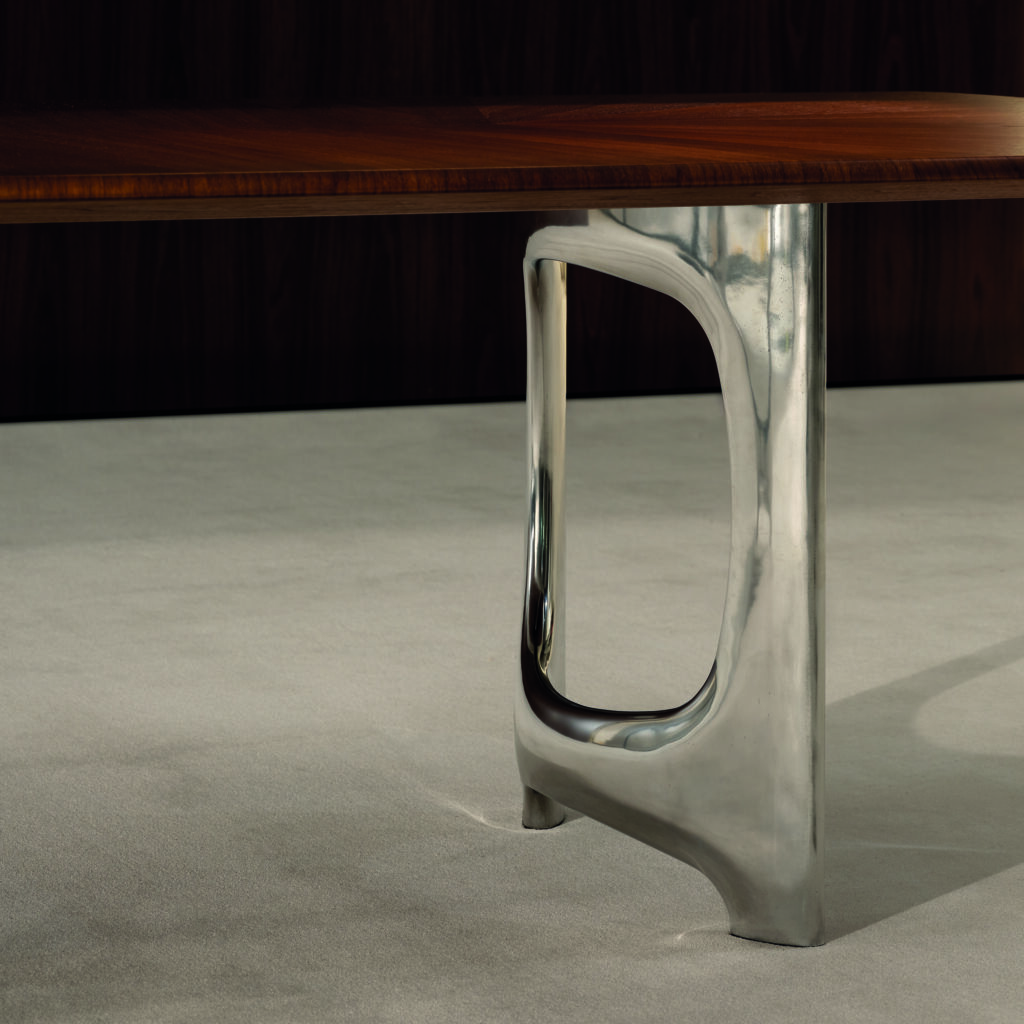
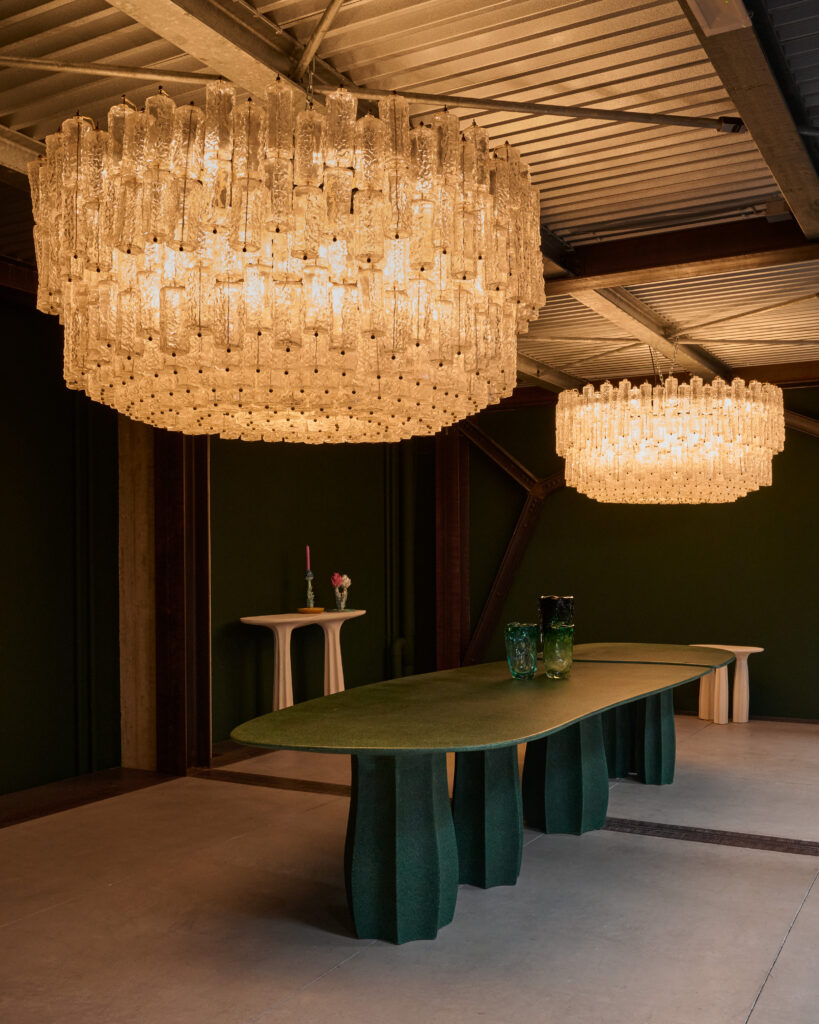
Across these typologies, references to the 1970s surfaced persistently. Curved geometries, saturated tones, and a certain softness in form and use reintroduced a vocabulary tied to comfort, informality, and a closer proximity to the ground. Yet these references were not nostalgic in a literal sense. They were filtered through contemporary production techniques and materials, resulting in objects that felt both familiar and newly assertive.
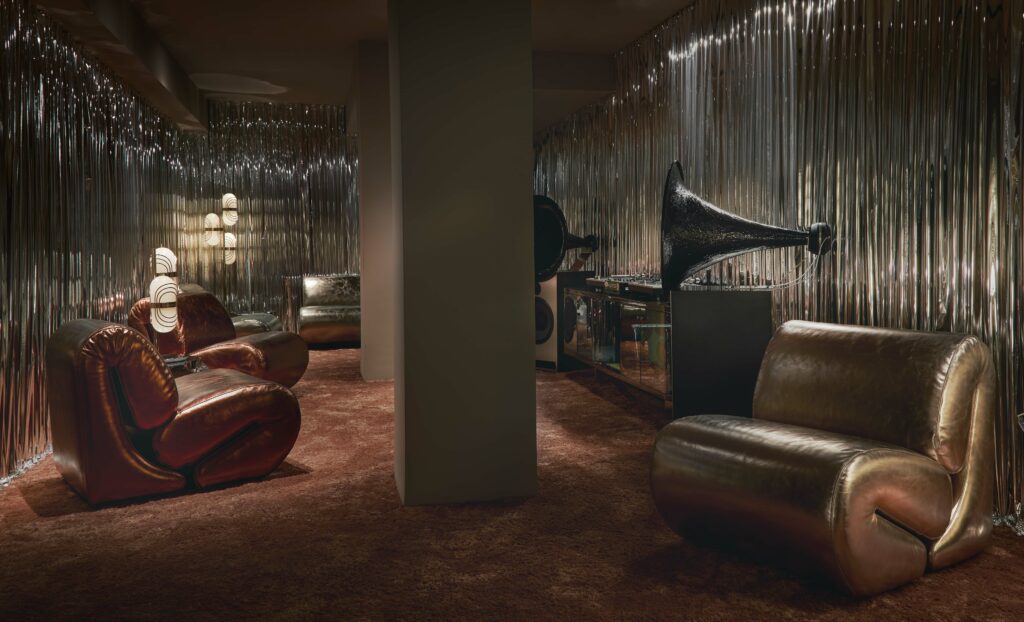
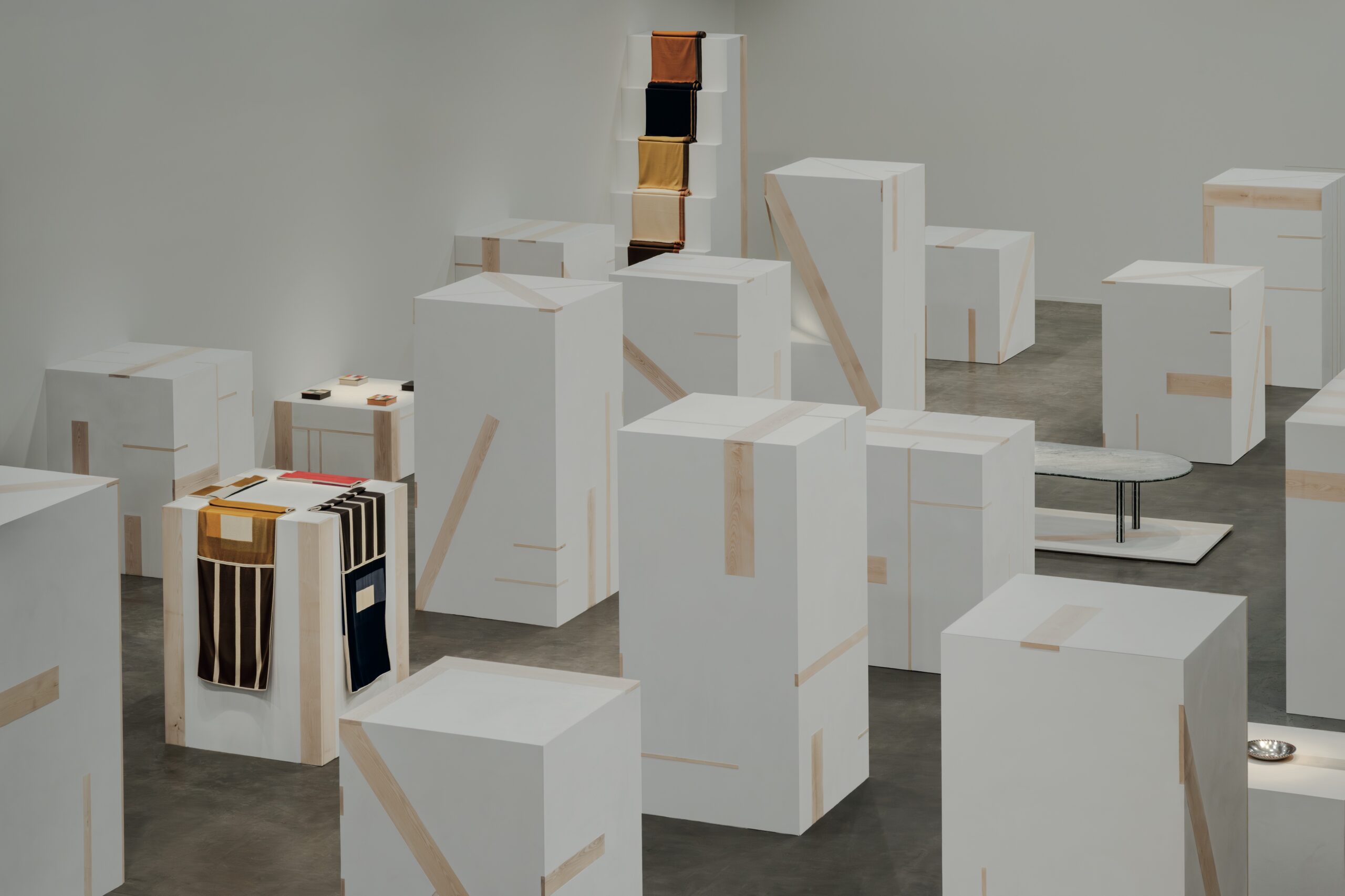
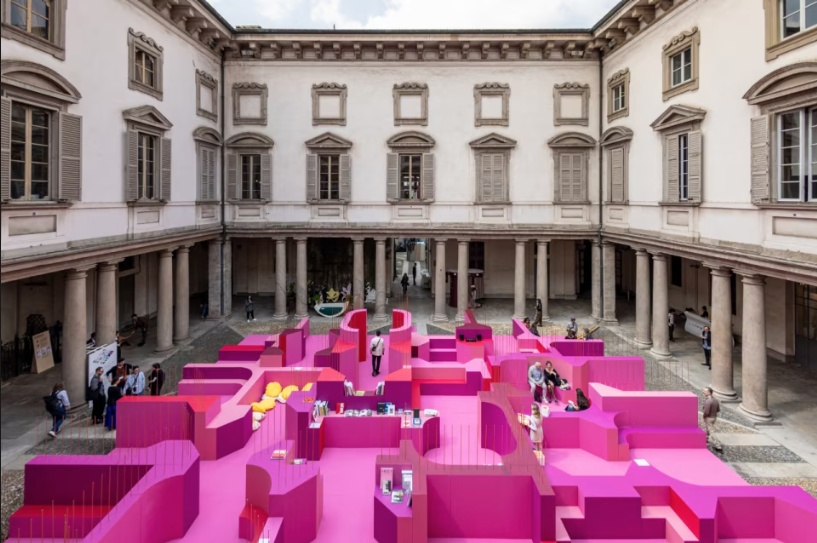
If the fair reaffirmed the object, the city expanded design into space. Throughout Fuorisalone, installations, exhibitions, and brand presentations operated on a different scale and with a different intention. Here, design moved beyond the singular piece into the construction of environments. Spaces were conceived as immersive sequences, often engaging multiple senses at once, where light, sound, texture, and movement were orchestrated to produce atmosphere rather than to display products.
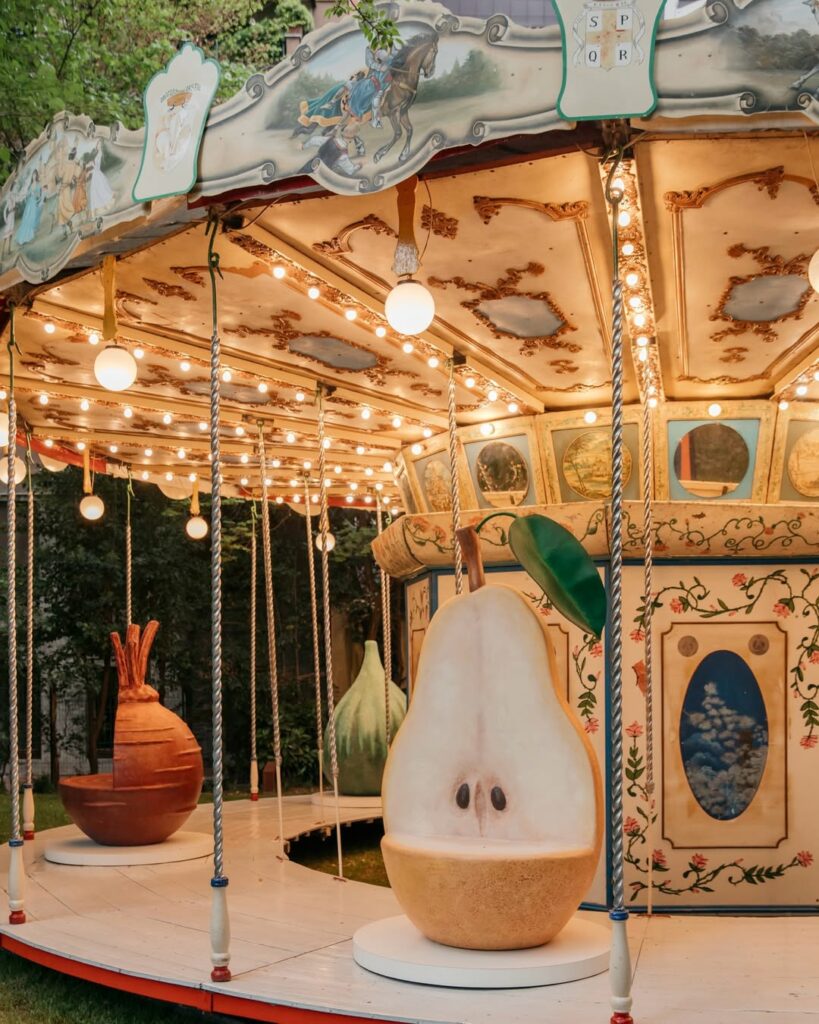
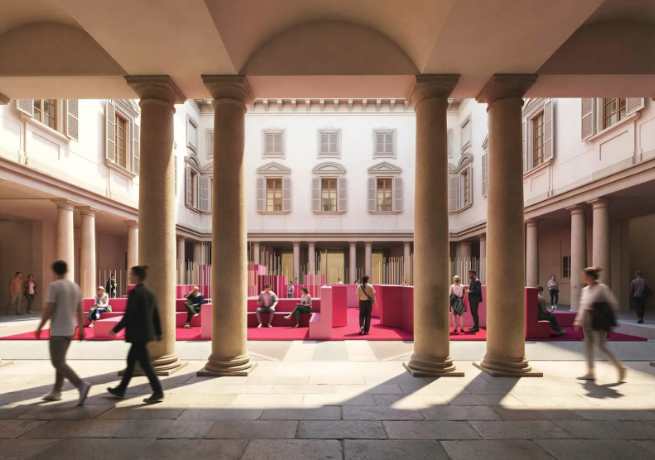
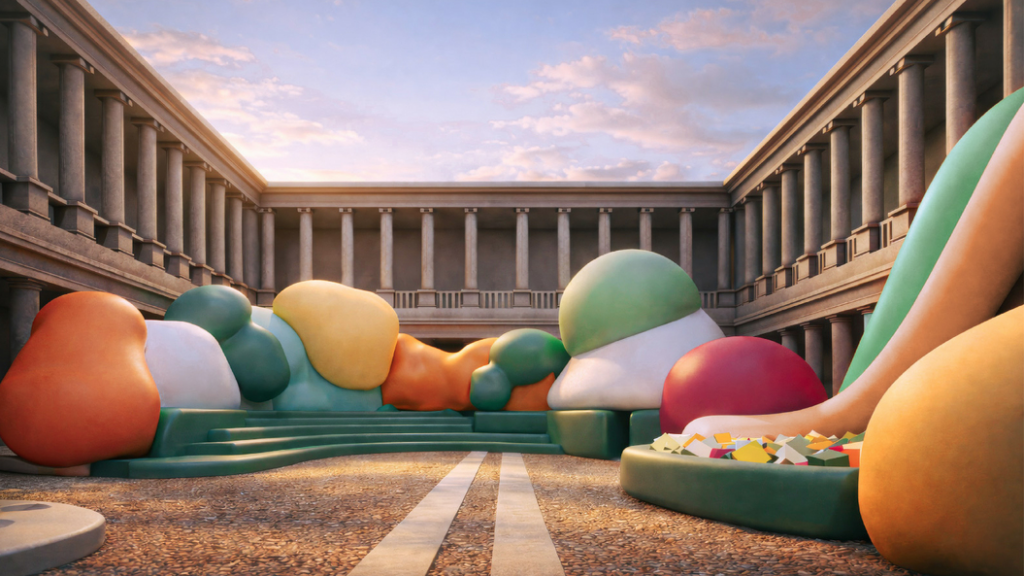
In these contexts, the boundaries between disciplines became increasingly porous. Fashion houses presented spatial installations, artists engaged with design languages, and brands constructed narratives that extended beyond their core categories. The result was a series of environments that resisted reduction to individual objects. Instead, they functioned as total settings, where meaning emerged through experience.
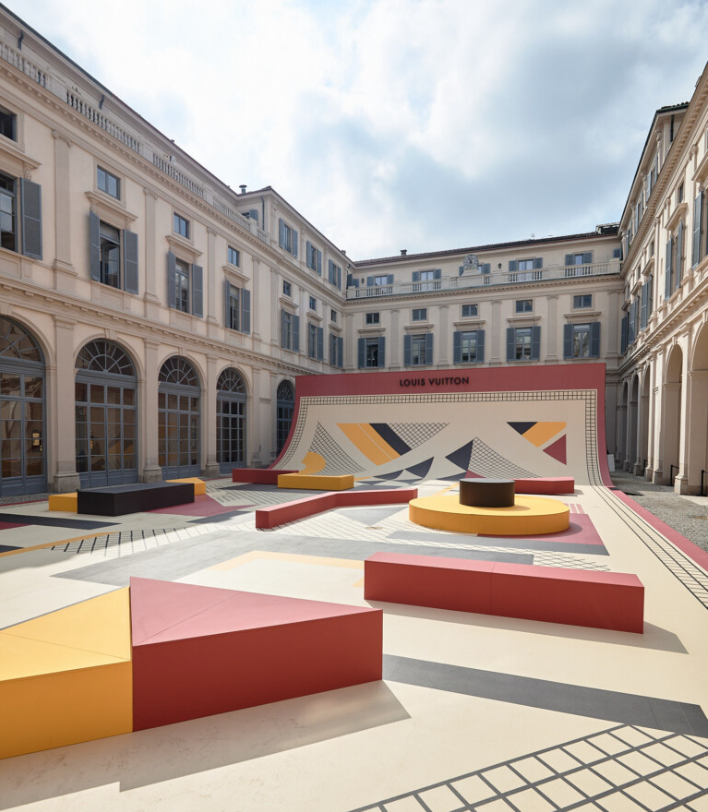
Outdoor spaces played a significant role in this expansion. Courtyards, gardens, and temporary landscapes were activated as extensions of the interior, suggesting a continuity rather than a separation between inside and outside. Nature was not treated as backdrop, but as an integral component of the design proposition, reinforcing a broader shift toward spatial openness and environmental integration.
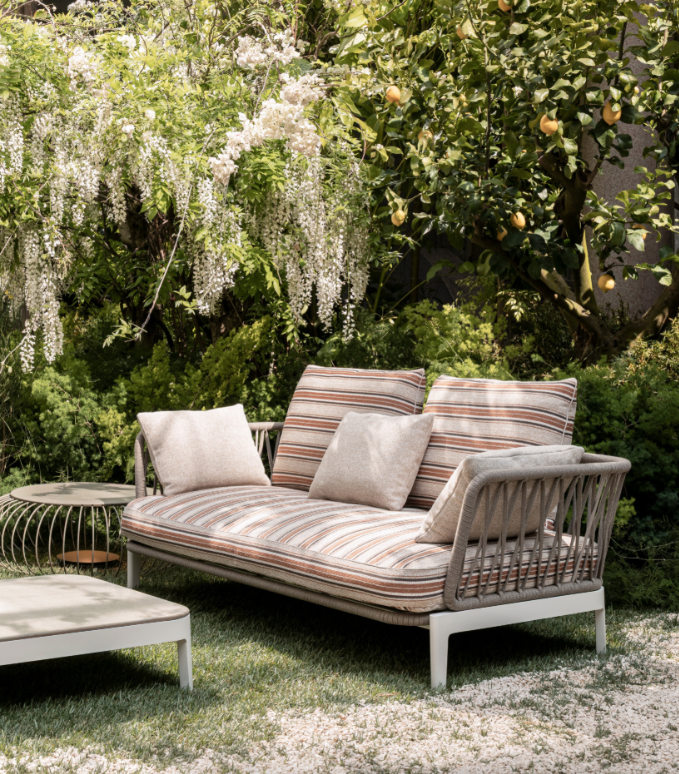
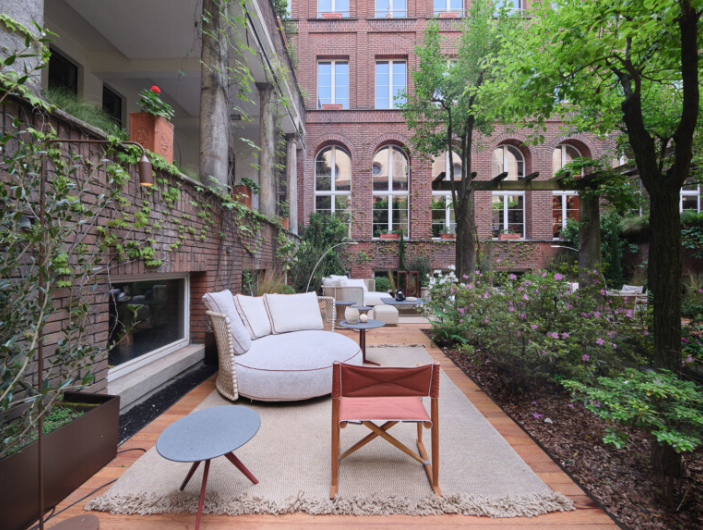
What emerged, across both the fair and the city, was not a contradiction but a tension. On one side, the object remained central, refined, and materially expressive. On the other, design increasingly operated at the scale of the environment, constructing experiences that could not be reduced to a single element. Milan, once again, staged this duality with precision.
In 2026, design did not abandon the object, nor did it fully dissolve into experience. Instead, it oscillated between the two, suggesting that the future of the discipline may lie precisely in this unstable, productive space between form and atmosphere, between what can be held and what must be inhabited.