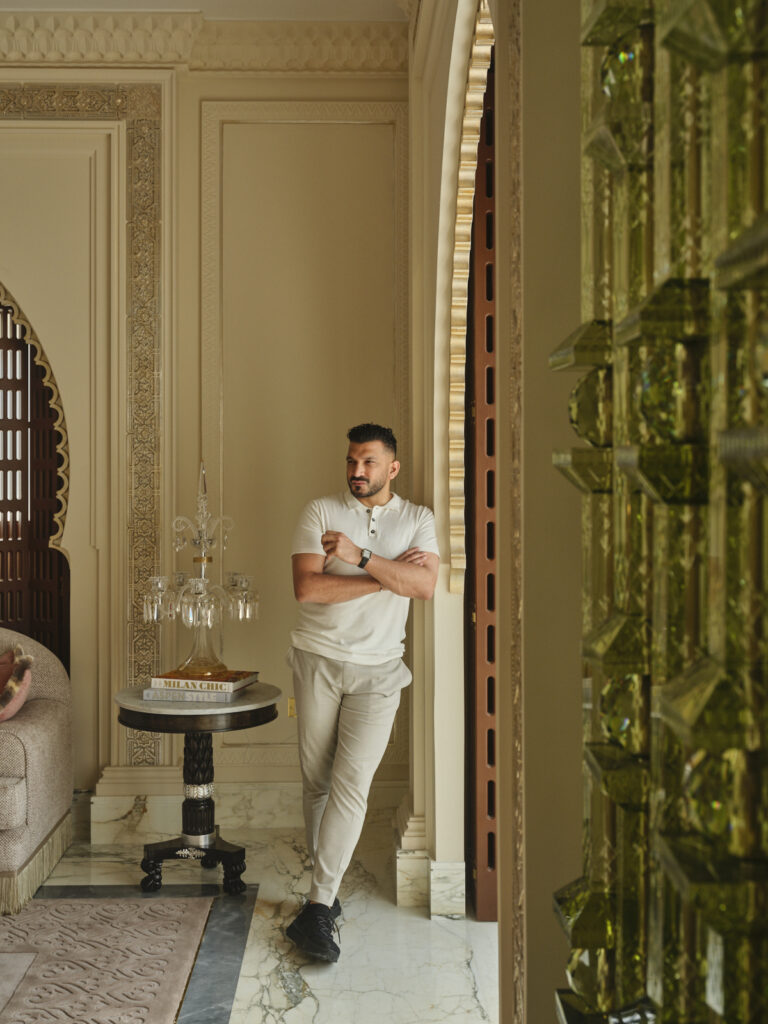
In the majlis, space is never neutral. It is a constructed condition of presence, where proportion, material, and gesture converge to shape not only how a room is seen, but how it is inhabited. In Doha, EVA Interiors, founded by Seema Al Mansouri, reconsiders this archetype through a lens of discipline and measured authorship, guided by Creative Design Director Thafer Al Bazae.
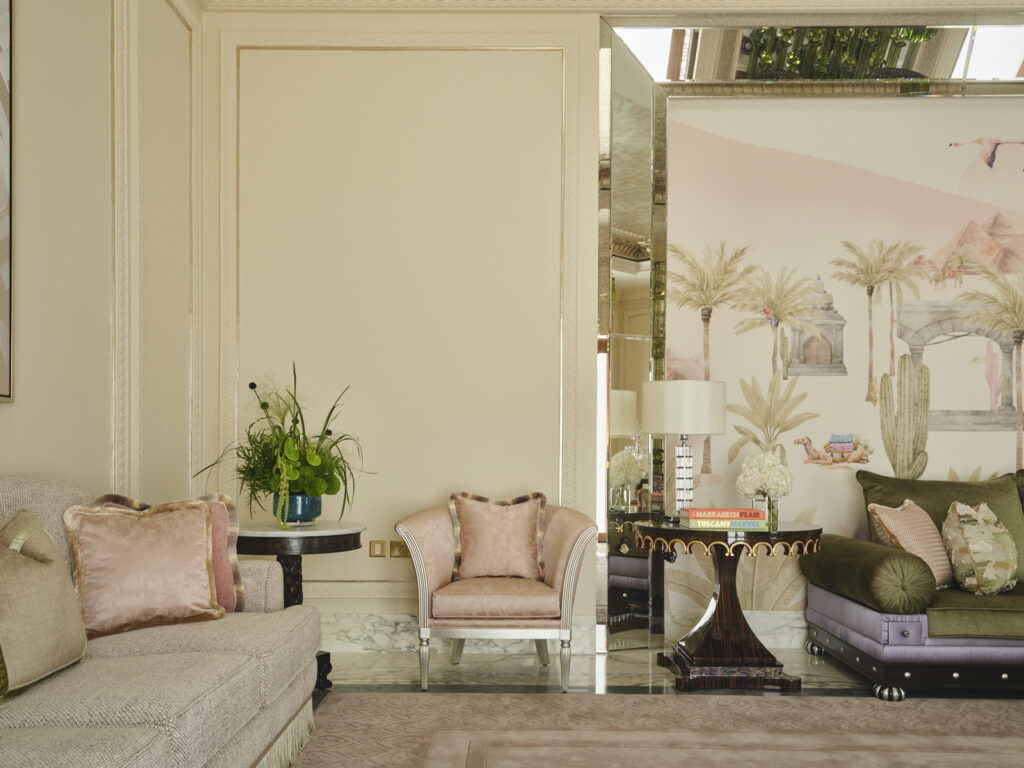
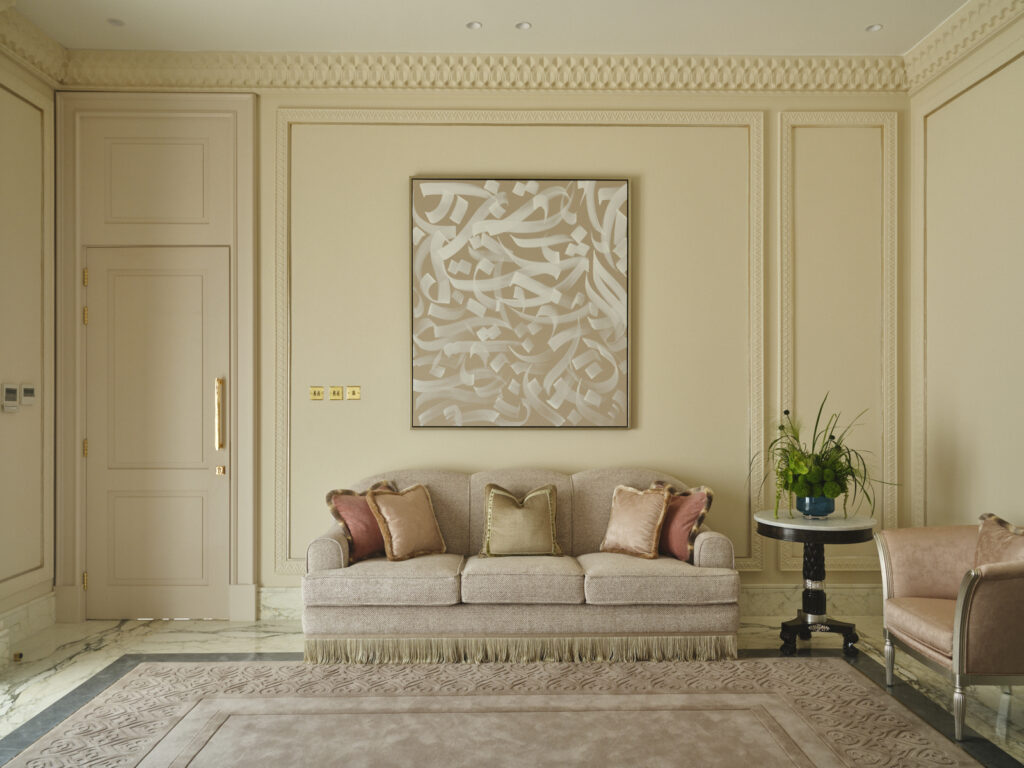
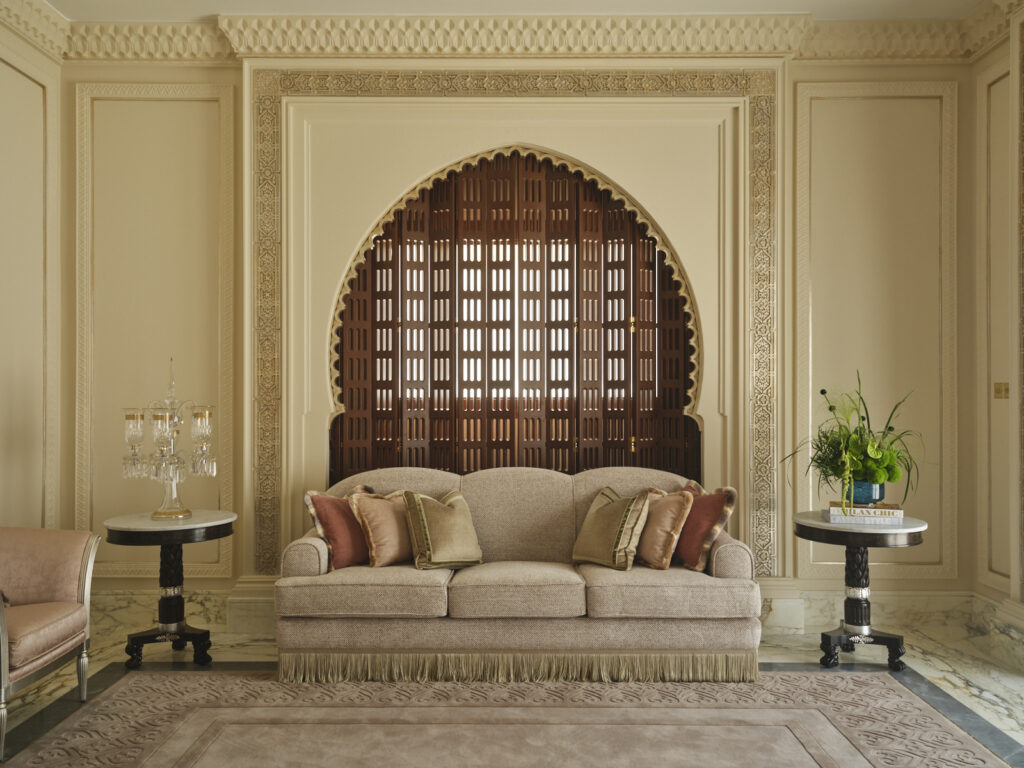
“We approached the project by establishing a clear architectural framework first, with proportion, symmetry and hierarchy resolved very early on” explains Al Bazae. What emerges is an architecture that precedes atmosphere, not as backdrop but as governing logic. “Once that structure was in place, the atmosphere was introduced through layers of material, tone and light, drawing on an oriental sensibility that favours harmony, softness and a sense of quiet refinement.”
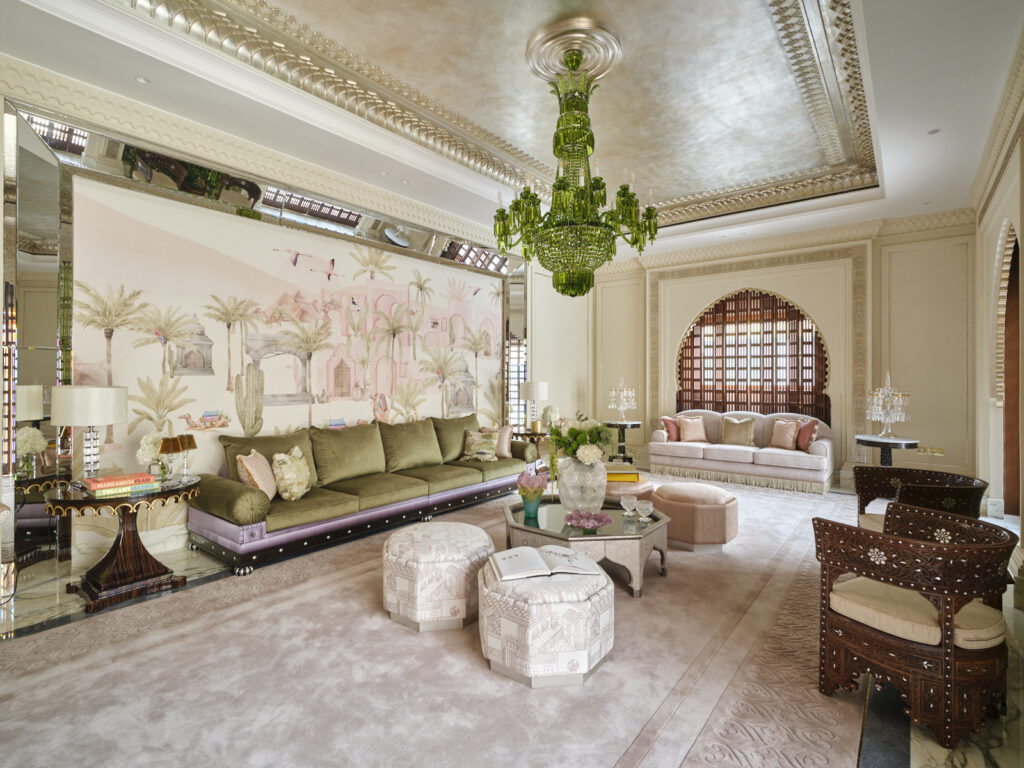
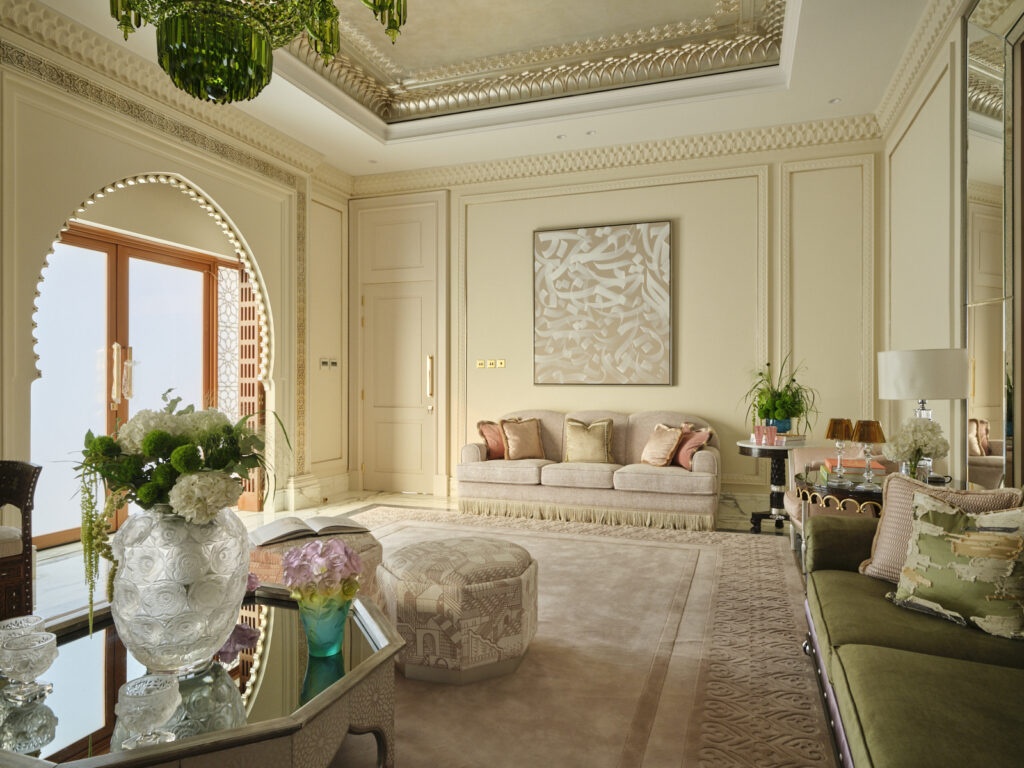
Within this framework, ornament is redefined. “The carved details were never intended to read as decoration, but rather as a continuation of the architecture” continues the Creative Design Director. Their role is rhythmic rather than expressive, embedded within the spatial order. “It is about discipline, allowing detail to enrich the space quietly without competing for attention.”
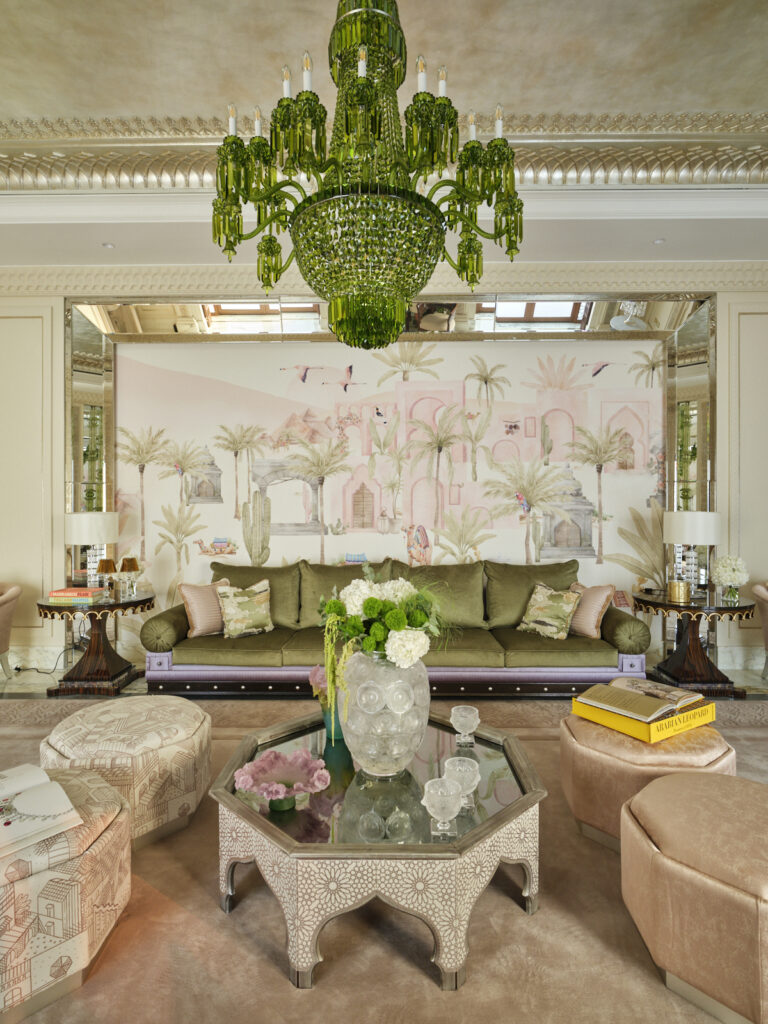
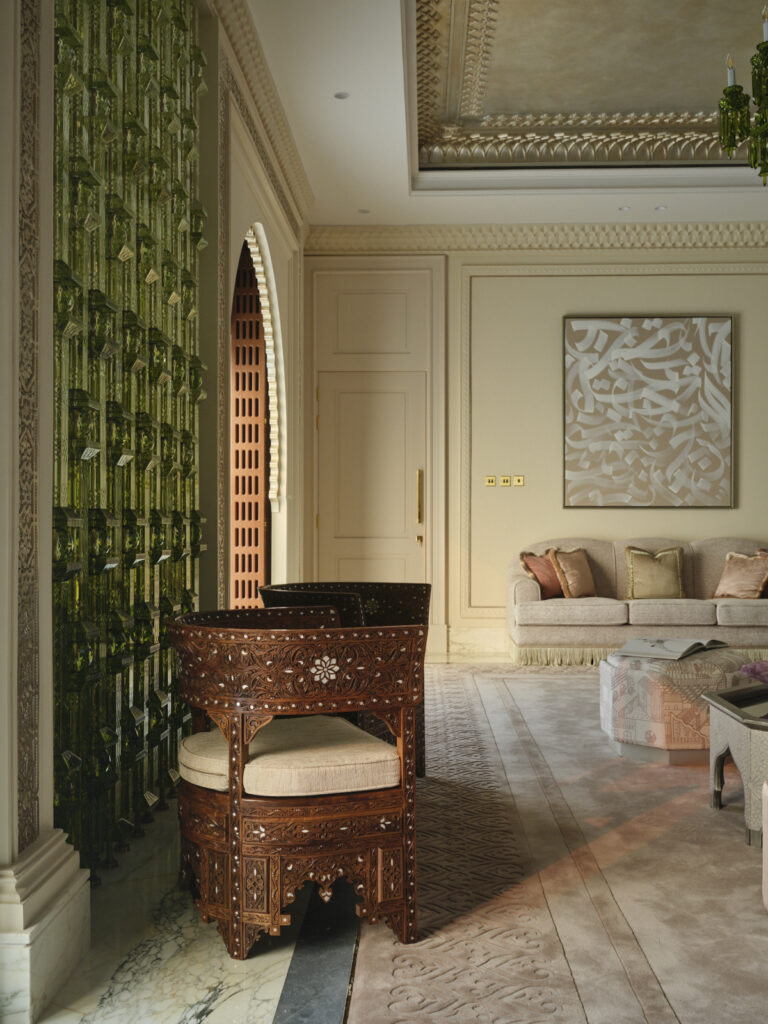
The question of verticality becomes a question of control. Al Bazae tells Marie Claire Maison that “the height of the room could easily have felt imposing, so the approach was to diffuse that verticality rather than emphasise it.” A ceiling treated in silver leaf refracts light into a softened field, while restrained gilded accents establish what he describes as “a subtle gradient that draws the eye upward without tension.”
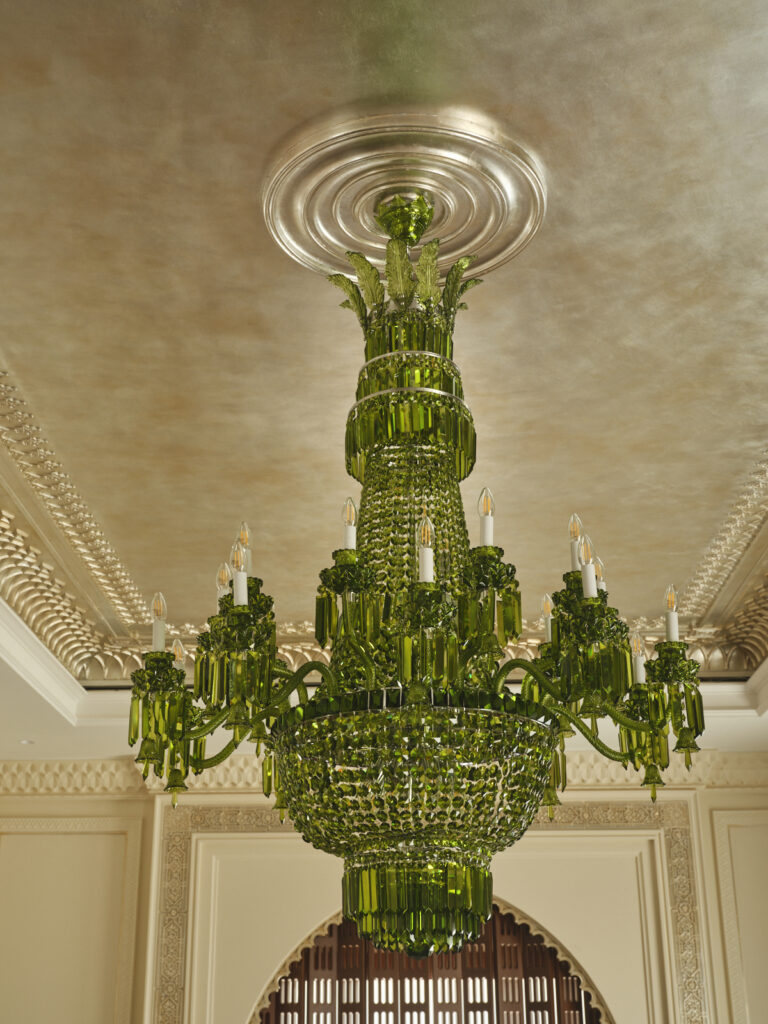
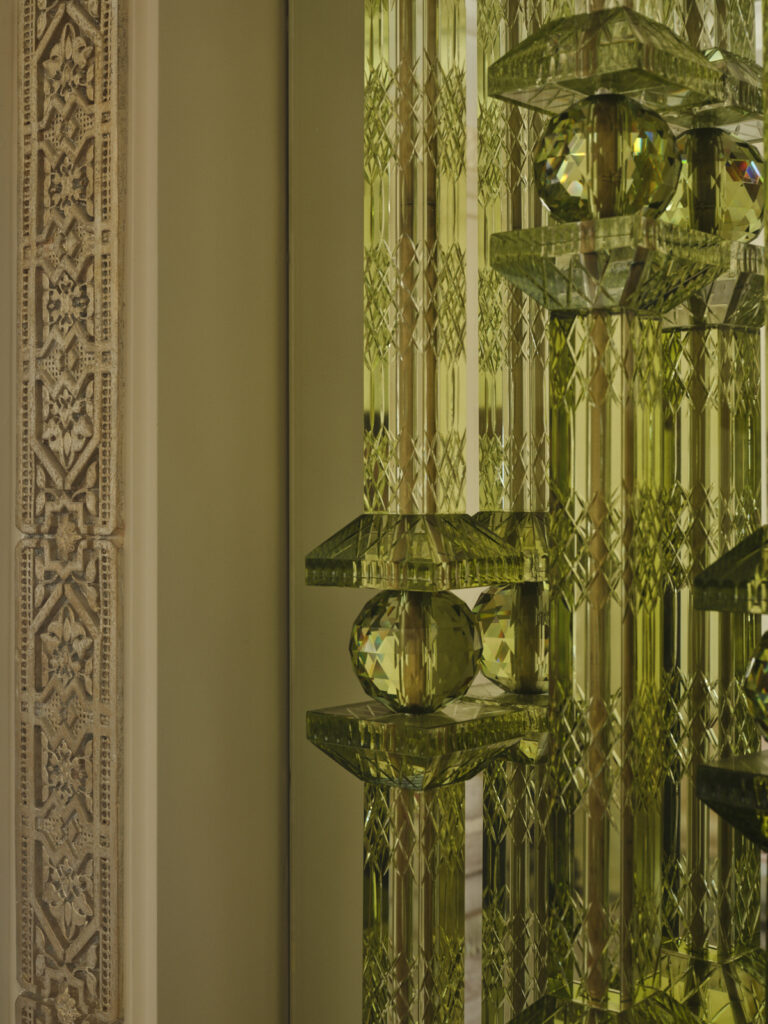
At the centre, a singular gesture defines the room. In Al Bazae’s words “in a space like this, a singular sculptural piece is essential, it anchors the composition and gives the room its identity.” The bespoke emerald chandelier operates as both object and axis. “It needed to feel present, but not loud, something you register immediately, yet continue to discover over time.”
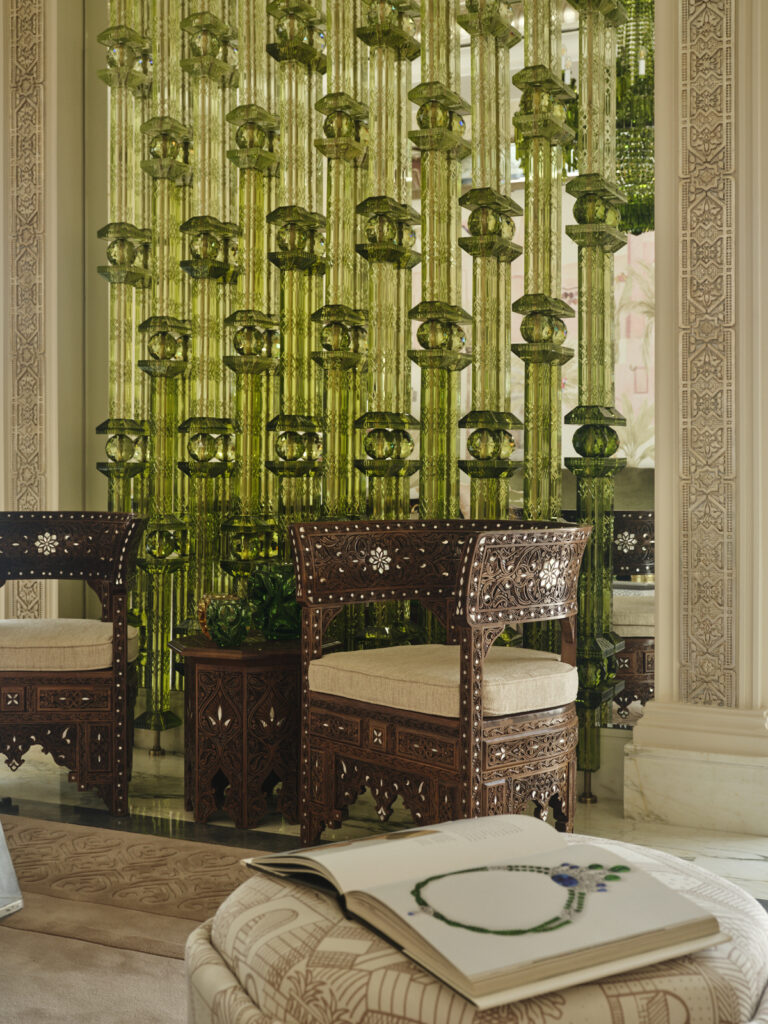
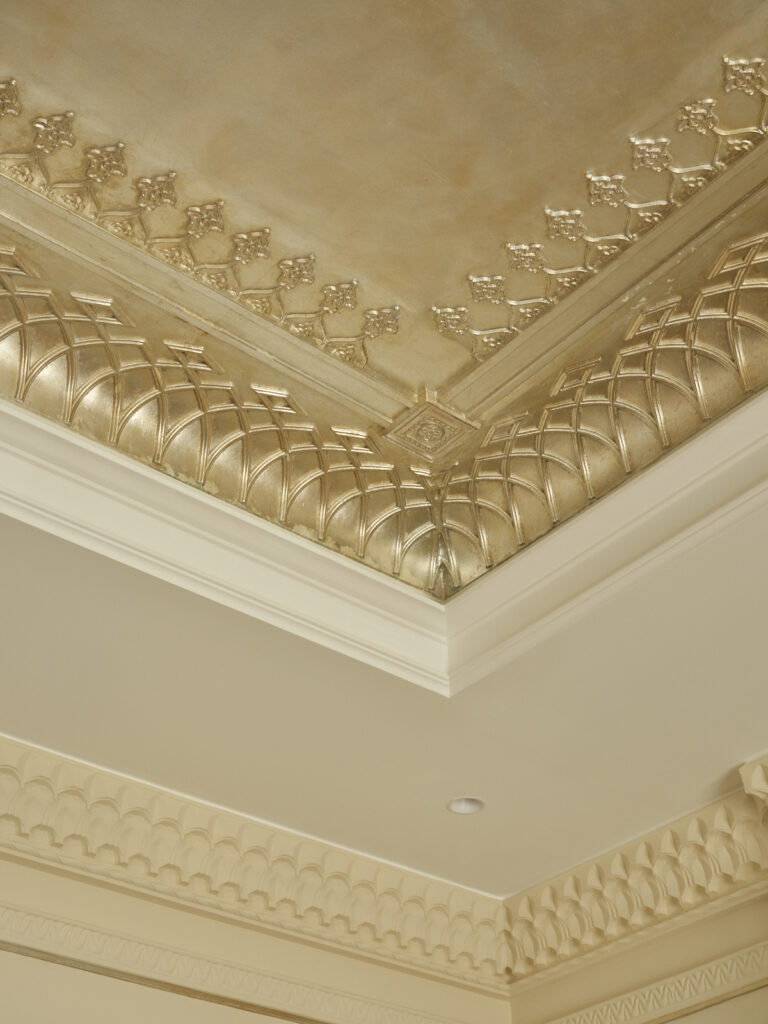
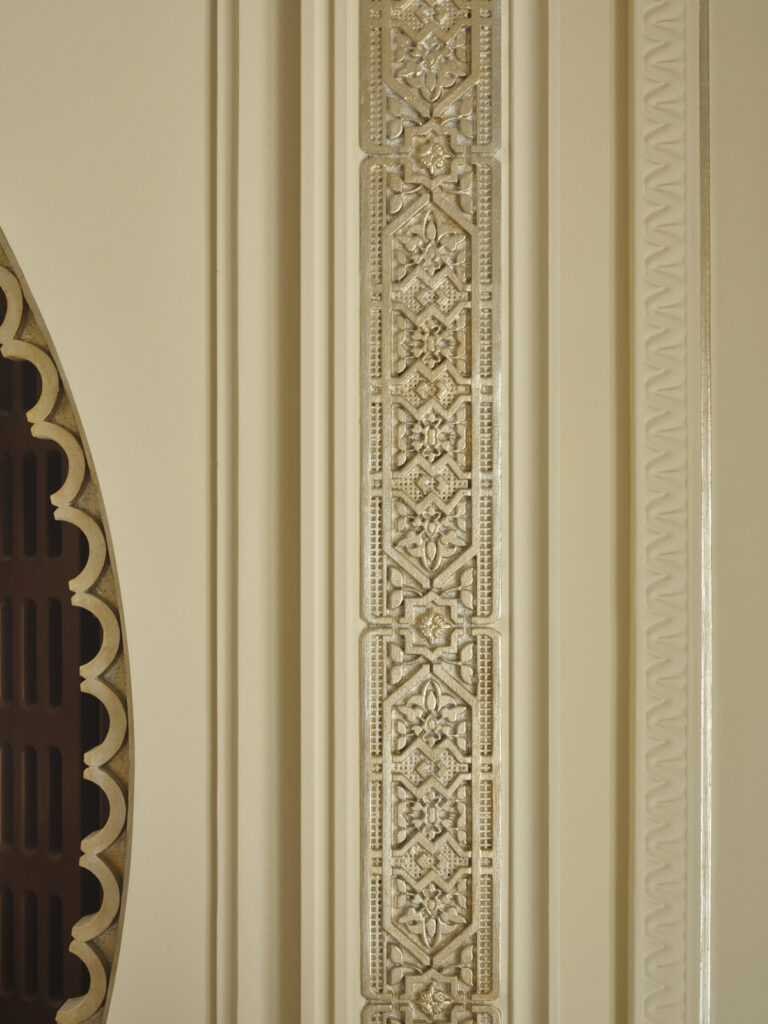
If architecture provides order, material introduces negotiation and EVA Interiors Creative Design Director explains it very clealry: “The architecture is inherently structured and precise, so the role of materials and furniture was to soften that clarity.” Rounded profiles, layered textiles, and tactile finishes recalibrate the spatial reading, “reducing visual rigidity” and allowing the room to settle into a more fluid state.
A majlis, however, is never resolved through form alone, “a majlis has to balance presence with intimacy.” Here, proportion becomes experiential, calibrated through seating, scale, and arrangement to encourage proximity without compromising order.
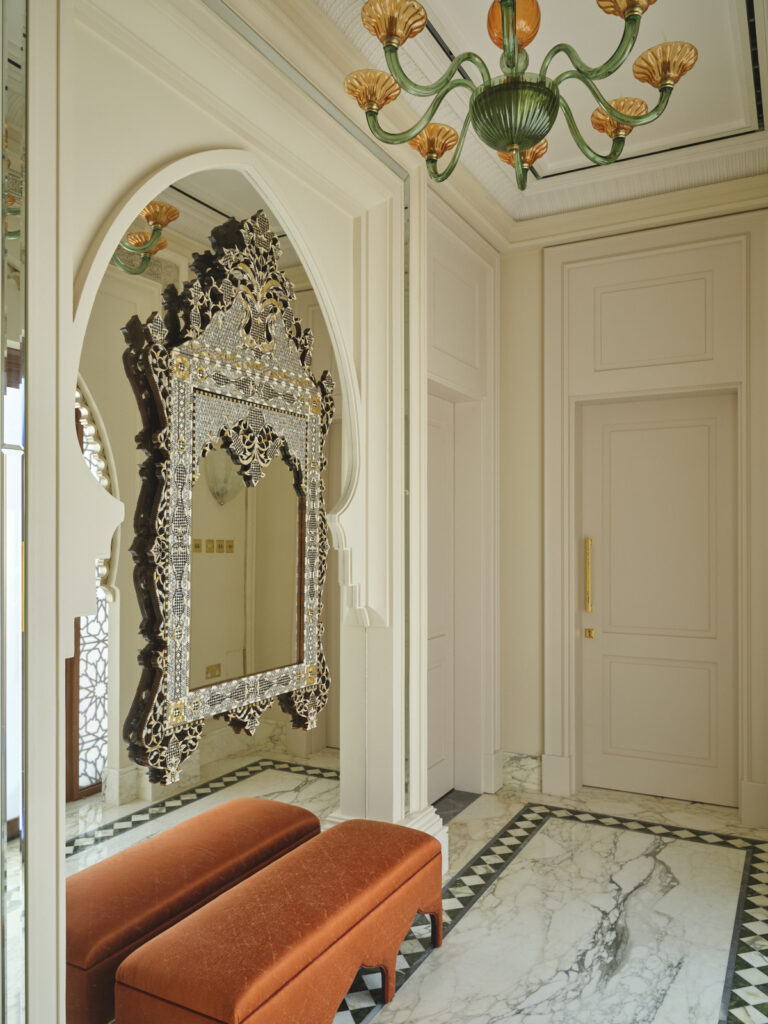
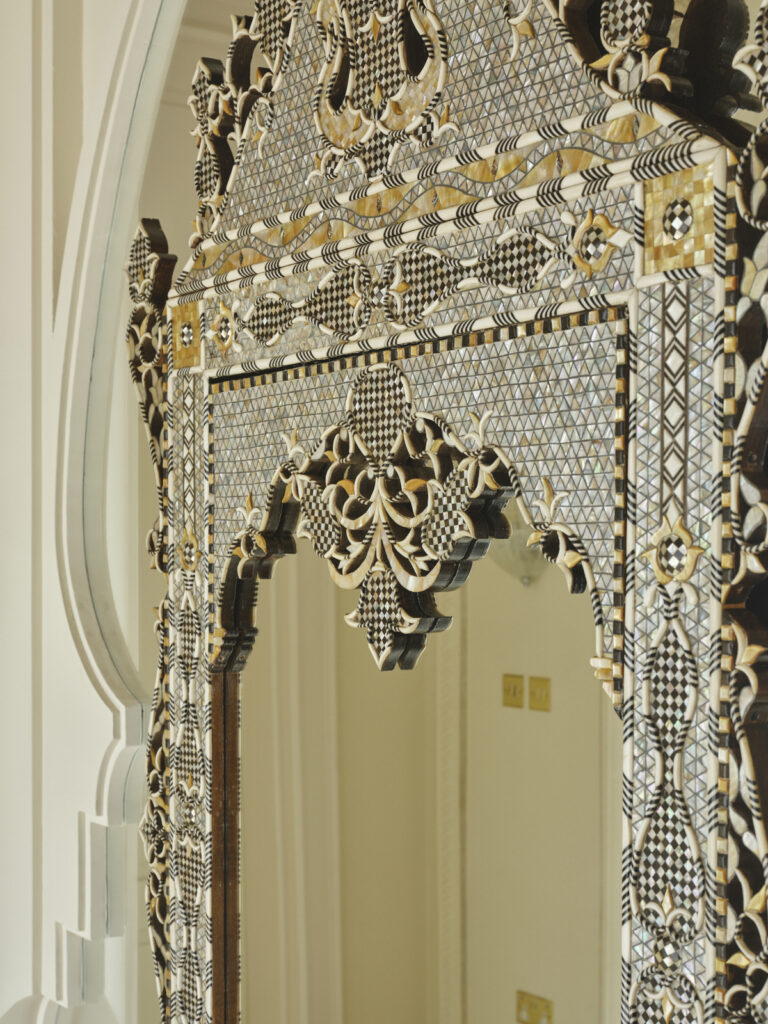
“What makes a space feel lived in is not excess, but authenticity.” In this interior, authorship is not asserted through accumulation, but through precision, where atmosphere is not applied, but allowed to emerge.