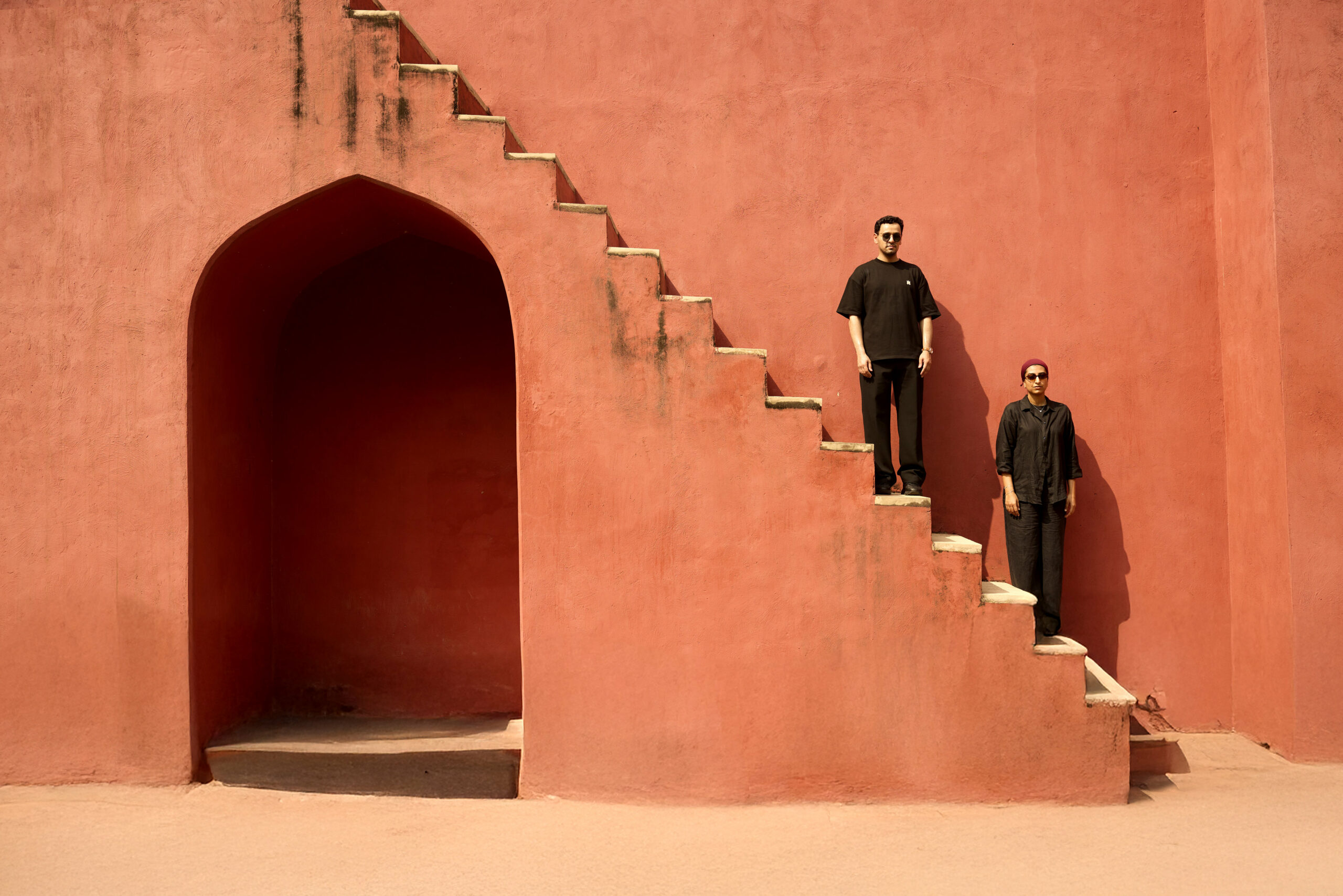
In the days preceding Milan Design Week, practices from the Middle East have already begun to articulate a position within the city. As reflected in recent coverage of Shalini Misra, DAVID/NICOLAS, and Urjowan Alsharif, this presence does not register as arrival, but as continuation. Milan becomes less a destination than a site of translation, where trajectories shaped by distance, movement, and constraint are reformulated through material, space, and collaboration. What emerges is not a collective identity, but a constellation of practices, each resisting fixity while carrying its own terms of making.
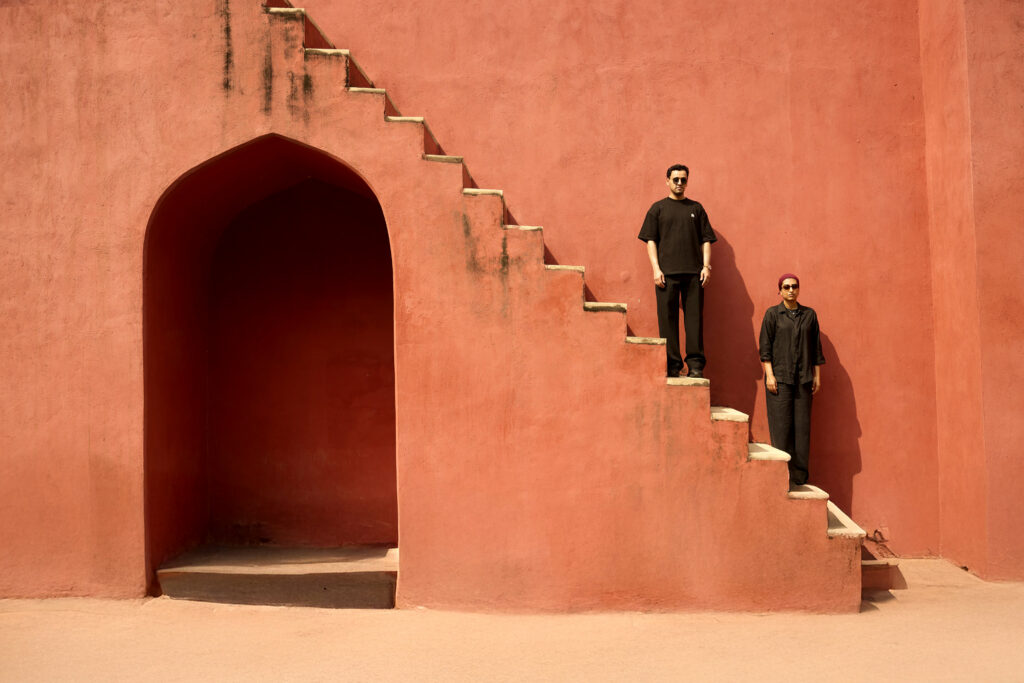
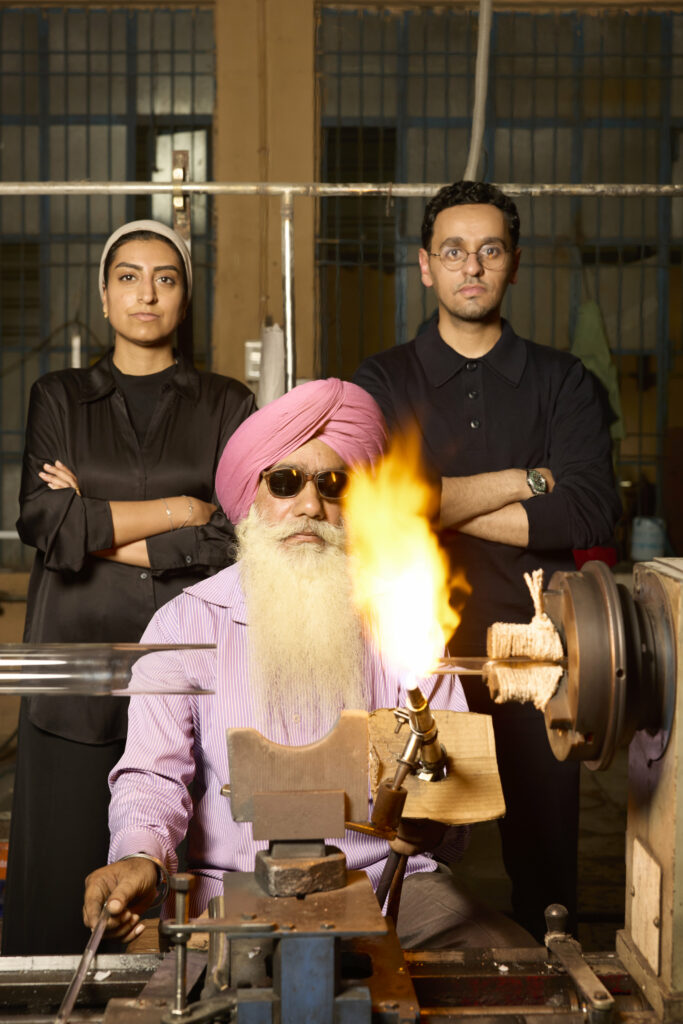
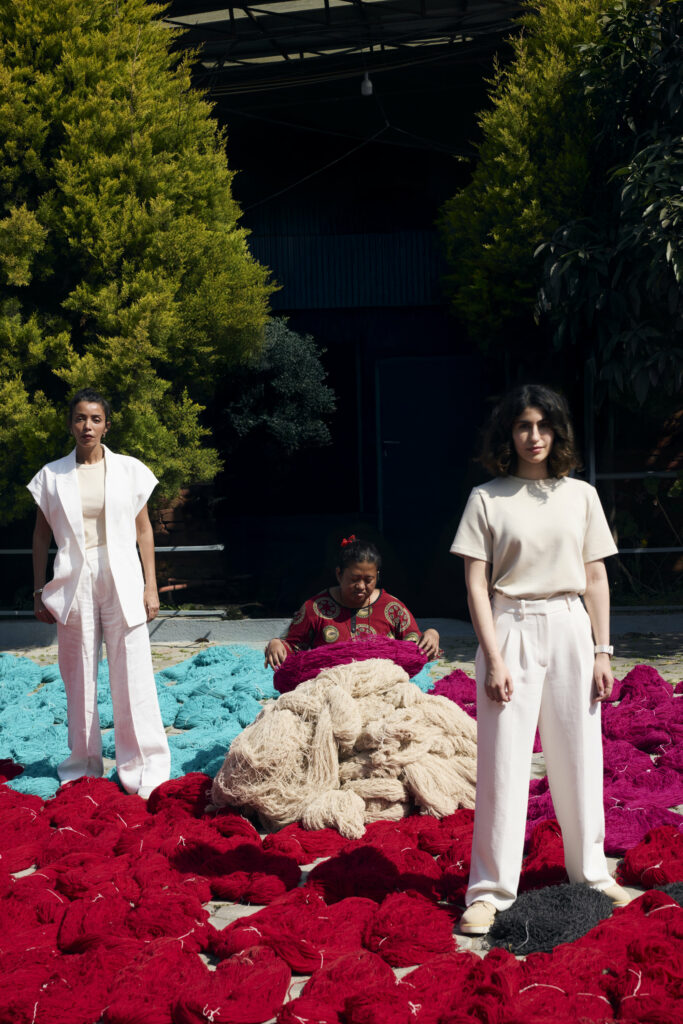
At Alcova, Shalini Misra presents the second cohort of the Shakti Design Residency, advancing a model in which craft is understood as a living system rather than a fixed inheritance. Developed through sustained collaboration with Indian ateliers, the works foreground reciprocity and shared authorship, positioning making as a form of cultural intelligence that resists both acceleration and extraction. Here, craft is not preserved but activated, treated as a site of knowledge production that evolves through dialogue rather than repetition.
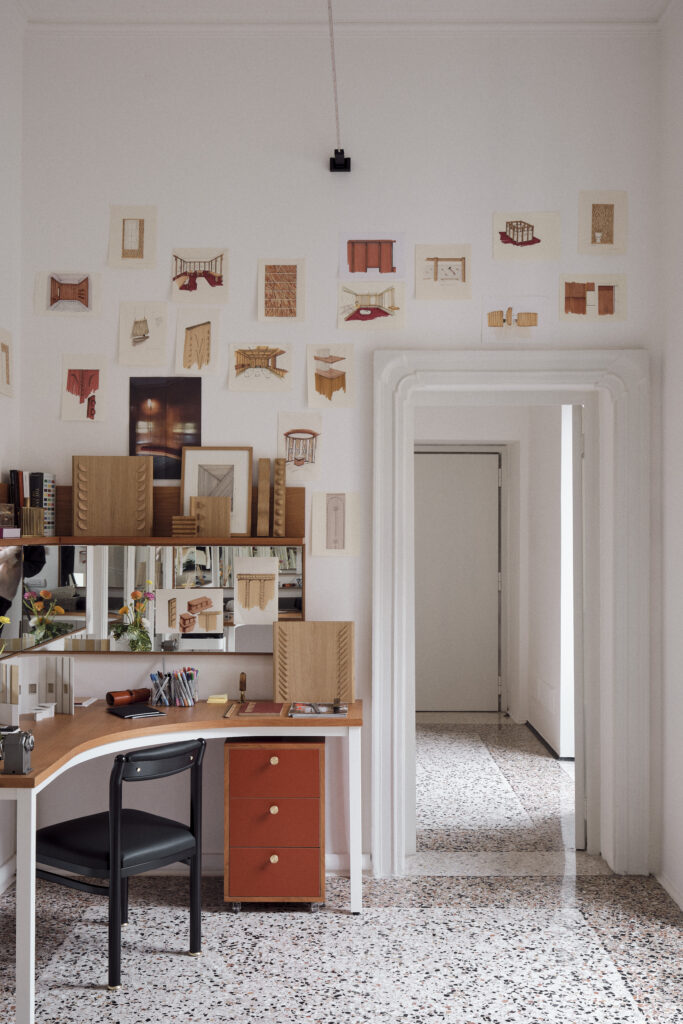
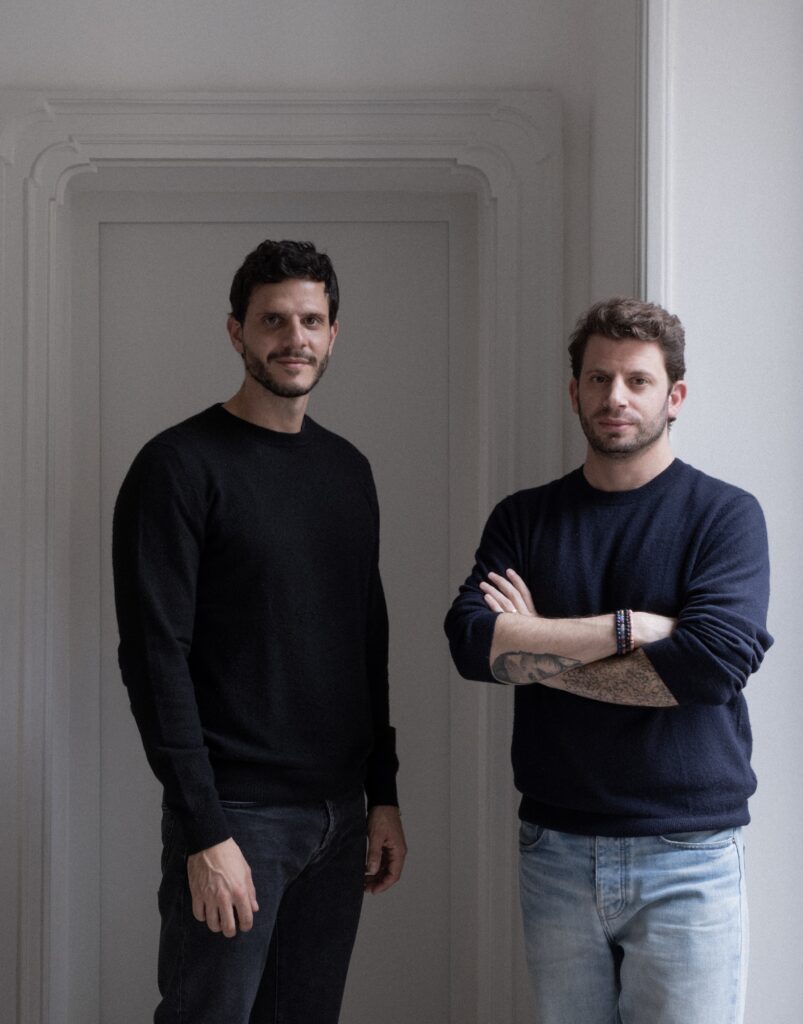
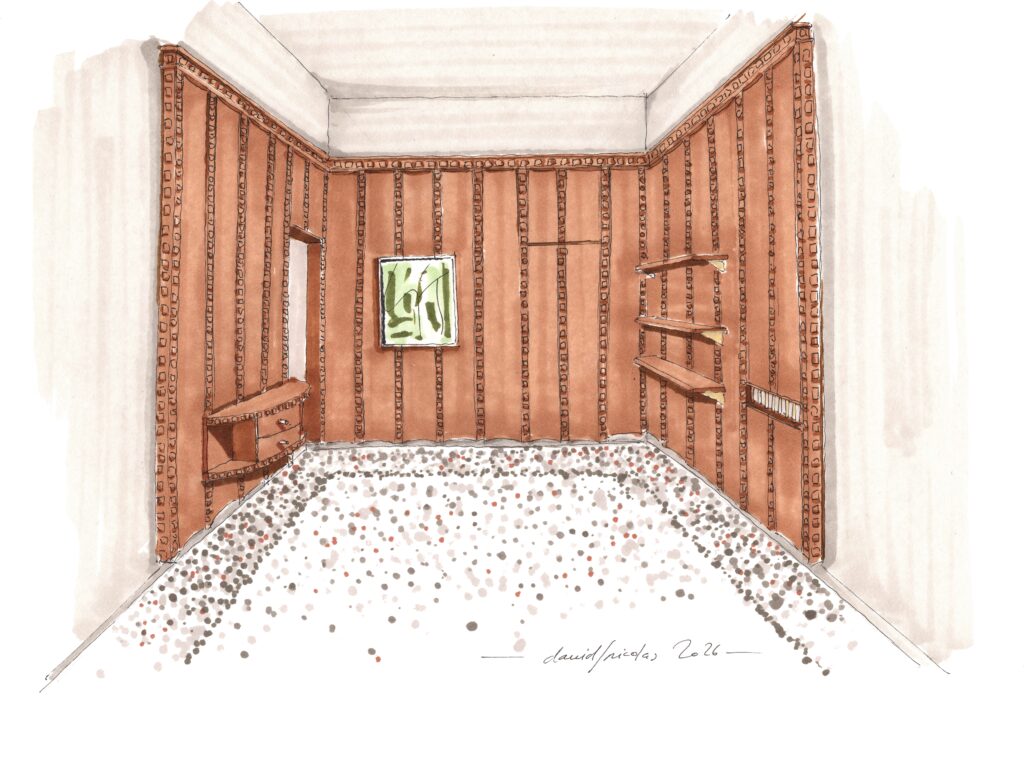
DAVID/NICOLAS unfold a threefold investigation into the interior, from wall to object to atmosphere. In their studio, La Boiserie redefines panelling as an inhabitable architectural system, absorbing storage and function into a continuous spatial field. With Ceccotti Collezioni, Scapula translates anatomical structure into a poised sculptural armchair, where form is derived from bodily logic rather than stylistic reference. At Nilufar Depot, The Bedroom dissolves the boundaries between furnishing and surface through an enveloping installation of custom carpets and embroidered wall coverings. Across these gestures, the interior is no longer composed of discrete elements, but emerges as a coherent environment shaped through material continuity.
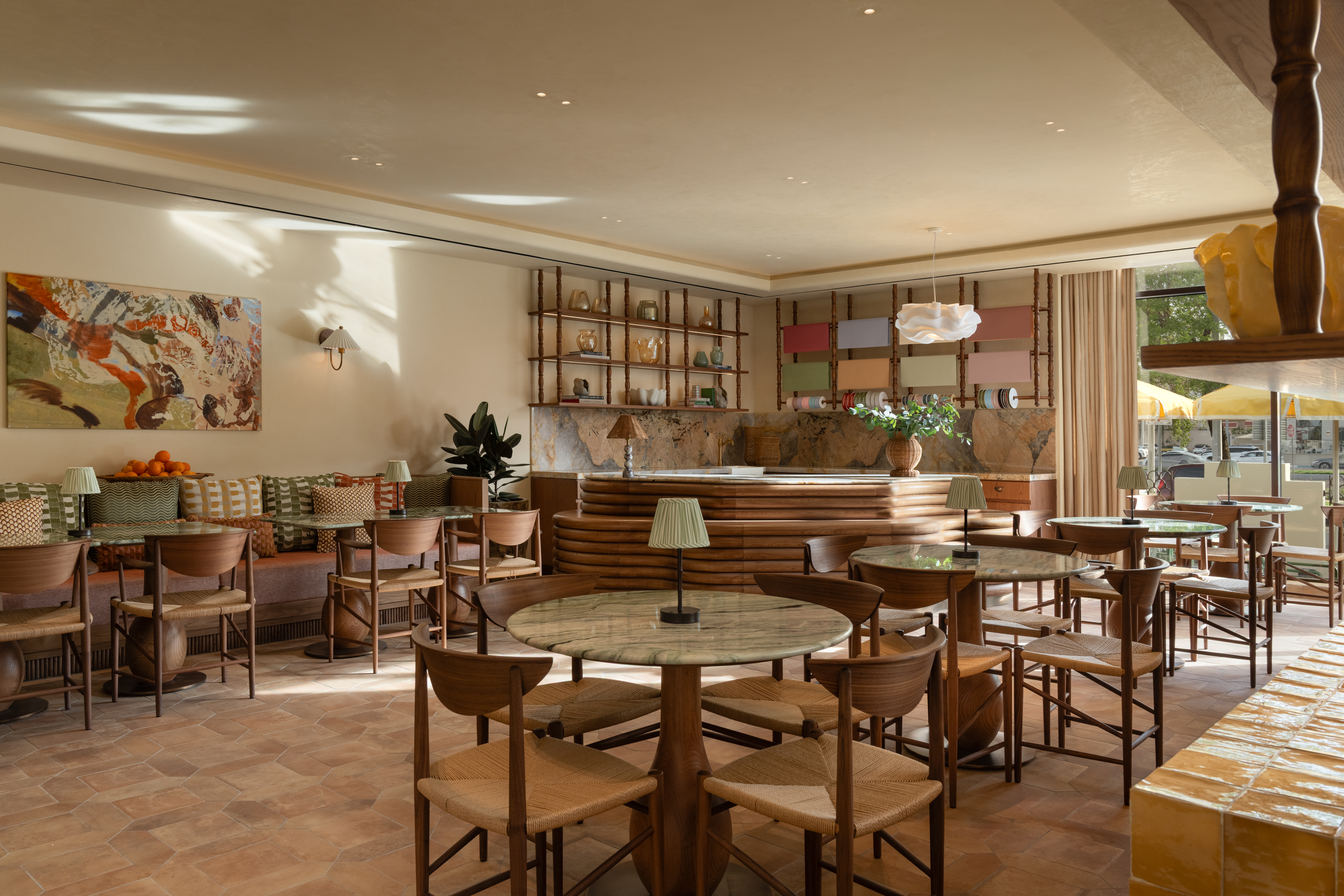
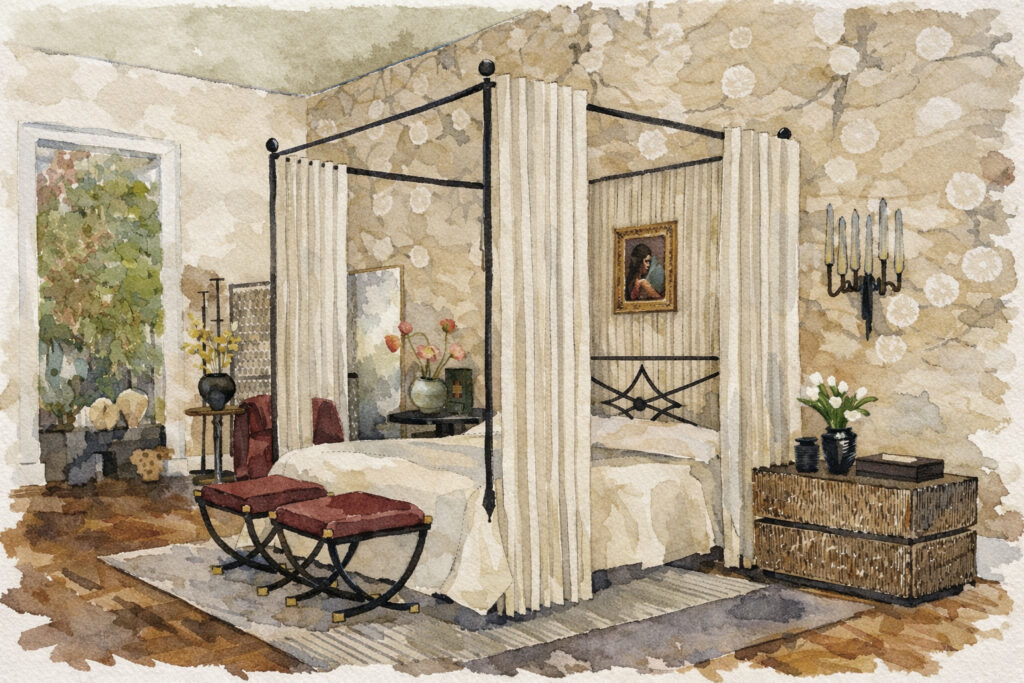
Within L’Appartamento by Artemest at Palazzo Donizetti, Urjowan Alsharif approaches the Florentine alcova not as an image to be reproduced, but as a spatial condition to be reinterpreted. Drapery, enclosure, and the careful redistribution of function construct a measured intimacy without relying on fixed architectural boundaries. The room operates through atmosphere and proximity, rather than structure, unfolding within a shared language of making that bridges Florentine craftsmanship and regional practices. What is at stake here is not reference, but alignment.
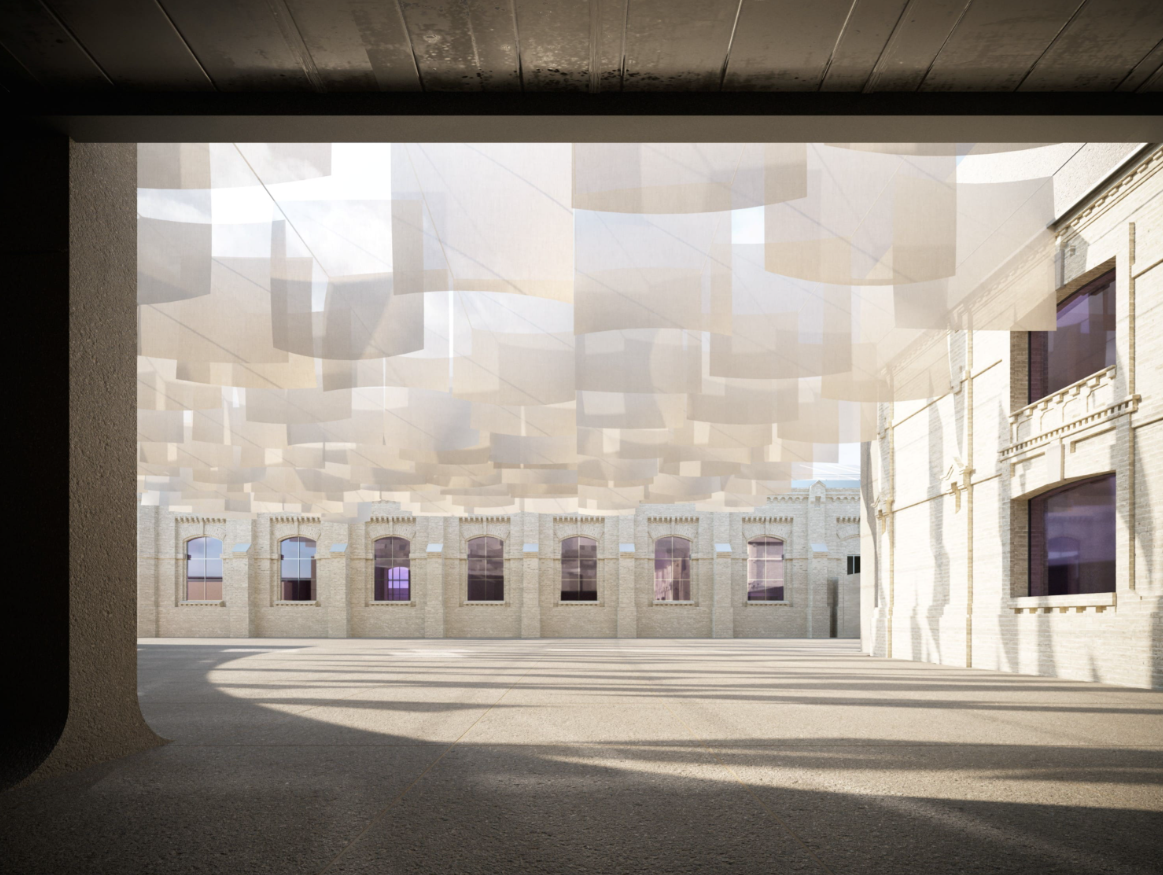
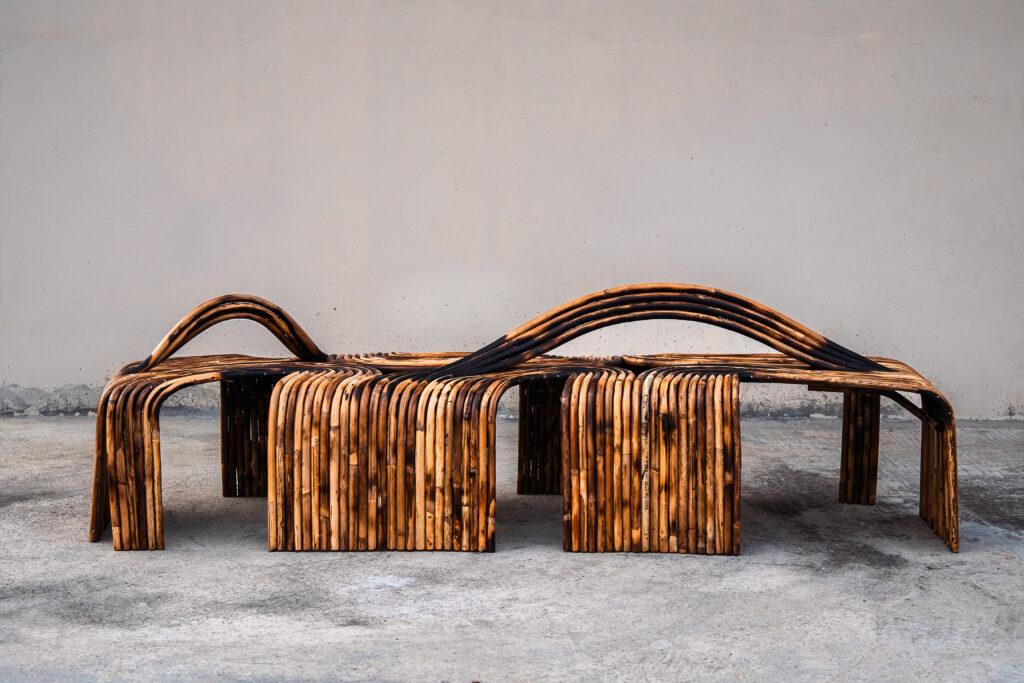
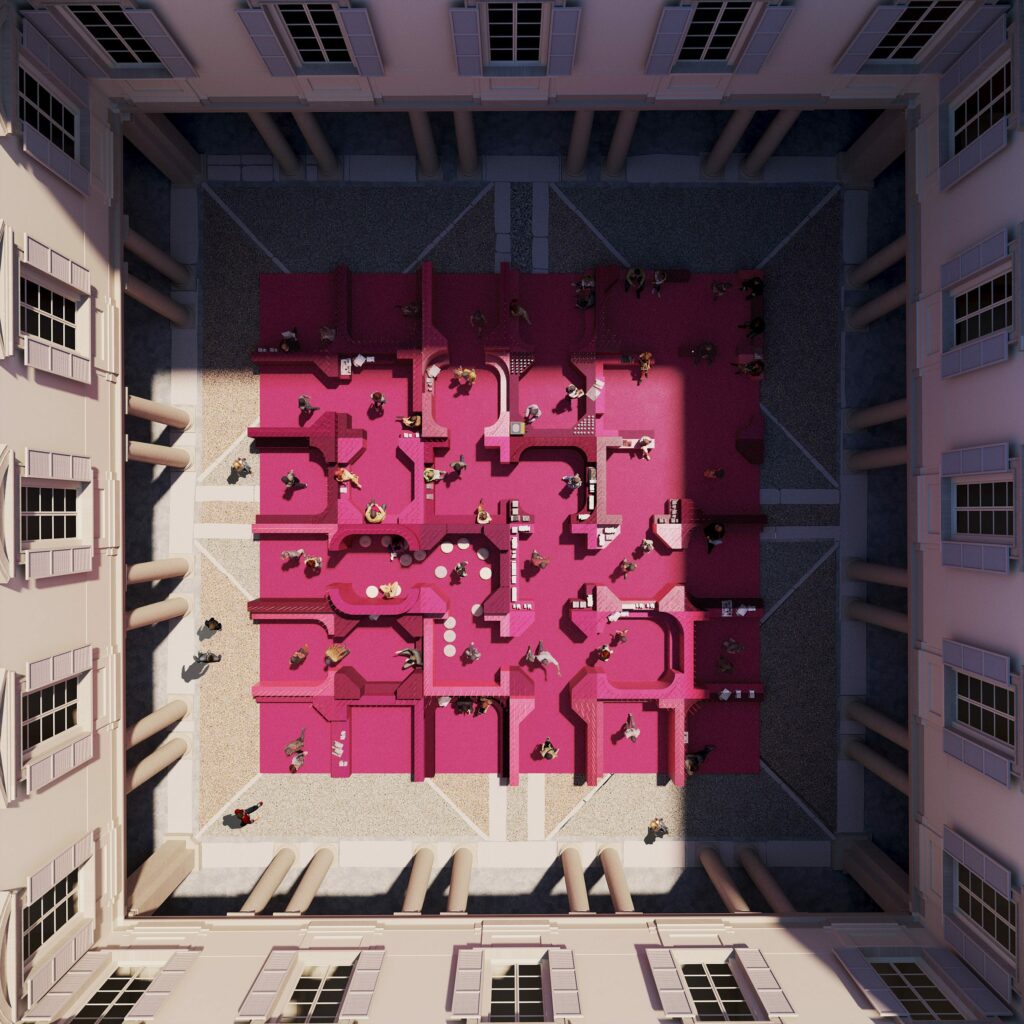
At Palazzo Litta, Lina Ghotmeh extends this discourse into the scale of architecture. With Metamorphosis in Motion, the courtyard is no longer a void to cross but a field to inhabit. Curved partitions, monolithic seating, and a calibrated sequence of thresholds transform the baroque setting into a porous spatial continuum. Movement becomes choreography, and the act of inhabiting space becomes central to its meaning. Rather than imposing form, the installation unfolds through use, reframing the courtyard as a collective ground rather than a scenographic backdrop.
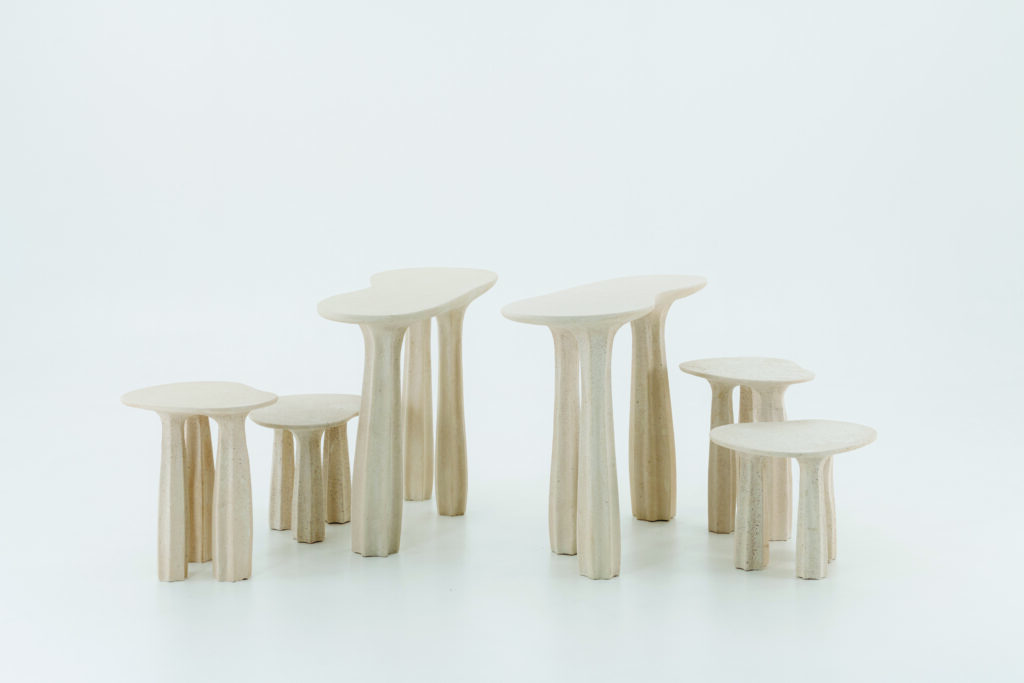
Elsewhere, at Nilufar Depot, Studio Manda presents Georges Mohasseb’s Cactus Collection within the scenographic setting of the Nilufar Grand Hotel. The desert form is not represented but abstracted into vertical, architectural structures, where proportion and mass replace figuration. Formed from aggregates of marble and limestone bound in resin, the surfaces oscillate between erosion and fabrication, giving the works a restrained monumentality. They occupy an ambiguous position between object and architecture, where material itself becomes the primary agent of expression.
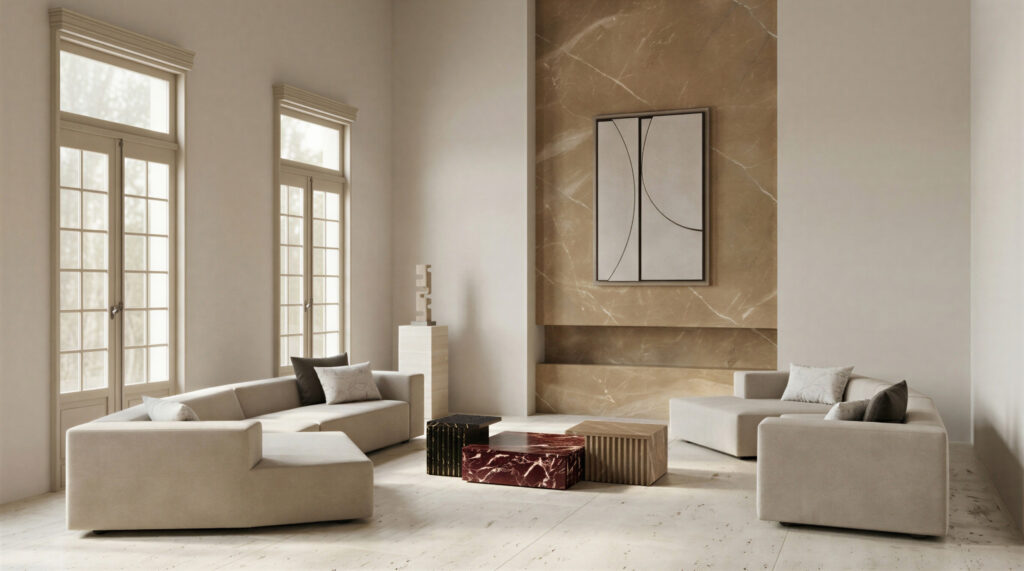
A similar attention to material as generative principle emerges in the dialogue between C’est ici Design and MIAMILANO, where the MADAR collection repositions stone from architectural surface to primary design agent. Developed through an attentive reading of veining, density, and tonal variation, the pieces emerge as sculptural volumes shaped by the material itself. Structured around a centre–periphery logic, the composition unfolds as a calibrated landscape of mass and rhythm, where furniture and surface converge into a continuous architectural language.
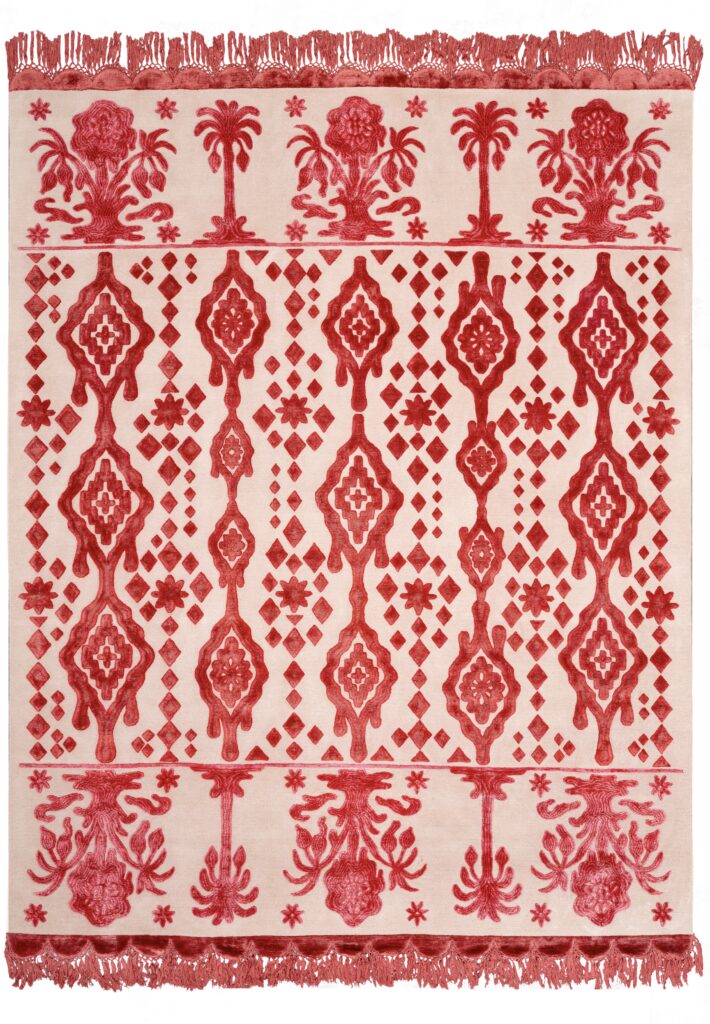
A more conceptual approach to surface emerges in the collaboration between Shaikha Al Sulaiti and Illulian, where the rug is treated not as a decorative layer but as a primary spatial gesture. Here, bespoke production becomes a mode of authorship rather than customization, and textile operates as a mediating surface between interior architecture and cultural narrative. The floor is no longer a background condition, but an active component in the construction of space.
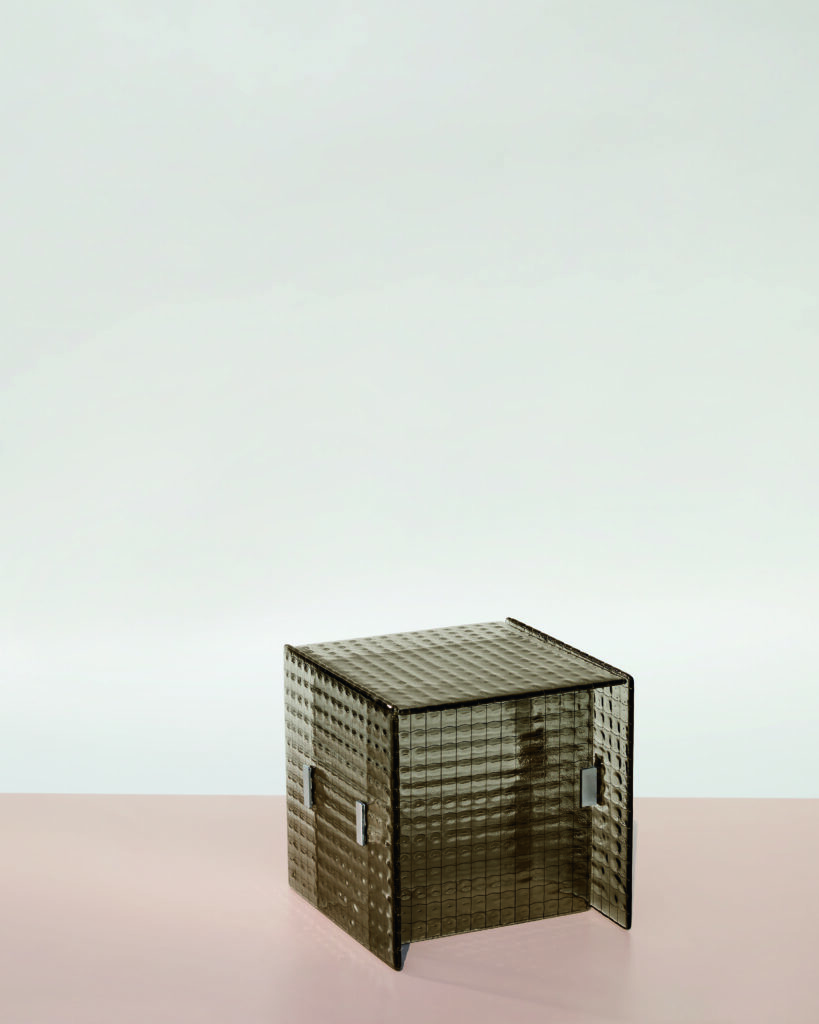
A related investigation into material and perception appears in the work of Rania Hamed, presented within Gallotti&Radice’s Tales in Glass. Her piece, Ommi, approaches glass through structure rather than transparency alone, using the grid as both spatial and visual device. Through layered surfaces and controlled reflections, the work explores how light, enclosure, and permeability can be negotiated within the domestic object.
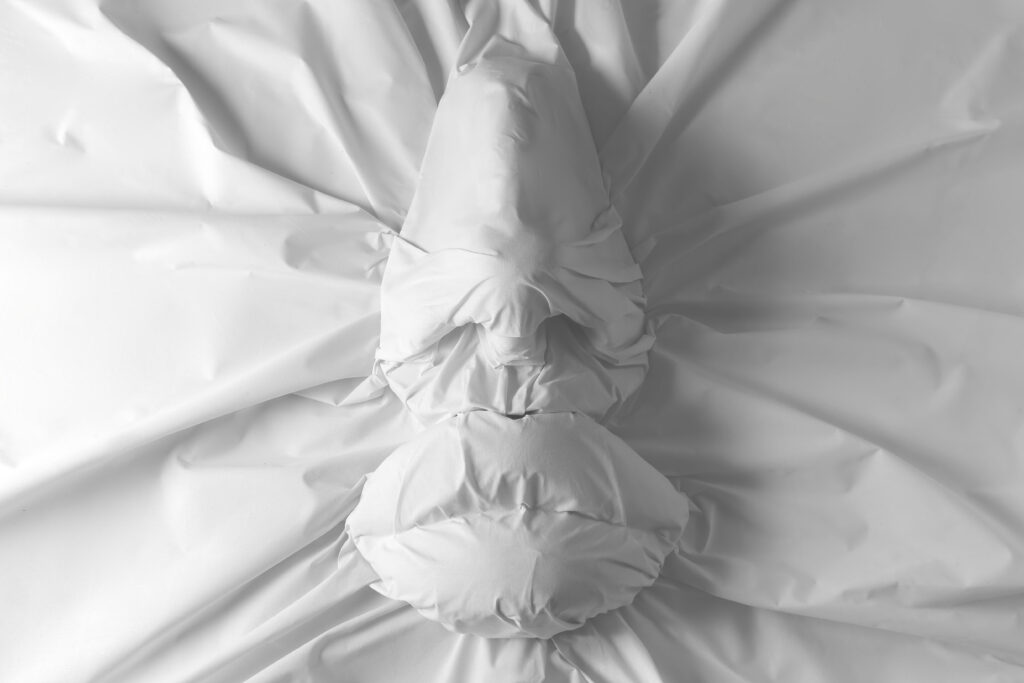
For Fadi Yachoui of Atelier L’Inconnu, this translation takes on a more explicitly narrative dimension. Presented at Galleria Rossana Orlandi, La Volupté: Unfolding extends the performative gesture of “The Cut,” first conceived in Beirut. Hand-sculpted in resin and woven rattan, the works move between tension and softness, carrying forward the fragile persistence of Lebanese wicker weaving while treating form as a fragment in motion. “If Beirut was the womb,” he notes, “Milan becomes the horizon.” The collection resists closure, unfolding instead as a continuous process of release and transformation.

In a more symbolic register, Richard Yasmine presents Vessels of the Intangible, a series of sculptural lighting pieces structured around the five senses and developed as part of the 5VIE production. Eyes, lips, and gestures are reimagined through a convergence of materials, from wood and leather to glass and textile, where light emerges as an internal, almost emotional force. Suspended between anatomy and object, the works operate as vessels of perception, extending design into the realm of the tactile and the intangible.
Finally, at the Pinacoteca di Brera, the Jusoor Design Collections bring together five Saudi designers in collaboration with ateliers across India, Nepal, and Spain, including partners such as Iwan Maktabi, framing design as a process of exchange rather than authorship. Developed across multiple geographies, the works privilege material experimentation and shared making, reflecting a generation that constructs identity through connection, dialogue, and transformation.
Taken together, these practices suggest that Milan is no longer simply a destination, but a site of continuity, where design is not presented as a fixed language, but as an evolving field shaped by movement, collaboration, and the persistence of craft.