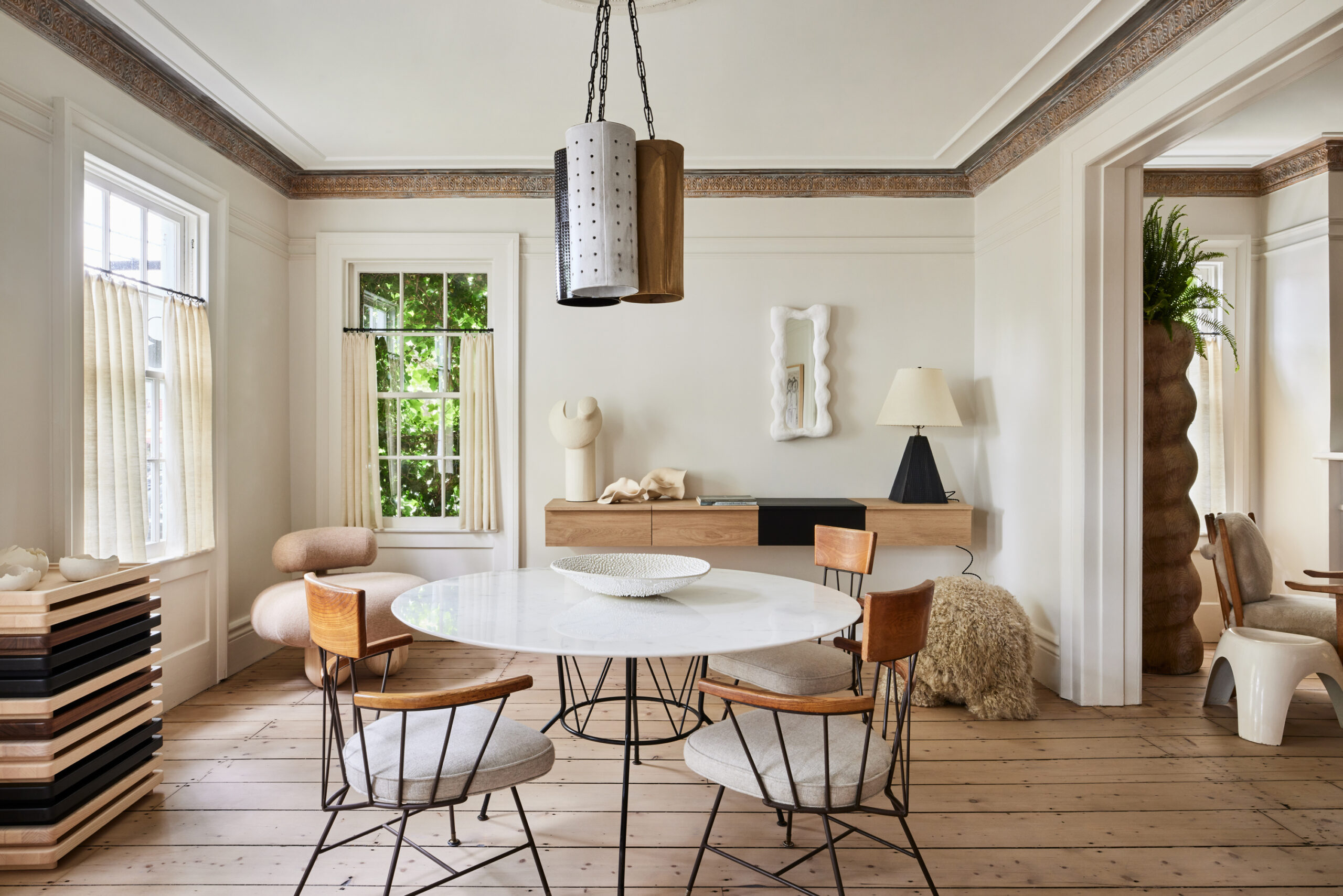
There was a time when the purpose of a showroom was relatively straightforward. Objects were presented, collections were displayed and the relationship between the designer and the visitor was largely transactional. Today, some of the most interesting developments in contemporary design are taking place in spaces that resist such clear definitions. Part gallery, part studio, part meeting place, they propose a different understanding of what it means to encounter design, one in which conversation and cultural exchange are as important as the objects themselves.
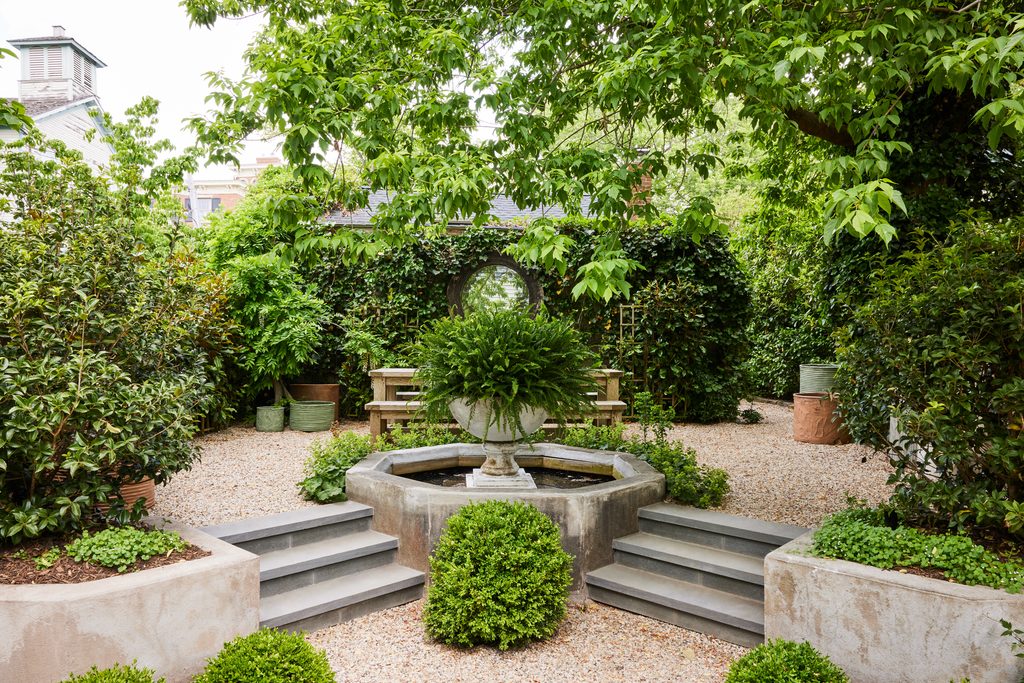
In Sag Harbor, New York, The 1818 Collective belongs to this evolving landscape. Founded by Analisse Taft Gersten and Kristin Fine, it brings together furniture, art, craftsmanship and interior design within an environment conceived not simply for display, but for discovery. Its significance lies less in the accumulation of beautiful things than in the relationships established between them, and between the people responsible for their creation.
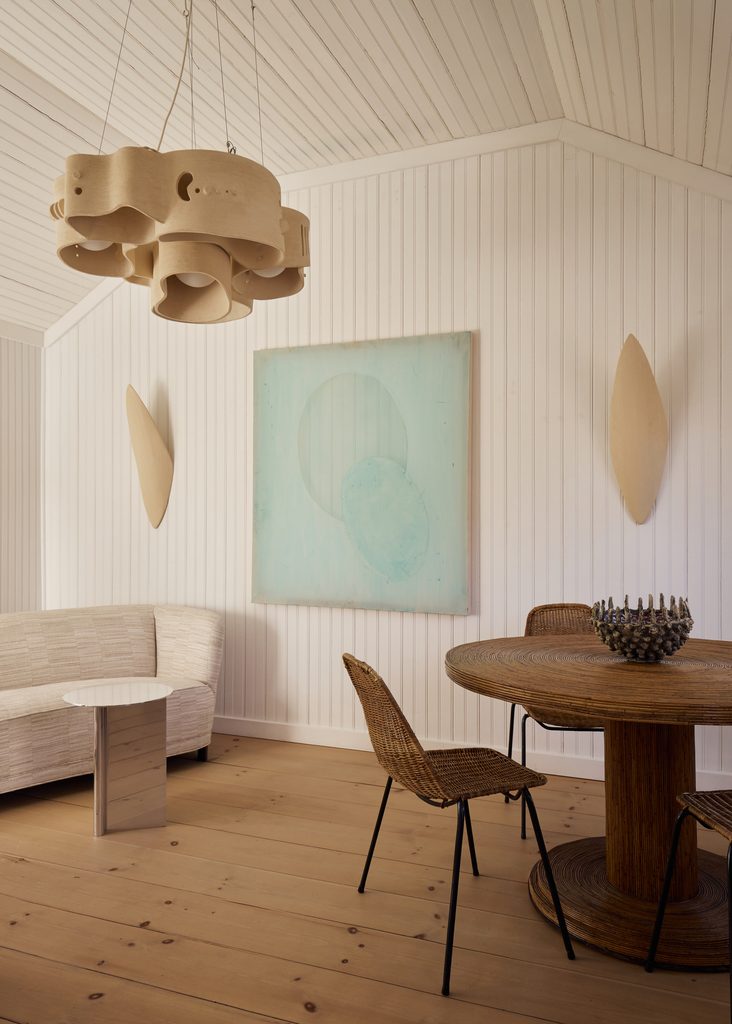
The distinction is an important one. In an industry increasingly driven by visibility, the act of bringing together artists, designers, makers and collectors can become a form of cultural authorship. Selection is no longer merely an aesthetic exercise. It reflects a particular understanding of materials, artistic practices and the conversations that deserve attention.
For Taft Gersten and Fine, this perspective emerges from two complementary professional backgrounds. Through ALT for Living, Taft Gersten has developed extensive experience in bespoke textiles, handcrafted furnishings, manufacturing and retail. Fine, meanwhile, approaches interiors through an understanding of light, proportion, texture and the relationship between architecture and its occupants.
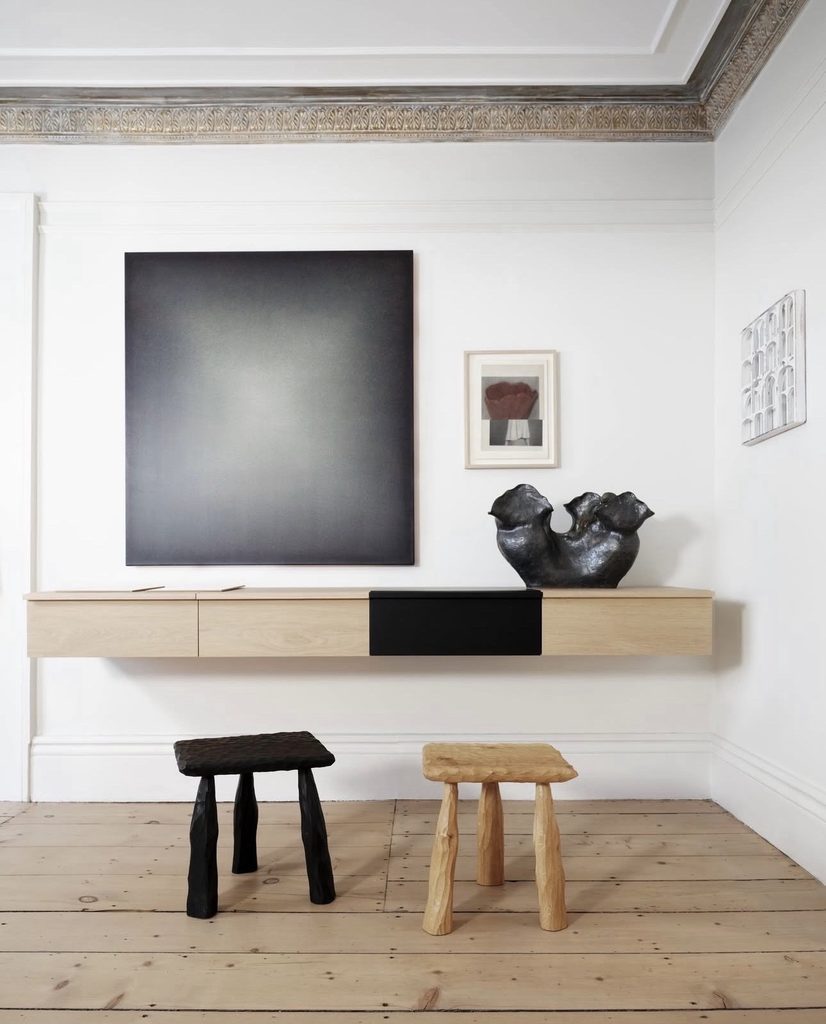
Their collaboration brings these disciplines into dialogue. Where one contributes an intimate knowledge of production and material processes, the other considers how objects inhabit a space and acquire meaning through their surroundings. The result is a practice that does not separate the making of an object from the experience of living with it.
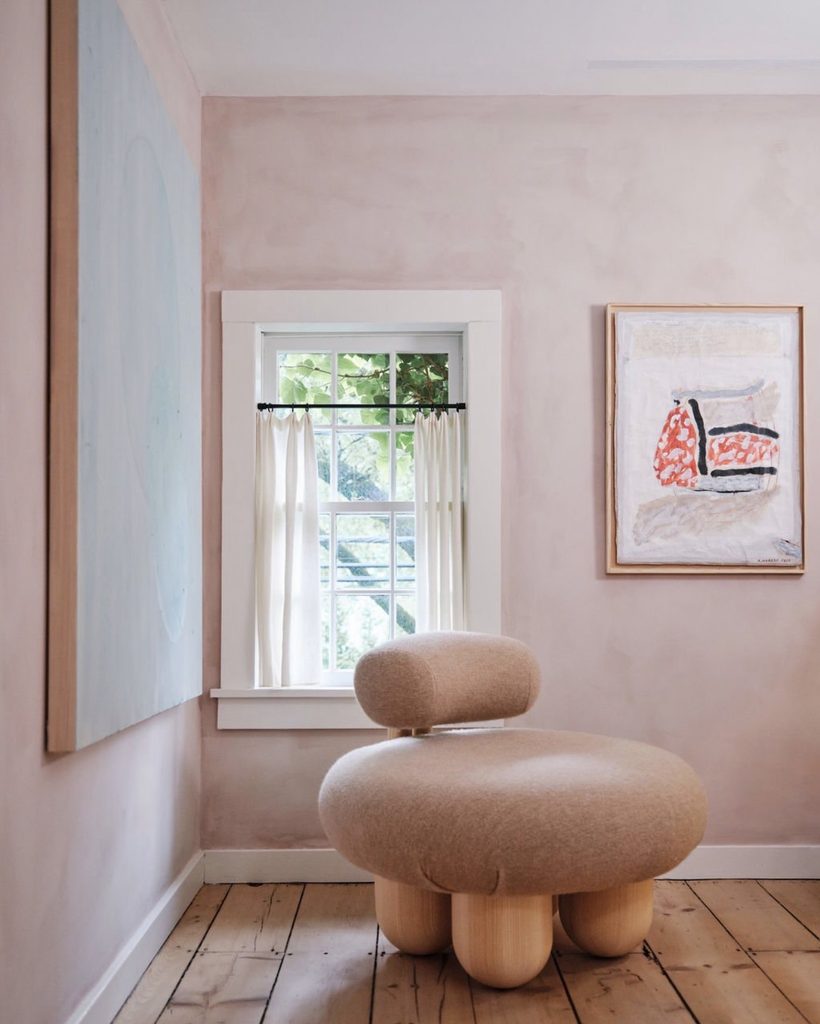
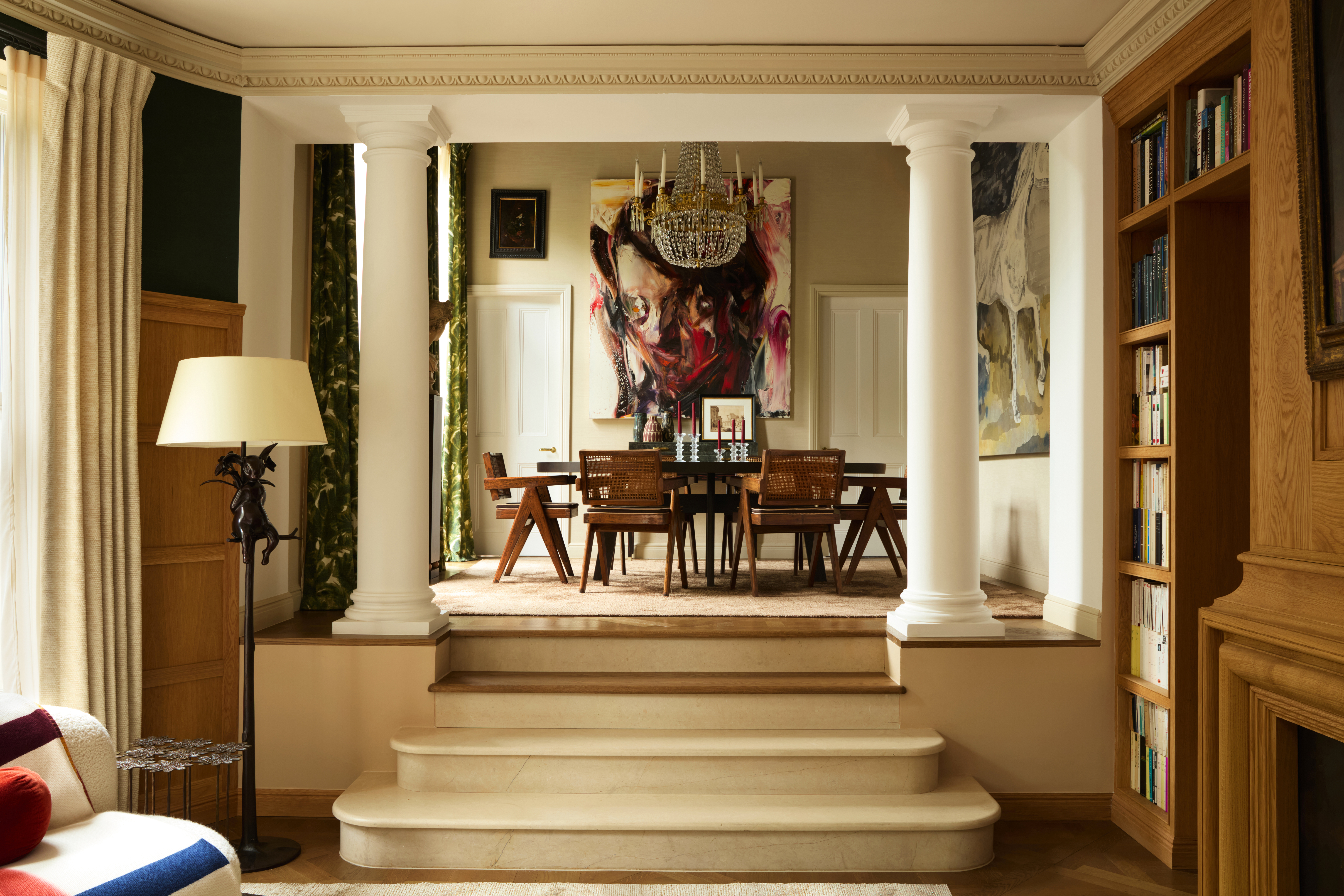
“Our design is powerful but has a softness to it,” the founders explain. The apparent contradiction is central to their approach. Rather than pursuing visual uniformity, they embrace the friction between different periods, materials and artistic languages. “All great spaces and designs have tension, which help underscore the beauty of individual finish choices and items,” they observe.
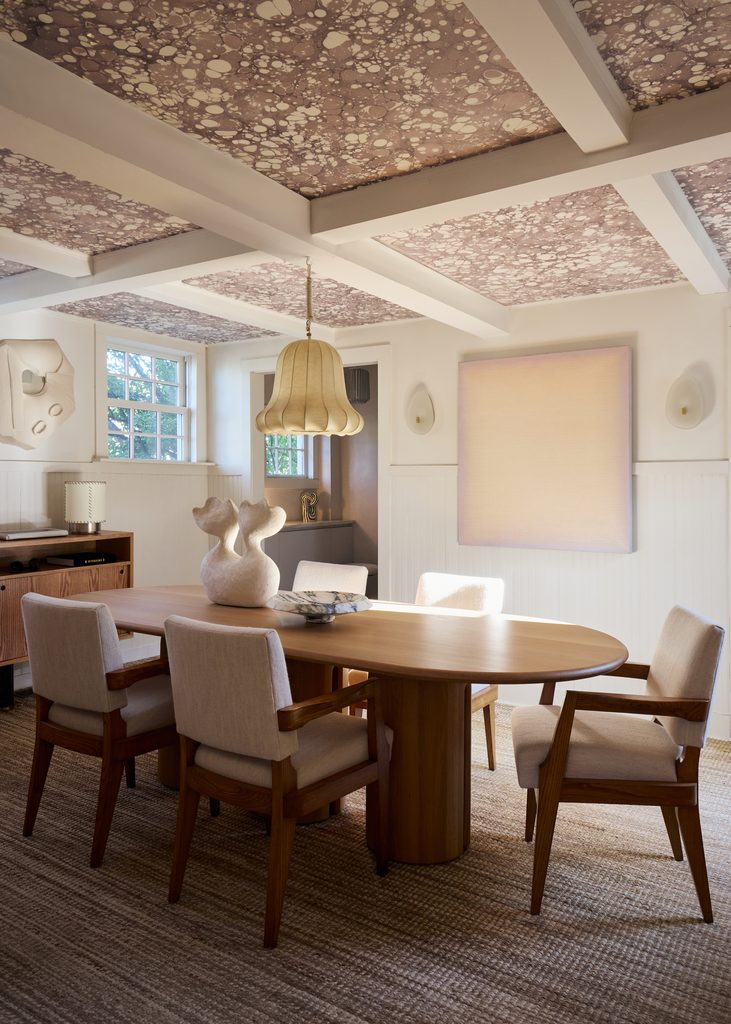
This understanding of tension suggests a departure from interiors conceived as perfectly coordinated compositions. Vintage and contemporary pieces coexist, allowing differences in provenance, form and material to become part of a larger narrative. A room, in this context, is not necessarily the expression of a single style. It is an accumulation of choices, affinities and histories.
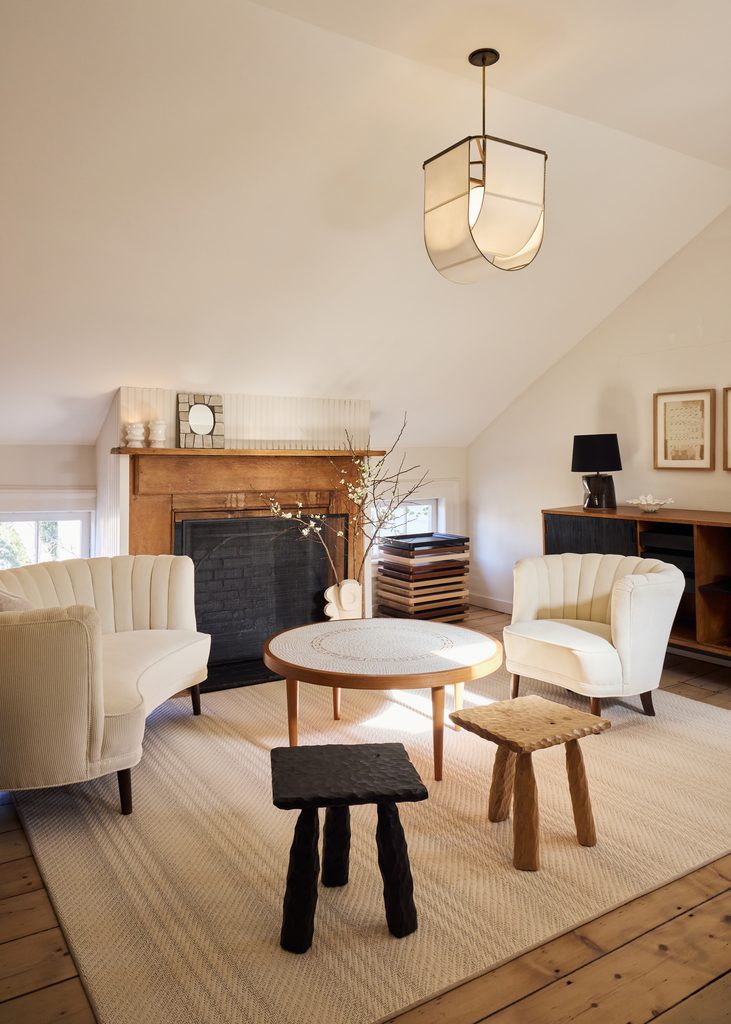
The same philosophy informs the wider cultural identity of The 1818 Collective. Collaborations with Katrien van der Schueren, Olivia Cognet, Analuisa Corrigan, Sophie Lou Jacobsen and Amélie du Chalard reflect the founders’ interest in bringing distinct creative voices into a shared conversation. Their work with artists, makers and gallerists also gives particular visibility to women working across the fields of art and design.
What emerges is an alternative to the conventional showroom model, one in which the relationship with an artist or maker is not necessarily limited to the presentation of a finished object. Instead, the space becomes a point of connection between different creative practices and the audiences who engage with them.
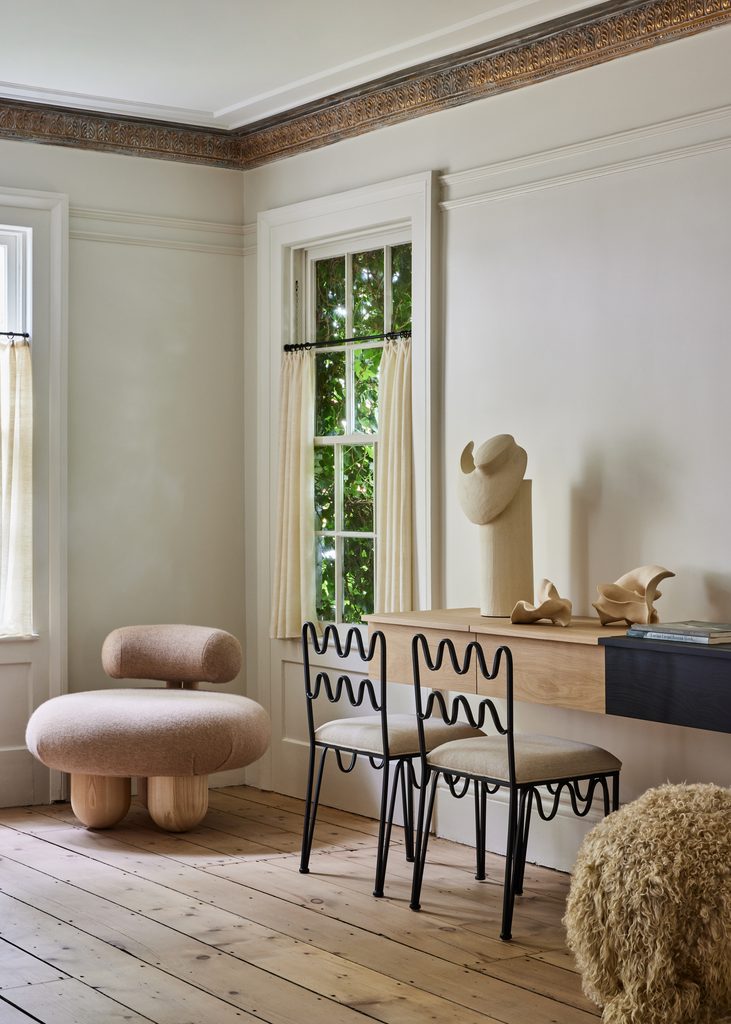
There is something particularly relevant about this approach at a moment when collectible design occupies an increasingly prominent position within contemporary culture. The distinction between functional object and artwork has become less absolute, while the provenance, craftsmanship and conceptual intentions behind a piece are often inseparable from its appeal.
Yet The 1818 Collective does not appear interested in treating these categories as competing territories. Its proposition is more inclusive: art can inform an interior, furniture can possess sculptural qualities and craftsmanship can provide a common language between the two.
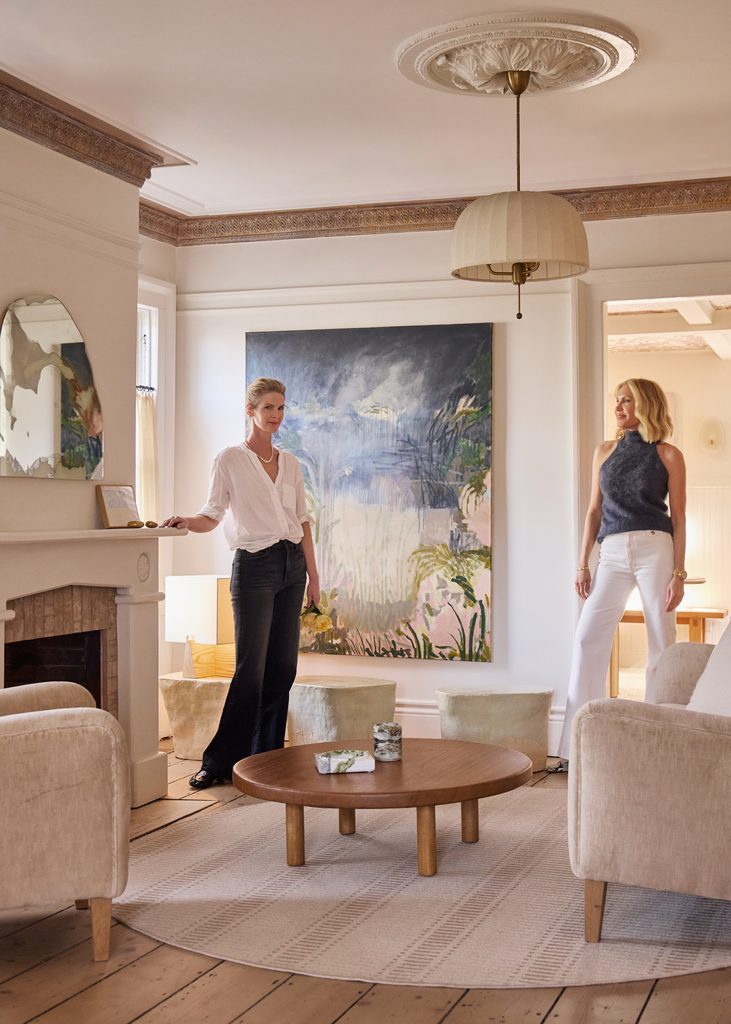
For Fine, the relationship between a space and its surroundings remains fundamental. Human scale, proportion and a sense of permanence guide her approach, ensuring that the presence of art and objects contributes to the architecture rather than overwhelming it. Taft Gersten brings a different but equally comprehensive understanding of the design process.
“Working as a retailer, wholesale vendor, a manufacturer of a private label and an interior designer, it has allowed me to see how all the facets of design work,” she explains.
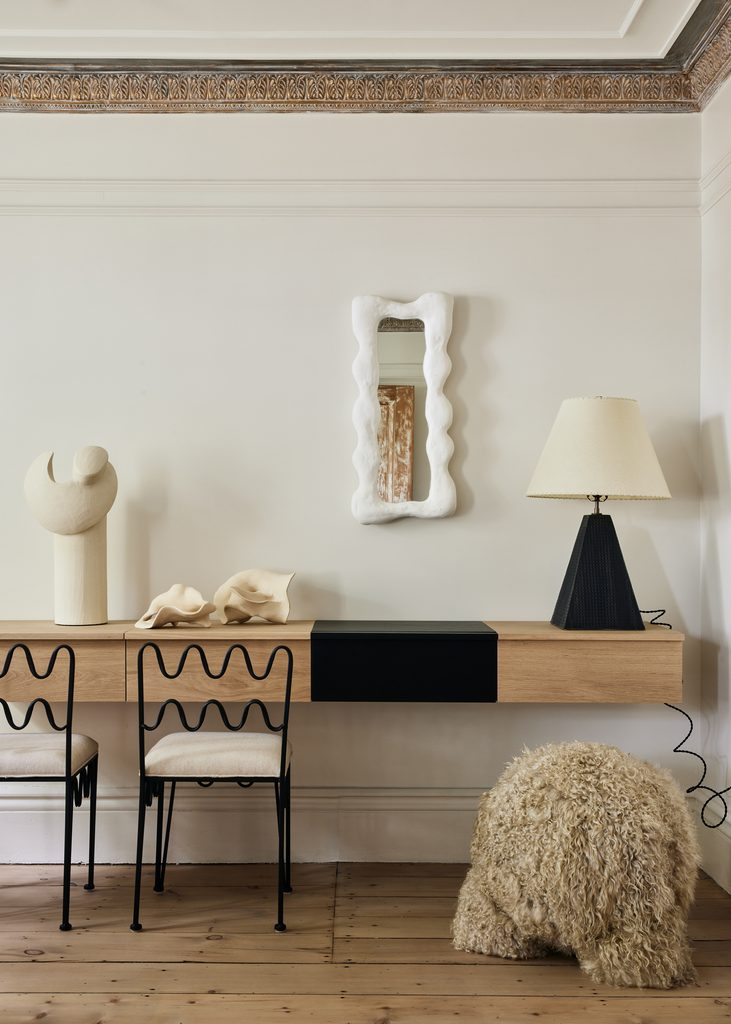
This breadth of experience is particularly significant in a profession where the distance between conception, production and presentation can often be considerable. Understanding these processes as interconnected encourages a more considered relationship with the objects that eventually occupy our homes.
Now, with plans to establish locations in New York City and Los Angeles, The 1818 Collective is preparing to translate its Sag Harbor philosophy into different urban contexts. The expansion raises an interesting question about the future of such creative spaces: how can an environment built around personal relationships and a particular sense of place preserve its identity as it grows?
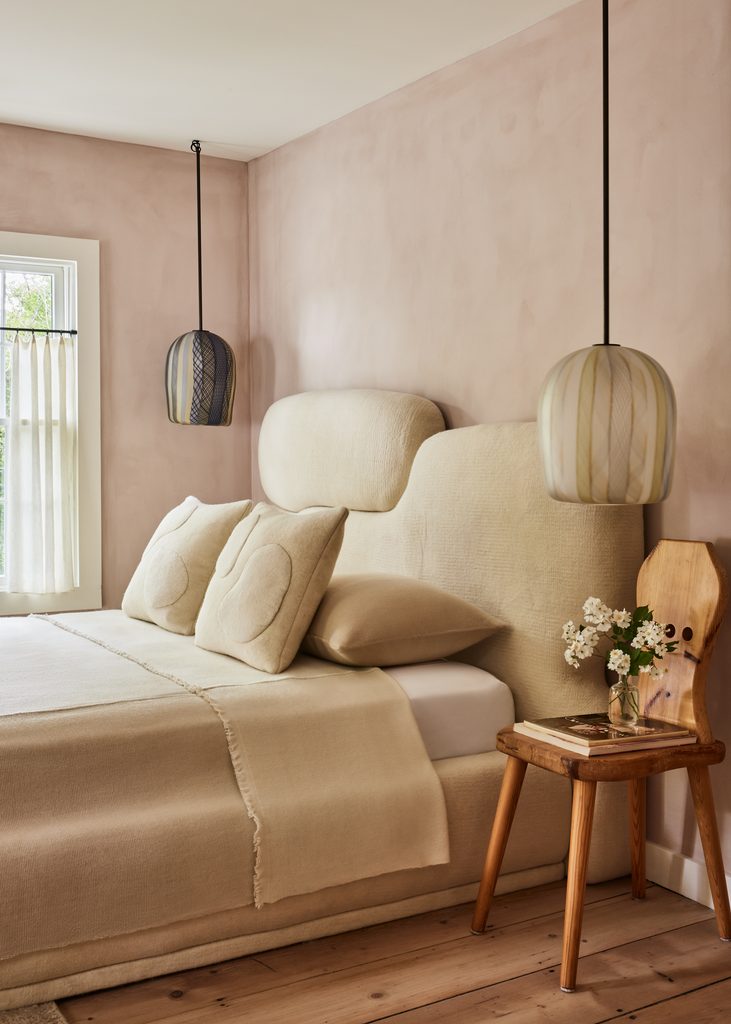
For Taft Gersten and Fine, the answer may lie in the consistency of their approach rather than the repetition of a physical formula. Their ambition extends beyond residential interiors and showrooms, with an interest in eventually bringing their sensibility to hospitality through a boutique hotel, spa or restaurant.
It is a natural progression for a practice concerned as much with atmosphere and human interaction as with furniture and decoration. Hospitality would allow their ideas about proportion, materiality, collecting and community to operate on another scale, shaping not only the appearance of a space but the experience of spending time within it.