A shop and a home have traditionally operated according to rather different principles. One is designed to display, the other to accommodate. One invites us to look, the other to linger. Yet the distinction has become increasingly interesting to architects and designers working within the world of luxury, where the experience of a space can be as significant as the objects it contains.
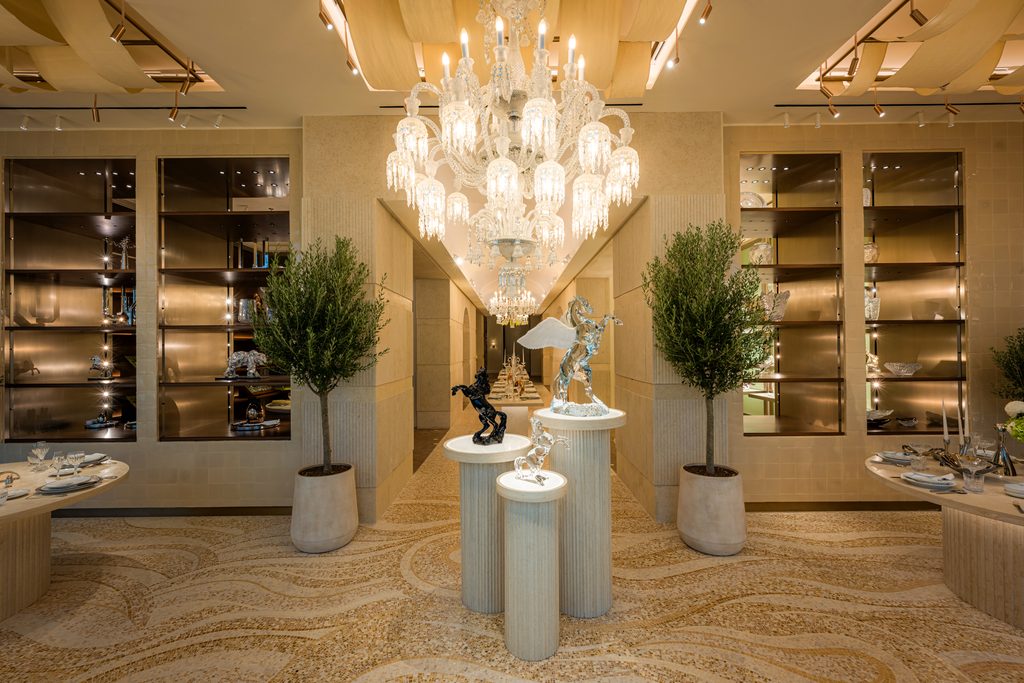
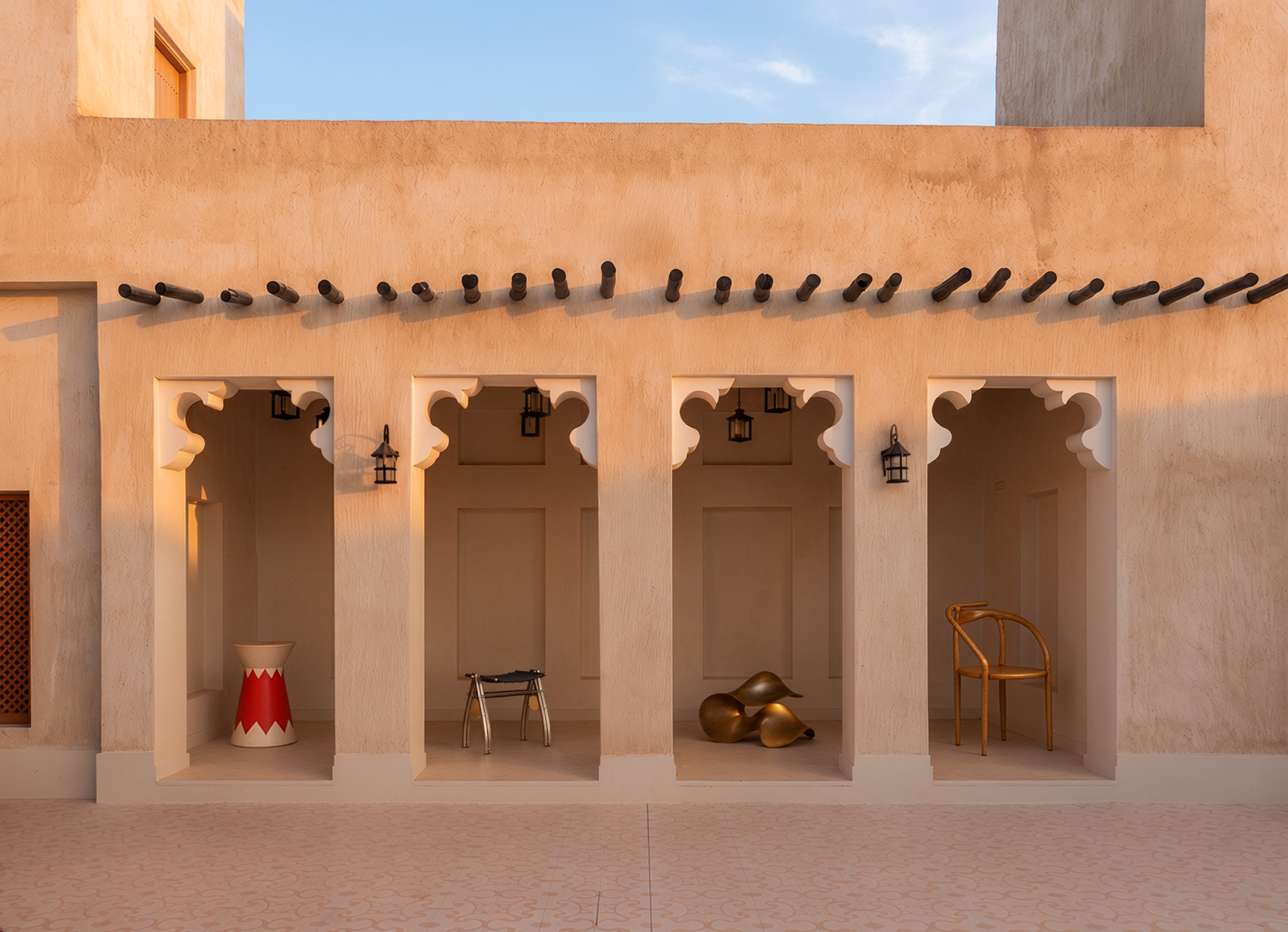
At Mall of the Emirates in Dubai, Laura Gonzalez has approached this question through the architecture of the Middle Eastern home. Commissioned to reimagine Tanagra’s flagship boutique, the French designer has conceived an interior organised around a central courtyard, with a succession of rooms that favour the familiar rhythms of domestic life over the conventions of a retail floor.
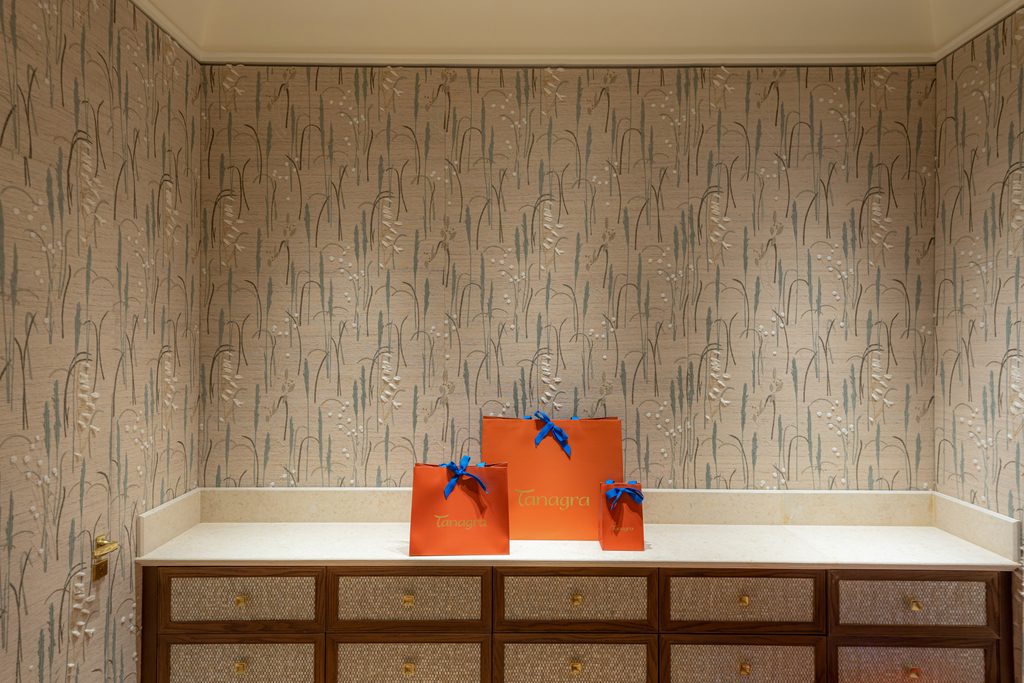
It is a thoughtful starting point for a brand whose identity has long been associated with the objects that accompany the rituals of everyday life. Founded in the Middle East more than 45 years ago, Tanagra has built its universe around decorative arts, tableware and exceptional craftsmanship. Gonzalez’s intervention places those collections within an architectural setting that gives greater consideration to how such objects might be lived with.
The courtyard is fundamental to this approach. Across much of the Middle East, it has historically served as the social and spatial centre of the house, mediating between private rooms and communal life. Its significance extends beyond architectural composition. It is a place around which encounters happen, conversations develop and daily routines take shape.
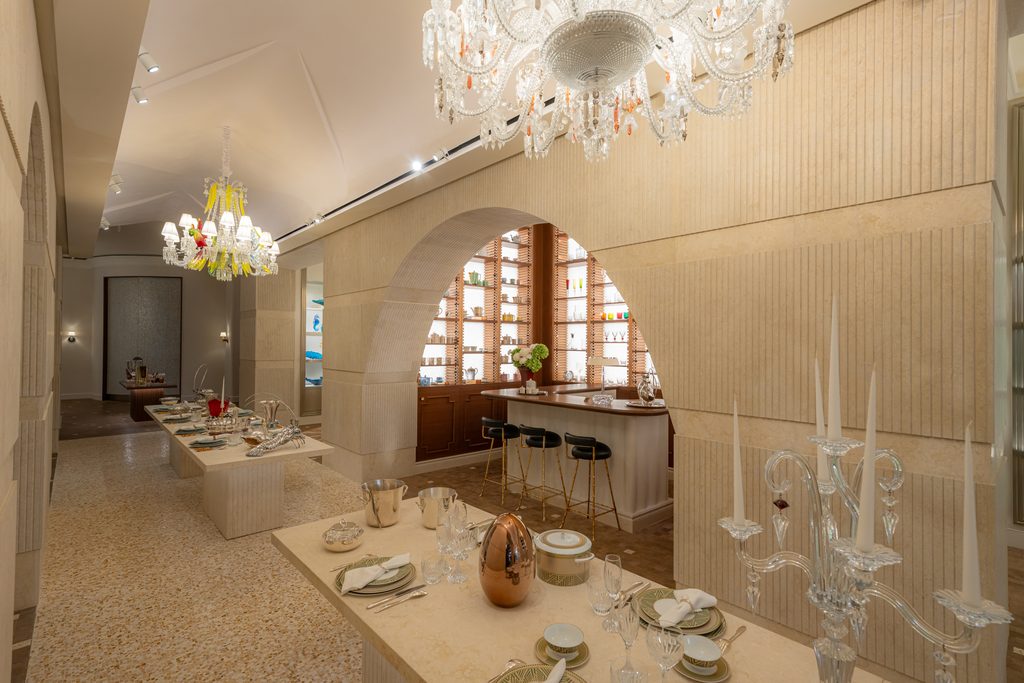
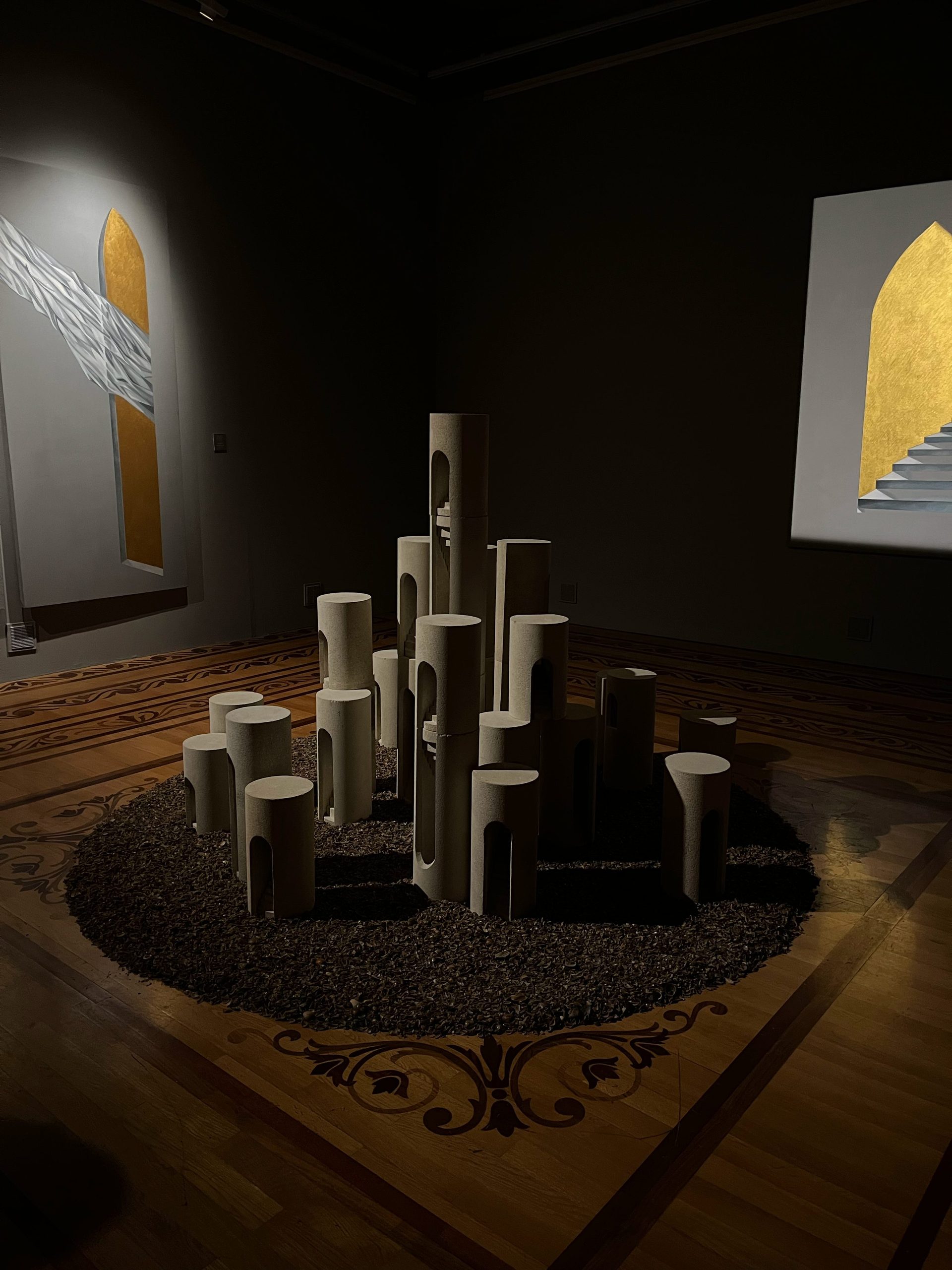
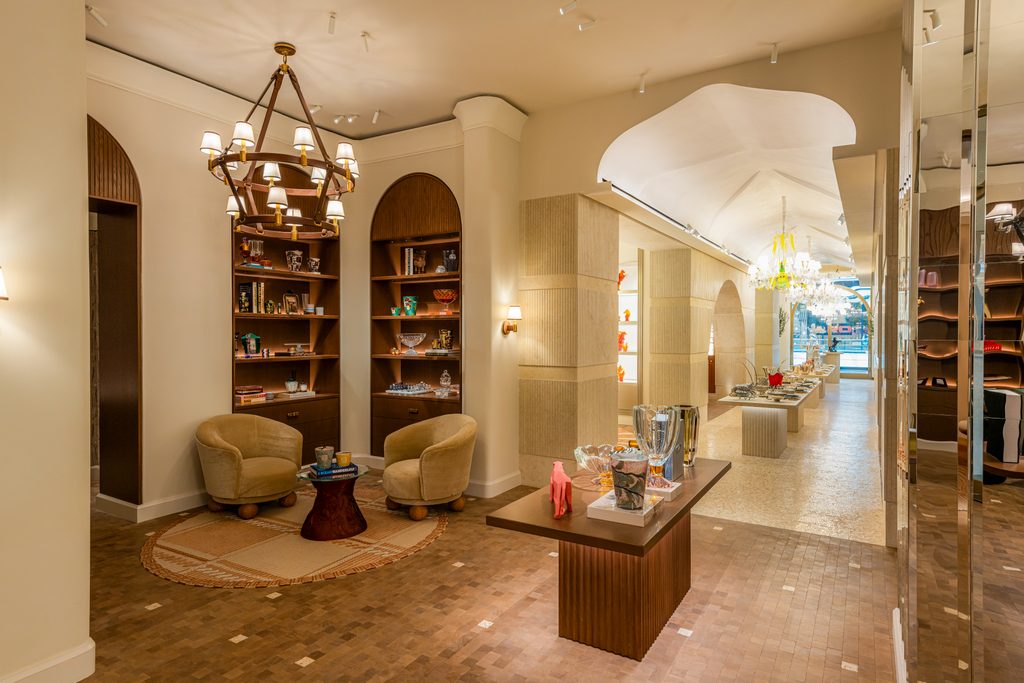
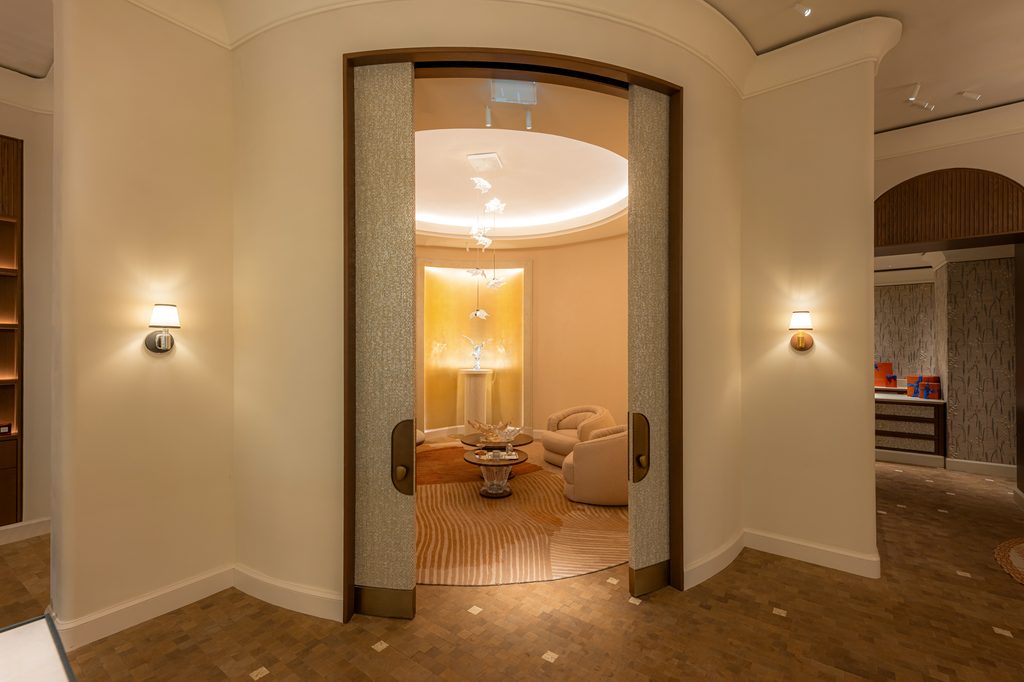
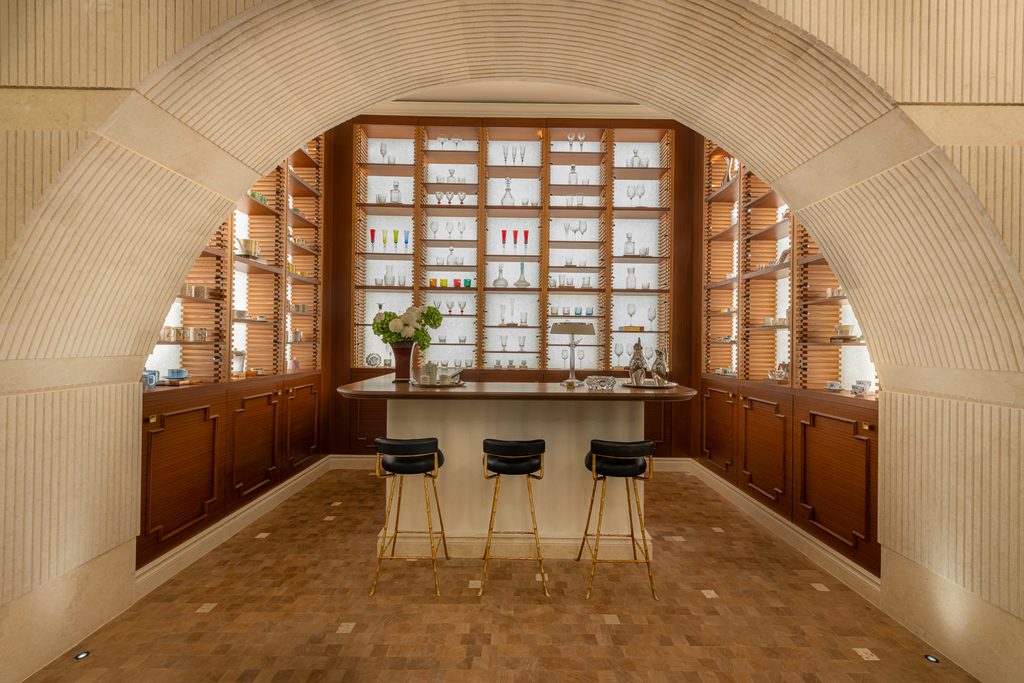
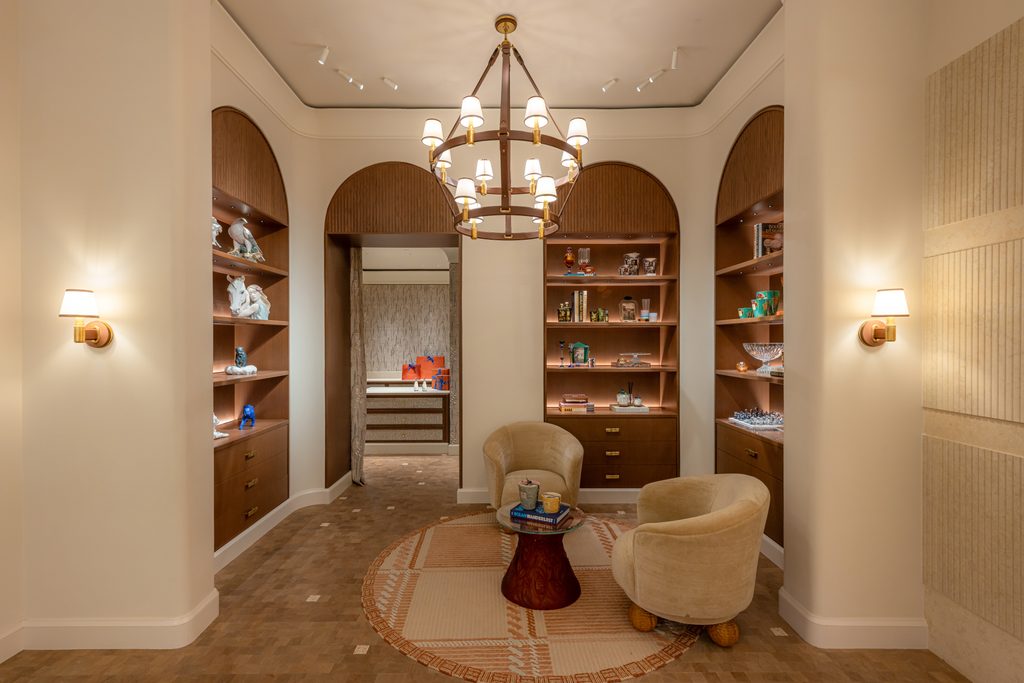
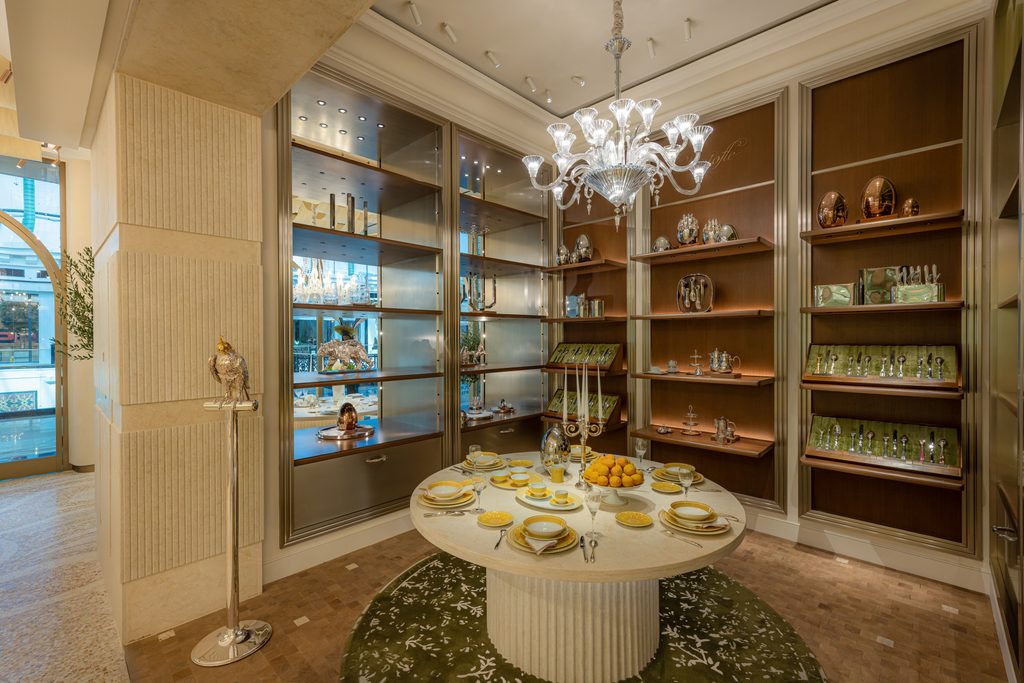
By adopting this principle, Gonzalez introduces a different way of navigating the boutique. Rather than presenting the collections through a continuous sequence of displays, she creates individual environments with distinct identities. A Tableware Gallery, a Library, a Tea Bar and a private salon establish a series of spatial experiences that suggest the different functions of a residence.
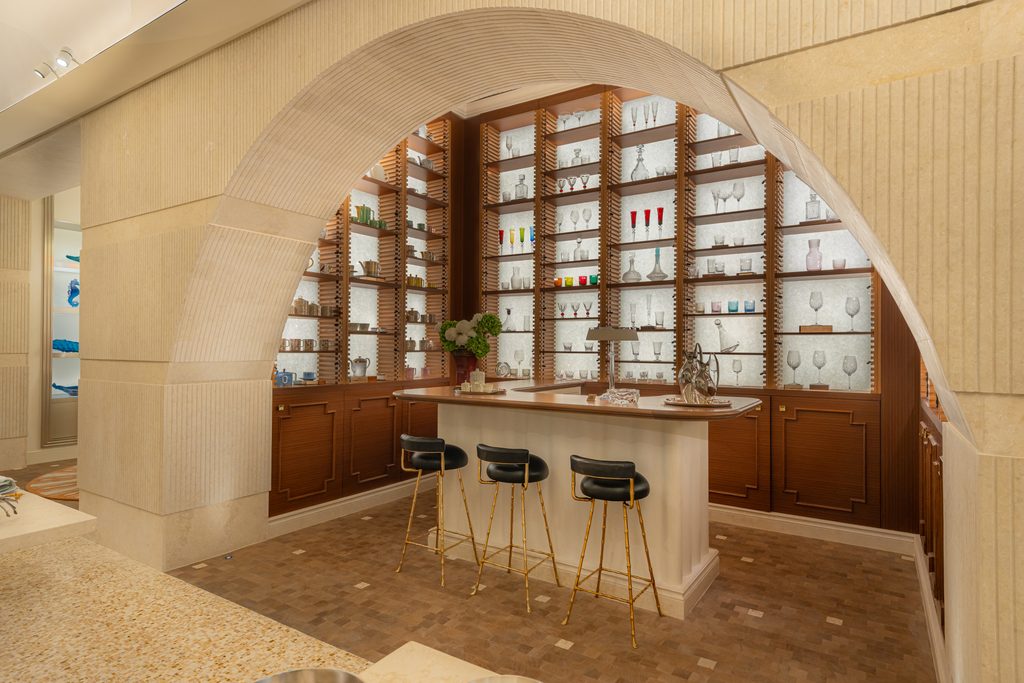
The architecture also changes the way the objects are perceived. Pieces by Baccarat, Christofle, Daum and Lalique are encountered within rooms that have their own proportions, materials and atmosphere. The emphasis shifts from the isolated object to its relationship with the surrounding interior, allowing decorative arts to be understood as part of a broader domestic composition.
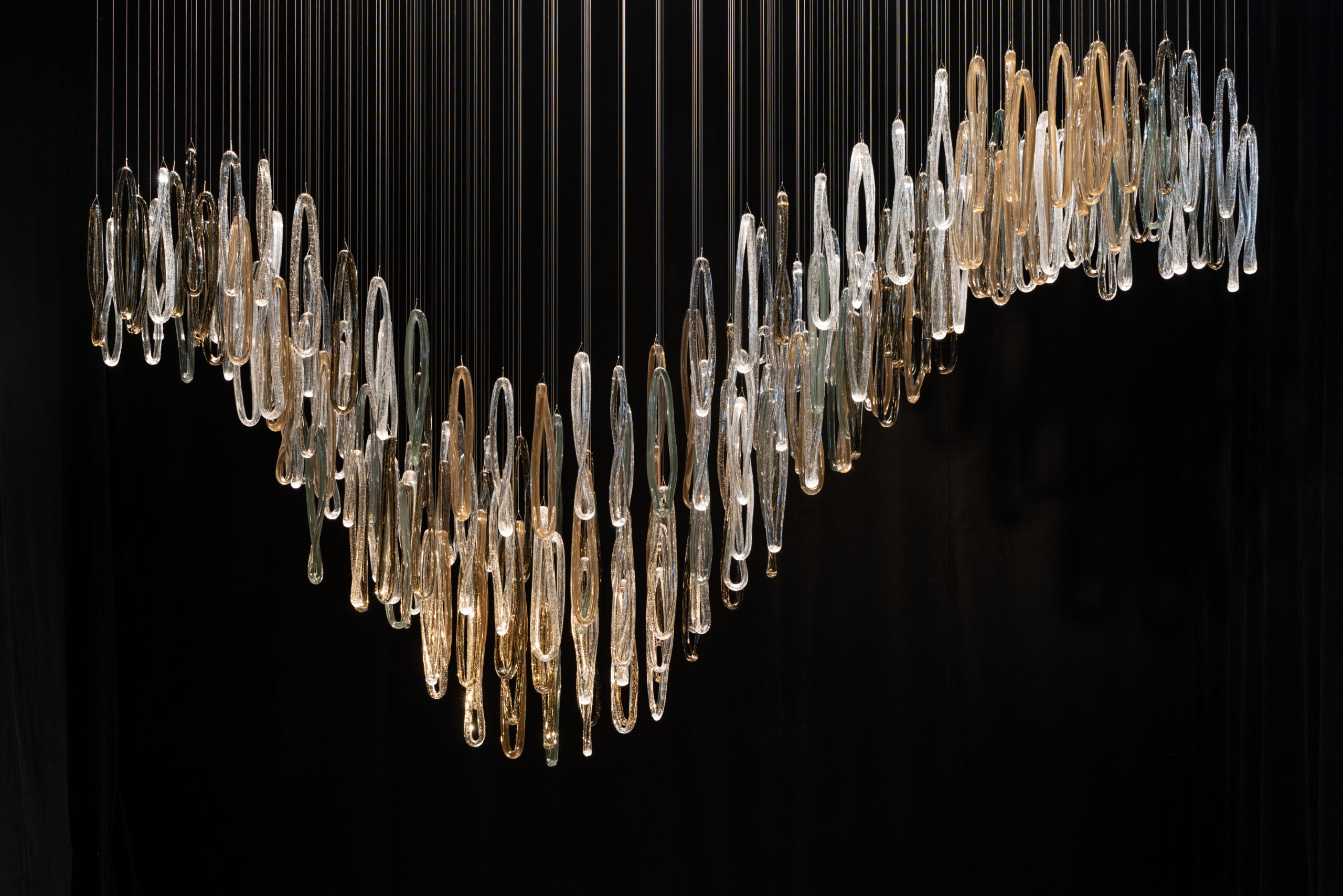
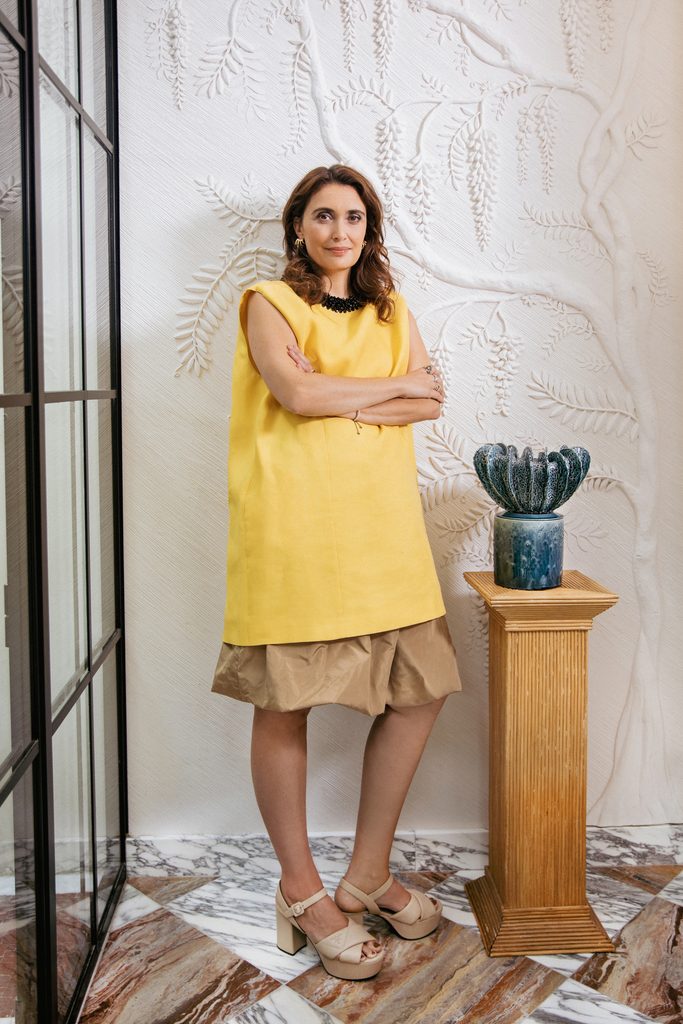
Gonzalez is an interesting choice for such a commission. Her work is often characterised by an expressive use of materials and a willingness to bring different decorative languages into conversation. She approaches interiors as layered environments rather than exercises in stylistic uniformity. At Tanagra, that sensibility finds a more restrained architectural purpose, with warm materials, rich textures and carefully articulated details contributing to an atmosphere intended to feel intimate rather than monumental.
There is also a cultural dimension to the project that deserves attention. The Middle Eastern home has its own sophisticated architectural history, shaped by considerations of climate, privacy and social exchange. Hospitality is embedded within that history, not simply as a gesture of generosity, but as something that influences the organisation and use of space.
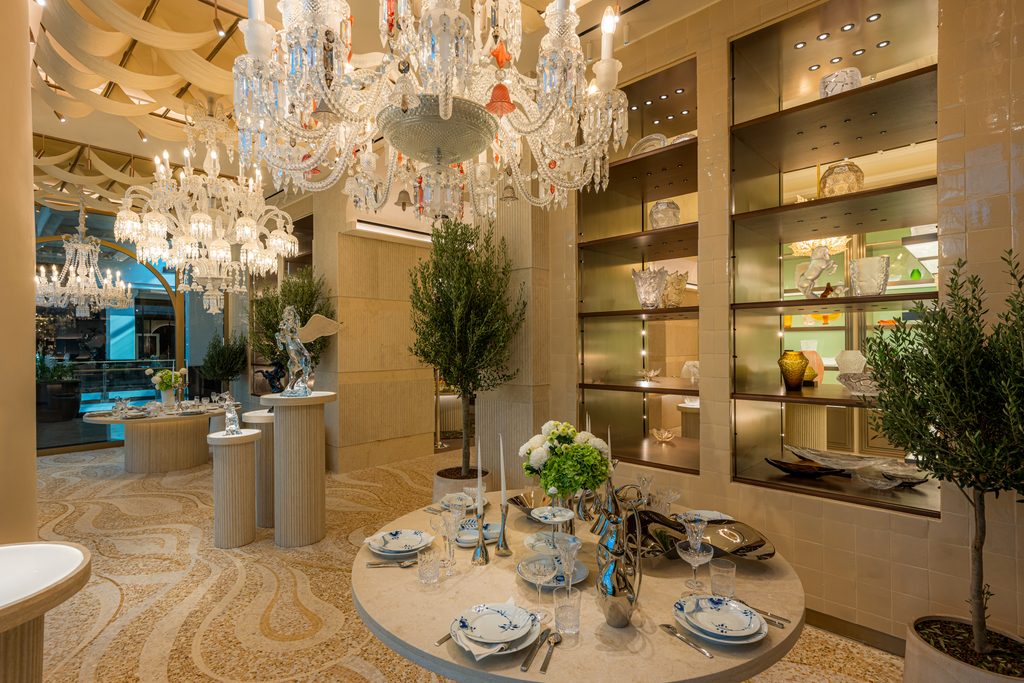
For a French designer working in Dubai, the challenge is therefore not to reproduce a traditional interior, but to interpret its underlying principles within a contemporary context. Gonzalez’s design takes the courtyard and the progression between rooms as its starting points, translating a domestic architectural language into a setting for contemporary luxury.
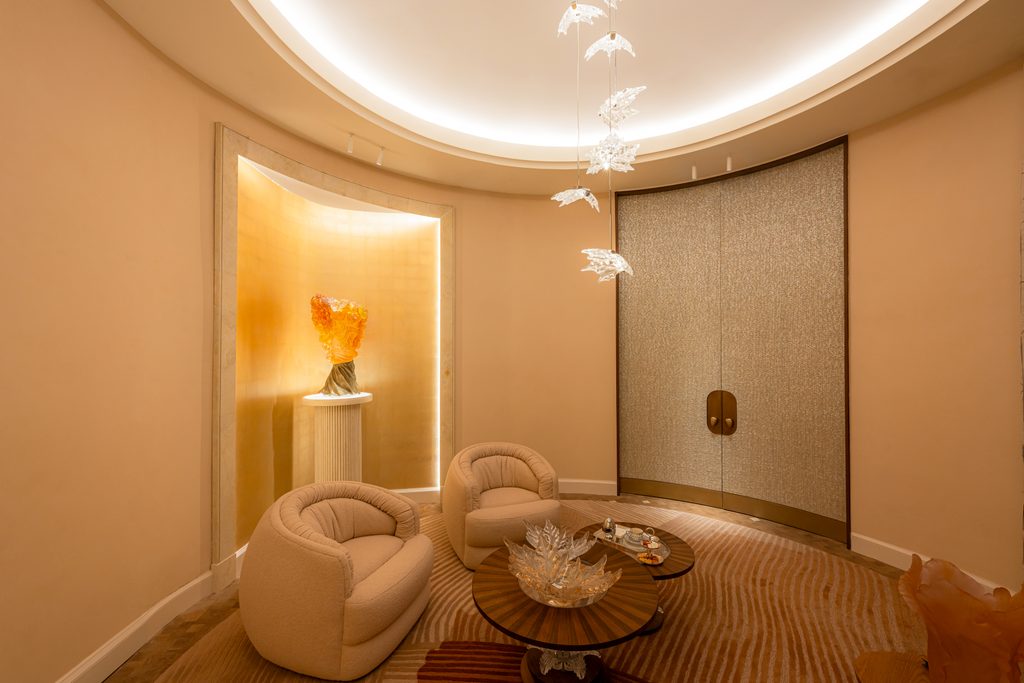
The Tea Bar perhaps illustrates this intersection most clearly. Conceived as a place to sit and spend time, it brings together European salon culture and regional traditions of welcoming guests. Tea and coffee are served alongside chocolates and biscuits, with specially designed porcelain by the Parisian house Saints Pères. It is a small detail within the larger project, but one that reveals how the experience of an interior can be shaped by the activities it accommodates.
The boutique’s official opening on 15 October, following its reopening in August, is being marked by a programme conceived around the idea of a housewarming. It is an appropriate continuation of the architectural concept, although the more lasting significance of the project lies in what remains once the celebrations are over.
For Tanagra, the new flagship reflects an ambition to move beyond the traditional presentation of luxury homeware towards a more immersive understanding of interiors and decorative arts. For Gonzalez, it offers an opportunity to examine how the qualities associated with a home can be translated into a public environment without losing their intimacy.
Ultimately, the project raises a question that extends beyond retail design. If the objects we surround ourselves with help define the character of our homes, how much does the architecture around those objects influence the way we value them? At Tanagra, Gonzalez proposes an answer through the arrangement of rooms, the presence of materials and the space allowed for human interaction. The result is an interior in which the act of looking becomes inseparable from the experience of being there.