Ornament has occupied a complicated position in the history of design. Celebrated for centuries as an expression of artistic ingenuity, it was subsequently challenged by modernism, which advocated a more restrained relationship between form and decoration. Yet in the hands of certain makers, ornament has never been an addition to an object. It is the very means through which the object acquires its identity.
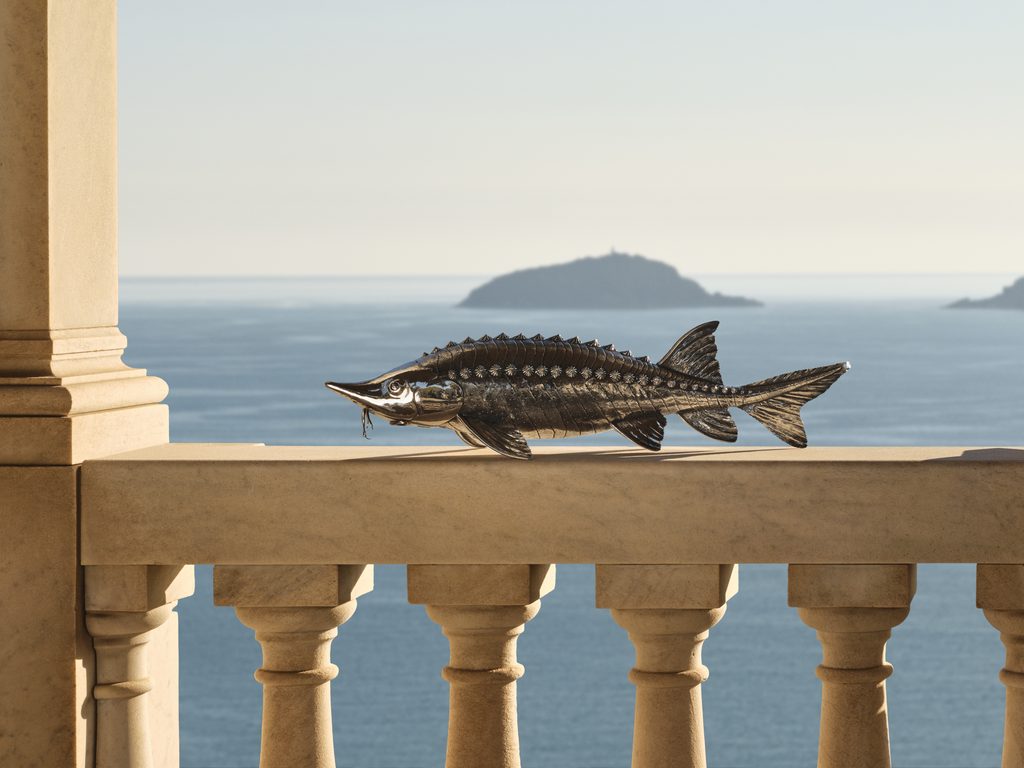
Few Italian maisons illustrate this distinction as convincingly as Buccellati. Founded in Milan in 1919, the house has developed an unmistakable aesthetic vocabulary through techniques inherited from the Italian goldsmithing tradition, particularly the intricate engraving of precious metals. Its creations often suggest the delicacy of lace, the richness of Renaissance decorative arts and the sculptural possibilities of materials traditionally associated with jewellery.
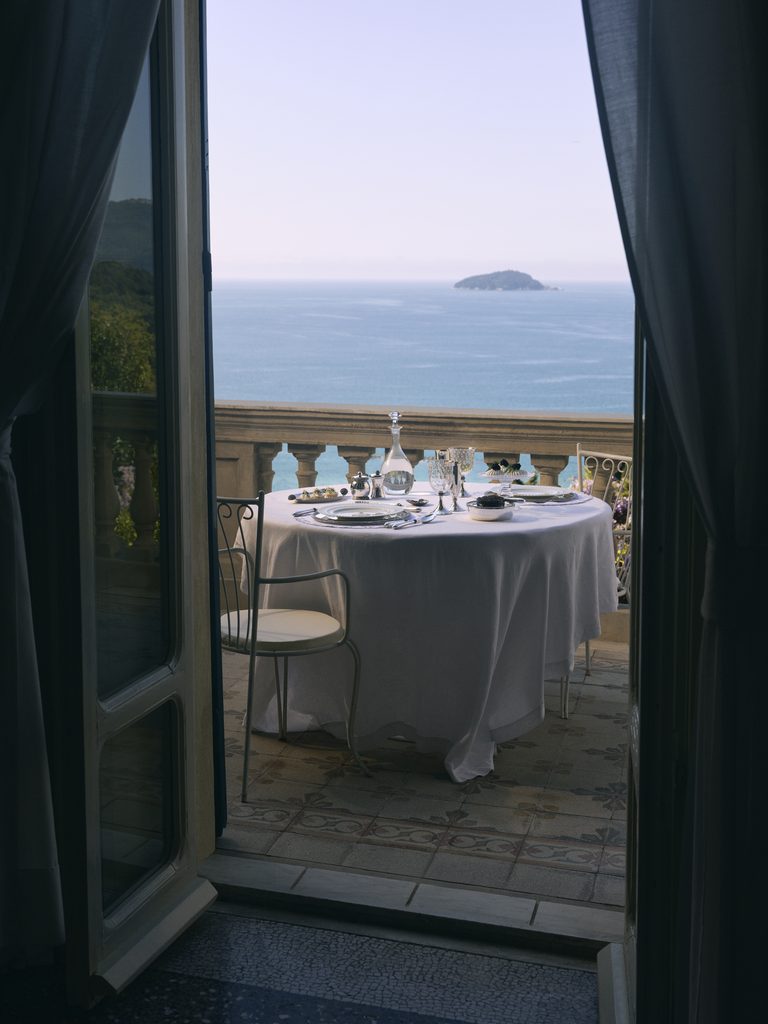
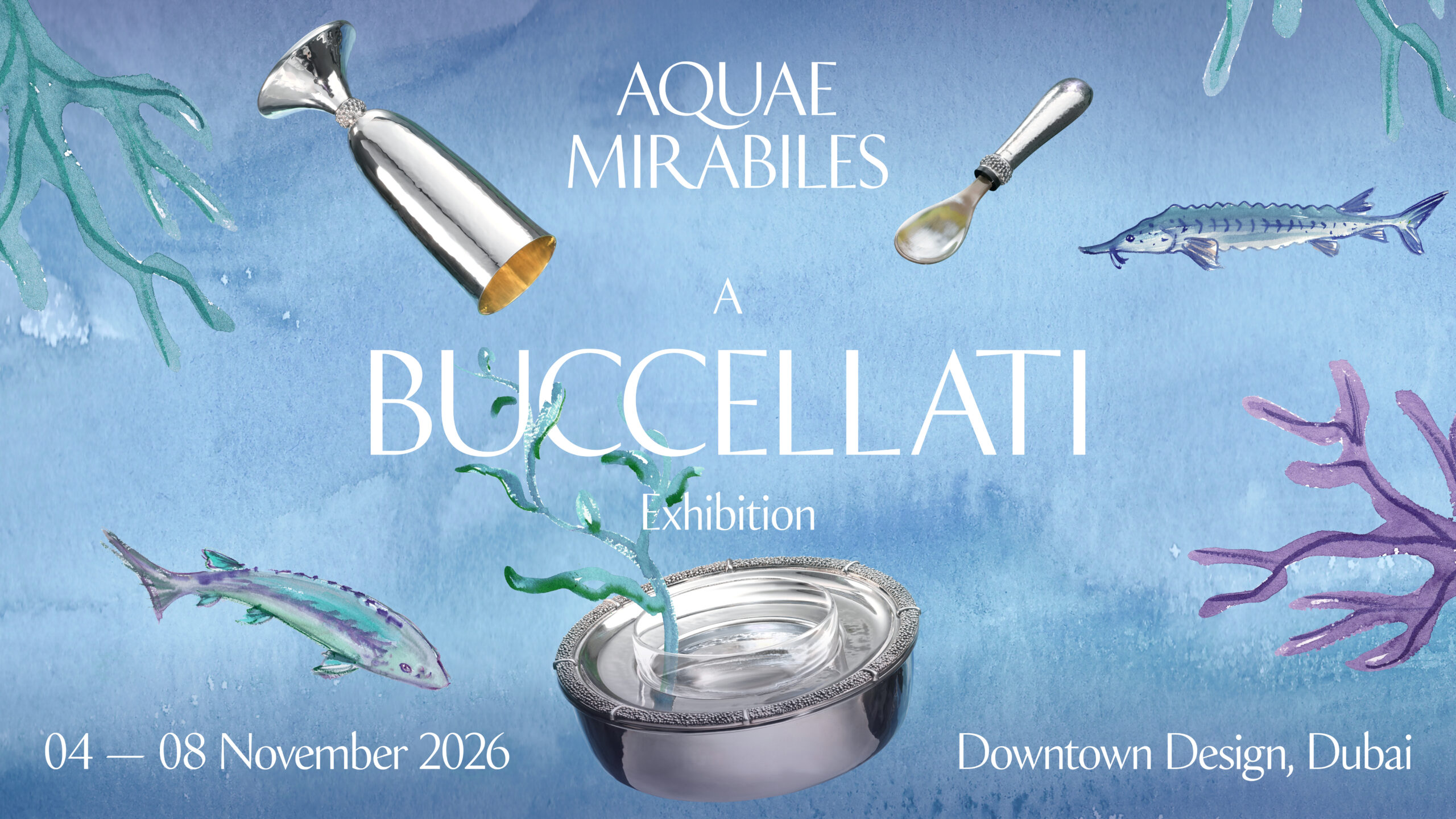
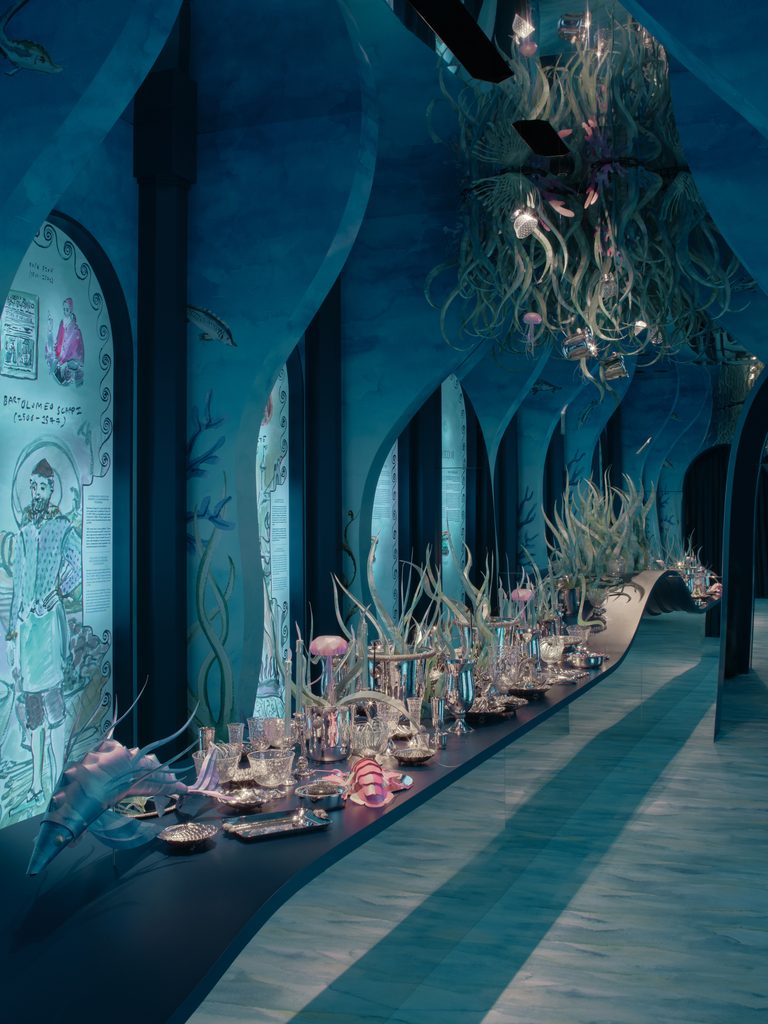
At Downtown Design Dubai, taking place from 4 to 8 November 2026, this vocabulary extends beyond the scale of the precious object. Through Aquae Mirabiles, an immersive installation dedicated to the Caviar silverware collection, Buccellati considers what happens when craftsmanship becomes the starting point for an entire environment.
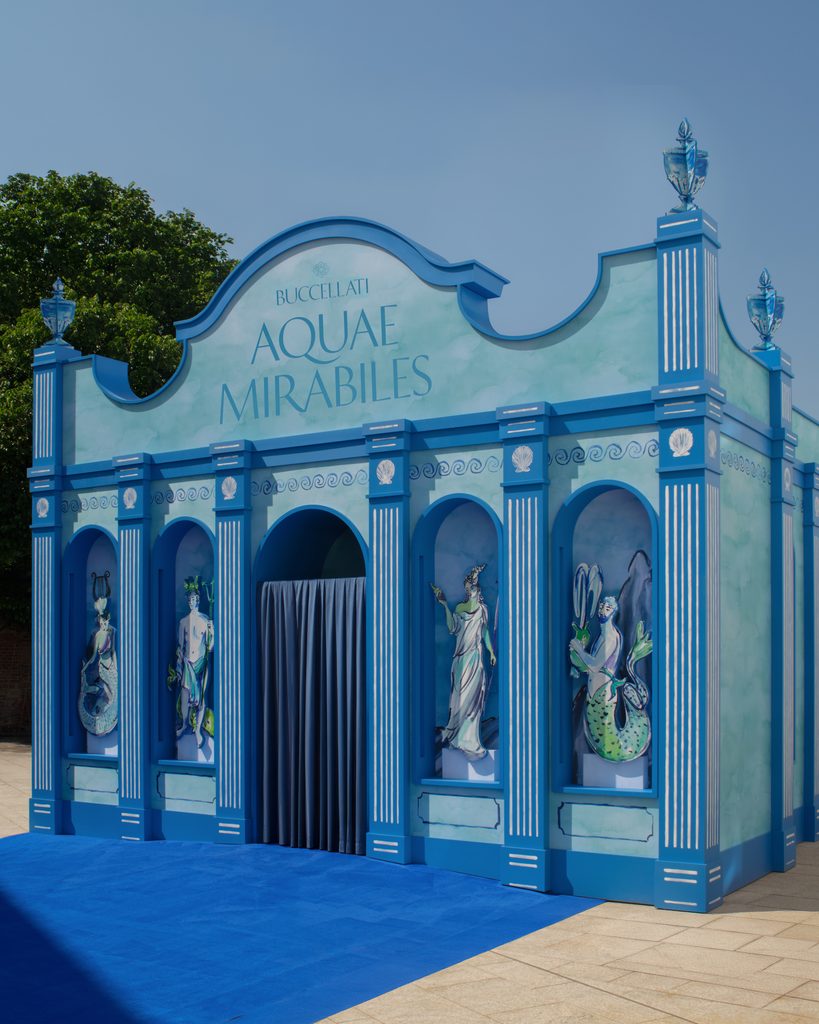
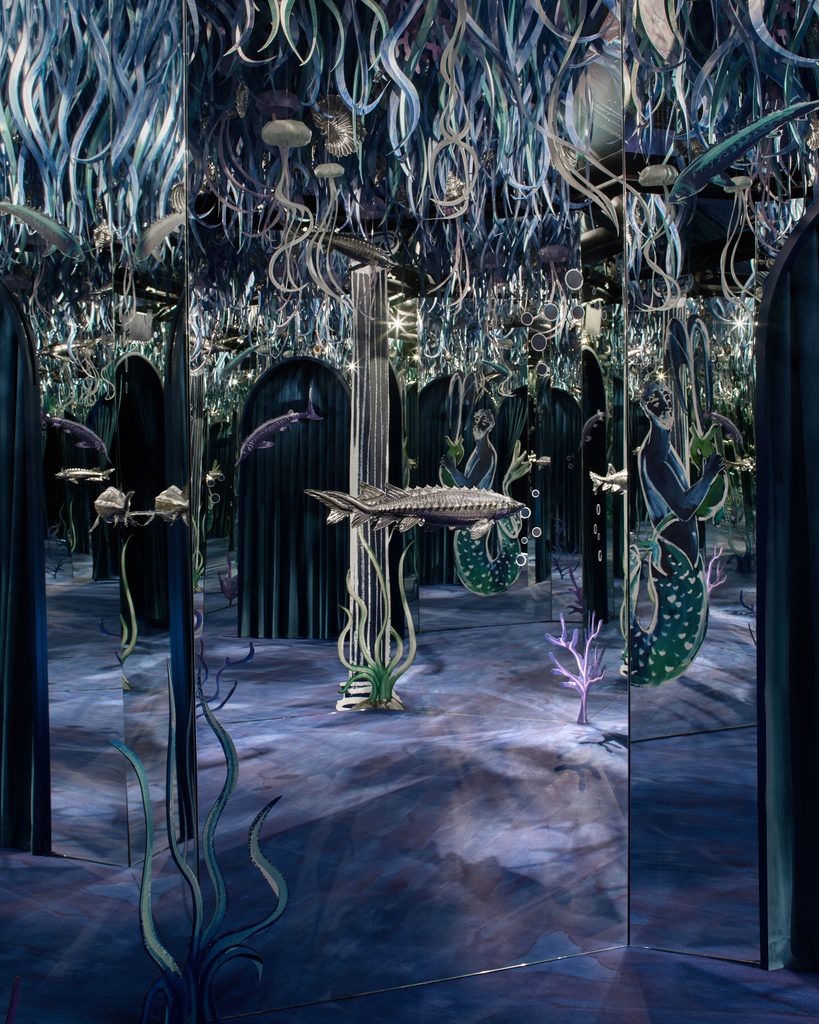
First presented during Milan Design Week earlier this year and subsequently in Paris, the project arrives in Dubai in a new configuration. Conceived by Balich Wonder Studio, curated by Federica Sala and developed in creative collaboration with British artist and designer Luke Edward Hall, it occupies a 97 square metre space that evokes a contemporary nymphaeum, the architectural setting historically associated with water, mythology and the natural world.
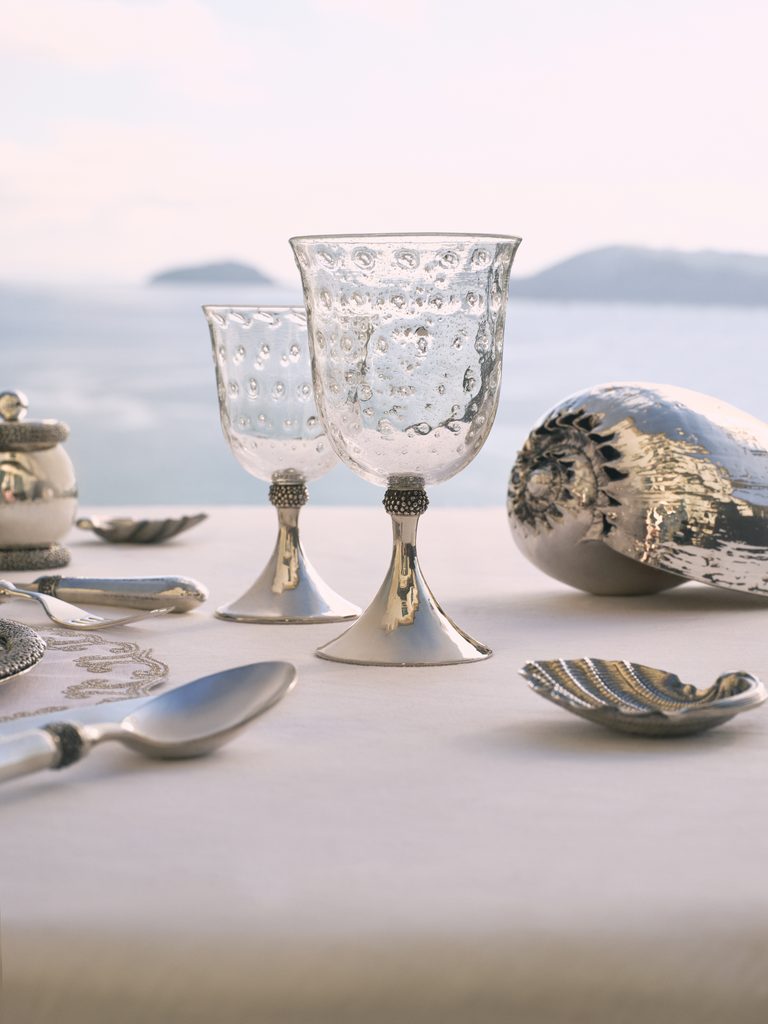
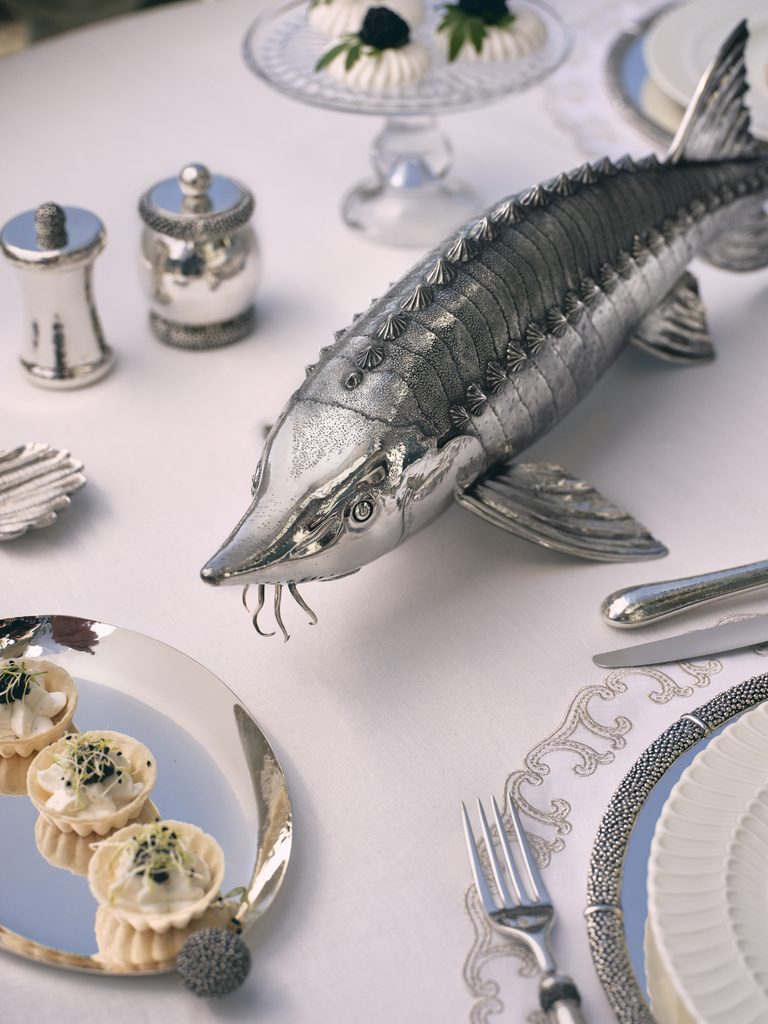
The choice of this imaginary landscape is particularly revealing. Water, with its fluid movements, shifting reflections and symbolic associations, provides a compelling counterpart to the precision of silversmithing. Within the installation, two silver sturgeon sculptures from the Marina collection introduce an aquatic narrative that unfolds towards a banquet table shaped like a wave. Here, the Caviar collection becomes the centre of a elegantly constructed dialogue between object, image and space.
Hall’s contribution introduces another dimension. Known for his distinctive illustrations and his fascination with classical mythology, historical references and romantic imagination, the artist has created watercolour illustrations that populate the installation with an imagined underwater world. His visual narrative draws on the history of Italian caviar, moving between ancient Rome, Renaissance painting and the legendary banquet associated with the marriage of Ludovico il Moro and Beatrice d’Este.
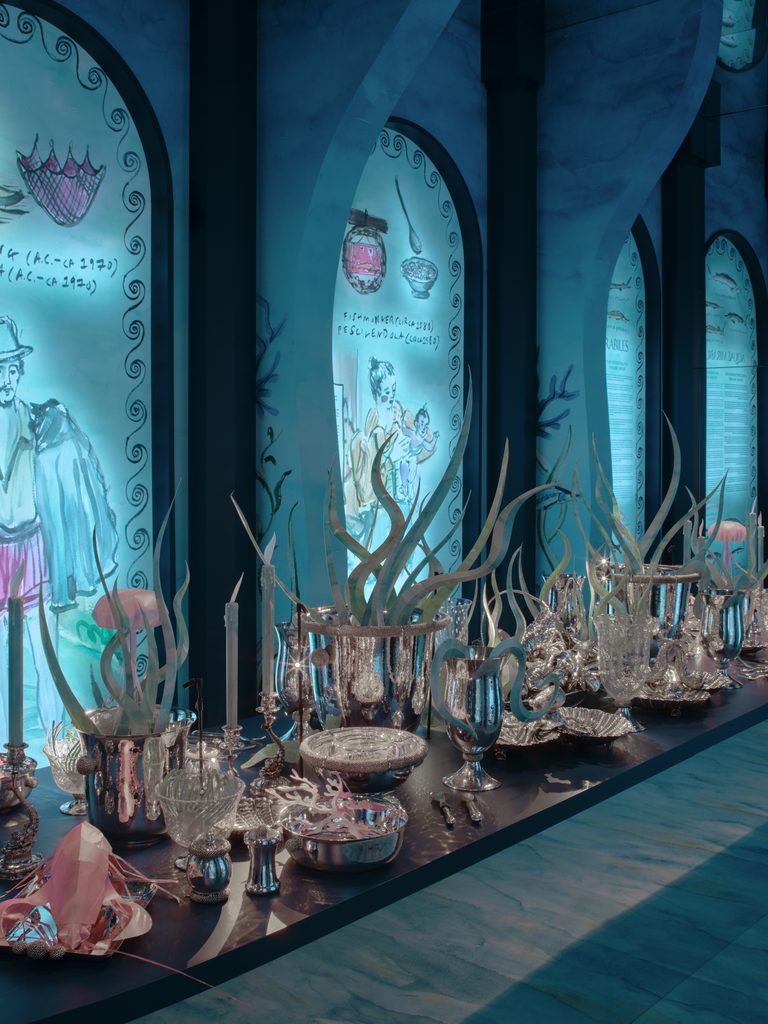
Rather than providing a decorative backdrop, these illustrations establish a cultural context for the objects themselves. They suggest that the history of the table cannot be separated from the history of art, ceremony and social ritual. A spoon, a vessel or a serving dish becomes part of a much larger conversation about how societies have expressed hospitality, status and aesthetic sensibility.
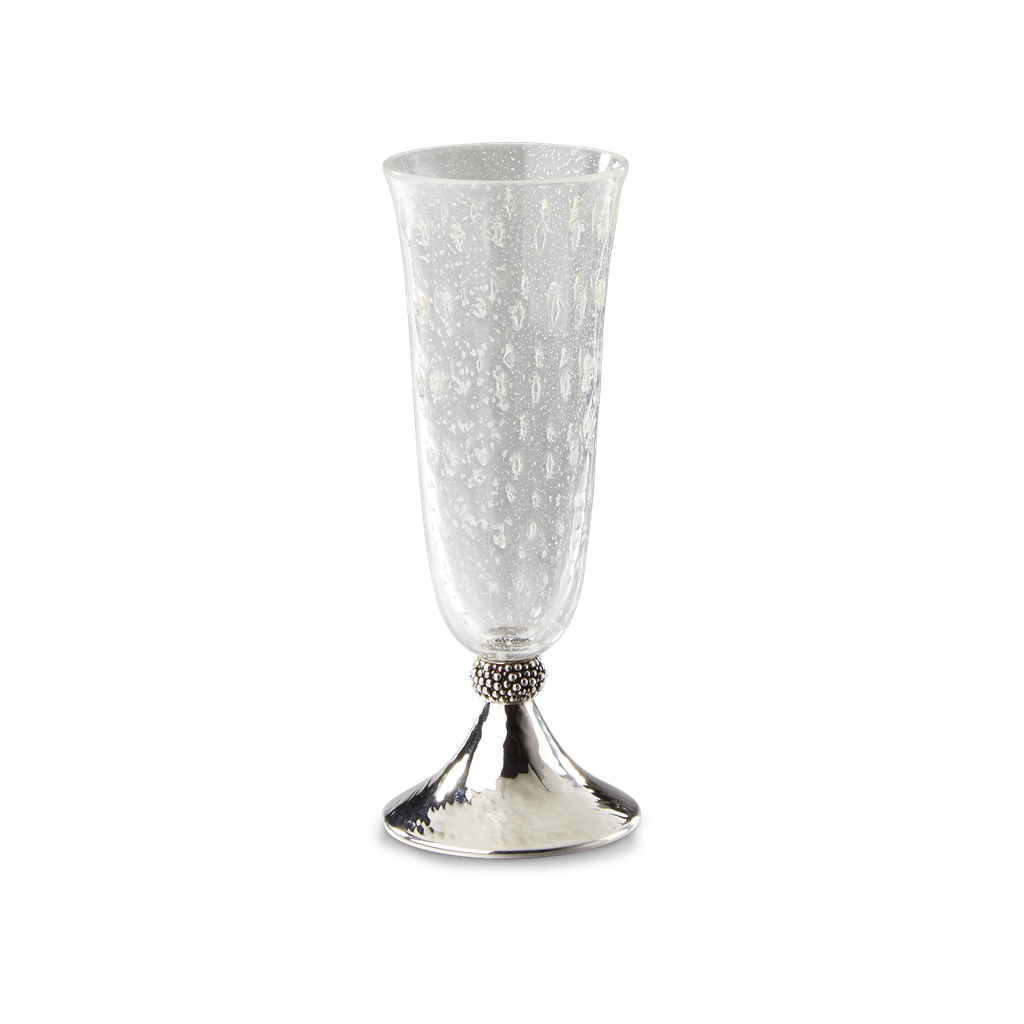
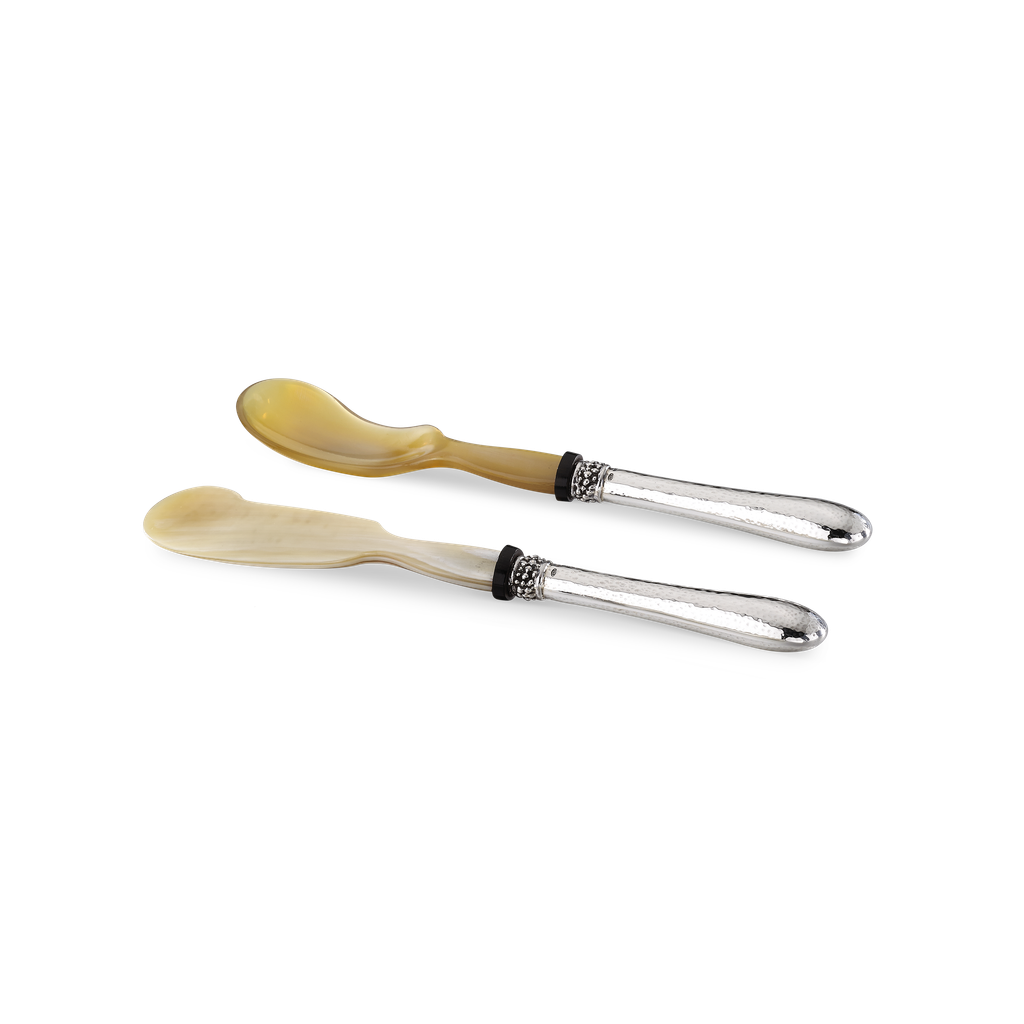
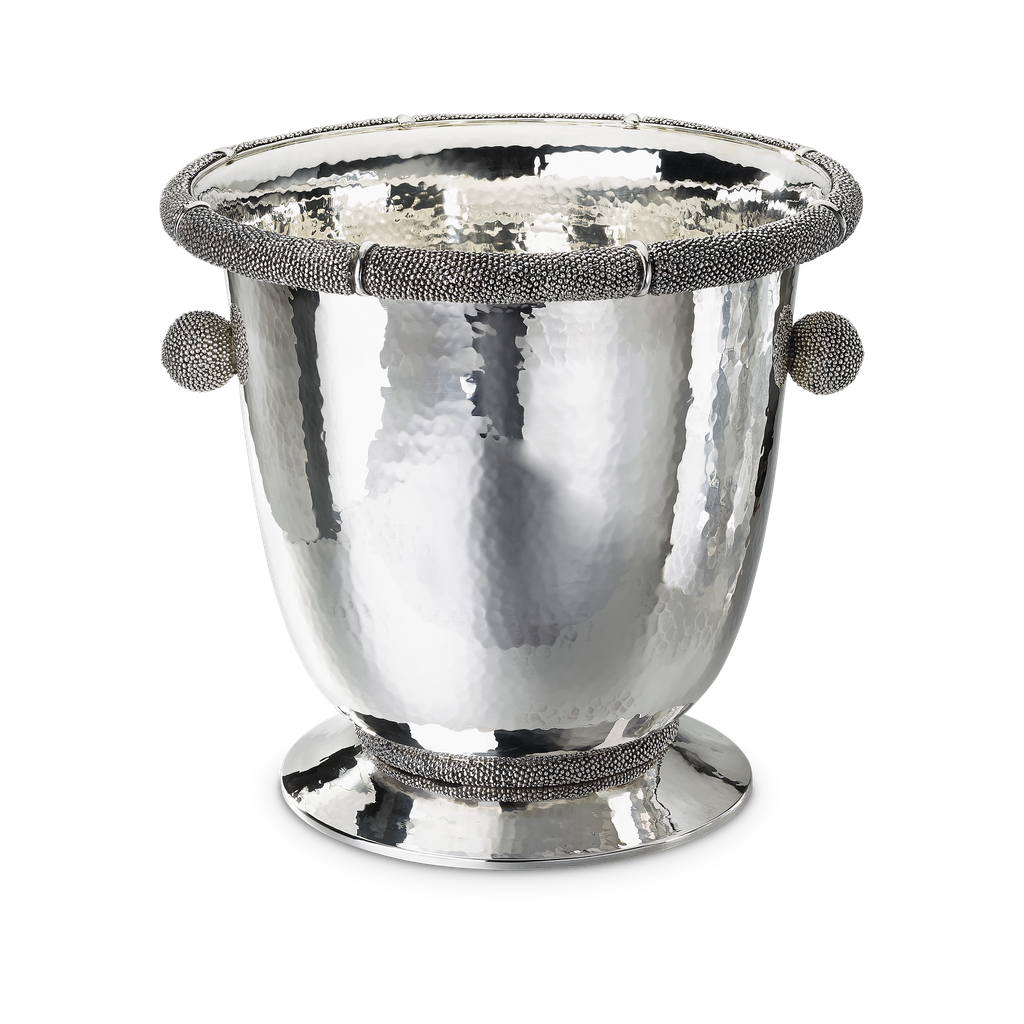
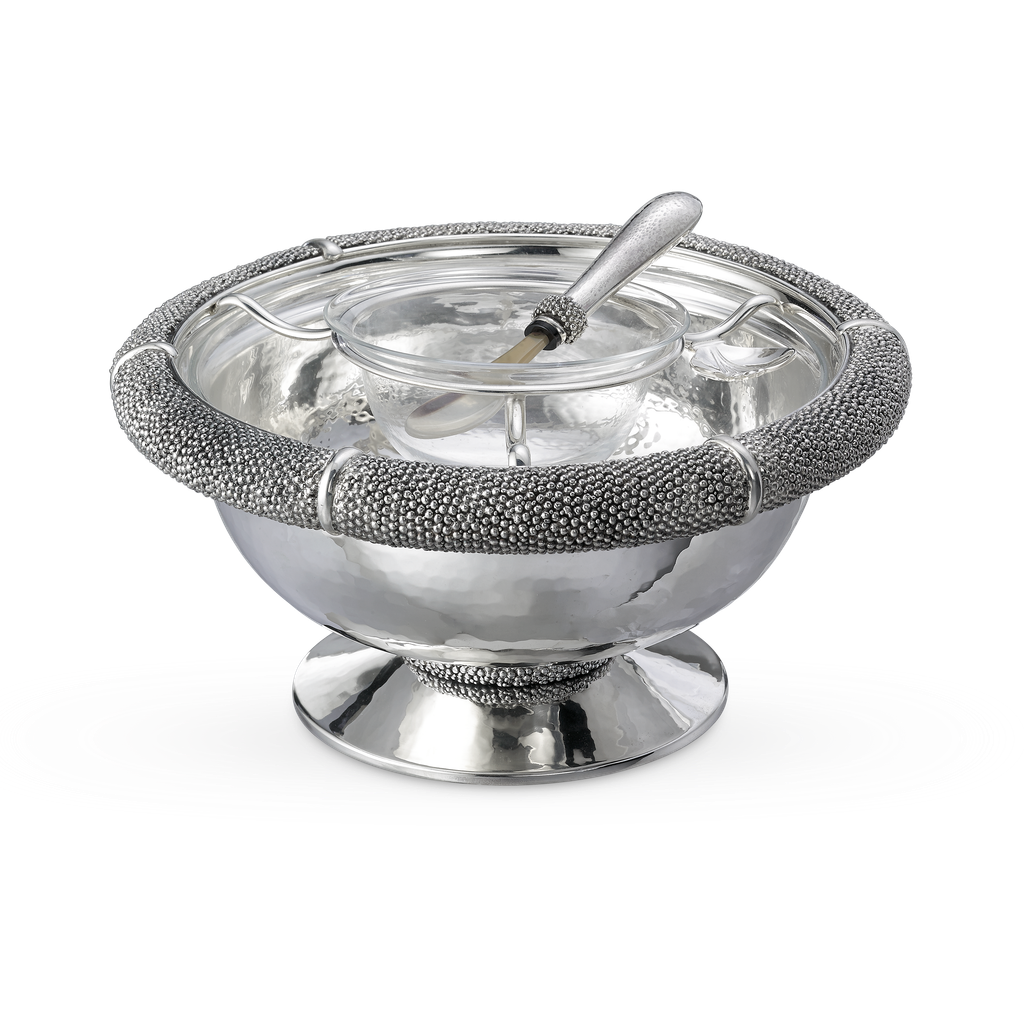
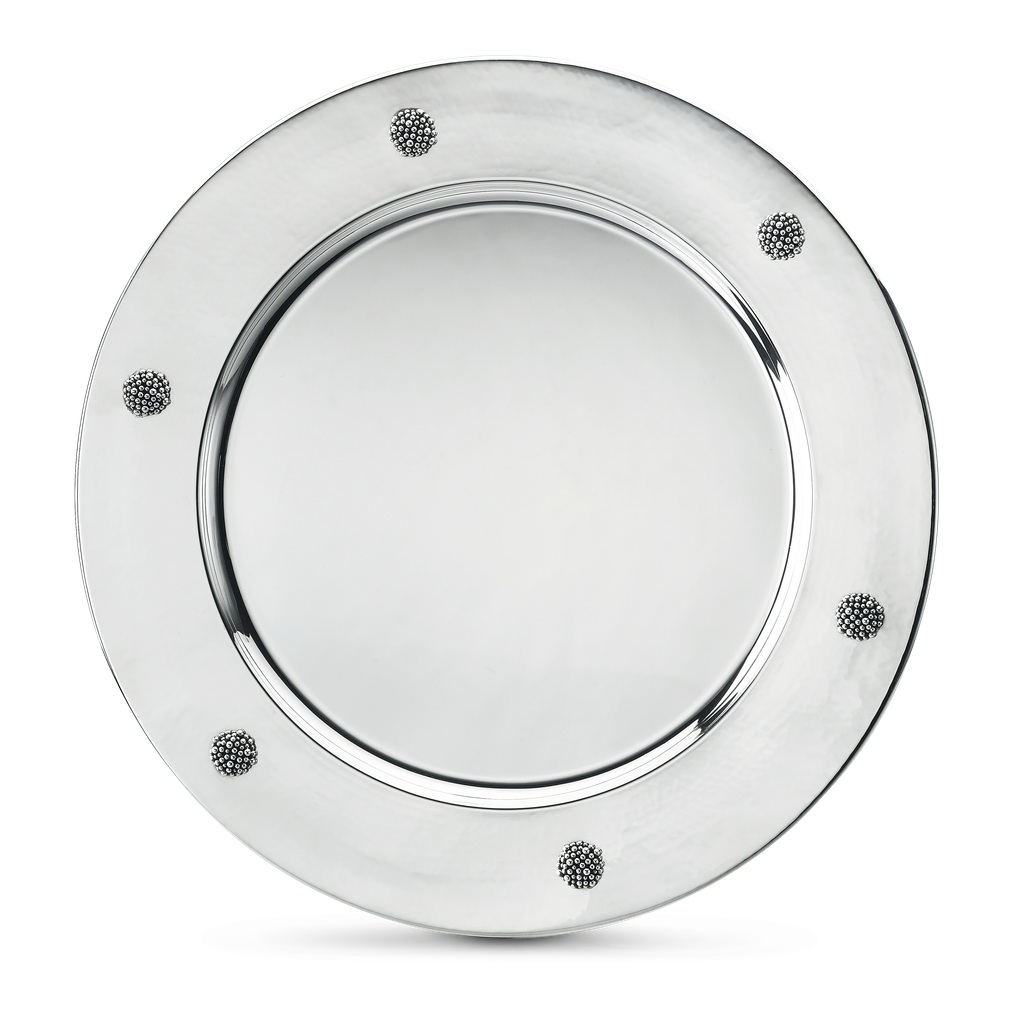
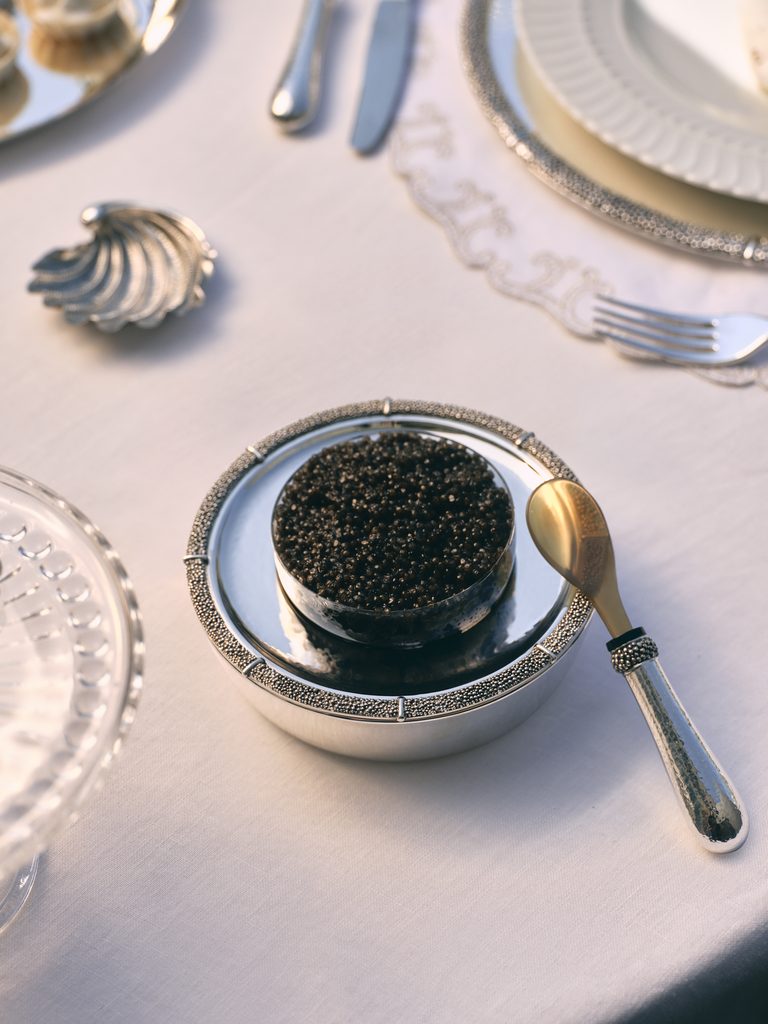
At the centre of this exploration is the Caviar collection, whose defining characteristic is a surface composed of minute silver spheres. The motif has a longstanding presence in Buccellati’s jewellery and silverware, notably in Gianmaria Buccellati’s Cratere delle Muse, created in 1981 from silver, gold, jade and sapphires. Reinterpreted by Andrea Buccellati, the spherical pattern acquires a new three dimensional expression, its repetition recalling the texture of sturgeon roe while producing a subtle interplay of light and shadow.
There is something particularly compelling about this transformation. An element of almost microscopic scale becomes the defining feature of an object, demonstrating how repetition, proportion and material can establish a recognisable design identity. Applied to trays, bowls, plates, ice buckets and cutlery, the motif illustrates the continuity between the traditions of fine jewellery and the functional requirements of contemporary tableware.
The exhibition also extends this conversation into jewellery. The Macri collection, with its characteristic rigato engraving, demonstrates the house’s mastery of surface treatment, while the more recent Torsadé designs explore the decorative potential of the spiral. The Muse collection offers a particularly direct connection to the silverware, translating the spherical vocabulary of Caviar into jewellery through cabochon cut rubies and tsavorites. Mosaico, meanwhile, looks towards Byzantine decorative traditions, arranging diamonds in compositions informed by the visual language of mosaics.
Considered together, these collections reveal an approach to design in which individual objects are connected by a shared understanding of proportion, texture and ornament. Materials and functions may change, but the underlying principles remain remarkably consistent.
This continuity is perhaps the most interesting aspect of Buccellati’s presence at Downtown Design Dubai. At a moment when the boundaries between collectible design, decorative arts, jewellery and contemporary craftsmanship are increasingly fluid, the Maison offers a perspective rooted in more than a century of making.
The involvement of Federica Sala and Luke Edward Hall also reflects a broader shift in how historic houses present their work. Rather than relying exclusively on the object as an isolated expression of technical excellence, they are increasingly exploring the possibilities of curatorial interpretation, artistic collaboration and spatial storytelling. In Aquae Mirabiles, the installation becomes a means of understanding the cultural references, material intelligence and aesthetic decisions that exist behind the finished pieces.
There is, ultimately, a distinction between decoration that merely embellishes and ornament that carries meaning. Buccellati’s work belongs to the latter tradition. Its intricate surfaces are inseparable from the techniques that produce them, while its recurring motifs establish a visual continuity between generations.
In Dubai, Aquae Mirabiles brings these ideas into focus through an environment in which silverware, jewellery, illustration and architecture occupy the same imaginative territory. What emerges is not simply a presentation of precious objects, but an exploration of ornament as an artistic language capable of moving between disciplines, scales and centuries.