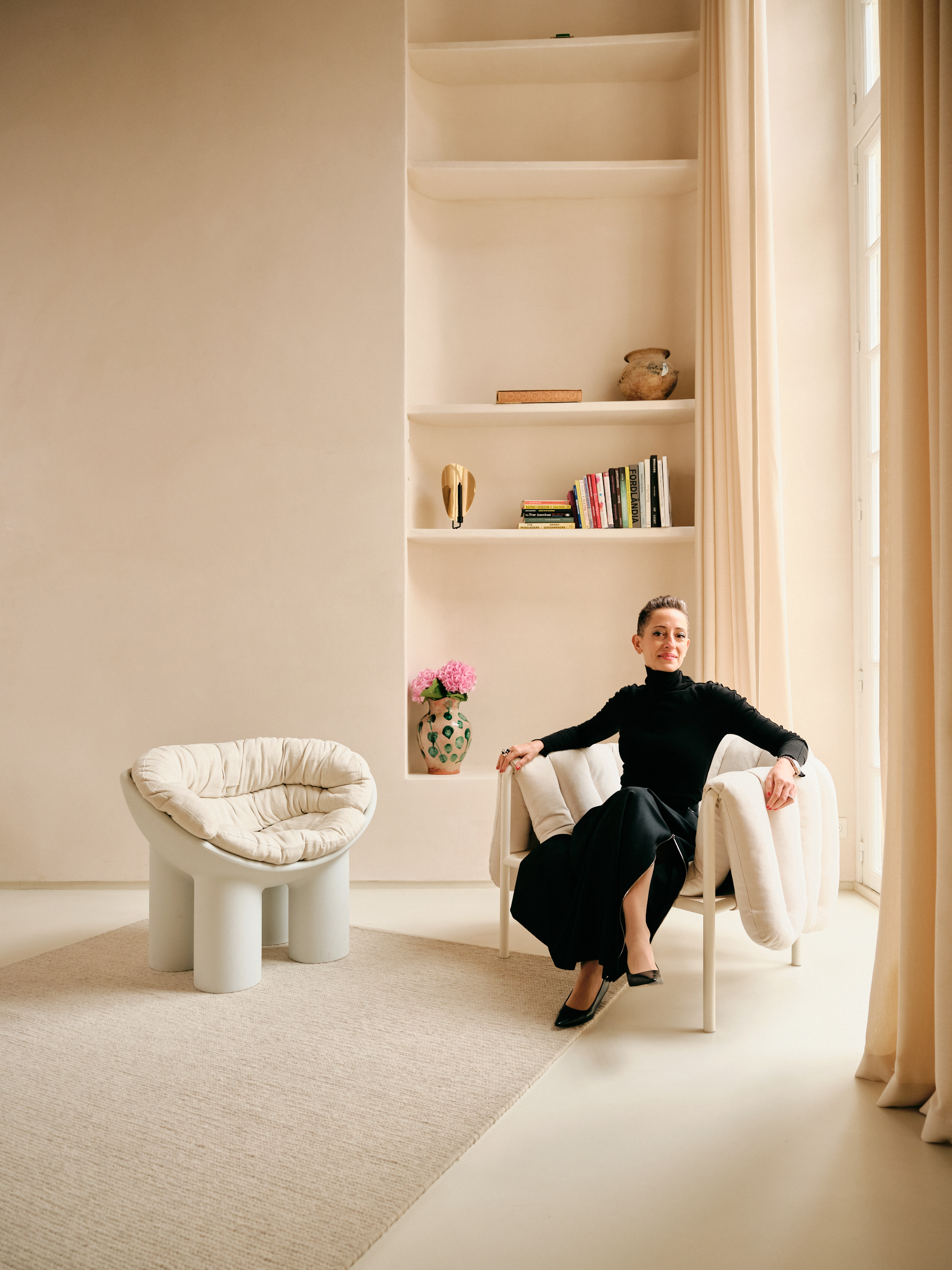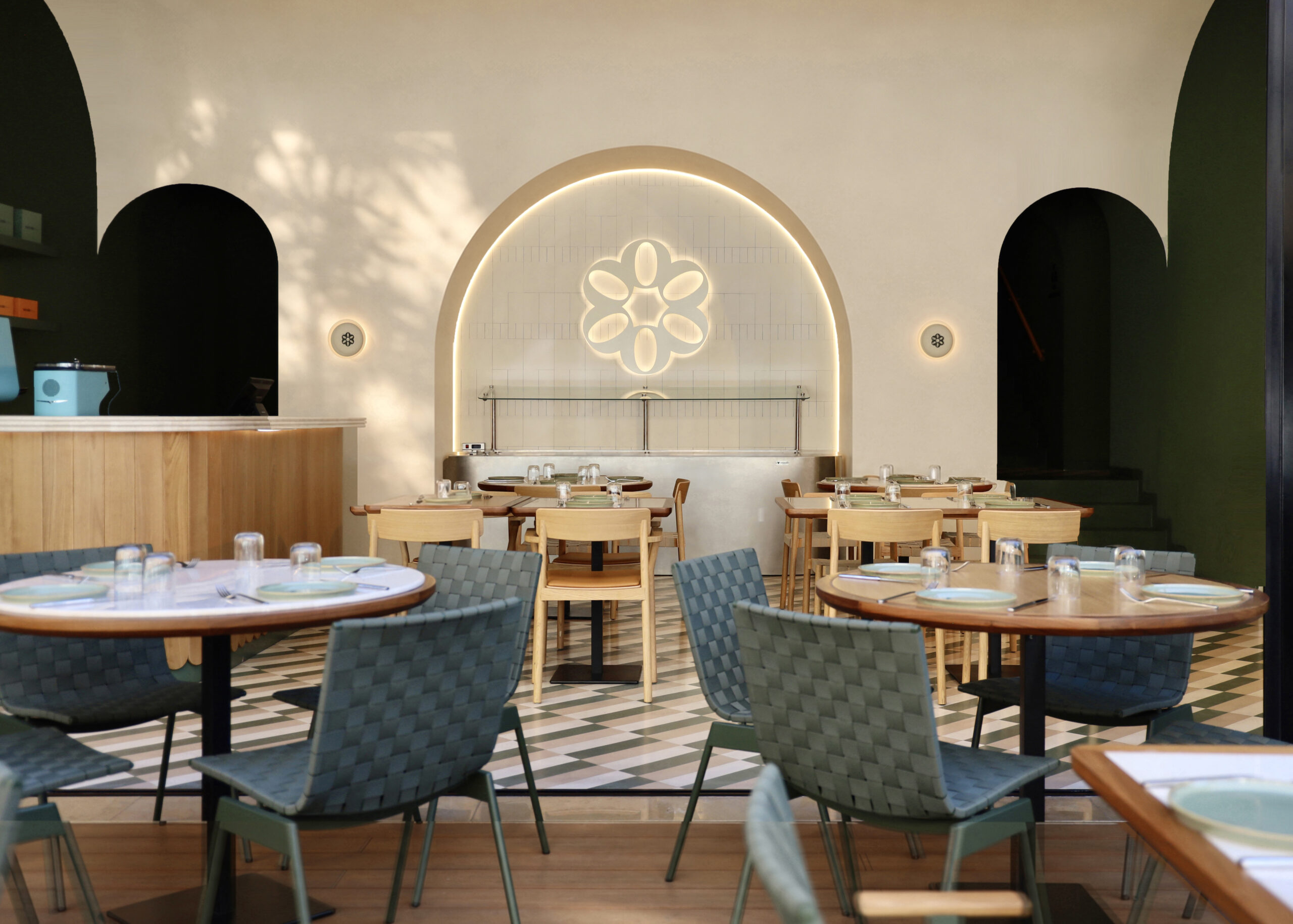
Downtown Beirut has a new address worth knowing. Stashh, opened this year by two sisters who cut their teeth in consulting and Dubai’s corporate world, is not quite a café and not quite a shop, though it does both jobs well. Call it a third space, if you must use the term, designed by Studio Bazazo for people who want somewhere to sit that isn’t home and isn’t the office either.
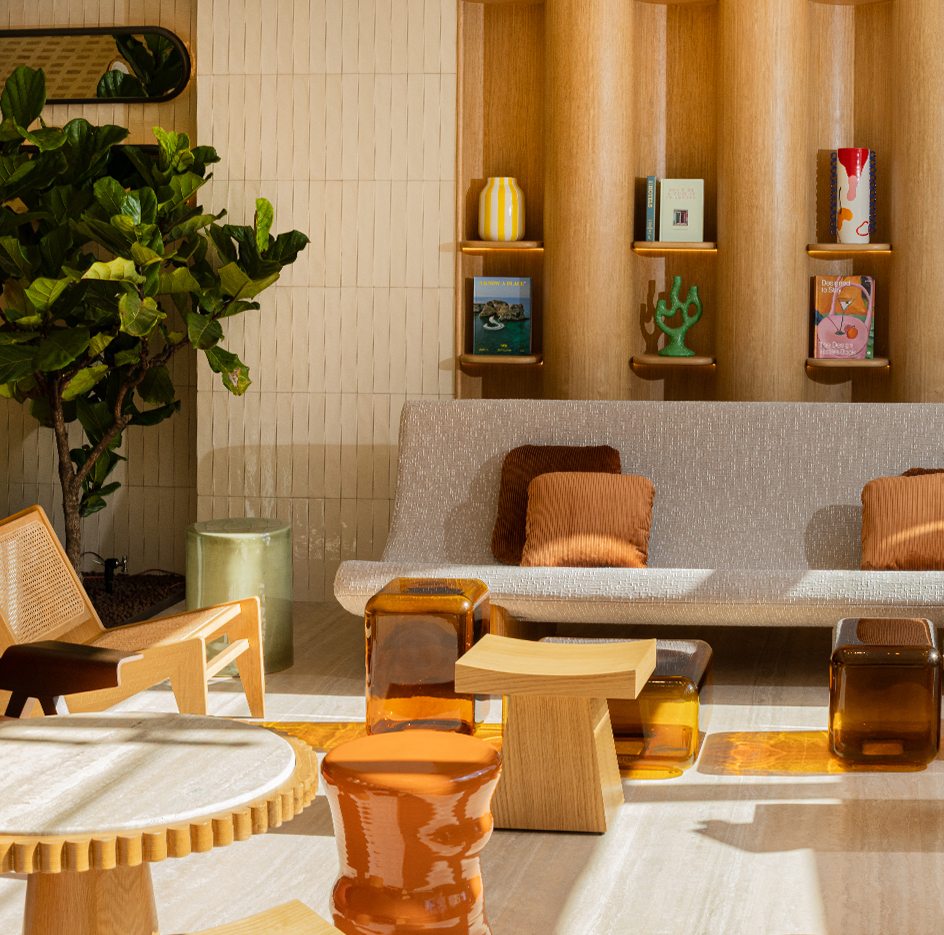
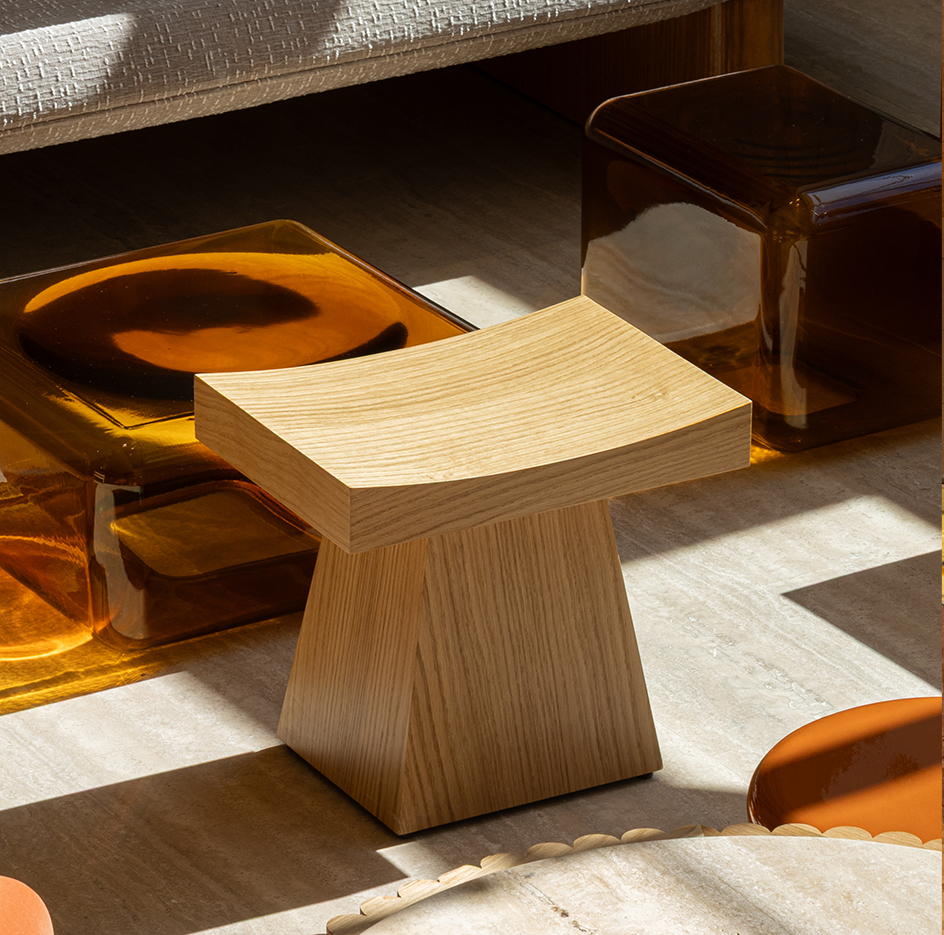
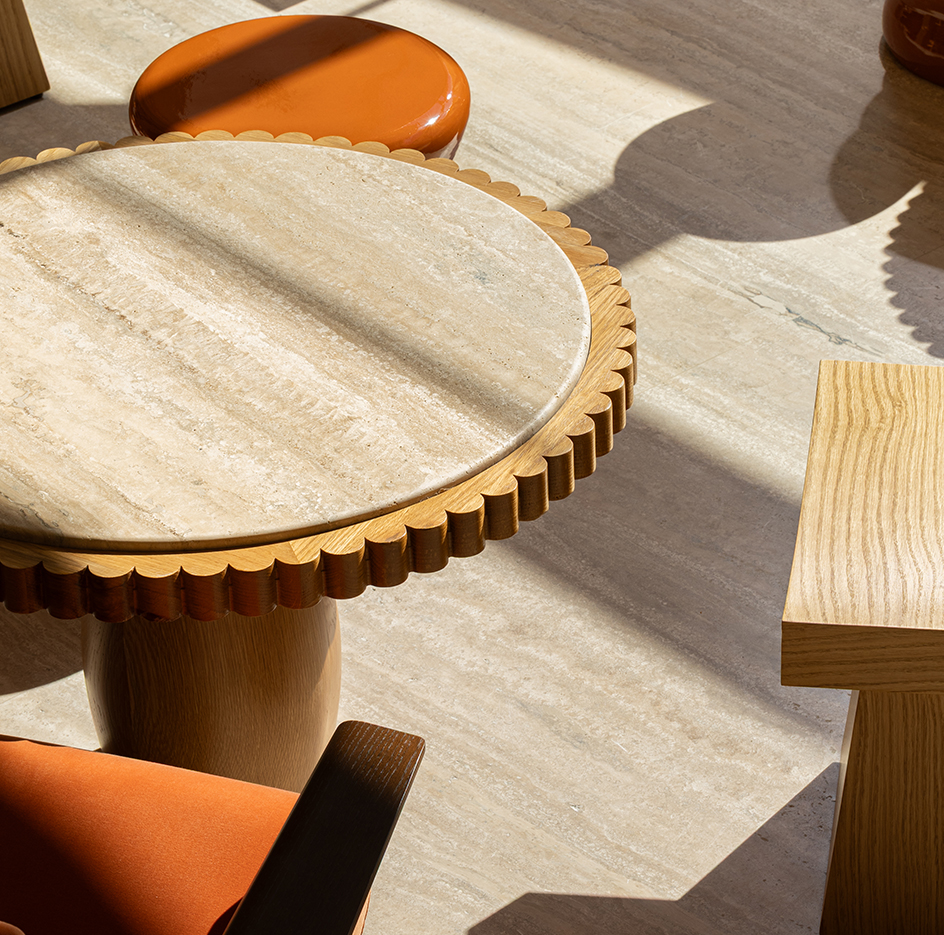
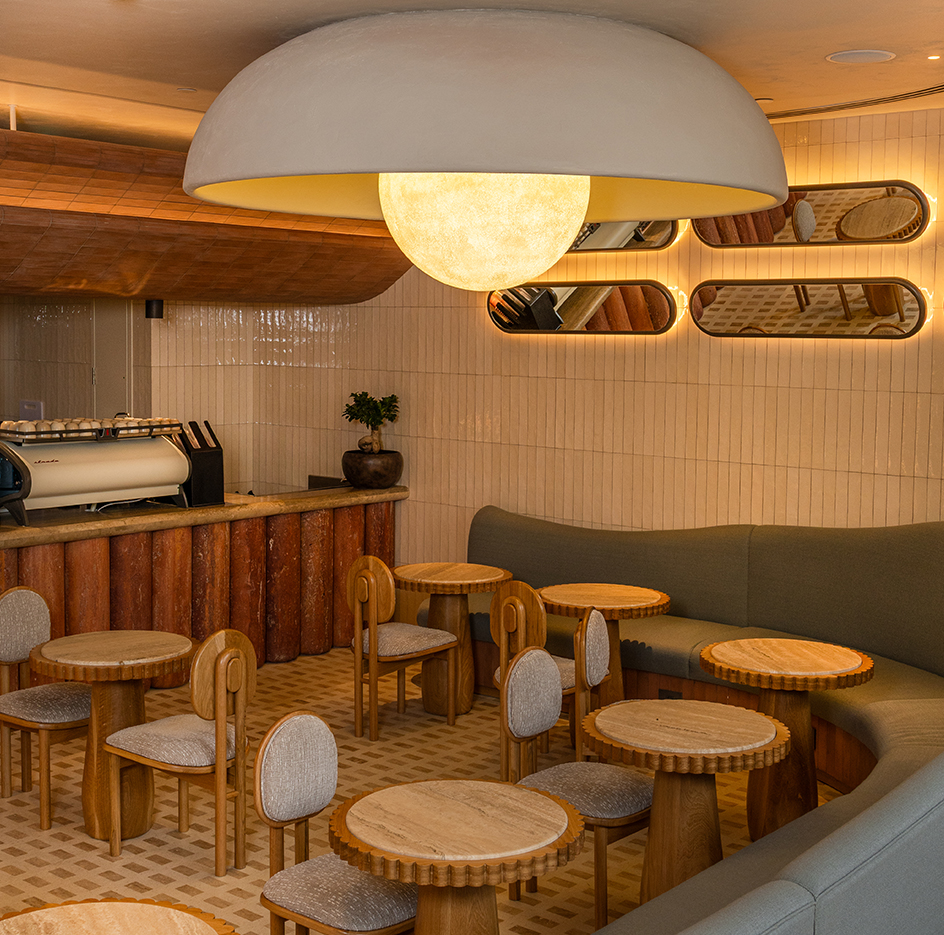
The room does not shout. Soft neutrals, pale oak and muted stone set a baseline closer to Copenhagen than the Levant, disciplined rather than decorative. What keeps it from feeling clinical is texture: lightly plastered walls, handmade glazed tile, and travertine with enough grain to catch the light differently through the day. It is a formula familiar to anyone who has sat in a good hotel lobby bar, minimal on the surface, warm underneath.
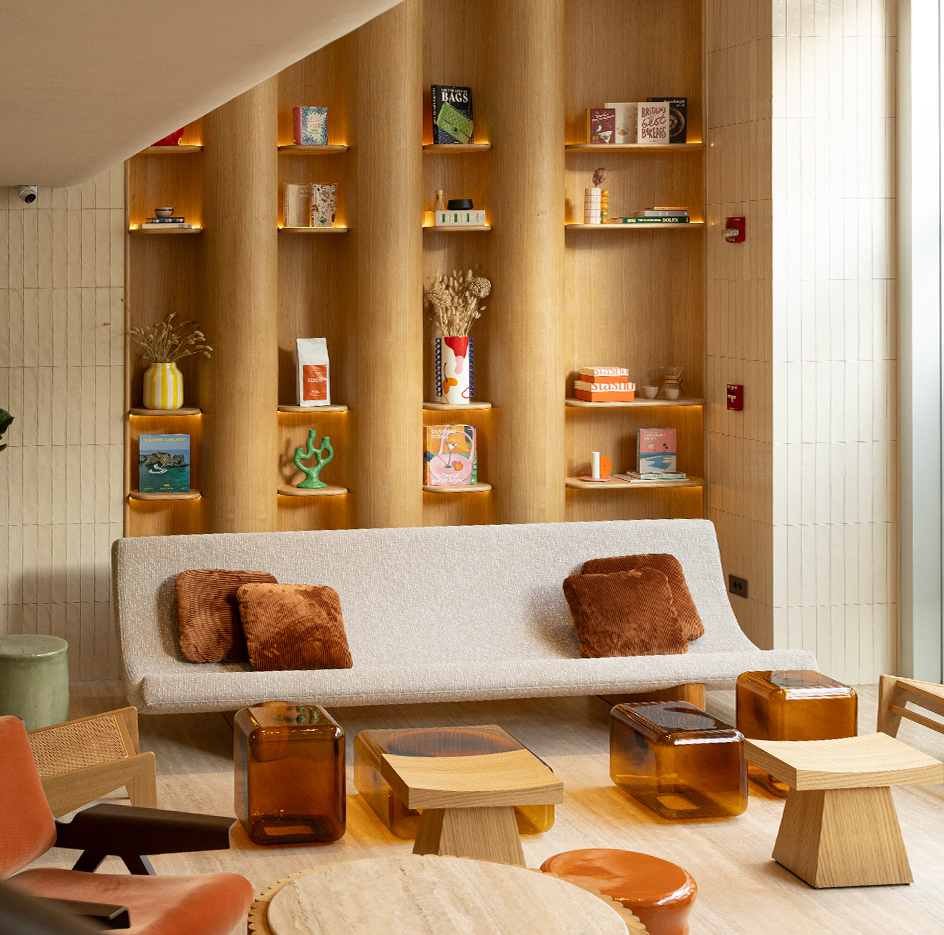
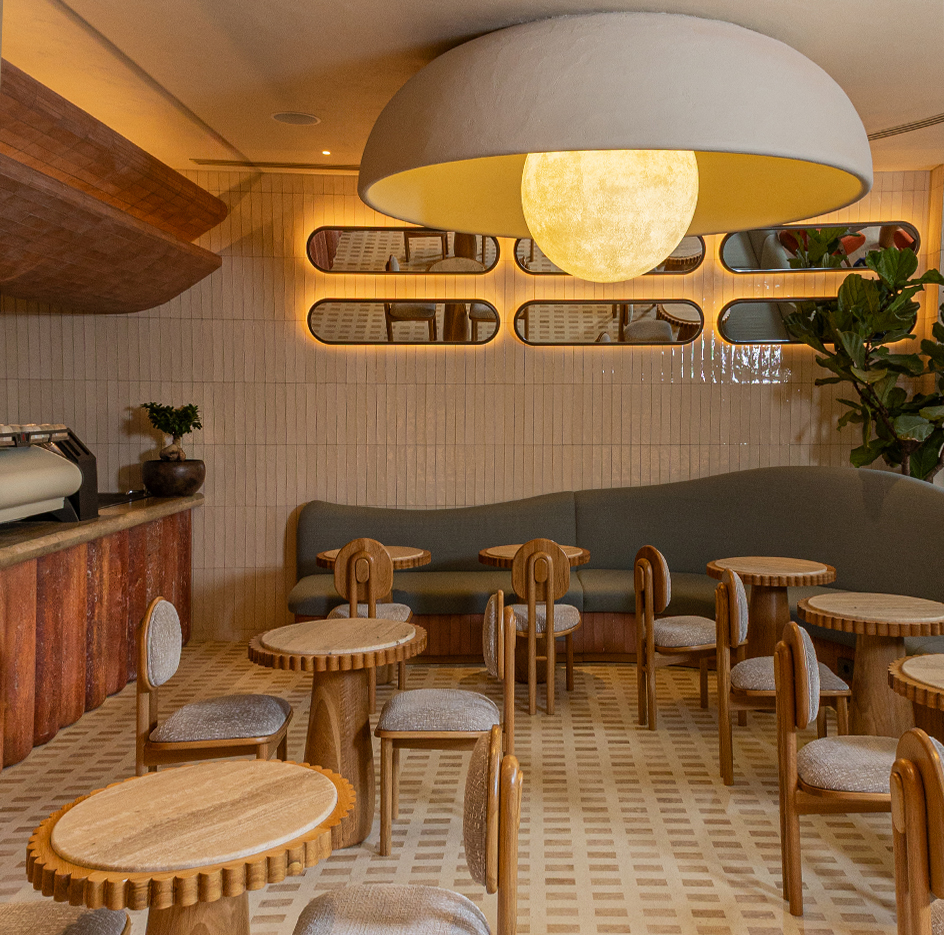
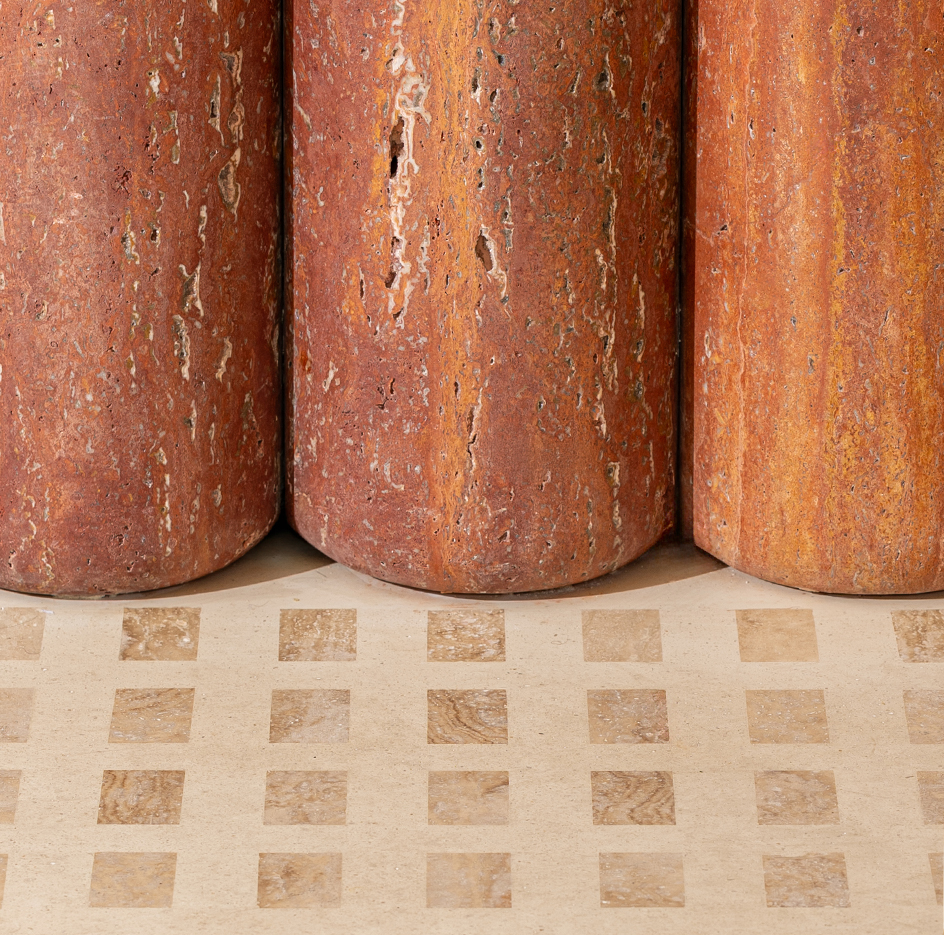
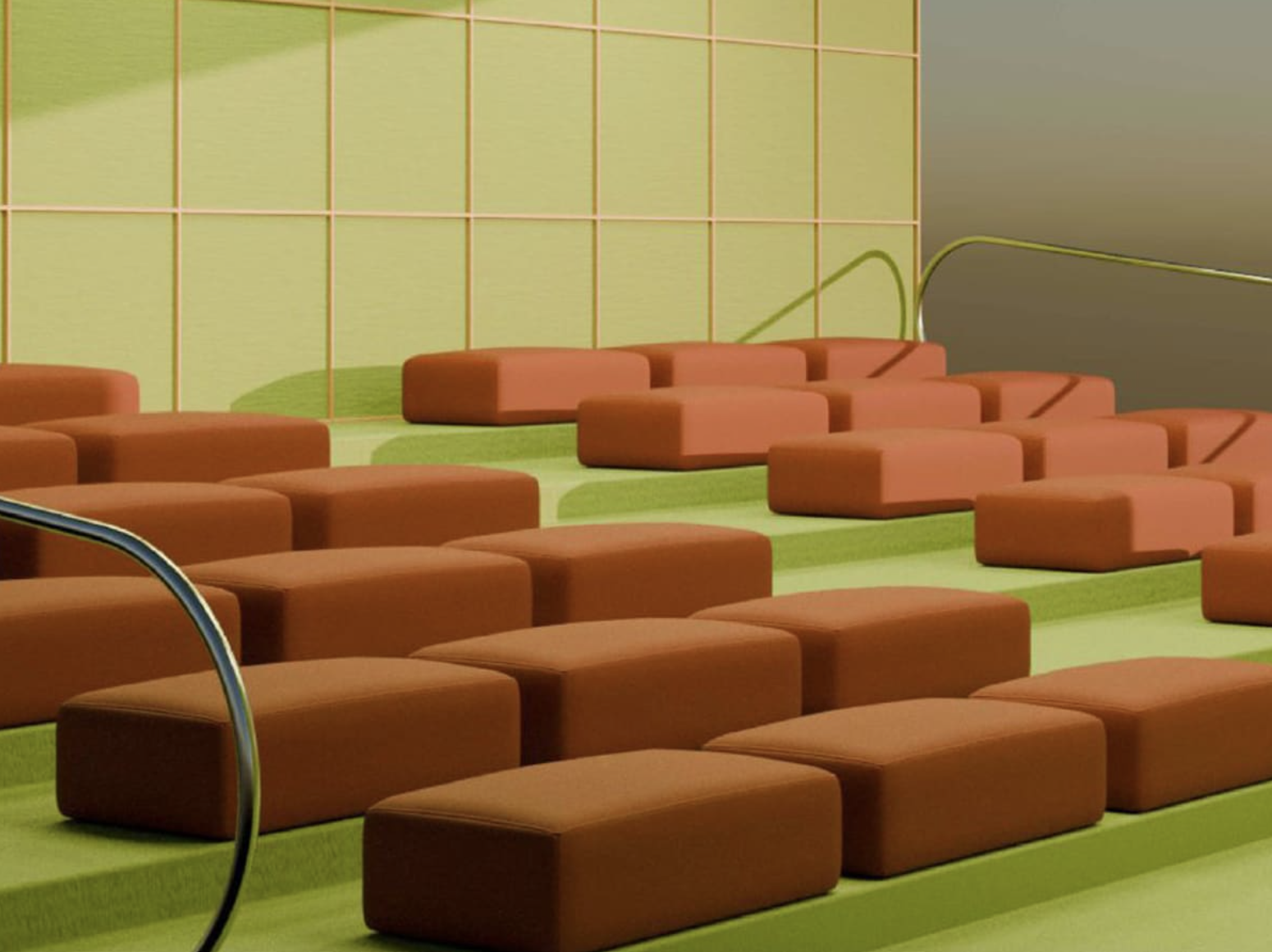
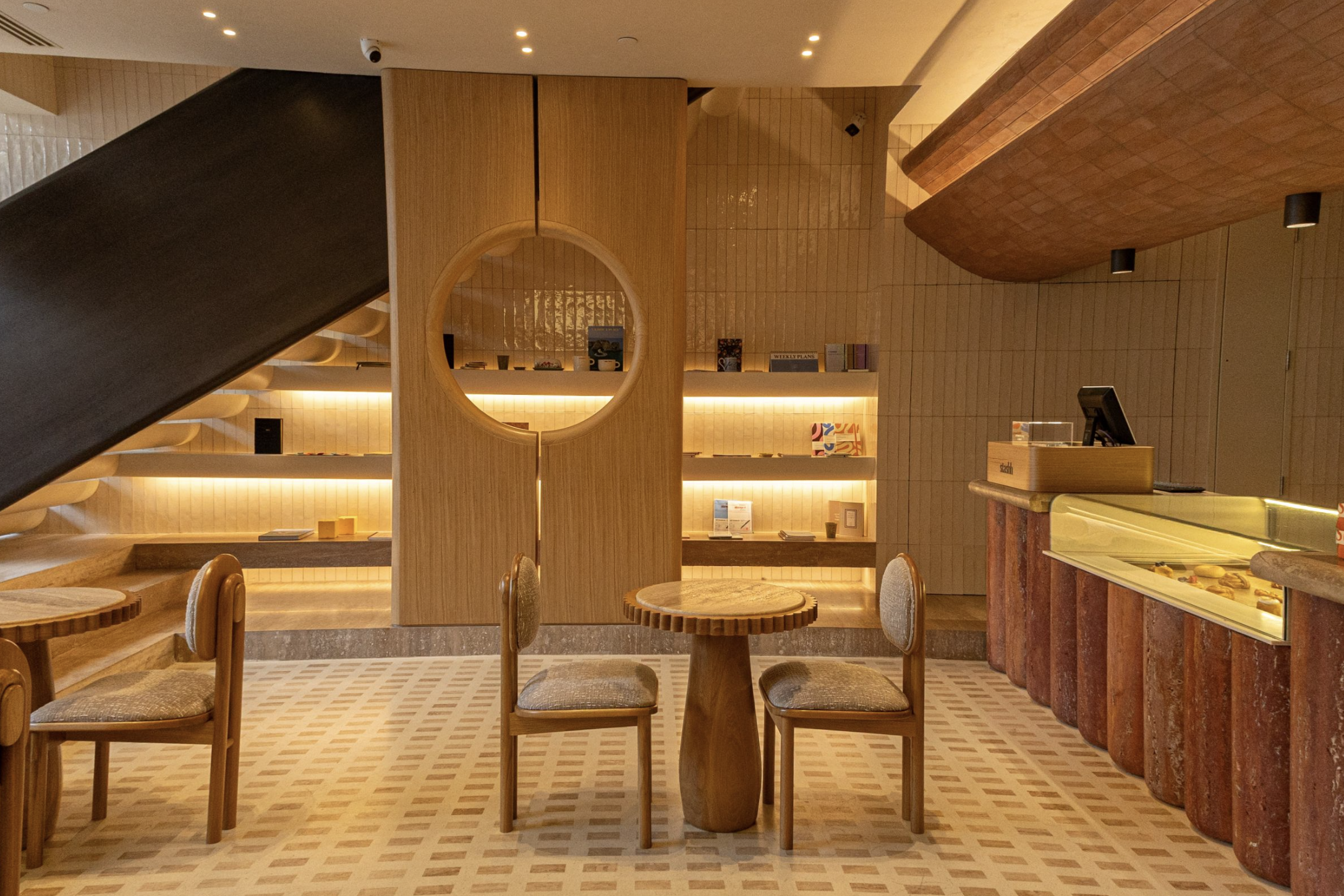
The plan works in three moves. A terrace with communal benches opens straight onto the street, useful for a quick coffee between meetings. Step further in and the floor lifts to a double height platform, upholstered and built for lingering, the kind of seat that discourages checking your phone. Beyond that, the room drops into a sunken pit built around a red travertine bar, carved by hand and sized to be watched rather than merely used, coffee as performance rather than transaction.
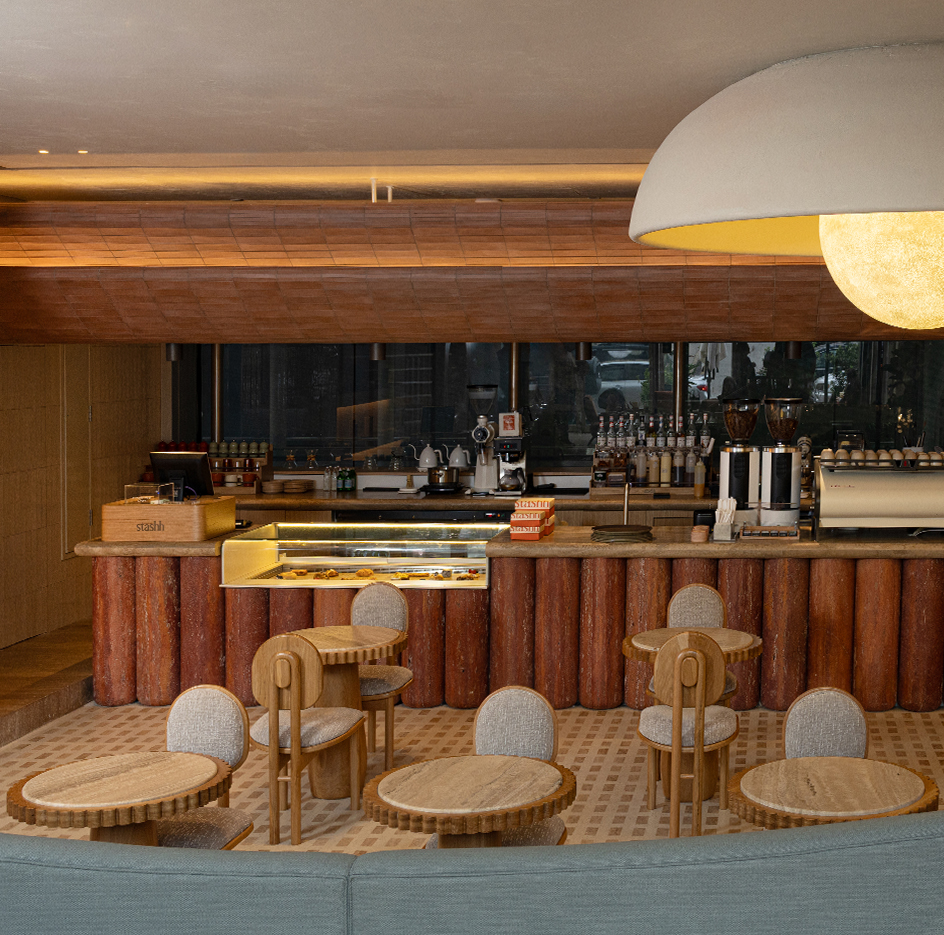
Furniture is arranged with the precision of a well edited magazine spread, low tables and clean seating that reconfigure easily between a solo laptop hour and a table of six. Lighting stays out of the way, pendants and hidden sources doing the work rather than any single statement fixture, which suits a room that changes character as the day goes on.
The best story here, though, is the one that has nothing to do with coffee. Stashh was originally conceived as a stationery shop in another city entirely, and that history has not been designed out. Journals, cards and paper goods, sourced from well beyond Beirut, sit alongside the espresso machine as if the two businesses were always meant to share a room. It is a small detail, but it tells you something about the city’s current mood: fewer single use spaces, more rooms built to hold several ideas at once.