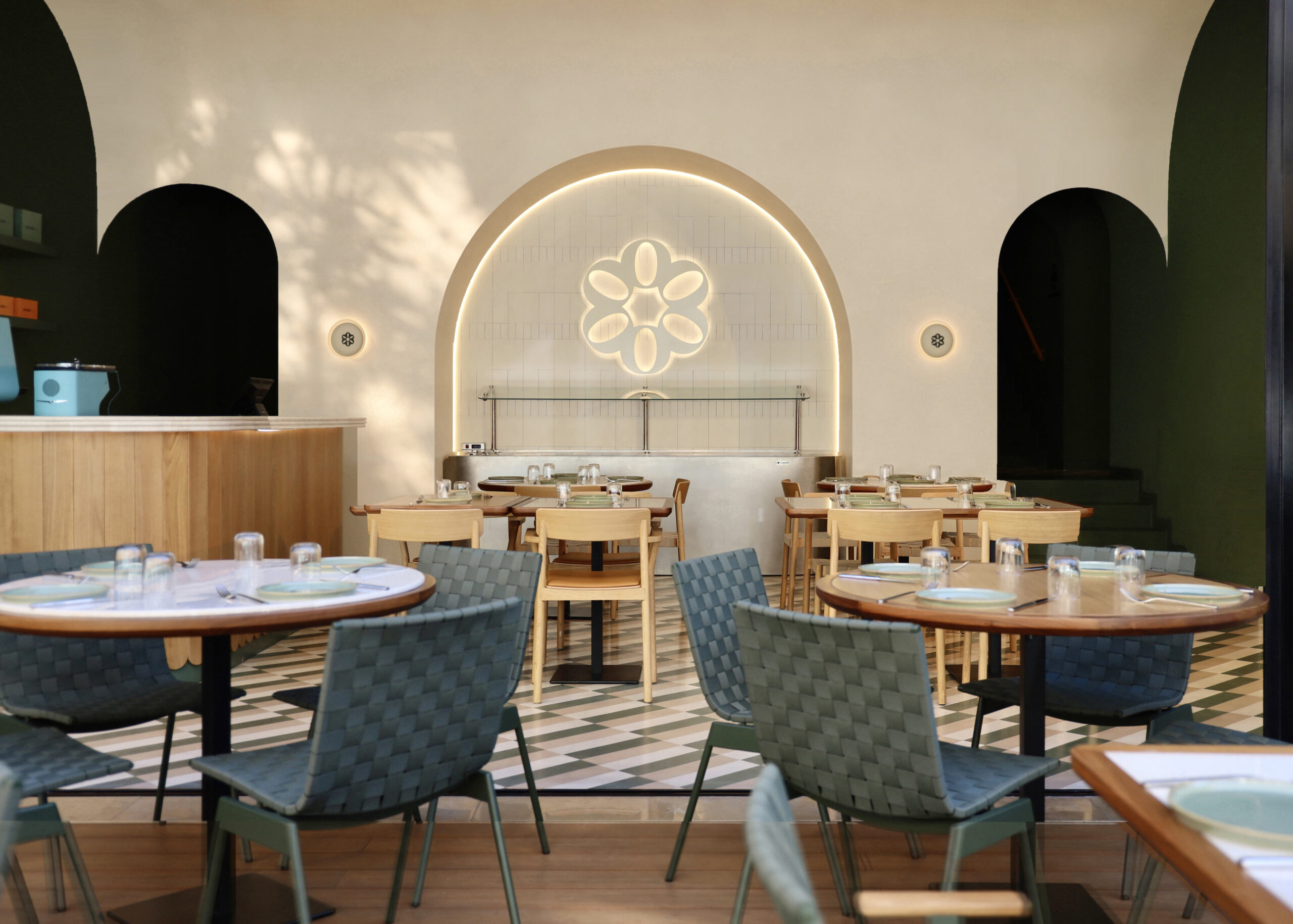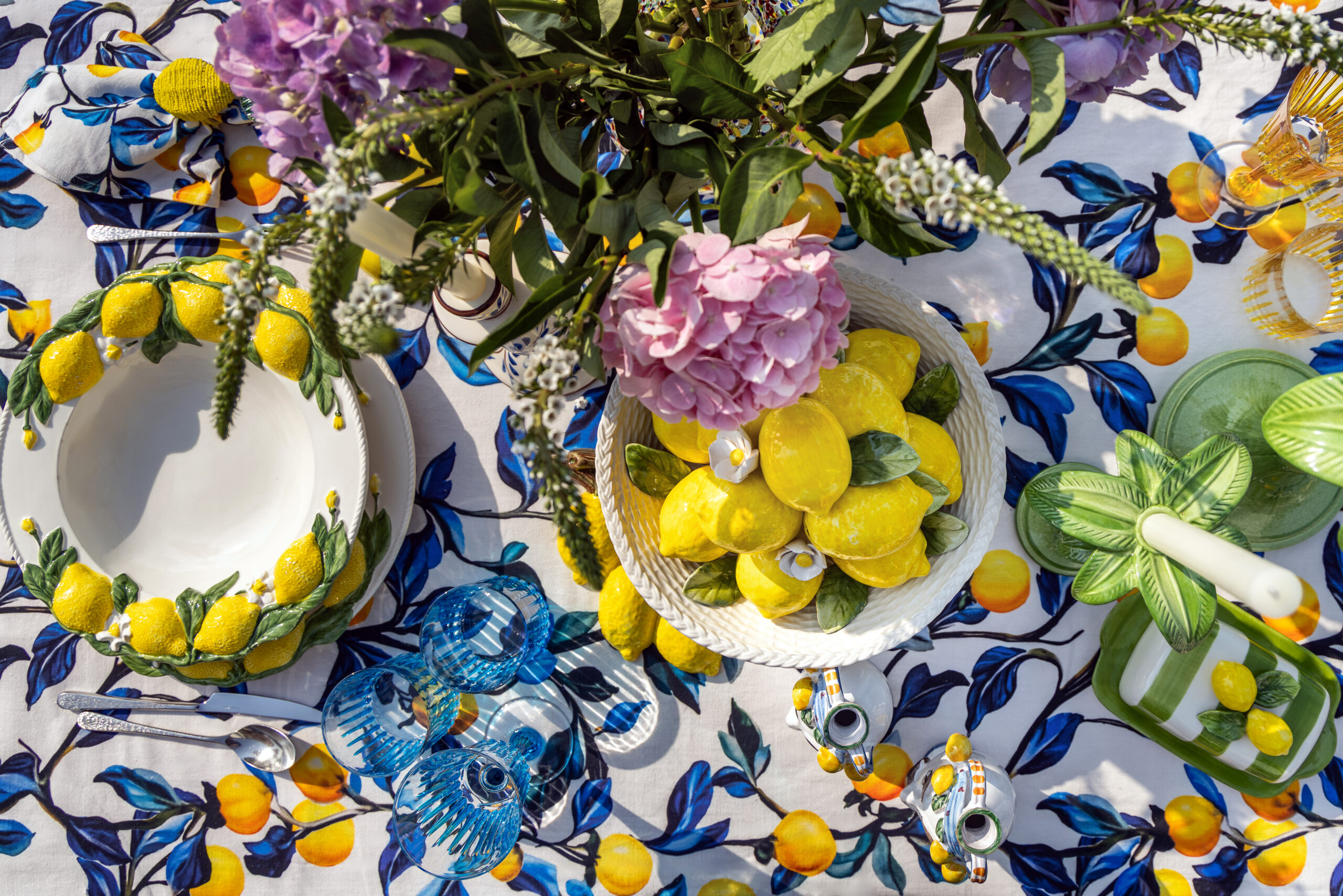
There is something quietly radical about the way Aline Asmar d’Amman speaks of Palazzo Donà Giovannelli. Not as a building she has restored, but as a body she has listened to for eight years, one that carried its own memory long before she was entrusted with its future.
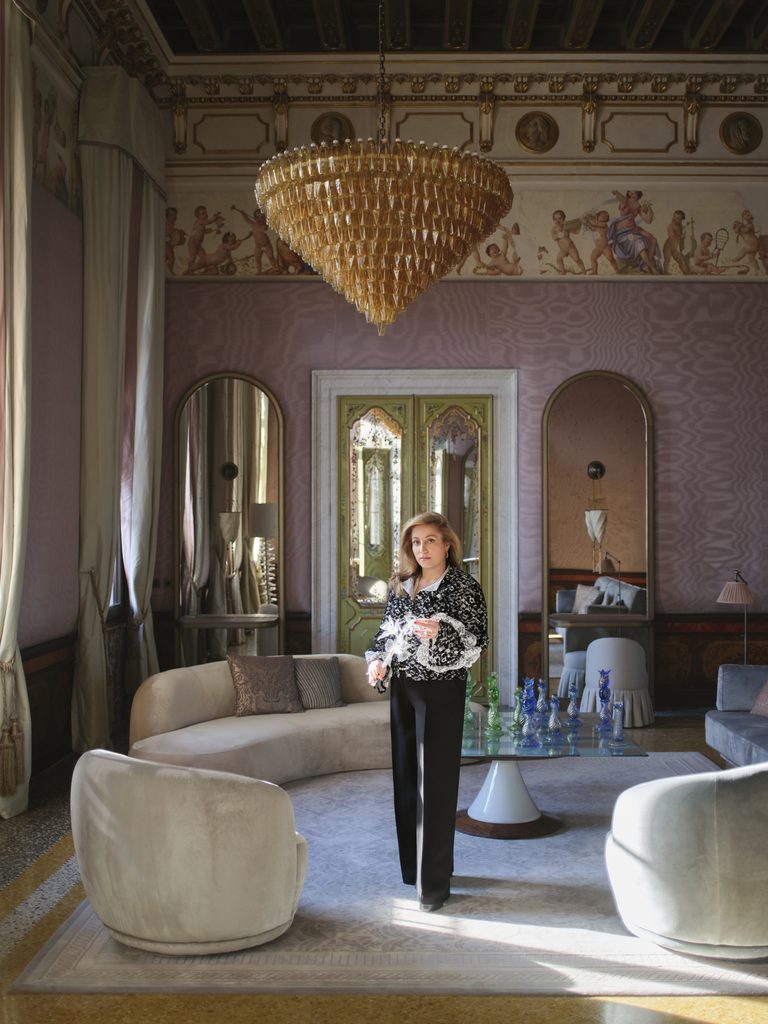
The Beirut born, Paris based architect has spent nearly a decade transforming the 15th century Venetian palazzo into Orient Express Venezia, the storied brand’s second Italian address. It is the kind of commission that could tempt any designer into pastiche, all gondolas and gilt. Asmar d’Amman resisted that pull entirely. What she has built instead is a dialogue, between Gothic and Baroque, between the raw stone that absorbed centuries of lagoon water and the couture precision of a Caesar bed canopy, between a city that has always stood at the crossing point of East and West and a designer whose own life reads much the same way.
Founder of the Paris based practice Culture in Architecture, and long mentored by Karl Lagerfeld, Asmar d’Amman has built a career on exactly this kind of tension, restraint set against theatre, heritage set against nowness. In Venice, that instinct found its most personal expression yet. She speaks of the palazzo the way one might speak of a person: its patina, its scars, its light. “Architecture, for me, is about transforming challenges into opportunities and materiality into emotion,” she says, “and in Venice, the possibilities for this are infinite.”
Here, the architect and interior designer speaks about restoring a palazzo shaped as much by water as by stone, why she refused to romanticise Venice, and how her own multicultural roots, Lebanese, Parisian, forever drawn to Italian craft, quietly shaped every room.
Working on a Venetian palazzo means working within a structure shaped as much by water as by architecture. How did the physical reality of Venice, humidity, reflection, instability, light on canals, concretely affect your decisions?
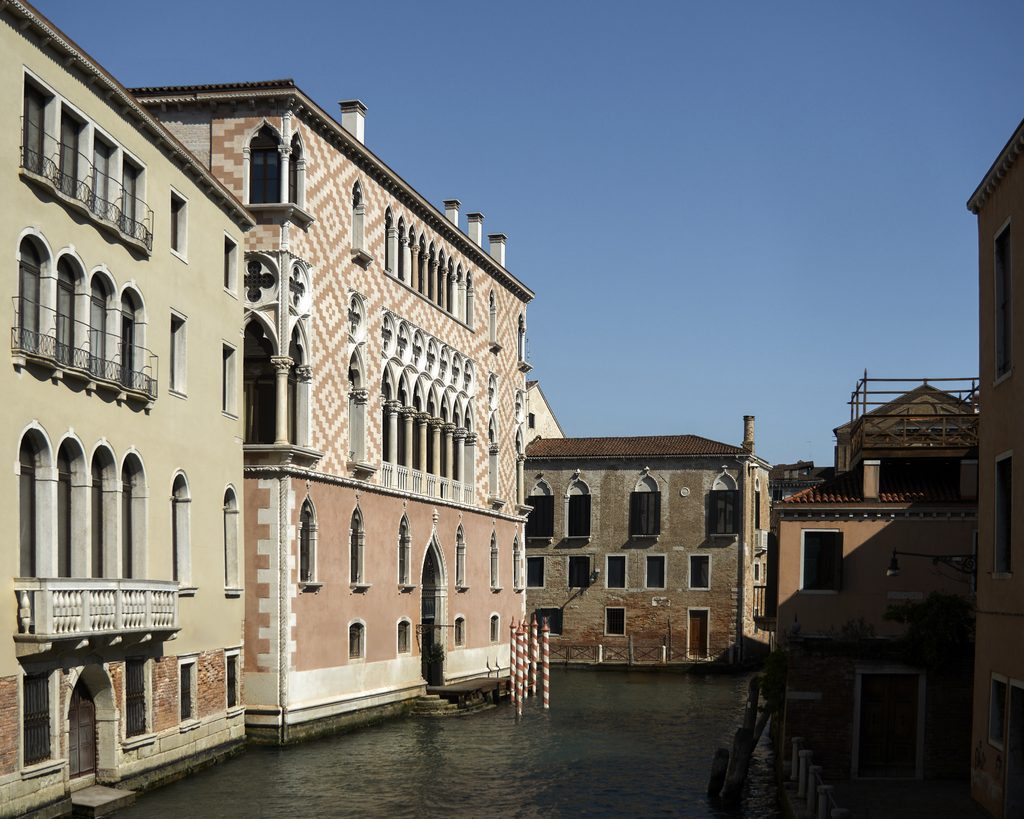
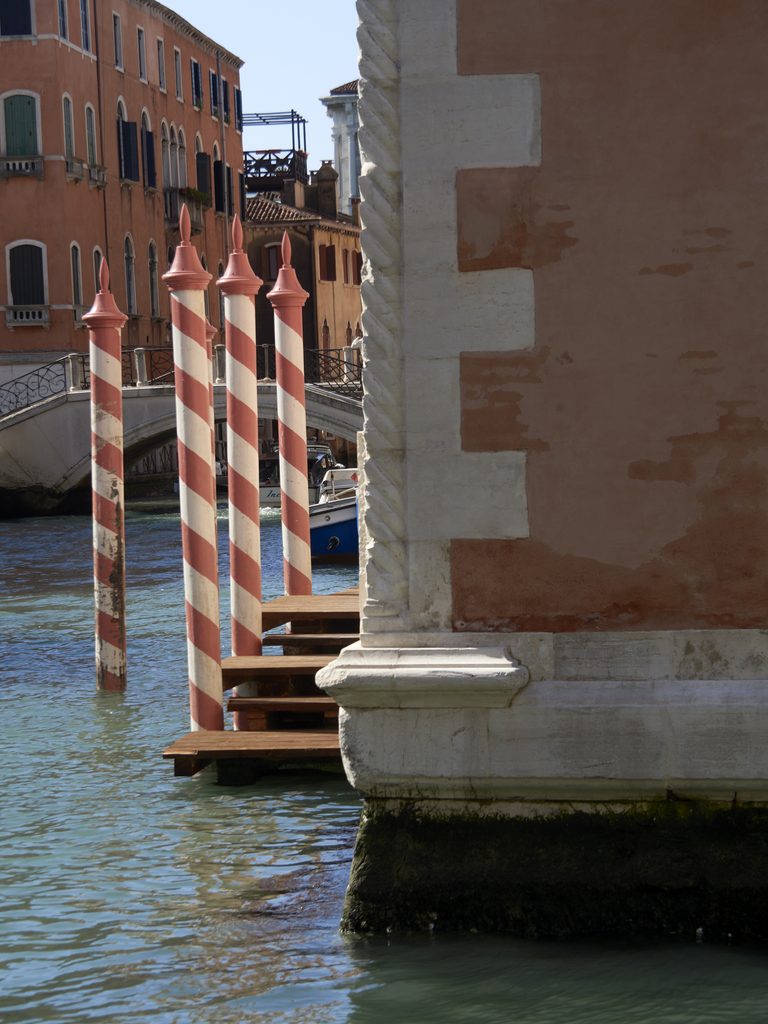
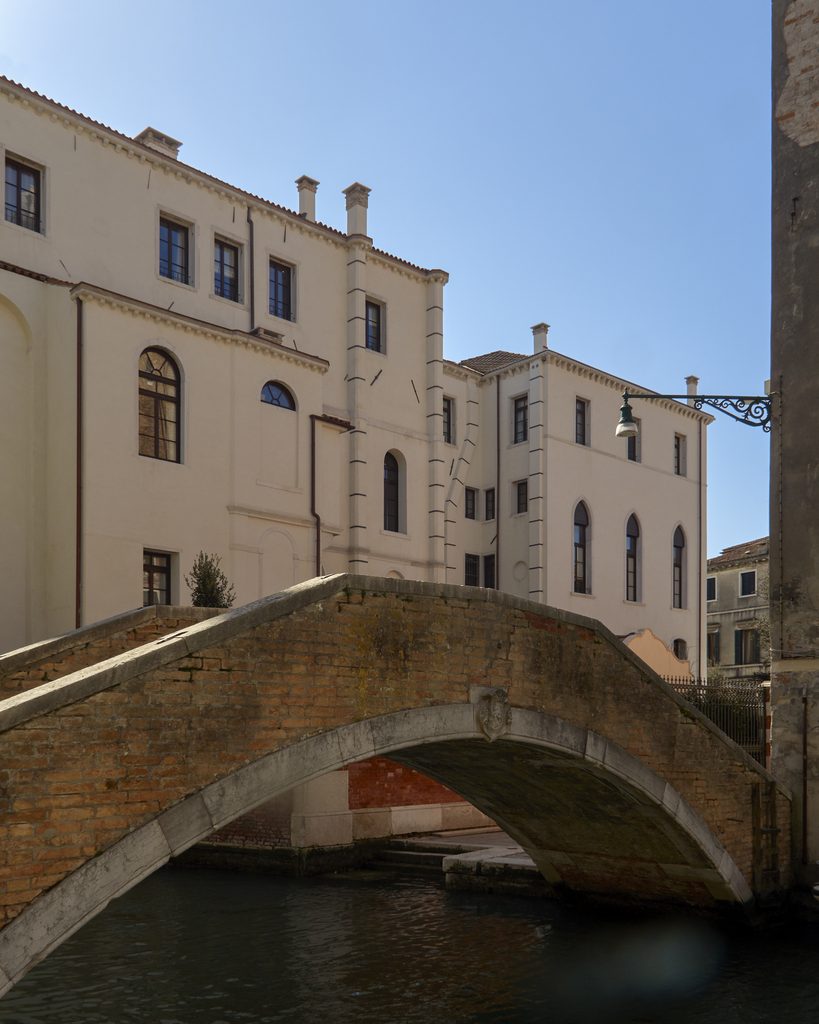
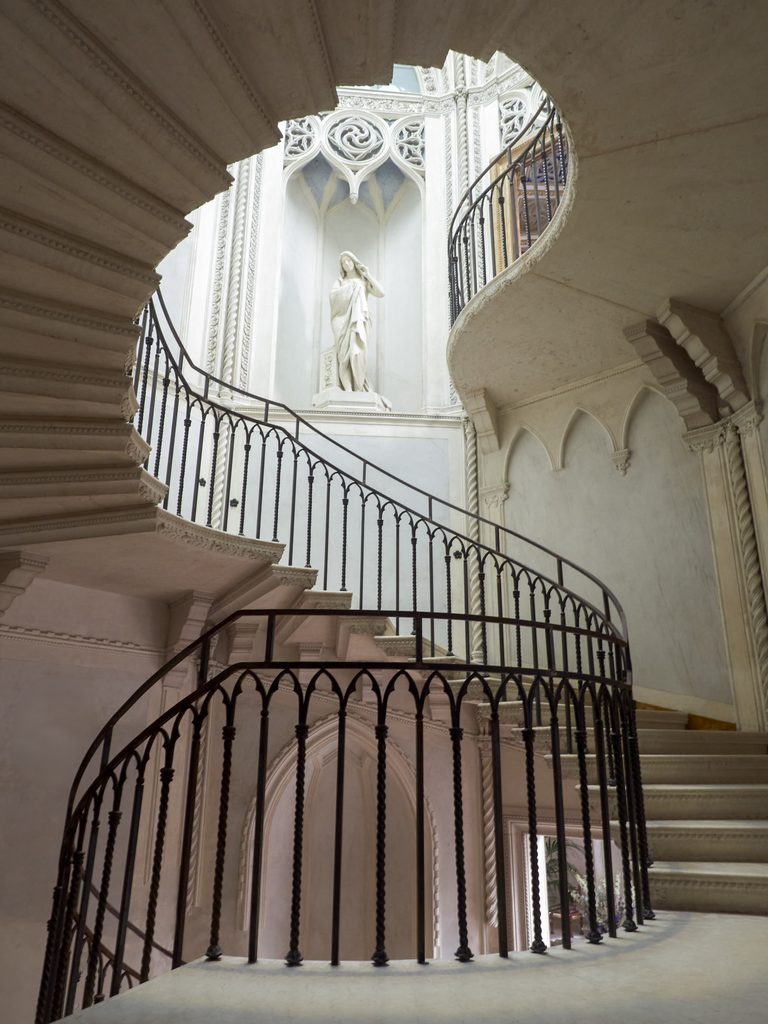
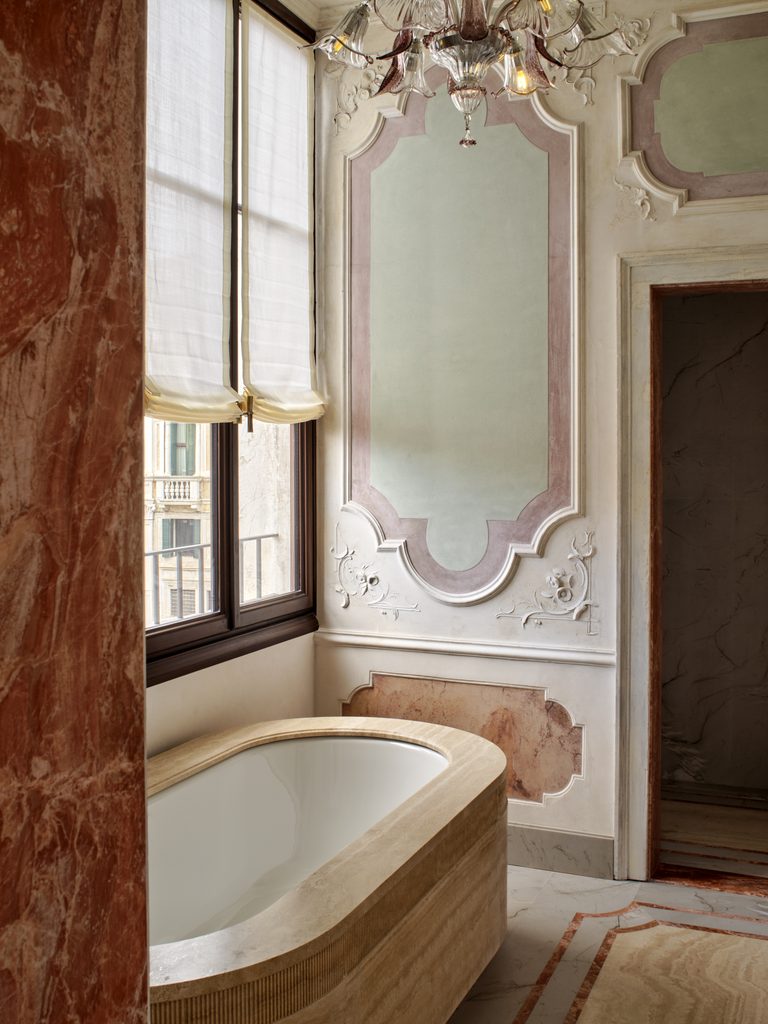
The restoration of Palazzo Donà Giovannelli became a true labour of love, requiring patience, precision and at times deep emotion. It called for rare interventions, from drying the palazzo’s foundations and building a dam around the façade walls, which remained in place for three years, to the careful removal, treatment and reinstatement of every stone across the walls and floors. I became fascinated by the way stone absorbs memory, often reflecting on how Ruskin described the stones of Venice as flesh. Humidity changes the behaviour of stone, salt rises through surfaces, and light reflected from the canals transforms colour and texture throughout the day. Rather than erase these traces, I fell in love with them: the softened surfaces, the faded pigments, the patina created by water and time. I wanted to preserve them as part of the soul of the palazzo.
The palazzo already contained layers of Gothic, Baroque and 19th century interventions. How did you decide which historical elements deserved emphasis and which needed restraint?
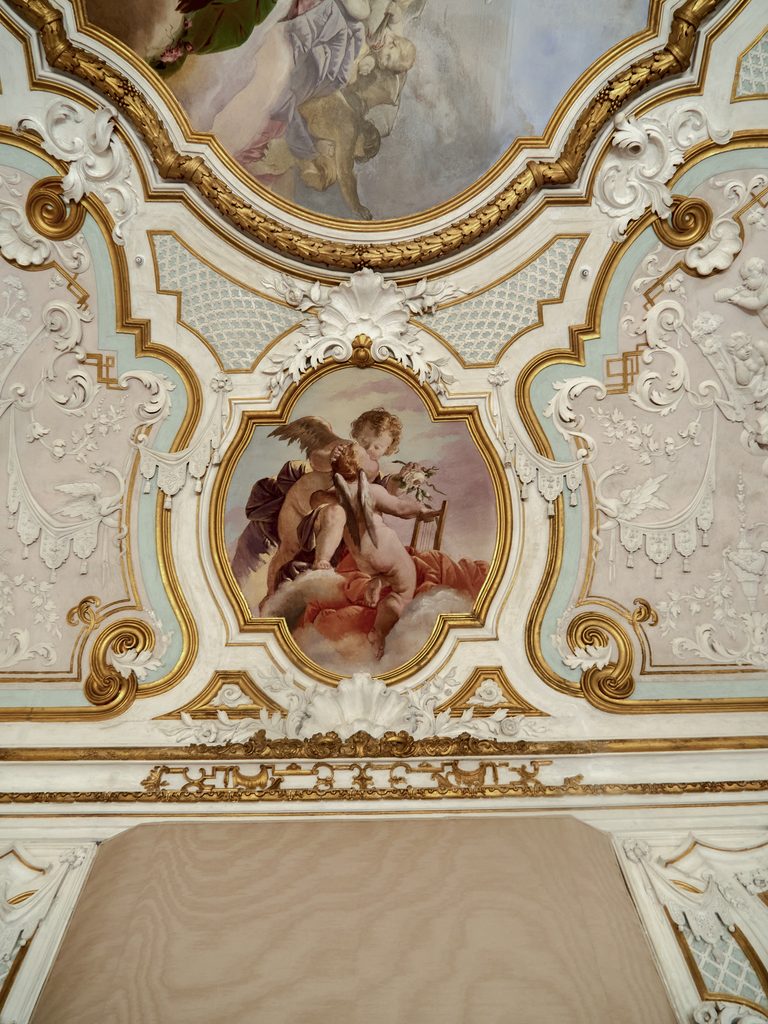
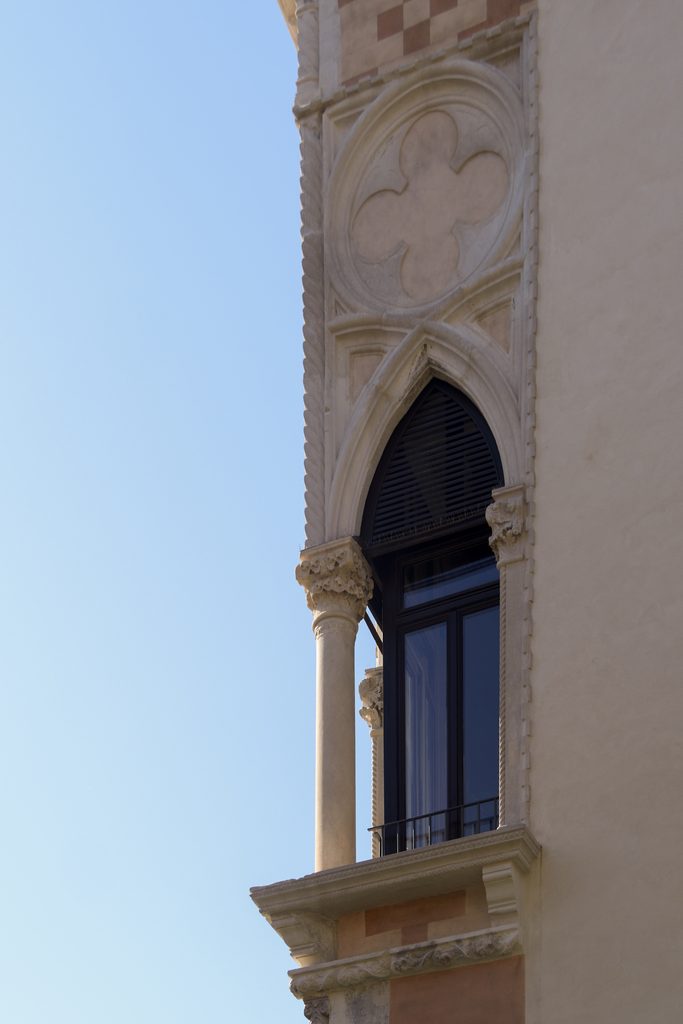
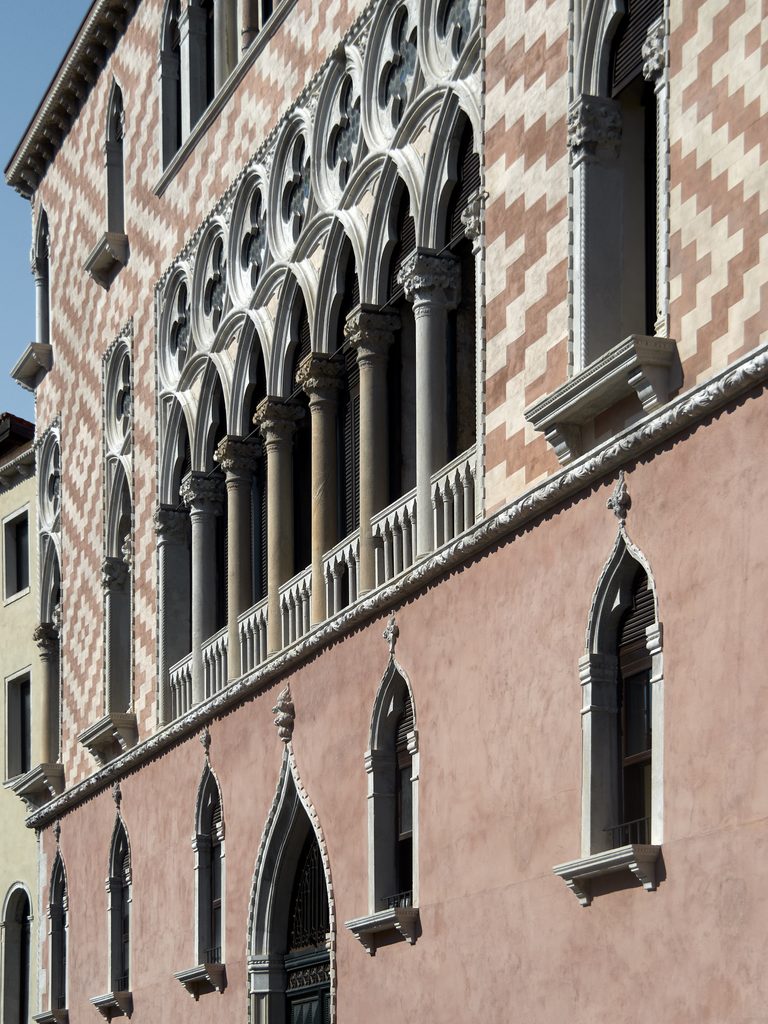
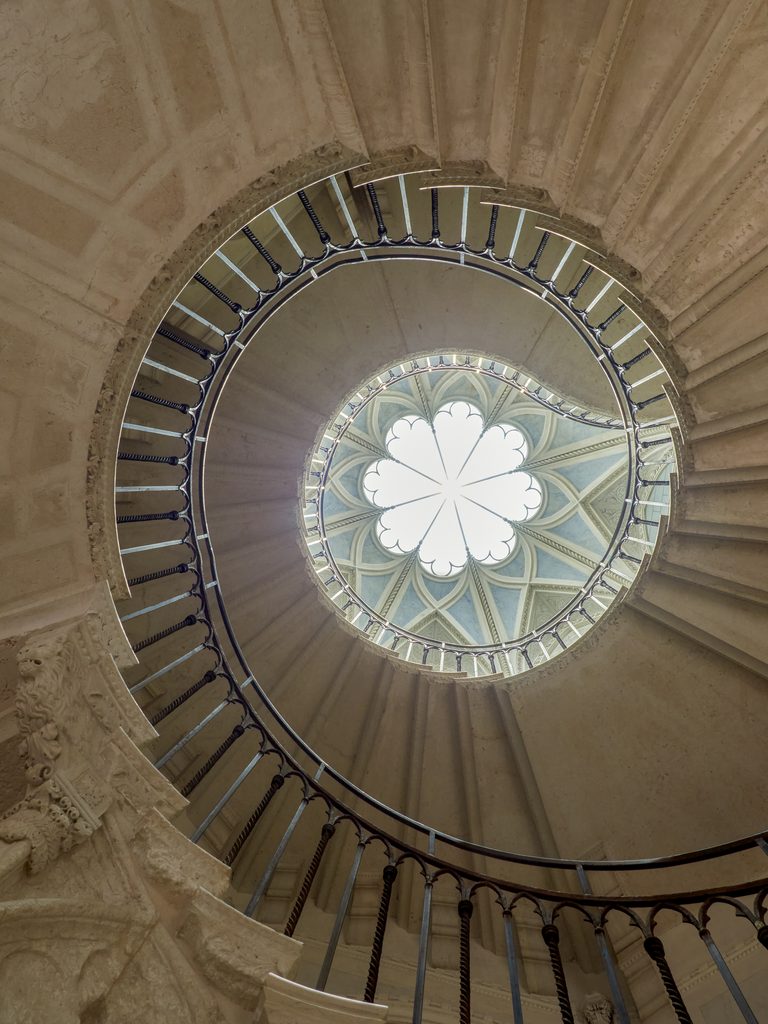
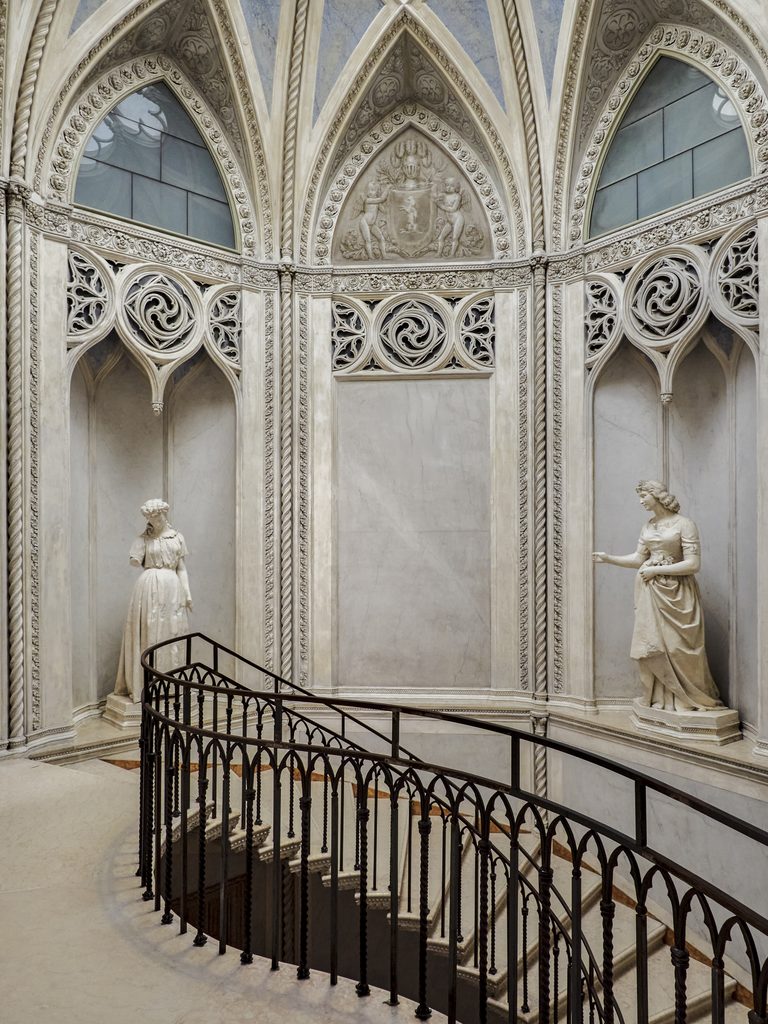
It was important for me to honour the palazzo’s history while reimagining it for the present, creating a dialogue between legacy and renovation, architectural truth and contemporary elegance. Rather than choosing one epoch over another, my approach was to read it as a continuous narrative, allowing each layer to retain its voice within the newly defined space. Pieces once hidden or damaged were carefully reintroduced, ensuring the story of the palazzo remained visible and alive. I see Orient Express Venezia as a living story, where the past continuously shapes the future.
Venice can very quickly become caricatural in interior design. Were there gestures you deliberately avoided, so as not to fall into a romanticised idea of the city?
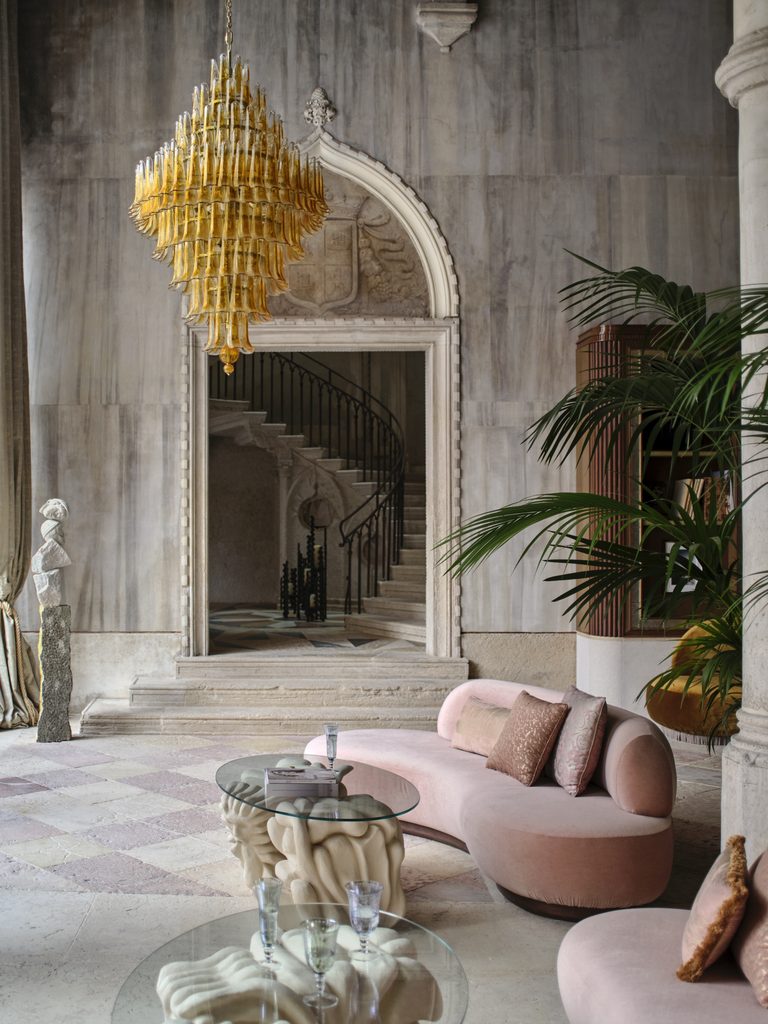
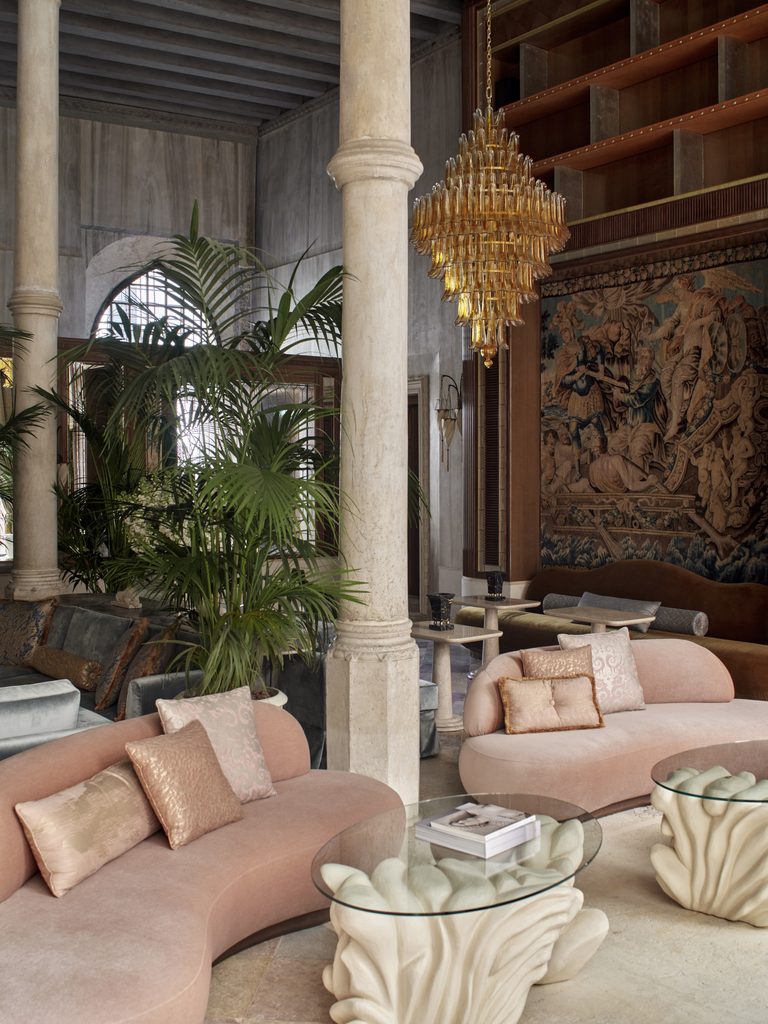
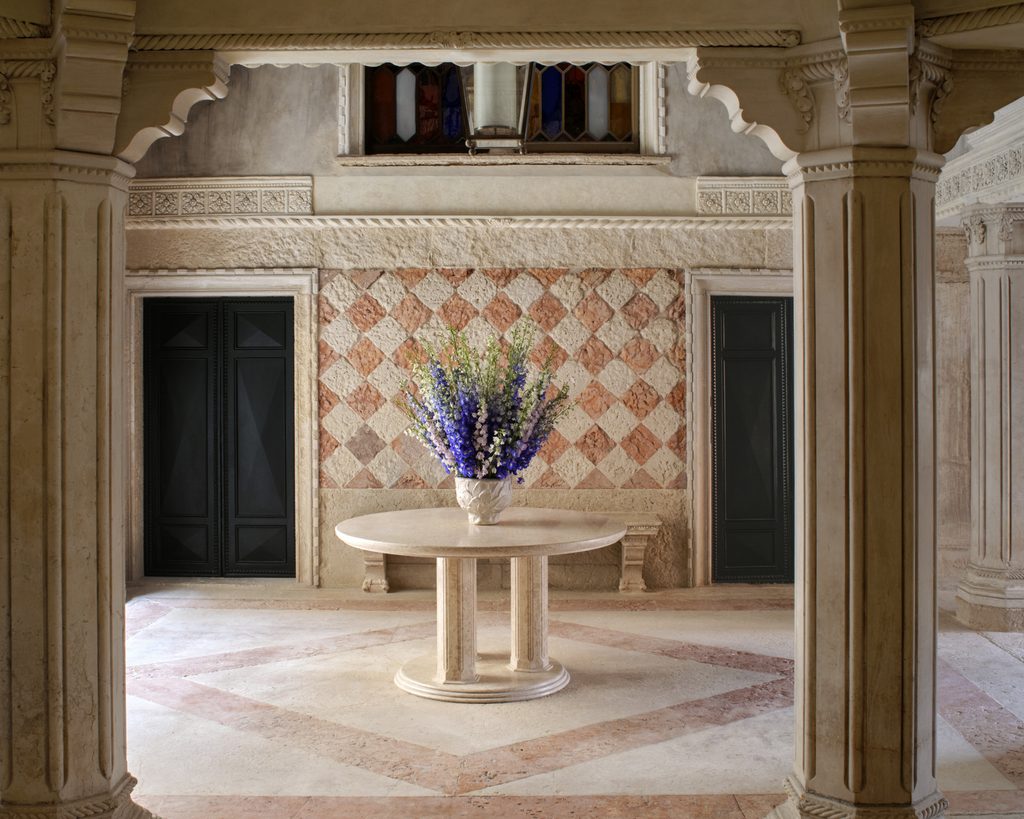
In my architectural journey, I seek poetic truth without any nostalgia. Conservation is not an act of nostalgia; it introduces a dialogue between past and present, seeking timeless elegance with precision and the flair of our times.
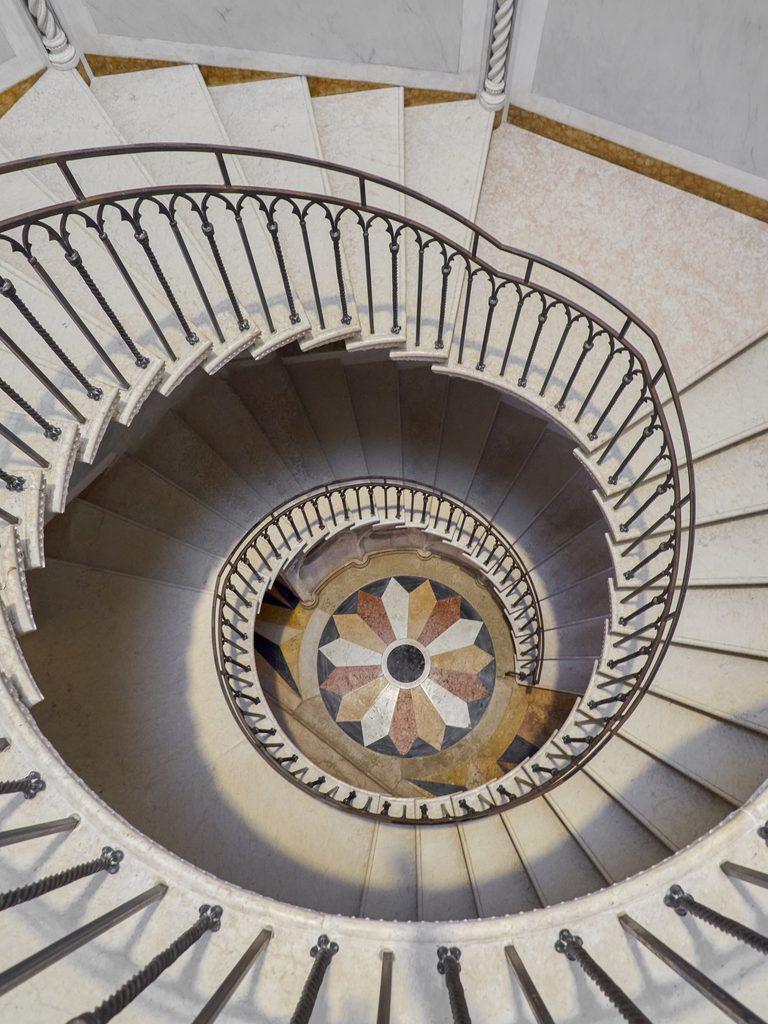
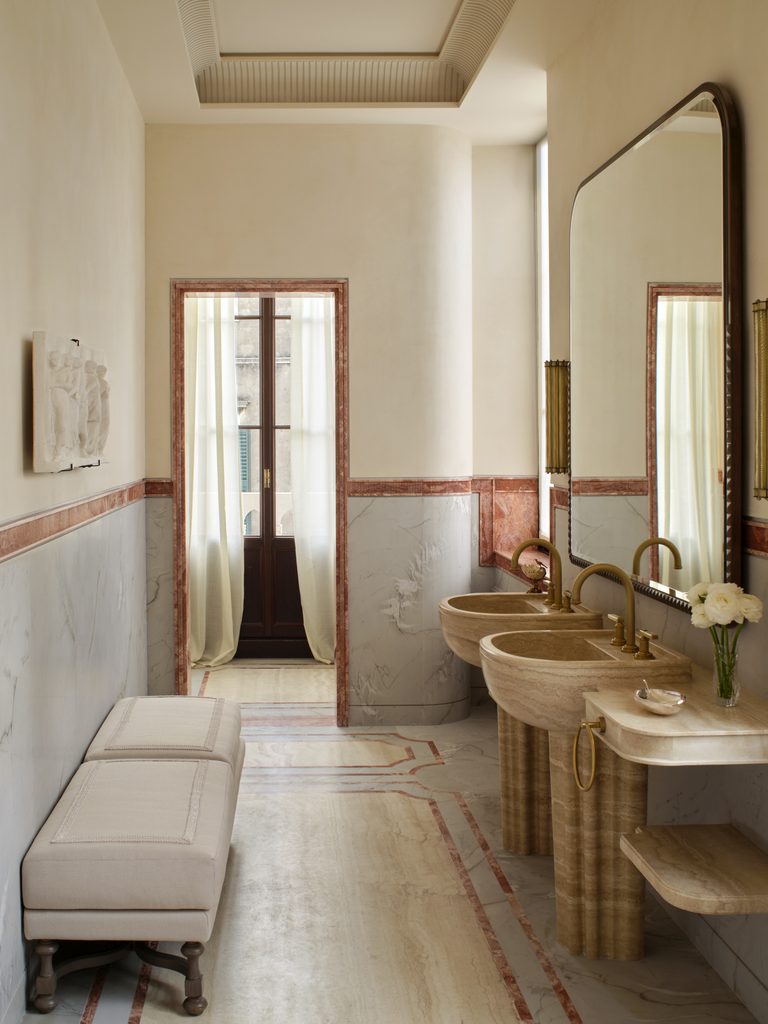
Venice is a city of marble. Its palazzi are defined by the way stone is layered, carved, and assembled. That presence is carried into the Palazzo, where marble is not treated as surface but as form, sculpted and shaped into elements that feel almost carved as objects.
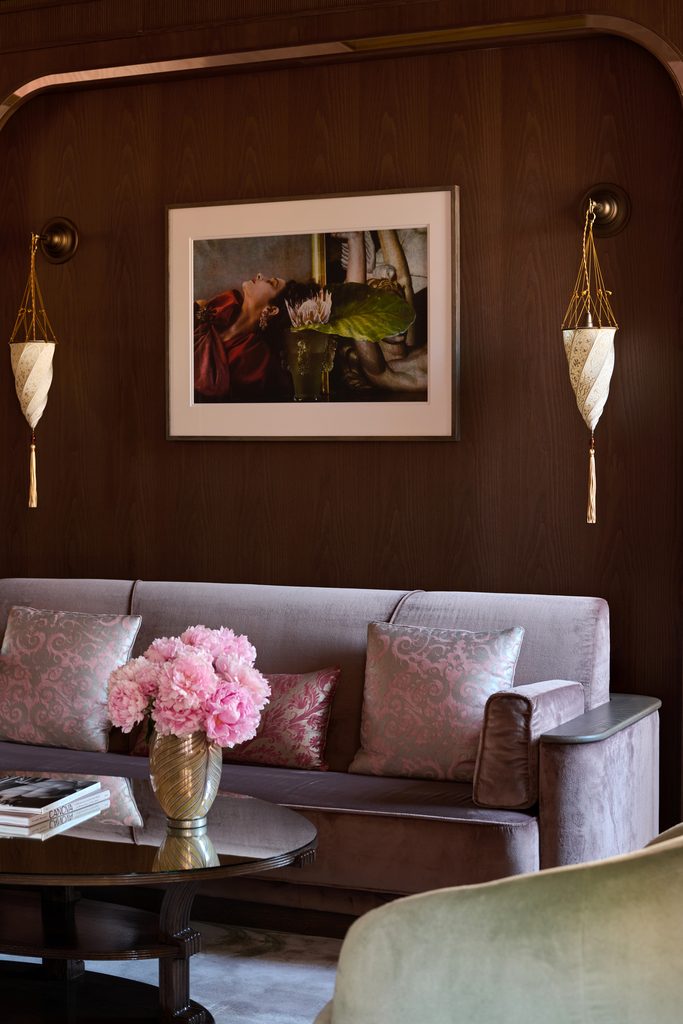
Italy’s rich tapestry of craft is a treasure for any architect. From intricate sculpted boiseries with oaks and rich woods, chosen to echo the Serenissima’s naval feel and respond to the Palazzo’s outstanding carvings on its majestic doors, to metalwork, tinted glass, etched mirrors, lacquered and textured surfaces, bespoke fabrics developed with Italian makers, up to passementerie details made to measure and based on historical archives, to the exceptional stonework on floors, bathroom details, and cabinets – each material was sourced with intention, in conversation with the makers and craftspeople.
It was equally important for me to collaborate with local artisans, allowing each craft tradition and encounter to become part of a single unfolding narrative, with furniture created in partnership with master craftsmen. Here, every material reinterpretation and composition recalls the passage of time, their textures lending a sense of modern allure. Bespoke furnishings are a nod to the elegance of Orient Express wagons, beckoning you to unwind.
The intention was never to recreate a fantasy of Venice, but to capture its sensuality in a way that feels both contemporary and timeless.
You have spoken of Venice as a gateway between East and West. Did your own background shape that reading of the city?
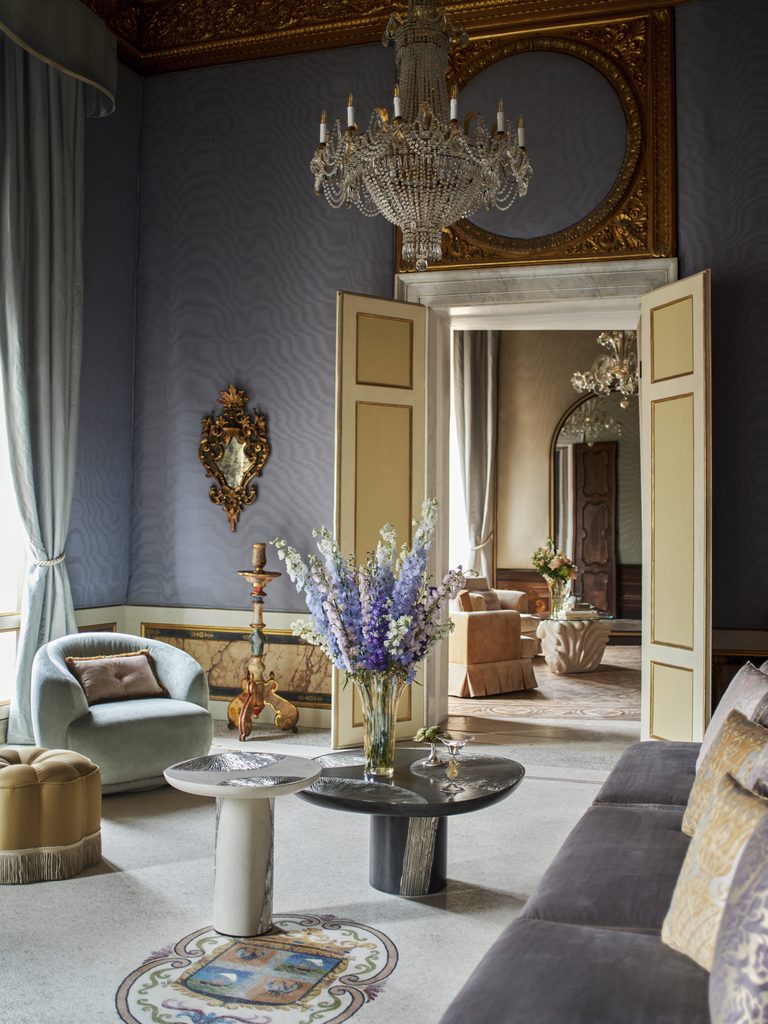
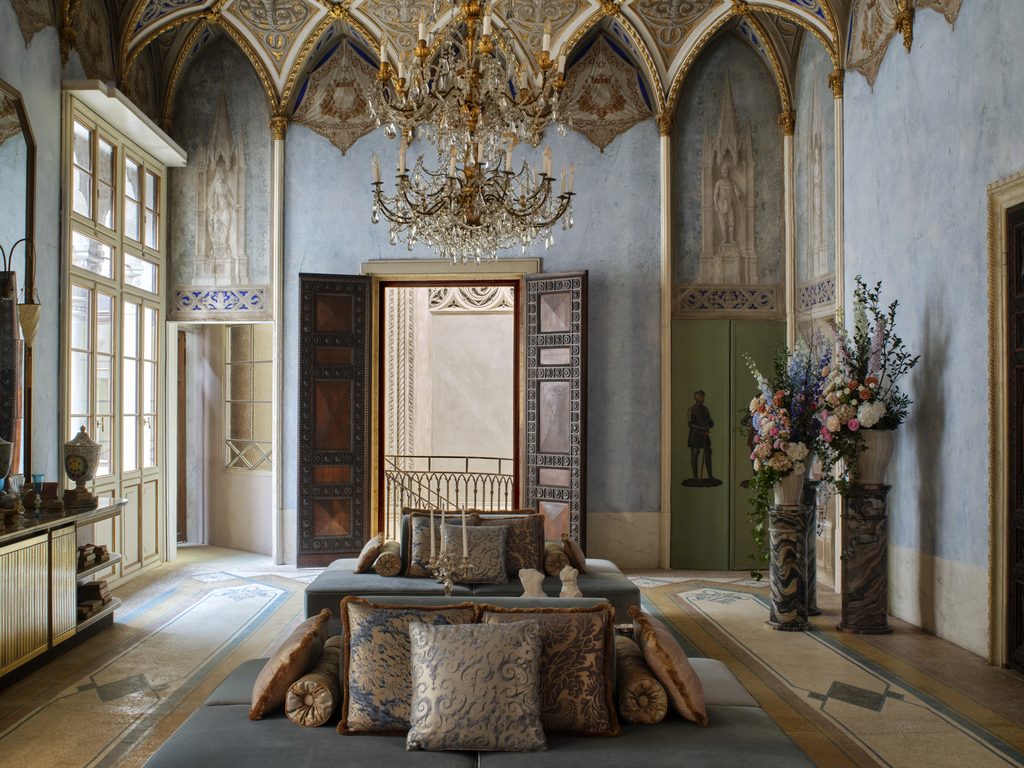
Embracing the duality of legacy and reinvention, the raw and the refined, I found inspiration in the legacy of Orient Express and the unique position of Venice as a gateway between East and West. My multicultural background, as a world traveller born in Beirut, Parisian at heart, with a deep love for Italy and its high craft, allows me to navigate cross cultural narratives with grace and depth, guided by the freedom of a literary voyager. Remembering that Venice stands between these two worlds, I commissioned a fellow Lebanese artist, Shaha Raphael, to create two delicate mirrors adorned with shells, hand welded and gilded, that travelled from Beirut to grace the walls of the Wagon Bar.
There is always an invisible thread connecting my work to my roots, to the sea, and to the shifting tides of our identities. This connection finds expression in the sculptural installation adorning the walls of La Casati restaurant, for which I commissioned Marseille-based artist Emmanuelle Luciani. Together, we sought to celebrate the Marchesa’s eccentric spirit and magnetic aura, while evoking the Mediterranean, whose waters carry us back to the shores of Lebanon. My aesthetic foundation lies in finding beauty in the traces of time and in fostering cultural dialogue.
My aesthetic foundation lies in finding beauty in the traces of time and in fostering cultural dialogue. This renovation is a creative journey connecting past and future, bridging cultures and revealing layers of time and enchantment.
After eight years inside the palazzo, what became your favourite detail, the one moment that still moves you every time you see it?
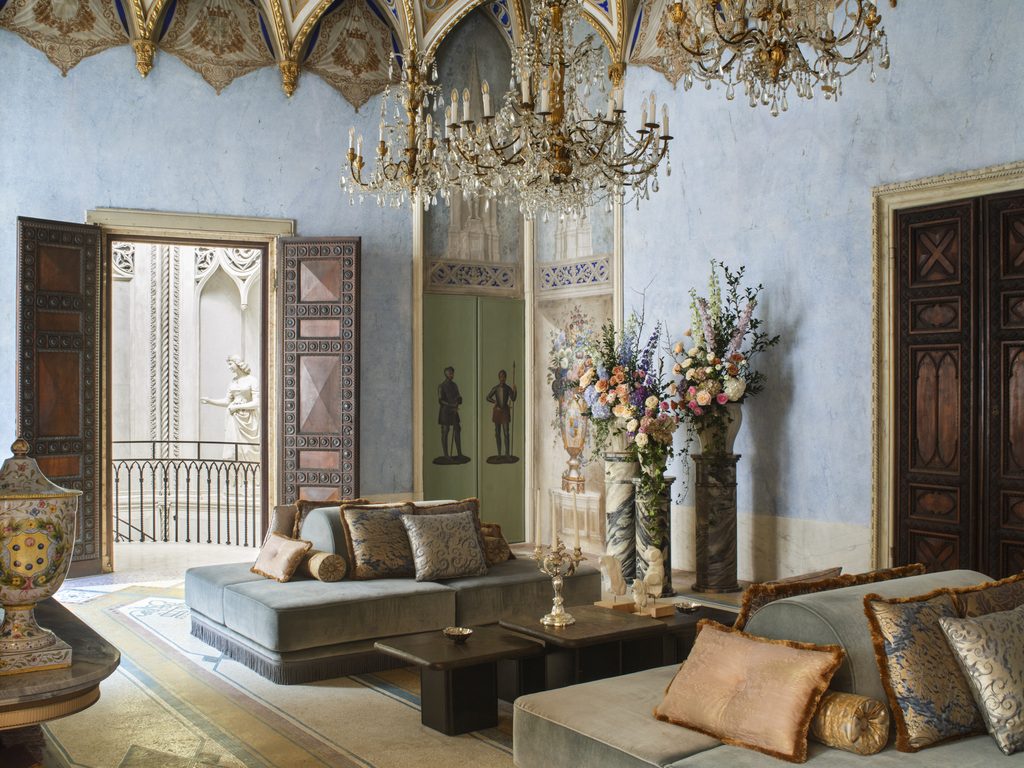
My favourite details are those where the historical is not simply restored but reinterpreted in high craft, within a contemporary narrative. In the Orient Express suite, I brought intimacy and theatre together, reusing what once belonged to the past. Watching over the room, the suite’s masterpiece, a sculptural fireplace carved from richly veined marble, crowned by a shell and flanked by Antonio Del Zotto’s caryatids, with a grand canopy bed in moiré silk capturing its grandeur while serving as a quiet cocoon. In every corner of the palazzo, spaces are revived with dramatic flair, infused with a touch of the unexpected.
Was there a moment during the restoration that took even you by surprise?
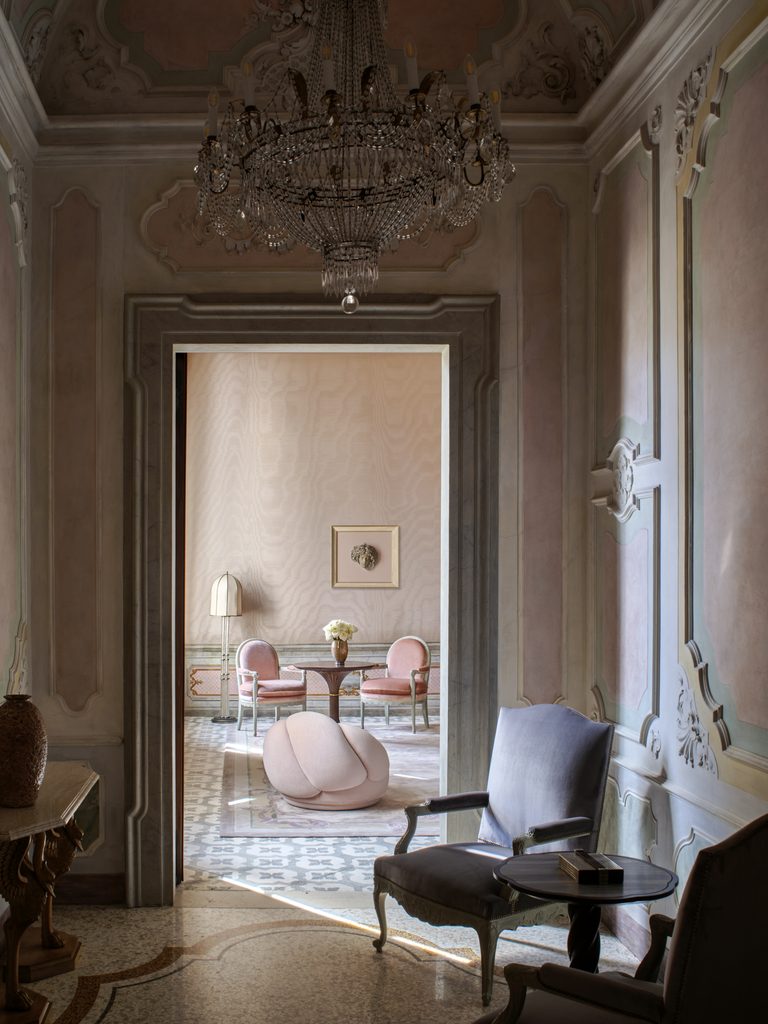
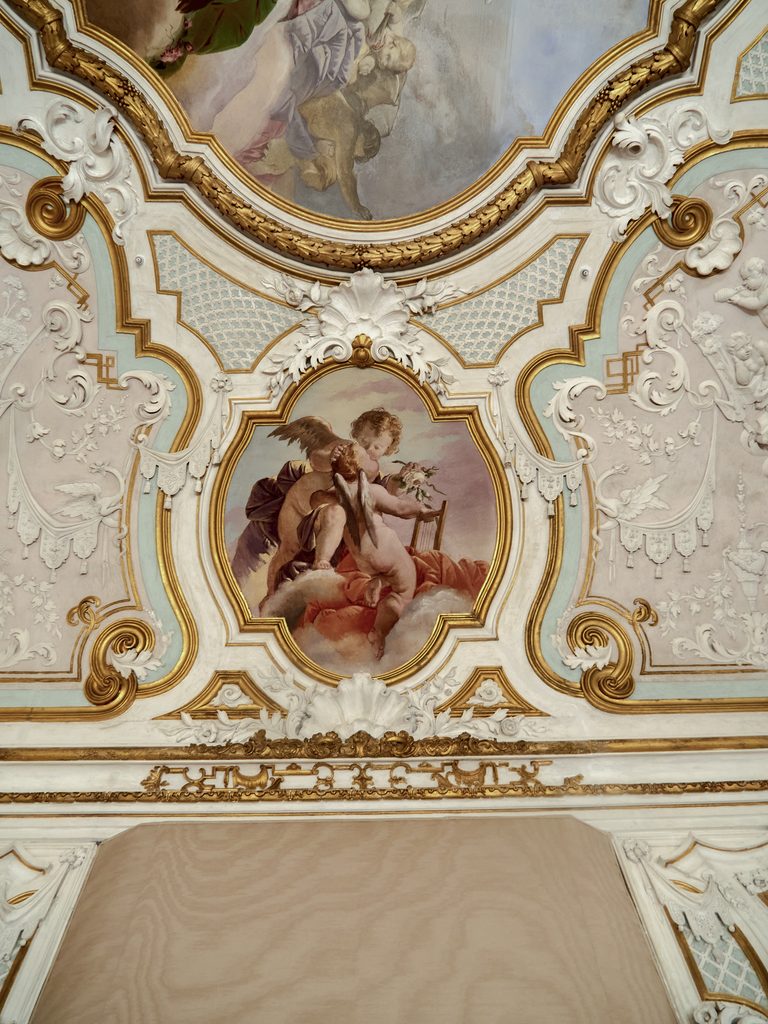
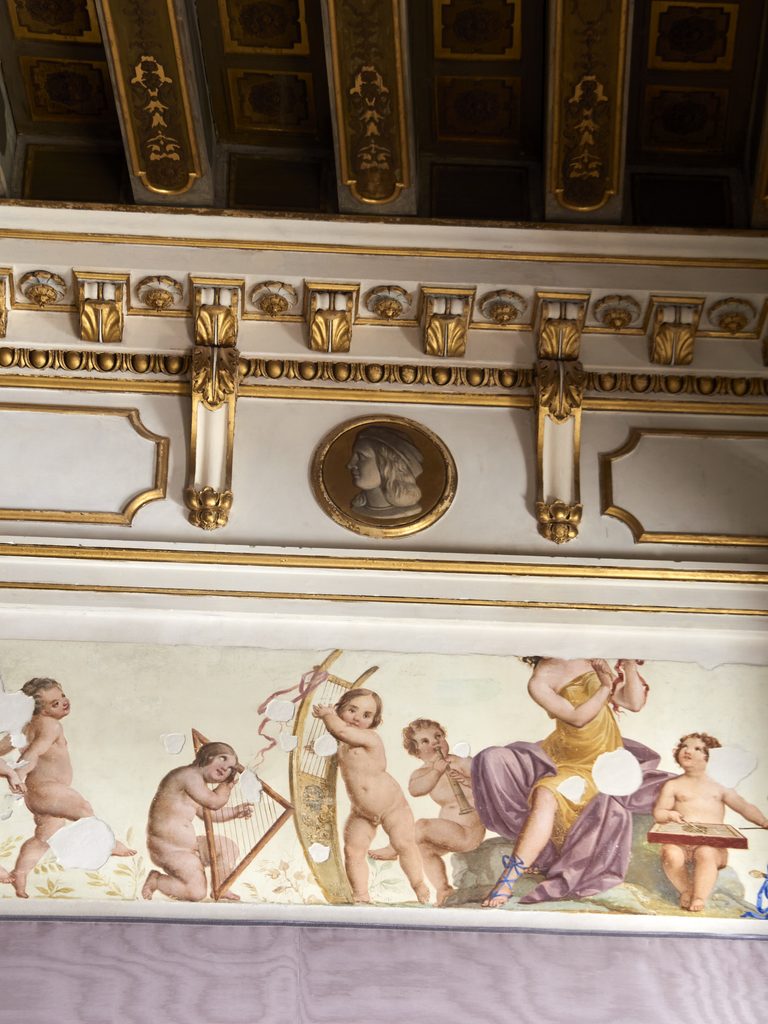
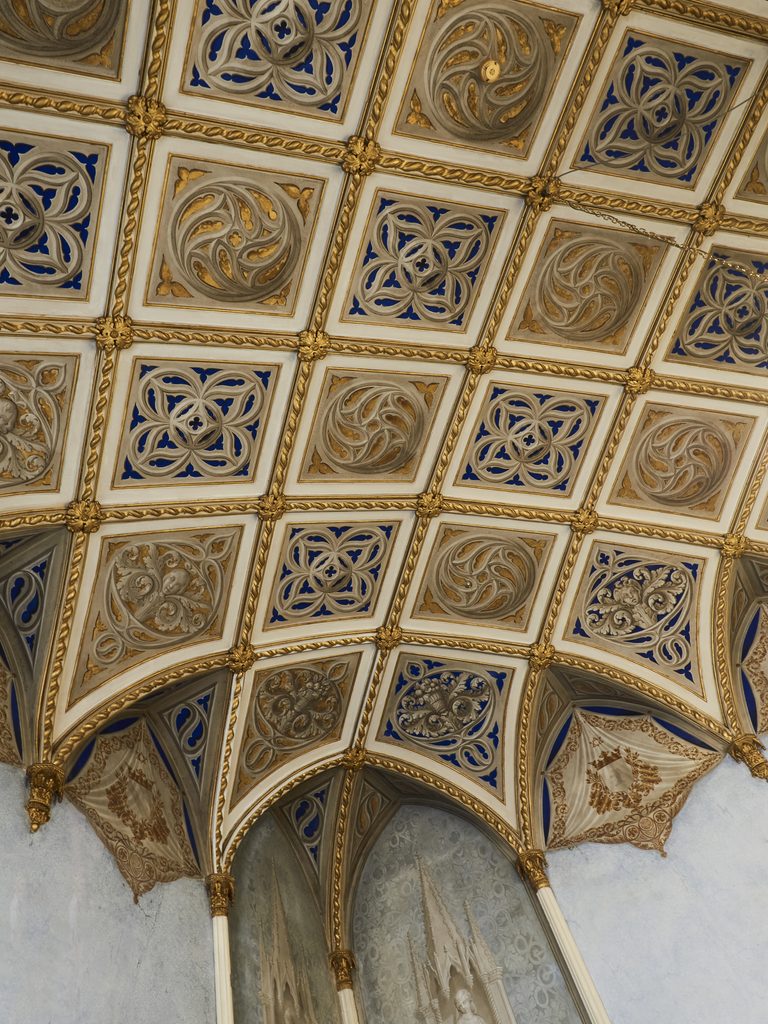
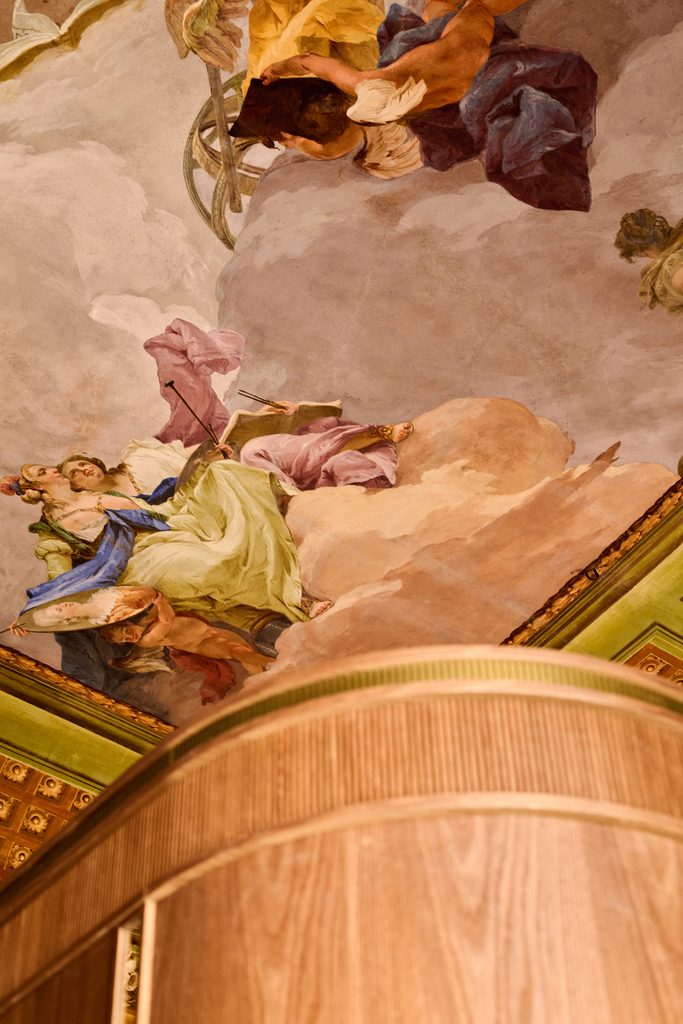
One day, a restorer perched on scaffolding, repairing what seemed to be a decorated flat ceiling, suddenly faced a crack and discovered a whole new dimension behind it. Equipped with a torch, he looked inside the hole and discerned a double ceiling, a vault with a spectacular richly decorated fresco hidden for centuries. I will always remember this moment, before and after the revelation of La Minerva, the Roman goddess of wisdom, strategy and the arts, painted in the 18th century by Costantino Cedini, a Tiepolo inspired artist. Surprises awaited beneath every surface, sometimes real epic stories with goddesses and allegories that reveal themselves in the most unexpected way, just like in myths. We named the suite in her honour, a tribute to that fulfilling moment and the undying presence of the fresco.
If someone stayed only one night at Orient Express Venezia, what is the one feeling you would want them to leave with?
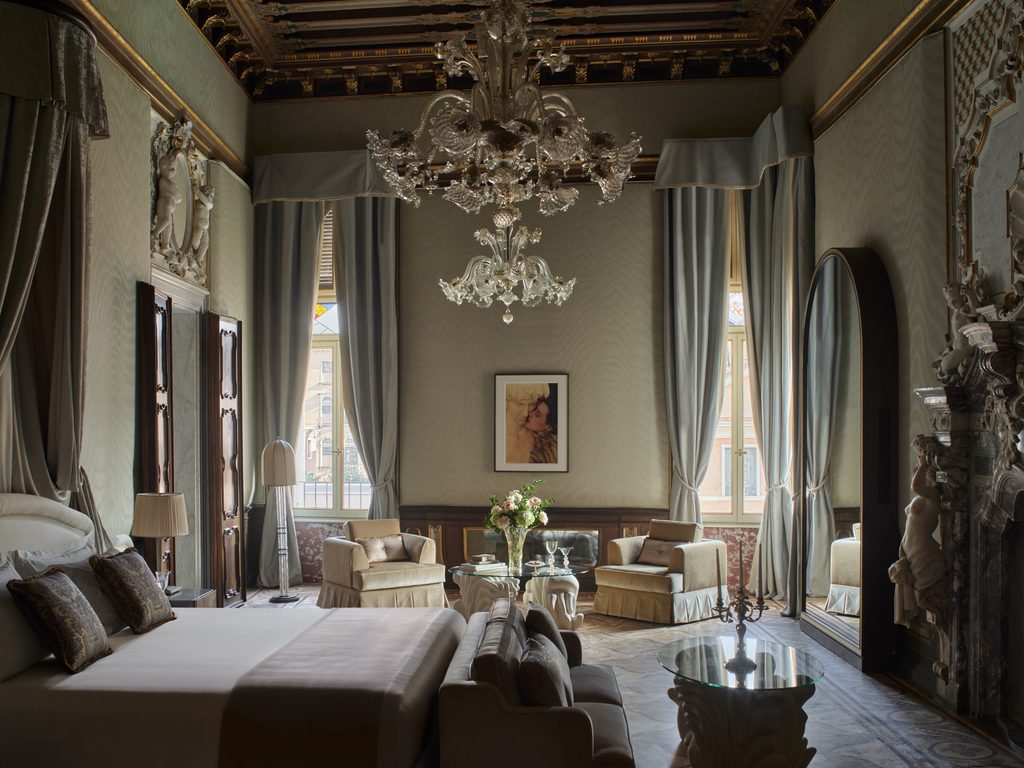
I love to hear guests say they feel like they are walking into a painting, touched by the grace of the palazzo’s undying youth. This was always the home of noble families, a residence that passed through generations, from the Duke of Urbino to the Donà to the Giovannelli. Today, we transformed this great mansion into an Orient Express hotel, and my aim was to keep the spirit of place, to redefine every volume, every interior, to seamlessly introduce this new lease of life. From the architectural glory to the curation of every objet d’art, everything is embedded with narrative and soul, bridging the past with the present, with a sense of now.