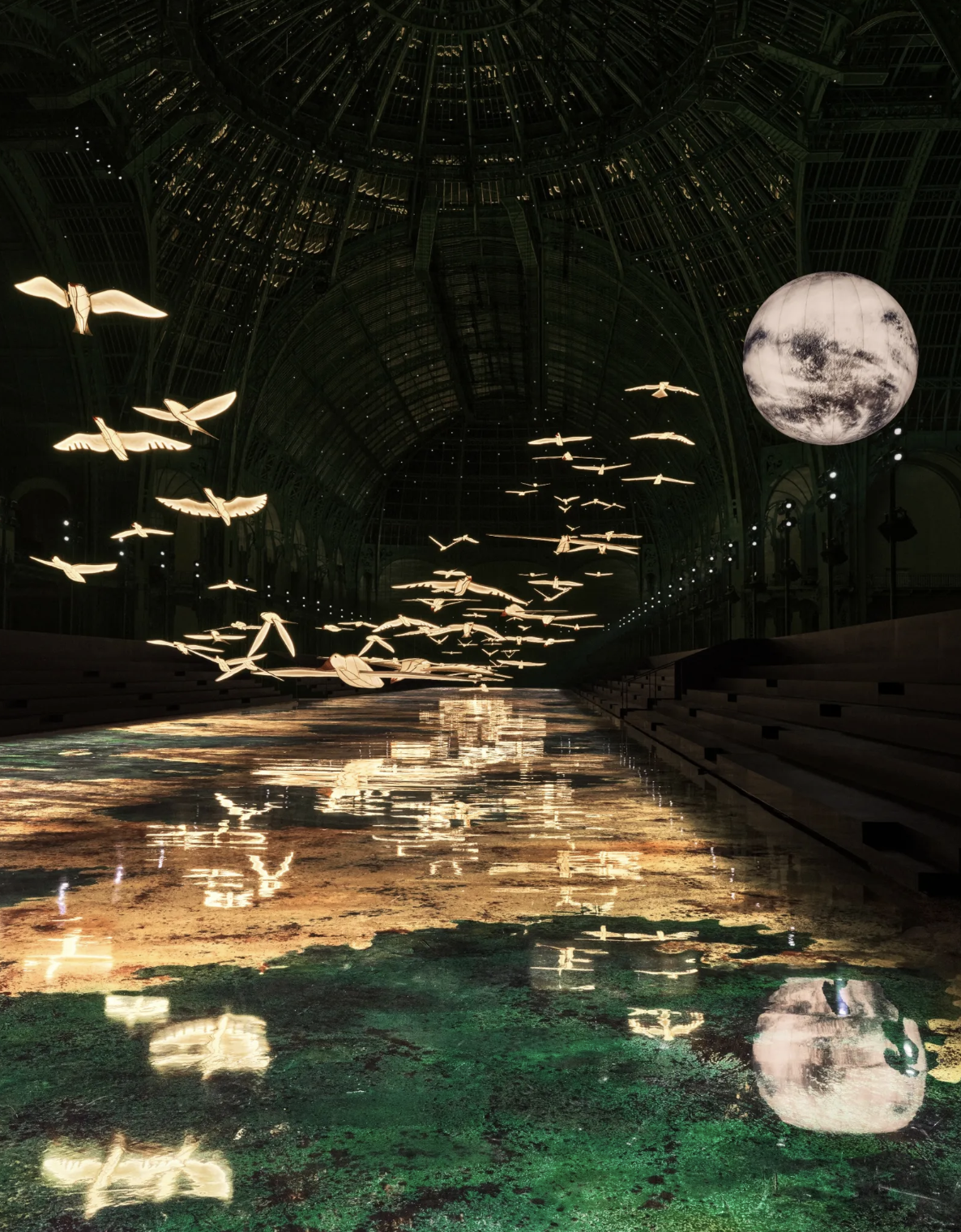
Homo faber, Latin for “man the maker”, is the name Henri Bergson gave to humanity defined by what it builds rather than what it thinks; Hannah Arendt picked up the phrase later in The Human Condition. The Michelangelo Foundation borrowed it for its craftsmanship biennial, which returns to Venice’s San Giorgio Maggiore from 1 to 30 September for a fourth edition, “An Island of Light,” directed by the stage designer Es Devlin. Some 500 artisans from 70-odd countries will fill the Fondazione Giorgio Cini’s halls and cloisters. Fourteen of them come from six countries across the Middle East and North Africa, and taken together, they make as strong a case as any for what the biennial is actually for.
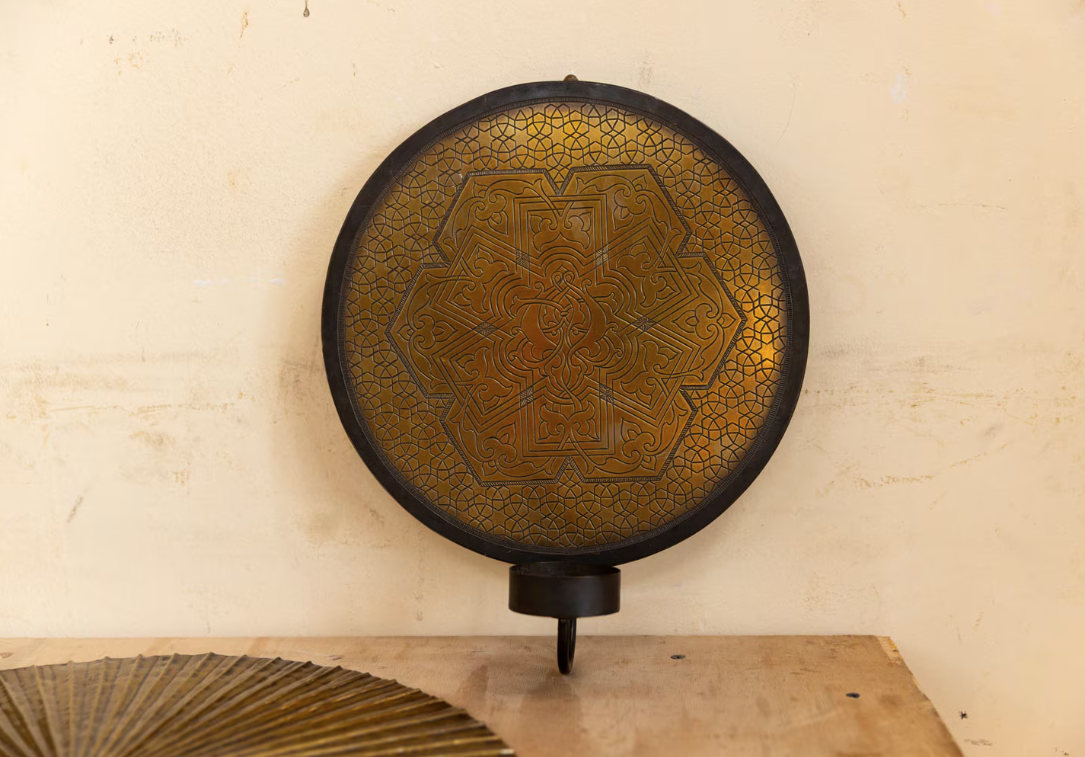
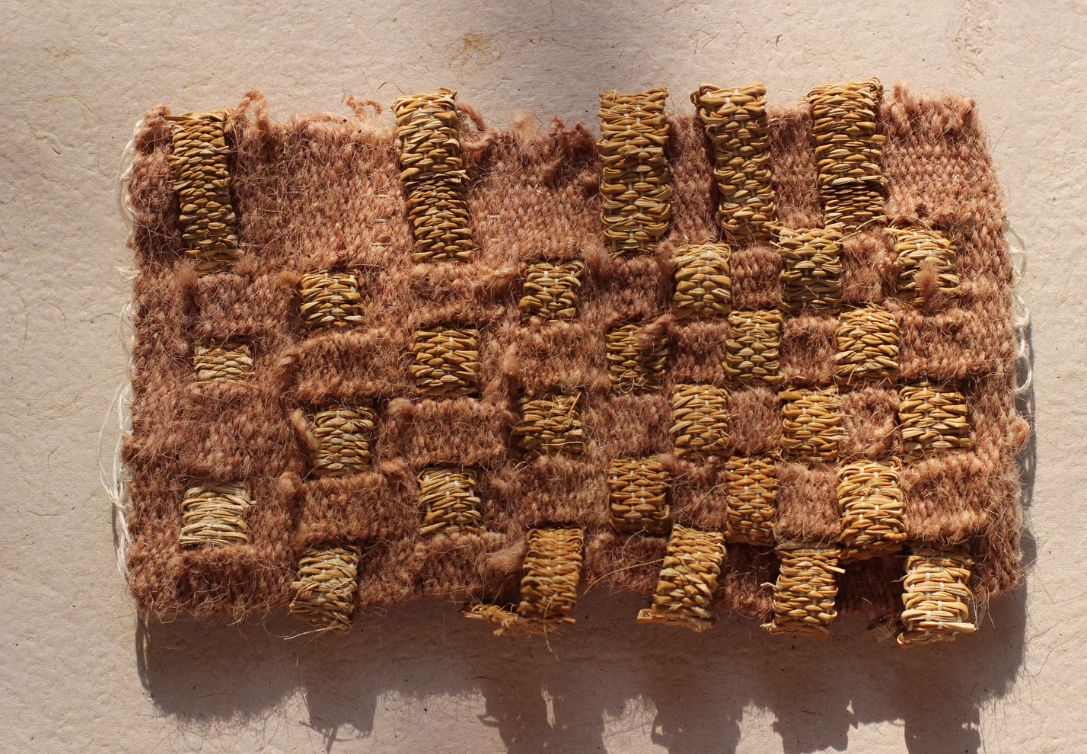
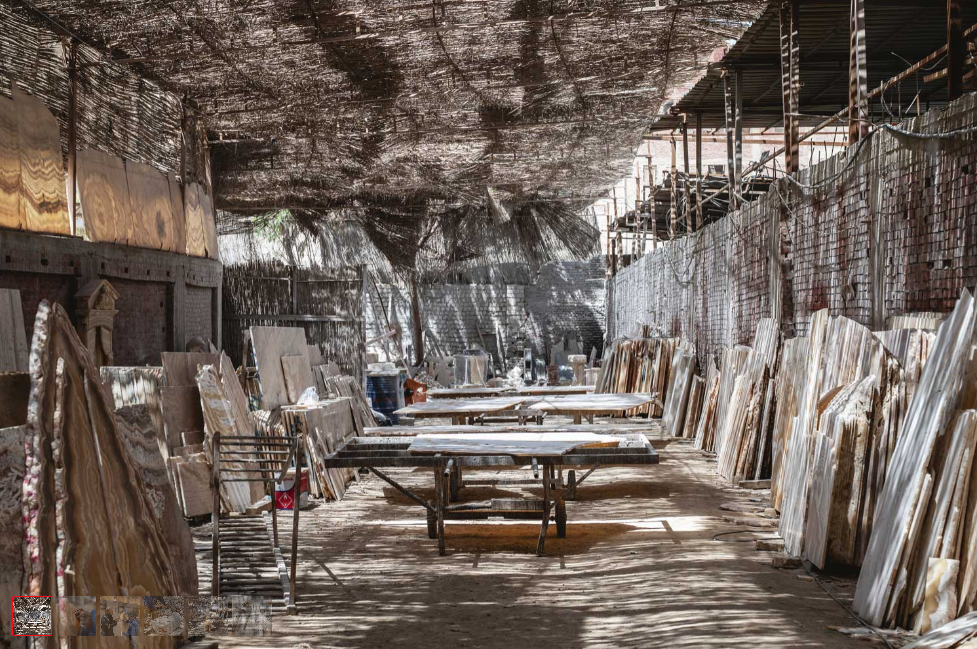
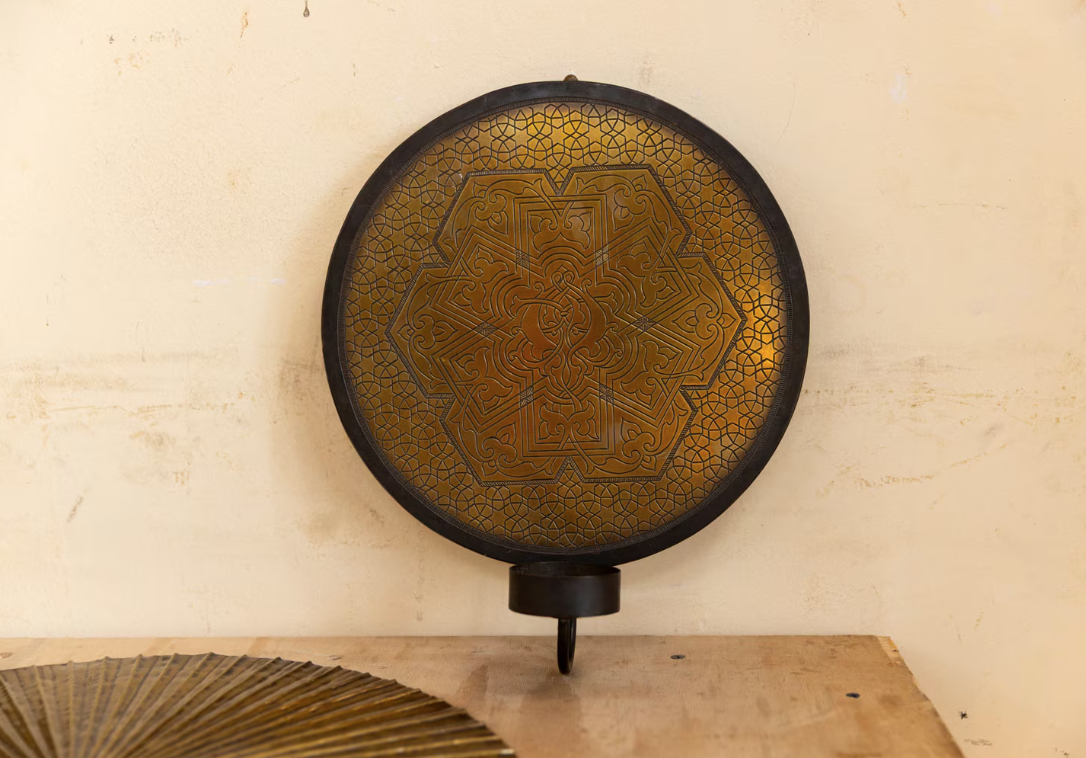
Start in Bahrain, where Mhairi Boyle spent two years earning the trust of the weavers of Bani Jamra before they let her experiment alongside them; her practice now moves across the Gulf, working Gulf fibres and natural dyes into a nseej weaving tradition she’s helping keep alive. Egypt sends two very different practices: Omar Chakil, who renamed the alabaster he’d seen reduced to ashtrays as a child “pharaonic alabaster” and built a whole design studio around reclaiming it, and Noha El Qahwagy, turned away from Cairo’s metalworking workshops as a young woman and now teaching others to reinterpret Islamic motifs in upcycled brass and copper.
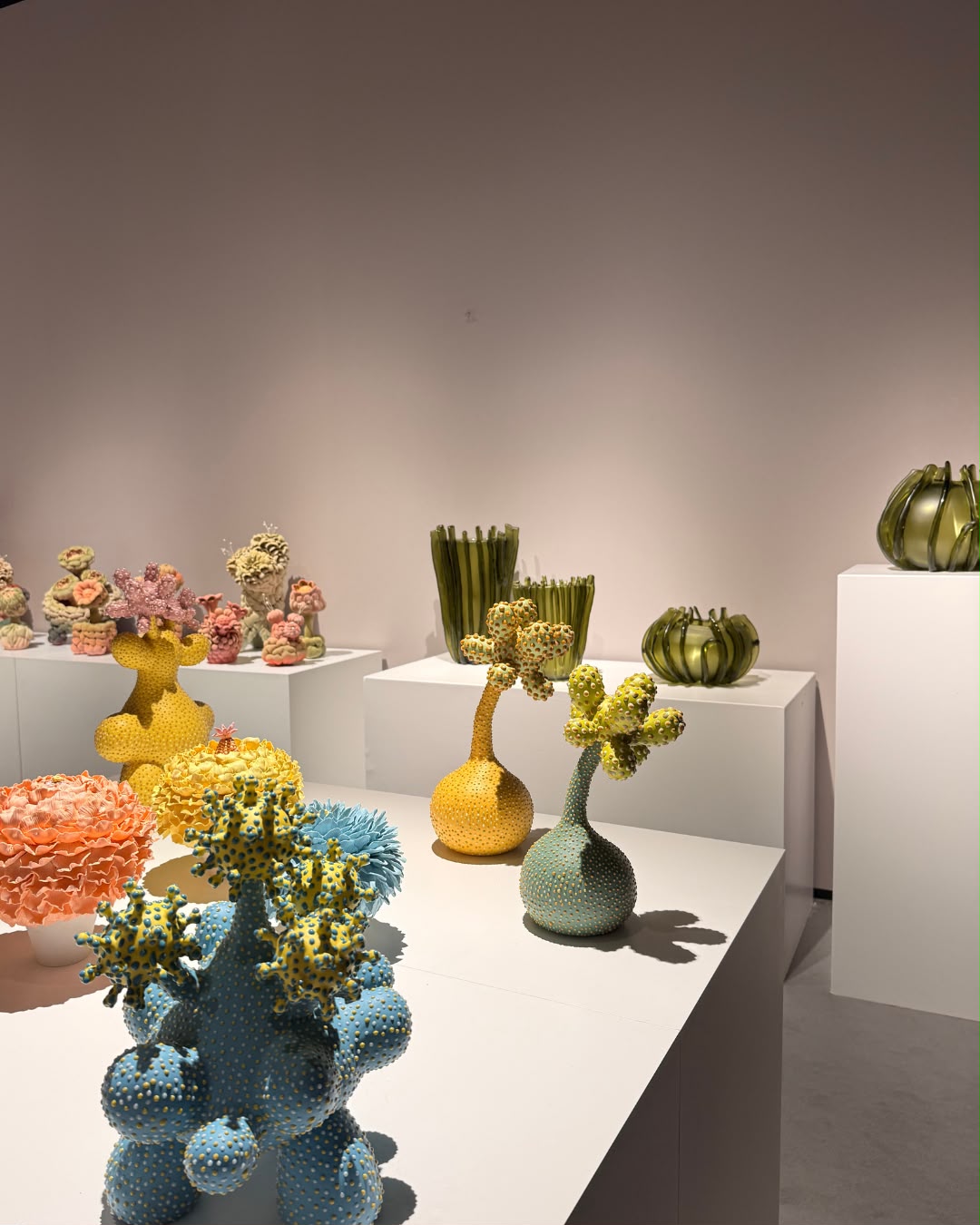
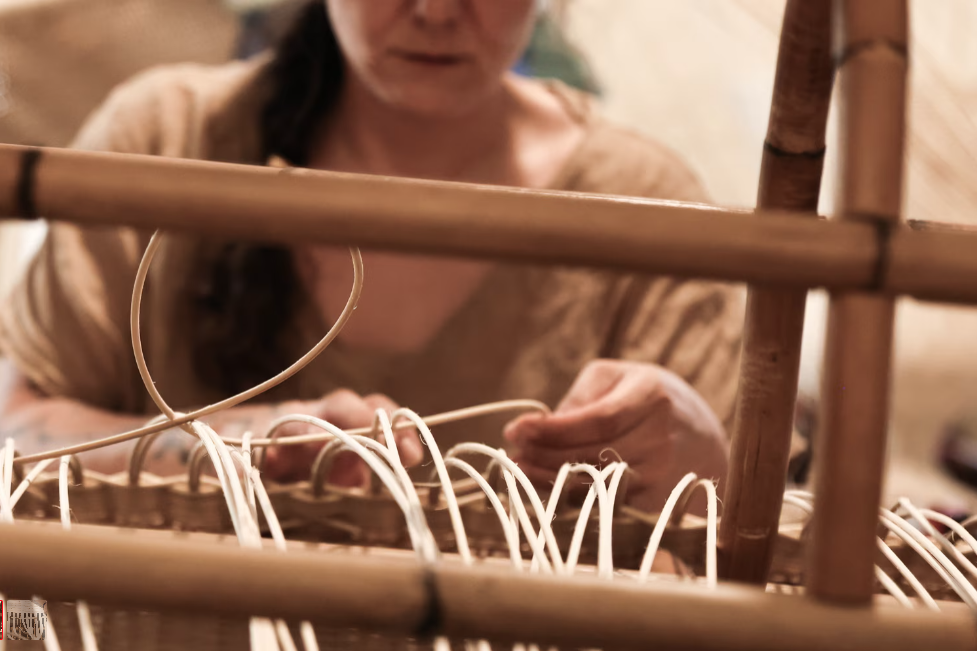
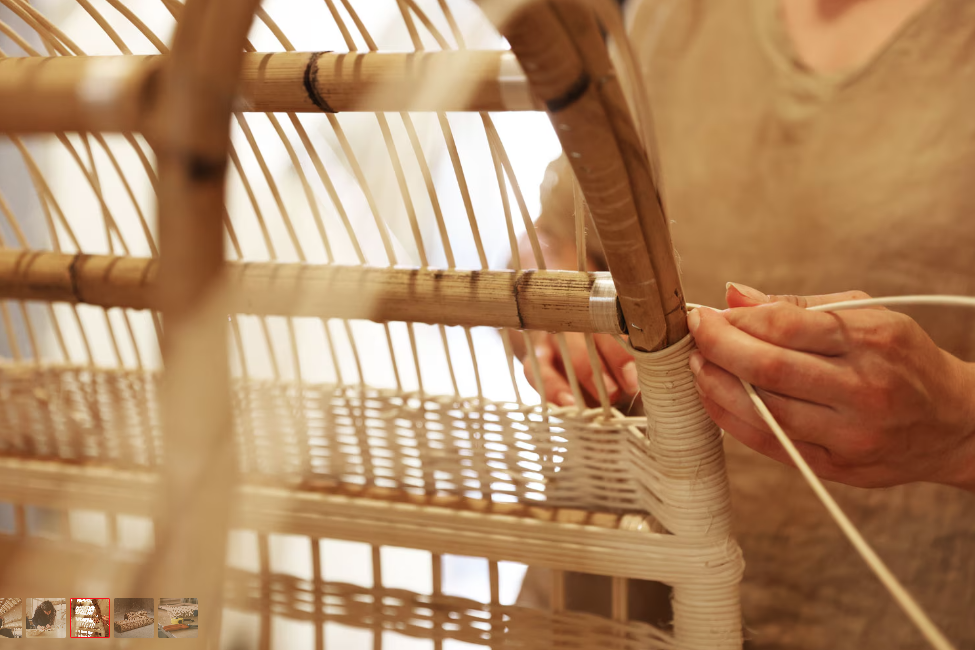
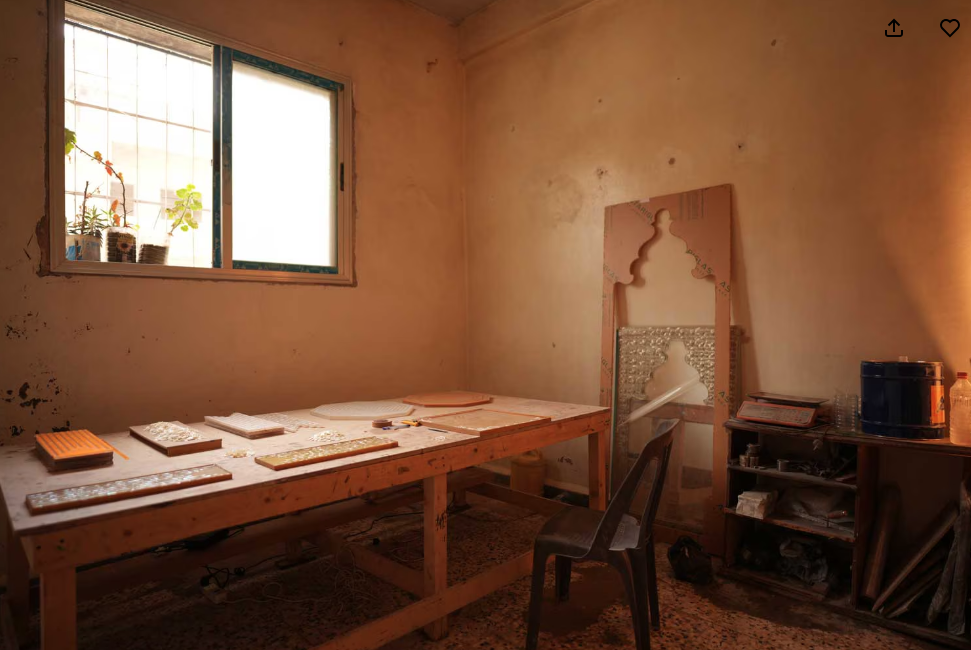
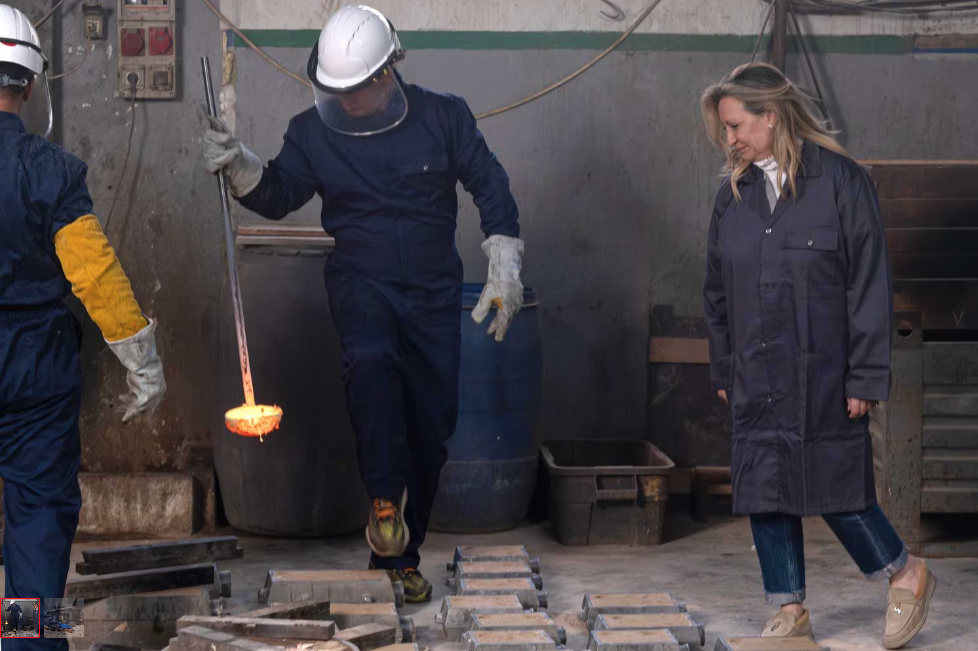
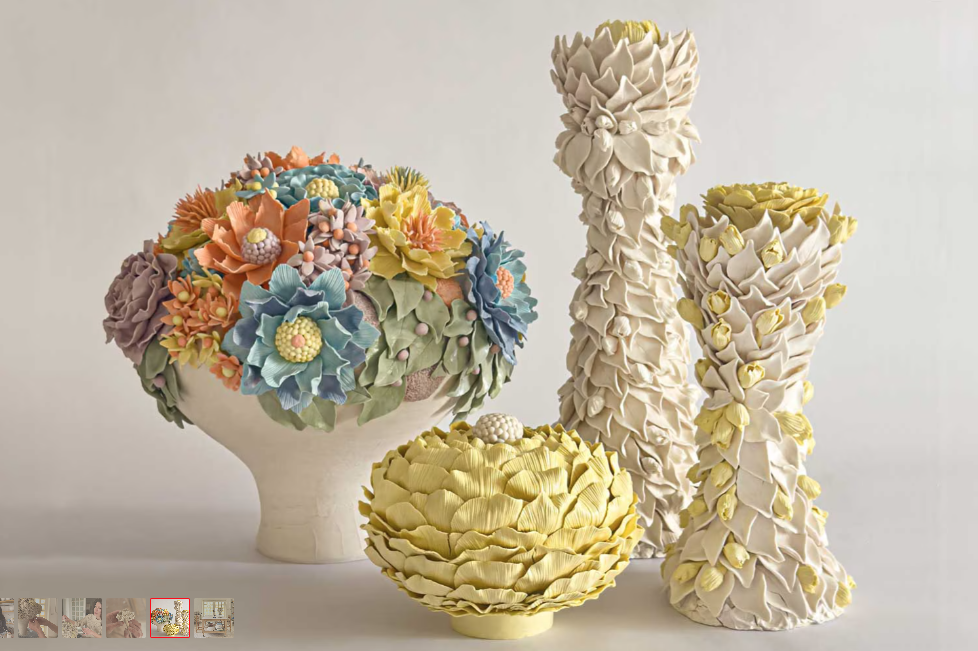
Lebanon supplies the largest contingent: five names, one credentials list that reads like a masterclass in materials. MARIAGROUP, the Beirut architecture studio run by siblings Georges and Michèle Maria, brings a scenographic eye to interiors across the Middle East and Europe, often in step with the self-taught rattan weaver Dima Stephan, who runs her own studio, Rattan Hun, and trains apprentices there. Mother-of-pearl artist Nada Debs, trained at RISD and based between Beirut, Dubai and Kobe, has spent years pushing her intarsia work onto lighter, more contemporary bases in place of traditional wood. Aline Hazarian casts sculptural furniture, consoles, cabinets, lighting, mirrors, in bronze from her own Beirut foundry, work shaped by what she describes as a deep awareness of fragility and permanence. And Andrea Nassar intuitively combines stoneware and porcelain into vessels embellished with hand-shaped petals and leaves, each piece taking up to ten twelve-hour days to complete.
From Morocco, Hamza Kadiri works primarily in ash wood, building contemporary sculptures shaped by the stories his father told him of the woodworkers who built Fez’s Al Quaraouiyine; his pieces now sit in the permanent collection of Qatar’s National Museum of Islamic Arts.
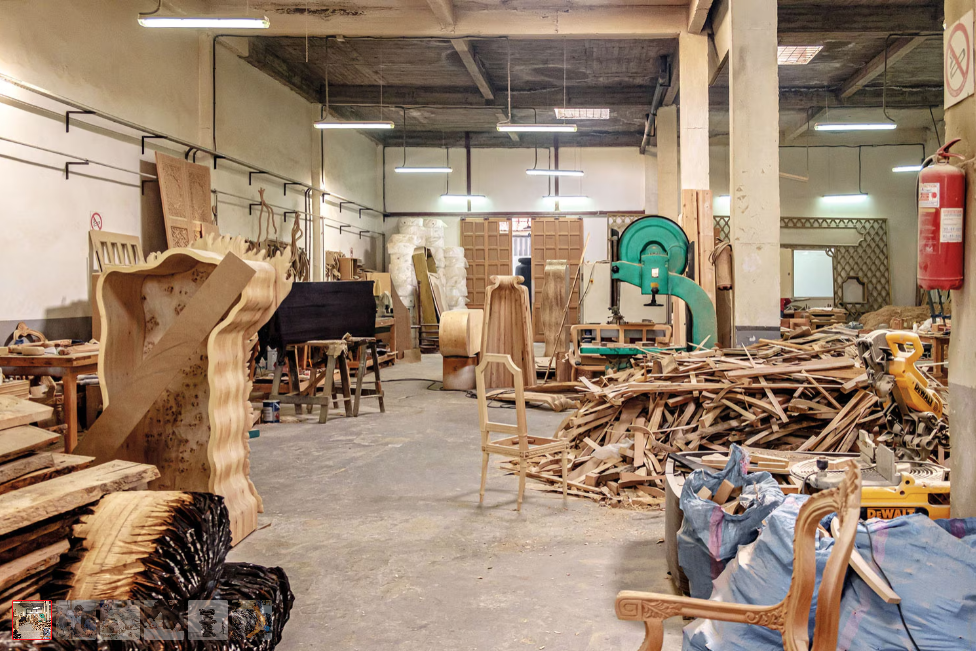
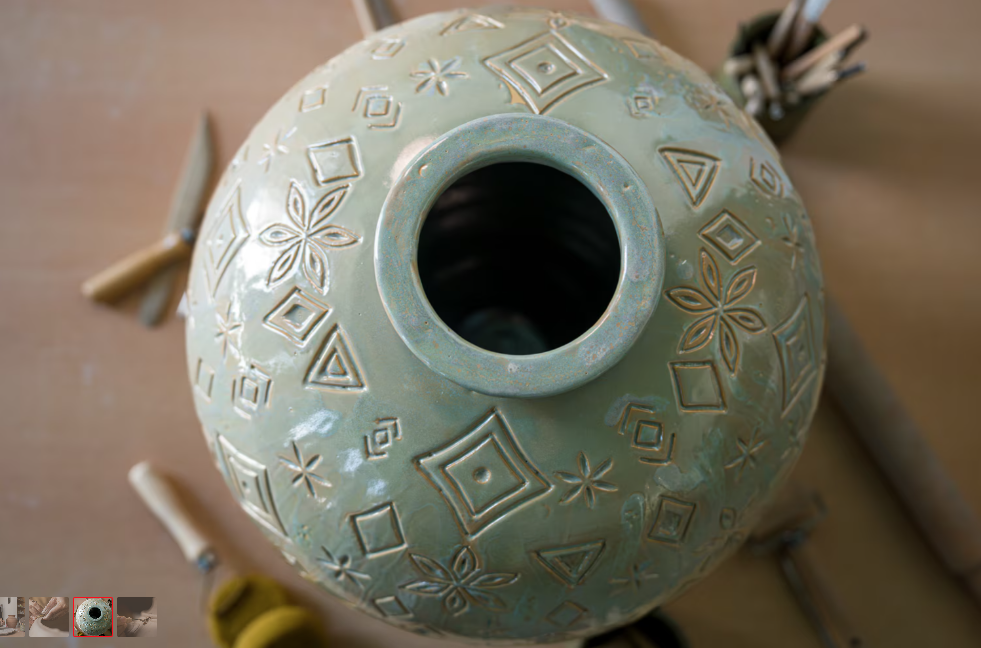
Saudi Arabia counts four: fifth-generation woodcarver Ahmed Alfawzan, who works alongside his son Abdullah to keep alive the geometric carving and hand-painted motifs of Najdi doors and windows; ceramicist Asma Alshamari, self-taught before training under a master, making tableware and sculptural pieces rooted in Saudi landmarks; and metalsmiths Ayat Dhahi and Revan Abdulsabour, both trained partly at the UK’s Bishopsland Educational Trust, Dhahi in chasing and repoussé, Abdulsabour in hand engraving and cold enamelling, researching ancient cross-cultural patterns through the Royal Institute of Traditional Arts.
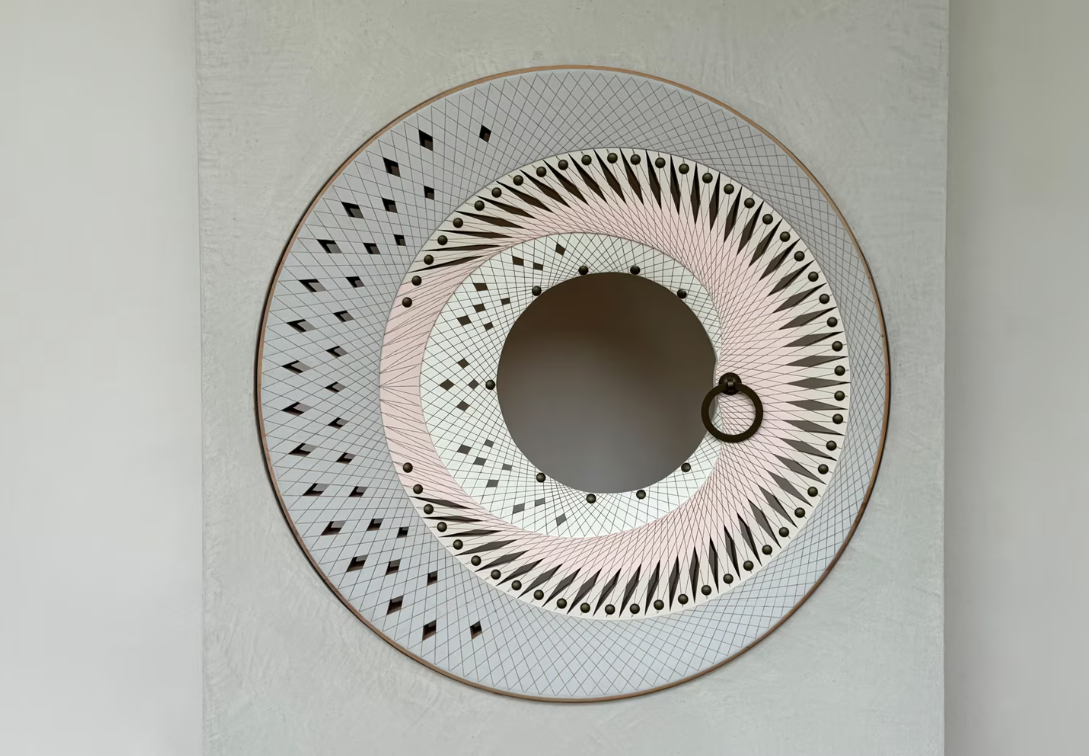
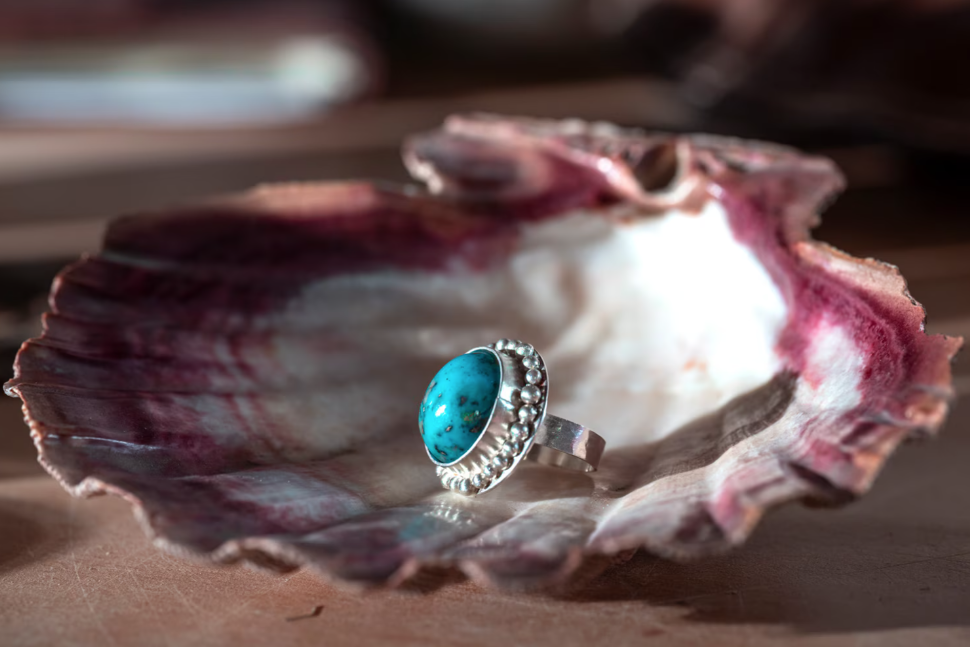
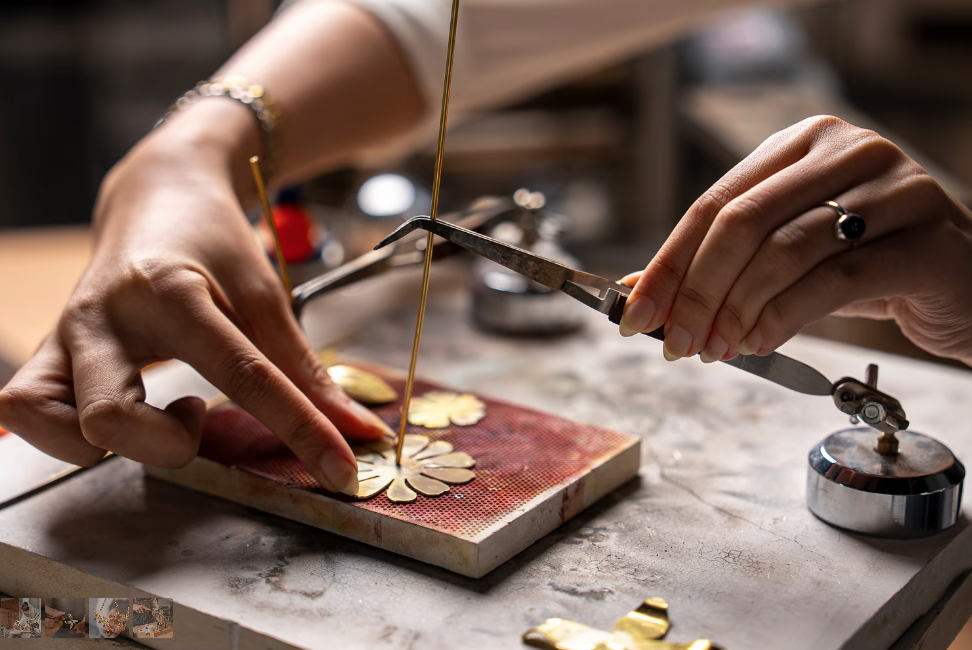
The United Arab Emirates is represented by Julia Ibbini, a self-taught Abu Dhabi sculptor who runs historical ornament through computational geometry before finishing everything, gold leaf included, by hand, a practice that has already drawn commissions from Cartier and, this year, additional backing from Qatar Museums.
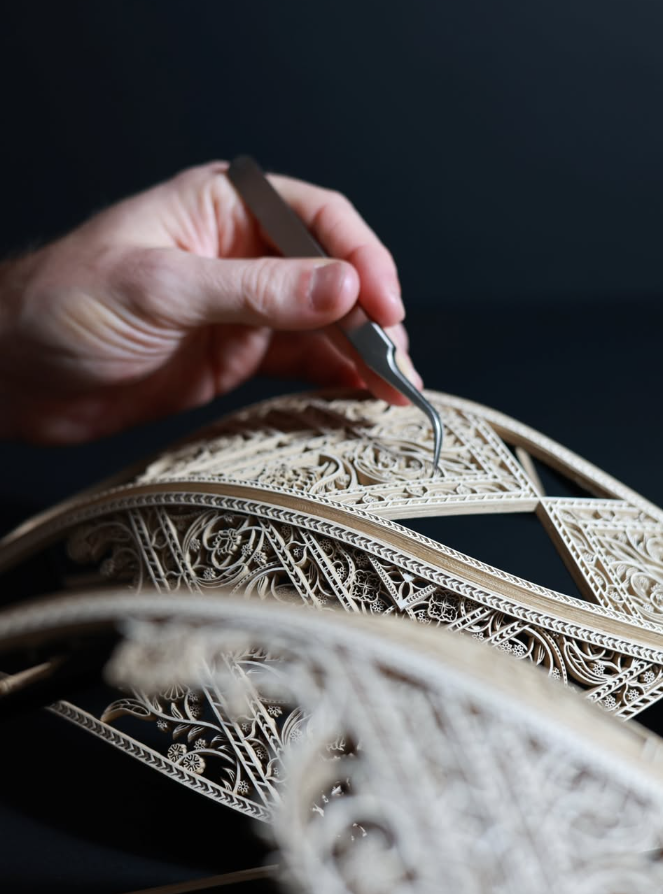
Different countries, different materials, same instinct: treat the hand as the last word, whatever tool got there first. That’s worth the vaporetto ride on its own.
Details: 1–30 September, Fondazione Giorgio Cini, San Giorgio Maggiore, Venice. Tickets at ticket.homofaber.com.