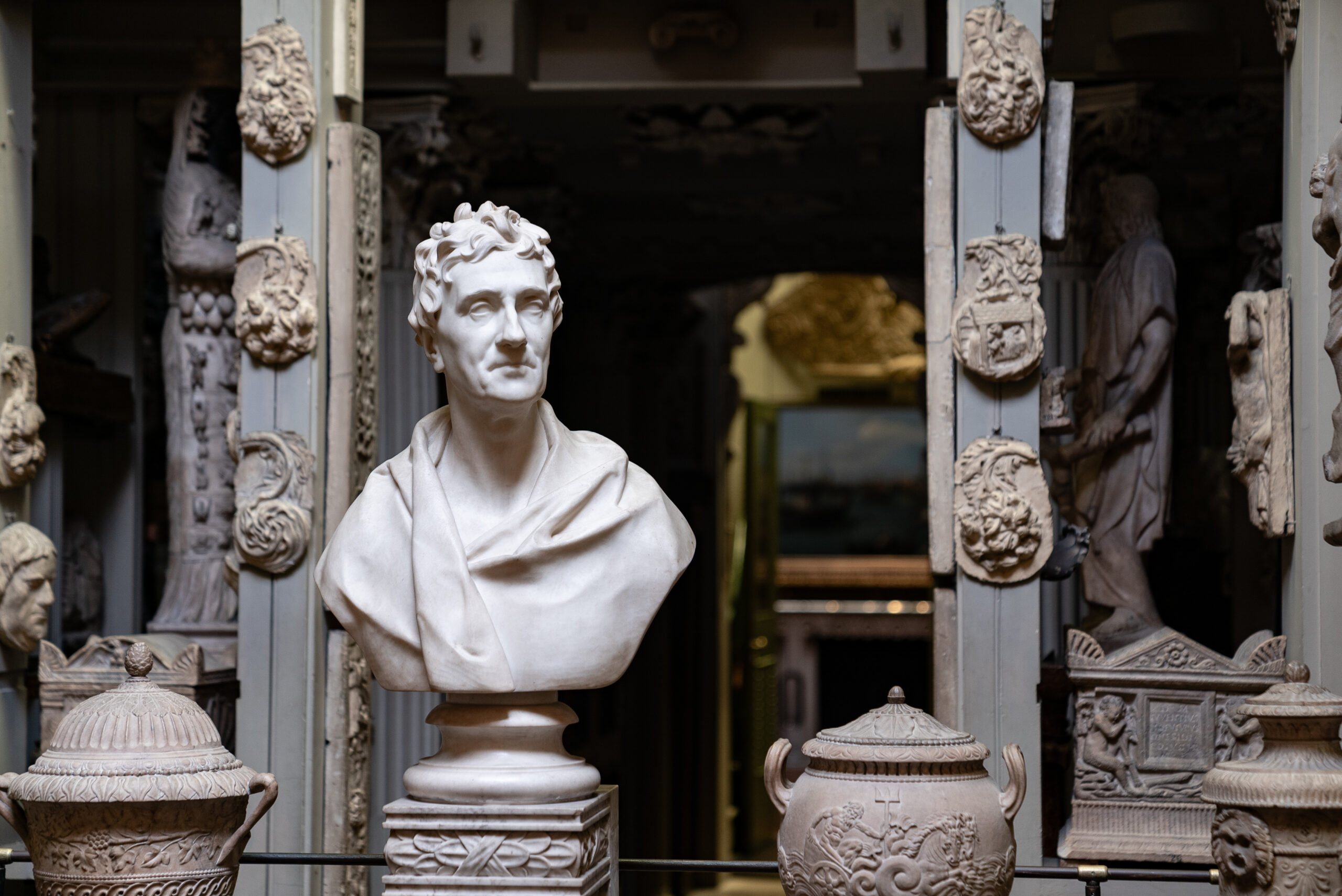
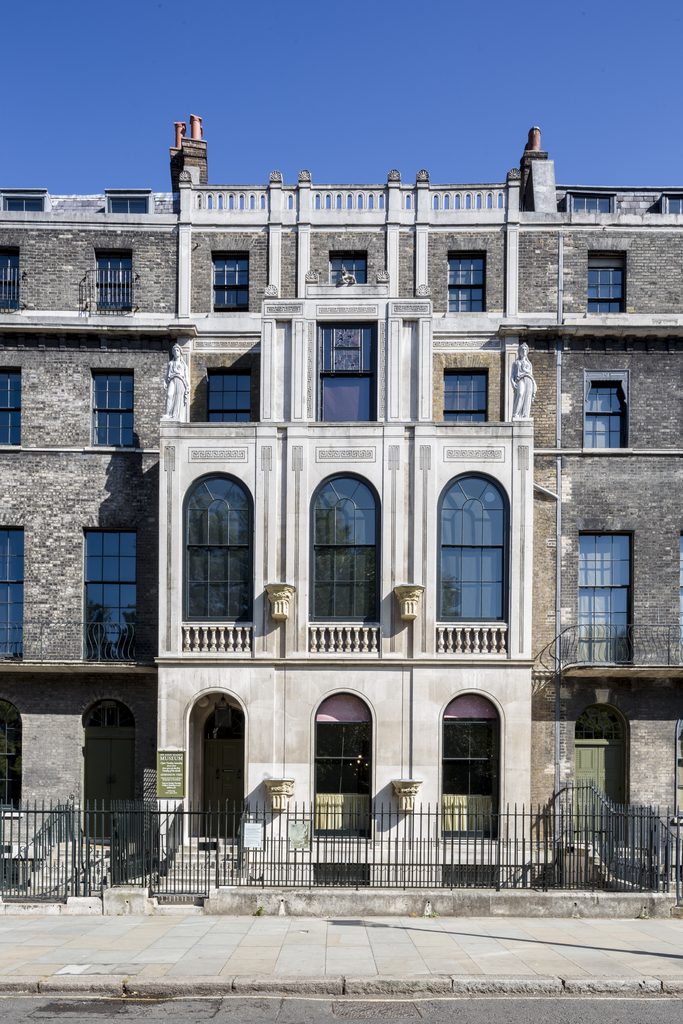
Lincoln’s Inn Fields is London’s largest square, and its finest secret sits quietly at number thirteen. From the outside, Sir John Soane’s Museum gives little away: a stone facade, a verandah, a discreet door. Inside, it is something closer to a private theatre of ideas, built by a man who never once stopped editing his own house.
Soane was the architect behind the old Bank of England, and by 1806, when he took up the chair of Professor of Architecture at the Royal Academy, he had begun to think of his home less as a residence and more as an argument. Every room became a demonstration: about light, about proportion, about how an object should be seen rather than simply displayed. He filled the house with casts, models, and antiquities for his students, then quietly arranged, through an Act of Parliament, for it to be frozen exactly as he left it. Nothing sold, nothing rearranged. It has stood untouched since 1837, which makes it one of the rare places in this city where the past has not been curated for us. It is simply still there.
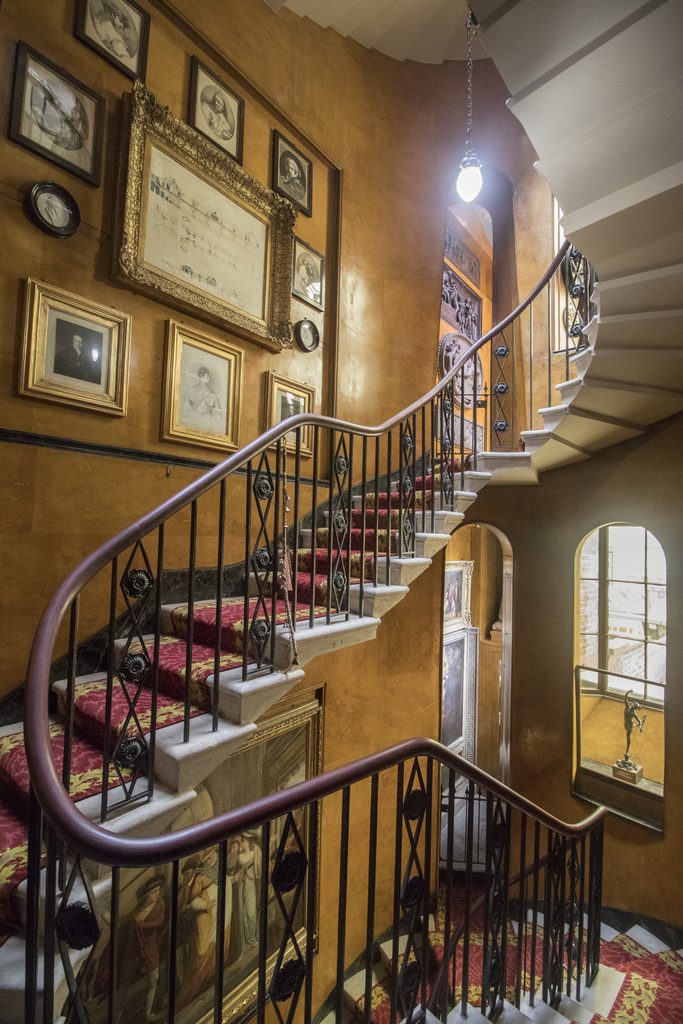
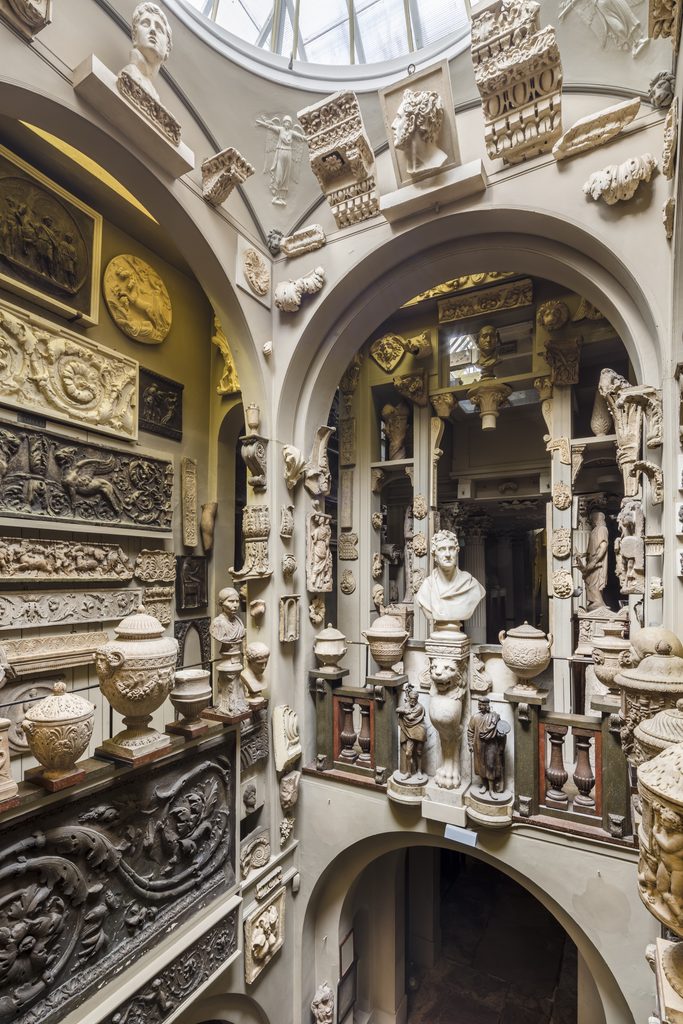
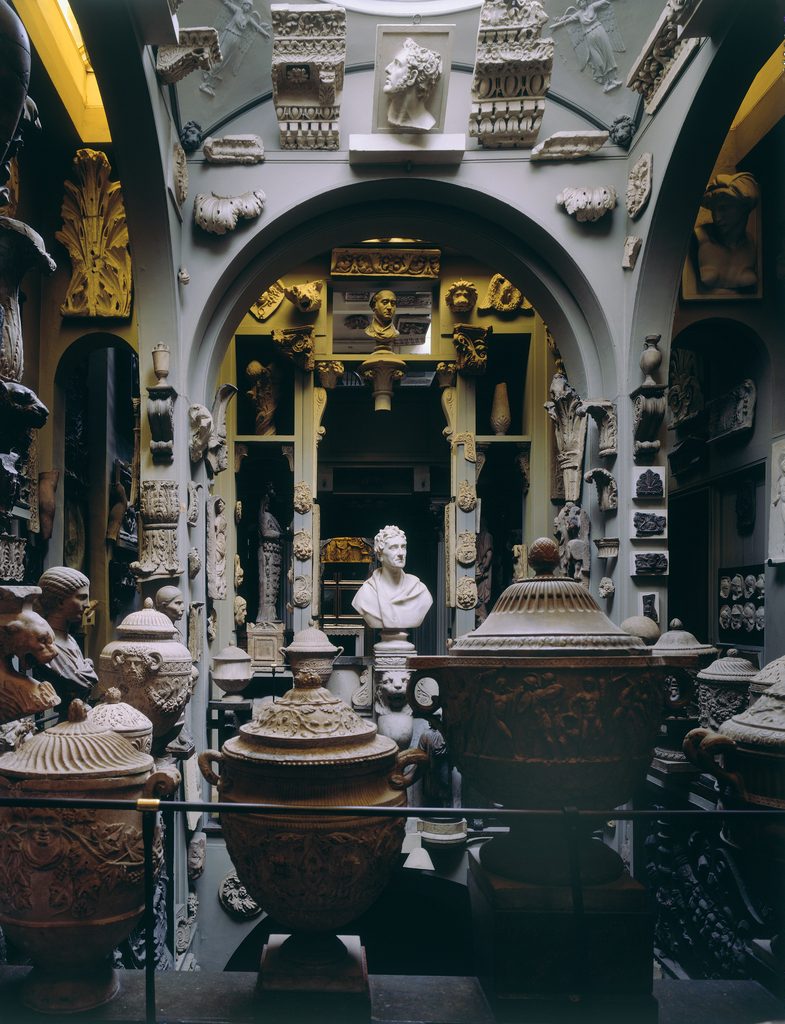
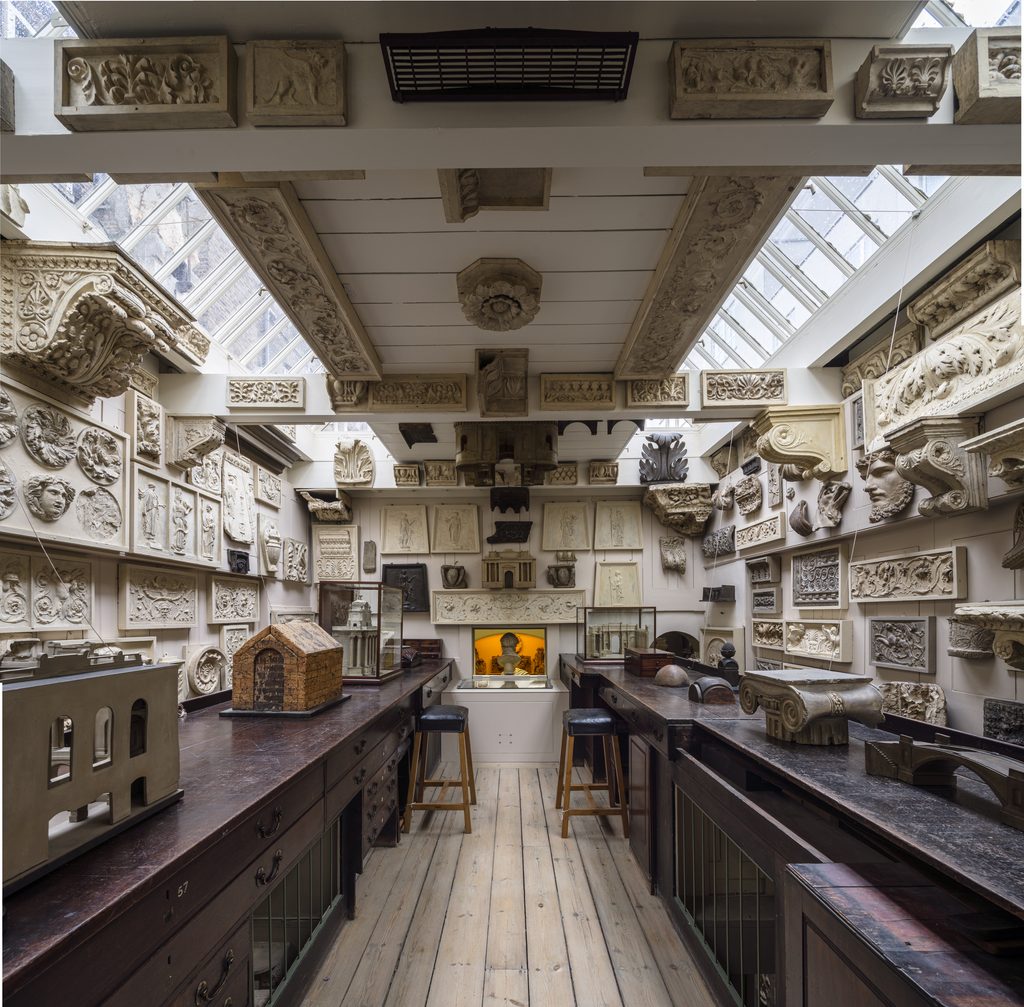
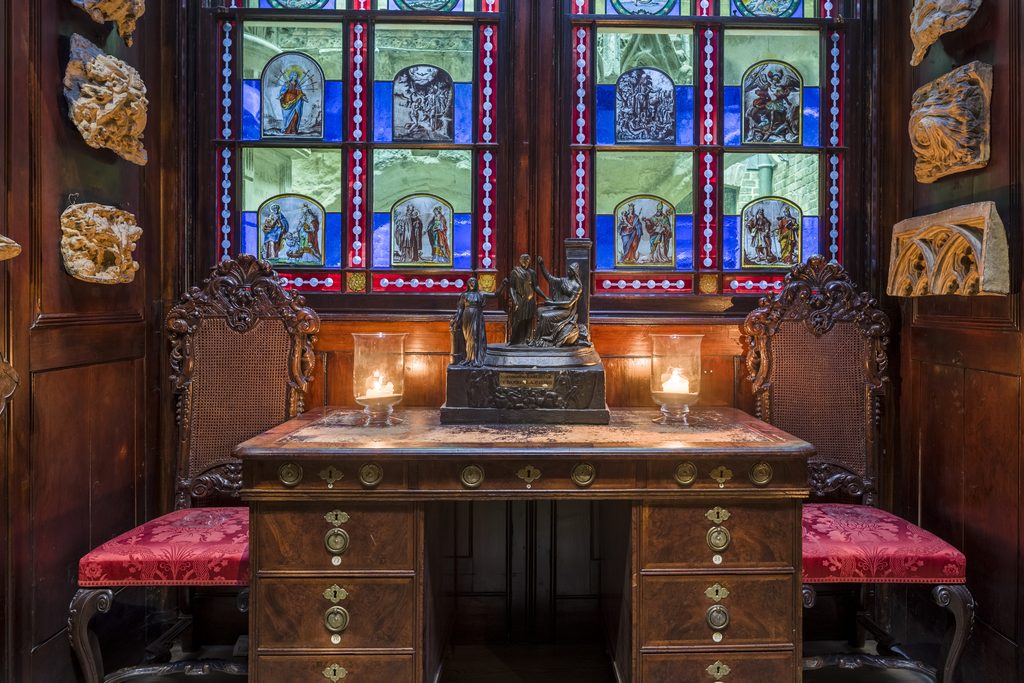
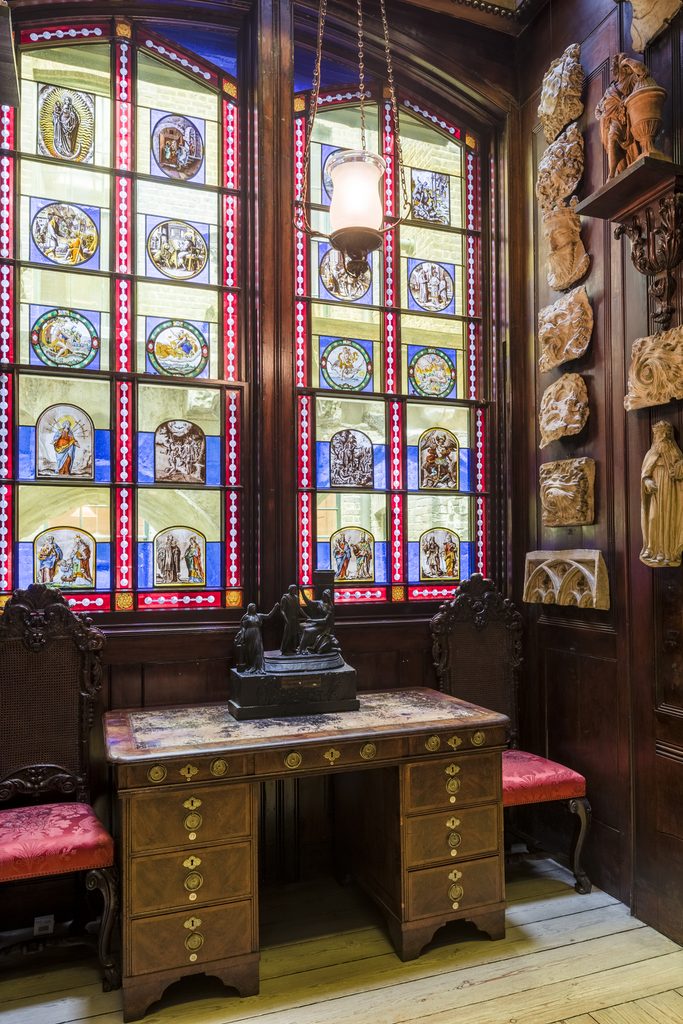
What strikes a visitor first is the light. Soane treated daylight as a building material, something to be cut, filtered, and redirected as deliberately as stone or timber. In the Breakfast Room, strips of amber tinted glass wash the walls in a permanent morning glow, while convex mirrors set into the shallow dome above multiply the room into fragments, doubling window, ceiling, and cornice into a private hall of mirrors barely large enough to hold a table. Mirrors recur throughout the house: above bookcases, inside niches, behind furniture, always working, never decorative for their own sake.
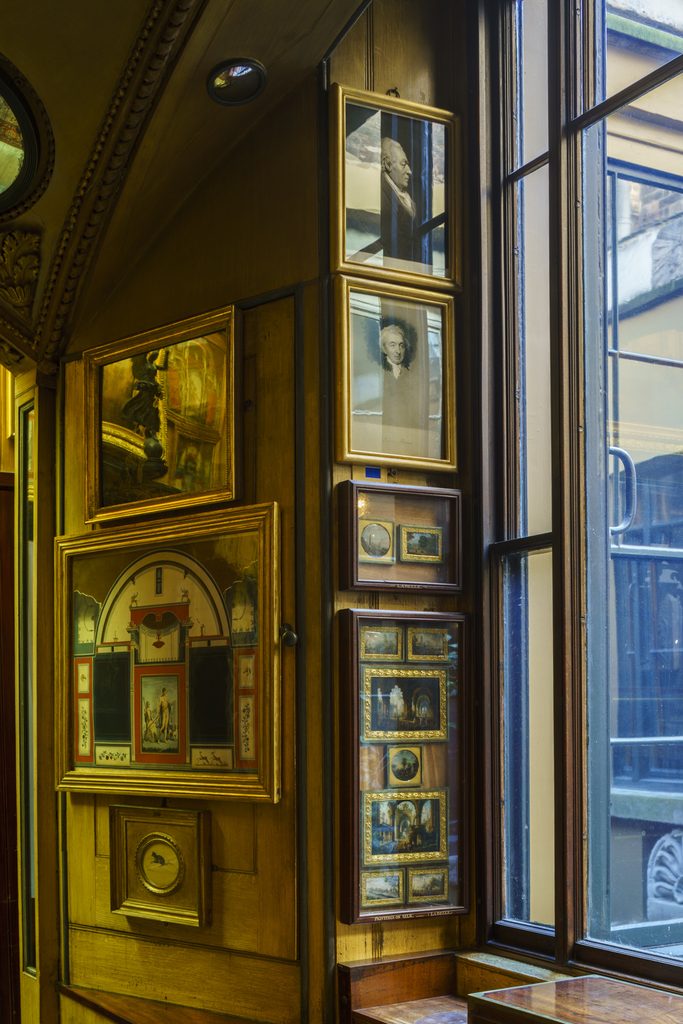
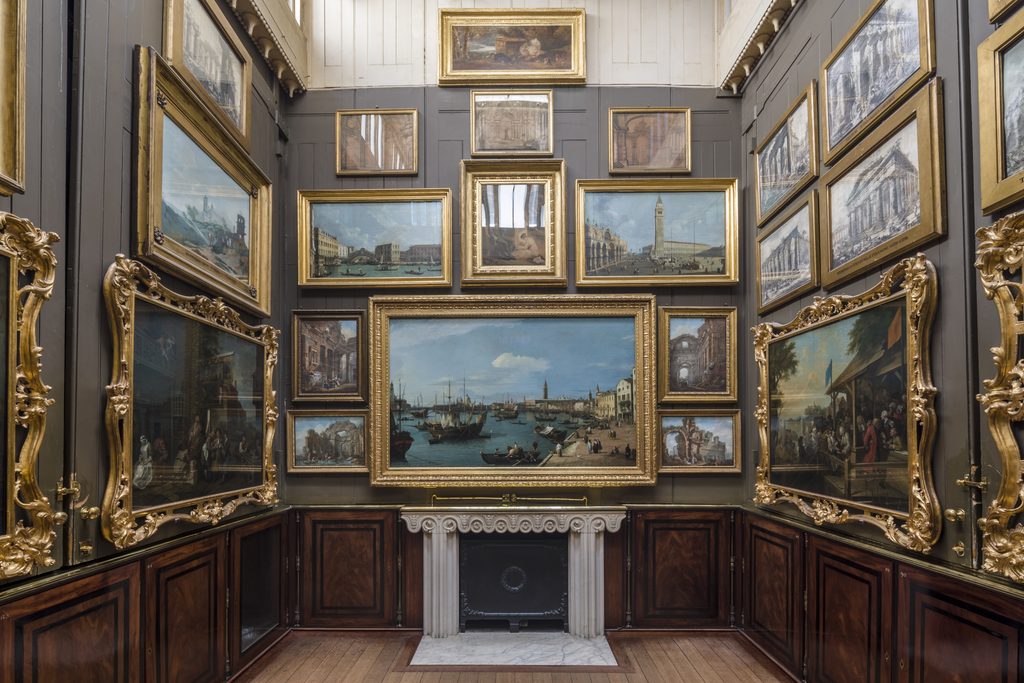
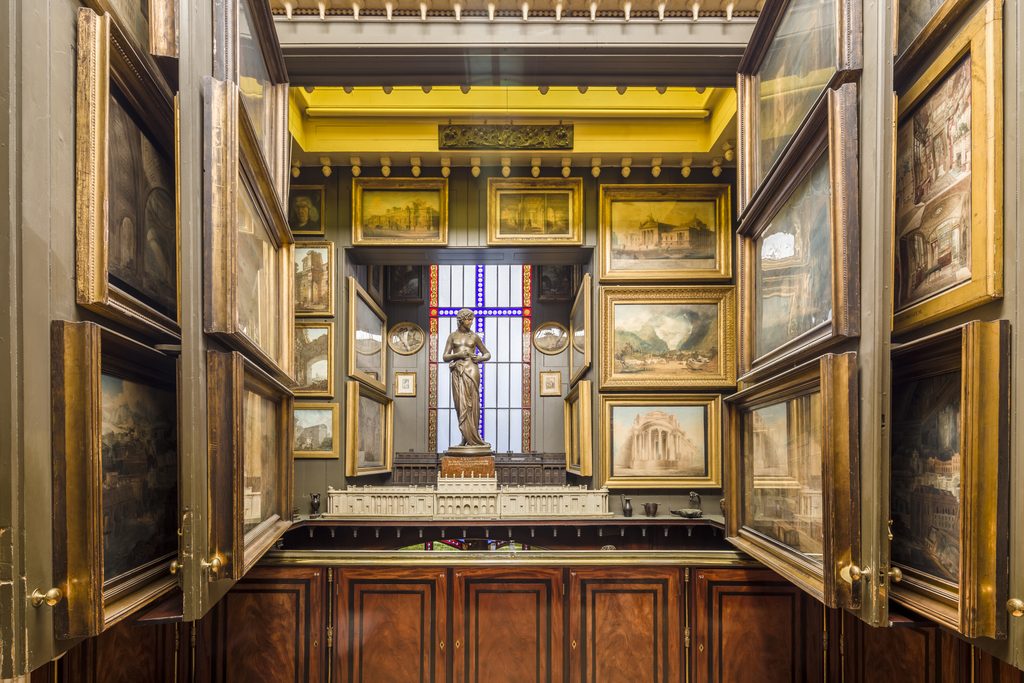
The Picture Room is the house’s great feat of engineering as much as its great feat of taste. Barely the size of a generous dressing room, it holds 118 paintings, a figure roughly five times what the young National Gallery could claim when it opened in 1824. The trick is a set of hinged timber panels, each hung with canvases on both faces, that swing open like the leaves of an enormous book to reveal William Hogarth’s A Rake’s Progress alongside works by Canaletto, Turner, and Piranesi. It is not a gallery so much as a piece of furniture built to contain a collection larger than the room that holds it, and museum staff still open it by hand, panel by panel, precisely as Soane once did for his own guests.
Below ground, the mood turns austere. In a vaulted chamber Soane named the Sepulchral Chamber sits an alabaster sarcophagus carved more than three thousand years ago for the burial of the pharaoh Seti I, excavated from his tomb in the Valley of the Kings by the explorer Giovanni Belzoni in 1817, and later brought to London after the British Museum declined to purchase it. Its surface is inscribed with the Book of Gates, a set of instructions meant to guide the dead through the underworld, a reminder that the object carries a history far older, and far more layered, than its current address. When it arrived at the house in March 1825, Soane marked the occasion with three nights of candlelight, opening the rooms to the city’s artistic elite, the stone lit from within by candles set inside its hollow.
Its presence here sits inside a wider and still unresolved conversation, one shared by museums from Berlin to Paris to Athens, about what belongs where, and to whom. The Soane, for its part, has made no move to reopen that question.
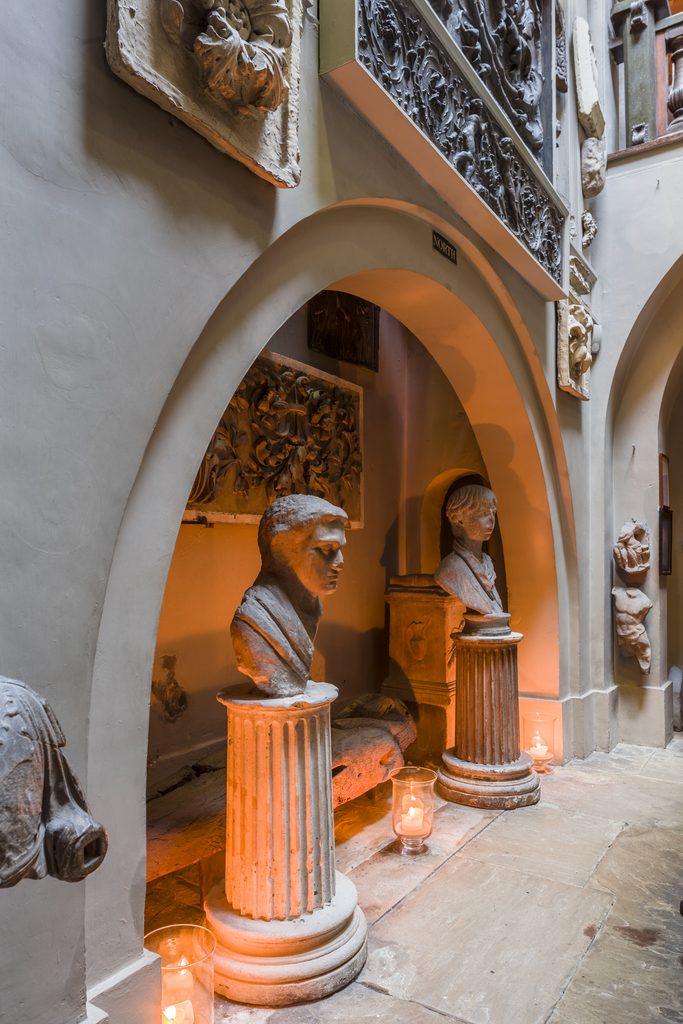
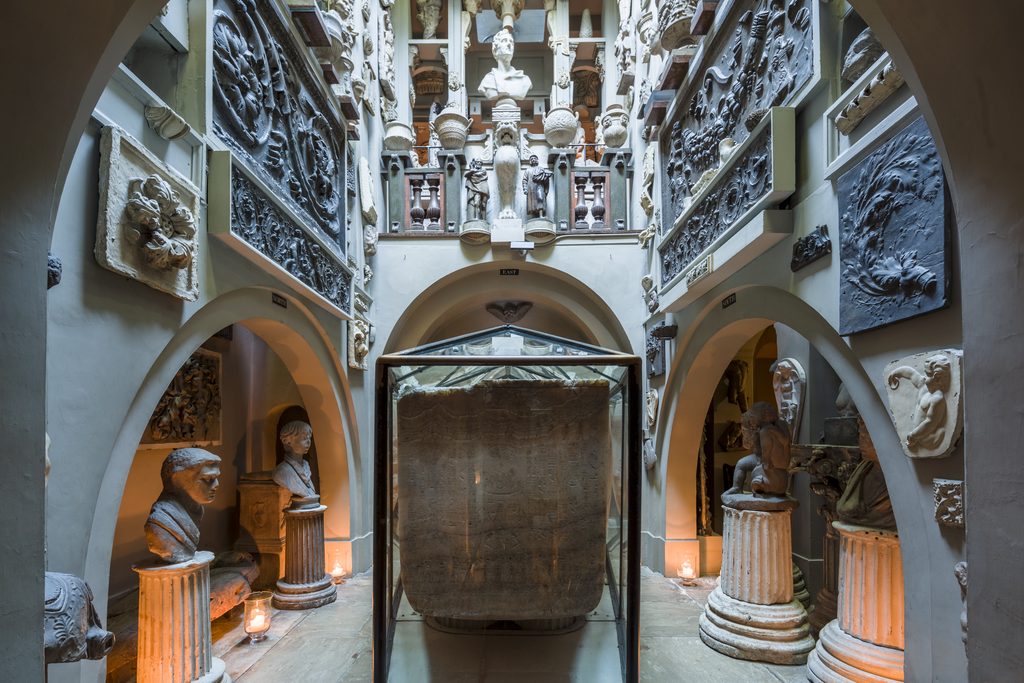
That instinct for theatre survives on selected evenings today, when the museum turns off its electric lighting and lets each room glow as Soane intended it: shadow pooling across busts and colonnades, the whole house reading less as a historic residence than as a stage set awaiting its next act.
Entry remains free, a rarity worth noting in a city where culture increasingly comes with a price tag. The museum keeps modest hours, Wednesday through Sunday, and sits an easy walk from Holborn station. There is no expansion planned, no new wing, no gift shop sprawl. That restraint is, in its own way, the point: a single architect’s mind, kept exactly as he left it, still asking visitors to look twice at everything they think they already understand.