What makes an object endure? It is a question that inevitably arises when looking at Miguel Milá’s Cesta, designed in 1962. A globe of opal glass sits within a delicately curved wooden structure, somewhere between a lamp, a lantern and an object to be carried from room to room. More than six decades later, remarkably little about it feels dated.
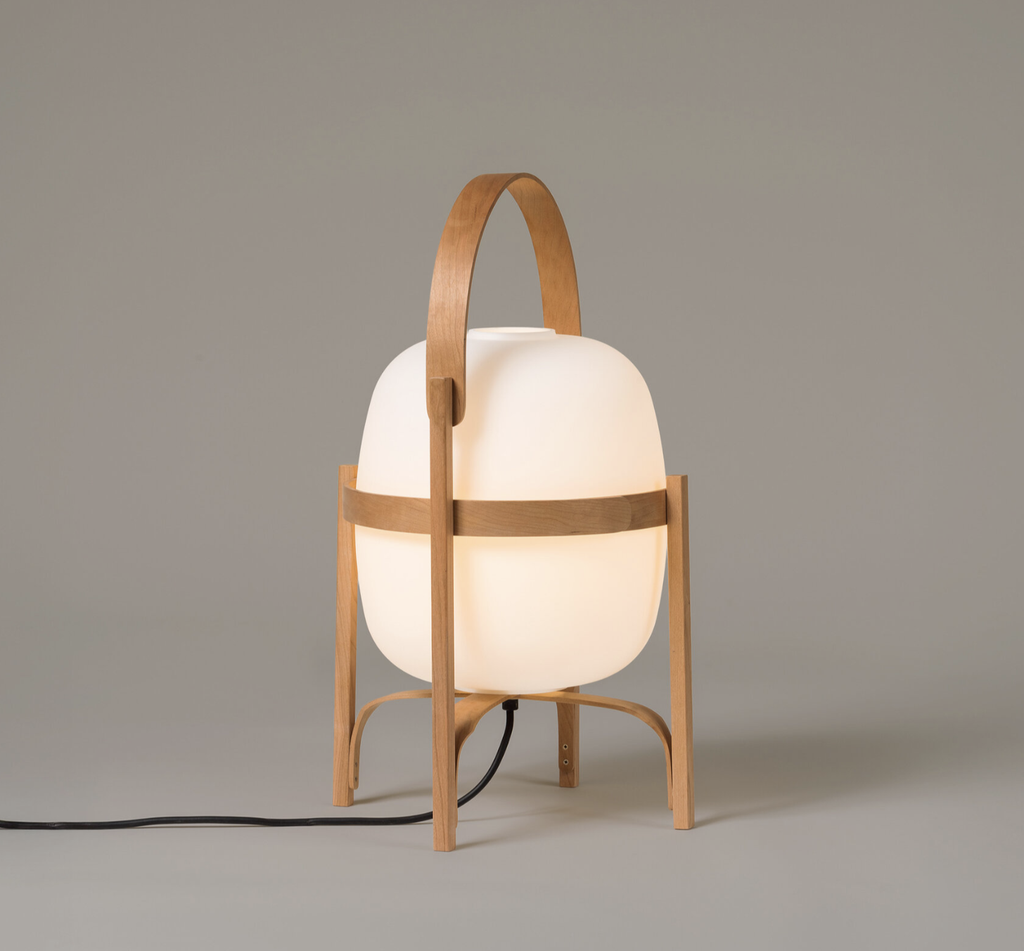
Milá’s starting point was characteristically pragmatic. The designer had found an abandoned opaline globe outside a glass factory in Barcelona and devised a structure to hold it. Made from cherry wood shaped using traditional steam-bending techniques, Cesta became one of the enduring objects of Spanish modernism: warm rather than austere, useful rather than theatrical and deeply connected to material and craft.
This autumn, Cesta becomes one point in a much larger constellation. From 28 September to 1 October, Feria Hábitat València brings together four decades of Spanish design through an exhibition dedicated to the National Innovation and Design Awards, organised in collaboration with Spain’s Ministry of Science, Innovation and Universities. The retrospective gathers furniture, lighting, surfaces and objects alongside the designers and companies that helped shape them.
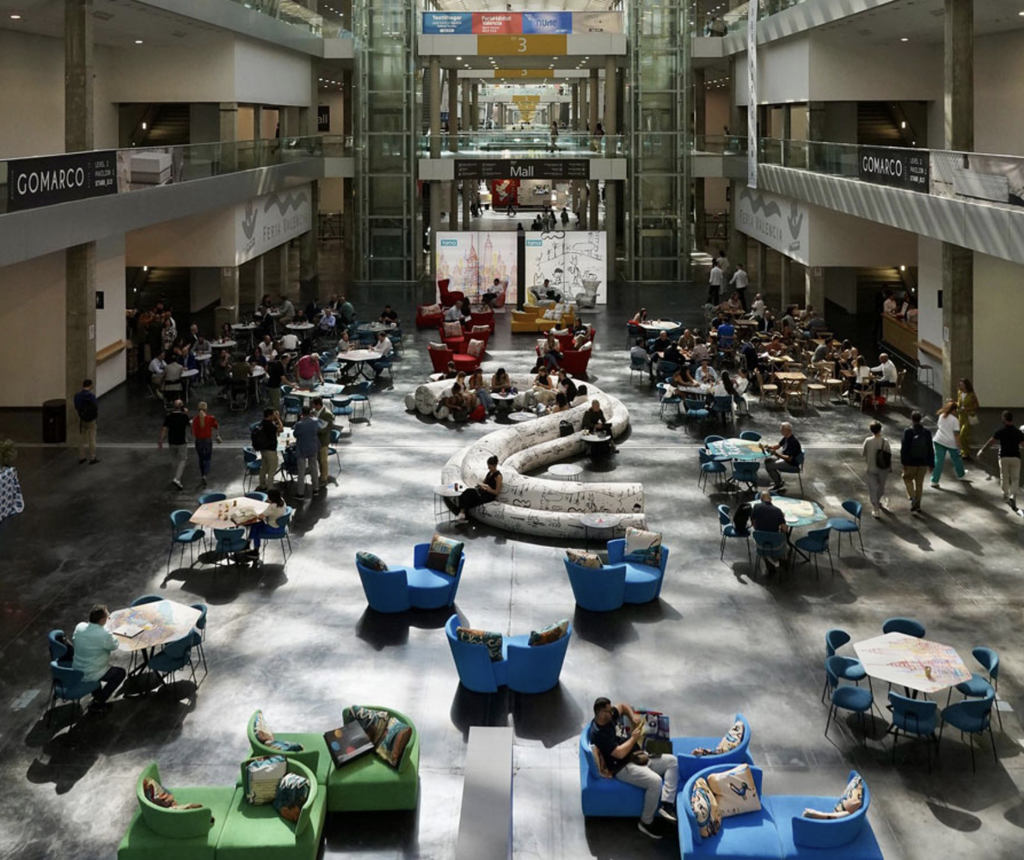
The exhibition unfolds within València Inspira Diseño 2026, an ambitious gathering that brings furniture, textiles, kitchens, ceramics and architectural surfaces together under one roof. With 1,221 represented brands and firms across 112,000 square metres, this year’s edition reflects an increasingly interconnected approach to contemporary living. Bringing together Feria Hábitat València, Textilhogar, Espacio Cocina SICI and the new 360 by Cevisama, the event offers a broader perspective on how the spaces we inhabit are conceived, furnished and experienced.
Rather than simply assembling a collection of design classics, the retrospective offers an opportunity to read the evolution of Spanish design through the objects themselves.
From the Street to the Living Room
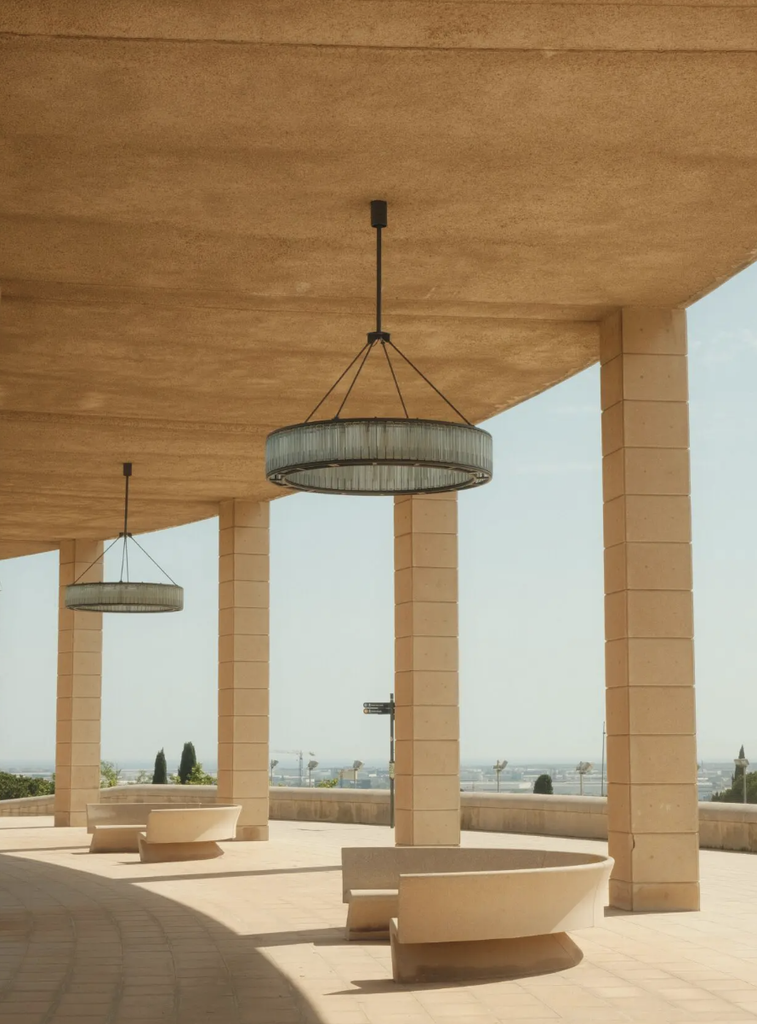
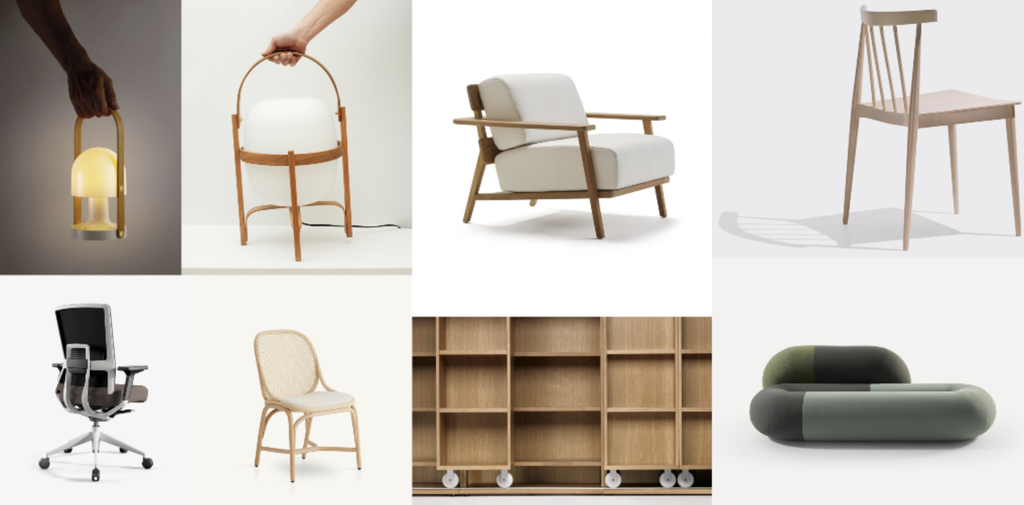
There is Milá again in 1991, this time designing the TRAM bench for Escofet: a modular structure in reinforced concrete created for Barcelona’s Olympic Ring. Its gently curved profile softens a material more readily associated with infrastructure than comfort.
Nearby, the story moves indoors. Punt Mobles’ Literatura Open bookcase, Mobles 114’s sculptural ONA coat rack, Andreu World’s Smile chair and STUA’s Gas chair chart different interpretations of domesticity and functionality. Sellex’s AERO bench pushes the narrative back towards public space, while Marset’s portable FollowMe lamp anticipates a contemporary desire for interiors that are increasingly flexible, informal and untethered.
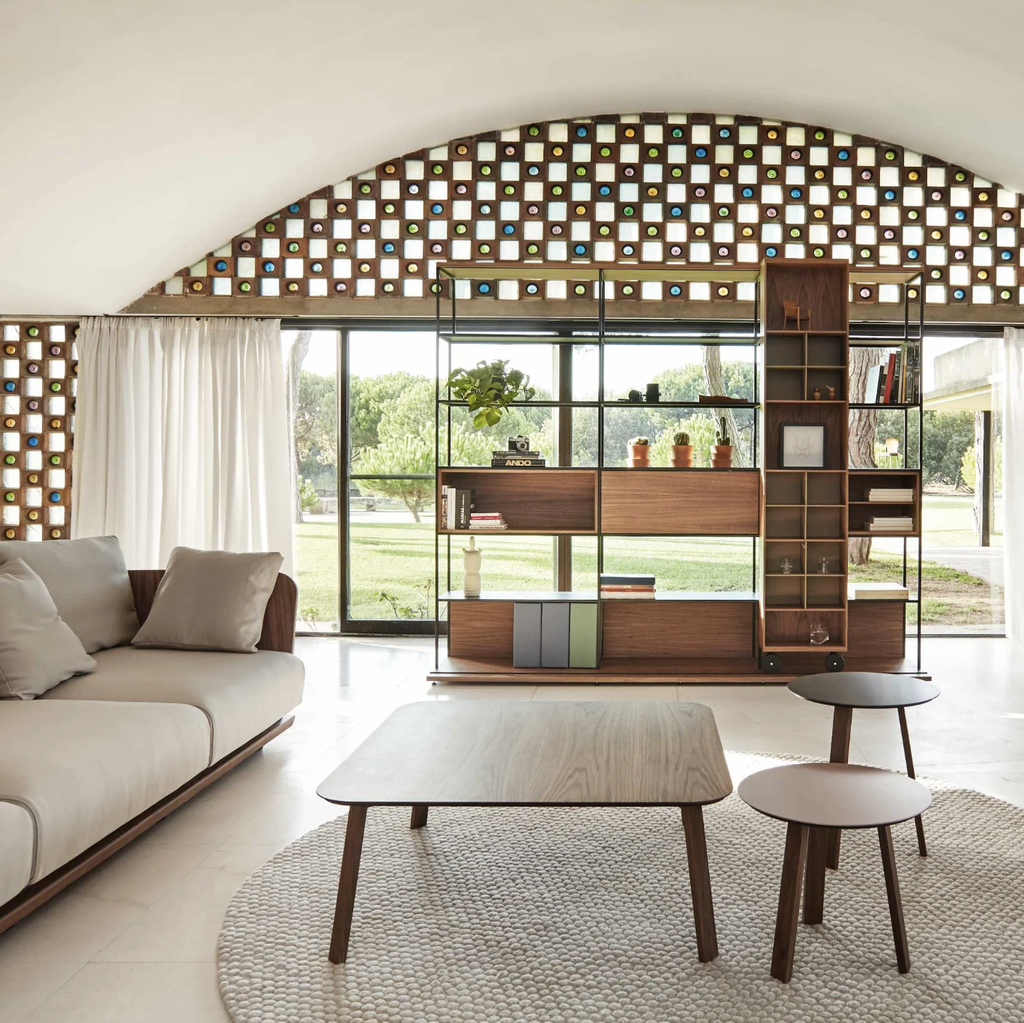
Seen together, these pieces suggest that there may never have been one single Spanish style. What emerges instead is an attitude: an interest in solving problems elegantly, an intimacy with materials, and a recurring ability to move between craftsmanship and industrial production without treating the two as opposites. That relationship between hand, material and machine is perhaps one of the exhibition’s most compelling threads.
When Material Becomes Innovation
The story becomes increasingly technological as the chronology approaches the present.
Cosentino appears through Silestone manufactured with its HybriQ technology, while Porcelanosa Grupo is represented by PAR-KER Nobu Roble, a ceramic surface developed to evoke the appearance of timber. Here, design is no longer solely about the silhouette of an object. It enters its composition, manufacturing process, performance and environmental footprint.
It is a significant evolution. The National Awards themselves encompass both design and innovation, and Hábitat’s decision to present the two together reflects a broader understanding of contemporary design: the designer is not simply giving form to an object but participating in a network involving materials, manufacturing, technology, business and, increasingly, questions of resource use.
This approach also defines the wider València Inspira Diseño programme, which brings together professionals and manufacturers from 24 countries, with approximately 40,000 professional visitors expected.
Beyond the Retrospective: Exploring New Ways of Living
Beyond the retrospective, València Inspira Diseño 2026 offers a glimpse into the future of contemporary living through a series of installations and exhibitions.
Hotel Hábitat, conceived by Mexican architect Joaquín Homs, brings together international studios and manufacturers to explore new interpretations of hospitality and interior design. Through a series of experimental spaces, participating studios investigate different relationships between architecture, materials, nature and the experience of inhabiting a space.
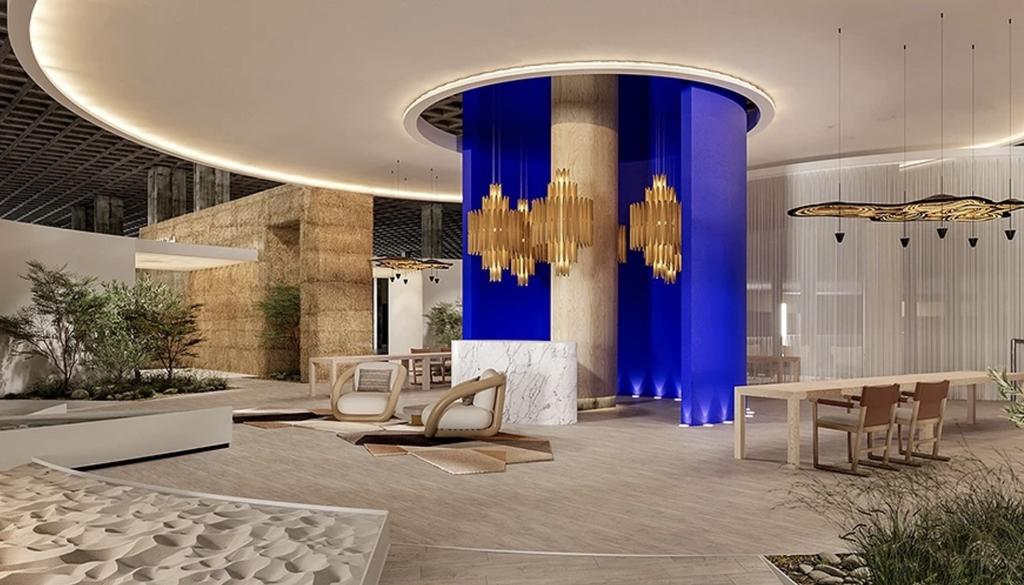
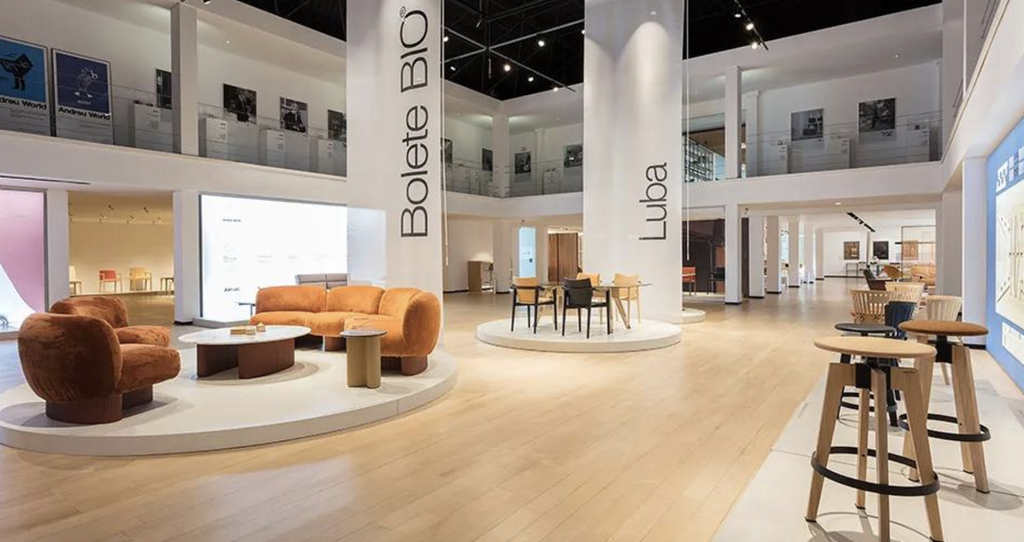
Meanwhile, Matter invites visitors to touch and experiment with emerging materials, exploring how they are transforming the objects and environments around us. Andreu World’s Manufacturing the Future examines the relationship between innovation, sustainability and industrial production.
Emerging talent also takes centre stage at Salón nude, while the Textile Trends Space 2027, developed in collaboration with AITEX, presents six trends expected to influence the future of home textiles.
Together, these initiatives extend the conversation beyond individual objects, exploring the changing relationship between design, industry and the way we live.
A Changing Design Language
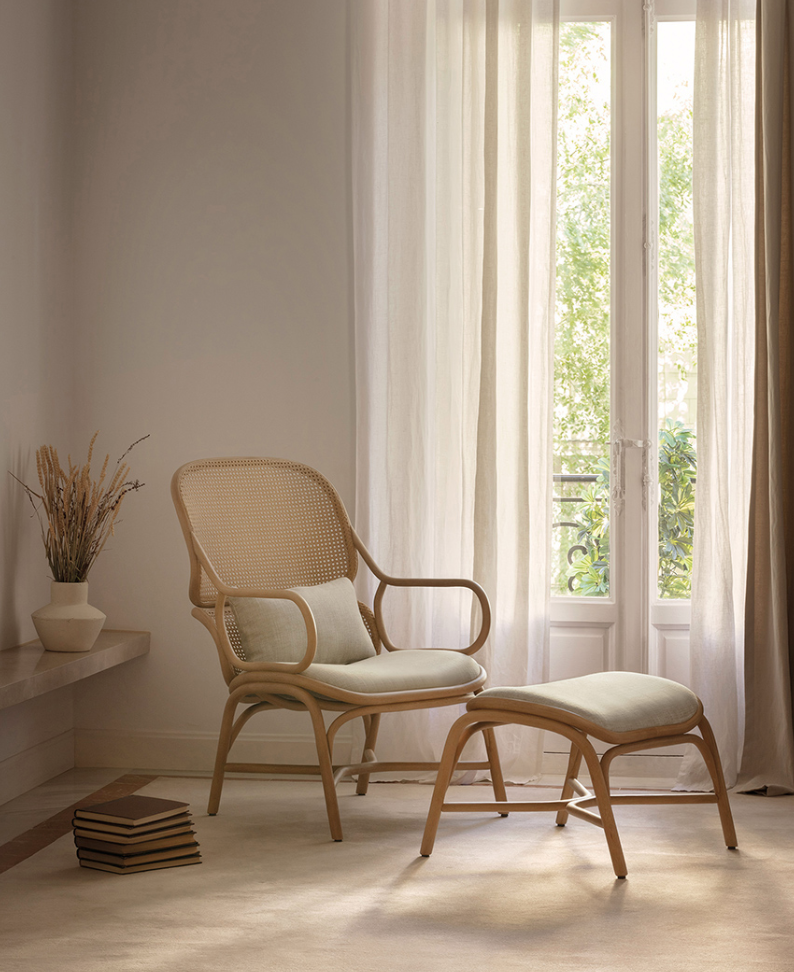
The more recent objects reveal another shift. There is the Frames armchair by Expormim, designed by Jaime Hayon, where the Valencian company’s long history of working with rattan meets Hayon’s expressive contemporary vocabulary. Sancal’s Loop sofa by Dutch studio Raw Color introduces a different sensibility, while Ondarreta’s IKA chair and Viccarbe’s Aleta, also by Hayon, demonstrate how Spanish manufacturers have increasingly developed identities that are simultaneously local and international.
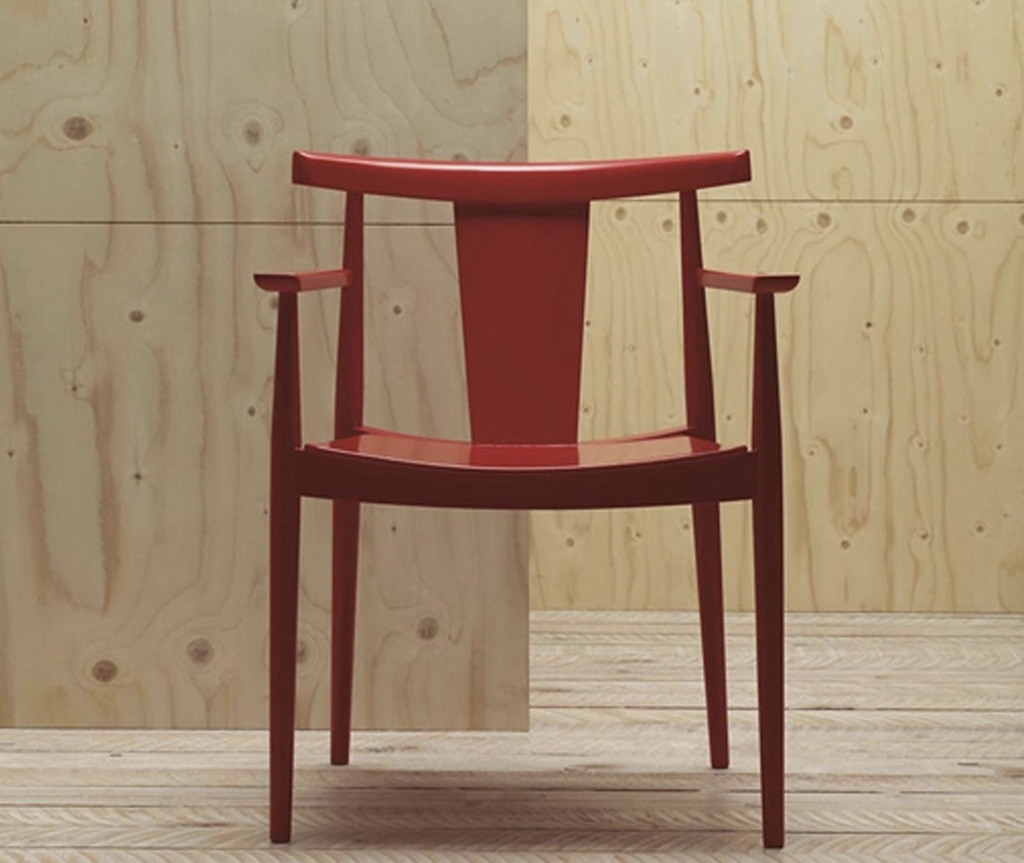
And this may be one of the most important transformations documented by the exhibition. Spanish design today is difficult to separate from the dialogue between designer and manufacturer. The story is no longer simply one of celebrated individual authors, but of companies that have made design integral to how they manufacture, communicate and compete internationally.
Indeed, more than thirty recipients of Spain’s National Design and Innovation Awards have had a relationship with Feria Hábitat València over the years, whether exhibiting, designing, speaking or presenting new work there.
This relationship between creative talent and industry will also be explored during the opening day of the fair. On 28 September, a dedicated programme of conversations at Ágora nude will bring together designers including Jaime Hayon, Javier Mariscal, Inma Bermúdez and Héctor Serrano, alongside representatives from Andreu World, Cosentino, Sancal and Actiu. Discussions will address design as a business strategy, industrial innovation and the future of Spanish design, before the retrospective officially opens at 2 pm.
The retrospective consequently reads as a genealogy not only of objects, but of an entire creative and industrial ecosystem.
From Miguel Milá to a New Generation
Its cast of designers is formidable. Miguel Milá received the National Design Award in 1987, followed across subsequent decades by figures including Òscar Tusquets, Jorge Pensi, Xavier Mariscal, Alberto Lievore, Antoni Arola, Mario Ruiz, Marisa Gallén, Jaime Hayon, Inma Bermúdez and, in 2025, Patricia Urquiola.
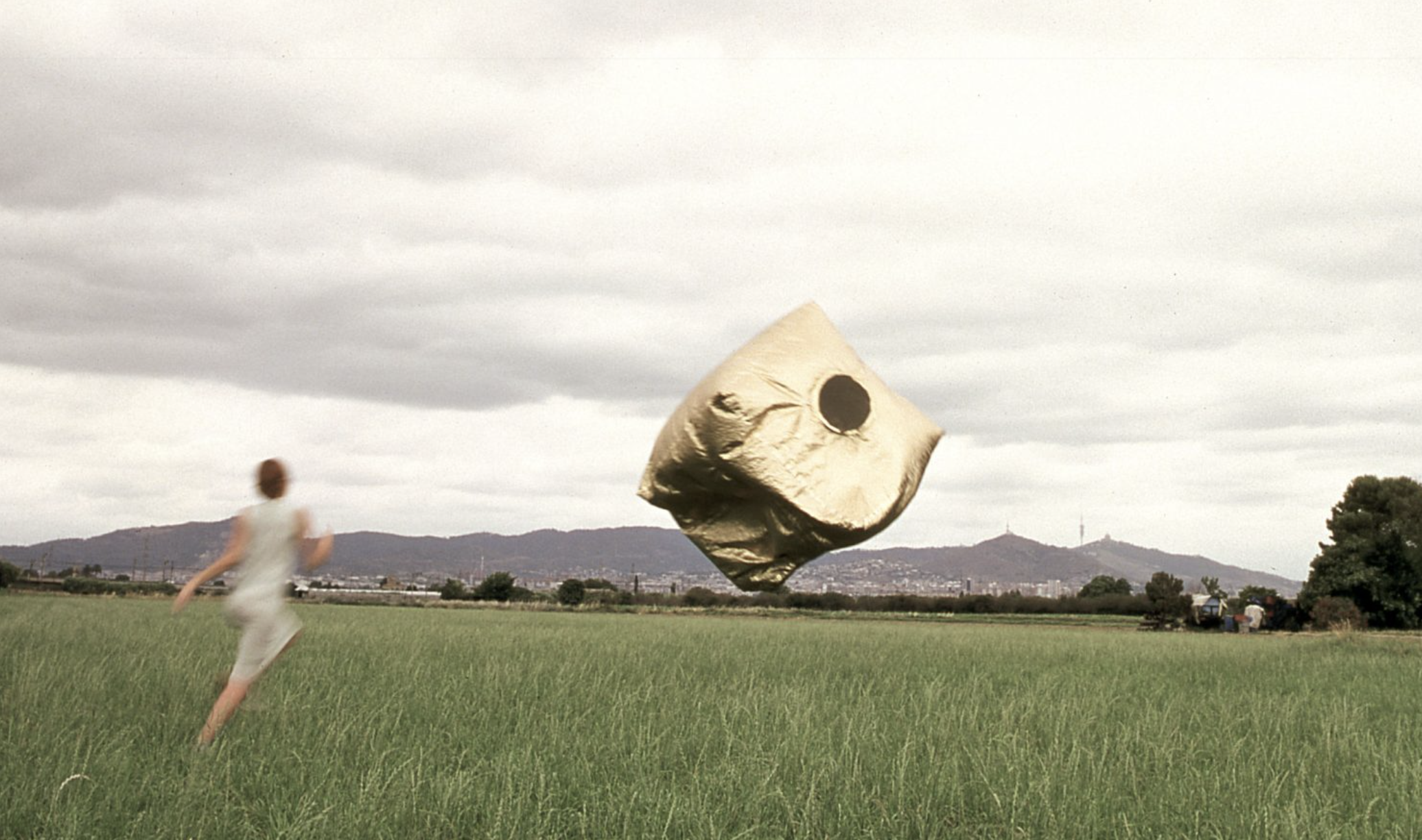
The 2026 awards bring that chronology firmly into the present. Martín Azúa receives the National Design Award in recognition of a career spanning more than three decades across objects, spaces, research and teaching. His work, which includes Casa Básica, an extraordinarily minimal inflatable dwelling held in MoMA’s collection, reflects a longstanding interest in nature, craftsmanship and sustainability.
At the other end of the generational spectrum is Inés Llasera, winner in the Young Design Professionals category. Cofounder of Tornasol Studio and now developing her individual practice, Llasera works between material experimentation, contemporary craftsmanship, nature and object-making.
Meanwhile, La Fábrica receives the 2026 Design and Company award, extending the definition of design beyond furniture and objects. The cultural organisation, responsible for initiatives including PHotoESPAÑA and Madrid Design Festival, demonstrates how design can also operate as a framework for creating cultural experiences and institutions.
Together, these three recipients offer a perspective on the evolution of Spanish design, connecting established knowledge with emerging practices while expanding the boundaries of the discipline itself.
Design as Cultural Memory
And perhaps that is what makes the Hábitat exhibition particularly timely. A retrospective can easily become an exercise in nostalgia, a parade of familiar chairs and lamps elevated to icon status. Here, the more interesting proposition is to consider these objects as evidence.
A concrete bench made for Barcelona in the early 1990s speaks about the transformation of the city’s public realm. A portable lamp reflects changing ways of inhabiting the home. A porcelain surface that resembles timber reveals advances in manufacturing technology. A hand-worked rattan chair asks what place craft can occupy within contemporary industrial production.
And Milá’s Cesta, still glowing quietly after more than sixty years, reminds us that innovation does not necessarily announce itself loudly.
In Valencia, these objects become part of a larger story: that of a design culture shaped as much by its manufacturers and craftspeople as by its celebrated designers. By placing four decades of recognised achievements alongside contemporary experimentation, the exhibition reveals how Spain’s creative identity has developed through a continuous exchange between ideas, materials and industry.
The result is not simply a journey through the past, but an invitation to reconsider what makes design meaningful, and what allows certain objects to remain relevant long after the moment in which they were created.