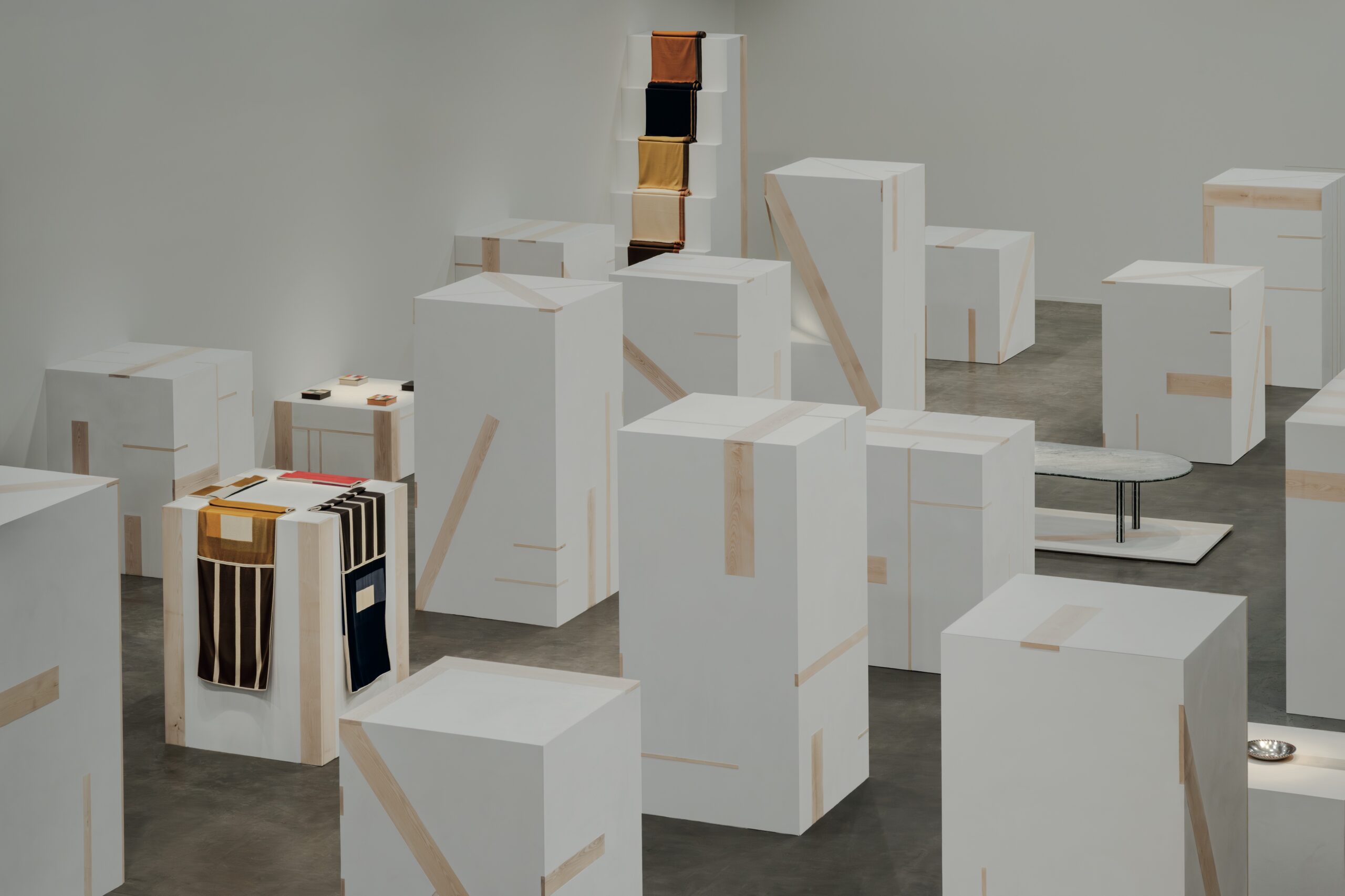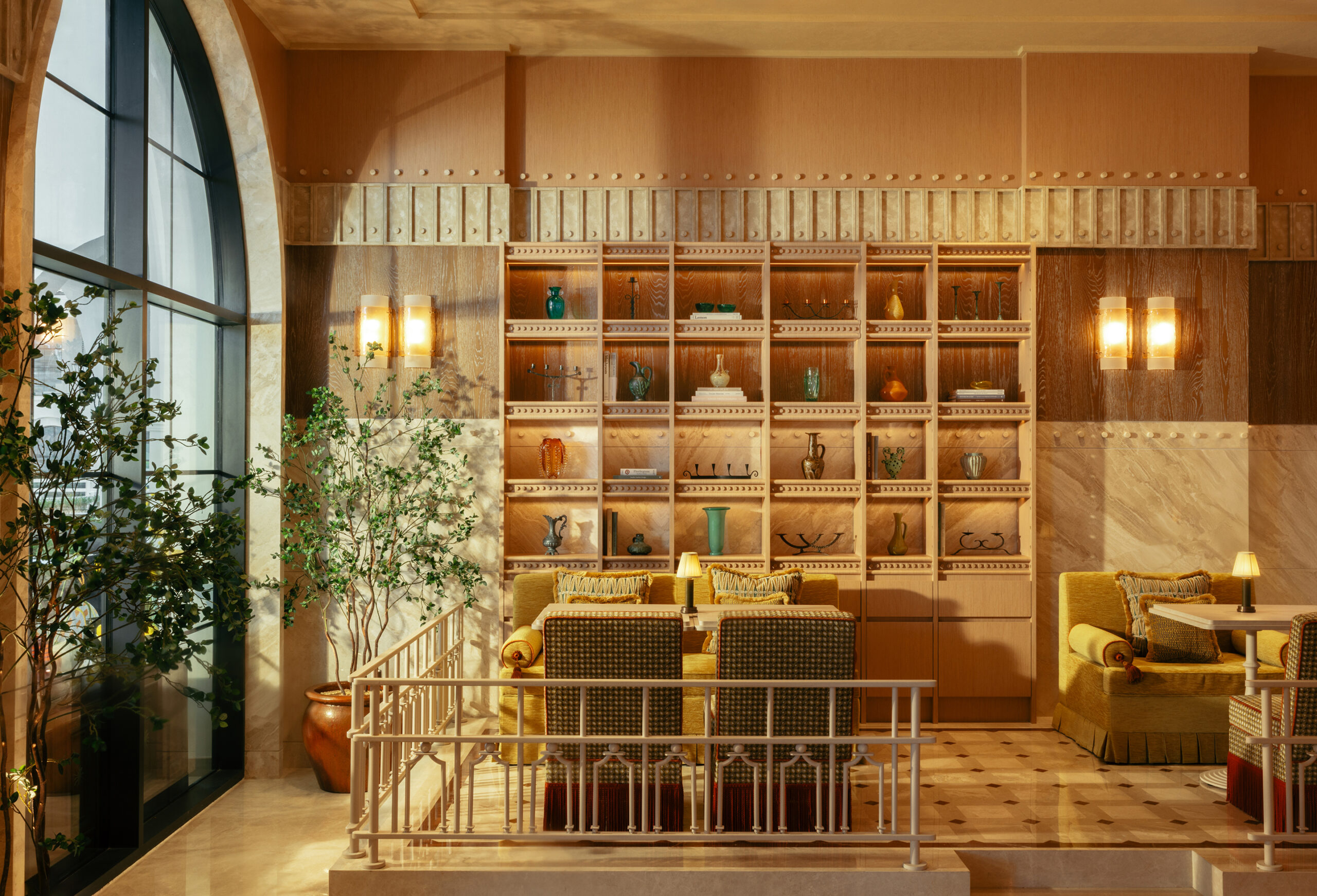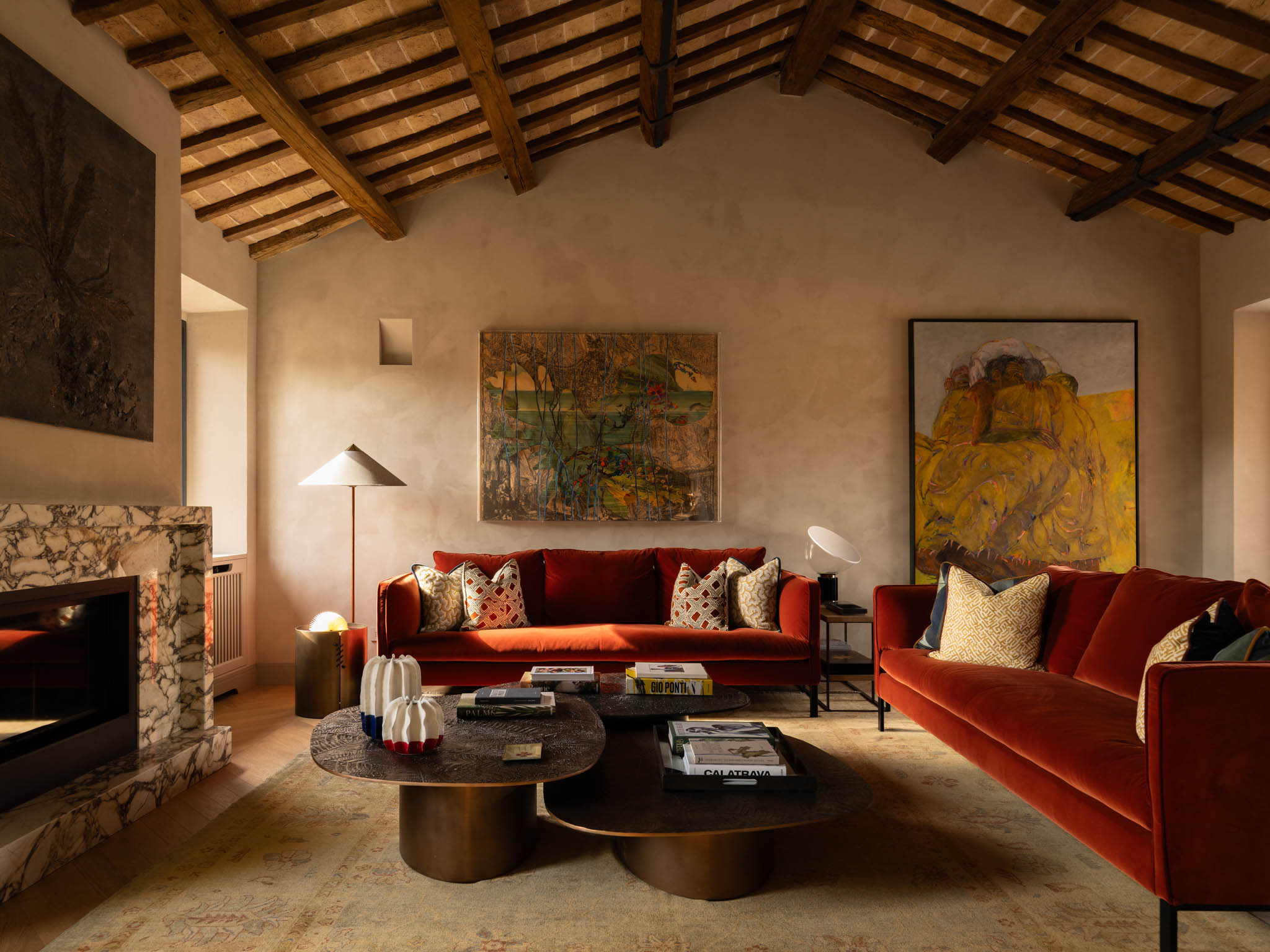
Craft survives through repetition. Design advances through disruption. Much of the tension within contemporary collectible design emerges from the uneasy relationship between those two conditions. On one side sits inherited knowledge: techniques refined over centuries, transmitted from one generation to the next through gesture, material and labour. On the other sits the contemporary designer’s impulse to question, reinterpret and invent. The challenge is not simply how to preserve tradition, but how to allow it to remain alive.
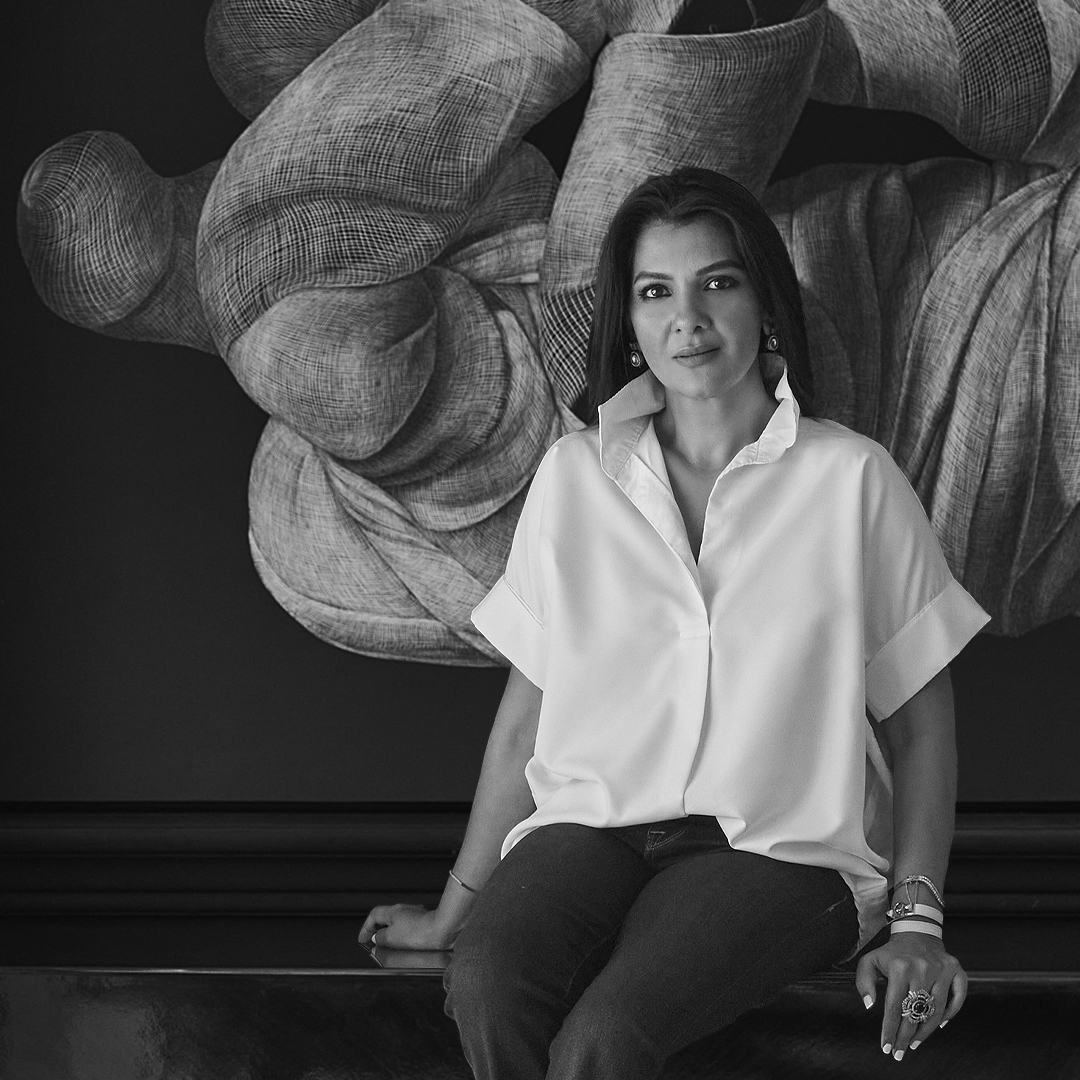
For Sarah Najmi Bilgrami, founder of Maison Yoca, this question has become the foundation of an entire practice. Established in Pakistan and recently expanded into Dubai, the studio occupies a territory where architecture, craftsmanship and collectible design overlap. Its pieces draw from vernacular techniques without becoming nostalgic, engage with sustainability without turning it into a visual language, and approach furniture not as isolated objects but as spatial propositions.
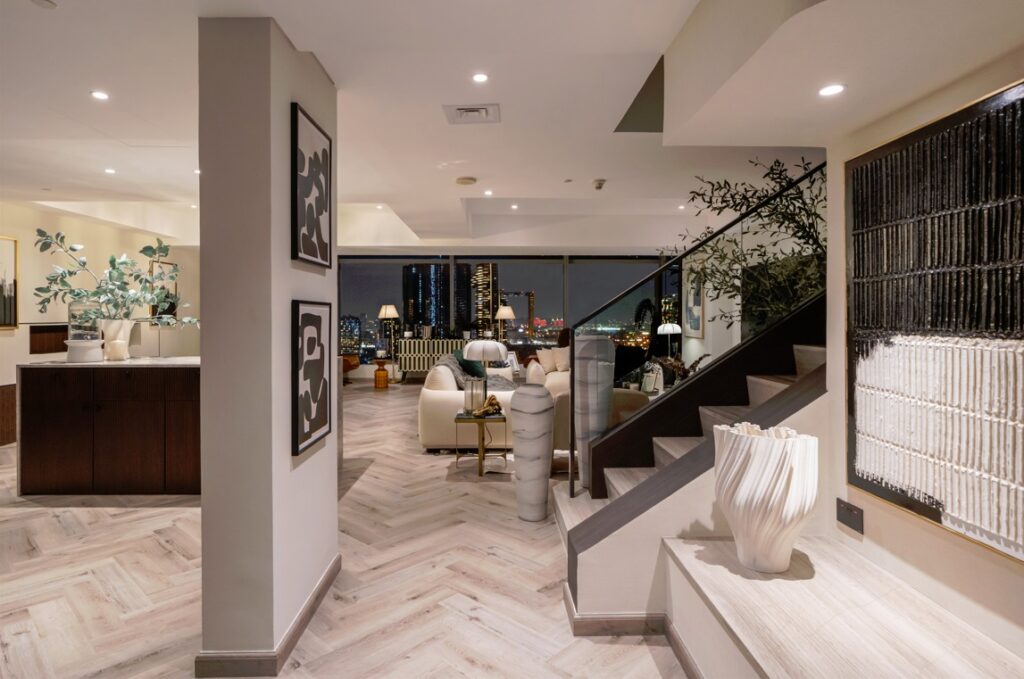
The studio’s position owes much to Bilgrami’s architectural education. “Architecture is, at its core, the study of proportion and the relationship between built form and the human body,” she explains. “That relationship, how a space holds you, moves you, stays with you, is what we call experience.”
For Maison Yoca, experience is not confined to architecture itself. It extends across scales and disciplines. “Experience is not confined to a room. It spans scales, materials and modalities.” This way of thinking allows furniture to operate beyond utility. A chair, console or sculptural object becomes part of a larger spatial narrative. “Our architectural education gave us the ability to read and compose tectonics: the way elements meet, the weight of a joint, the tension in a silhouette,” Bilgrami says. “When that sensibility is brought to a chair, a console, a sculptural object, the result is something that behaves more like architecture than furniture, it commands space rather than simply occupying it.”
This architectural sensibility is inseparable from the studio’s engagement with craft. Yet unlike many contemporary brands that position craft as heritage, Maison Yoca refuses the language of preservation.“We belong to a culture saturated in craft, where technique is passed hand to hand, generation to generation,” Bilgrami explains. Pakistan’s artisanal traditions remain embedded in everyday life, but she witnessed a moment when those traditions risked becoming disconnected from contemporary culture. “We came of age at a moment when the world was moving fast, and those traditions risked becoming folklore rather than living practice.”
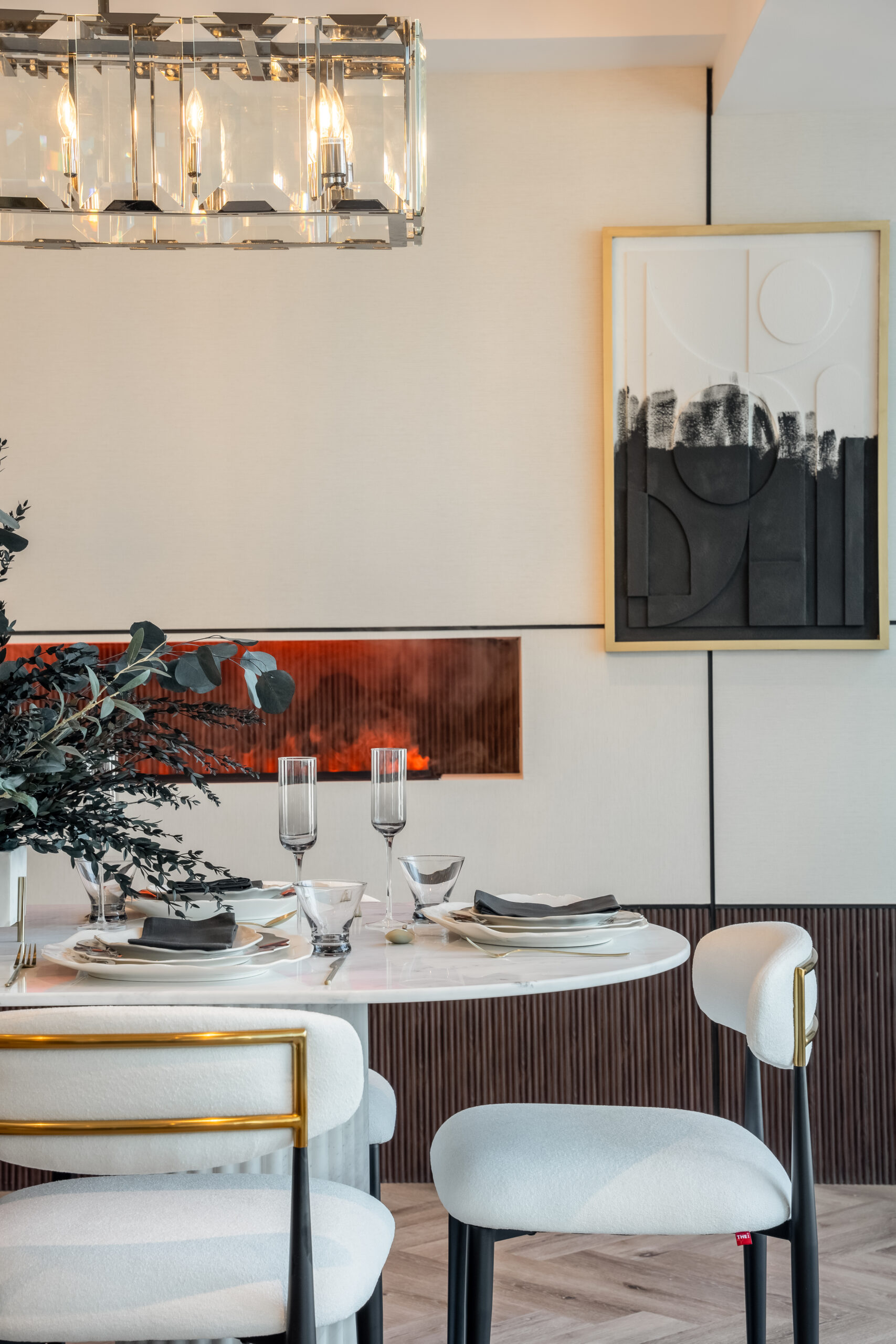
The response was not conservation. “Our response was not preservation. It was provocation.” That provocation takes many forms. Historic techniques are subjected to new materials, unfamiliar scales and unexpected formal questions. The objective is not to replicate the past but to create friction between inherited knowledge and contemporary design thinking.“We take age-old techniques and break them open, disrupt their grammar, introduce new materials, ask questions they were never designed to answer.” The resulting objects occupy a productive middle ground. “What emerges is neither purely traditional nor entirely contemporary. It is something in between: a craft reborn in a language the modern world can hear.”
Bilgrami describes Maison Yoca as the point where “the stubborn wisdom of a master craftsman” meets “the restless curiosity of a designer trained in Zurich or London.” It is a compelling description because it captures the studio’s refusal to privilege one form of knowledge over another. Neither craft nor design is subordinate. Both are transformed through the encounter.
That same dialogue extends to the studio’s approach to materials. At a time when material innovation is often reduced to technical performance or environmental metrics, Maison Yoca begins elsewhere: with narrative. “All three, always, but narrative potential is the first conversation,” Bilgrami says when discussing how materials are selected. “We believe that every material carries memory: the grain of a beam salvaged from a demolished haveli, the texture of a stone quarried from a specific valley, the patina of metal that has already lived a life.”
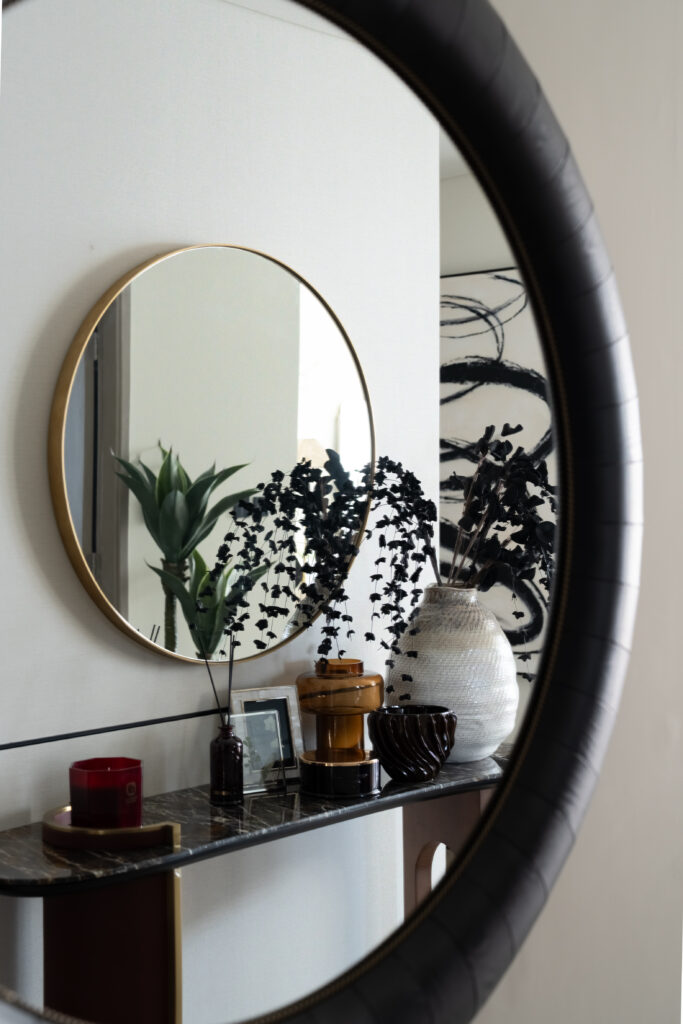
The language is revealing. Materials are not treated as resources but as carriers of cultural and architectural histories. The design process becomes an act of continuation. “When a material arrives in our studio, we are not simply evaluating its structural behaviour or aesthetic surface. We are listening to it.” This attitude also explains the studio’s attraction to reclaimed and unconventional materials. Unlike virgin materials, they arrive with histories already embedded within them. “The reclaimed and the unconventional interest us precisely because they arrive with a story already begun, our role is to continue it, not replace it.”
The idea of continuation appears repeatedly throughout Maison Yoca’s philosophy. It informs the studio’s understanding of sustainability, which Bilgrami views with a degree of scepticism when it becomes overly visible. “Sustainability, for us, is a mindset, not a marketing category.” In an industry increasingly eager to communicate environmental virtue through aesthetics and branding, Maison Yoca adopts the opposite approach. “We resist the impulse to wear it as a label because the moment it becomes a label, it risks becoming a performance.”
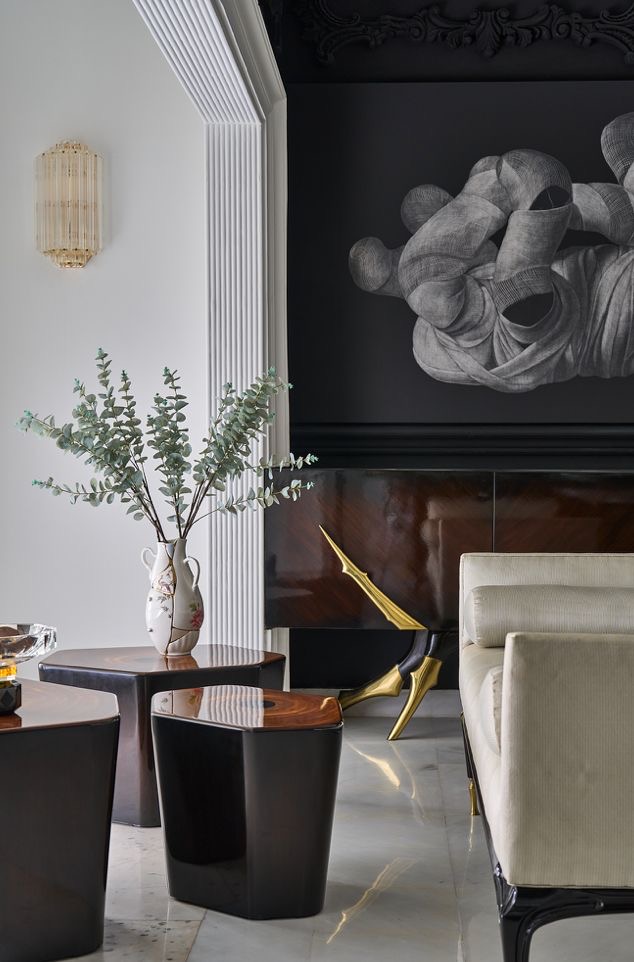
Instead, sustainability manifests through continuity: materials reused across collections, waste minimised within production processes, and long-term relationships with makers and artists. “The most honest version of sustainable practice is one that is invisible: so deeply embedded in how you think and work that it simply does not occur to you to announce it.”
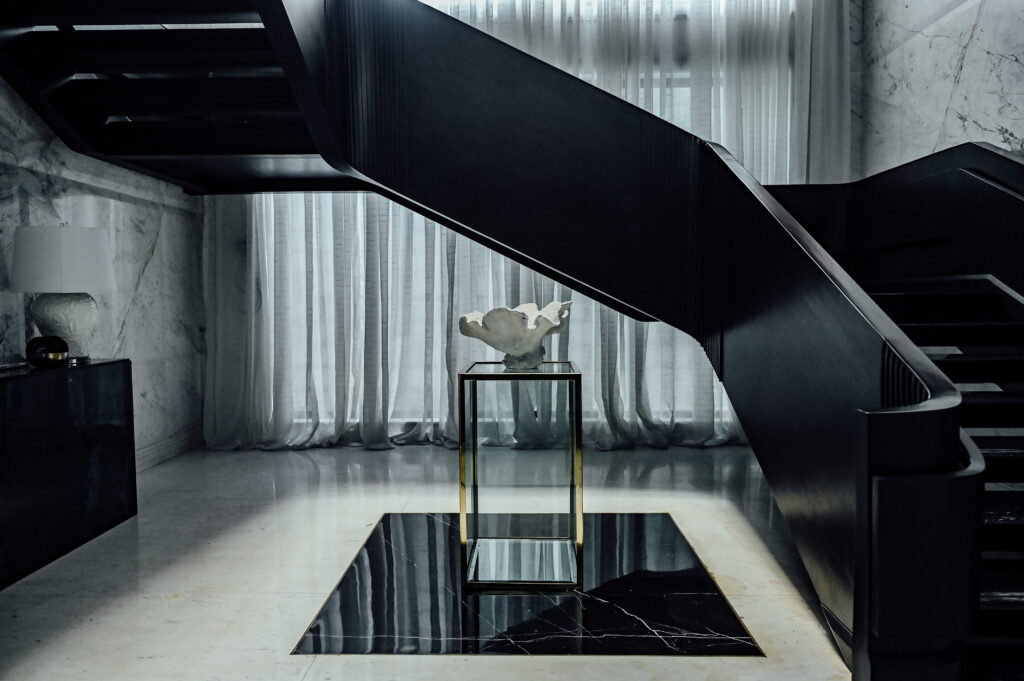
Perhaps most interestingly, Bilgrami places human development at the centre of sustainability. “The artisan who refines his craft over decades, who grows with each commission; the artist whose practice matures and deepens rather than churns out novelty. That continuity, of skill, of material, of intent, is the most sustainable thing we know how to do.”
The collaborative dimension of Maison Yoca is embedded even within its name. YOCA stands for Young Collective Artists, a title that functions less as branding than as a declaration of intent. “Maison Yoca is a safe space for artistic dialogue, a place where a painter can challenge a woodworker, where the vocabulary of one discipline seeps into another.” This exchange produces objects that resist conventional classifications. They operate simultaneously as furniture, sculpture and architectural fragments. “The pieces that emerge from those conversations are not designed to be one thing.”
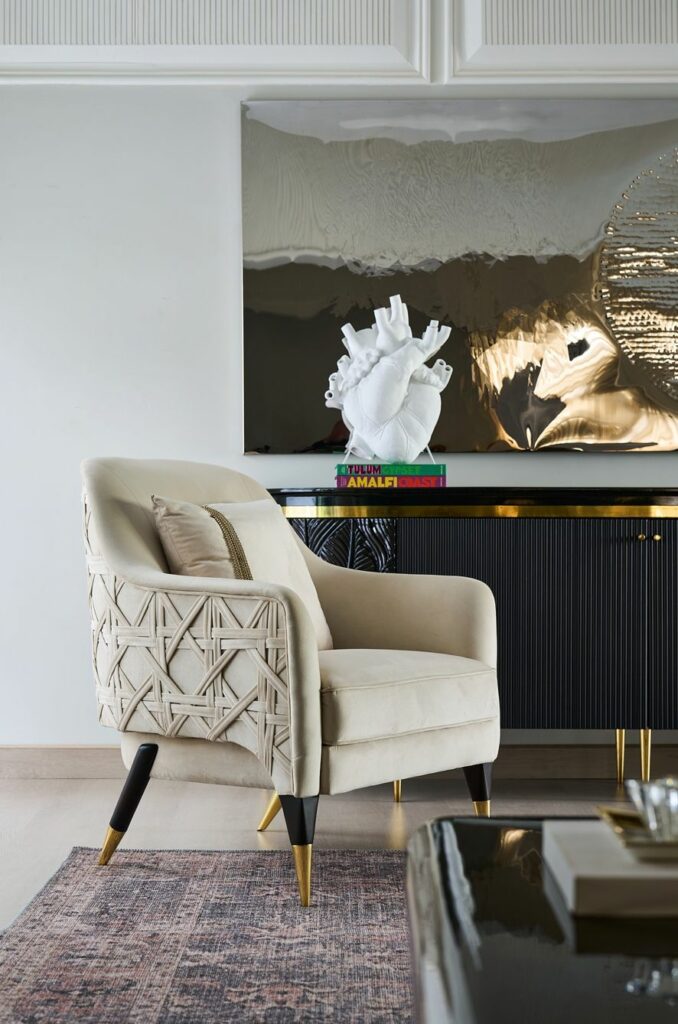
As collectible design increasingly gravitates toward cultural narratives and intellectual provenance, this refusal to fit neatly into established categories feels particularly relevant. “We do not position ourselves within the spectrum, we prefer to dissolve it.” That position has found a natural audience in Dubai. The city’s design landscape has matured considerably over the past decade, creating a collector base increasingly interested in context, authorship and cultural specificity. “Today’s Dubai client is sophisticated, globally travelled, and deeply curious about provenance,” Bilgrami says. “They are not simply buying a beautiful object. They are investing in a worldview.”
For Maison Yoca, the move into the UAE is therefore less an expansion than a continuation of an existing conversation. “The UAE sits at a crossroads of cultures, and it has an innate fluency in the dialogue between East and West, a fluency we share.” The transition has also sharpened the studio’s own self-definition. “It has pushed us to be more precise, more confident, and more generous in how we articulate our vision.”
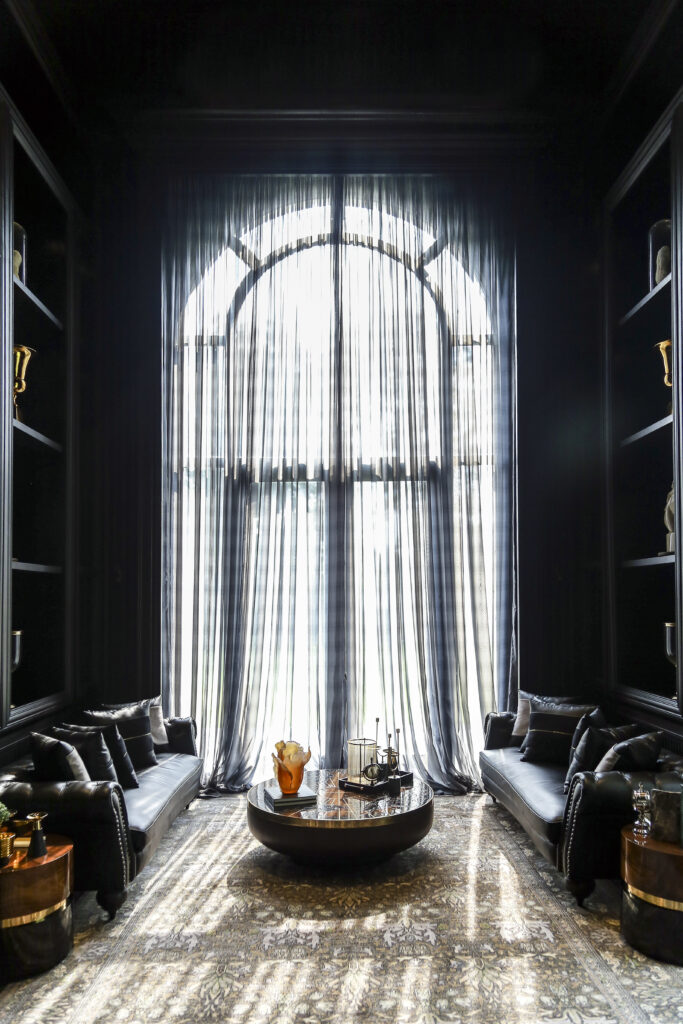
Ultimately, however, every discussion about Maison Yoca returns to the same figure: the artisan. Asked which element could never be removed from the studio’s process, material experimentation, architectural thinking or craftsmanship, Bilgrami answers immediately. “Craftsmanship.” Without it, she argues, ideas remain theoretical. “Without the hand of the artisan, we are left with ideas that cannot be made real, concepts without consequence.” Material experimentation may provide the vocabulary and architecture the grammar, but craft remains the means through which thought enters the world. “The artisan is not the executor of our vision; he is its co-author.”
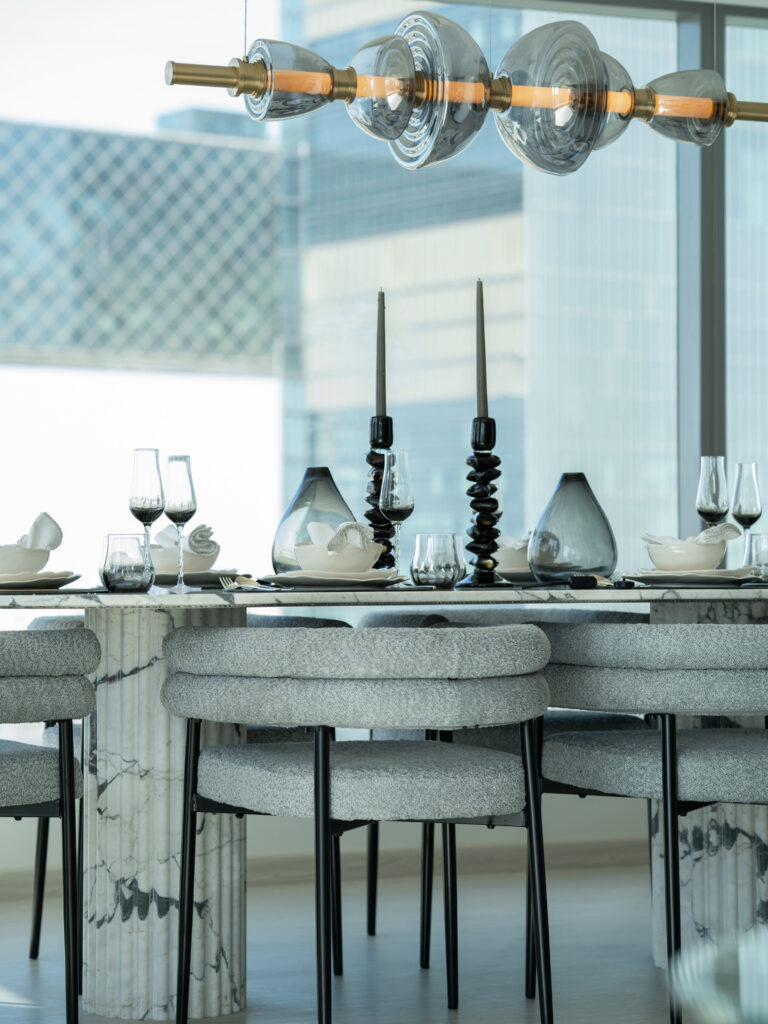
In a design culture increasingly fascinated by innovation, Maison Yoca offers a useful reminder that the future of craft may not depend on preserving traditions unchanged. It may depend on challenging them, stretching them and allowing them to evolve. Not as relics of the past, but as active participants in the production of contemporary culture.