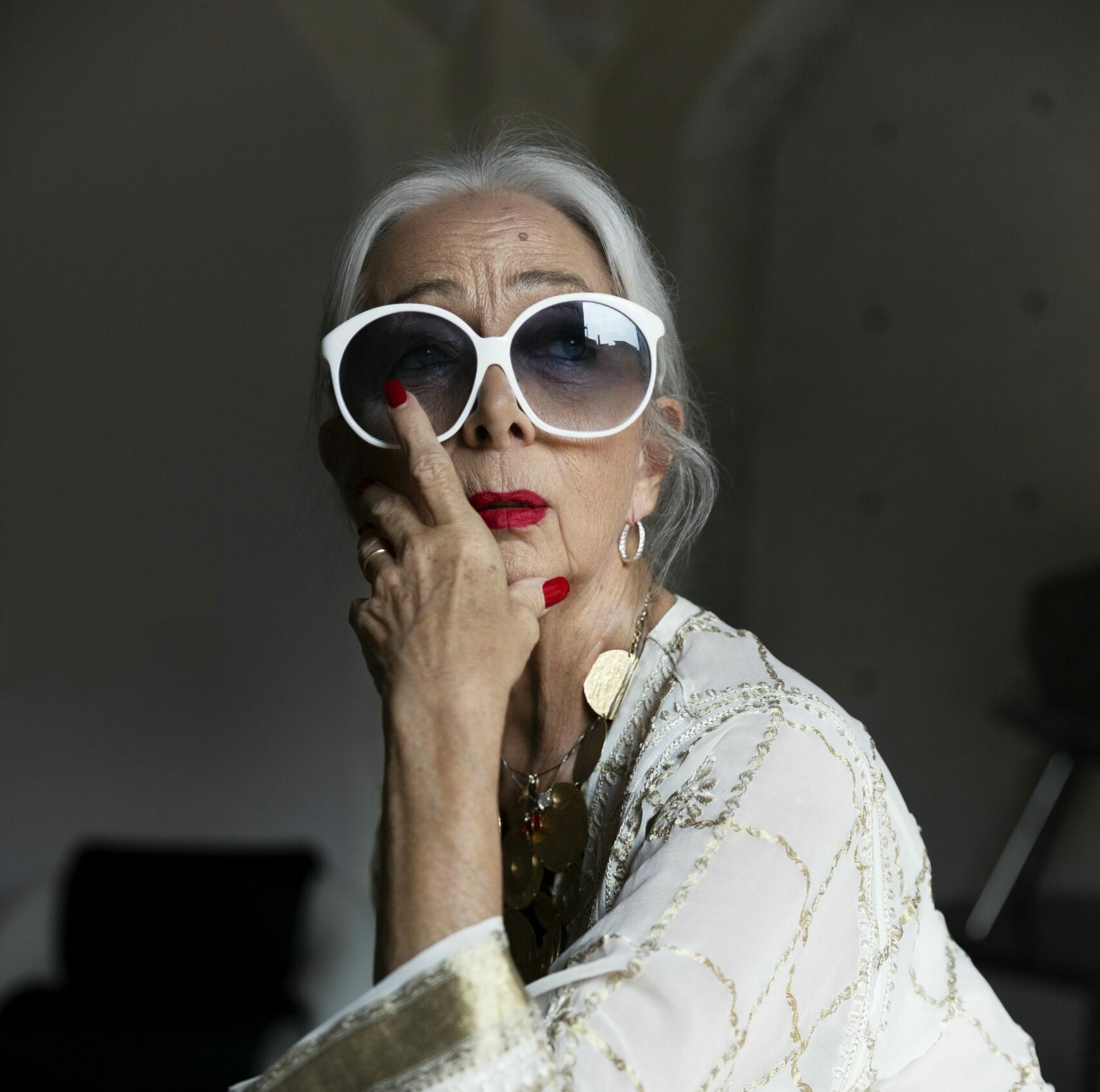
How do you still recognise a great designer after decades of looking? For Rossana Orlandi, one of collectible design’s most trusted and most feared voices, the answer begins somewhere instinctive. “The first thing is feeling,” she tells me during our video call interview, few weeks after we met at her exhibition Porte during Salone del Mobile in Milan. “It’s always been there, throughout my whole path.” But instinct alone no longer suffices. As design has professionalised, following, she fears, the same trajectory fashion once took, Orlandi has learned to look closer, to talk, to test. “I want to understand if a designer truly has creativity, and for me that means understanding their character: their humility, their curiosity, the fact that they experiment and recognise that others are more skilled than them,” she explains. “That’s what tells me someone has the substance to become a great designer.”
Those who plant a flag in a single successful piece and simply repeat it, she adds, are not, in her eyes, artists at all; they build “a small world” and stay inside it.
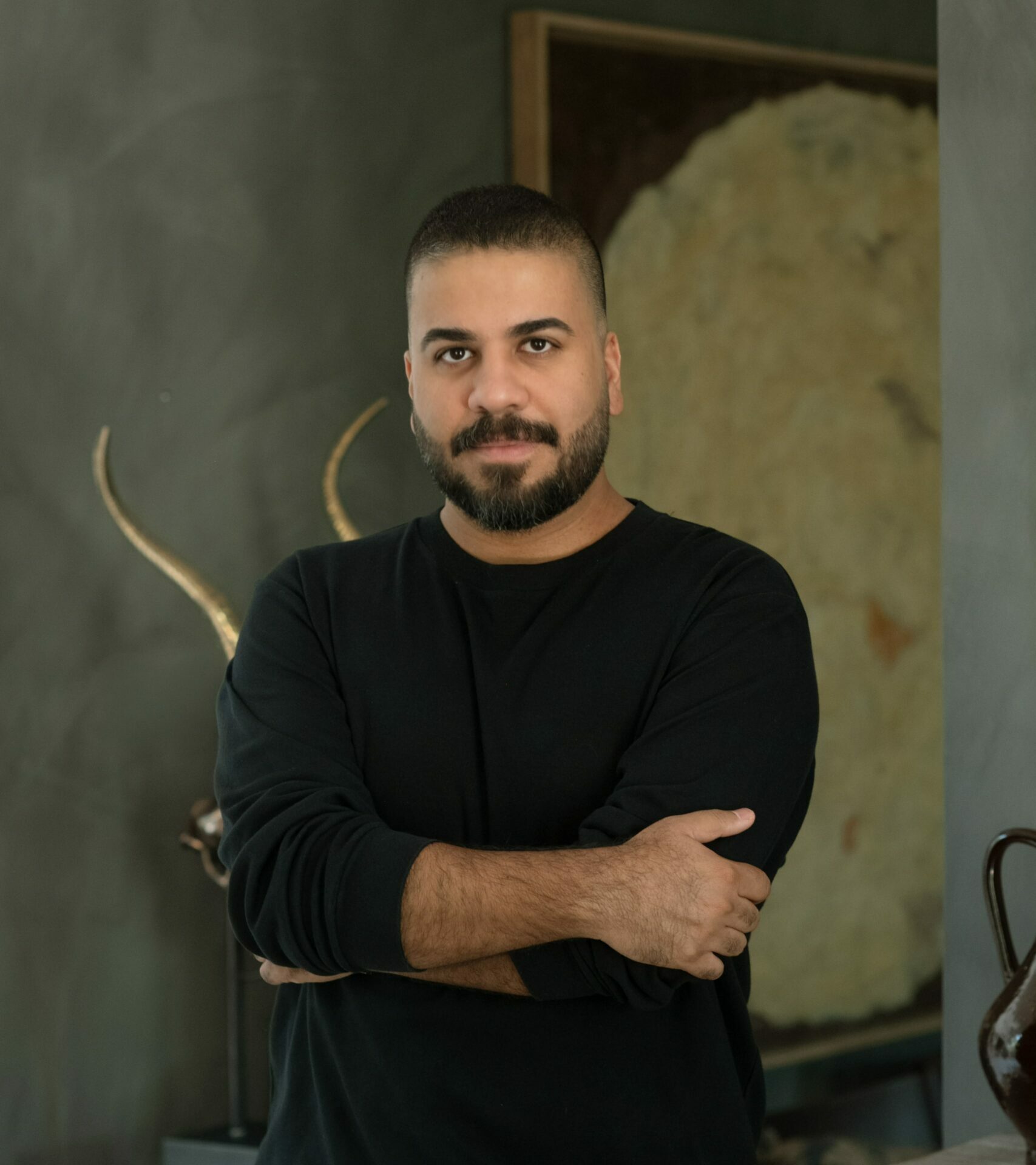
This year, that instinct led her towards Lebanon for the first time in earnest. Having worked with the designer Aline Asmar D’Amman, now consumed by a major project of her own, Orlandi met two new names: Fadi Yachoui (Atelier L’Inconnu) and Mike Demirjian. She discovered Fadi’s work on Instagram and, unable to look away, sought him out directly. What moved her most, she tells me, was not only his creativity but his tenacity: working under bombardment in Lebanon, he still delivered his pieces on time for Milan’s Salone del Mobile, a bench and a series of rattan chairs, “each more beautiful than the last.”
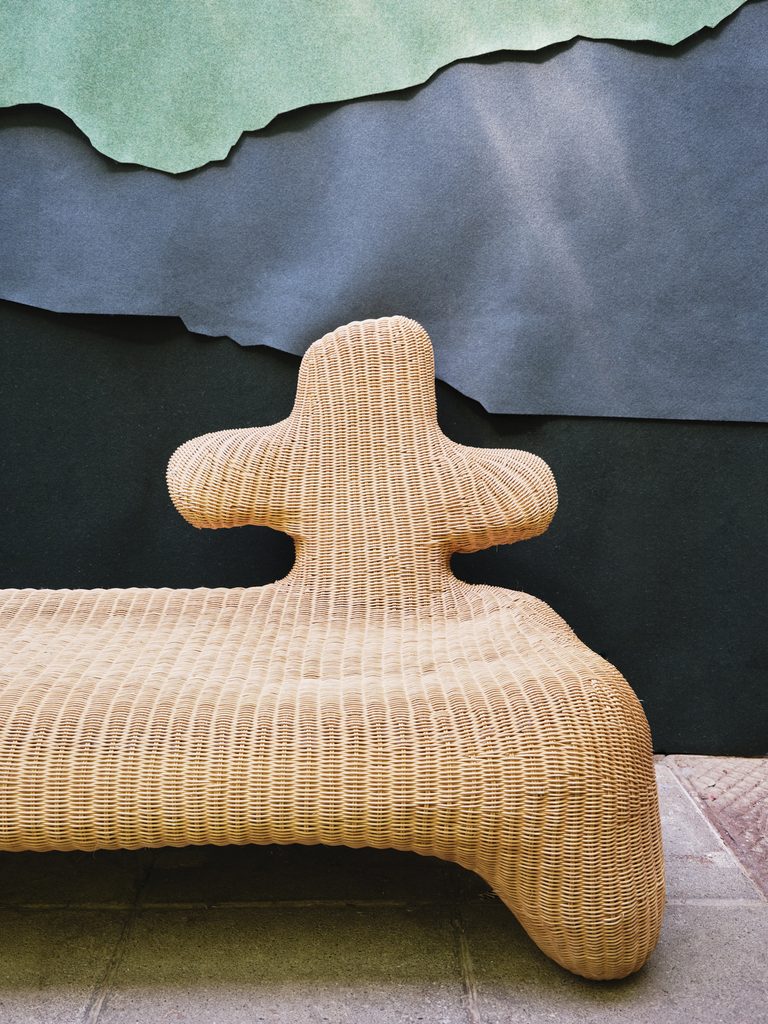
Mike Demirjian, meanwhile, arrived by reputation rather than introduction. “When I saw one of his pieces, I thought, he has to be part of this,” she says. She will present both at Nomad this November, not simply as exhibitors at a fair, but as designers she is, in effect, vouching for.
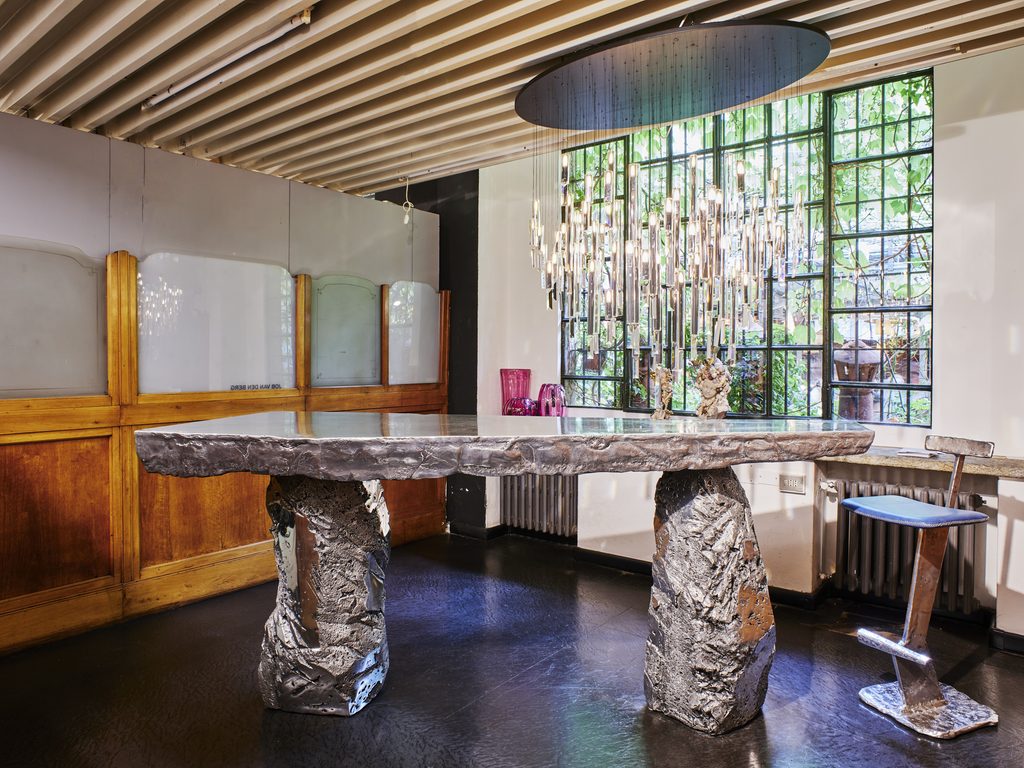
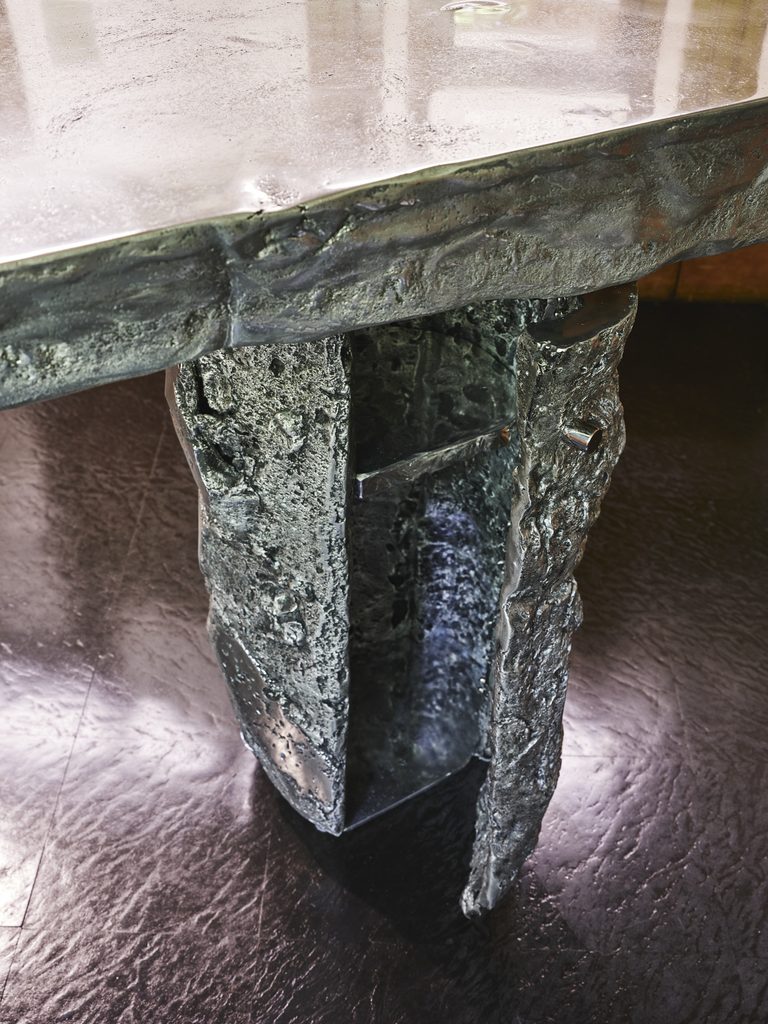
Orlandi sees this as part of a broader shift. “The design machine is moving worldwide,” she notes, recalling a recent visit to Riyadh ahead of an exhibition there, where she found collectors and creatives “curious, enthusiastic” about a conversation once confined to Europe. Yachoui, she points out, has already won two major prizes in France, proof, in her view, that this new geography of talent is not a promise but already a fact. It is, she says, “a magnificent exchange.”
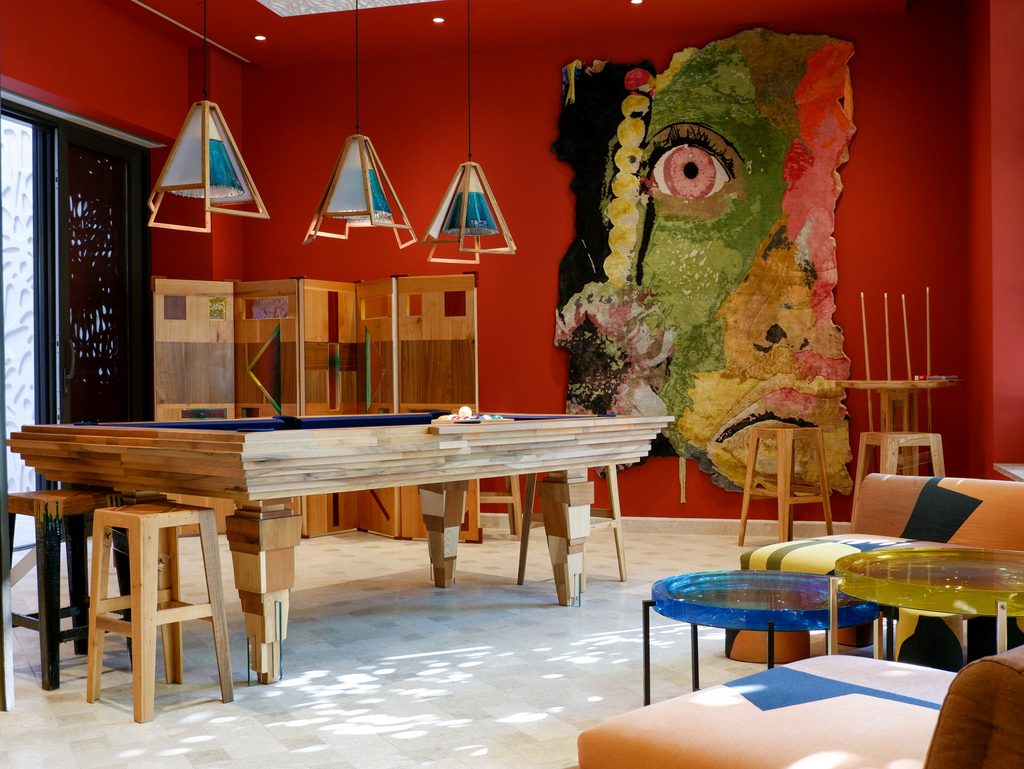
Material, though, remains the subject she returns to most, and the one she seems least willing to summarise quickly. Ask her when a shift happened, and she’ll often answer with a show rather than a date: she recalls curating an exhibition back in 2010, North Meets South, pairing pieces from Nordic Europe with work from across the African continent, deliberately scrambling any visitor’s sense of origin. “There were so many pieces where you couldn’t tell where they came from,” she tells me. “Contamination, that’s what it was.”
Even over video call, nothing is lost: we laugh, and the conversation carries on brilliantly, as only a conversation with Rossana can.
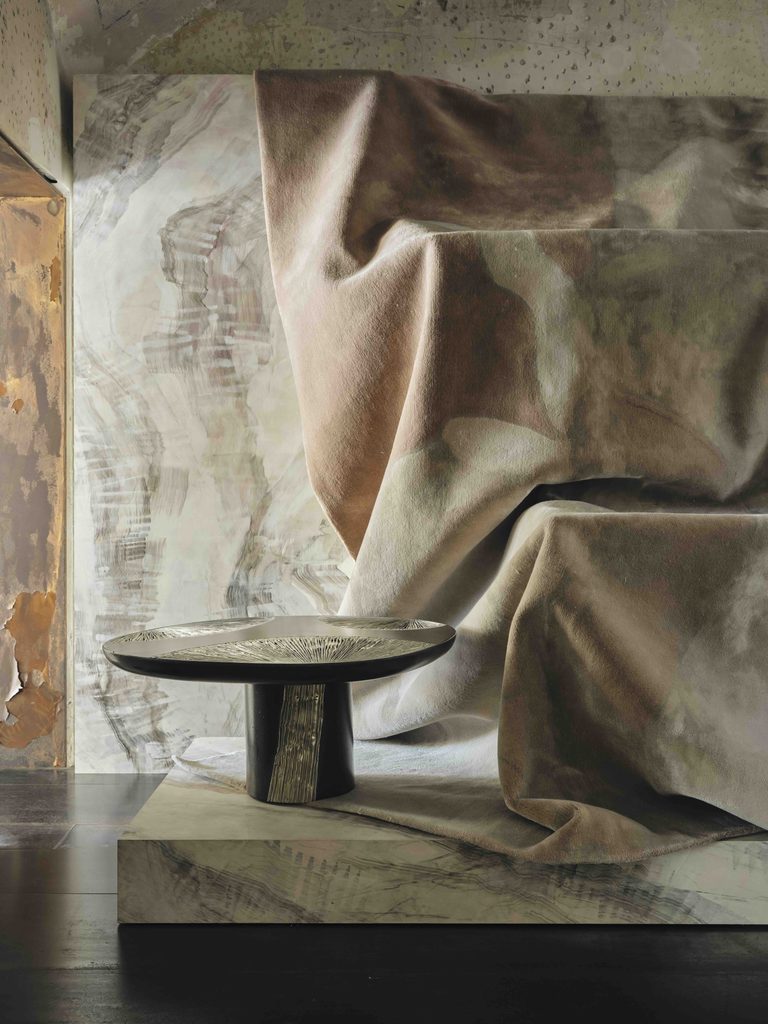
That instinct for contamination now extends to material itself. She points to Patricia Urquiola as the designer most fully committed to reinventing what recycled material can be, not simply using it, but reshaping it entirely on her own terms. “To be able to mould the material you want to use, exactly how you want to use it, that’s a huge achievement,” Orlandi says. She recalls drawing Urquiola into a group exhibition, RoPlastic Master’s Pieces, part of the project GUILTLESSPLASTIC, on recycled plastics at Milan’s Museum of Science and Technology, alongside twenty three other designers, a project that, by her account, changed how Urquiola herself approached the question afterward. “Of everyone who took part,” she tells me, “she was the one who made the most of it.”
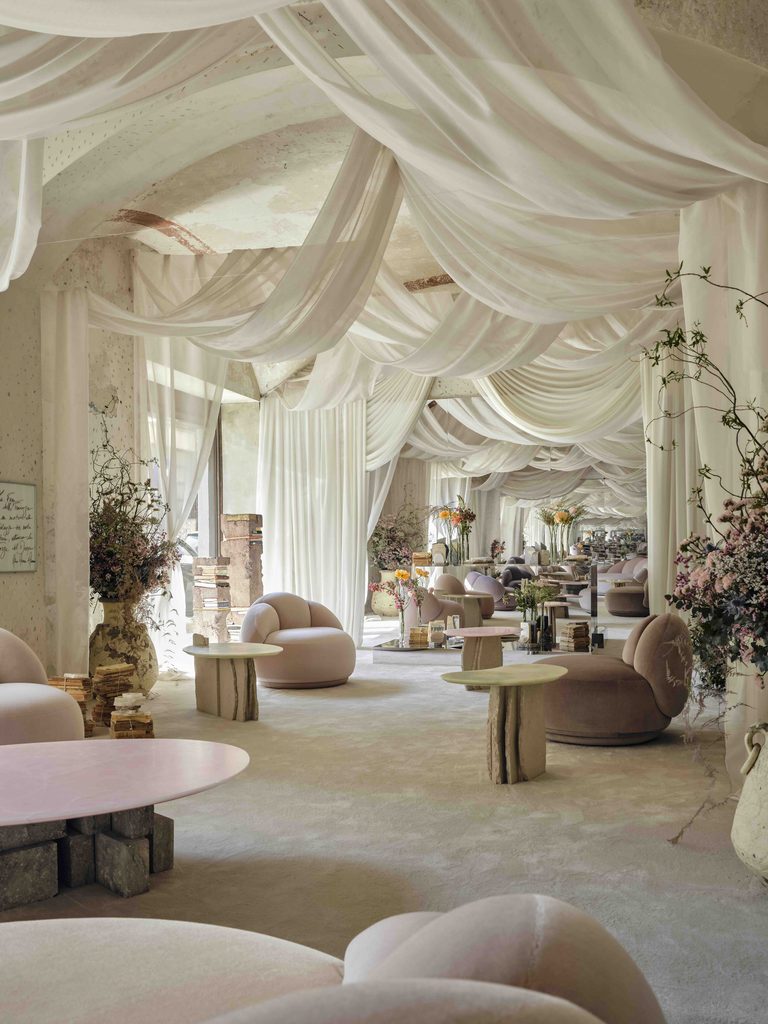
That same material curiosity runs alongside a countercurrent: a return to craft. “There’s a need to return to intimacy, to gathering inward, to a kind of meditation,” Orlandi says, tracing this instinct back to her exhibition Porte. She is wary of artificial intelligence encroaching on this territory, recalling a circular installation at the Venice Biennale split between artisans and AI. “The AI half was perfect,” she tells me. “But the artisans’ half had a soul.”
Asked what still drives her after thousands of discoveries, her answer is simple: she still goes to the market, still knocks on doors when something catches her eye. And asked what today’s design still hasn’t fully understood about itself, she doesn’t hesitate: “Design today is too much. Less is more.” This year, she has deliberately emptied her galleries, in Milan and in Porto Cervo, to give the pieces that remain room to matter again.