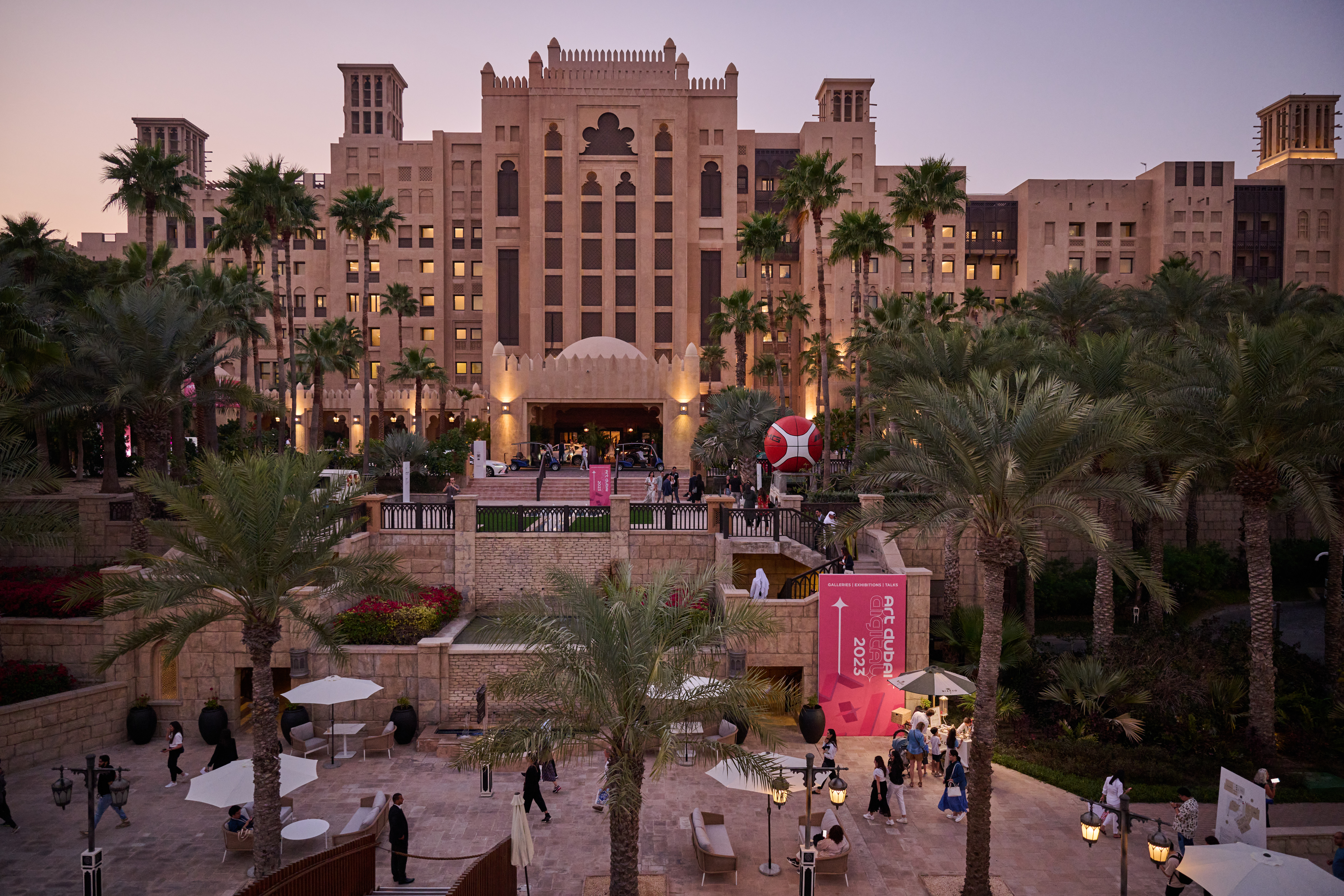
Art Dubai at twenty arrives at a moment in which the geography of the art world no longer feels stable. The old centres continue to exist, but their authority is increasingly negotiated elsewhere: through fairs, institutions, collections and cultural infrastructures emerging across regions that were once treated as peripheral to the market’s narrative. Over the past two decades, Art Dubai has positioned itself precisely within that shift. Not as an imitation of Basel or Frieze transplanted into the Gulf, but as a fair that understood early that the future of cultural exchange would be constructed through networks extending across the Middle East, South Asia, Africa and beyond.
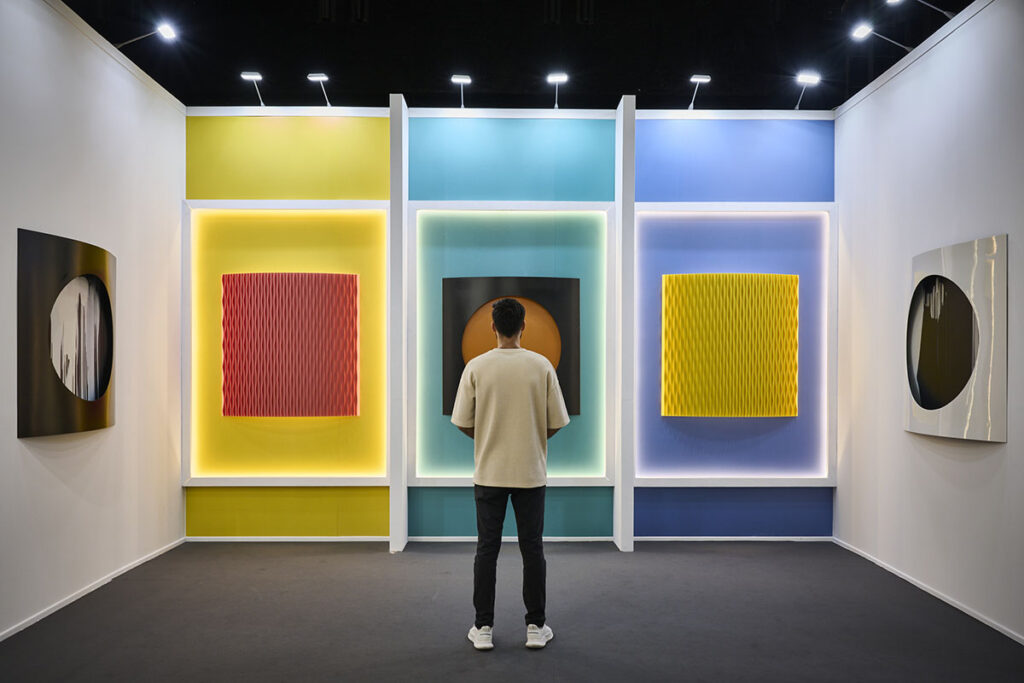
Its twentieth edition, taking place at Madinat Jumeirah in a modified format, feels less like a retrospective celebration than an exercise in institutional self awareness. The fair appears interested in asking what it has actually produced over twenty years: not simply sales or visibility, but an ecosystem. That ecosystem now includes galleries, public institutions, private collections, commissions, foundations and state-backed cultural initiatives operating simultaneously within Dubai’s rapidly expanding cultural infrastructure.
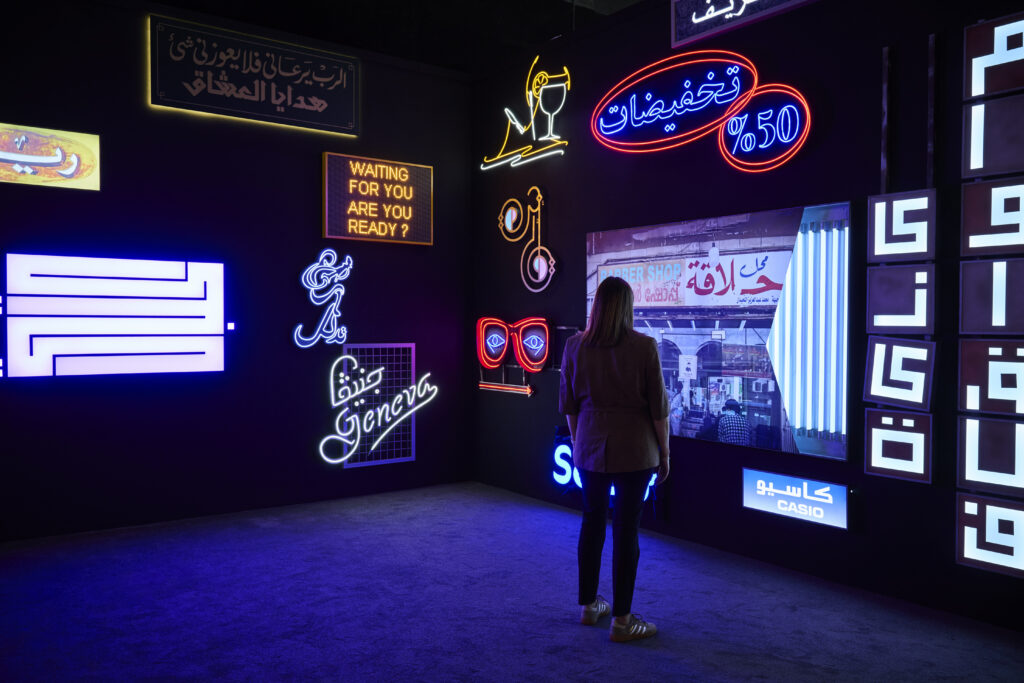
The statistic that perhaps matters most is not the number of participating galleries, but the fact that nearly sixty percent of presentations come from the region itself. In the context of global art fairs, where “regional representation” is often reduced to tokenism, this alters the intellectual structure of the event. The Middle East is not framed here as an exotic subsection within a Western market model; it becomes the organising logic of the fair itself.
That shift is visible in the galleries that have grown alongside Art Dubai over the years. The Third Line and Leila Heller Gallery belong to a generation of spaces that helped define what a commercial gallery could mean within the Gulf: part exhibition space, part archive, part educational platform, part diplomatic actor. Their continued presence alongside younger participants such as Foundry or Dom Art Projects reveals how the UAE’s cultural scene has matured from a speculative market into a layered artistic infrastructure capable of sustaining multiple generations simultaneously.
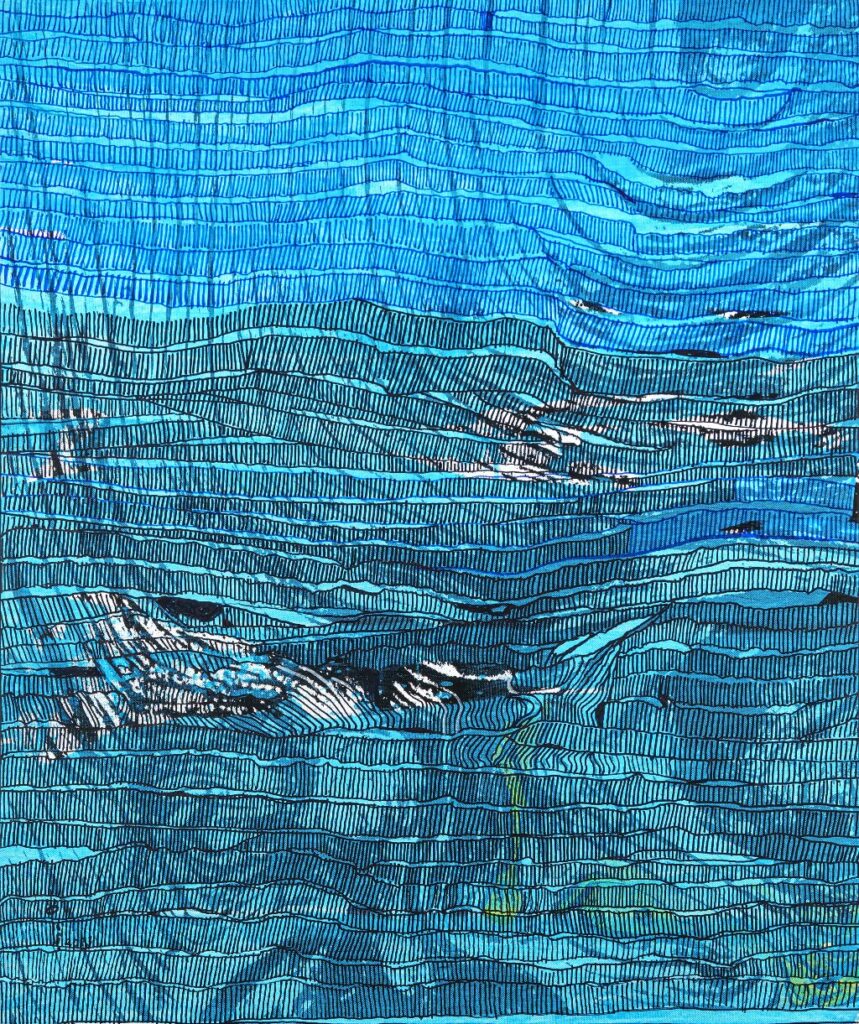
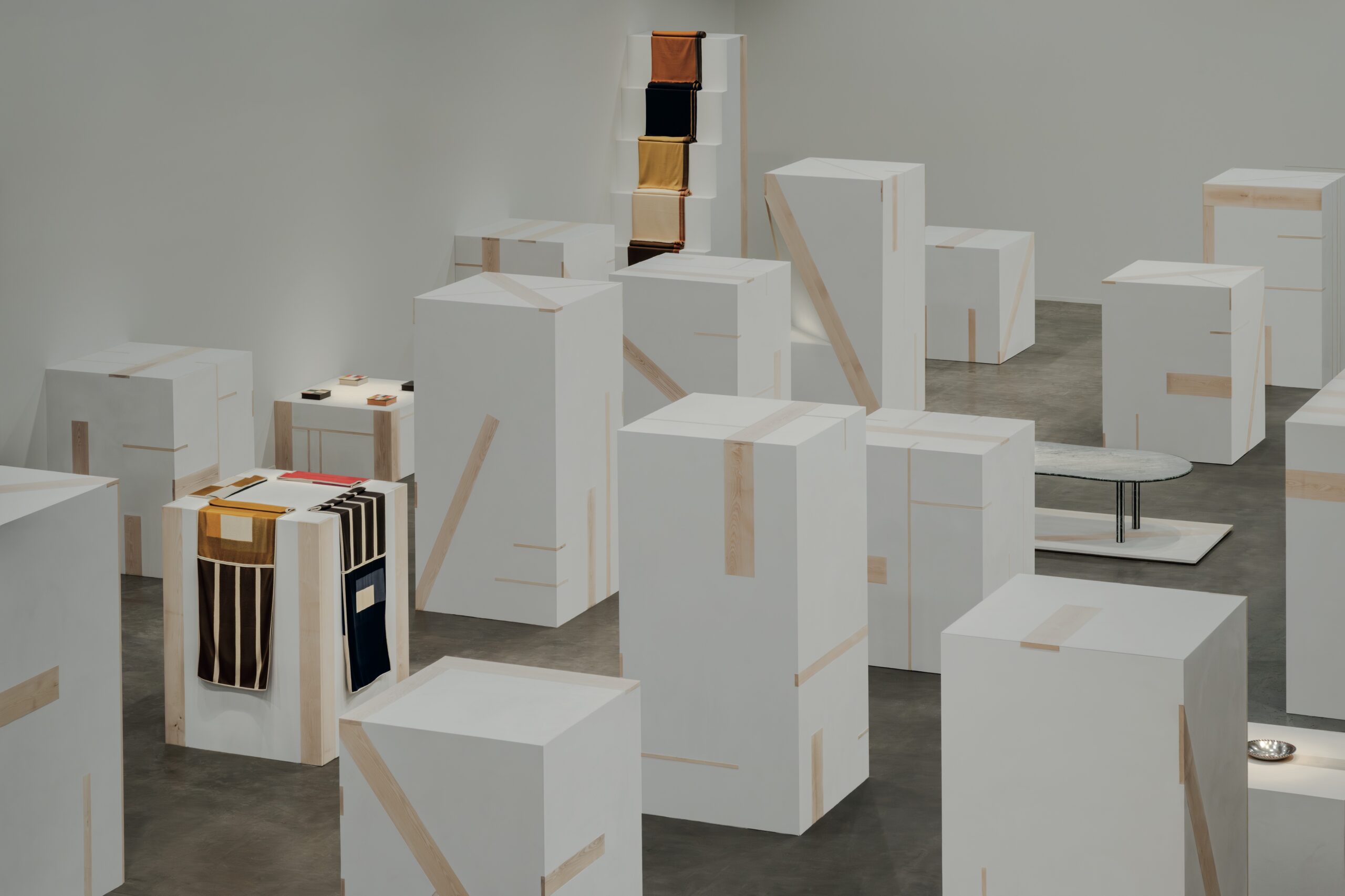
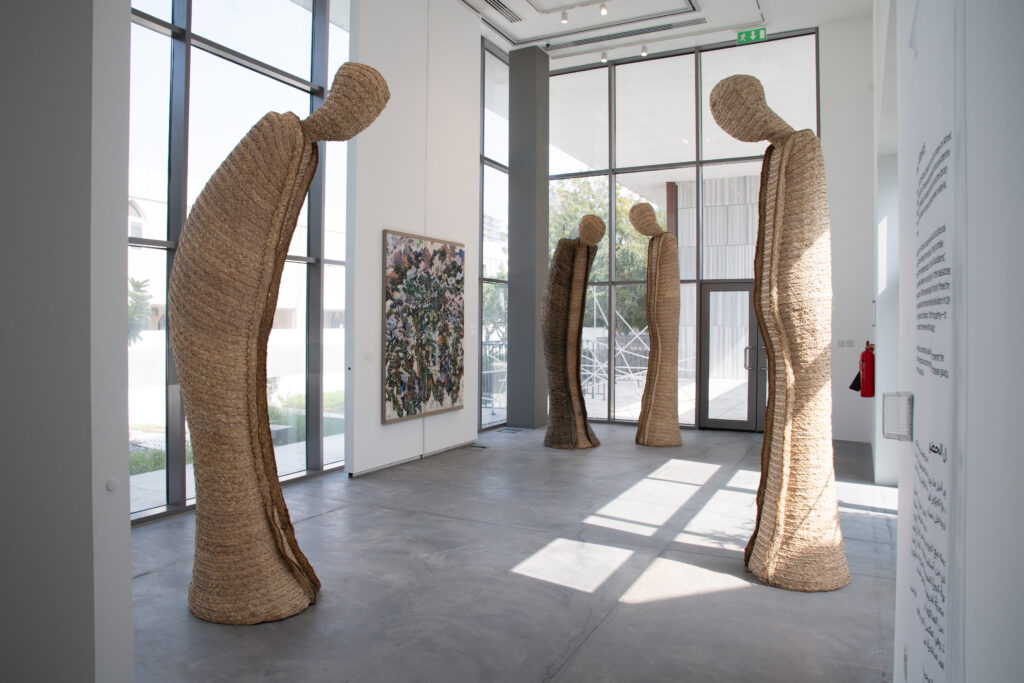
Equally significant is the way the fair dissolves the boundary between art, architecture, craft and design. Some of the strongest commissions this year operate precisely within that ambiguity. Rashid Bin Shabib and Ahmed Bin Shabib revisit the traditional manameh pavilion through questions of shade, ventilation and sustainability, transforming vernacular architecture into contemporary spatial discourse. Neda Razavipour’s textile installation Silk Road approaches soft architecture not as decoration but as a material history of trade, migration and exchange. Meanwhile, Hashel Al Lamki works with recycled fabrics produced across Mallorca, Kerala and Cairo, constructing an object that is geographically fragmented yet materially interconnected.
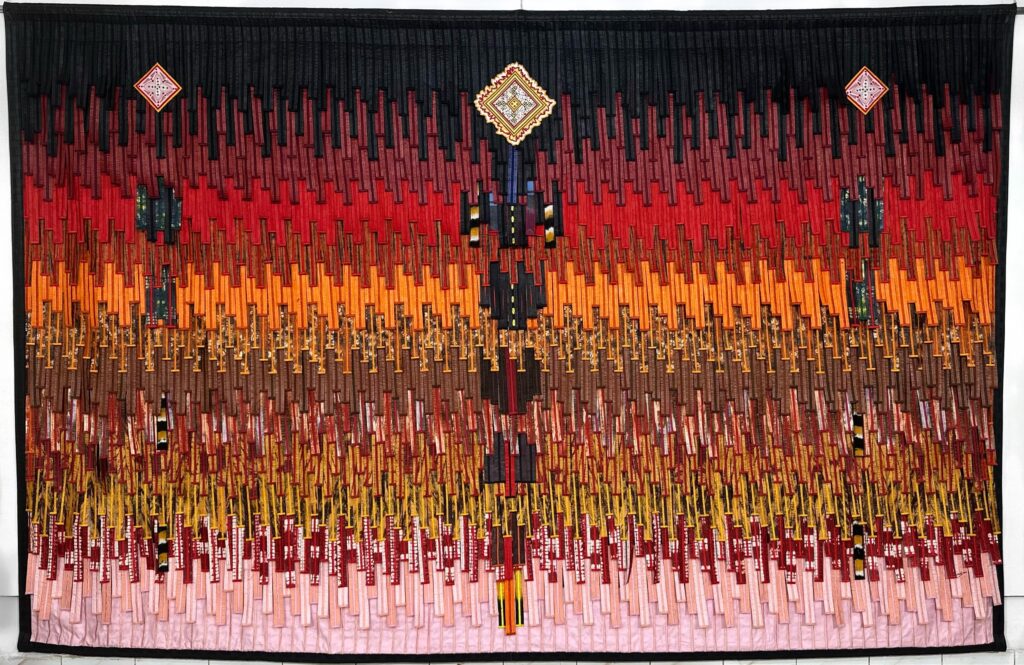
This year’s commissions repeatedly return to one central concern: value. Not only financial value, but cultural value, historical value and emotional value. Yaw Owusu’s sculptural installation made from coins circulating between Ghana, the UAE and the United States becomes particularly resonant within Dubai itself, a city historically built through movement: of capital, labour, goods and people. The work quietly asks what currencies actually structure contemporary life, and who gets to define them.
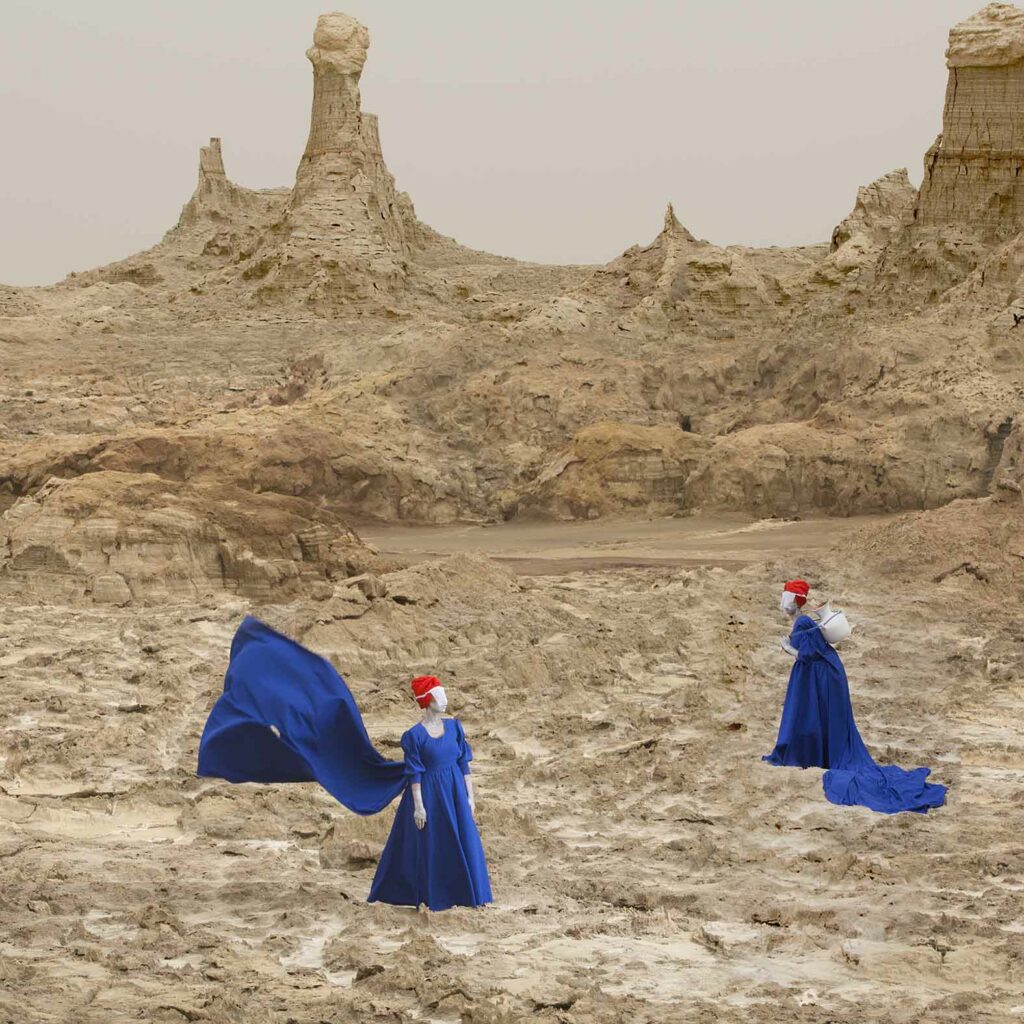
The institutional collaborations reinforce the sense that Art Dubai increasingly functions less as a temporary fair and more as a platform stitching together the UAE’s wider cultural ambitions. Alserkal, Art Jameel, Sharjah Art Foundation and the Dubai Collection are no longer operating in parallel silos; they are constructing a shared narrative about the region’s place within global contemporary culture. That narrative is increasingly archival. Exhibitions such as Pulse, drawn from the Barjeel Art Foundation, place artists including Mahmoud Said and Samia Halaby within a broader historical continuum that resists the perpetual “newness” often imposed on Middle Eastern art by international institutions.
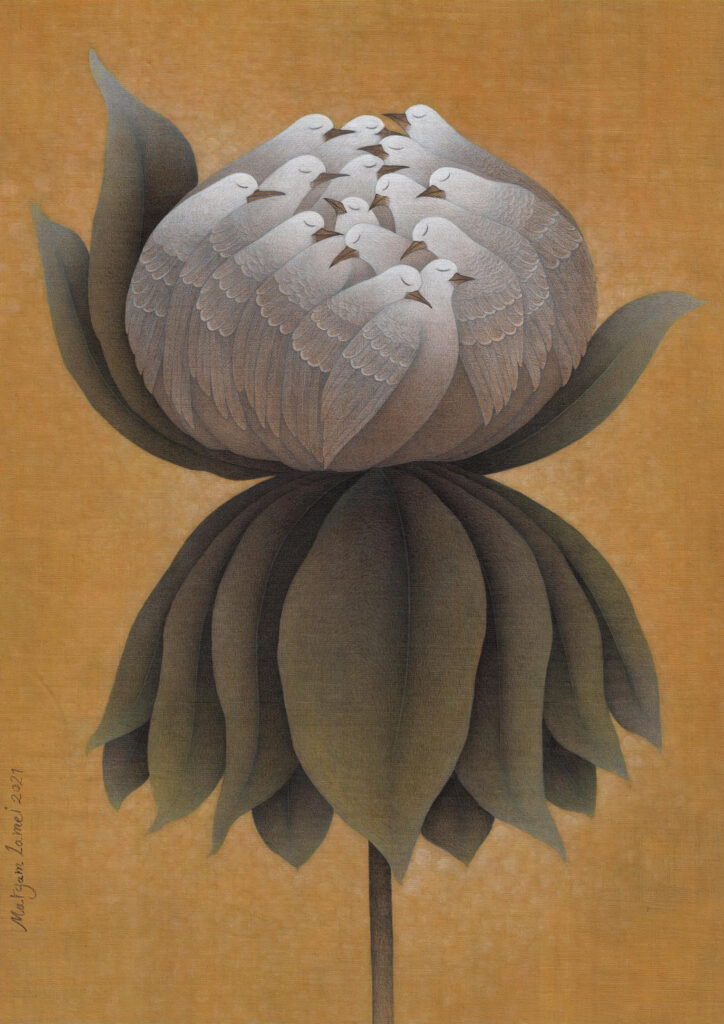
Even the fair’s digital section avoids treating technology as spectacle alone. Galleries such as Art Fungible and Iregular suggest a more nuanced question currently emerging across Gulf cultural discourse: how can digital practices produce new forms of collectivity rather than simply new forms of consumption?
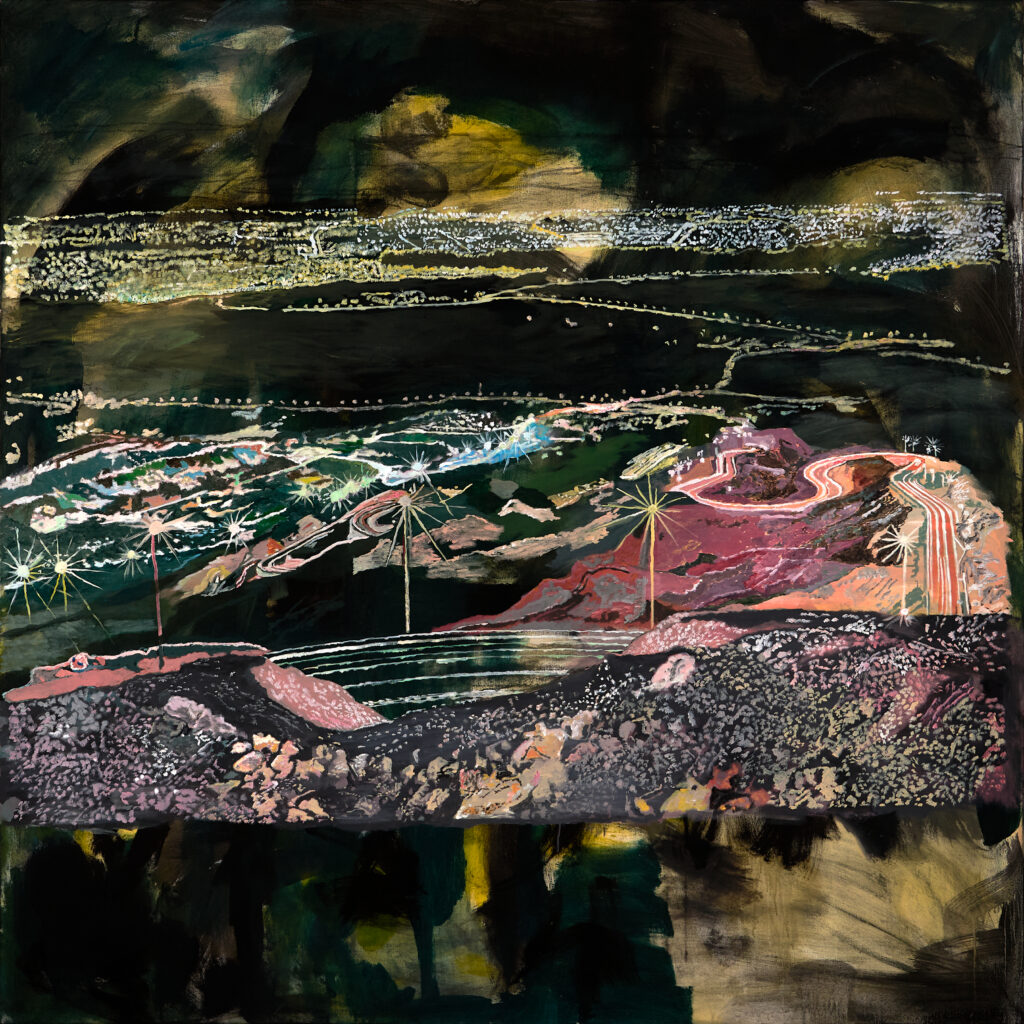
The title of this year’s Global Art Forum, “Before and After Everything,” feels unexpectedly precise. After twenty years, Art Dubai is no longer attempting to prove that the region belongs within the global art conversation. The conversation itself has already changed. What the fair now reflects is something more complex: a redistribution of cultural gravity, in which cities like Dubai increasingly operate not at the margins of the art world, but at the centre of its future negotiations.
Free entry for all visitors
Location: Madinat Jumeirah, Dubai, UAE
Opening Hours:
Thursday, 14 May, 2pm – 9pm (By invitation only)
Friday, 15 May
• VIP Hours: 2pm – 4pm
• Public Hours: 4pm – 9pm
Saturday, 16 May, 2pm – 9pm
Sunday, 17 May
• VIP hours: 10am – 12pm
• Public hours: 12pm – 6pm