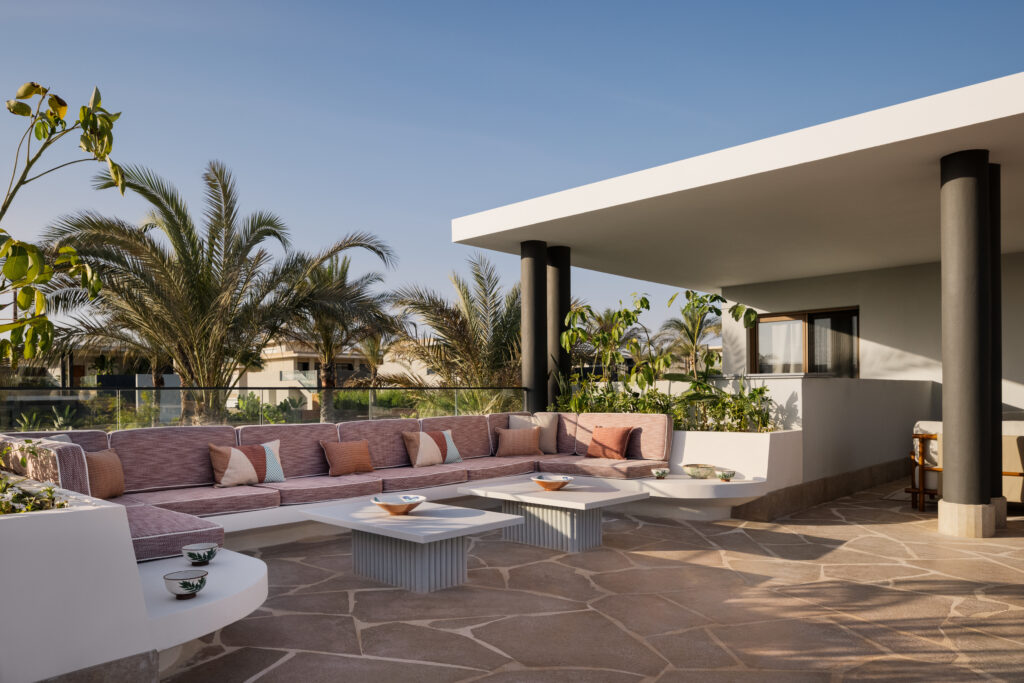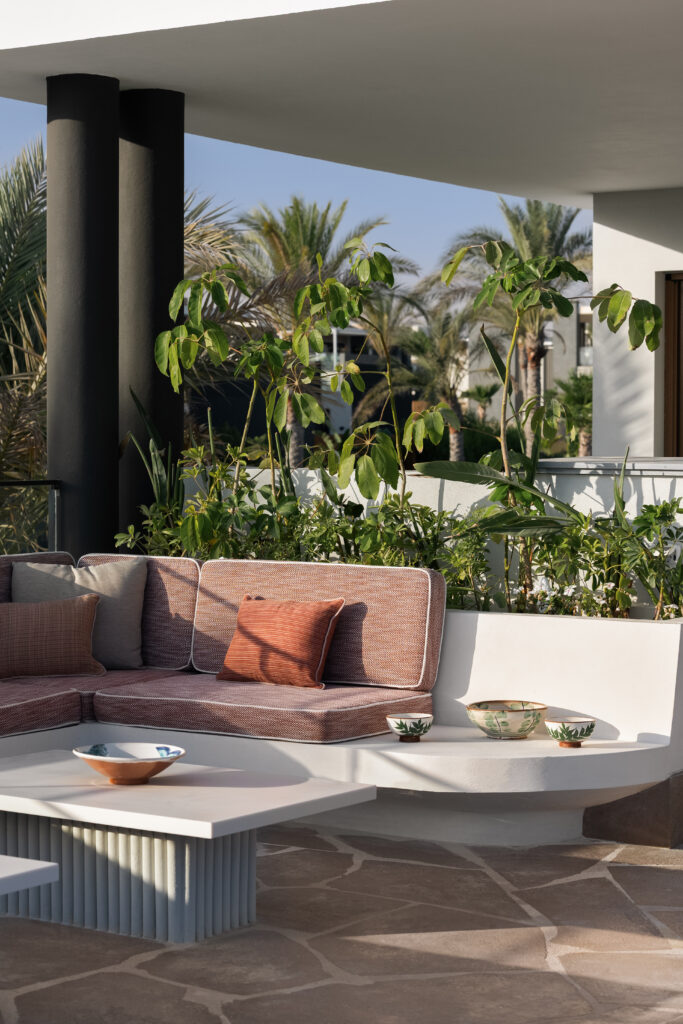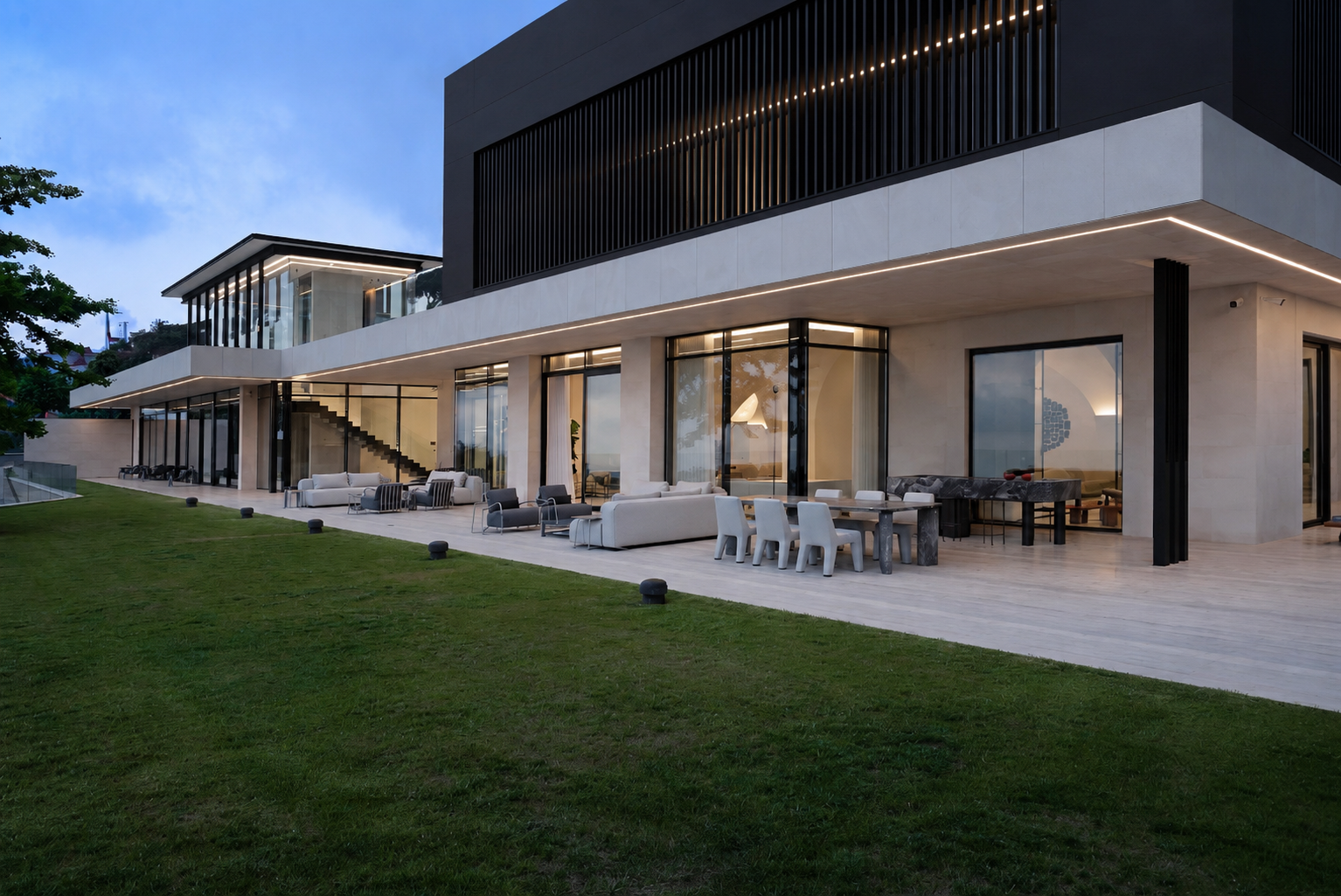
On Egypt’s northern coast, where the landscape of Almaza Bay shifts between sand, salt, and wind, the Brick House was conceived through atmosphere before architecture. The project draws its spatial language from what interior architecture and design studio Yasmina Makram describes as the “elemental trifecta” of “the sea, the sand, and the wind,” shaping a home grounded in texture, tactility, and emotional memory rather than visual spectacle alone.
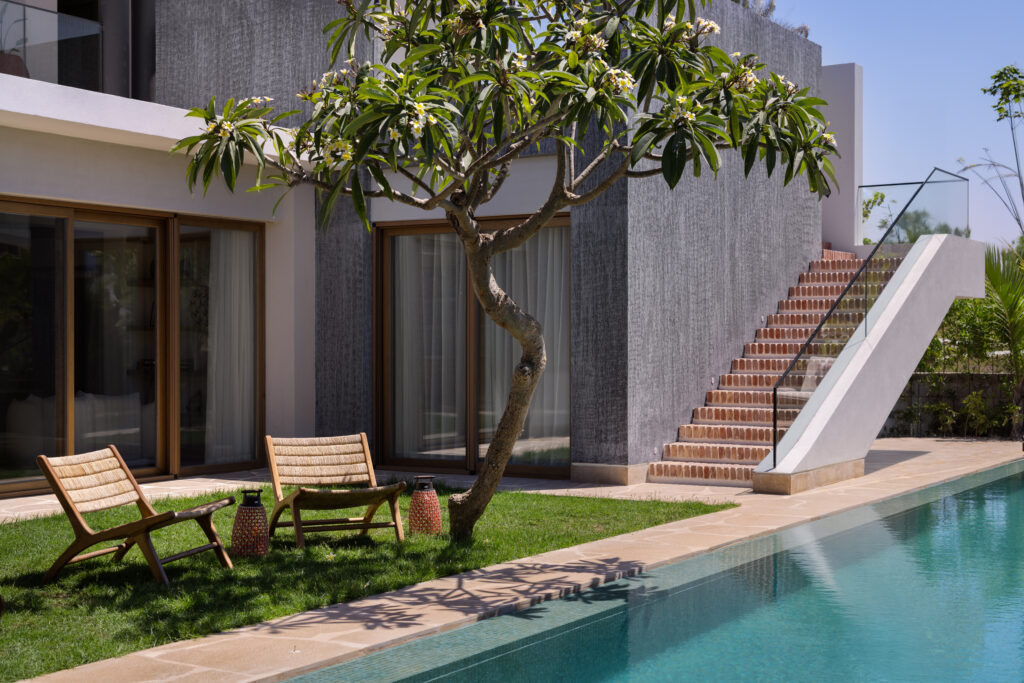
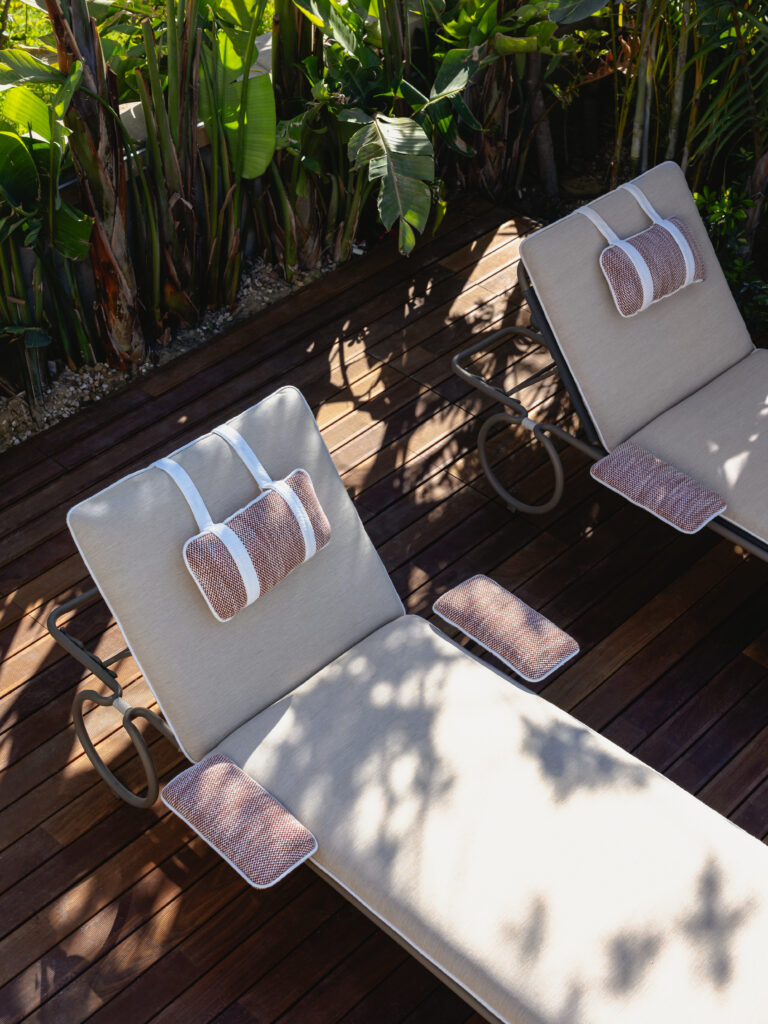
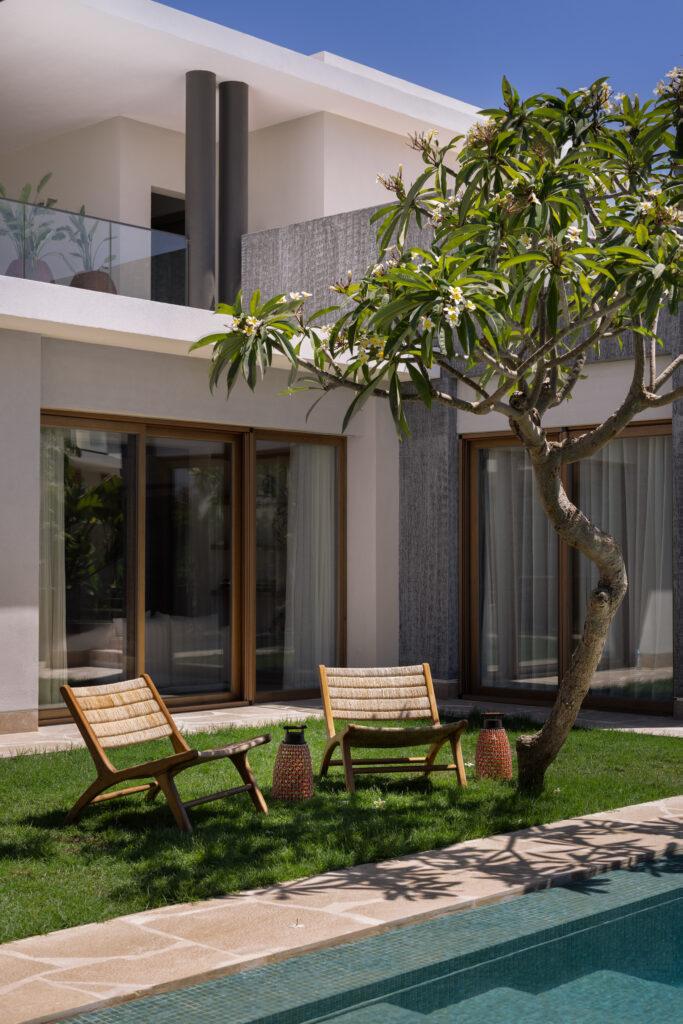
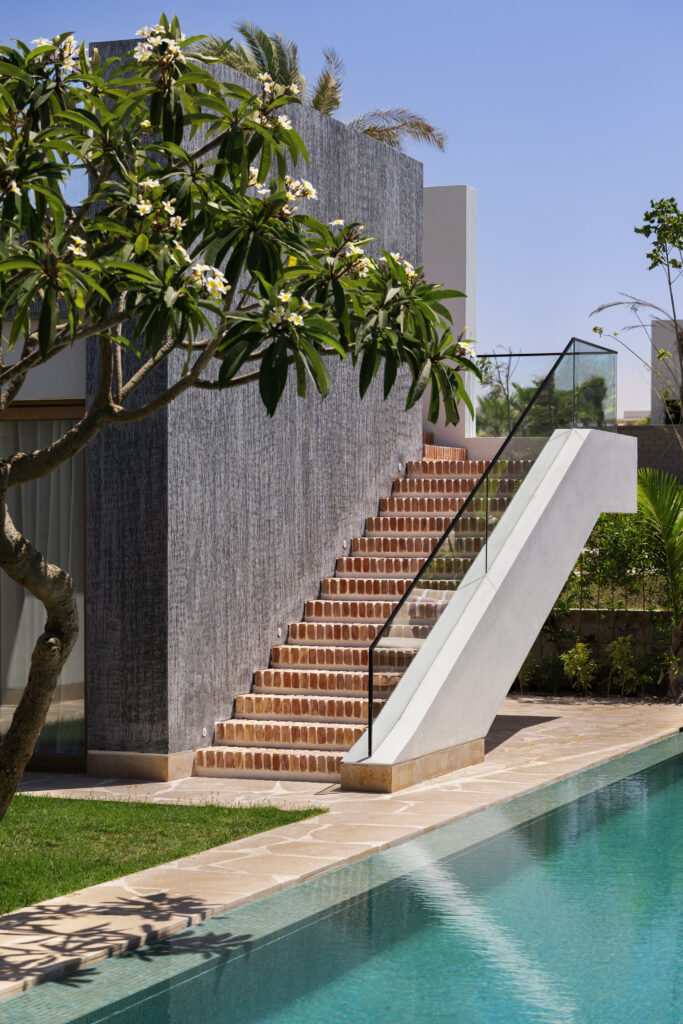
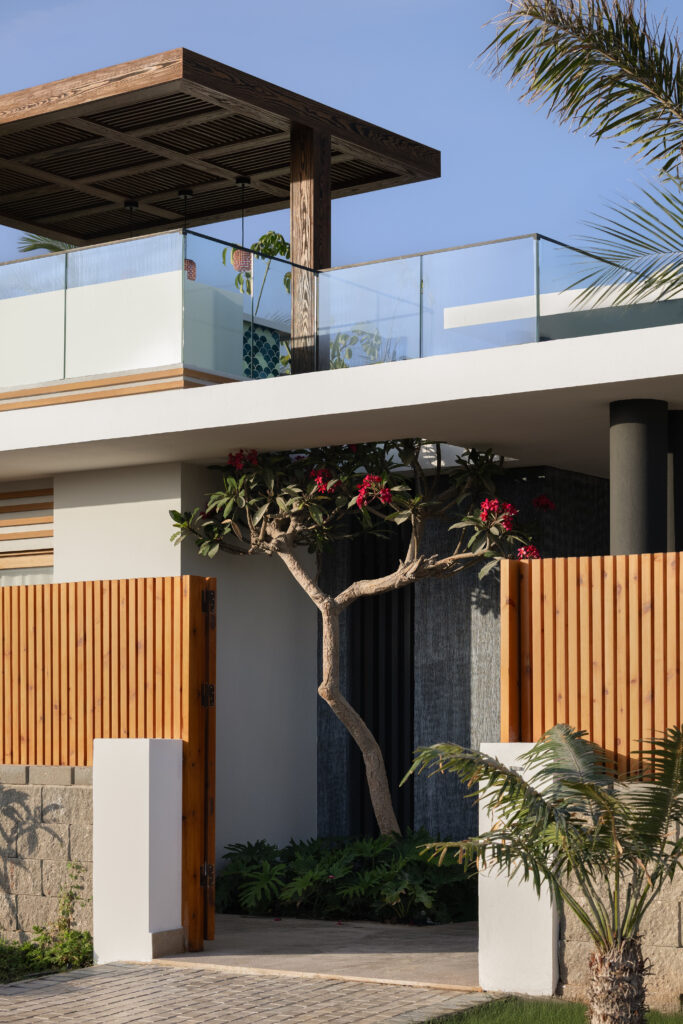
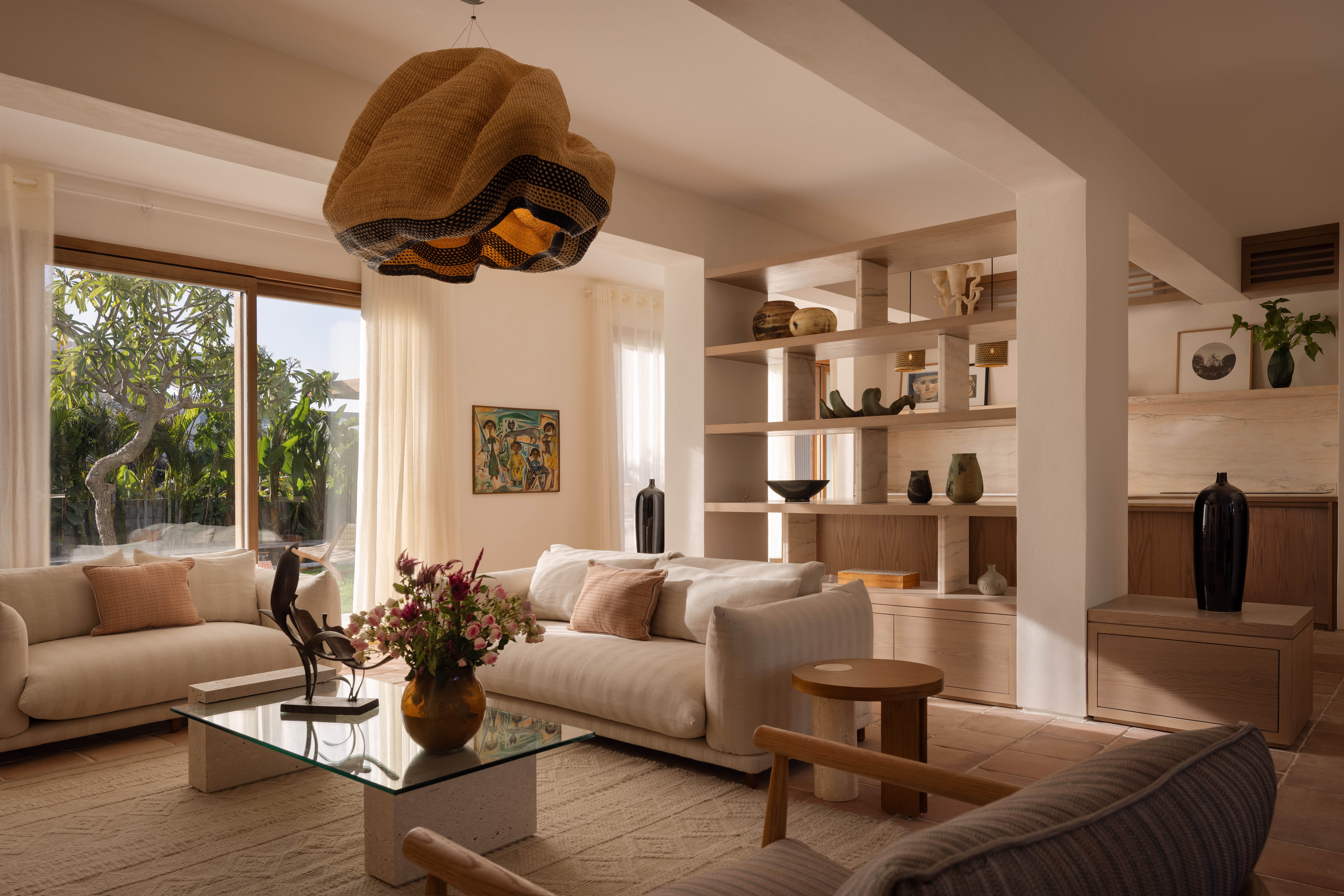
“Materiality is never purely visual; it’s sensorial,” Yasmina Makram, Founder & Head Designer, explains. “We wanted the house to feel grounded, earthy, and deeply connected to its surroundings.” Handmade terracotta flooring establishes that relationship immediately, carrying references to the architectural language of older Egyptian villas in Mansouria and Fayoum, alongside a quiet nod to the earthy restraint of Hassan Fathy. Against this warmth, travertine and Rosa Portugal marble introduce a softer refinement, constructing what the designers describe as “a dialogue between artisanal textures and polished surfaces.”
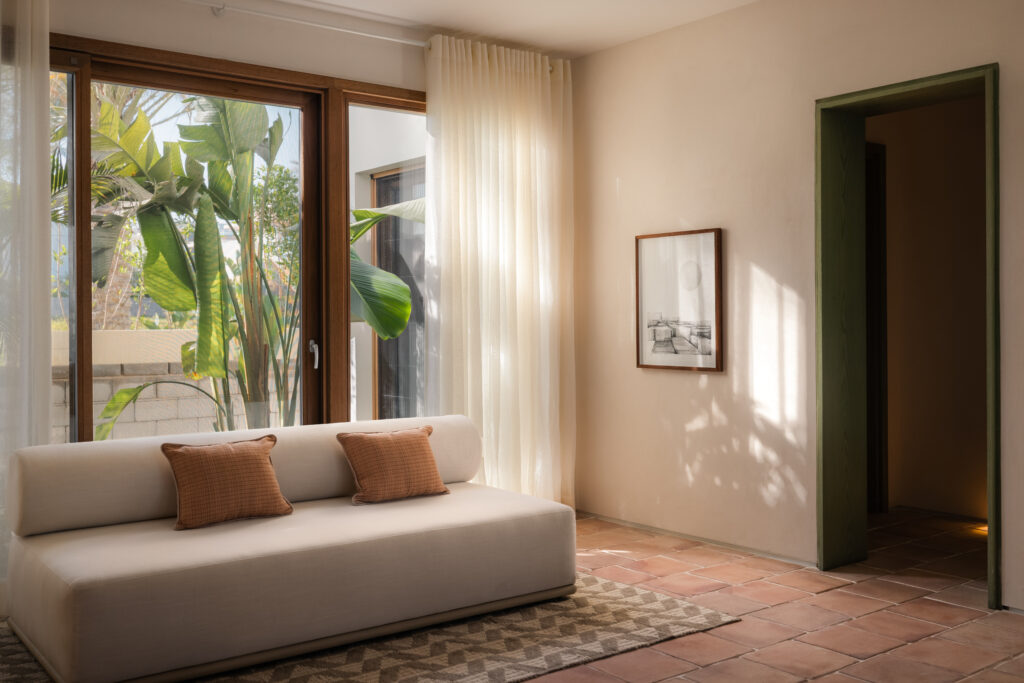
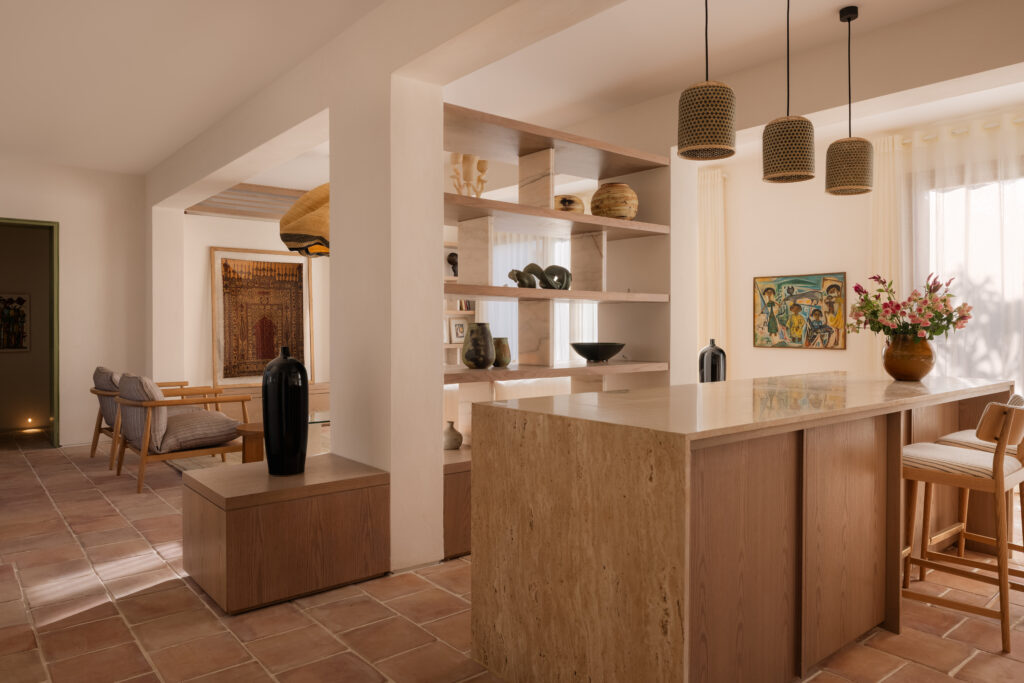
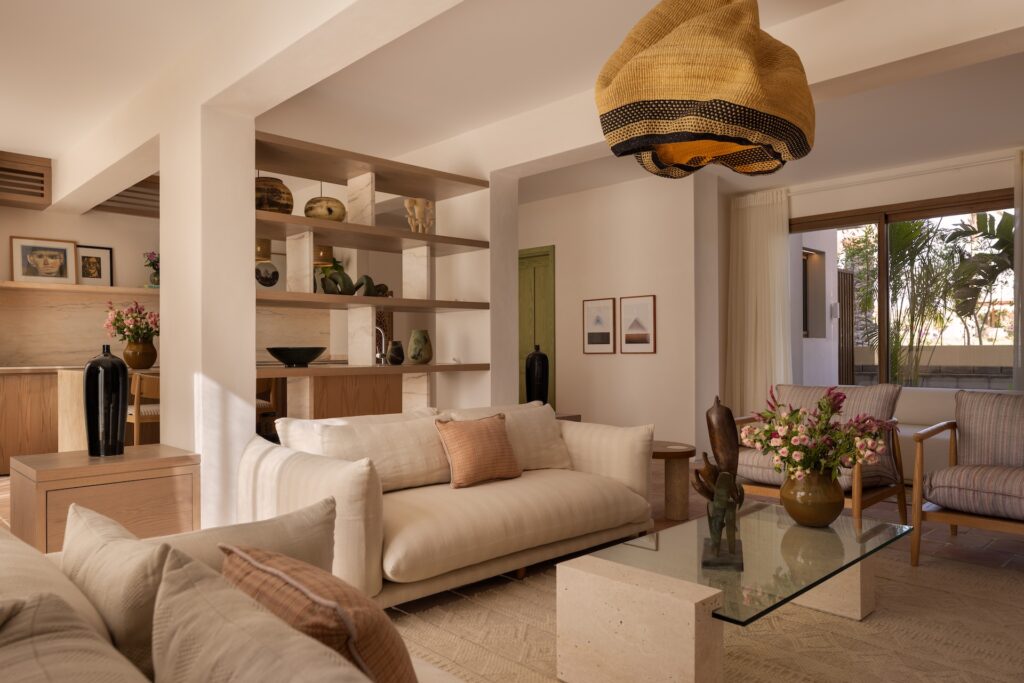
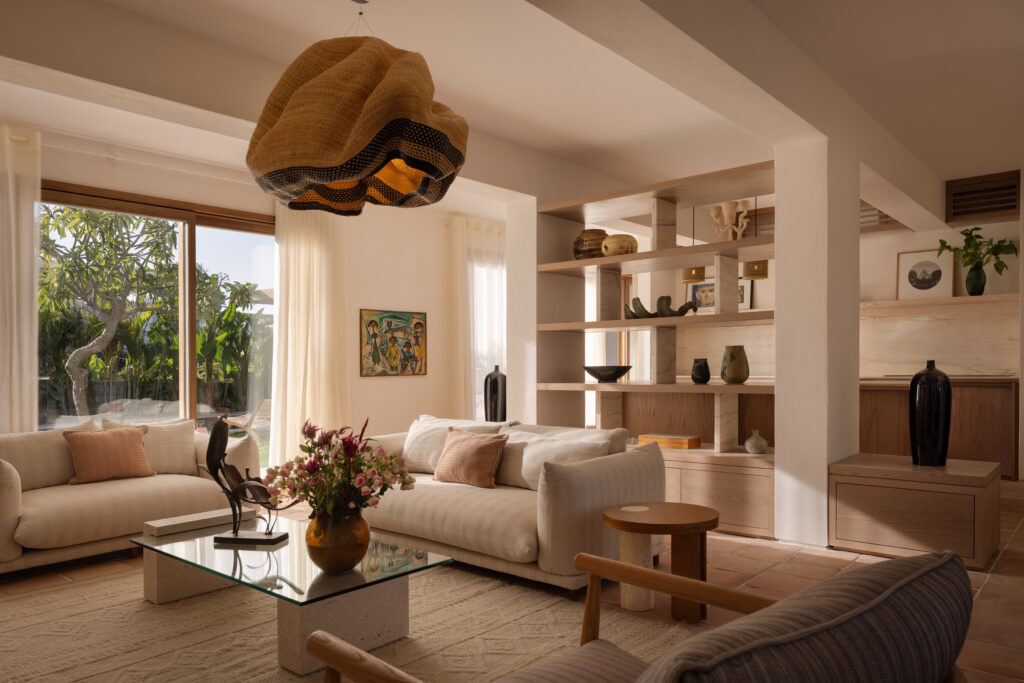
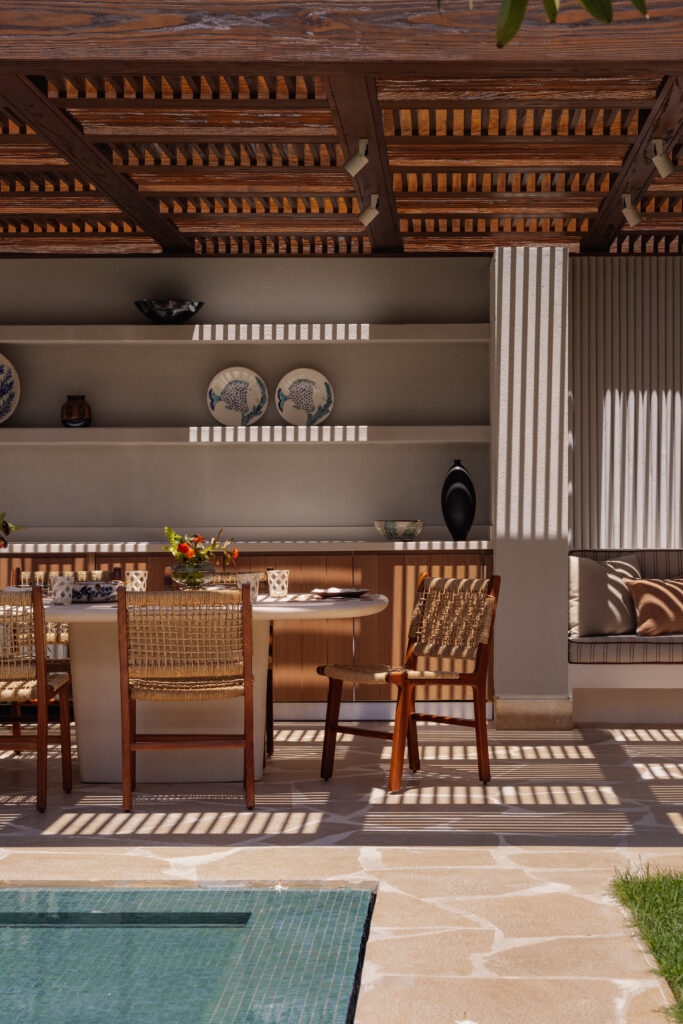
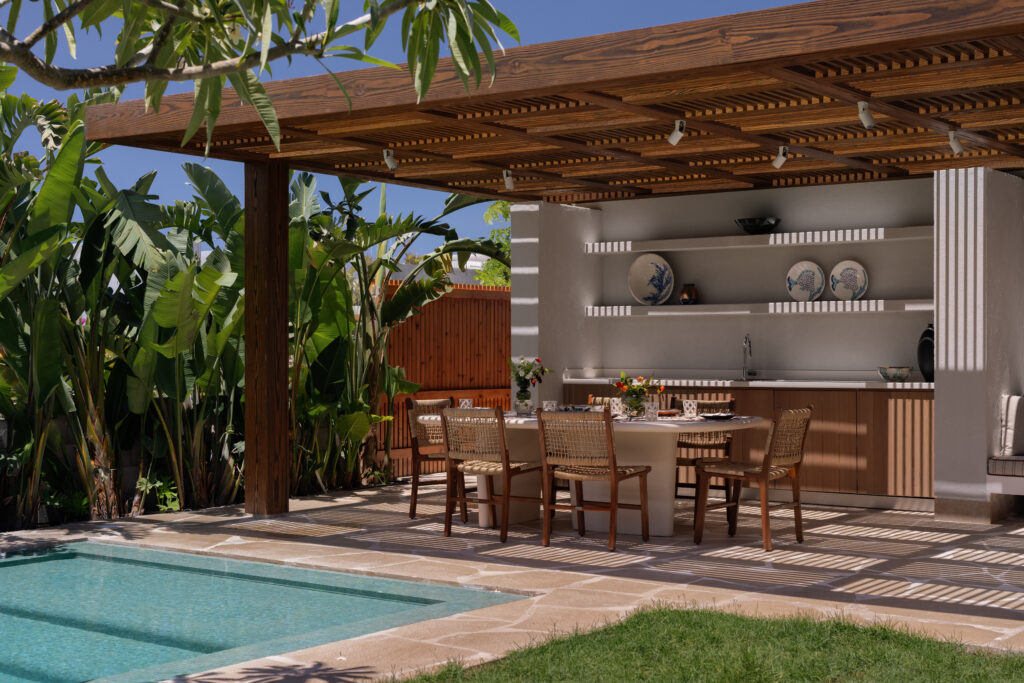
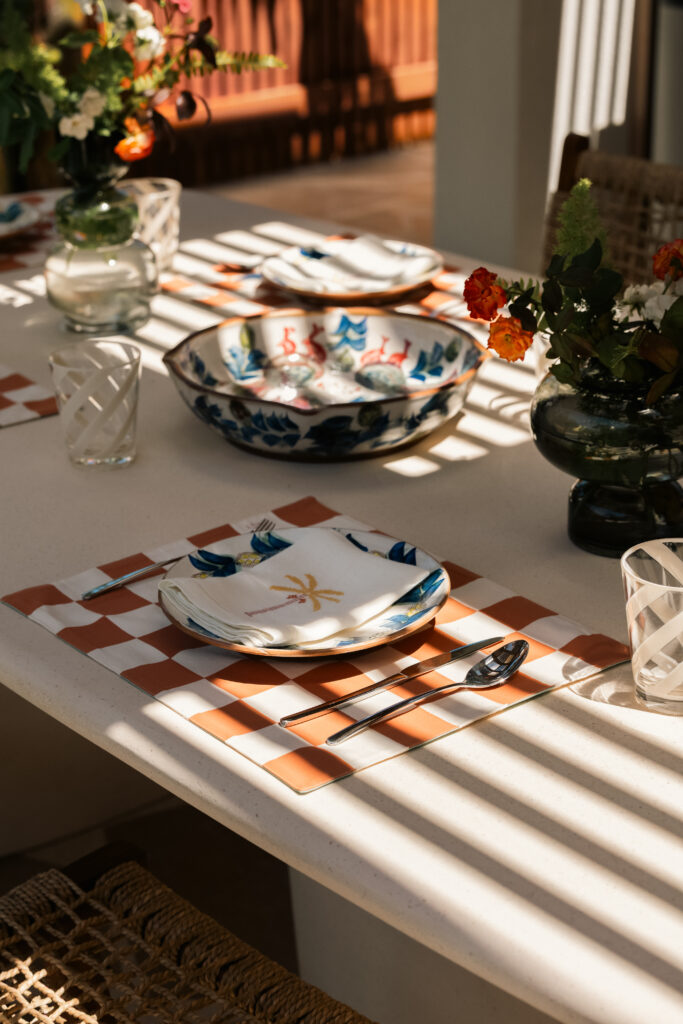
That dialogue continues through the project’s engagement with Egyptian craftsmanship. Fayoum pottery, locally crafted furniture, and textiles woven in Akhmim using traditional techniques were developed through collaborations with artisans across the country. “The intention was never to recreate the past in a nostalgic way,” Makram notes, “but rather to reinterpret these crafts through a contemporary lens.”
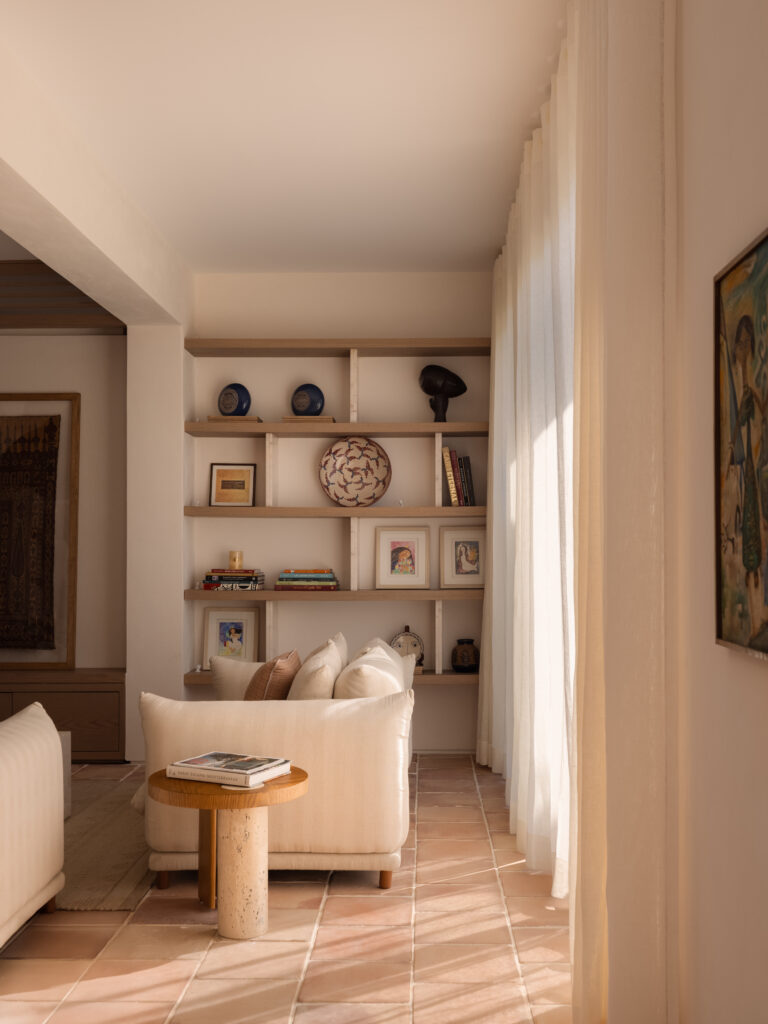
Some of the project’s most personal gestures appear in its recurring green doors, inspired by the painted shutters and entrances of traditional Egyptian ezbas. “They became part of my visual memory of Egyptian homes,” recalls the designer. Set against the earthy palette, the green introduces rhythm and familiarity without overt symbolism. “It’s a subtle gesture, but one that carries a lot of nostalgia and cultural resonance without feeling overly literal.” she adds. “The green doors were deeply emotional for me. Growing up, many old Egyptian ezbas ( عِزبة)—whether in Fayoum, Mansouria, or older Cairo neighborhoods — had these beautifully painted green doors and shutters. They became part of my visual memory of Egyptian homes.” shares Yasmina Makram.
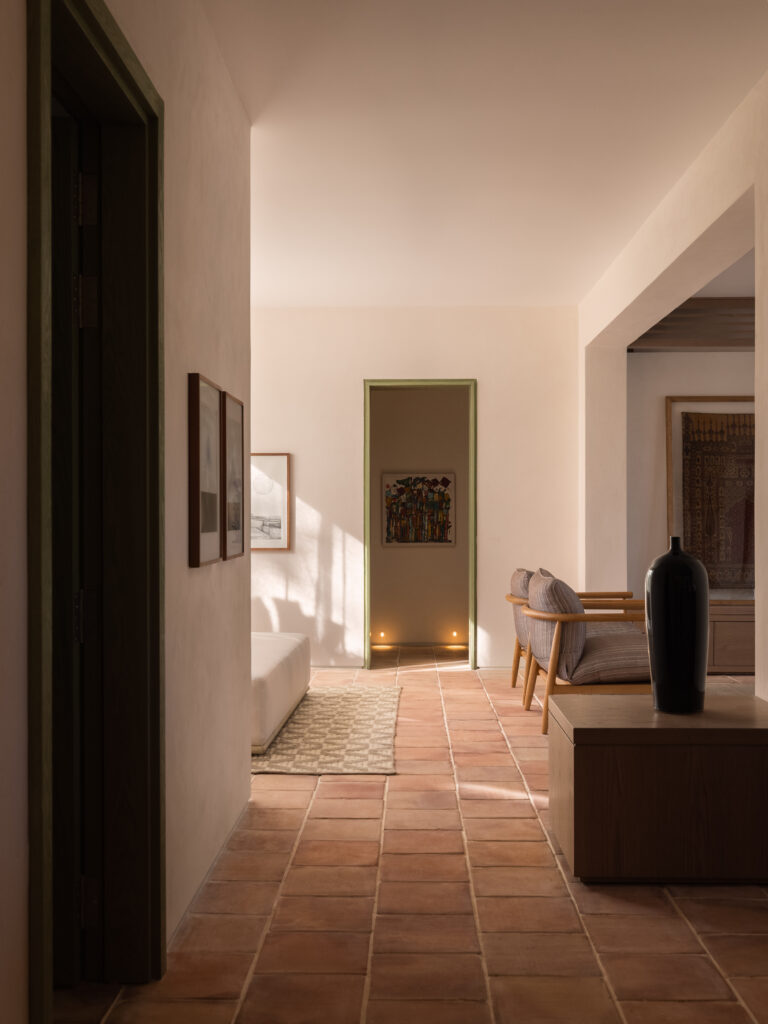
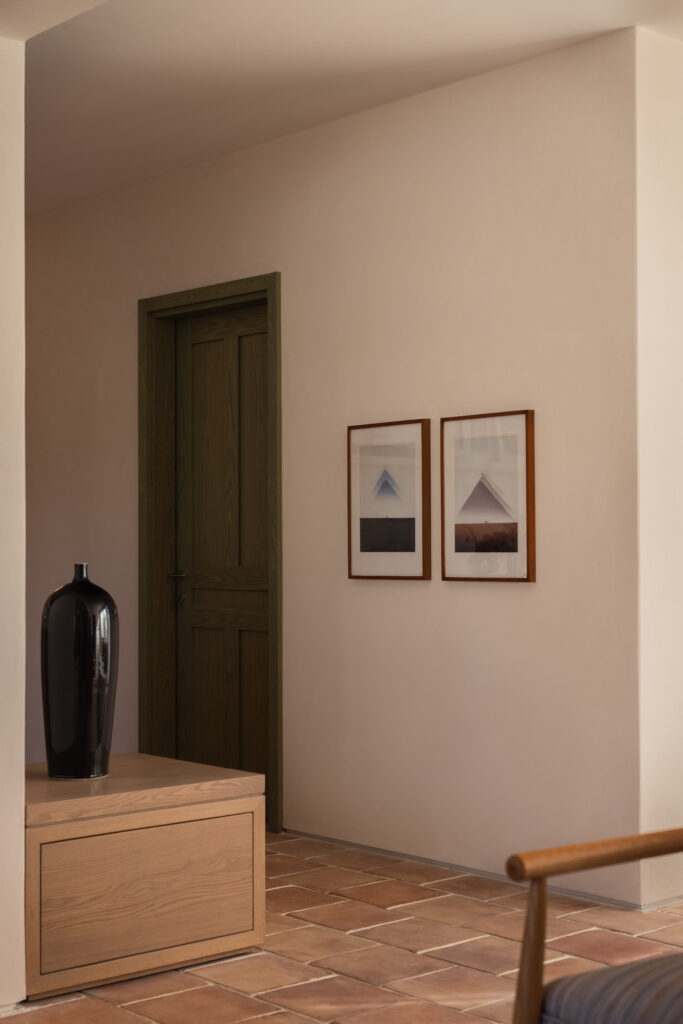
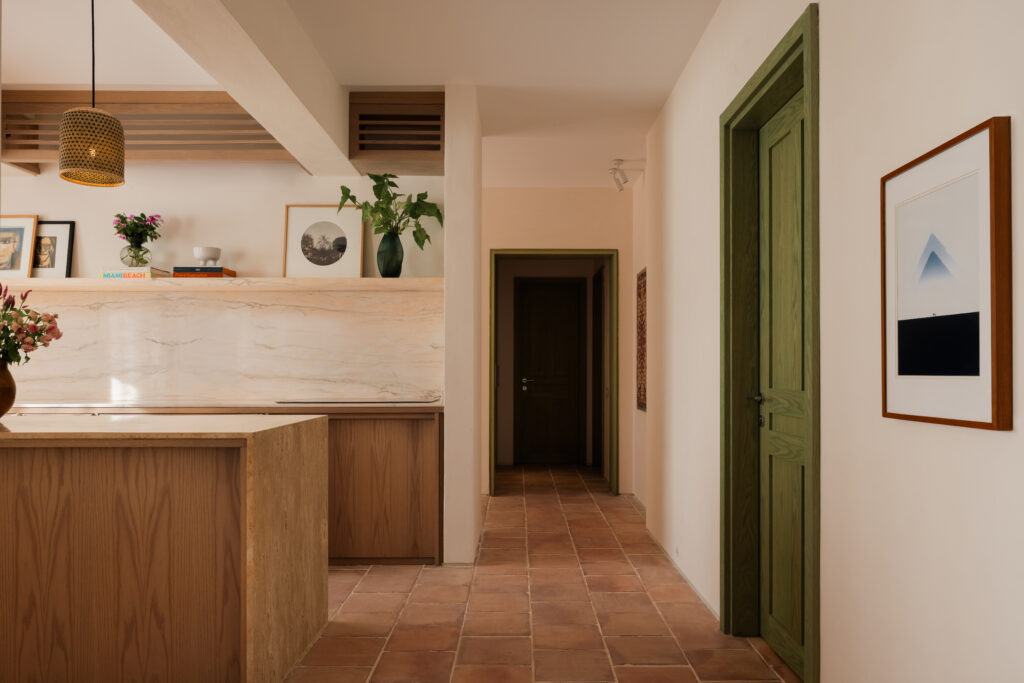
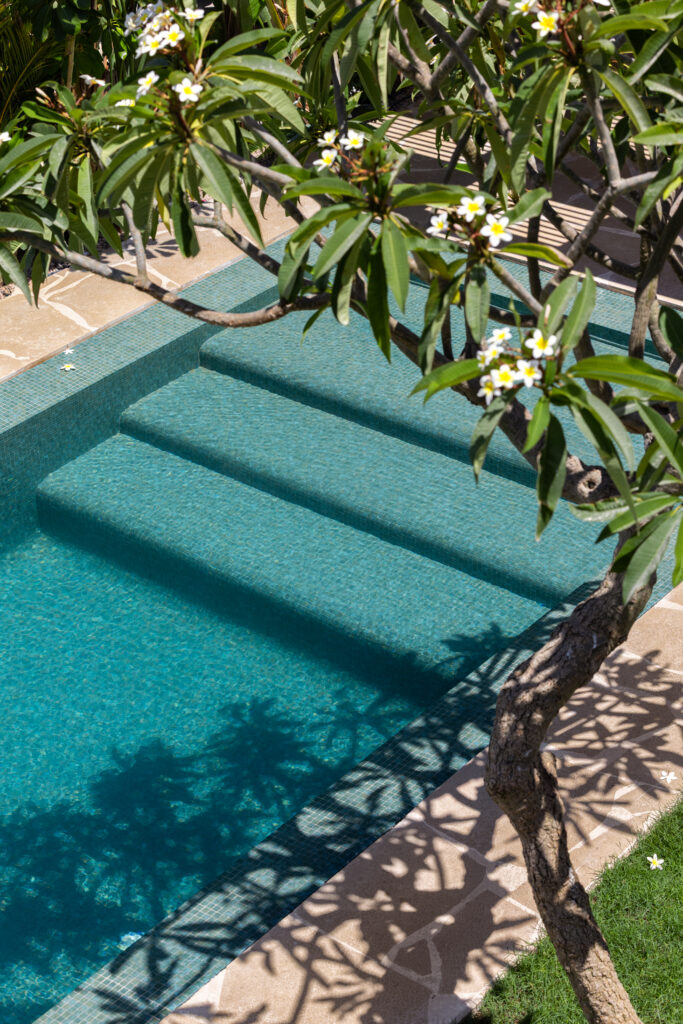
Inside, the architecture remains measured and functional, responding closely to family life and the clients’ practical brief. Outdoors, the atmosphere loosens. Through landscaping, layered tree species, and irregular “crazy” tiled flooring, the house adopts a more spontaneous energy tied to coastal living. Craft, throughout, remains embedded within the architecture itself. “In a world where so much feels mass produced,” Makram reflects, “craftsmanship brings authenticity, imperfection, and emotional value into a space. For us, craftsmanship was never an added decorative layer — it was the foundation of the project’s identity. The entire concept was rooted in reviving and celebrating Egyptian artisanal practices that are often overlooked today.”