What does it take for a city to establish itself on the international cultural map? The presence of celebrated artists, ambitious exhibitions and influential collectors may generate attention, but visibility alone does not create a lasting artistic ecosystem. More consequential is the ability to connect local creative communities with international networks, while allowing a city’s cultural identity to evolve on its own terms.
This was perhaps the most interesting proposition behind the second edition of Fly to Baku. Art Weekend. Sense the Future NOW, held from 30 October to 1 November 2026. Initiated by Leyla Aliyeva, Vice-President of the Heydar Aliyev Foundation, with Emin Mammadov contributing to the artistic direction, the initiative brought together Azerbaijani and international artists, curators, collectors and cultural figures across an extensive programme of exhibitions, performances and conversations.
Following its inaugural edition in 2025, the event returned on a considerably larger scale. According to art adviser and curator Viola Reikhel, registrations, events and the overall programme had almost tripled, although final figures were still being compiled. Yet its significance lies less in this expansion than in the cultural relationships it seeks to establish.
“Taking Azerbaijani artists to the world and bringing the world to Azerbaijan,” Reikhel explained during our conversation. The ambition is deceptively simple, but its implications extend well beyond the duration of an art weekend.
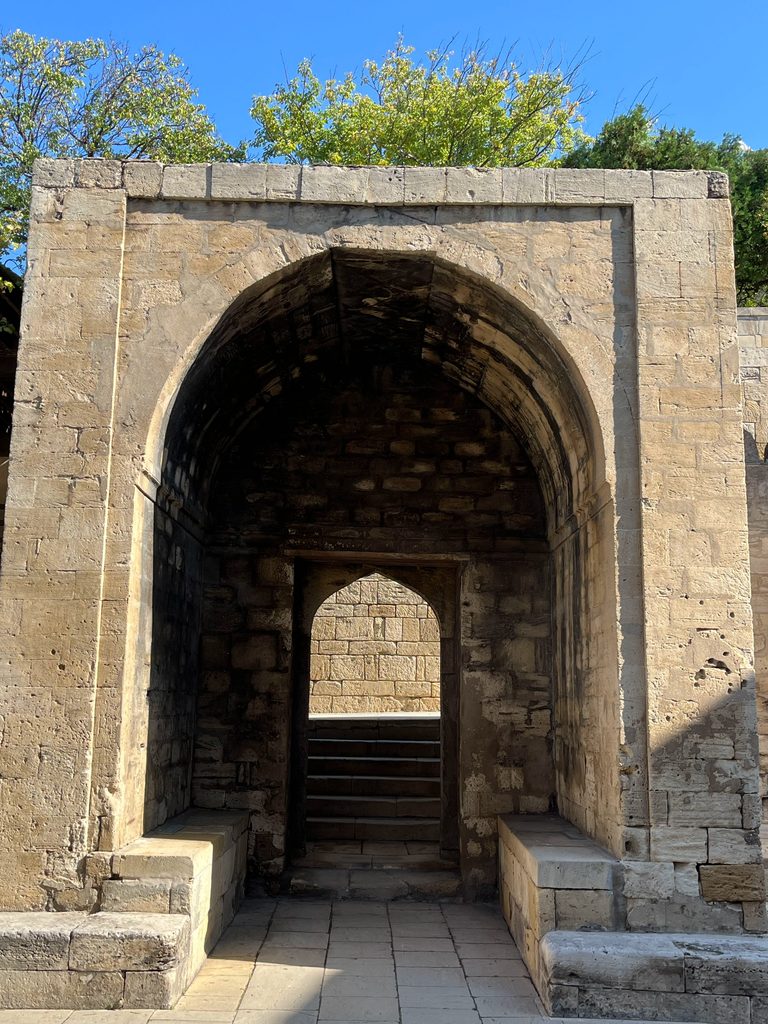
Unlike an art fair, where artistic production is generally concentrated within a single commercial environment, Fly to Baku unfolded across the city. Historic monuments, museums, contemporary galleries and artists’ studios became part of a connected cultural itinerary, allowing visitors to encounter contemporary art in dialogue with the architectural and historical fabric of Azerbaijan’s capital.
“It’s an entire city takeover,” Reikhel observed. “You’re not only experiencing the art in an isolated location, you’re also experiencing different iconic locations, architecture, history, tradition.” She described the result as a “360-degree, multisensory approach to experiencing art and culture.”
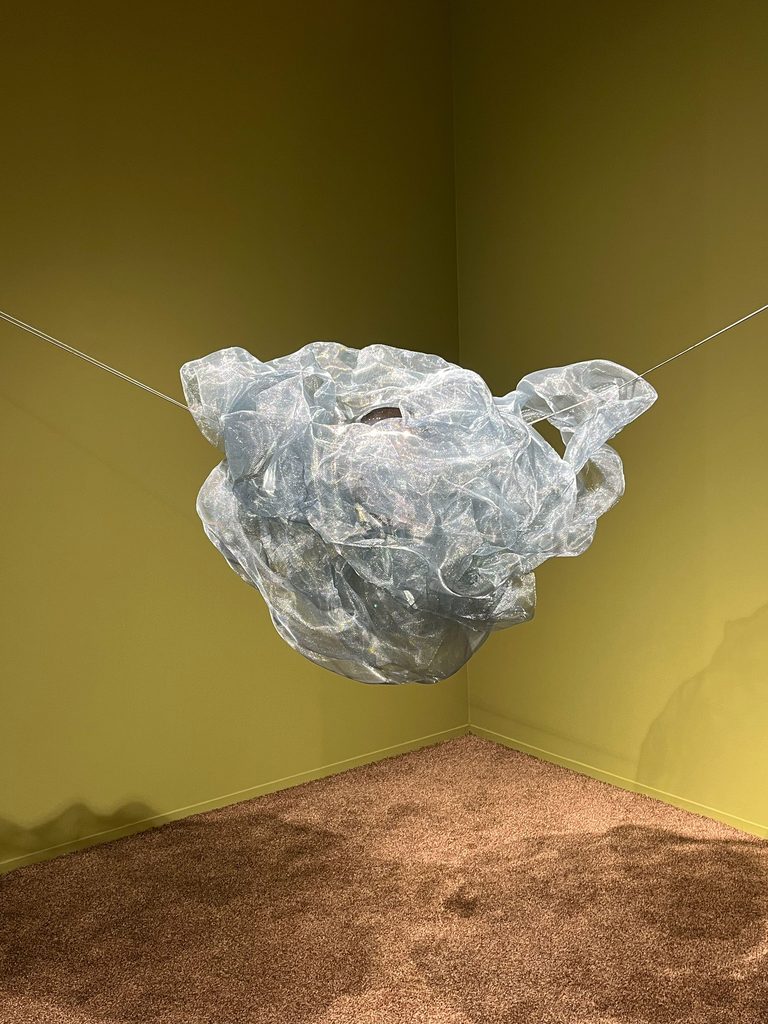
The distinction matters. Architecture is never an entirely neutral container for art. The histories embedded in a building, its original function and its relationship to the surrounding city inevitably influence how an artwork is encountered. In Baku, where medieval fortifications coexist with the material legacy of industrialisation and the fluid geometries of contemporary architecture, these relationships become particularly visible.
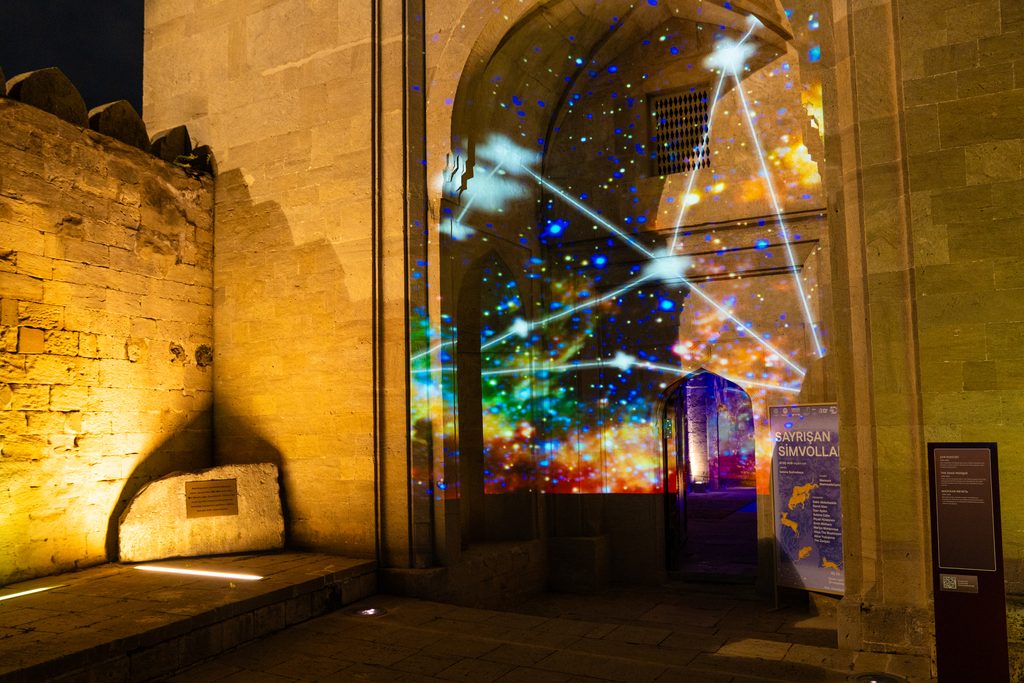
At the 15th-century Palace of the Shirvanshahs, Shimmering Symbols, organised by Atəş Hub, explored the symbolic significance of animals within Azerbaijani cultural traditions and ancient Turkic mythology. The exhibition’s contemporary interpretations of inherited imagery acquired another dimension within a monument that has itself witnessed centuries of political, cultural and architectural transformation. Here, heritage was not presented as a fixed inheritance but as a visual language open to reinterpretation.
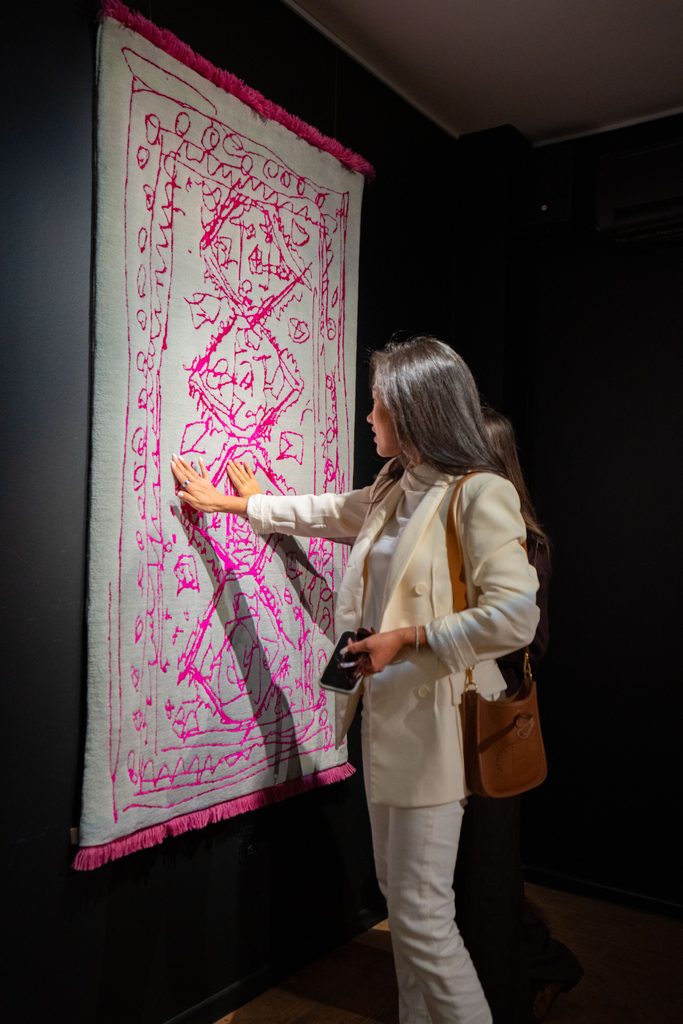
A similar negotiation between continuity and transformation emerged through Azerbaijan’s carpet-making tradition. Historically, carpets have functioned as repositories of cultural knowledge, their patterns and techniques carrying traces of geography, symbolism and collective identity. At QGallery, Beyond Memory, featuring Faig Ahmed and Farid Rasulov, brought this inheritance into the territory of contemporary artistic experimentation. In Ahmed’s practice, the carpet becomes more than a decorative object or an expression of technical mastery. Its familiar visual structures are disrupted, stretched and reconfigured, revealing how an inherited craft can become a means of questioning the very traditions it preserves. Rather than positioning craftsmanship and contemporary art as opposing categories, his work demonstrates how one can generate new possibilities for the other.
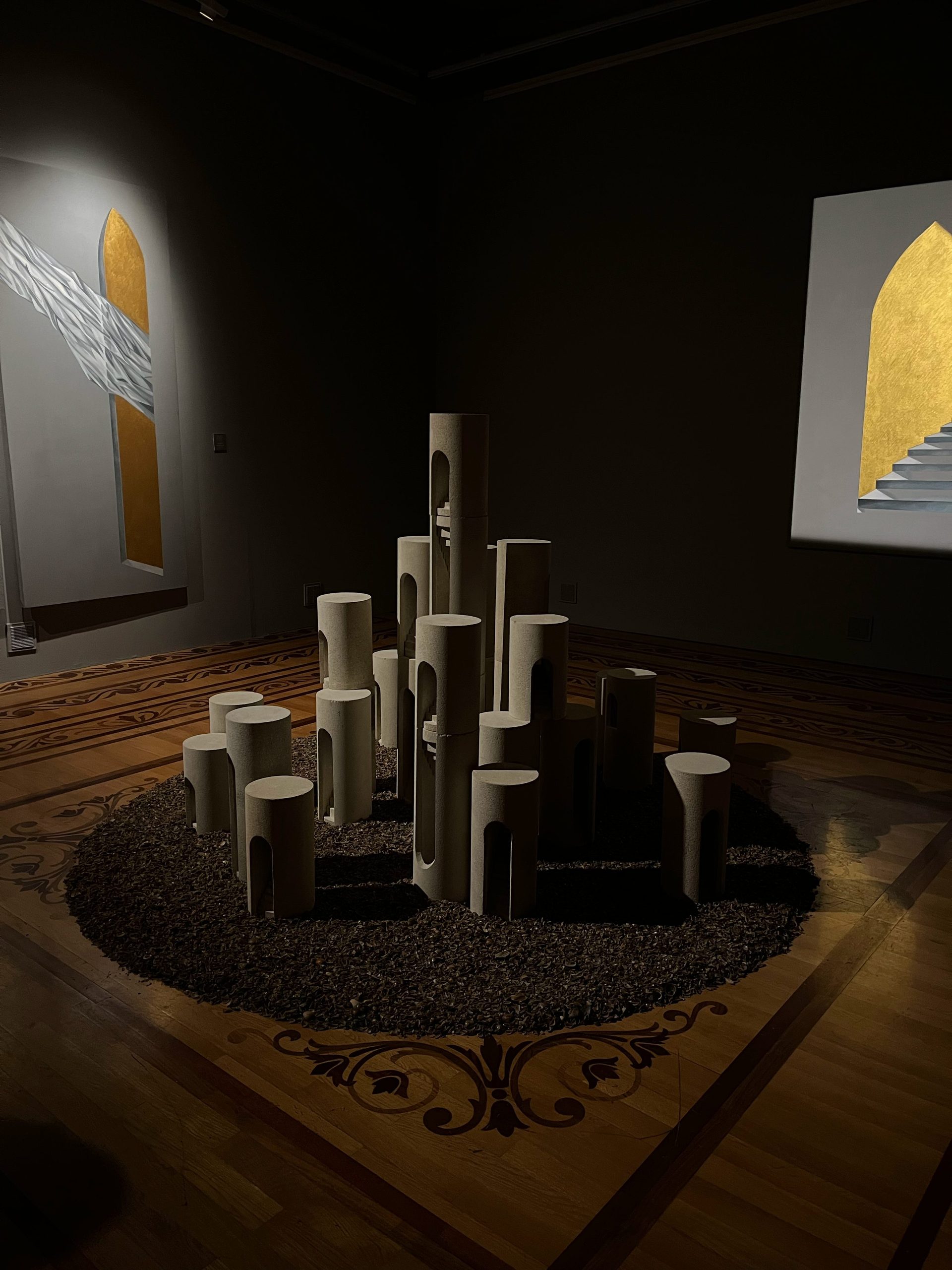
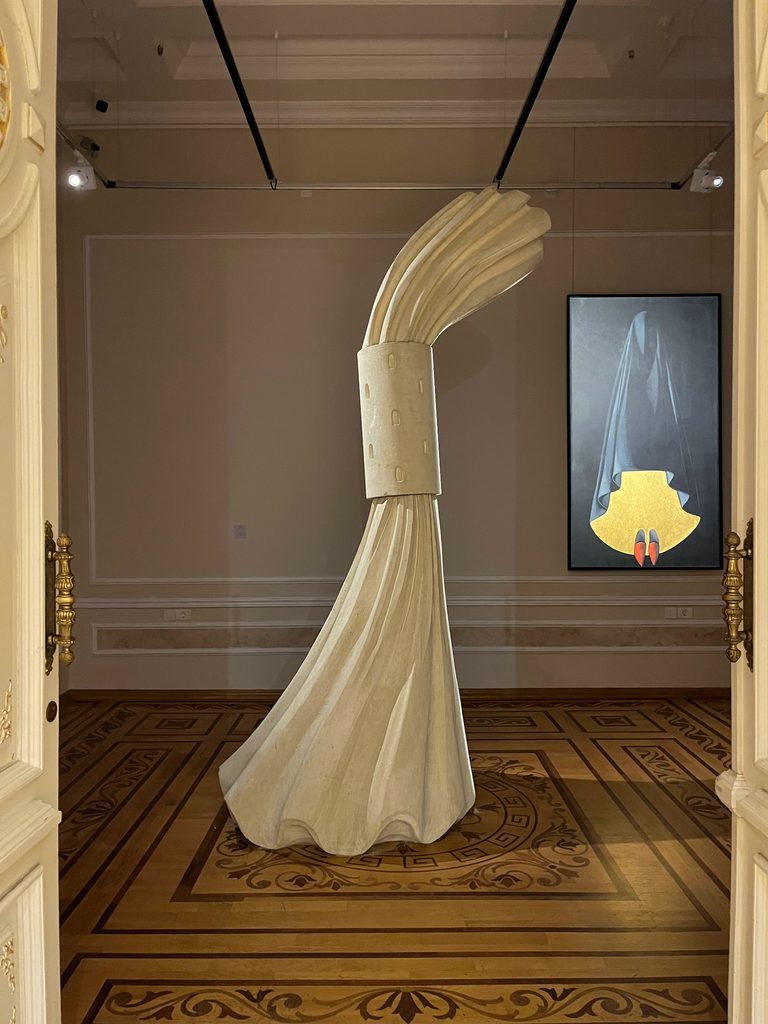
At the Azerbaijan National Museum of Art, Aidan Salakhova’s Maiden Tower offered another perspective on cultural memory. Taking one of Baku’s most recognisable architectural and mythological symbols as its point of departure, the exhibition reconsidered the narratives that accumulate around monuments over generations. The tower’s significance resides not only in its physical survival but also in the stories through which it has been understood. Salakhova’s exploration of femininity, identity and inherited narratives suggested that cultural preservation need not exclude the questioning of established interpretations.
Together, these exhibitions revealed an important aspect of Azerbaijan’s contemporary artistic landscape. Cultural identity is not sustained exclusively through the conservation of objects, monuments or traditions. It also depends on the freedom to reinterpret them, allowing inherited forms to acquire relevance for successive generations. Yet the initiative’s ambition extended beyond the relationship between artists and their cultural heritage. Equally significant was its attempt to create direct encounters between Azerbaijani practitioners and the international figures who shape the contemporary art world.
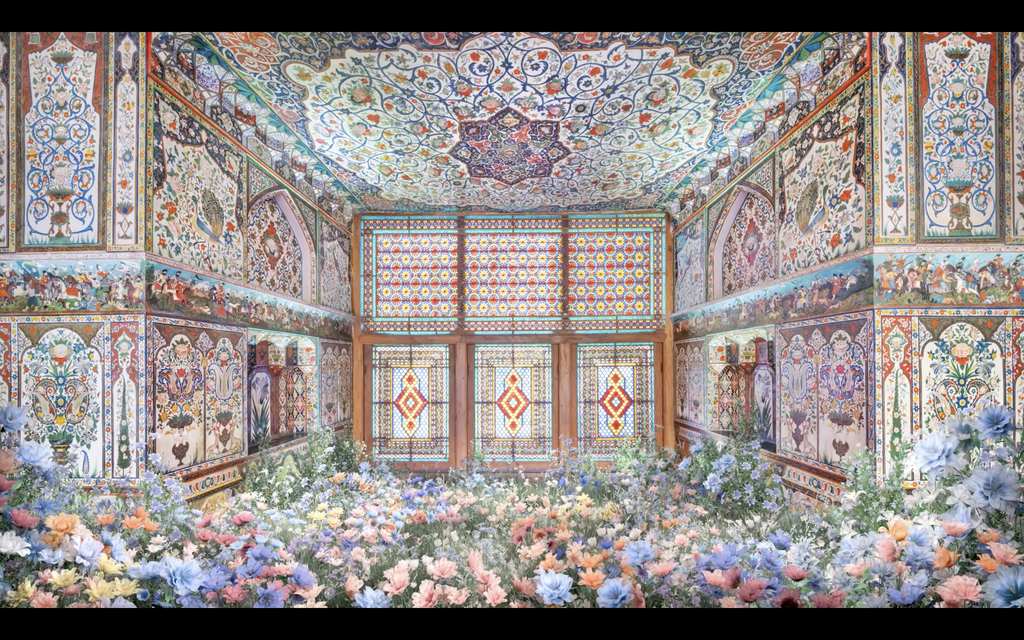
Reikhel emphasised the importance of presenting the full spectrum of artistic production, from emerging artists working in modest studios to established galleries operating within international networks. “You want small artist studios. You want the larger cooperative spaces. You then want these, obviously, more slick gallery operations. You want to see the entire spectrum of artistic output.” This diversity is essential to the development of a cultural ecosystem. Established institutions may provide visibility and credibility, but artistic communities also depend on smaller, less formal environments in which experimentation can take place. The relationship between these different spaces, rather than the prominence of any single institution, contributes to the depth of a city’s creative life.
For emerging Azerbaijani artists, the presence of international collectors, patrons, curators and media representatives offered something potentially more valuable than exhibition exposure alone: the possibility of establishing relationships that might otherwise remain inaccessible. Reikhel described these encounters as potentially “career-changing” or even “life-changing.” Her observation points to a distinction often overlooked in discussions of cultural events. Bringing international attention to a city is one achievement; creating meaningful opportunities for the artists who work there is another.
The participation of figures such as Swiss auctioneer and art adviser Simon de Pury, who returned to Baku for a screening of The Hammer, a documentary examining his career, and art historian Joachim Pissarro, whose lecture addressed the development of museums and changing cultural geographies, situated these local encounters within a broader international conversation.
Their presence also reflected a changing geography of cultural influence. Across the Middle East and neighbouring regions, investment in museums, cultural institutions and artistic initiatives has increasingly challenged the assumption that international cultural authority must remain concentrated in a handful of established Western centres. But the creation of institutions and events is only one part of that process. The more demanding task is to develop the artistic communities, professional relationships and intellectual exchanges that give such infrastructure lasting relevance. In this respect, Baku’s approach raises a question that extends beyond Azerbaijan. Can a temporary cultural initiative contribute to the formation of a permanent artistic ecosystem?
The answer cannot yet be measured by attendance figures or the number of participating artists. Reikhel anticipates further growth, with more collaborations between local and international practitioners, greater participation from galleries and studios, and an expanding programme across the city. These ambitions suggest continuity, but their longer-term significance will depend on what develops between editions: whether introductions become sustained professional relationships, whether emerging artists gain access to new opportunities, and whether international engagement strengthens the local artistic community.
There is something compelling about this distinction between an event and the cultural life it hopes to generate. An exhibition eventually closes, visiting collectors depart and temporary installations disappear. What may remain are the conversations initiated, the collaborations imagined and the opportunities created for artists whose work has entered a wider field of attention.
For Baku, the challenge is therefore not simply to become an increasingly visible destination on the international art calendar. It is to ensure that this visibility translates into something more enduring.
If Fly to Baku succeeds in doing so, its most important contribution may not be found in the scale of its exhibitions or the prominence of its guests, but in the artistic relationships that continue to develop long after the city has returned to its everyday rhythm. The true measure of its ambition will be not only how successfully it brings the world to Azerbaijan, but how far it enables Azerbaijani artists to carry their own voices into the world.