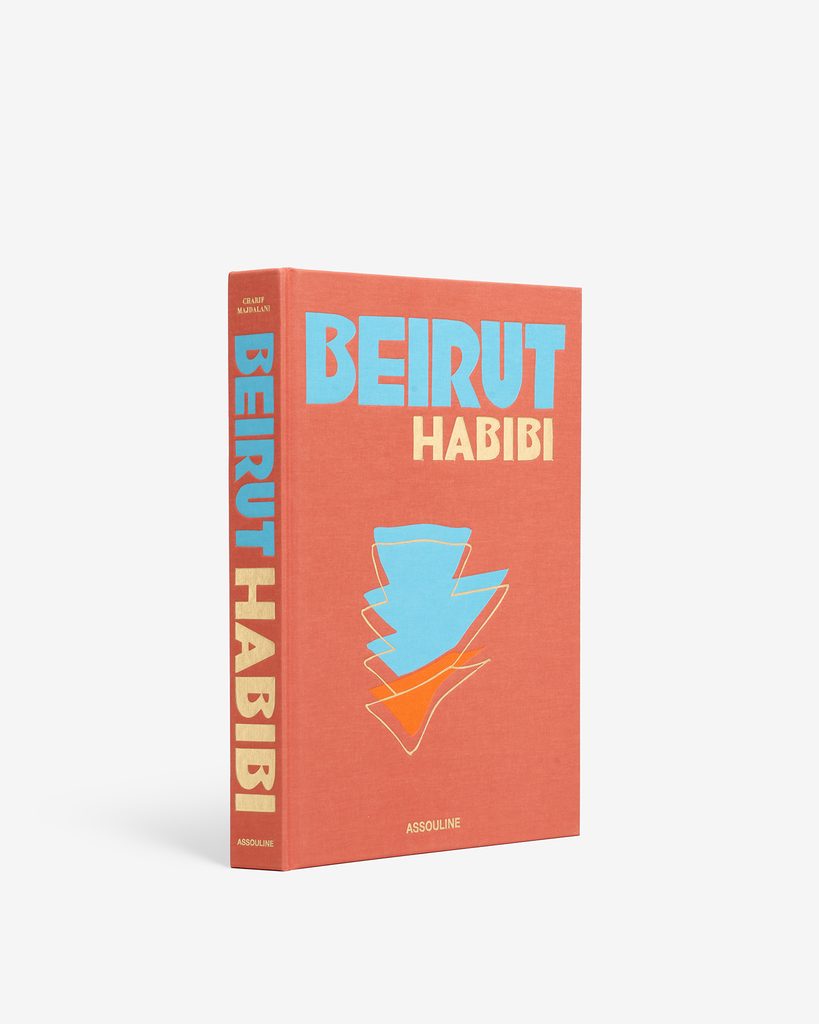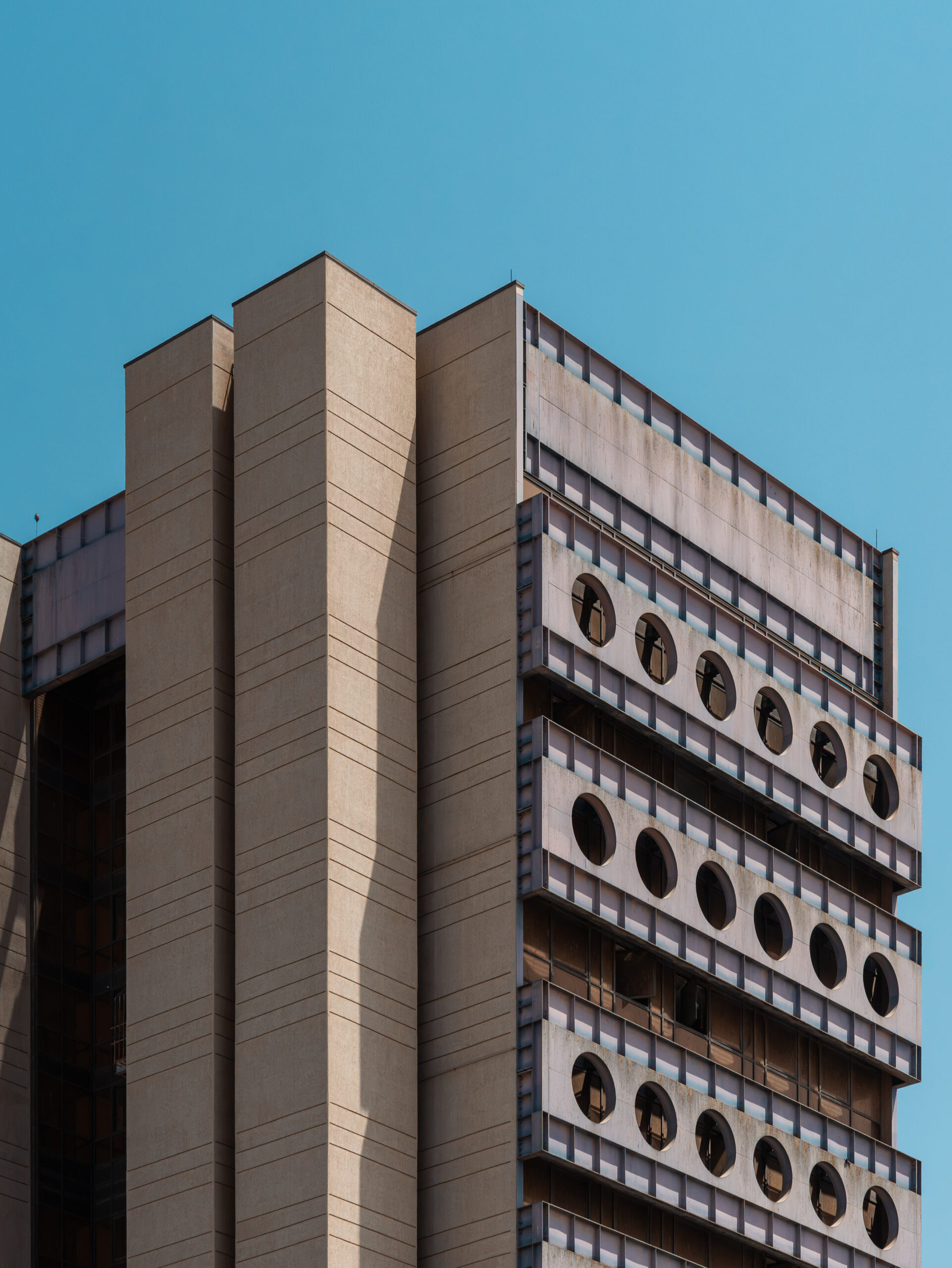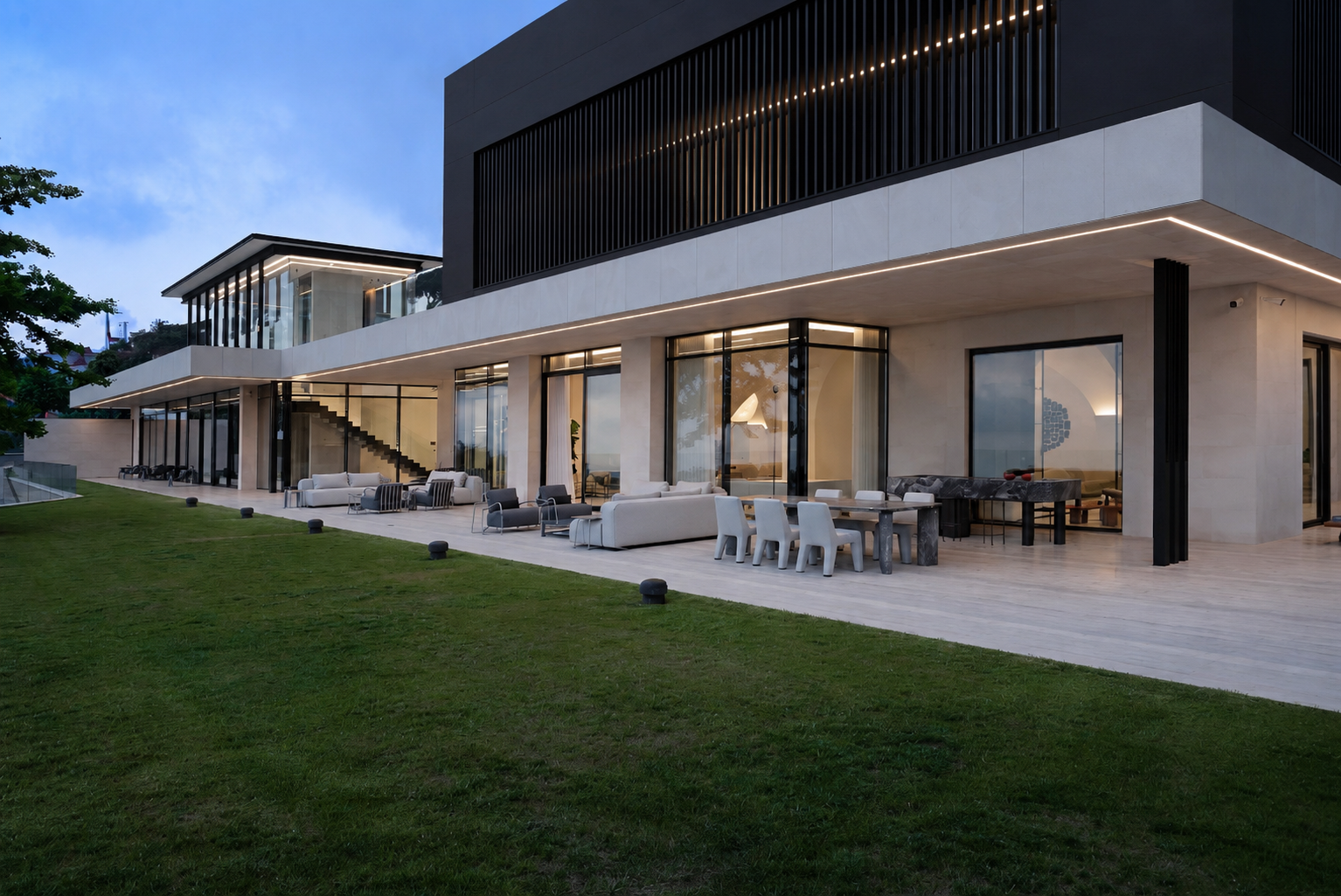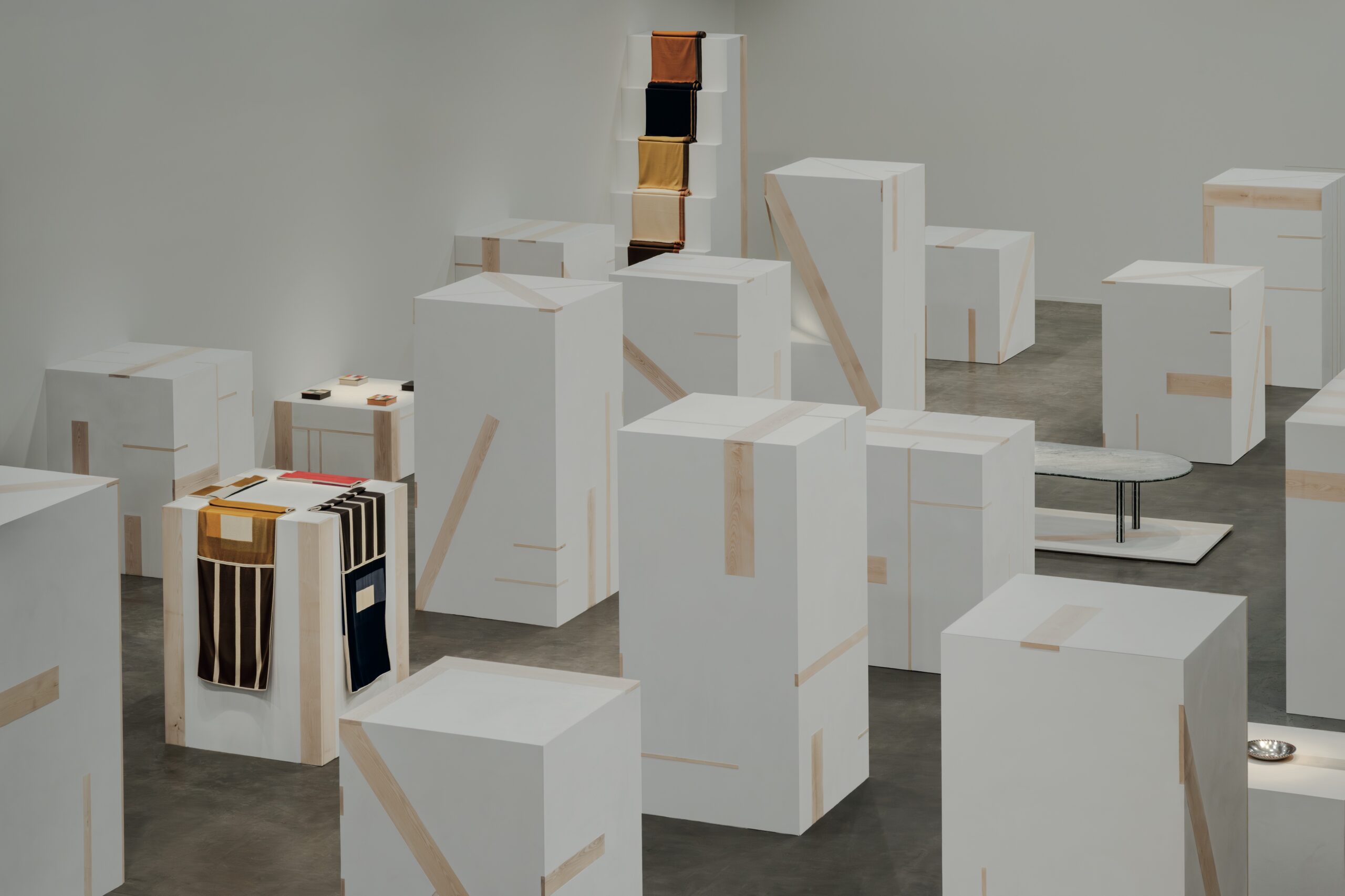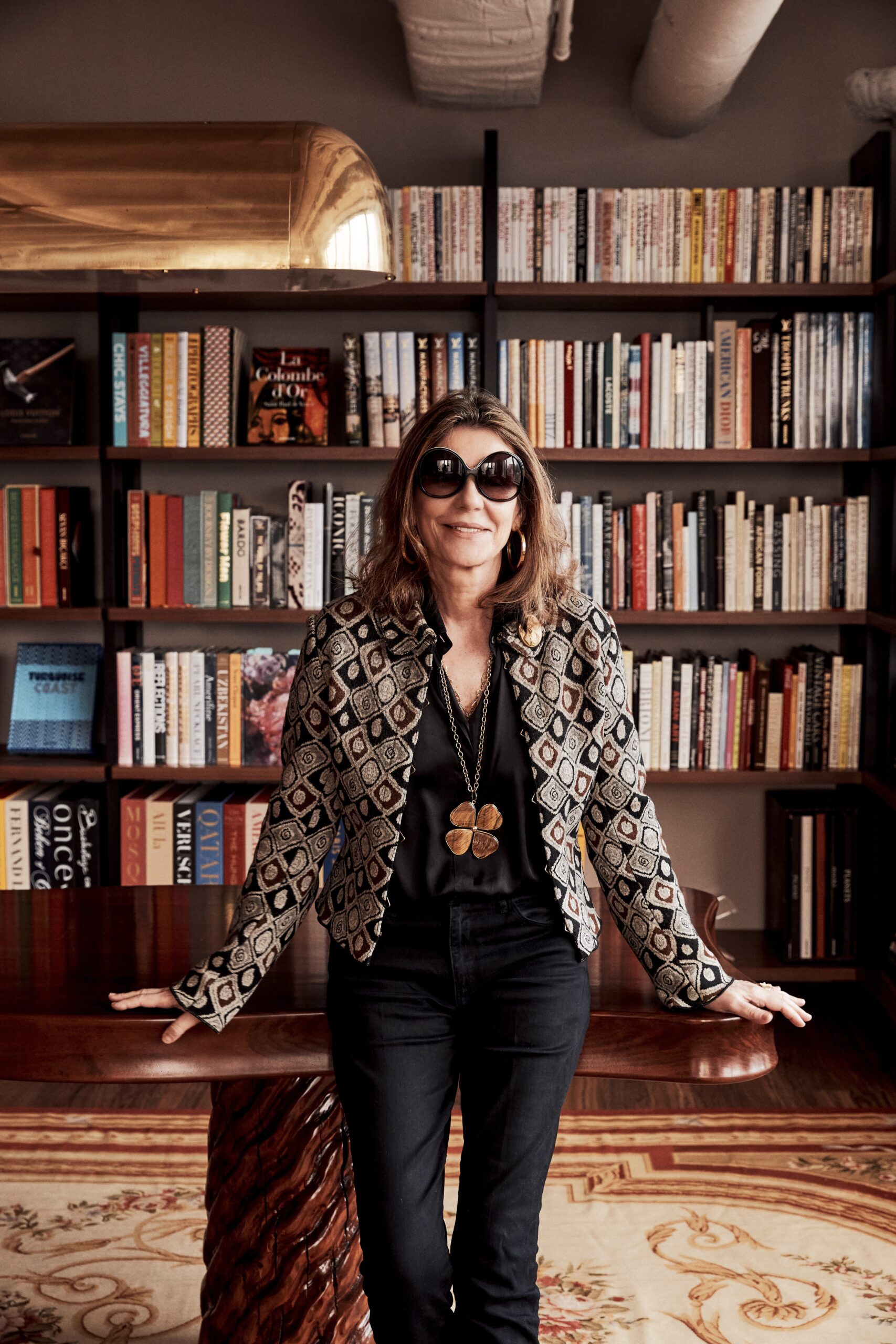
For Martine Assouline, a book has always been an object to live with. It sits on a table, travels from one home to the next, and keeps a place, a person or a way of life within reach long after the first reading.
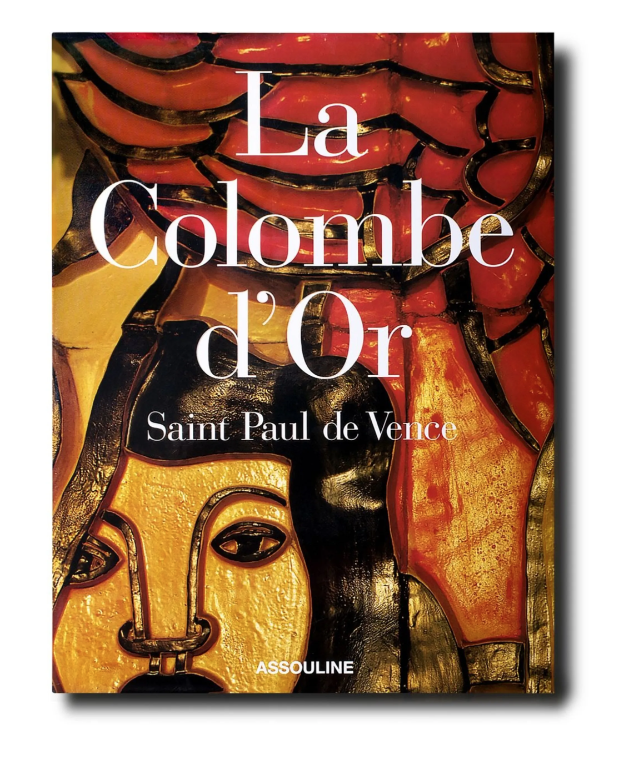
Together with her husband Prosper, she founded Assouline in 1994 in the basement of their Paris apartment, beginning with a single book on La Colombe d’Or, Saint-Paul-de-Vence, France, the hotel she loved, told through her own photographs and words. A few years later the idea of the first luxury brand on culture took shape, and three decades on that vision reaches well beyond the bookshelf, with a growing presence in the Middle East, from Riyadh and Dubai to AlUla, Sharjah and Beirut.
In this edition of In Conversation With, Martine Assouline reflects on those first years at home in Paris, the slow realisation of what Assouline could become, luxury measured in time, and a region she is still discovering with an explorer’s eye.
Assouline began in the basement of your own apartment in Paris. What do you remember most vividly about that first year, before anyone else believed a book could be a luxury object?
Prosper and I, full of excitement over every new idea. Our son Alexandre coming downstairs with Josefina, his nanny, to give me a kiss; those were the sweetest moments of my day. Answering the phone to journalists who wanted to meet the author of La Colombe d’Or or Panama: Legendary Hat (me), and telling them I would pass on the message, because I worried that being both the editor and the author would not look serious. Calling a friend to ask what the weather was like outside. And the first time we saw a personal computer, which was about to change our lives.
Your first book was about a hotel you loved, told through your own photographs and words. Looking back, how much of what Assouline is today was already there in that first, very personal decision?
Most of it was already there. I still look at that book, La Colombe d’Or, with the same pleasure today. The spirit is there, and it is still alive.
You’ve described Assouline as “the first luxury brand on culture”. Was there a specific moment when that idea clicked into place, or did it reveal itself slowly?
As you say, it revealed itself slowly, perhaps after two or three years, when we understood that a real community was following Assouline. We were less and less comfortable seeing our books scattered across different sections of bookstores, lost among so many other titles of every kind, when we were working so hard to be recognised for our commitment to quality and for a true style of our own.
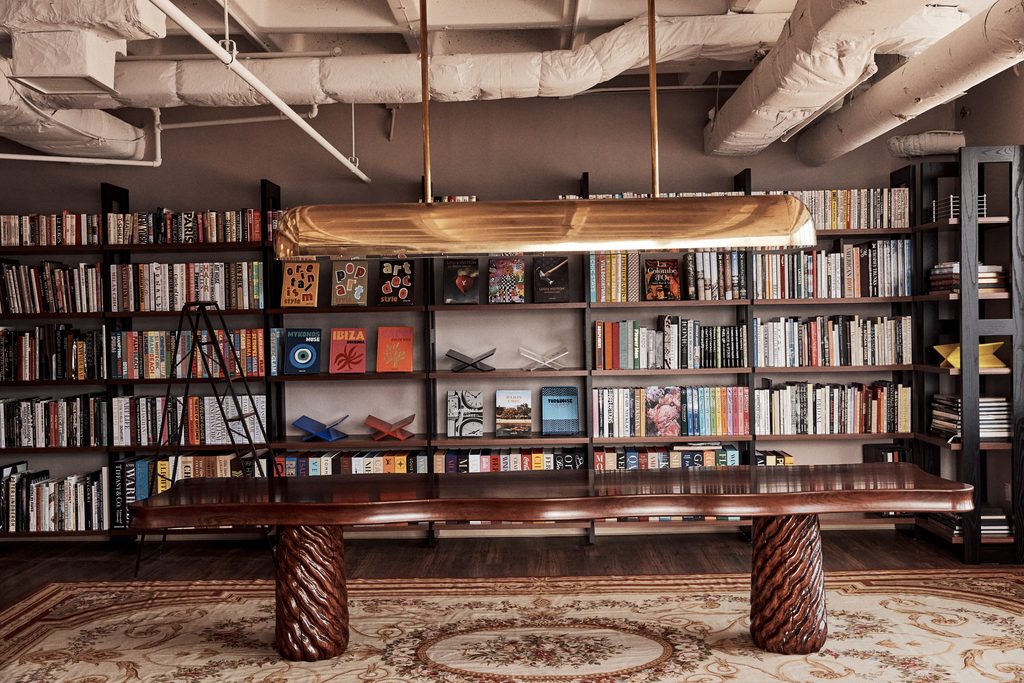
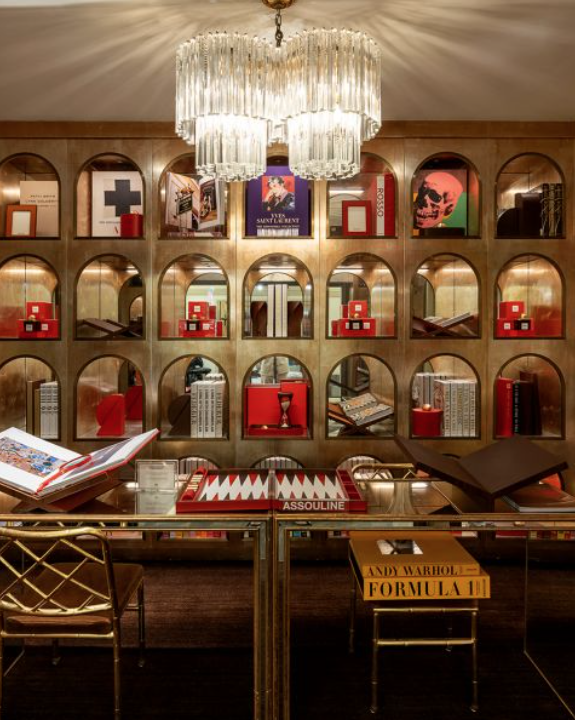
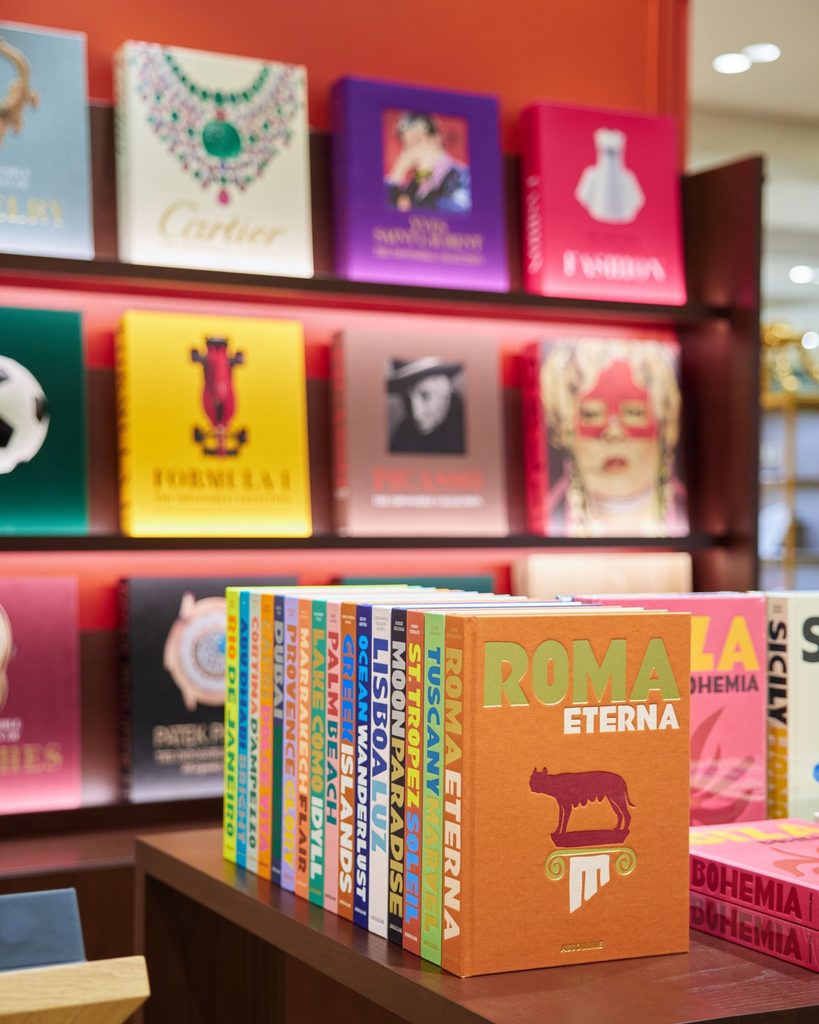
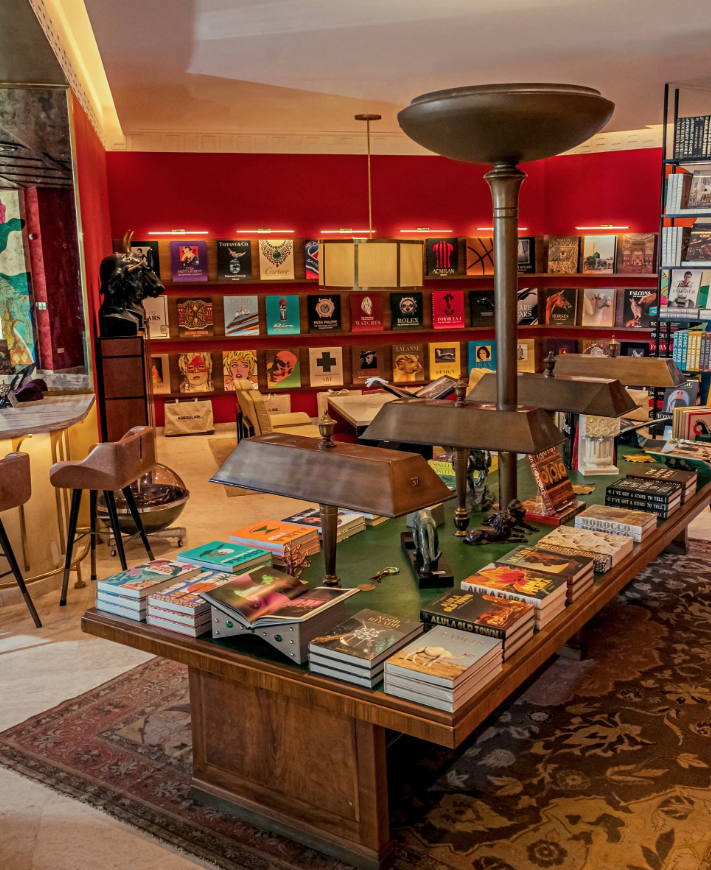
That is when the idea came to create the first luxury brand on culture, with the vision of a contemporary library bringing together our books, curated vintage objects, and special editions made with luxury brands such as Chanel, Goyard, Dior and many artists around us. Ron Frasch, then CEO of Bergdorf Goodman, understood our vision immediately and offered us our first space, on the sixth floor of the iconic New York department store, with sensational Fifth Avenue windows. Our dream became reality, and success followed, as if people had been waiting for it.
What makes a subject worthy of an Assouline book? Is it decided by instinct first, or by argument?
Curiosity first, and a feeling that a subject will sit well with what we have already done and what we will do next. It is a mixture of instinct and luck: we let our own desires guide us, and many of our books have come from a chance encounter. Over time we created collections, which makes things clearer both for Assouline’s creative team and for our clients.
Working so closely as a couple and now as a family, what has surprised you most about building something together?
Everything came naturally, step by step, at the right moment. Prosper and I are both very creative, each in our own way. Alexandre, our son, and now President of the company, is more of a builder, a strategist on the business side. And more recently his wife, Solange, has brought a strong mind for development. We are all very different, but we share the trust that comes with family, and deep respect for one another. Sébastien, our other son, who cherishes his freedom, left Assouline a few years ago but continues to create books from wherever he is.
Is there a memory from your own childhood, a book, an object, a room, that you can trace directly into the DNA of Assouline today?
More than a single memory, it is my upbringing: discovering and living in different countries, and so different cultures. That deeply enriched my knowledge and shaped my vision of the world.
How has your definition of luxury changed since 1994?
The word has evolved for us personally. Today, as the founders of Assouline, we see luxury as time: time to pay attention to details, to choose a particular paper, a fabric, a font, a colour, the one specific image for a book. Time to discover more beauty, and to find ways of showing it to others the way it moves us. And time to give it as much meaning as we can.
What is the difference, to you, between a beautiful book and an important one?
At Assouline, every book has to carry beauty, because beauty is a language everyone understands. Shared through images and words, it awakens curiosity, meaning, desire, or dreams. That is what makes a book important.
Is there an object in your own home you could never part with, and what does it hold for you beyond its value?
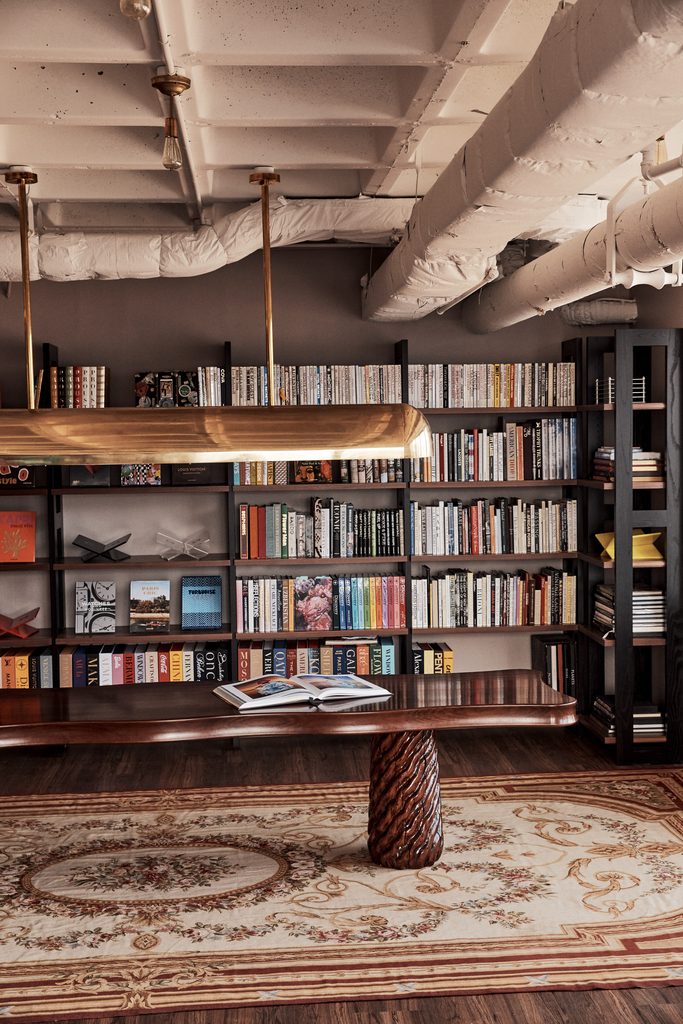
My library. I never feel at home until my library is with me: my favourite books, my photographs, and a few very personal objects.
If you had to describe Assouline as a scent, a colour or a piece of music rather than a company, what would it be?
The scent of the Casablanca lily. Red, the colour of passion. And Miles Davis, for his pursuit of perfection and his freedom as a creator.
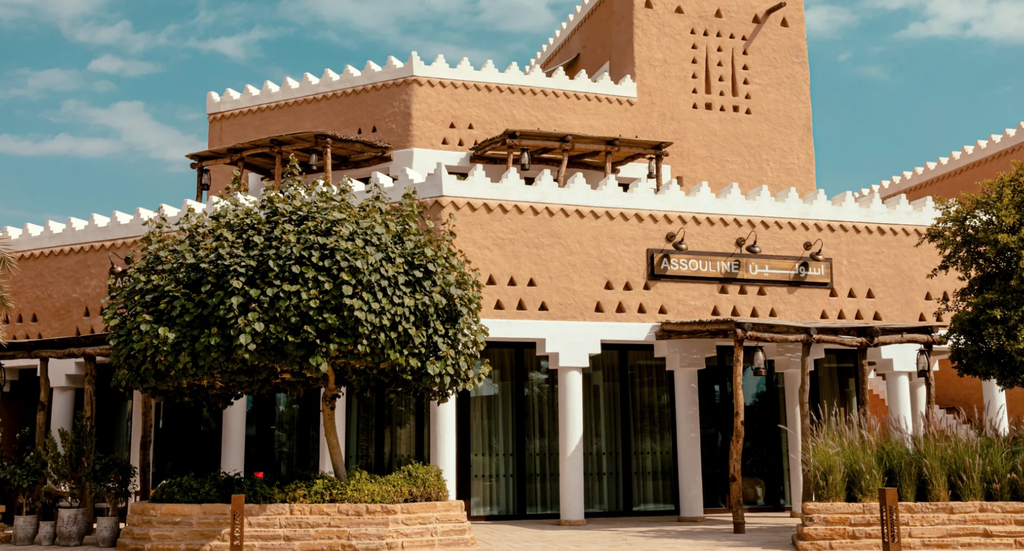
Riyadh, Dubai, AlUla, Sharjah and, more recently, Beirut are now part of the Assouline map. What did you learn about this region’s relationship to storytelling and beauty that surprised you?
This part of the world is still very new to me. Prosper is Moroccan, so he connects much more easily with the spirit and way of life of these countries. For me it is all a discovery, and at times I have felt like an explorer, when I first saw AlUla, for example! I first came to love this vast region through the people I knew. Then I began to explore, and to feel the differences between each country through what I saw and learned.
My first visit to Dubai, for instance, introduced me to Sheikh Zayed: his story, his personality, the way he dreamed of and built the Emirates. It filled me with such admiration, and such a sense of wonder, that I immediately wanted to make a book to share it with others.
Is there a book on the Middle East you still dream of making, one that hasn’t happened yet?
We love exploring the DNA of each country in the Middle East, so there is still a great deal to do and to discover.

What is the last thing that made you feel genuinely proud, inside the business or outside it?
The moment I receive the first copy of a book I created with passion. I close my door and take the time to enjoy it.