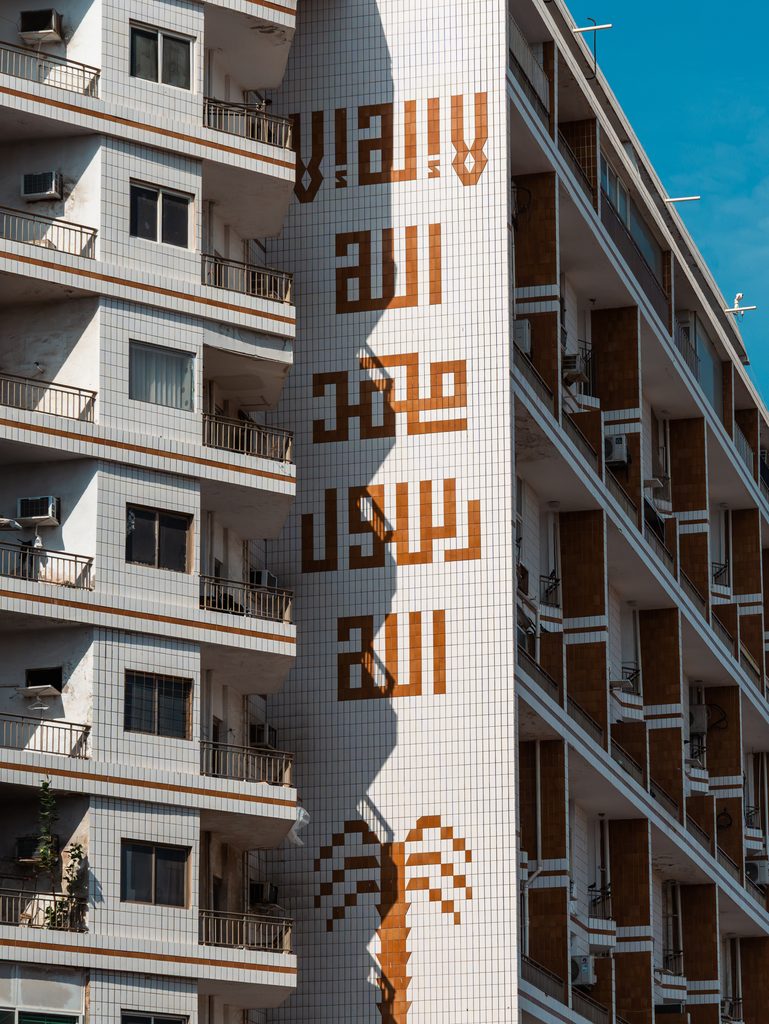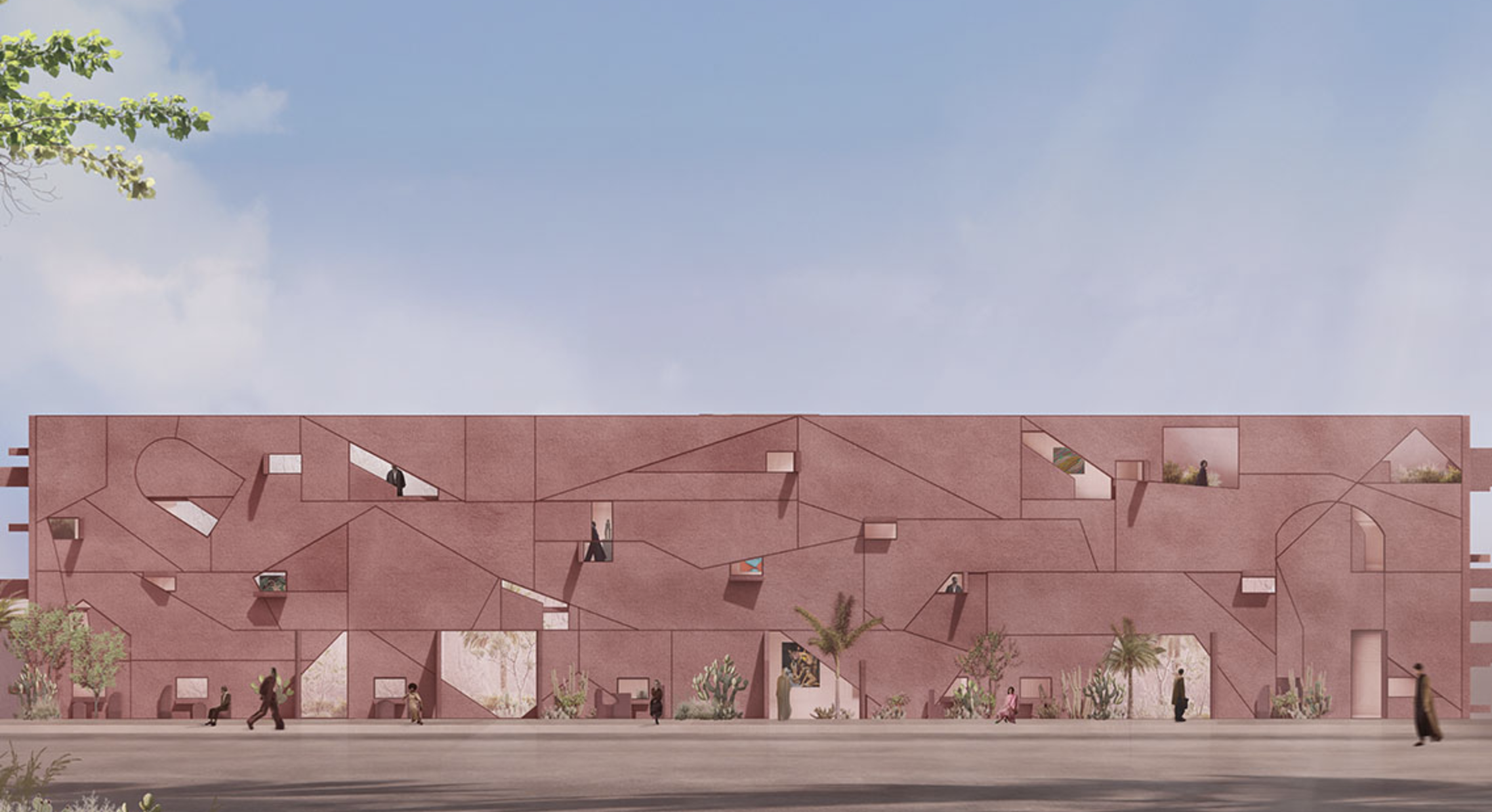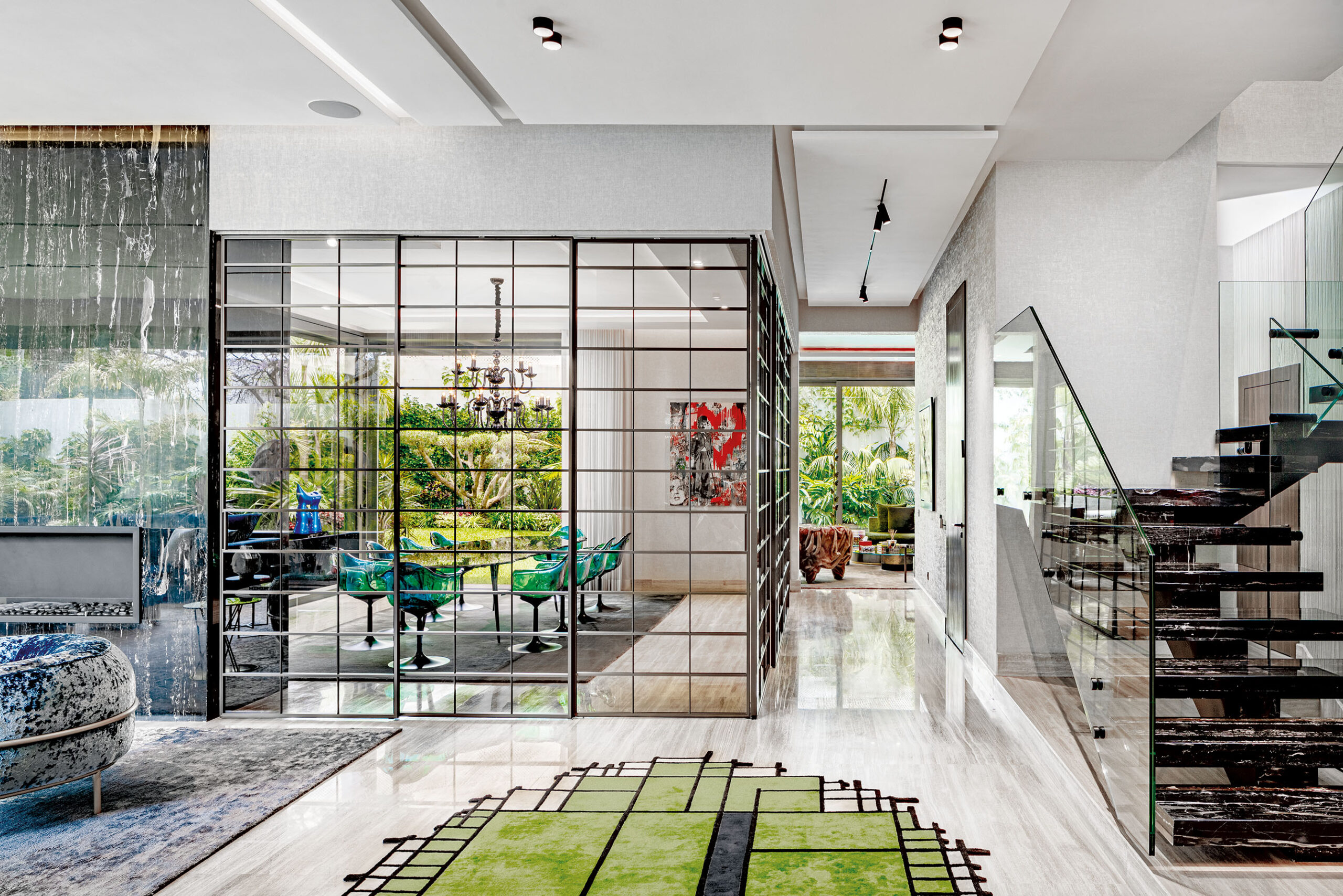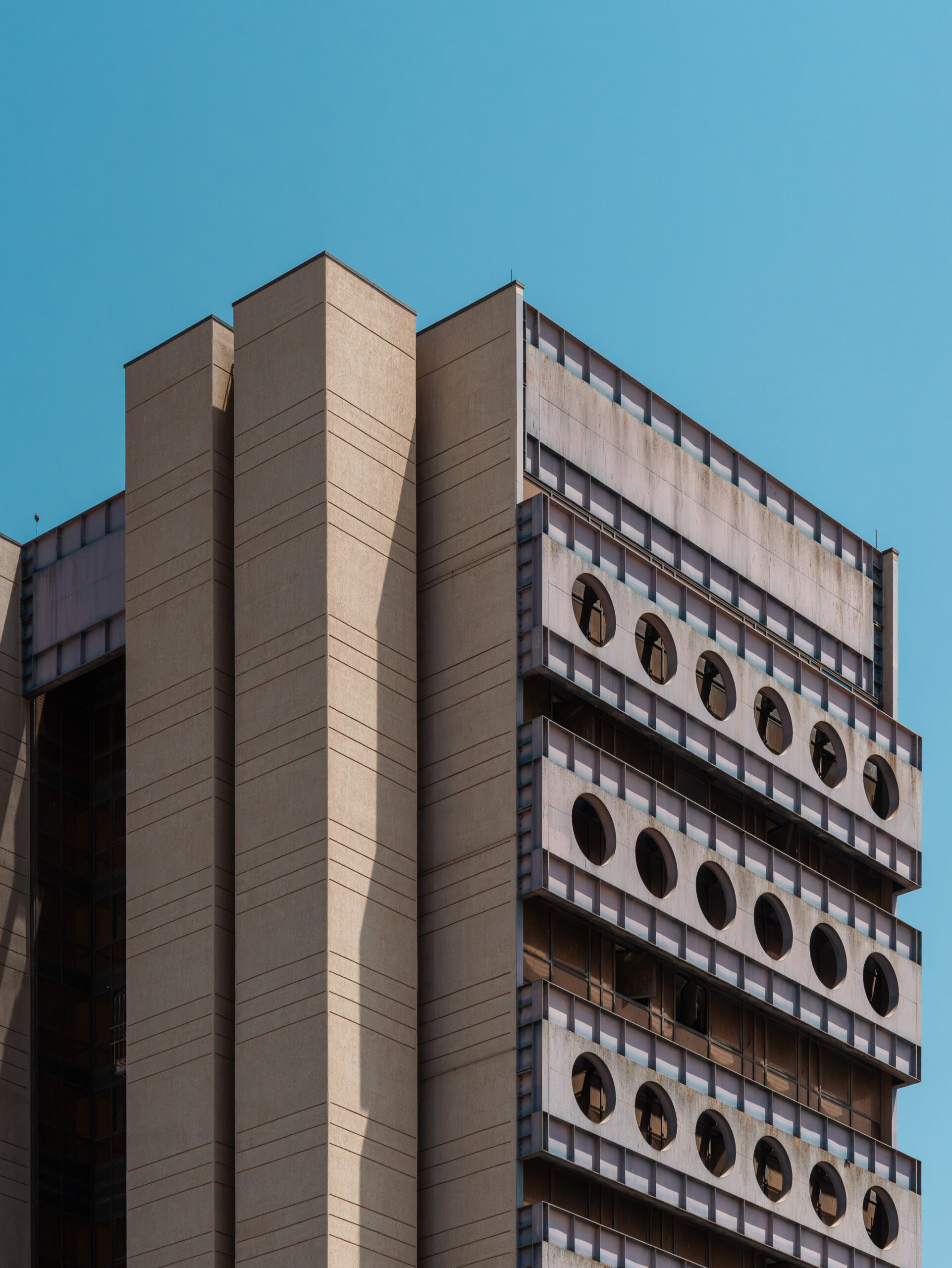
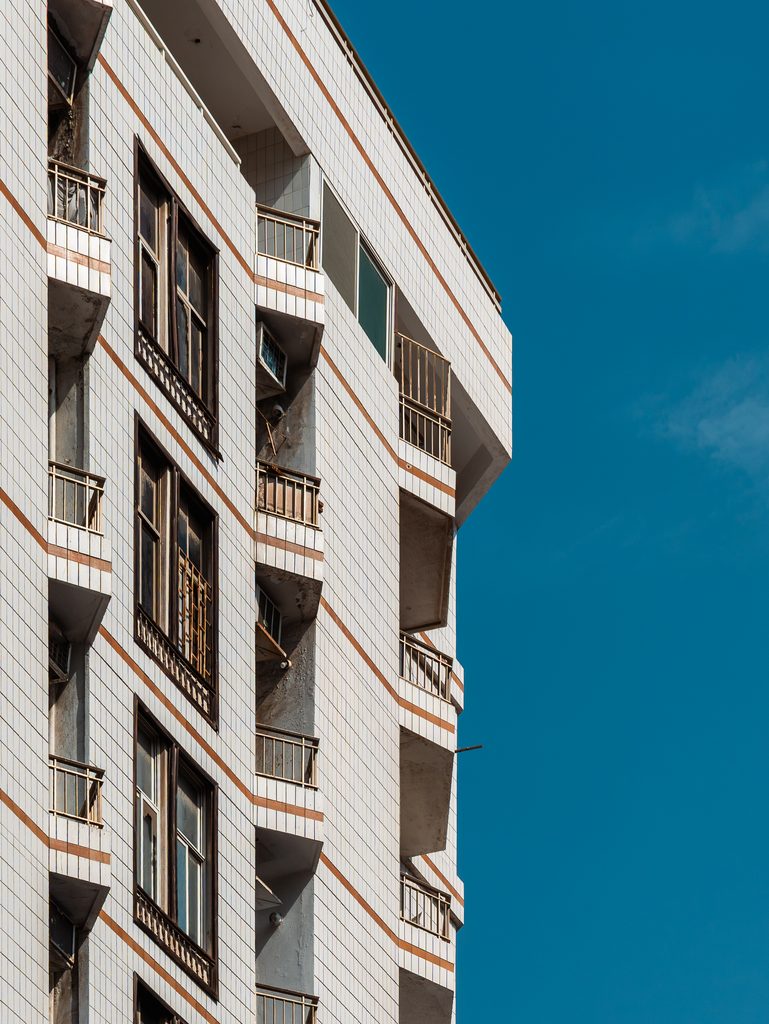
What happens to a city’s memory when its buildings disappear? In Jeddah, where decades of rapid development have transformed the urban landscape, the question carries particular significance. Beyond the city’s celebrated historic architecture lies another, more recent heritage: the buildings, streets, residential interiors and everyday spaces that emerged during the 1970s and 1980s, when Jeddah was undergoing a profound urban transformation.
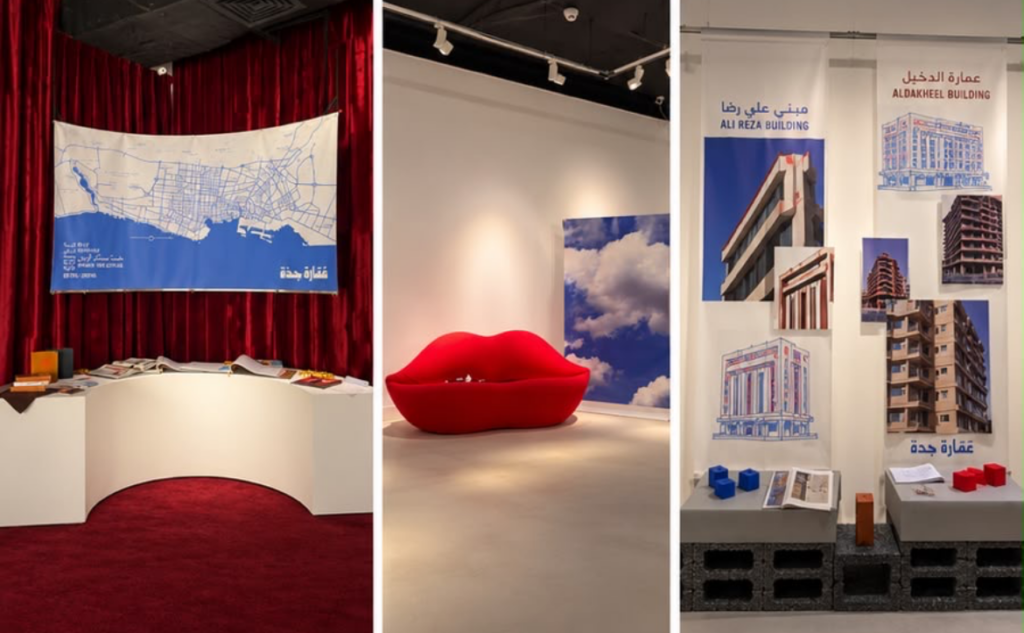
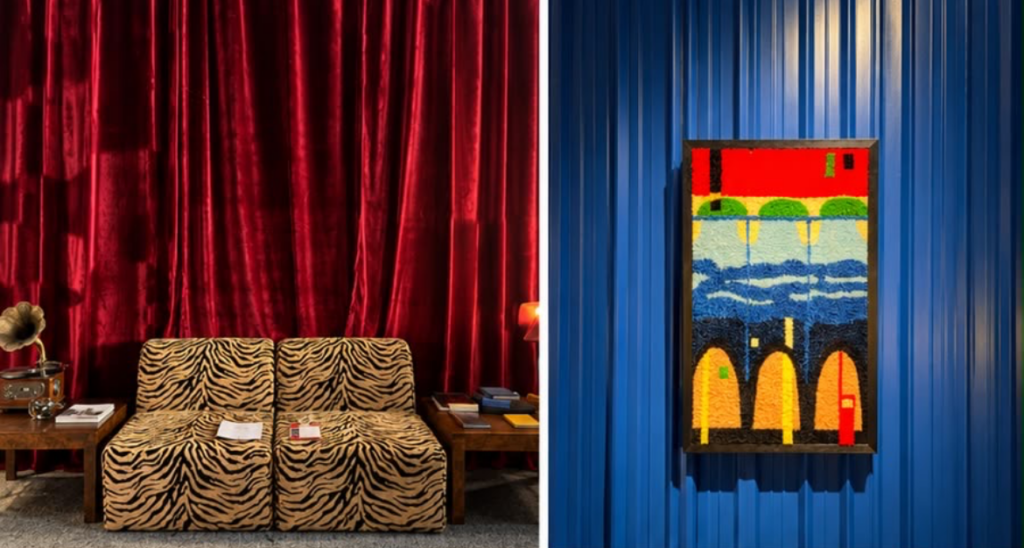
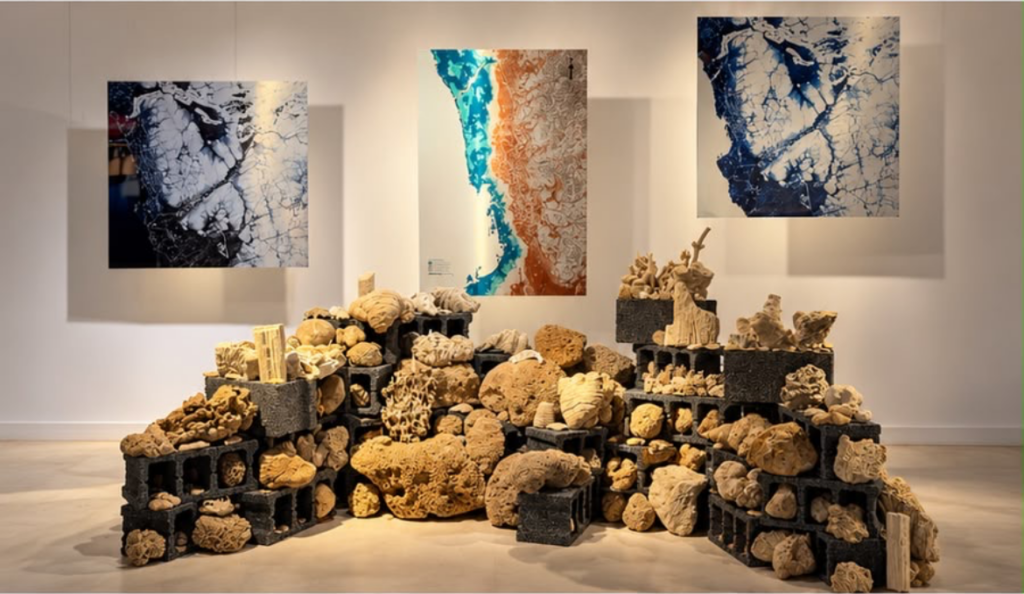
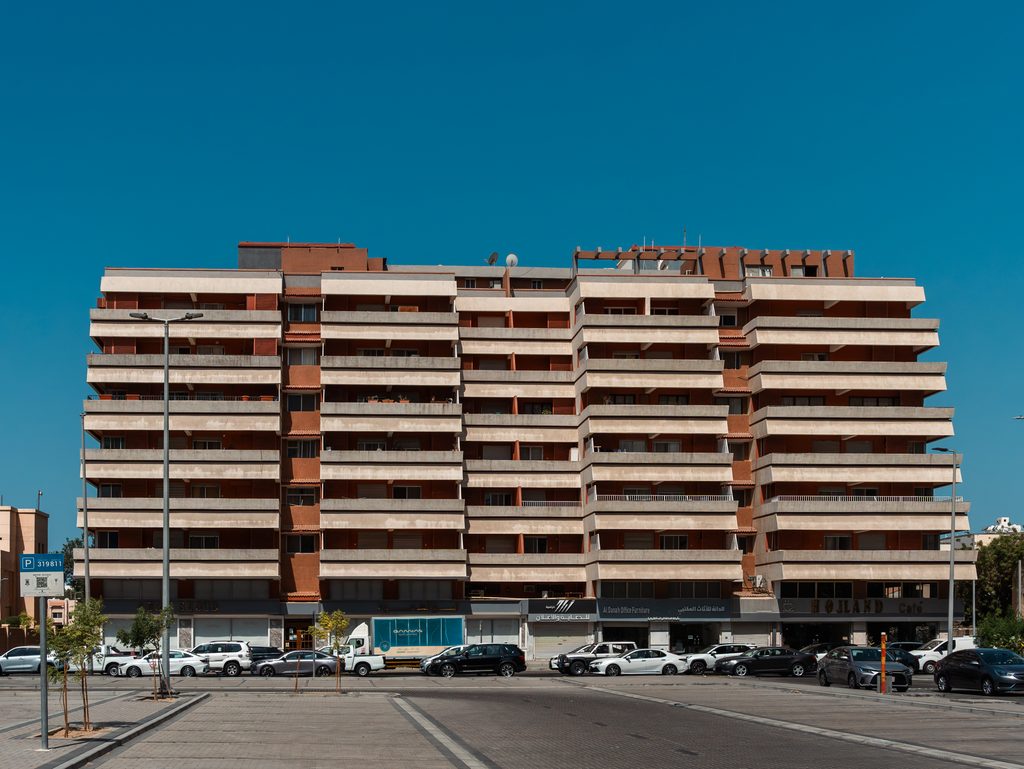
It is this chapter of the city’s history that Built Memories: Where Time Settles, taking place from 1 to 10 October 2026 at Hafez Gallery in Ar Rawdah, sets out to explore. Curated by Jeddah Architecture, the exhibition brings together architects, artists and researchers to examine the buildings that helped shape modern Jeddah, approaching architecture not simply as a collection of physical structures but as a repository of personal and collective memory.
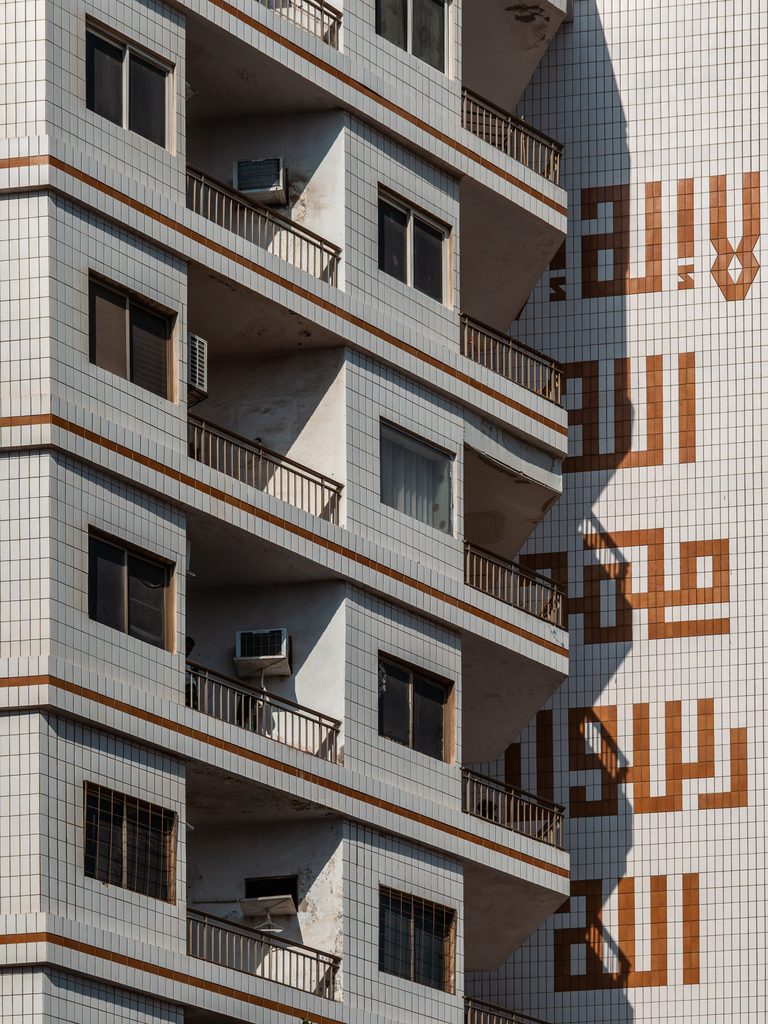
The exhibition forms part of a wider initiative dedicated to documenting Jeddah’s architectural legacy from the 1970s to the beginning of the new millennium. Its purpose is both cultural and architectural: to identify and record significant buildings, investigate their relationship with the city’s inhabitants and encourage new conversations about preservation and adaptive reuse.
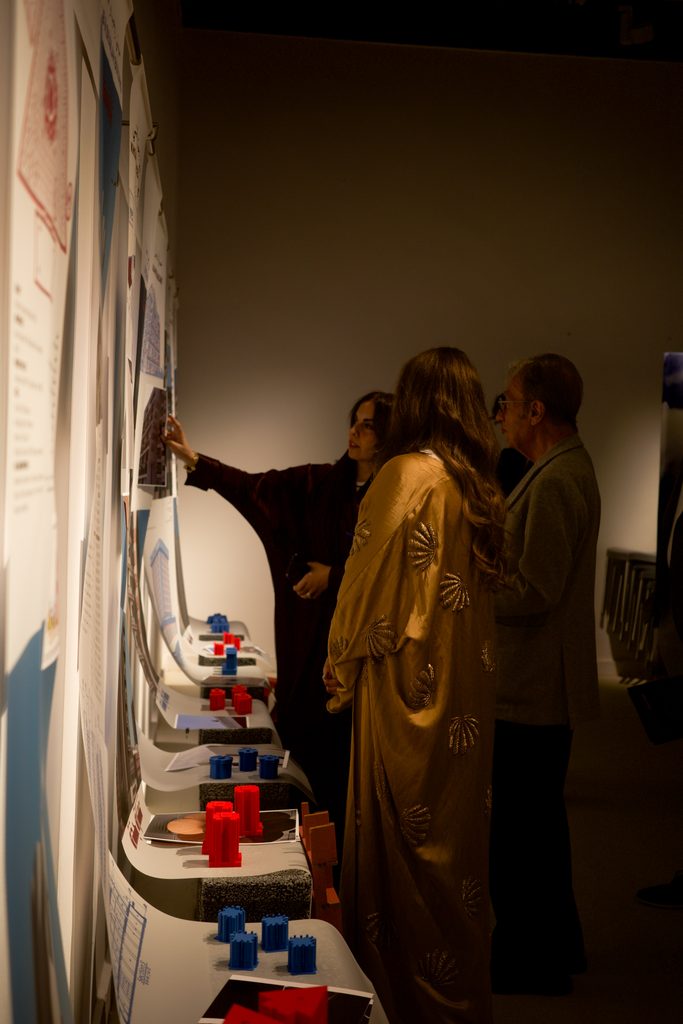
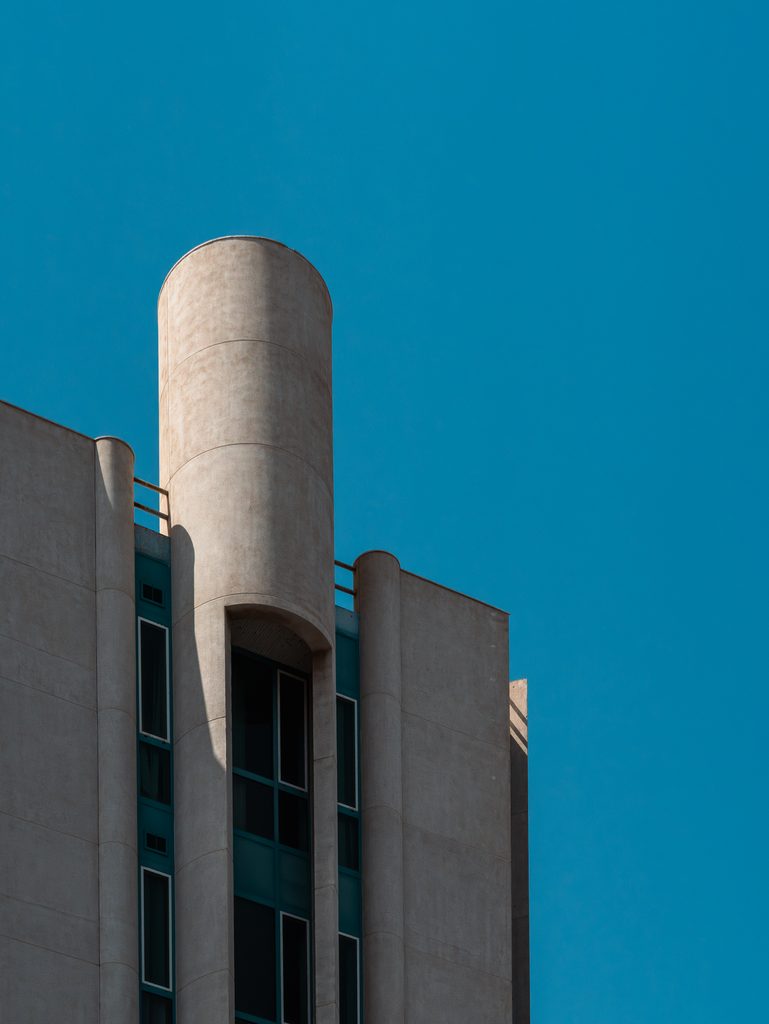
Rather than presenting a conventional architectural retrospective, Built Memories approaches the city through three interconnected chapters. Tracing the City examines the forces that shaped Jeddah’s development, from its geography and relationship with the Red Sea to commerce, climate and rapid urban expansion. The Language of Buildings turns towards the architectural details that define its character, investigating façades, balconies, windows, doors and materials, and the particular expression of modernism that emerged in Jeddah. The final chapter, Continuity, considers how this architectural heritage might inform the city’s future through conservation, adaptive reuse and contemporary reinterpretation.
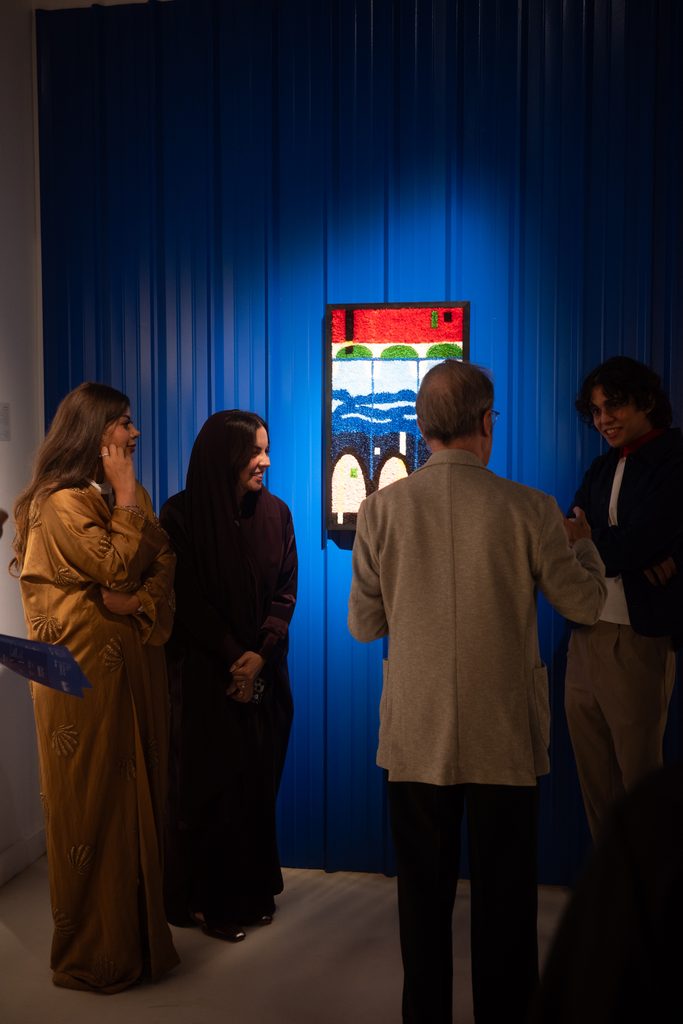
Across these chapters, architectural research meets artistic experimentation. Buildings are explored through models, spatial studies and different visual languages, allowing visitors to consider the city through the perspectives of those who designed it, those who study it and those whose artistic practices engage with its cultural identity.
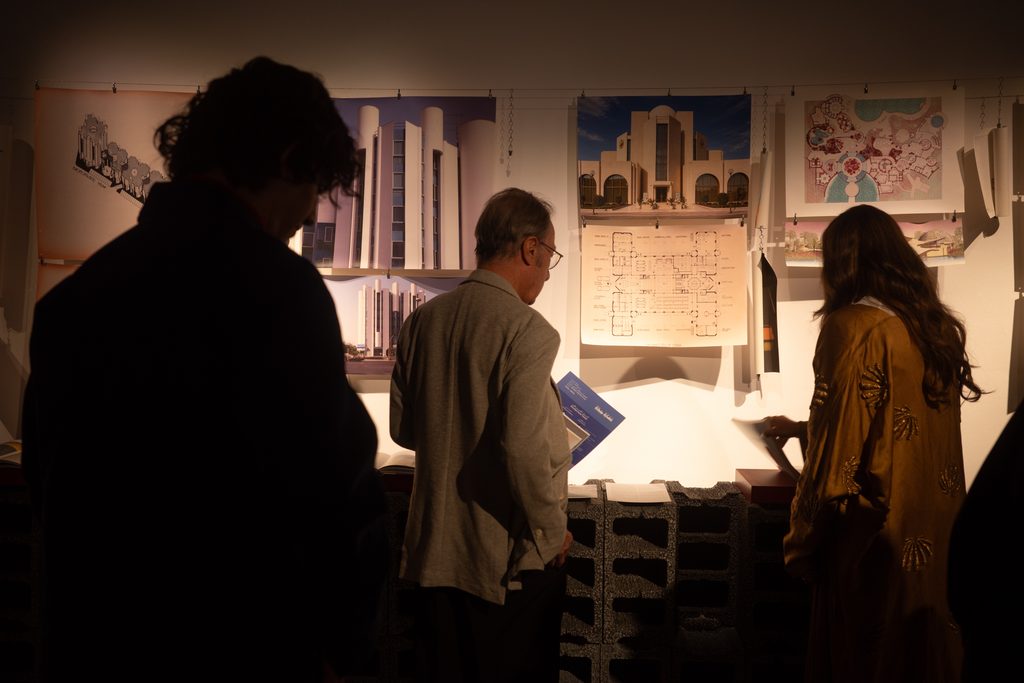
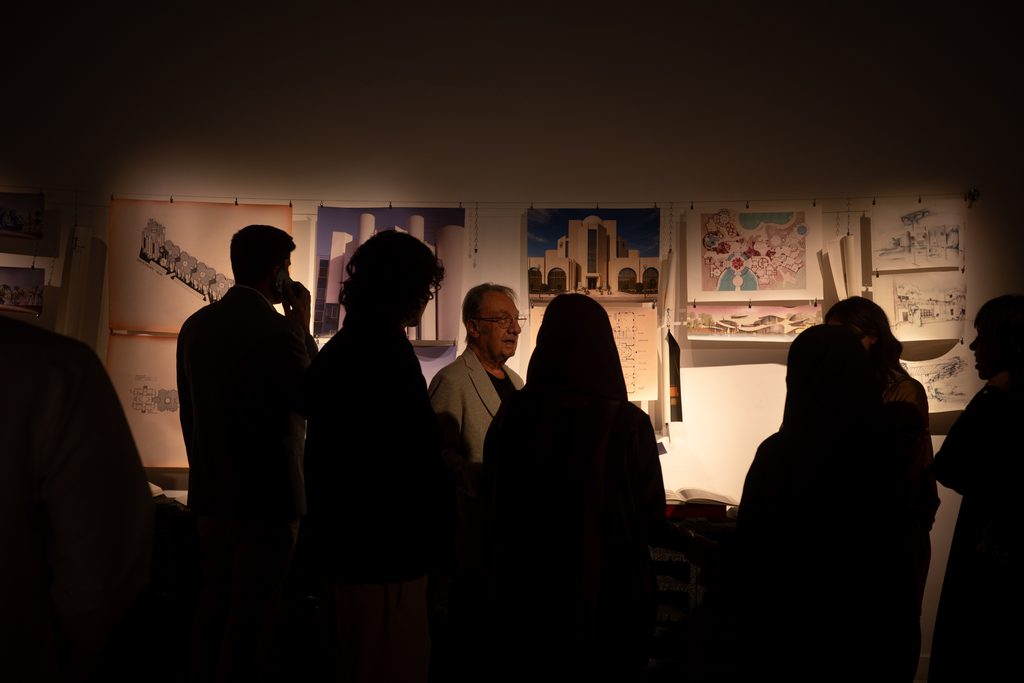
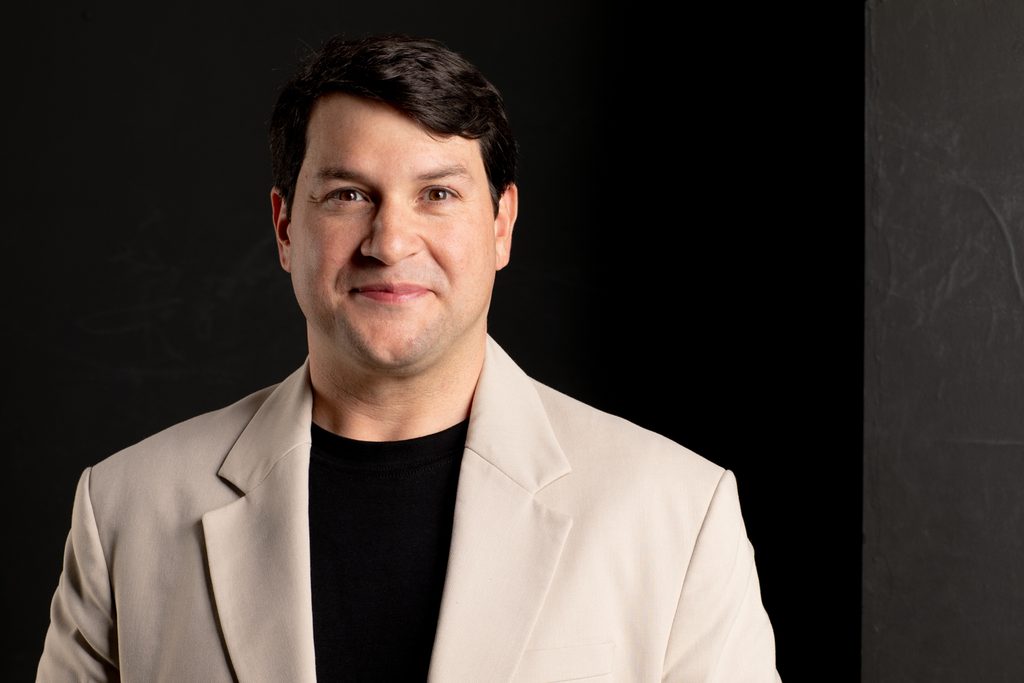
Among the participating figures is Franco Audrito, founder of the radical Italian architectural collective Studio65. Established in Turin in 1965, the studio began working in the Middle East in 1975, subsequently developing projects in Saudi Arabia and across the region. Audrito’s participation introduces a connection between the international architectural experimentation of the 1970s and the generation now examining the legacy of that period.

The exhibition also brings together a diverse group of contemporary artists whose practices approach architecture, identity and memory from different perspectives. Jeddah-based multimedia artist Raghad Al-Ahmed draws on her Hejazi heritage and Islamic architectural patterns to investigate cultural and personal identity. Shaima Shamsi, born and raised in Jeddah, explores memory, movement and belonging through installation, sculpture, video, painting and drawing, examining how changing geographies influence our emotional relationship with place.
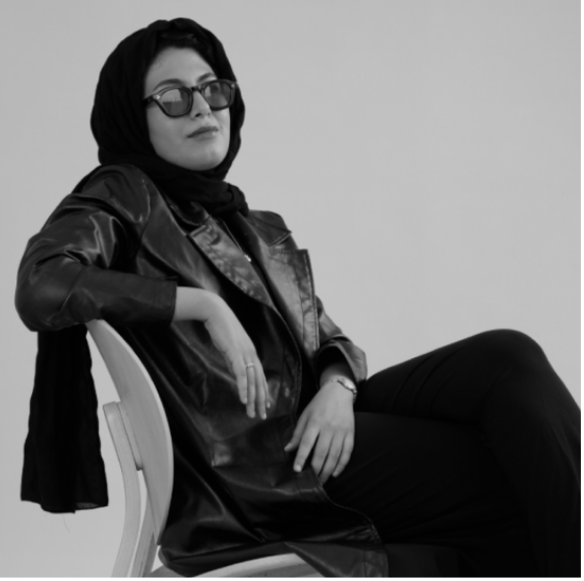
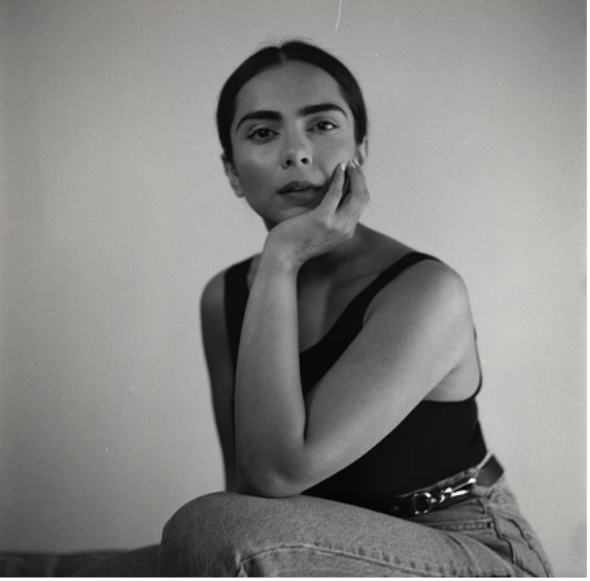
Dalia Alireza, whose background combines traditional Islamic arts with conservation science, brings an interest in geology, craft, environmental stewardship and the cultural heritage of Jeddah and the Red Sea. Zahiyah Alraddadi, an architect and visual artist, works primarily with oil painting and ink, creating dreamlike compositions that explore the boundaries between reality, consciousness and the subconscious.
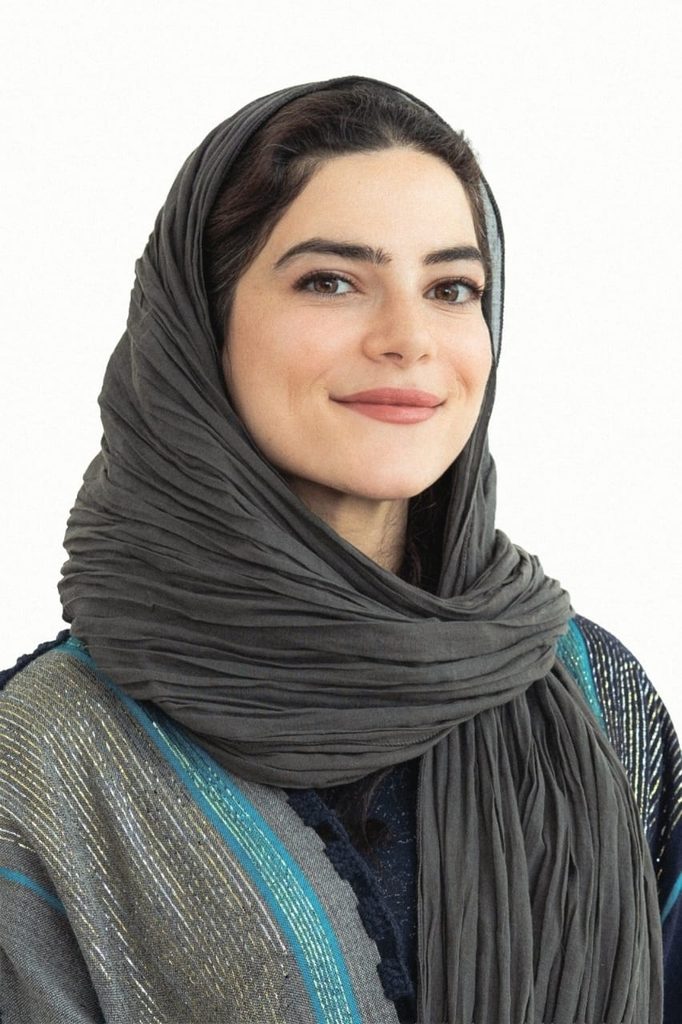
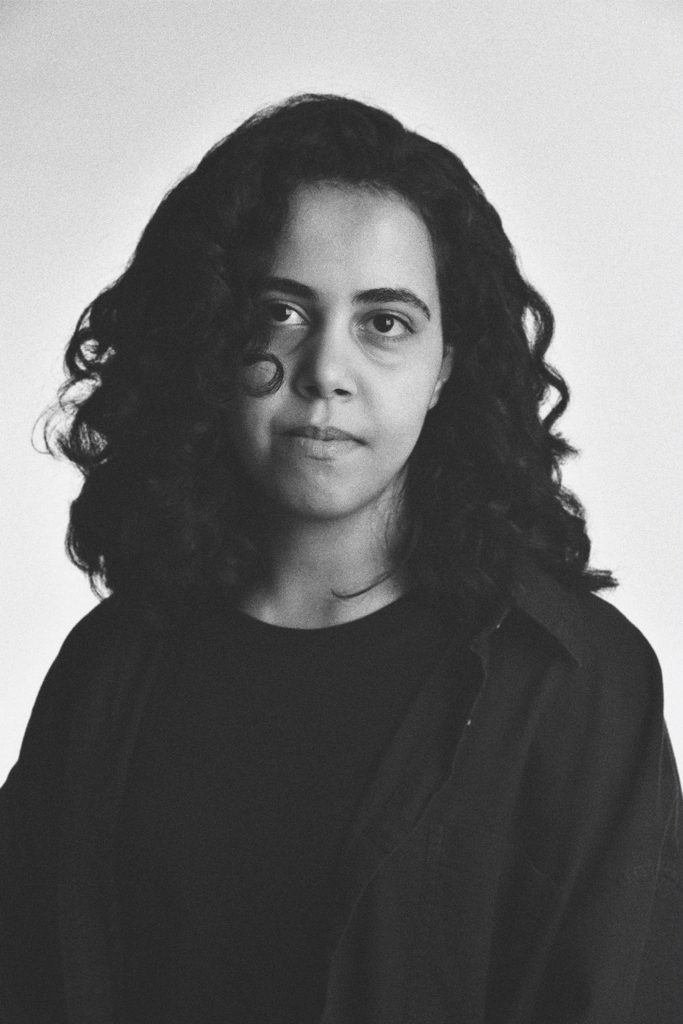
Architect and artist Aseel Othman Alamoudi investigates the relationship between objects and architecture across different scales, employing physical and digital techniques including animation, 3D printing and resin casting. Yazeed Alamasi approaches architecture through a process of deconstruction and reconstruction, transforming architectural elements, fragments, materials and cultural references into new spatial narratives.
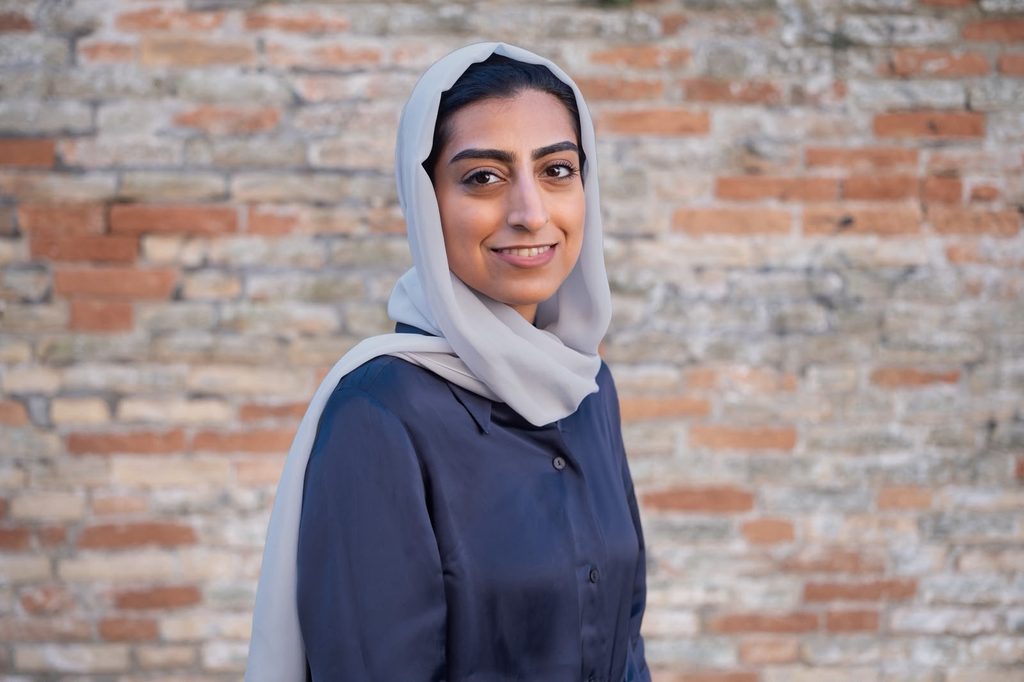

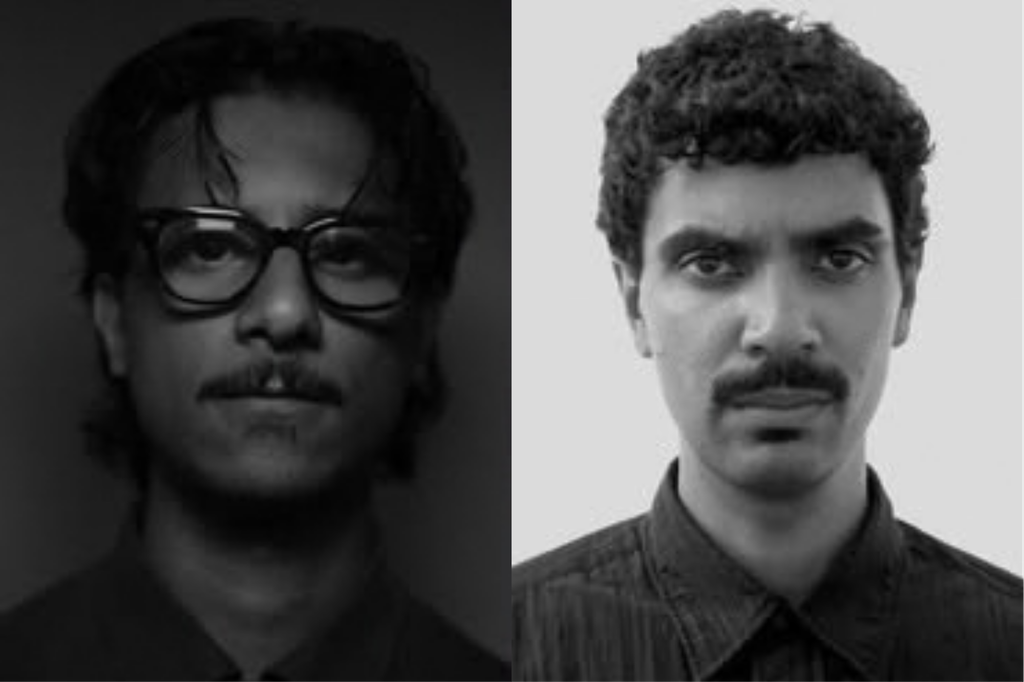
The multidisciplinary architectural practice THIRD SPACE, founded in Jeddah by Abdullah Alamoudi and Mohsin Ali, contributes its research into the relationship between architecture, cultural identity and changing urban environments. Writer, photographer and filmmaker Abdulrahman Hakim is also among the participating creatives, introducing another discipline to the exhibition’s exploration of the city. Inclass participated too.
Further contributions come from ADAS 3D Lab, which specialises in architectural models, 3D printing and digital fabrication, and The Vintage Edit, whose approach to collecting and styling vintage objects explores the relationship between material culture, personal expression and the past.
Together, these practices offer different ways of examining the same city. Rather than treating architecture as an isolated discipline, the exhibition places it within a broader cultural conversation about the objects, images, materials and experiences through which urban memory is constructed.
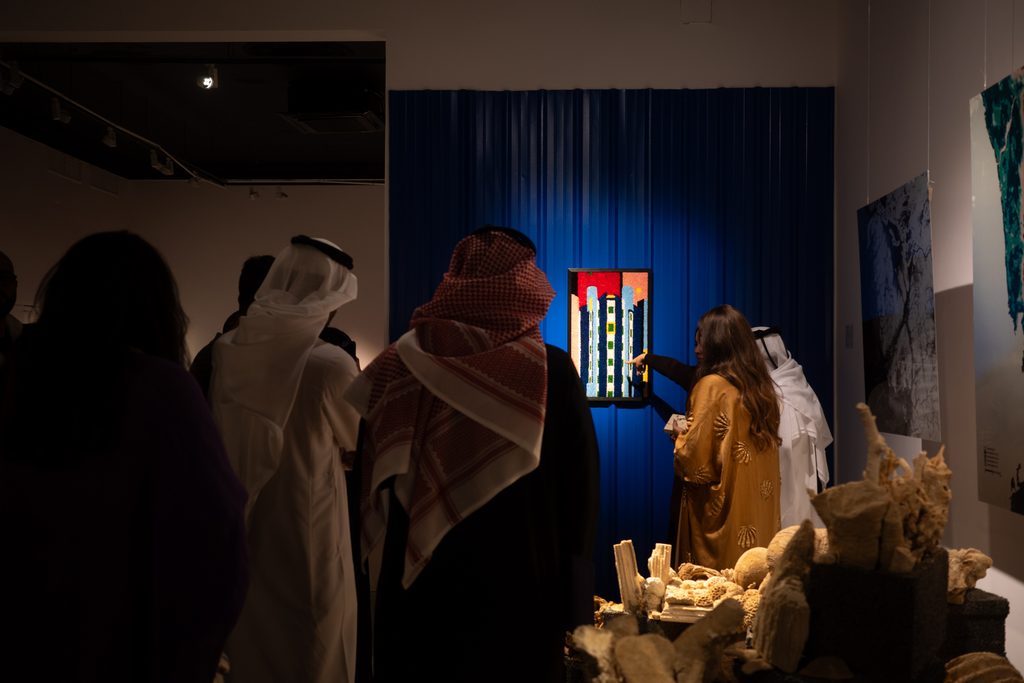
Yet behind the exhibition lies another story: that of the people who have dedicated their time and expertise to making it happen.
Led by Jeddah Architecture co-founders Wiam Kafyah, exhibition curator, researcher and director, and Fatimah Almadani, exhibition and design director and researcher, the project has been developed by a multidisciplinary team of volunteers. Their contribution extends far beyond the conventional organisation of an exhibition, encompassing architectural documentation, historical research, exhibition design, digital modelling, fabrication and communications.
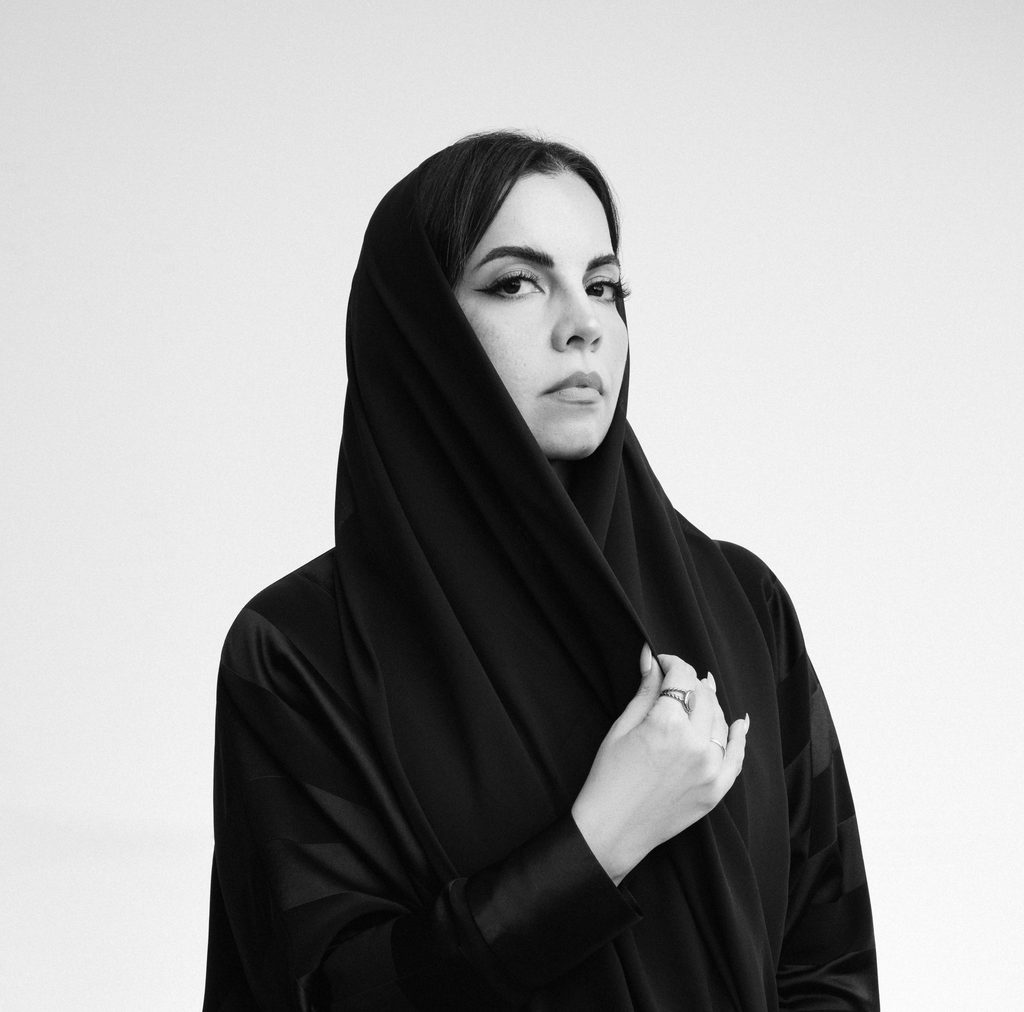
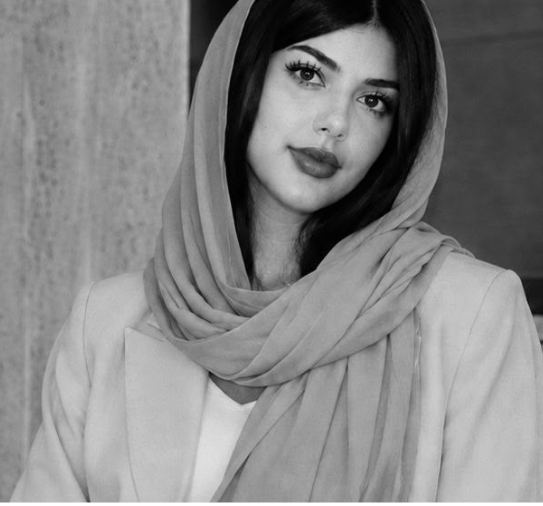
Interior designer Seba Aldarmsi has contributed to the exhibition’s interior and graphic design, while interior architect Mayadah Al Sawaf has overseen operations and participated in the research. Architect and urban planner Abdulmohsin Adas has contributed research and the production of 3D-printed architectural models. Urban designer and GIS specialist Samaah Alsharif has worked on graphic design and three-dimensional modelling, while Shahad Habis has led exhibition communications.
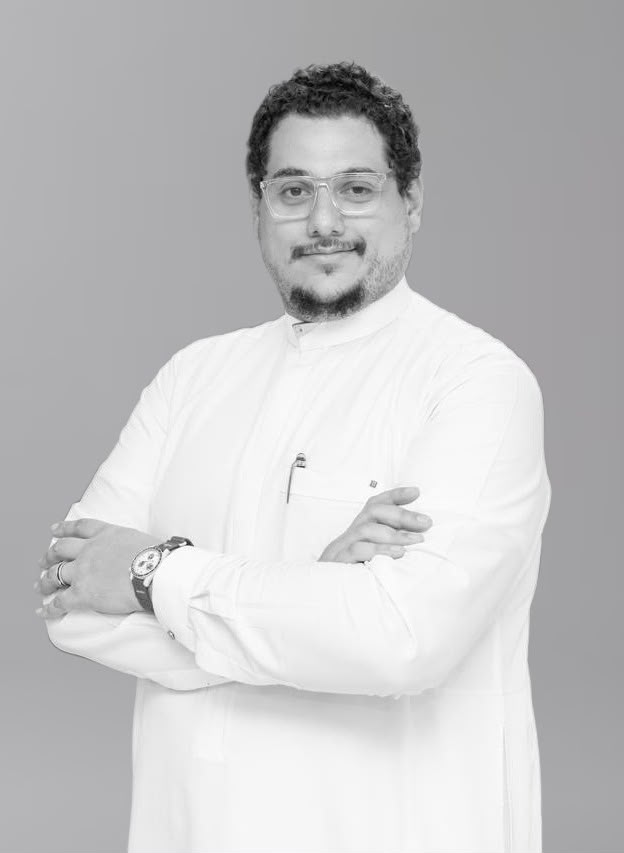
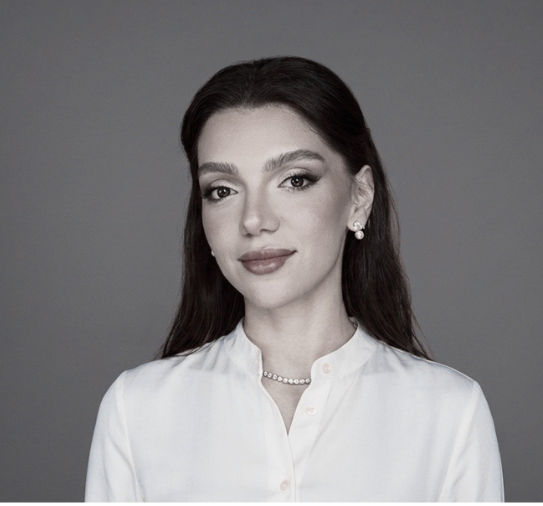
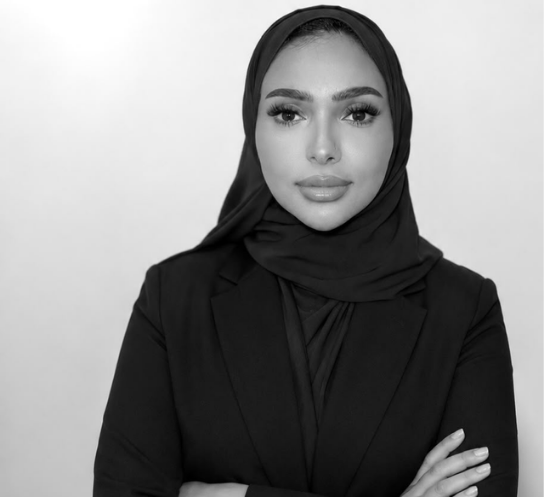
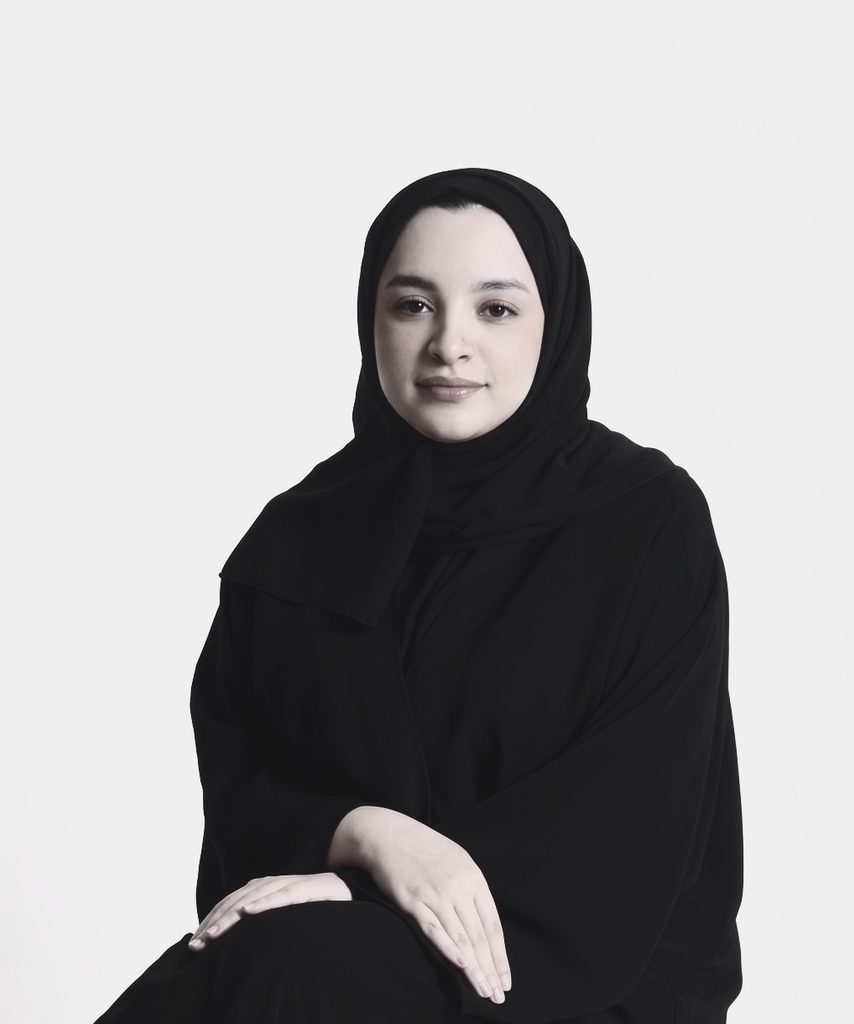
Their collective effort reflects a shared conviction that Jeddah’s architectural history deserves to be documented, understood and made accessible. At a time when so much attention is directed towards the city’s future, their voluntary commitment to preserving its recent past gives the exhibition particular significance.
The project also illustrates the importance of collaboration between cultural organisations and independent creative communities. Alongside Jeddah Architecture, the exhibition is supported by 3DOTS, the Saudi café and lifestyle brand connecting coffee, design, art and community, and MNWR, a nonprofit creative platform dedicated to supporting Saudi talent and encouraging collaboration across artistic disciplines.
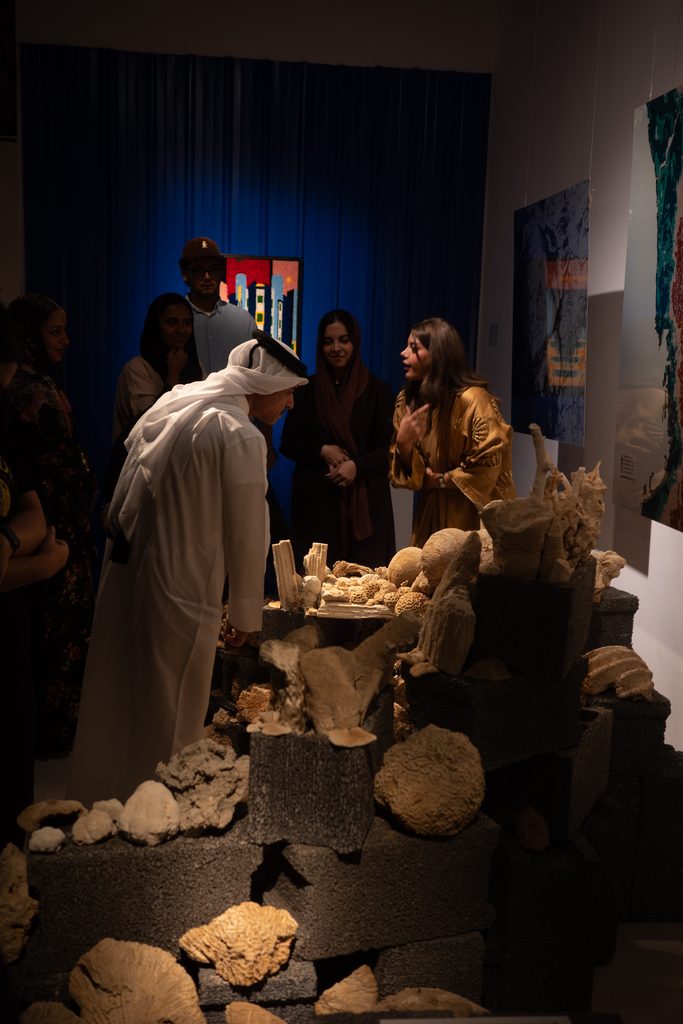
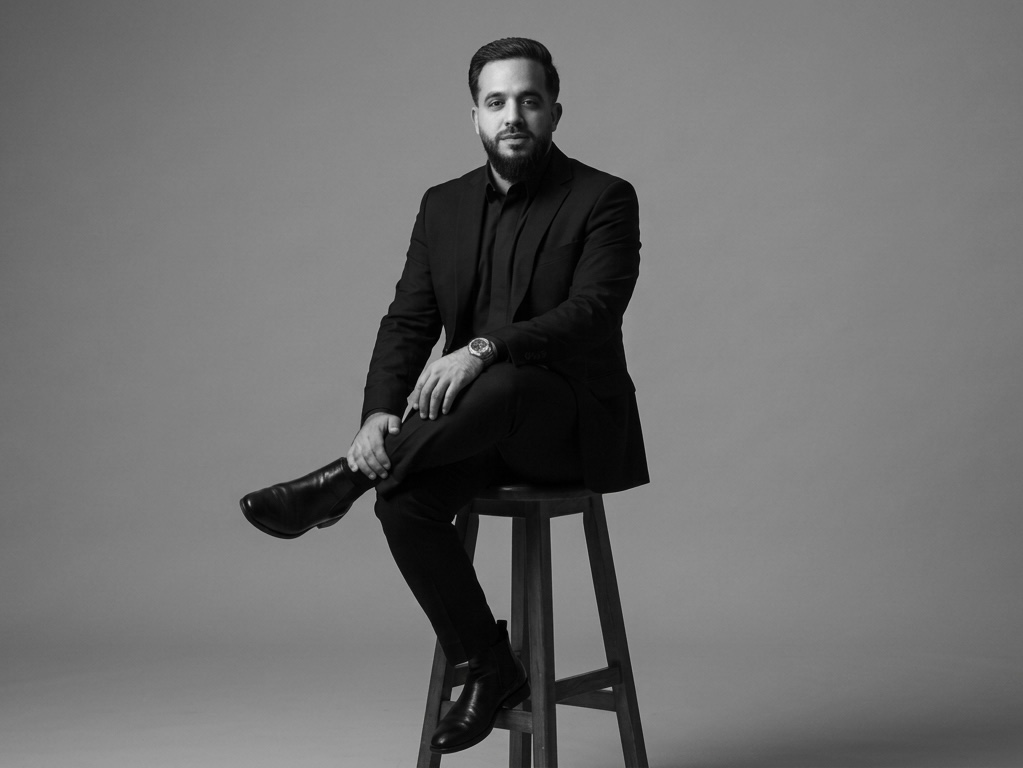
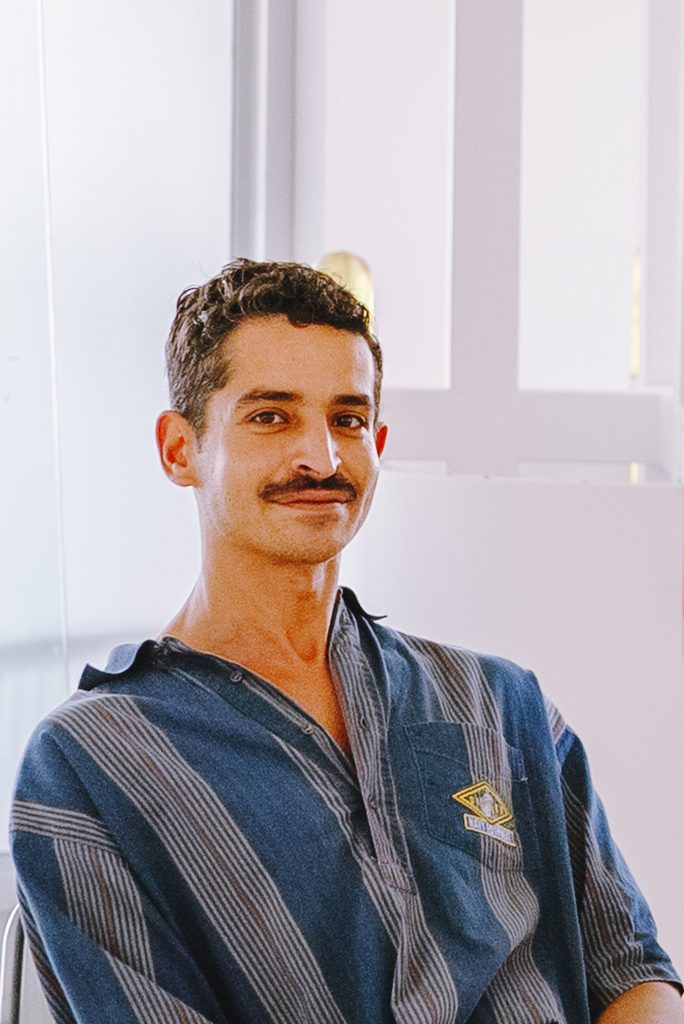
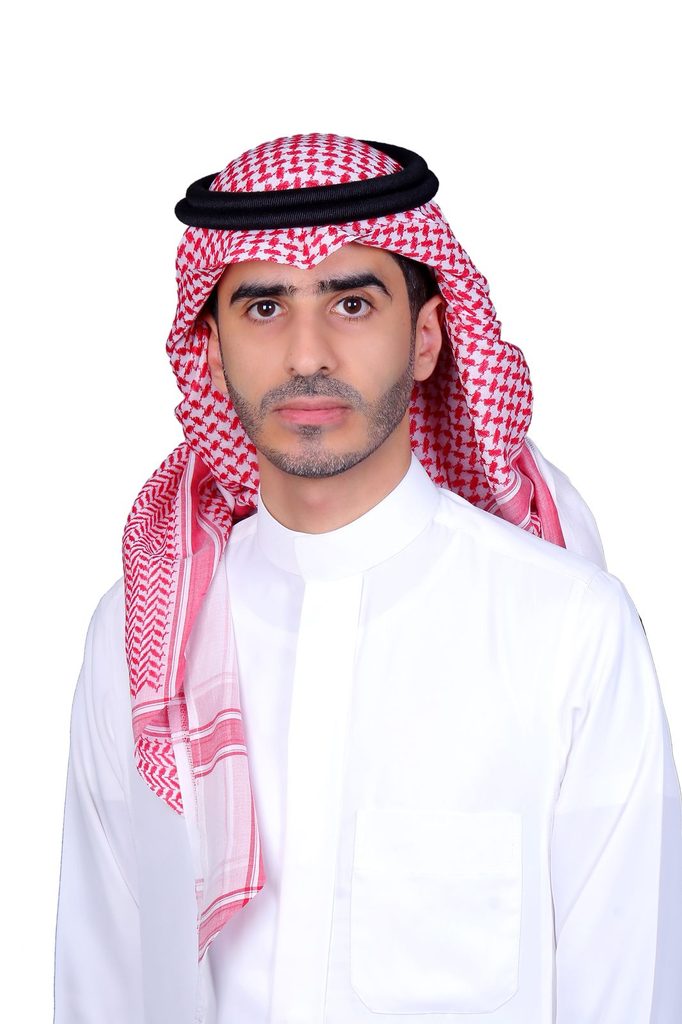
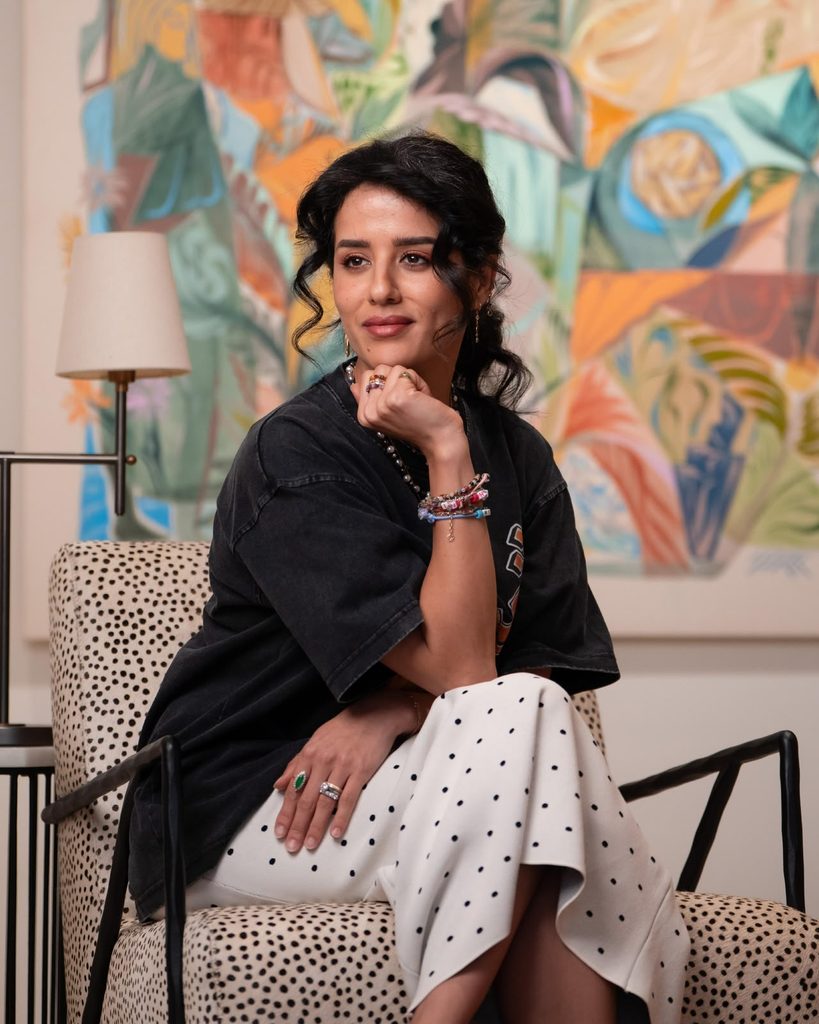
Beyond the exhibition itself, an extensive public programme invites visitors to engage directly with the people and ideas behind the project. Franco Audrito will discuss his architectural journey, while Abdulmohsin Adas and Abdulkareem Adas will explore the architecture inherited by successive generations and its role in shaping the modern city. The programme brings together a wider group of architects, designers, researchers and practitioners, including Fahad Allwihan, Kinana Bakr, Rayan Adel Safadi, Turki Gazzaz, Prof. Dr.-Ing. Ahmed Khoja, Wiam Zaki and Fatemah Almadani, extending the conversation across architecture, urbanism, interiors, heritage, sustainability and the evolving identity of Saudi cities.
Discussions move from the relationship between memory and place to the documentation of endangered architecture and the often-overlooked interiors of Jeddah’s residential buildings. Guided exhibition tours offer further opportunities to explore the research, artworks and architectural narratives, while a concluding discussion considers what it means to preserve the city’s architectural identity as Jeddah continues to change.
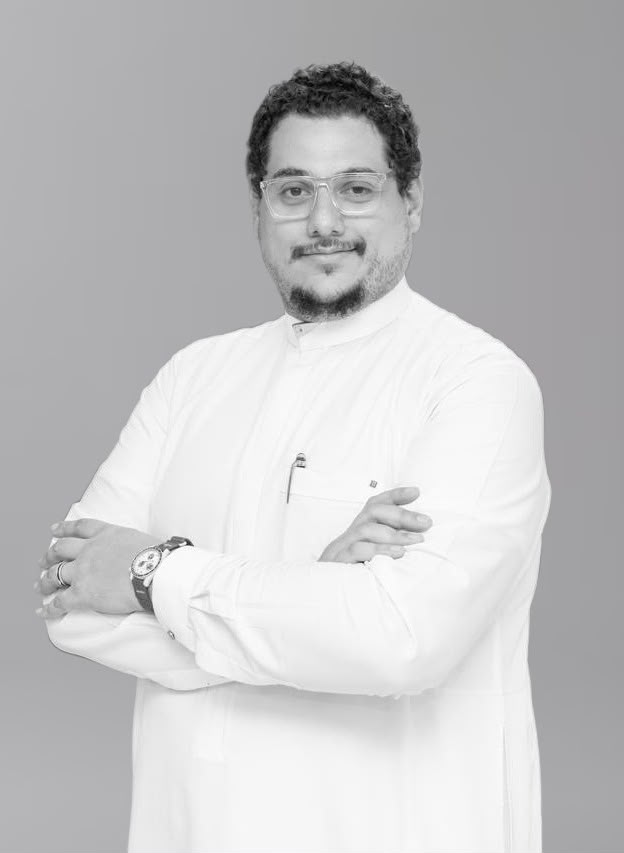

These conversations are integral to the exhibition’s ambition. They extend its research beyond the gallery, inviting the public to reconsider familiar buildings and recognise the cultural significance of an architectural heritage that is neither ancient nor entirely contemporary.
Ultimately, Built Memories raises a question that extends far beyond Jeddah. As cities across the region continue to reinvent themselves, how much of their recent architectural past will survive, and who will take responsibility for preserving it?
Through the work of its participating artists, the architectural research underpinning its three chapters and the dedication of the volunteers who brought it to life, the exhibition offers one possible answer. Preserving a city’s memory begins with recognising the significance of what already exists, documenting it and finding ways for its stories to remain part of the urban landscape.
Built Memories: Where Time Settles runs from 1–10 October 2026 at Hafez Gallery, Ar Rawdah, Jeddah.