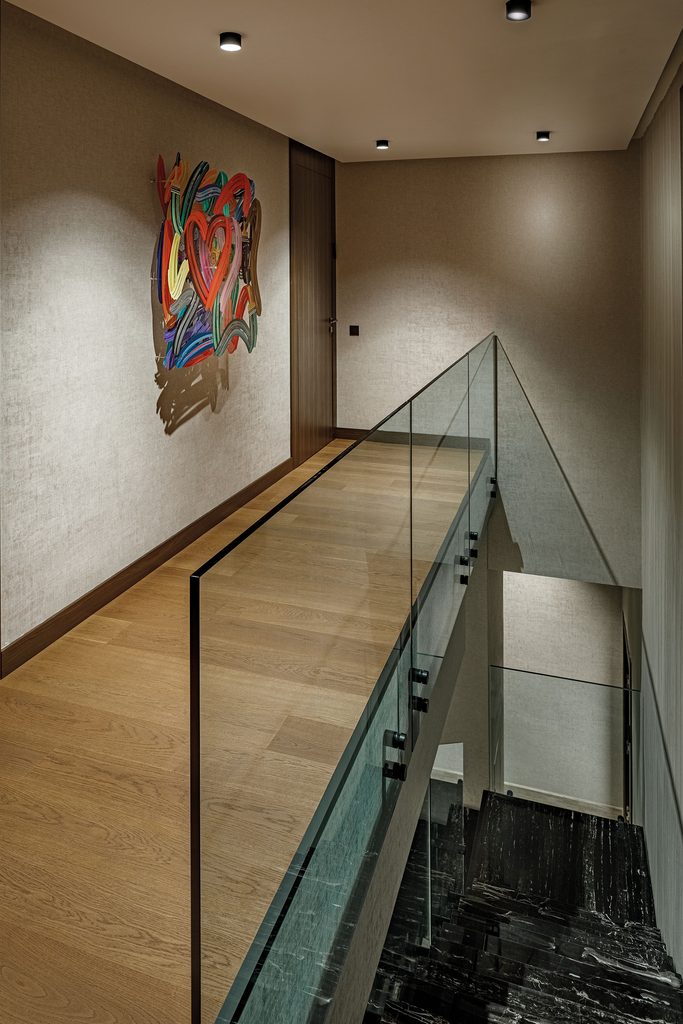
There is a difference between collecting remarkable objects and knowing how to bring them together. At Villa A, a private residence in Casablanca, Morocco, designer Hind Magoul, Founder of Hind Magoul Interiors, explores that distinction through an interior in which contemporary art, collectible furniture and an unapologetically expressive palette coexist within a carefully controlled architectural composition.
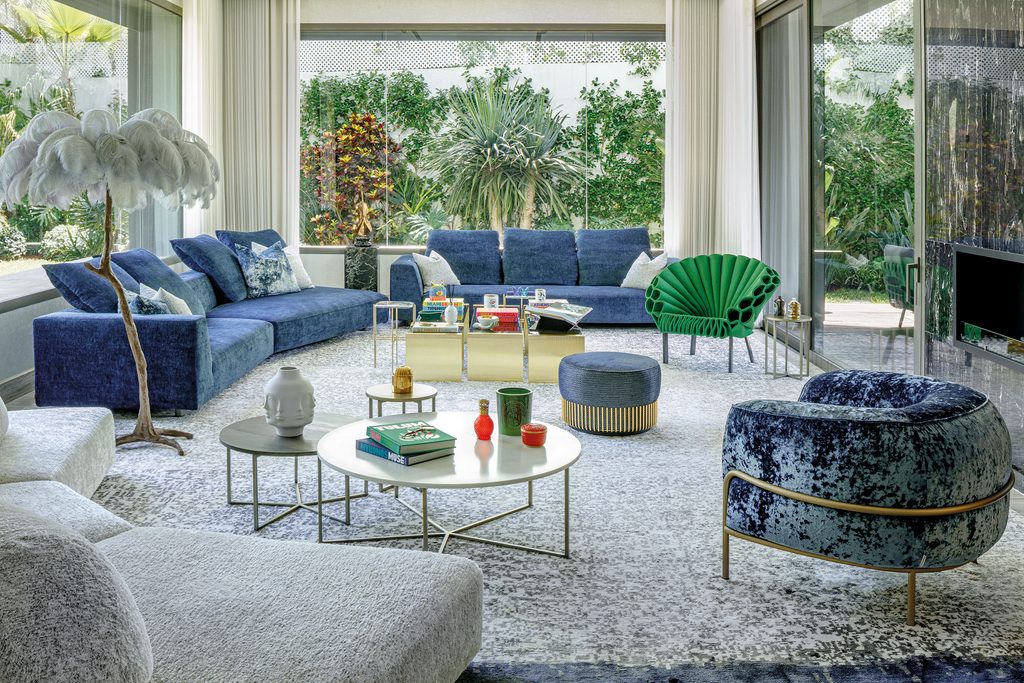
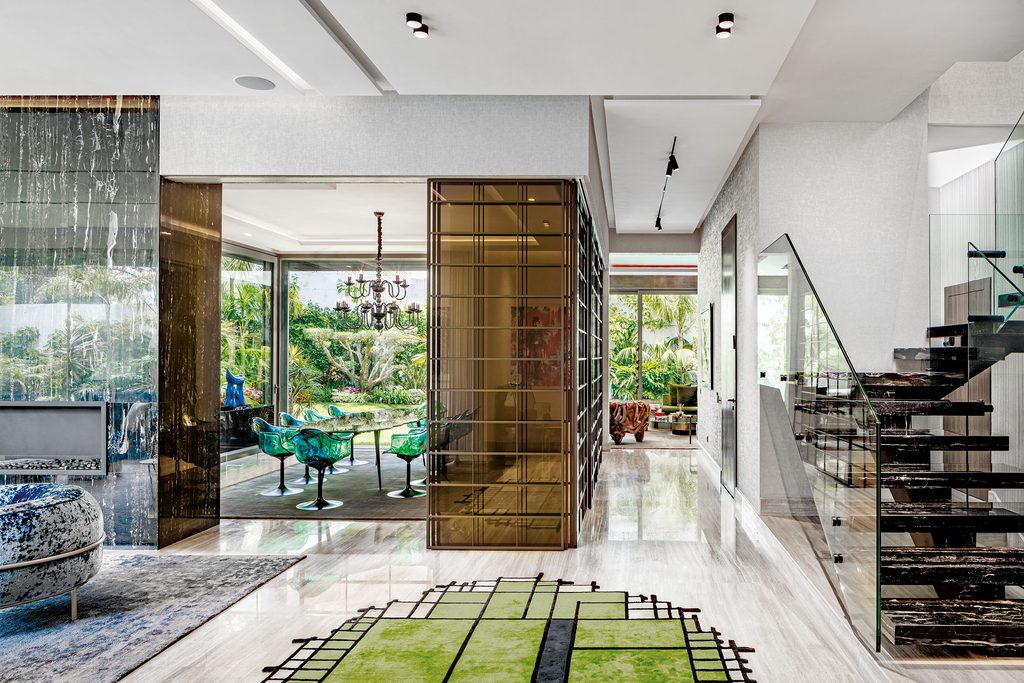
The starting point was the owners’ extensive art collection, whose bold colours and irreverent character established the direction of the project. Rather than neutralising its visual intensity, Hind chose to engage with it, introducing unexpected combinations of colour, material and form. “I’m wary of overly coordinated palettes,” she explains. “The most compelling compositions often come from unexpected encounters between colors, materials, and objects.”
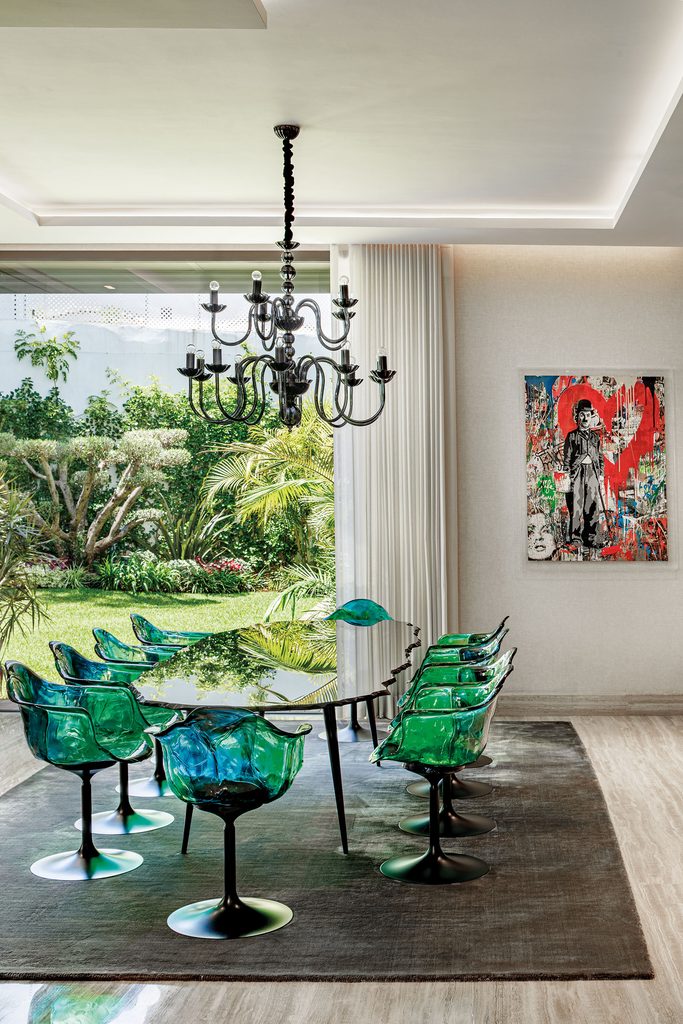
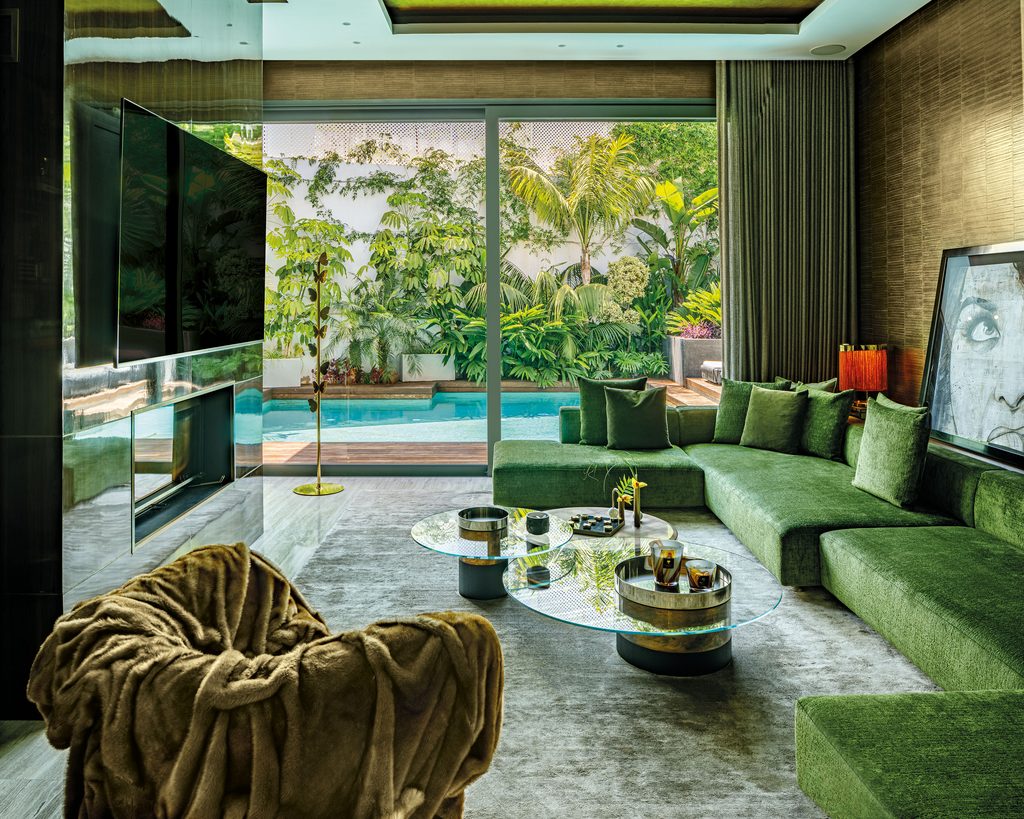
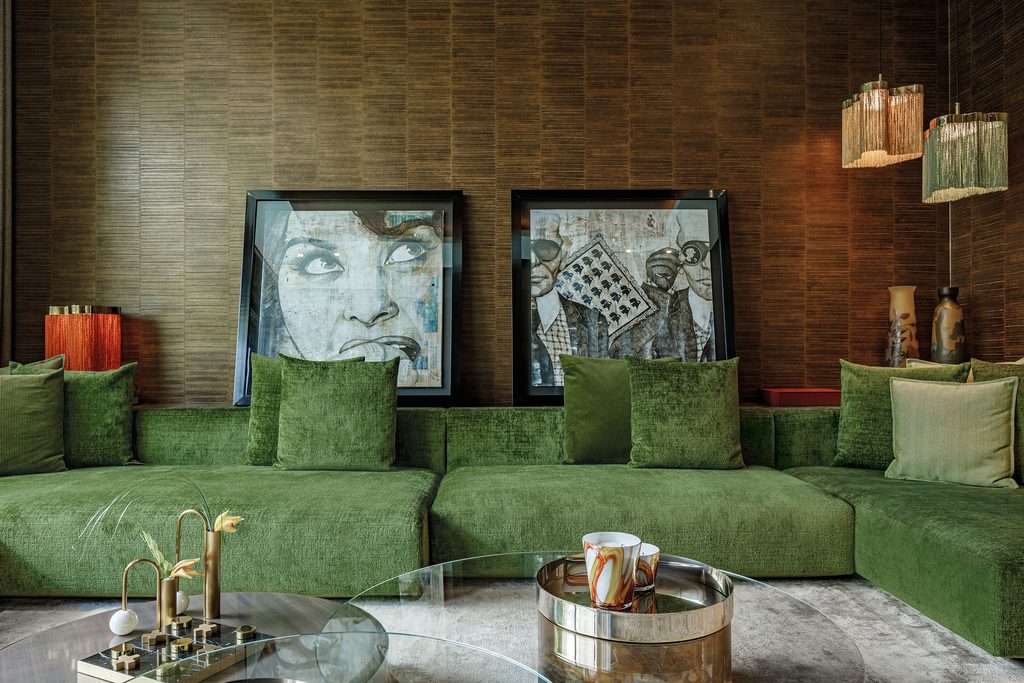
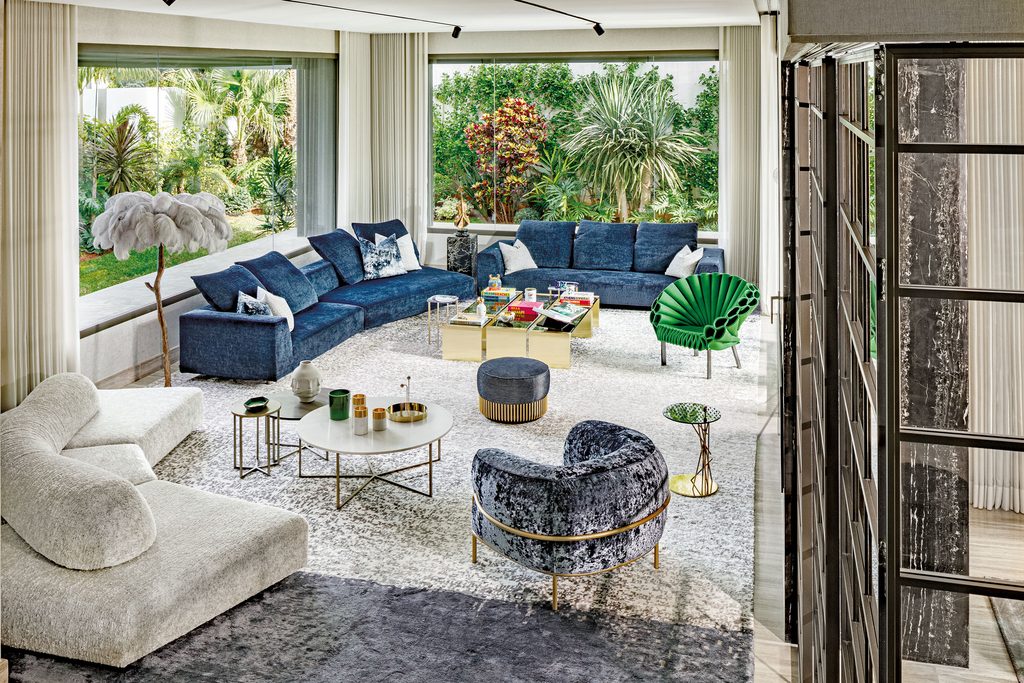
Colour moves freely between artworks, rugs, furniture and architectural surfaces, while black provides a recurring structural element, defining lines and introducing visual depth. Each room develops its own identity without relying on a uniform palette to establish continuity.
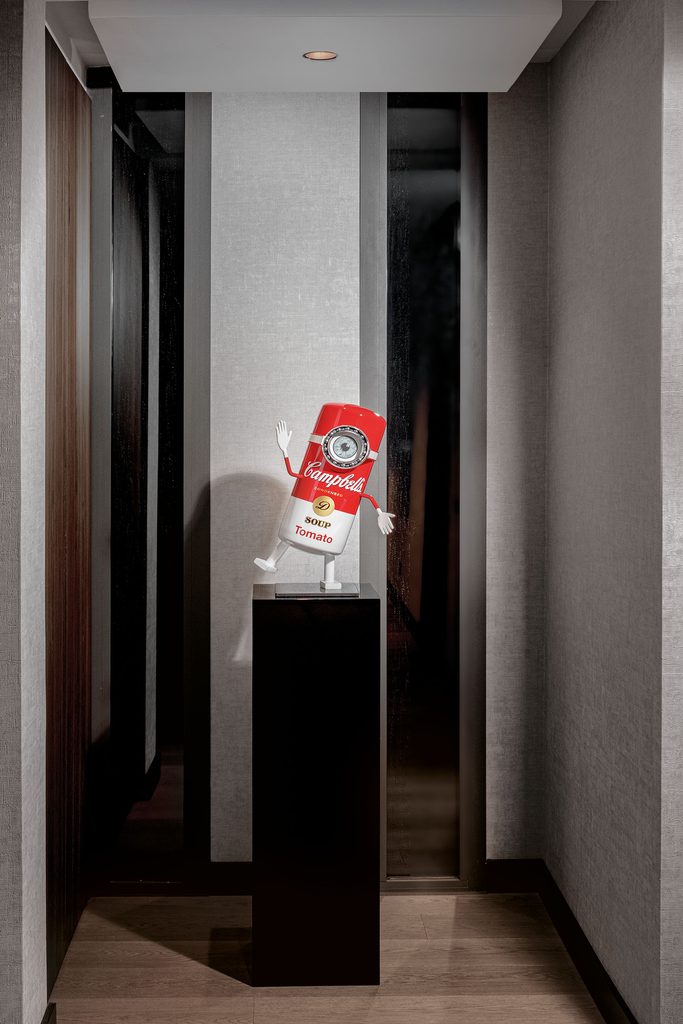
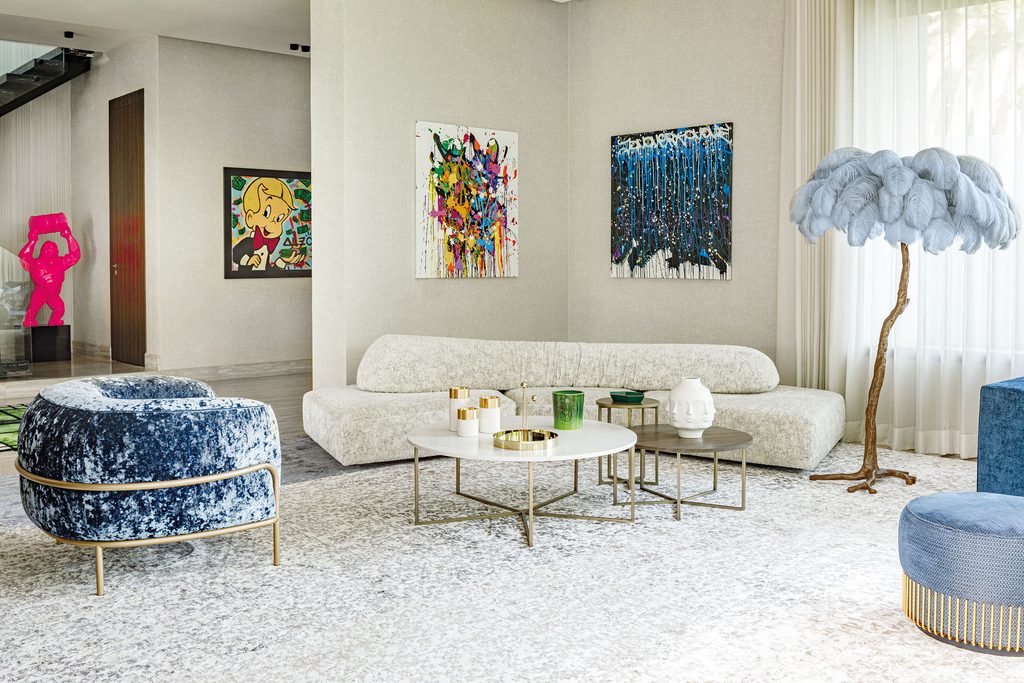
The collection itself reflects an appetite for humour and provocation. Pop Art references, including a Warhol soup can with an unexpected intervention, a vivid pink King Kong and a graffiti-covered Chaplin, inhabit spaces otherwise governed by precise proportions and considered arrangements. Their presence challenges the assumption that sophisticated interiors must necessarily be solemn. “I’ve never believed that luxury has to take itself too seriously,” Hind observes. The juxtaposition of playful objects with sculptural furniture and precious materials becomes an exercise in composition rather than deliberate provocation.
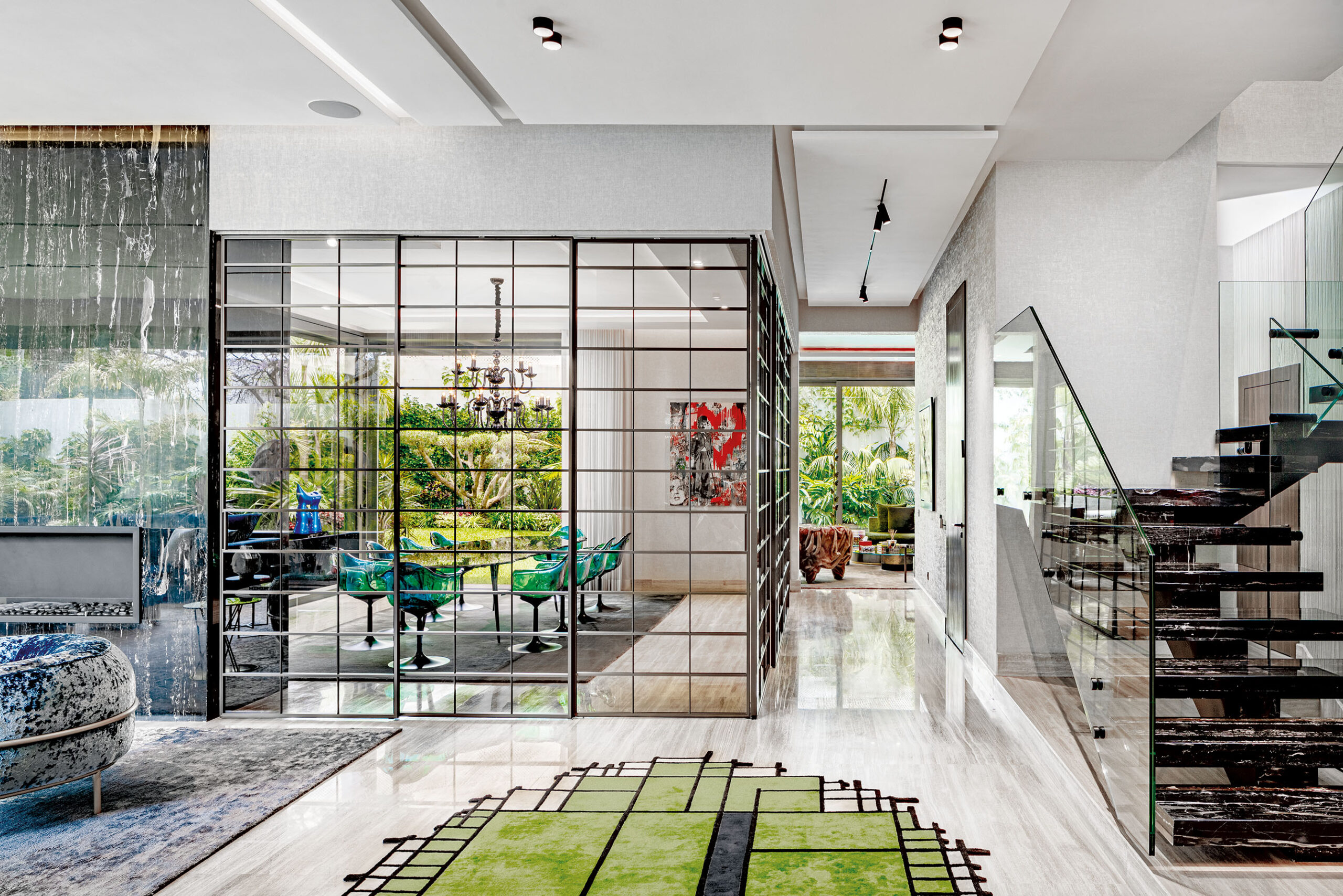
Architecture provides the framework for this freedom. Designed by Ghali Chaoui, the house establishes a close relationship with its garden through expansive glazing and carefully orchestrated sightlines. Hind approaches these views almost photographically, considering how the landscape is perceived from different positions within the rooms. The garden becomes part of the interior composition, its changing colours introducing an element beyond the designer’s control.
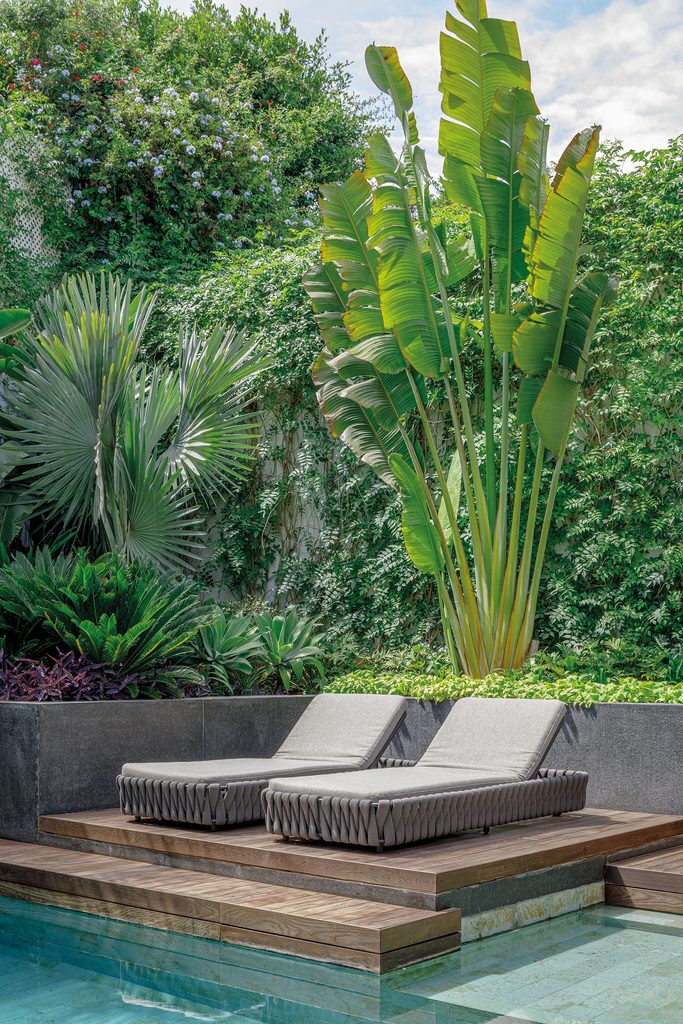
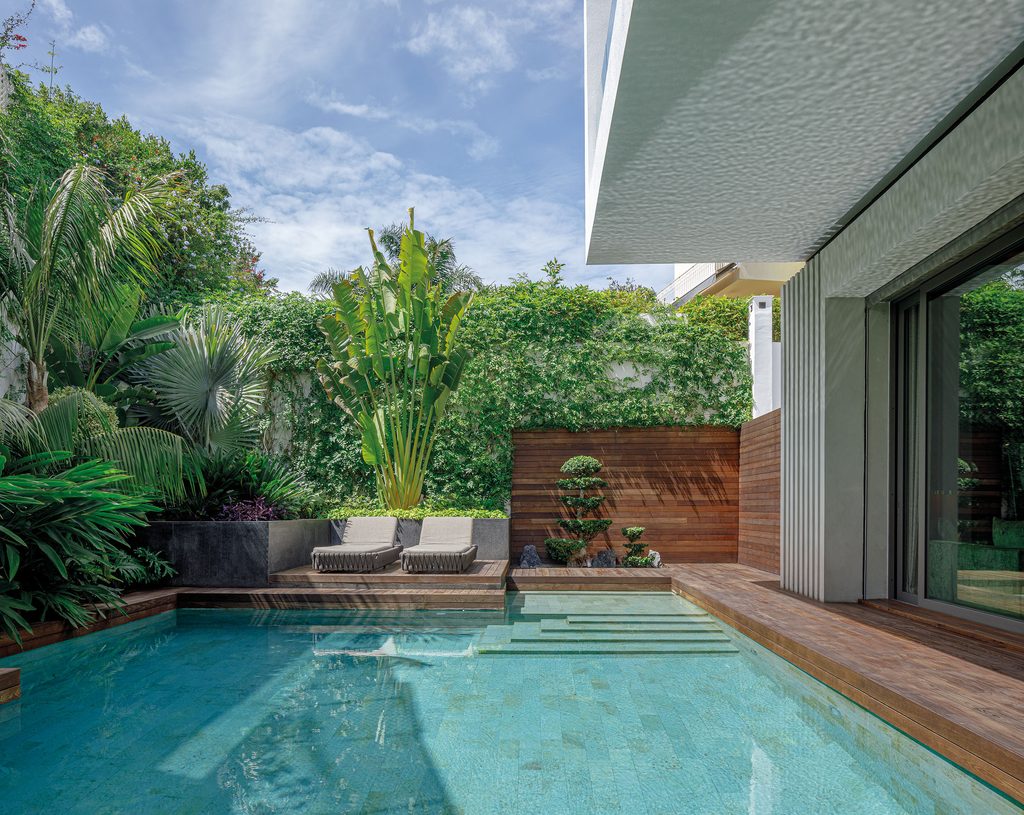
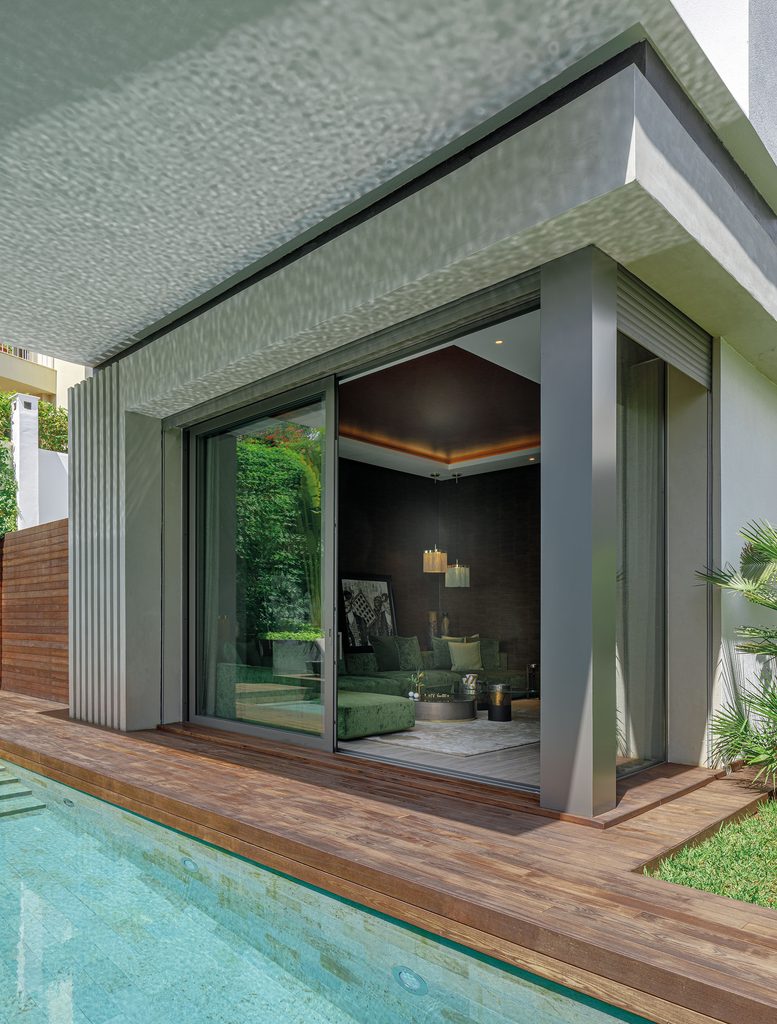
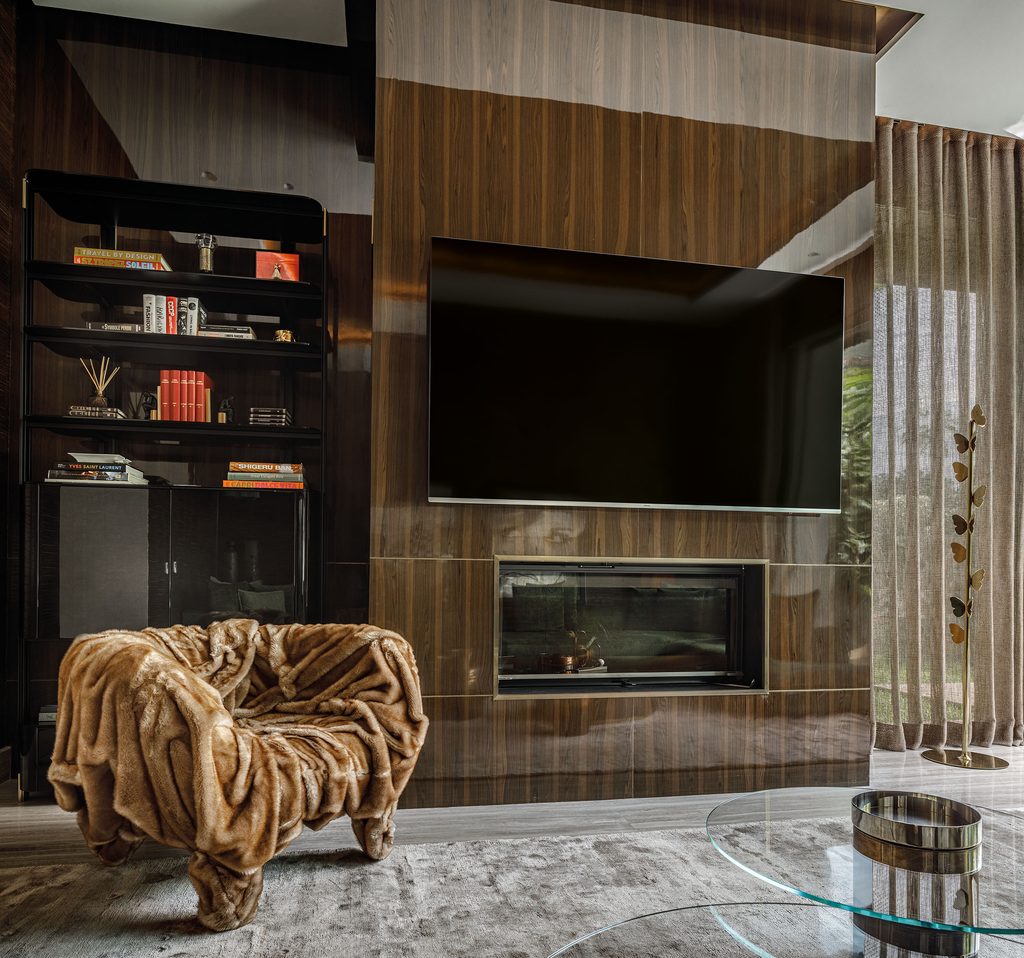
Material contrasts reinforce this dialogue. Black marble, glass and chrome are balanced with mohair, bouclé and other tactile surfaces, introducing warmth and physical comfort into an otherwise visually assertive environment.
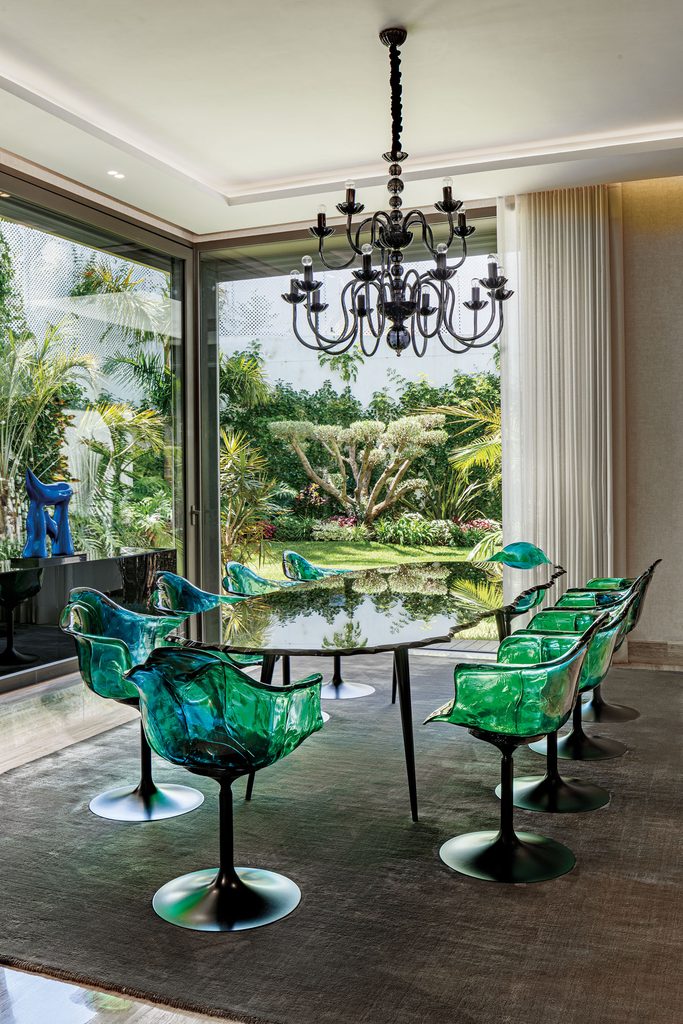
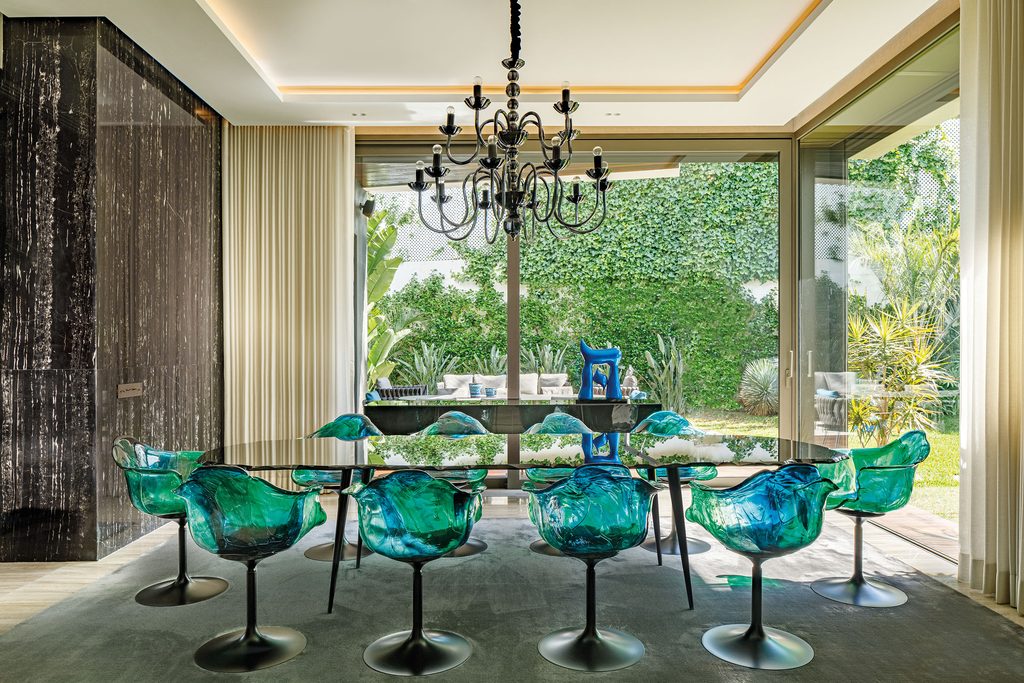
In the dining room, translucent chairs in shades of blue and green occupy a territory between furniture and sculpture. Their fluid forms echo the garden beyond, while their transparency preserves the visual connection between inside and outside. “After all, you don’t need to put a sculpture on a pedestal to live with art. Sometimes, you can simply sit on it,” Hind remarks.
Yet beneath the apparent spontaneity lies a rigorous understanding of proportion, circulation and spatial relationships. Books, photographs and objects collected over time are considered as carefully as major artworks, allowing the owners’ personal history to become part of the design rather than an additional decorative layer.
For Hind, the success of such an interior depends on the relationship between intuition and precision. “Discipline isn’t there to restrict creative freedom. It’s what allows that freedom to exist.”
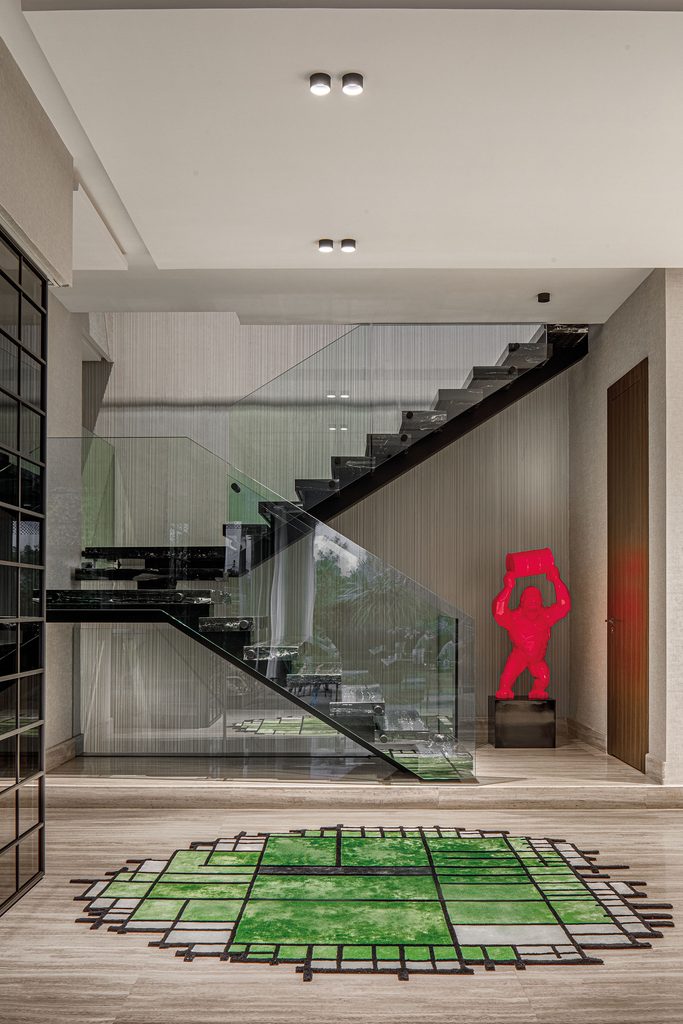
Villa A ultimately proposes an understanding of luxury that has little to do with stylistic conformity. Its identity emerges from the encounter between different artistic languages, personal collections and architectural decisions, demonstrating how an interior can be simultaneously exuberant, highly composed and genuinely inhabited.