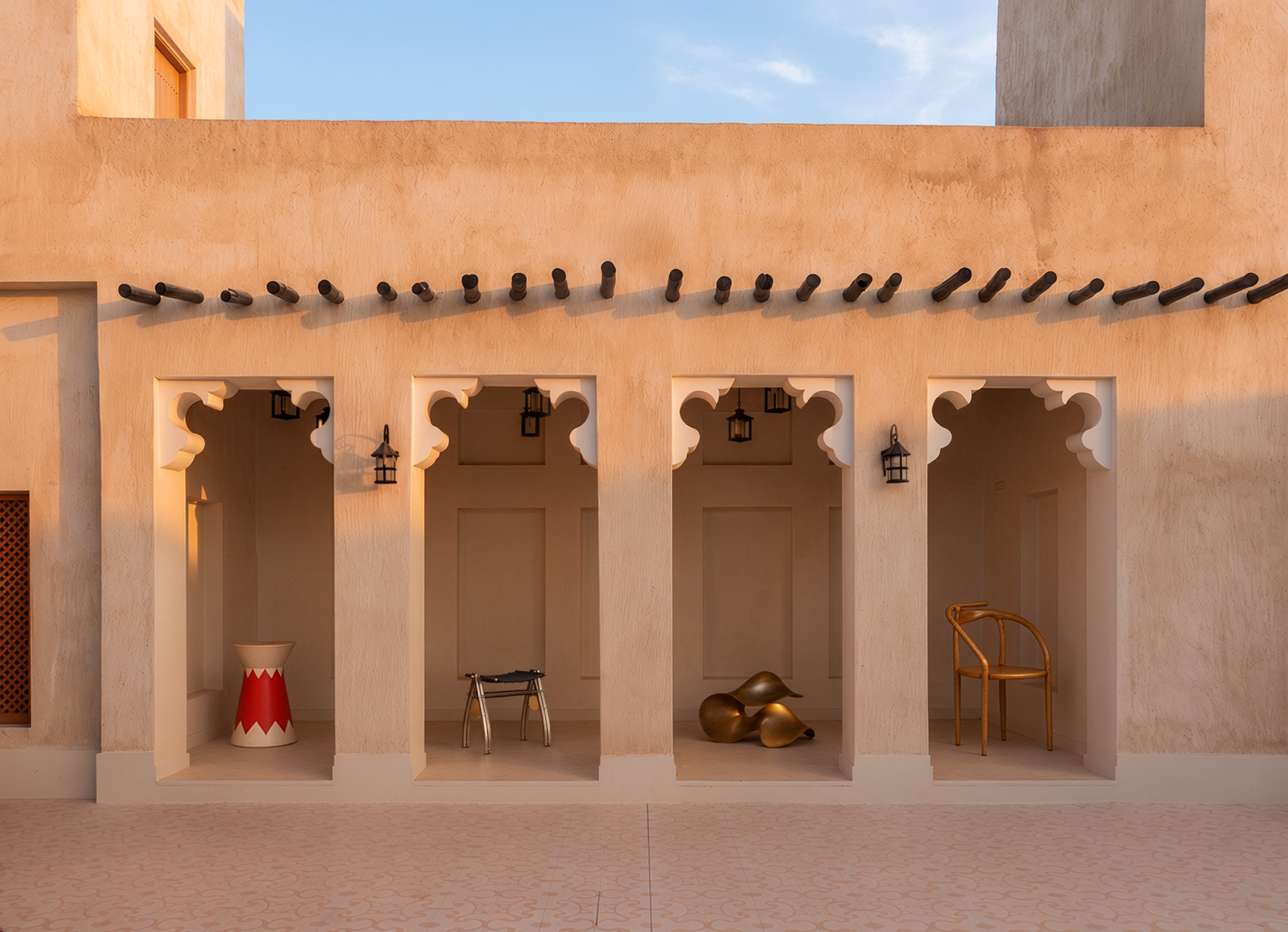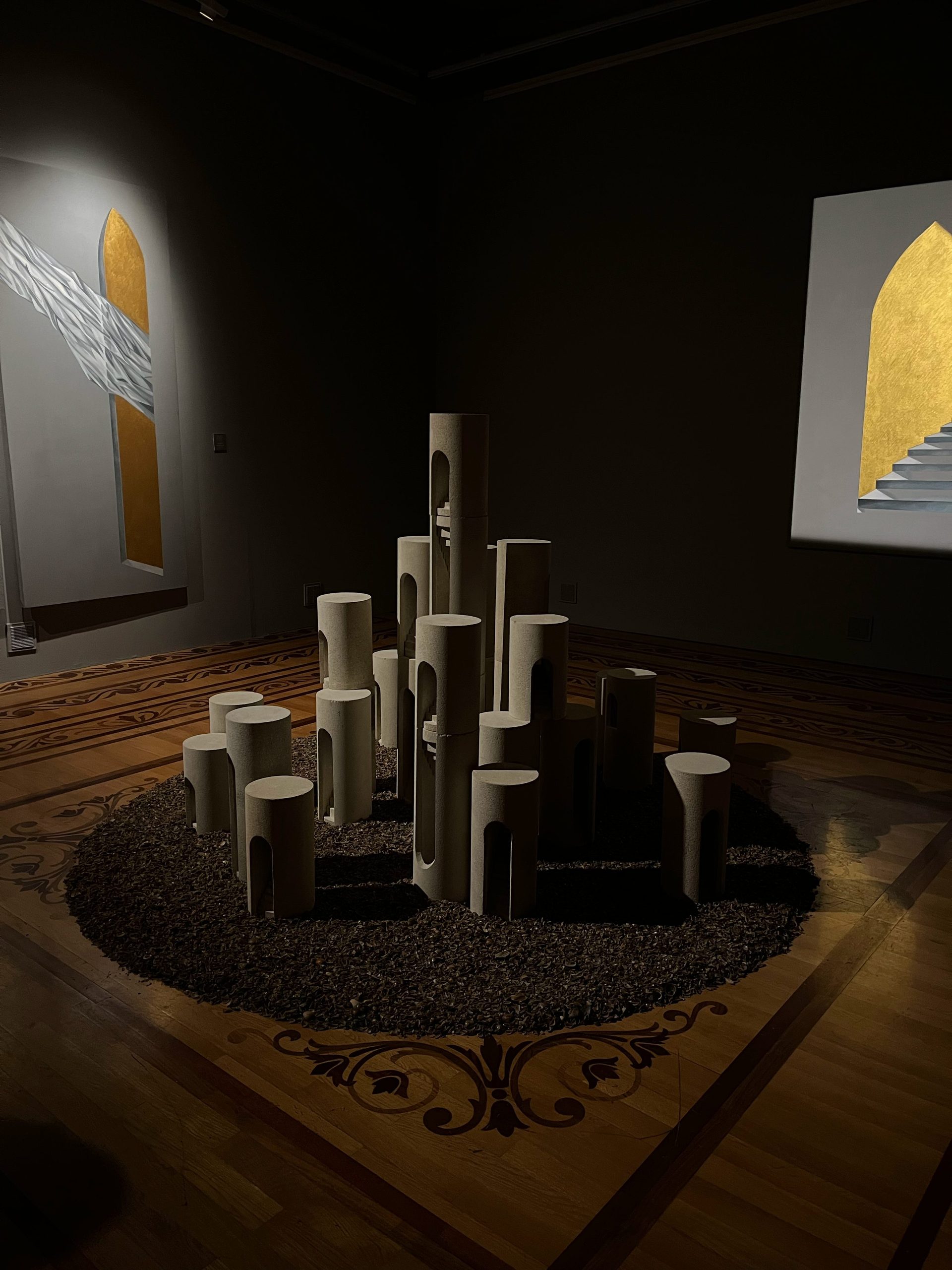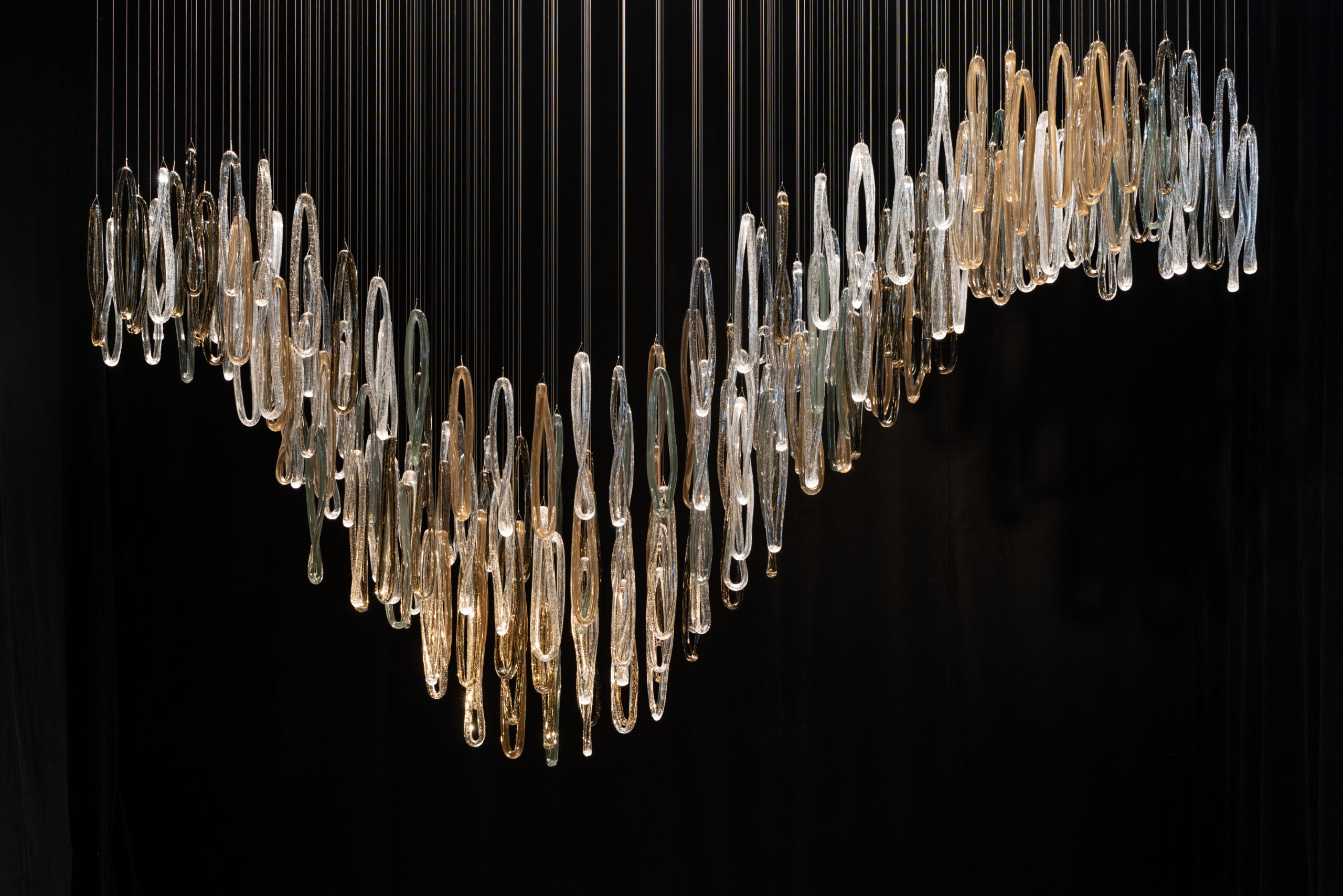
Some objects arrive in a home and never quite leave. They survive moves, changing tastes and the occasional urge to start again. A chair acquires a favourite corner. A bowl becomes the one always left on the table. A blanket migrates from sofa to bed and back again. Their value, eventually, has rather little to do with being new.
It is an idea that runs quietly through Hermès’s 2026 collection for the home. There are no grand declarations about permanence here. Instead, the house makes its argument through material, touch and, above all, time. Metal is hammered, cashmere woven, leather stitched and wood worked with the sort of patience that feels almost countercultural. These are objects that take time to make and seem to ask for time in return.
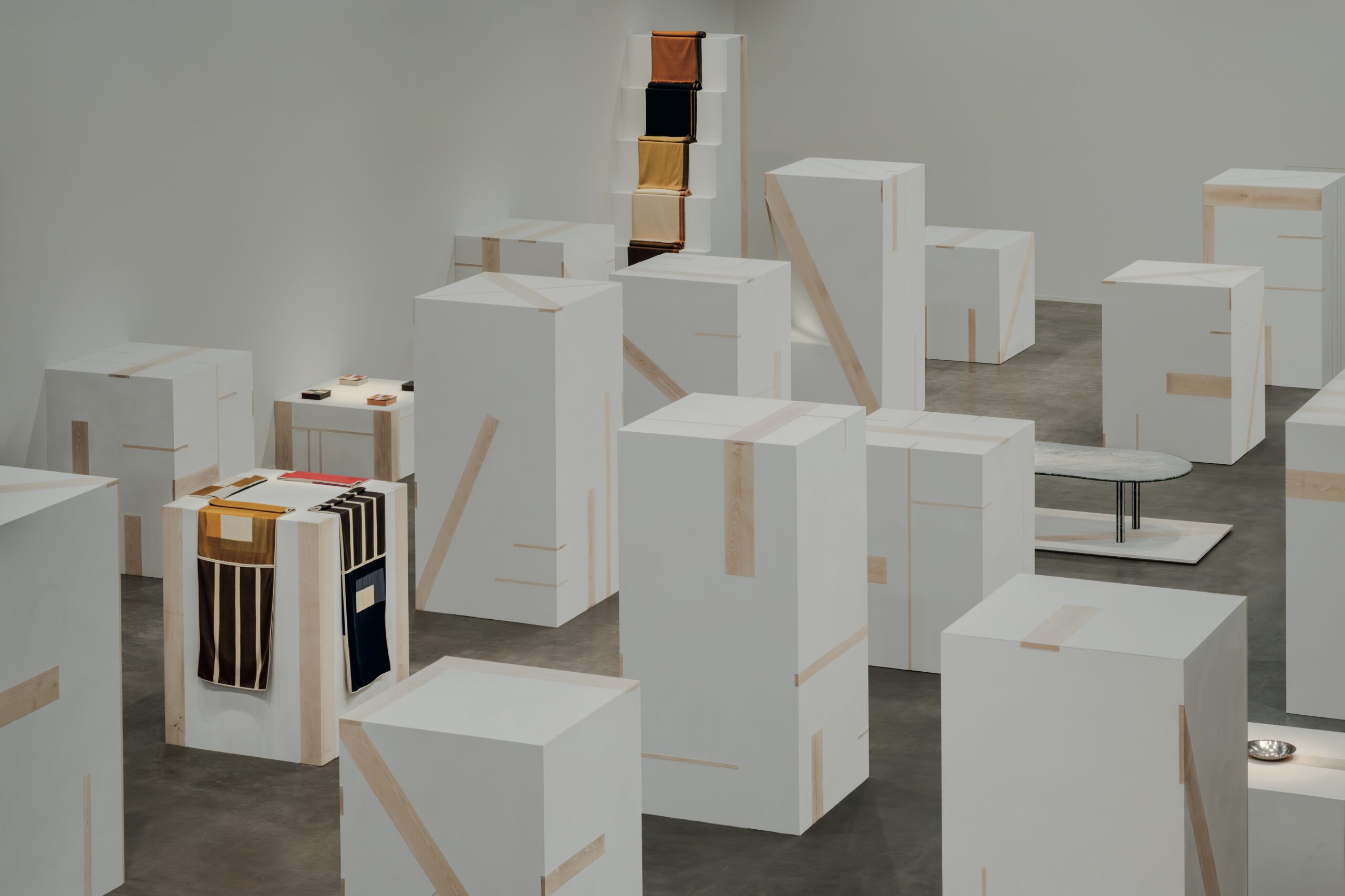
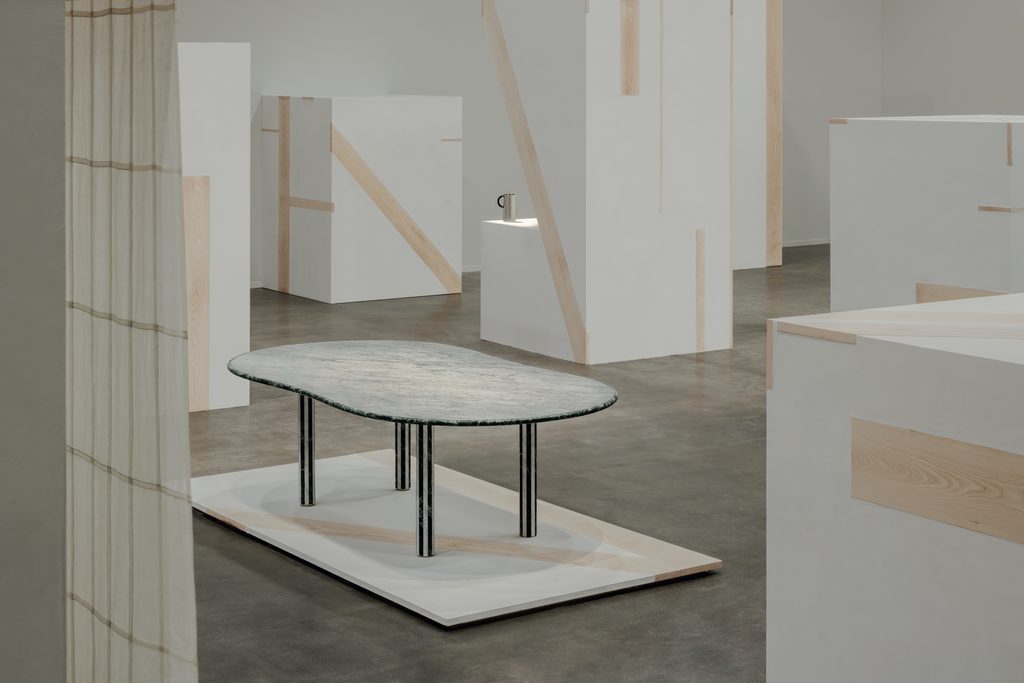
Take the Stadium d’Hermès table by Edward Barber and Jay Osgerby. Its figure-of-eight top, made in Carrara Venato and Verde Alpi marble, borrows its curves from both the back of a horse and the oval of a racetrack. The legs, meanwhile, recall the striped poles of a show-jumping course. It is unmistakably Hermès, yet there is no logo required to make the point. The references are embedded in the object itself.
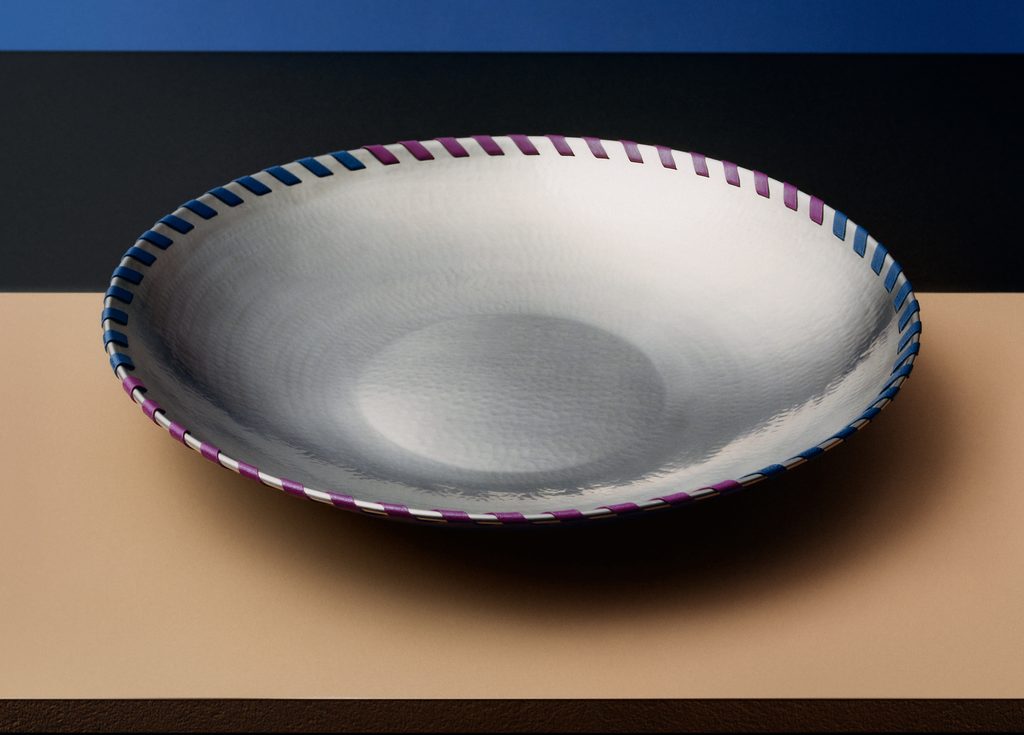
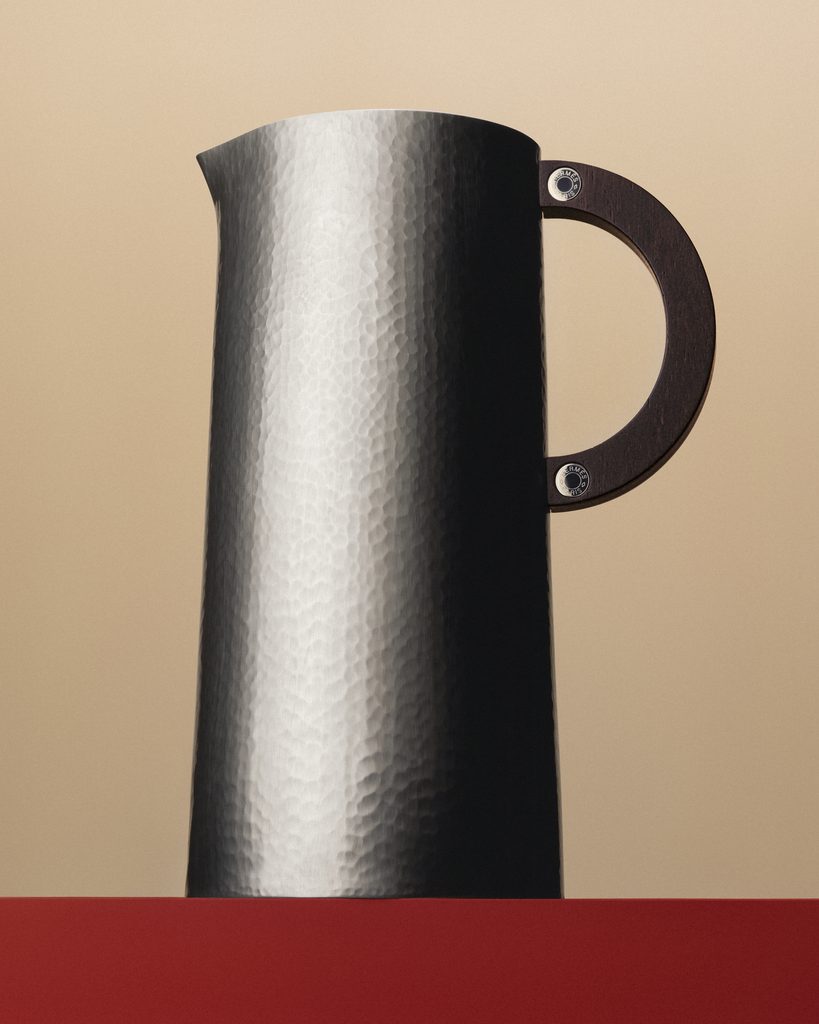
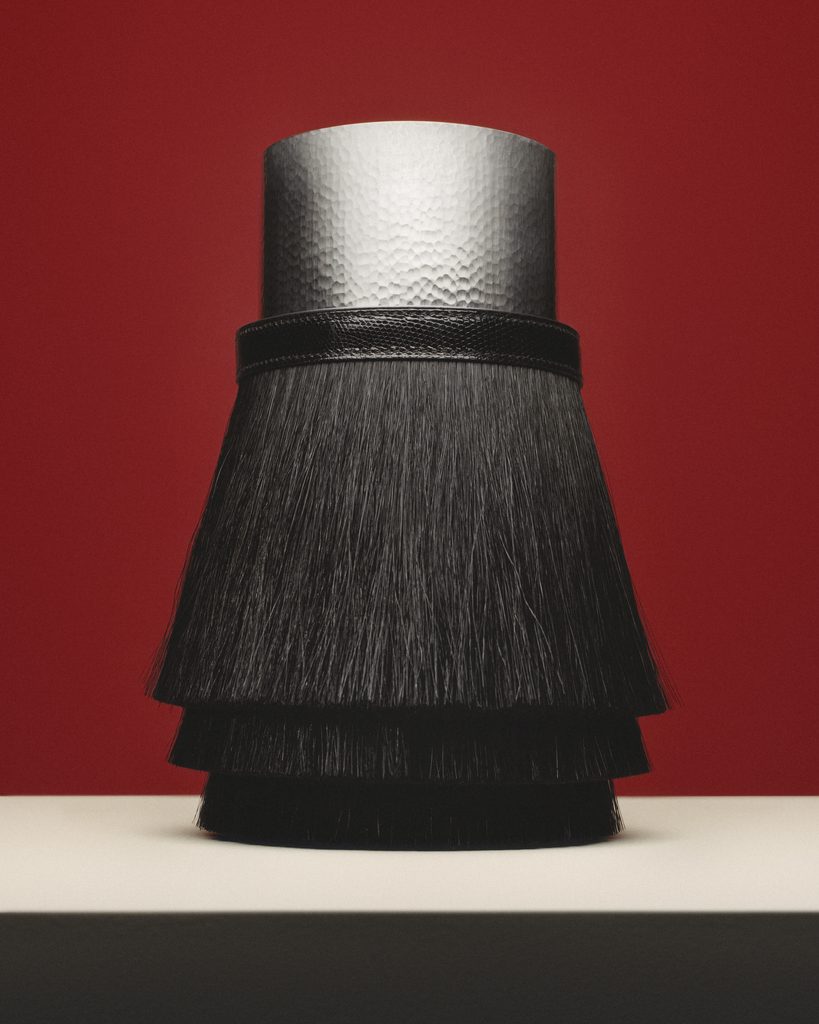
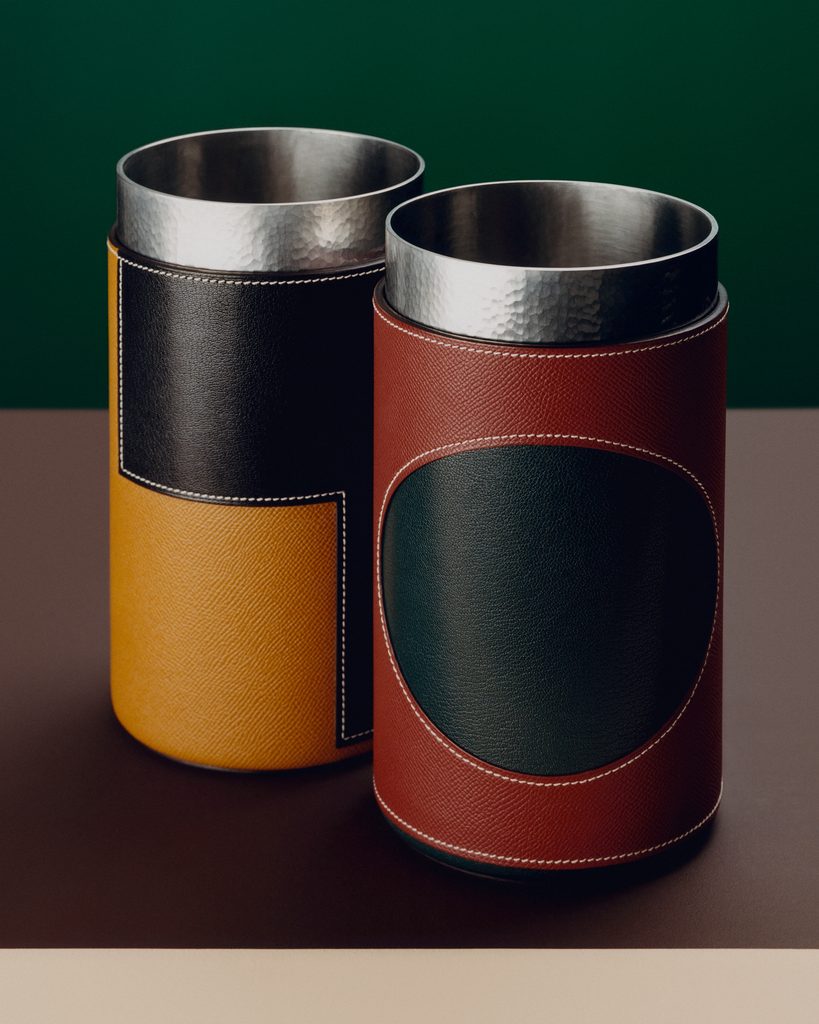
That same restraint appears in the Palladion d’Hermès collection. Here, hand-hammered palladium-finish metal is paired with leather, horsehair and wood. A jug is reduced to a near-elementary silhouette, its cool metal body interrupted by a cassia-wood handle; a vase disappears beneath a dark skirt of horsehair and calfskin. The pleasure lies in the contrasts: hard and soft, cold and warm, polished and tactile. They are objects that reward proximity rather than spectacle.
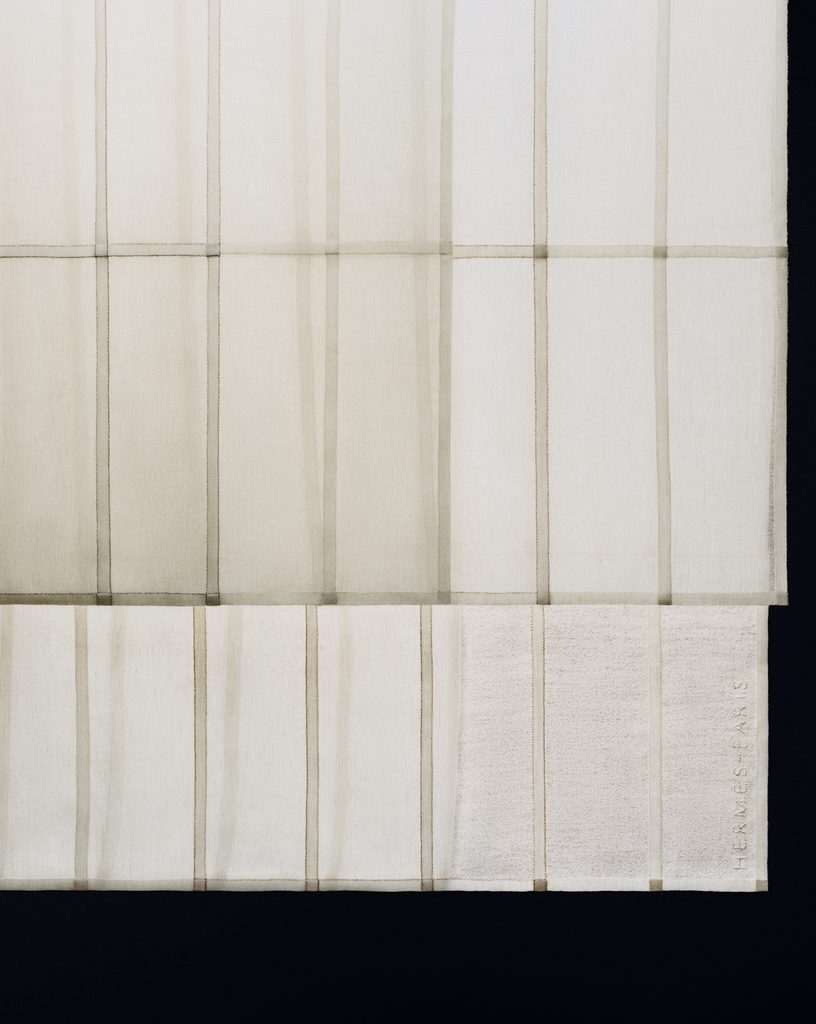
Perhaps the most convincing expression of this philosophy, however, is one of the quietest. Designed by Hyunjee Jung, the H Letter throw is made using bojagi, the traditional Korean art of joining pieces of cloth. Panels of hand-woven cashmere and linen voile are painstakingly sewn together with coloured silk thread, creating an almost architectural composition of seams, transparency and folds. Hundreds of hours are required to make a single piece. Even the house’s initial only gradually reveals itself within the construction.
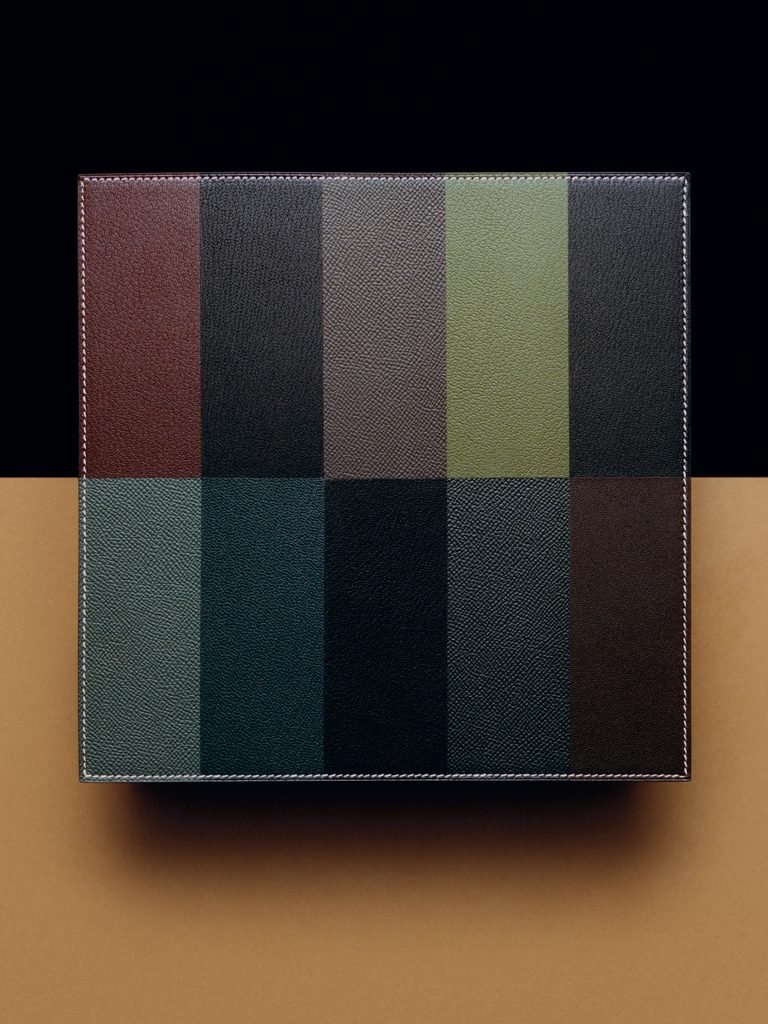
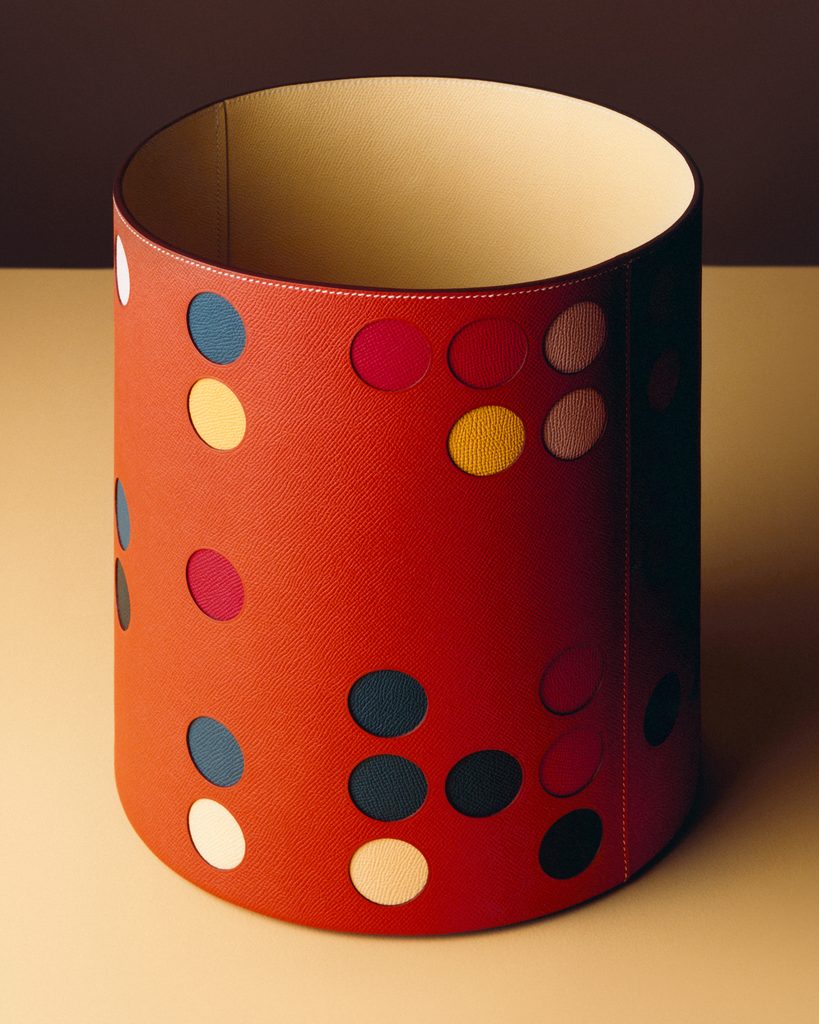
There is something rather appealing about that discretion at a moment when so much design is expected to announce itself immediately. Hermès instead makes a case for looking twice. Even its more playful pieces behave this way: the perforated leather Confettis basket scatters coloured appliqués across its surface, while a dotted H hides among them, waiting to be noticed.
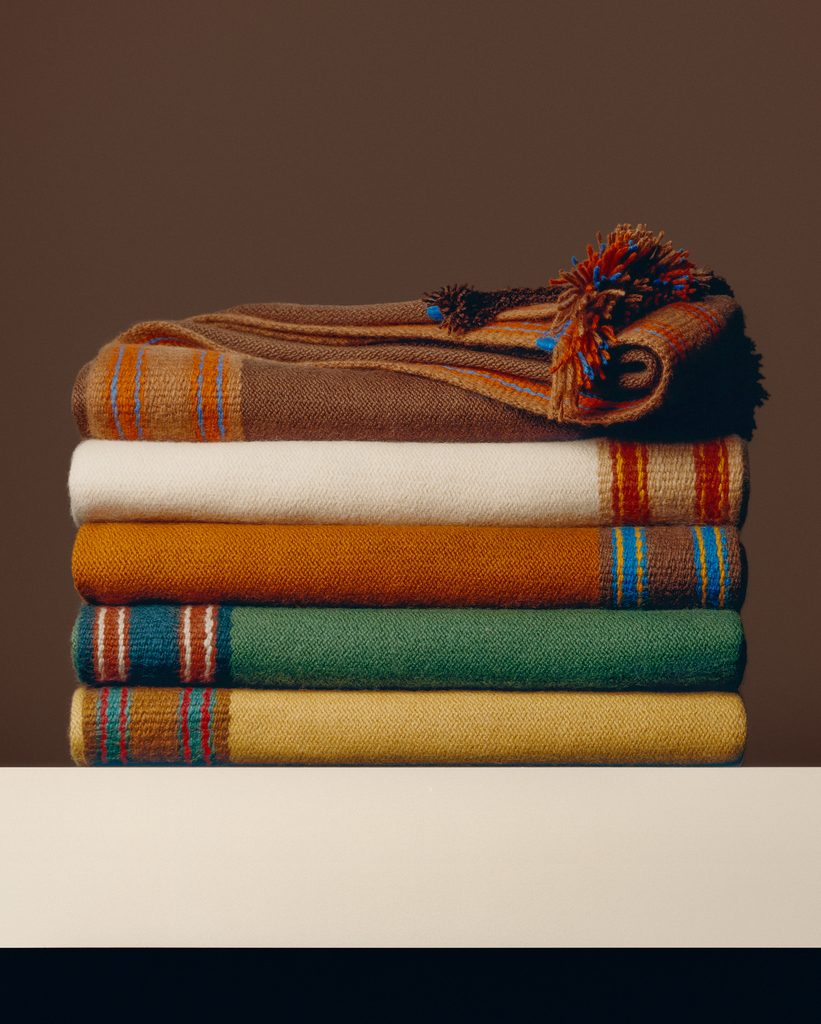
Perhaps this is where emotional longevity begins. Not with an object being timeless, an overused and rather impossible promise, but with it continuing to offer something after the novelty has gone. A texture noticed in a different light. A detail understood only after years of use. The particular softness of cashmere that has become familiar to the hand.
The things worth keeping are rarely those that demand our attention all at once. More often, they earn it slowly. Hermès seems to understand the difference.