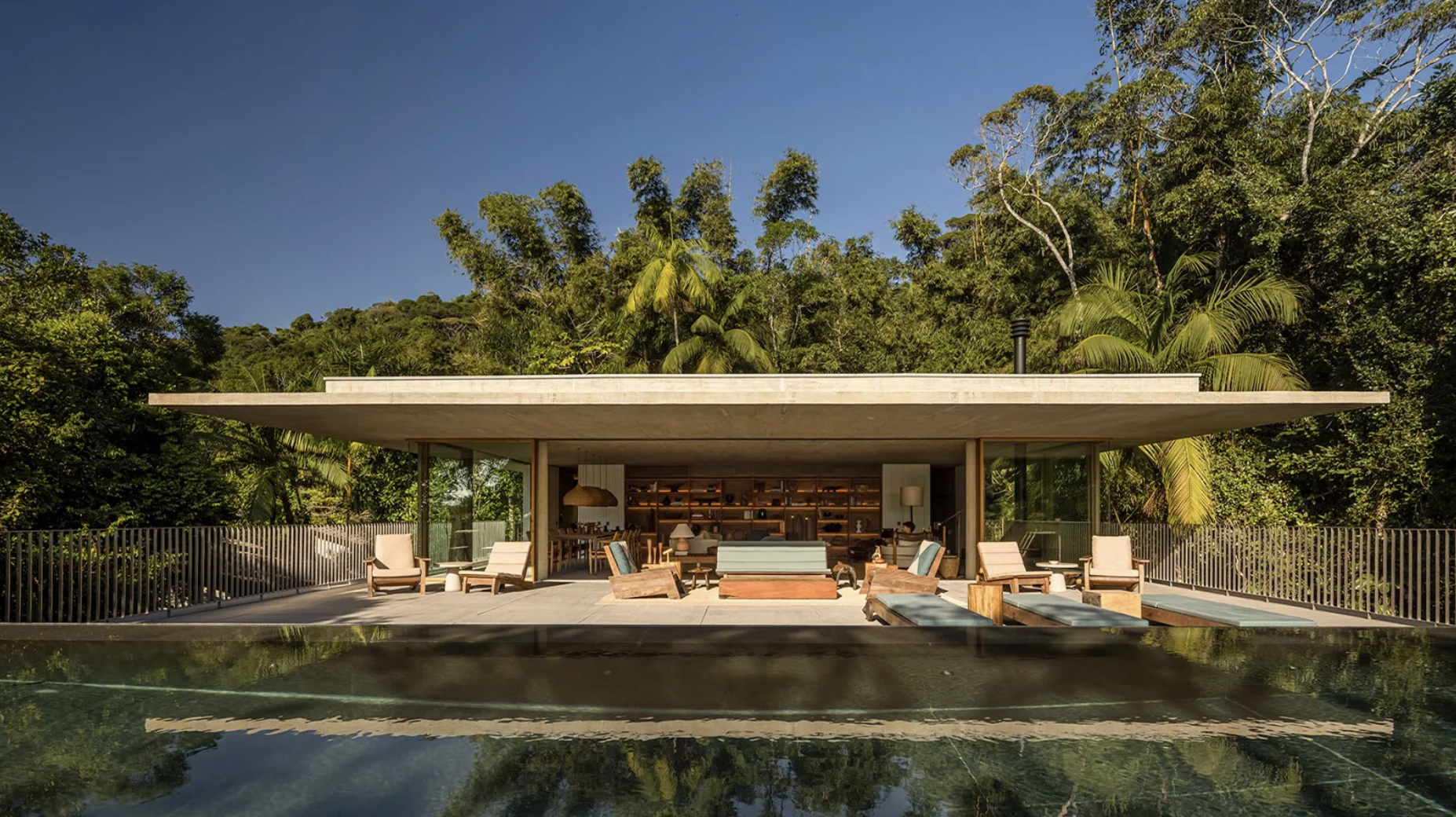
For decades, luxury residential architecture was measured through scale, exclusivity and visual impact. Today, a different sensibility is quietly reshaping the language of contemporary living. Across continents, architects are increasingly allowing the landscape to guide the design process, creating homes that respond to their surroundings rather than impose themselves upon them. Nature is no longer a backdrop framed by generous windows. It becomes the project’s first collaborator, informing form, materiality and the experience of space itself.
Although separated by geography, climate and culture, four remarkable residential projects reveal this shared philosophy. From the tranquil shores of a Chinese lake to the Atlantic Forest of Brazil, from the dunes of the Red Sea to the rolling hills of Portugal, each demonstrates how architecture can establish a profound and respectful dialogue with its environment.
Forest
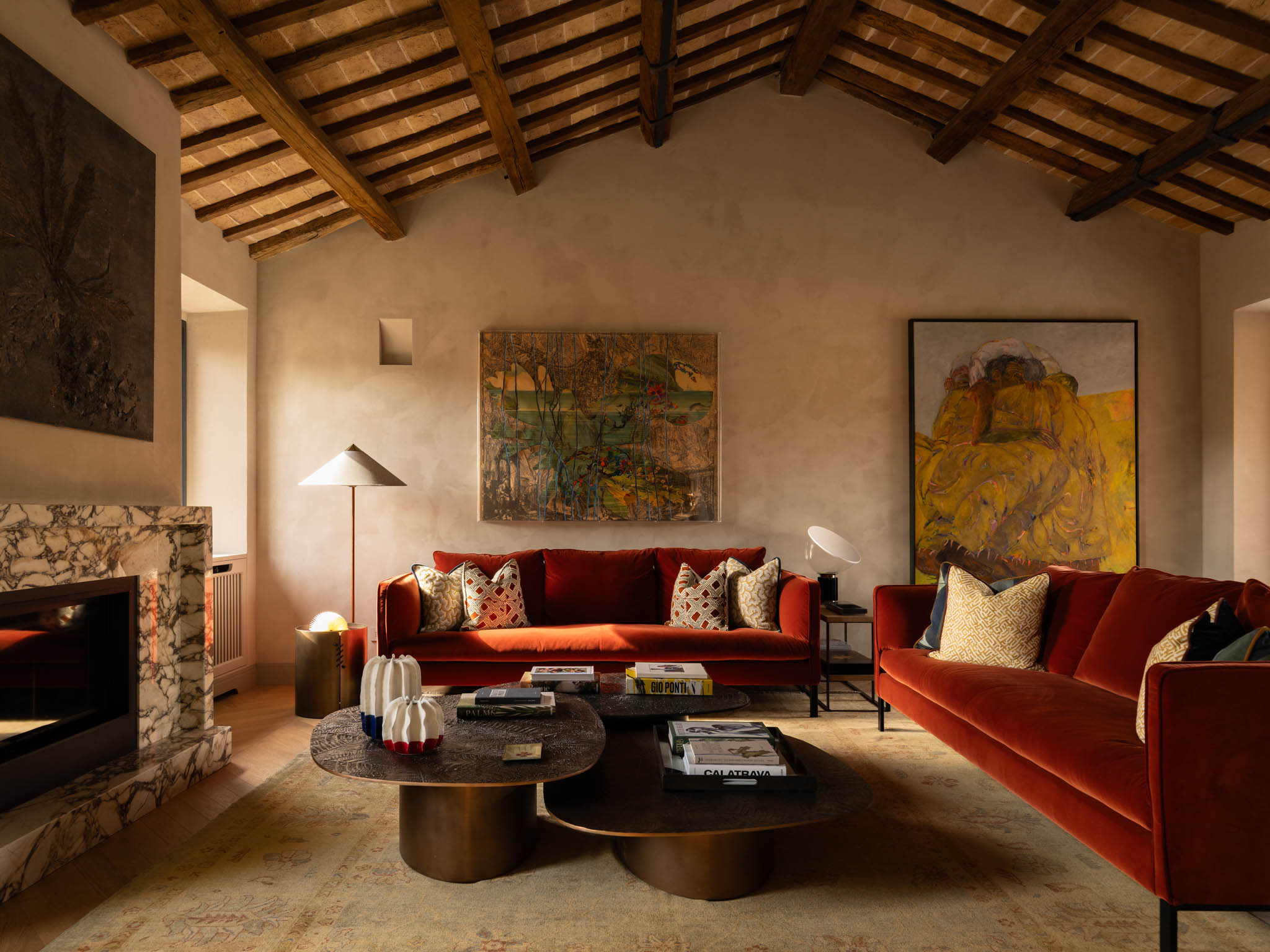
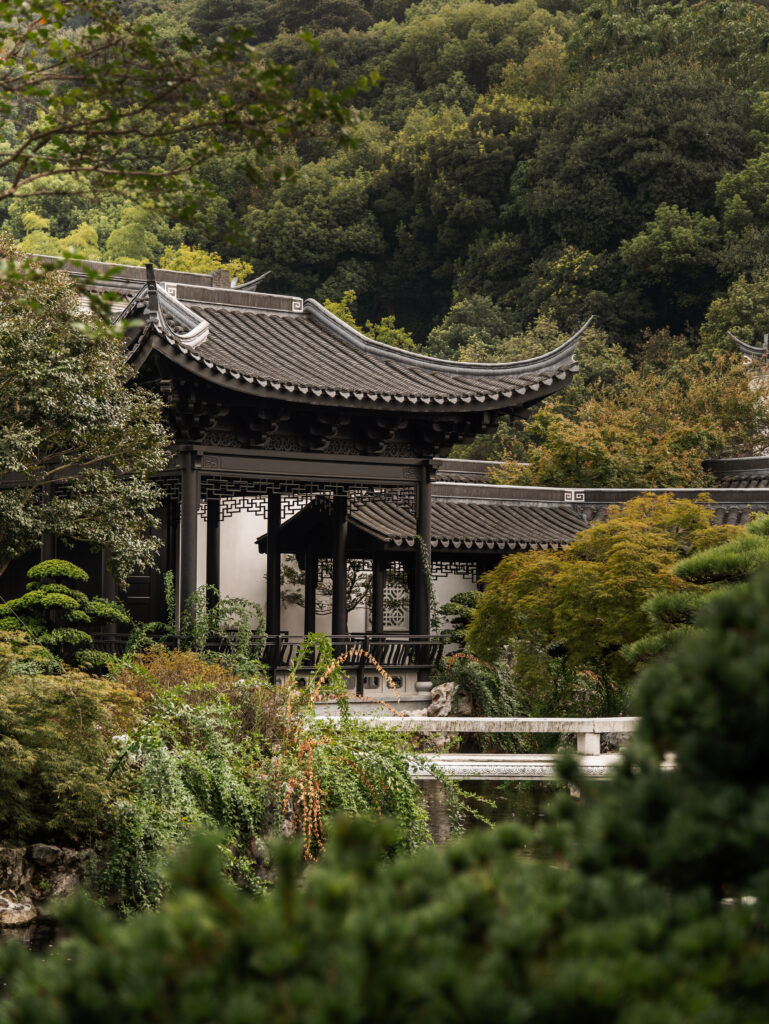
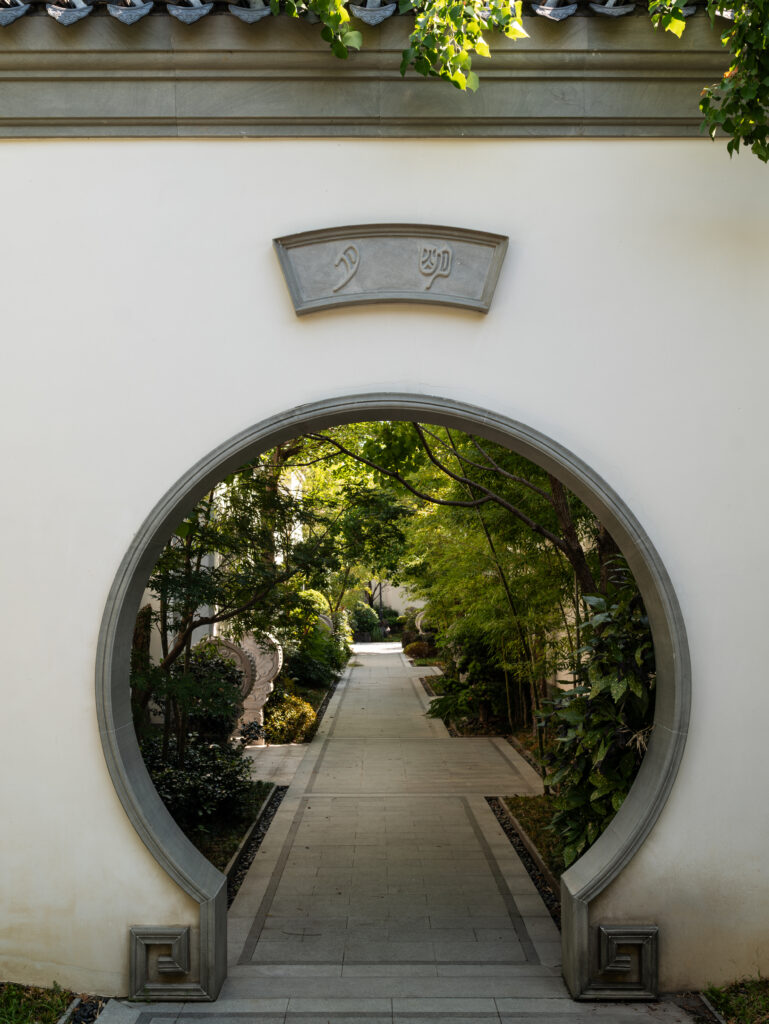
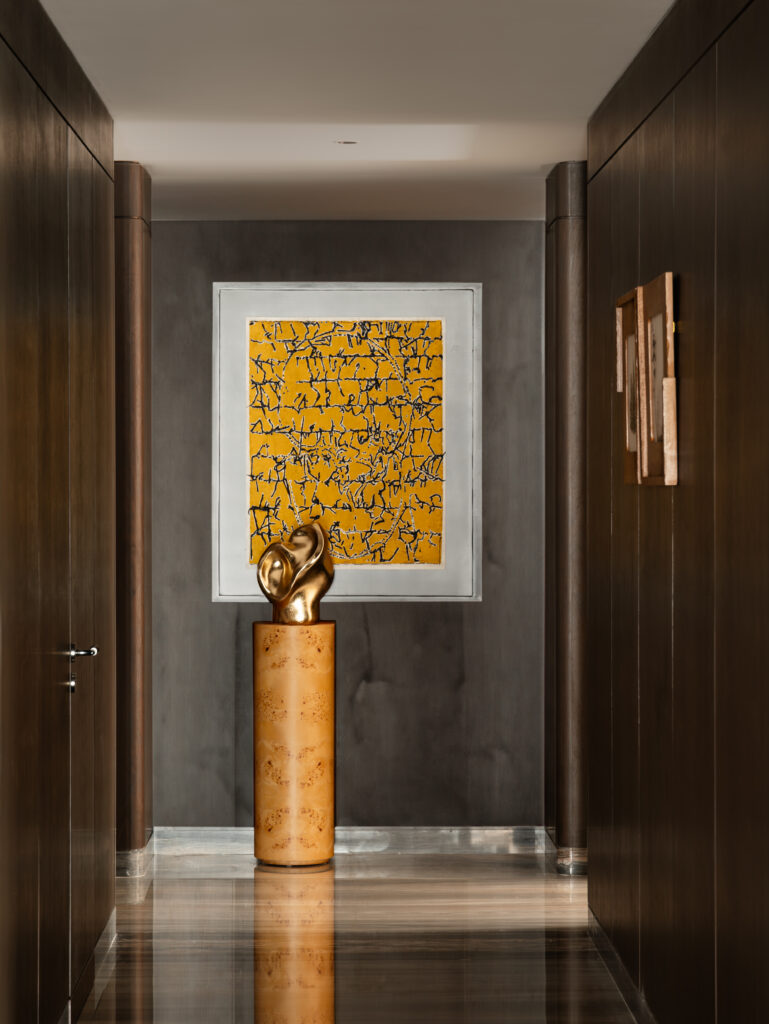
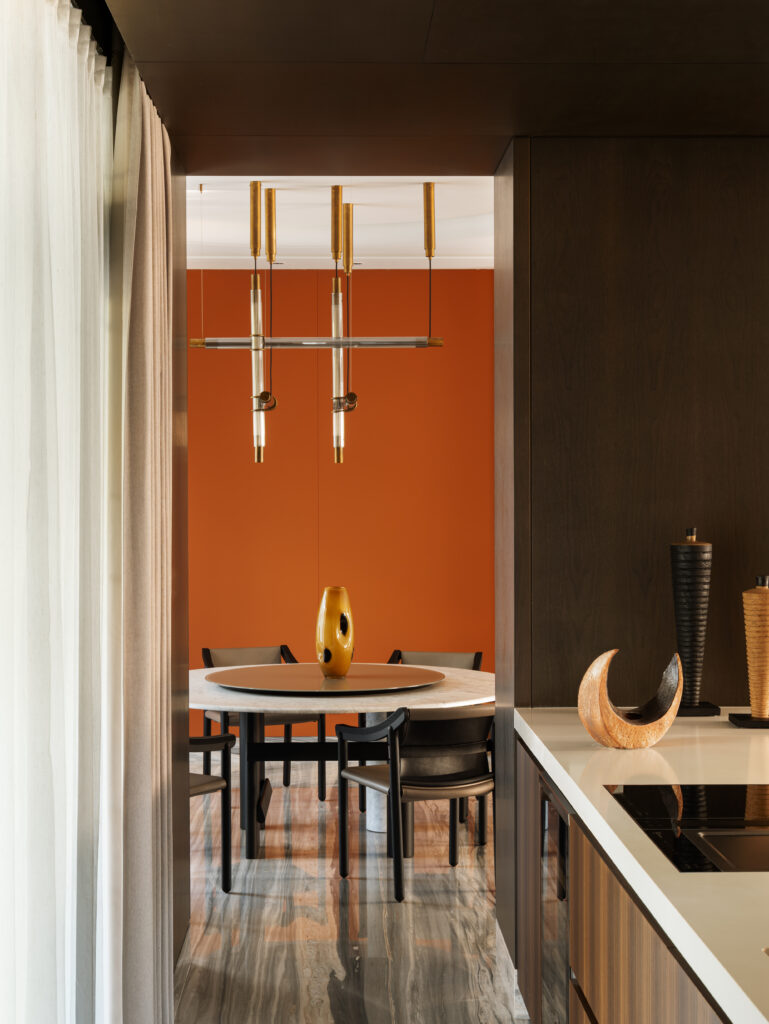
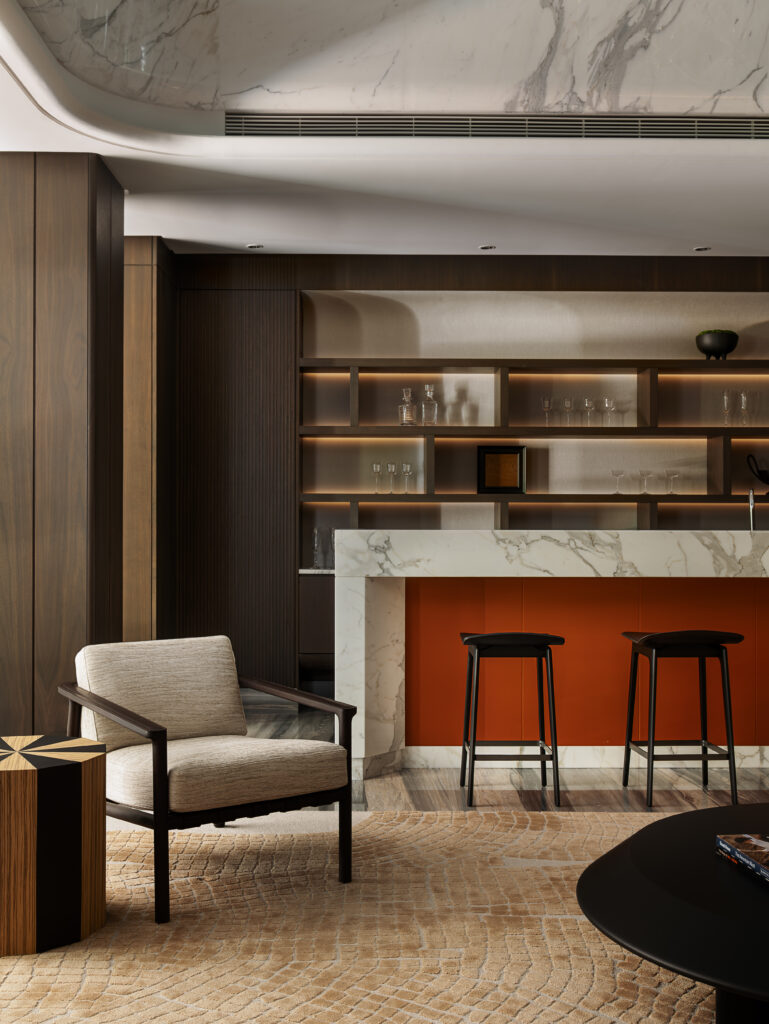
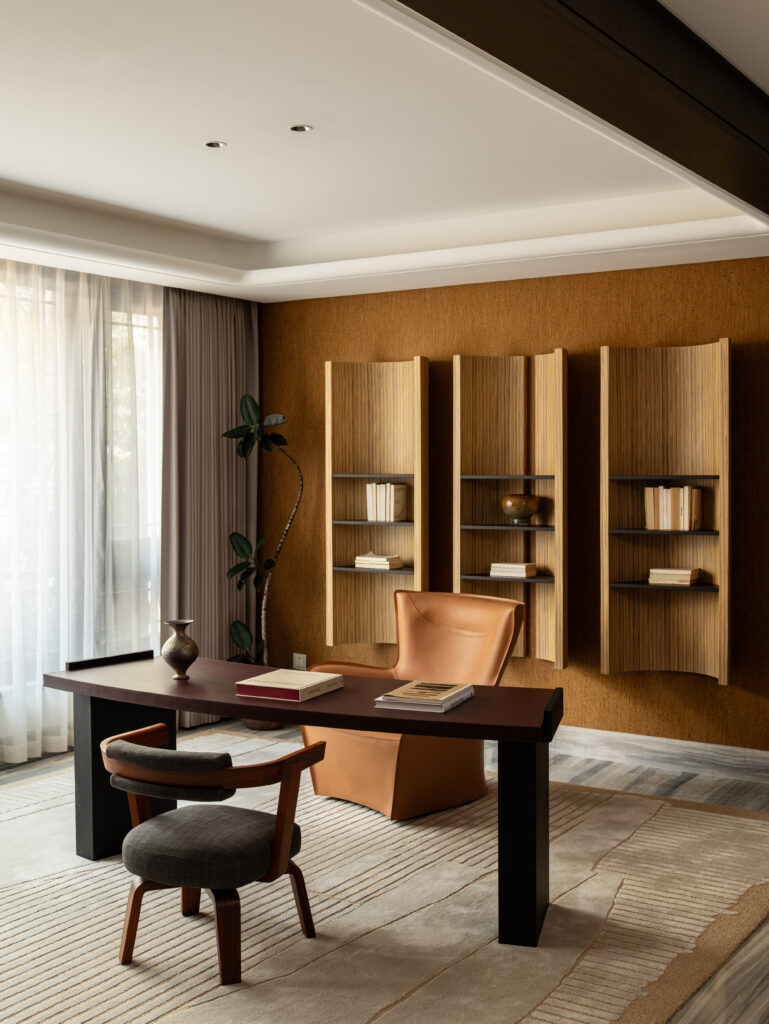
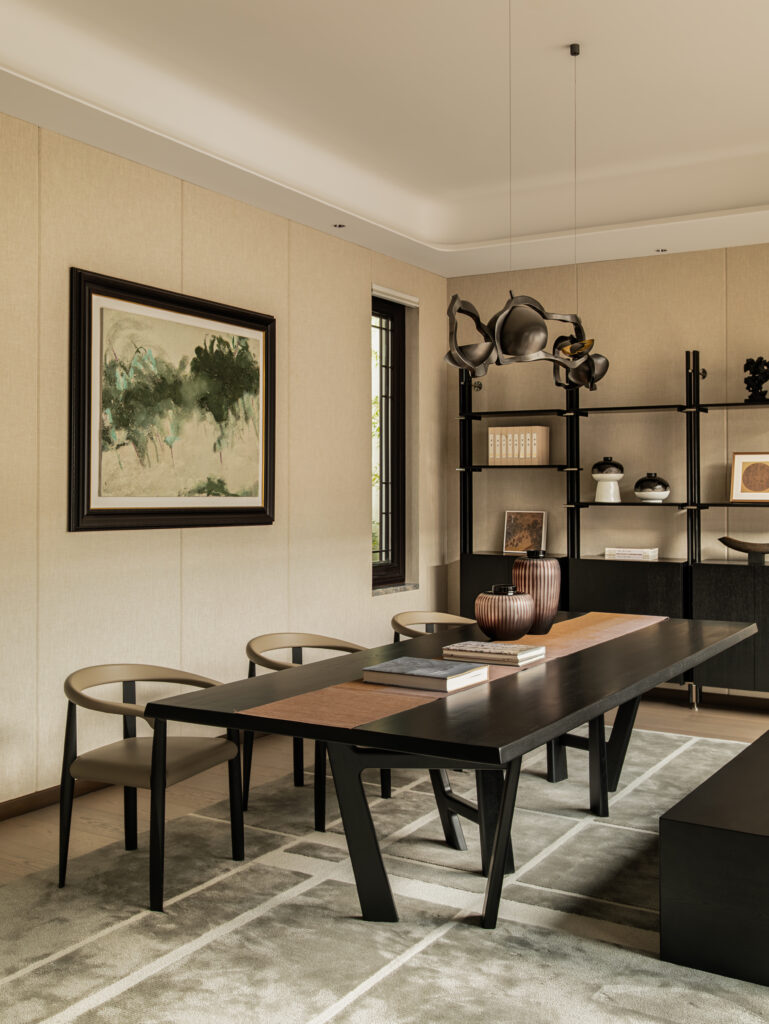
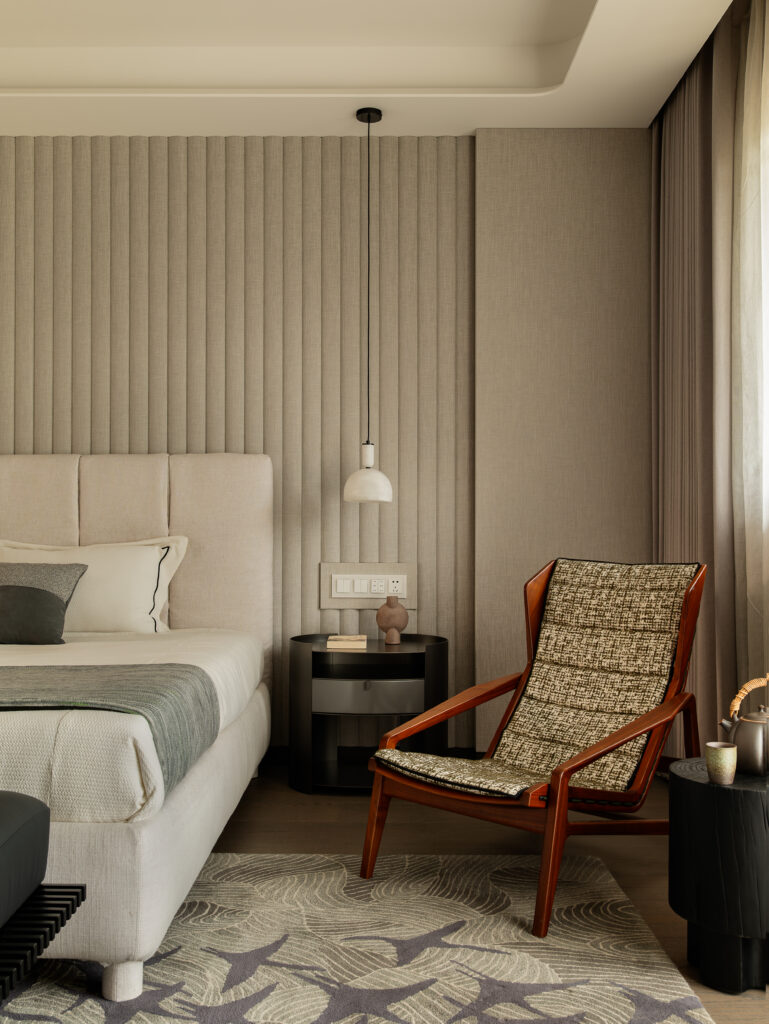
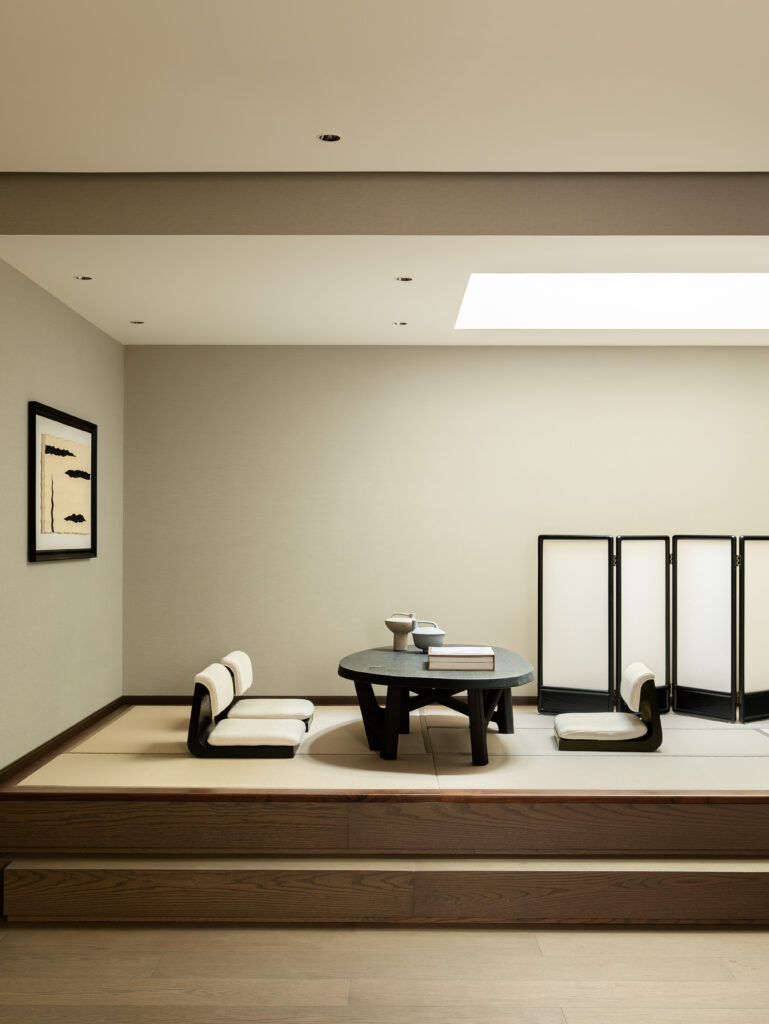
At Xiang Lake in Hangzhou, the Majestic Mansion development reflects a contemporary interpretation of Eastern living, where architecture, landscape and privacy exist in quiet harmony. Conceived to blend seamlessly into the natural contours of the site, the collection of thirty one residences opens onto private courtyards and carefully framed views of the lake. Inside, Italian design contributes to this refined vision, with Molteni&C furnishing the interiors through Ferruccio Laviani‘s Hi Line 6 kitchen alongside selected pieces by Gio Ponti, Tobia Scarpa, and Herzog & de Meuron. Rather than becoming the focal point, the furnishings reinforce the project’s understated architectural language, where craftsmanship, materiality and the surrounding landscape remain the true protagonists.
Forest
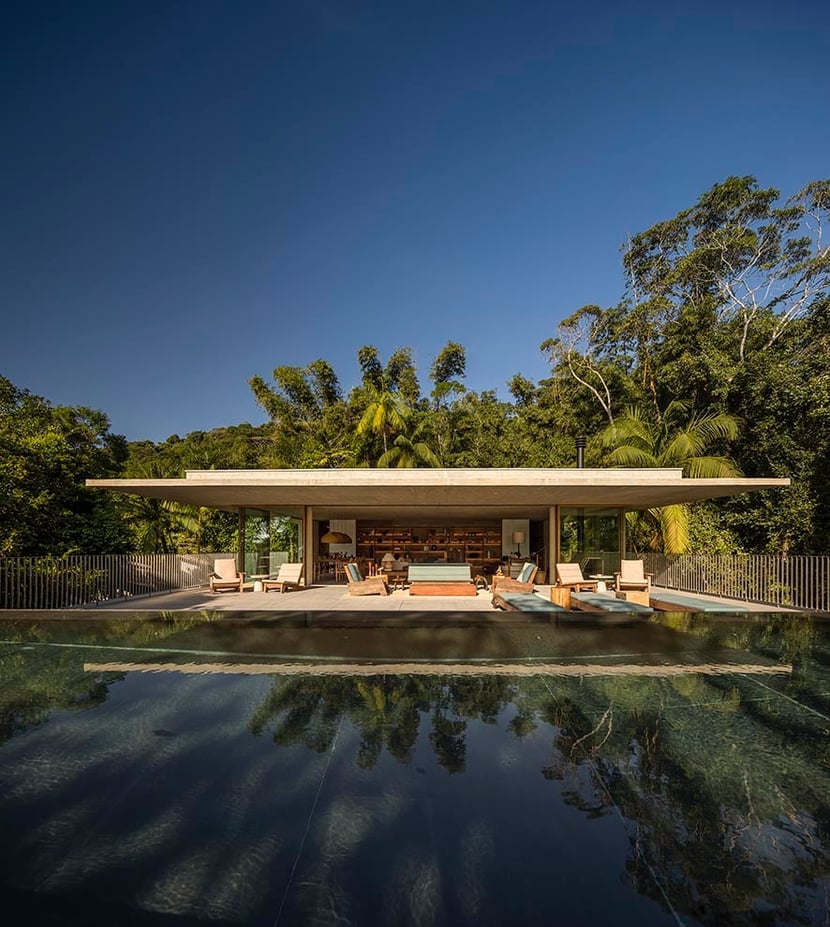
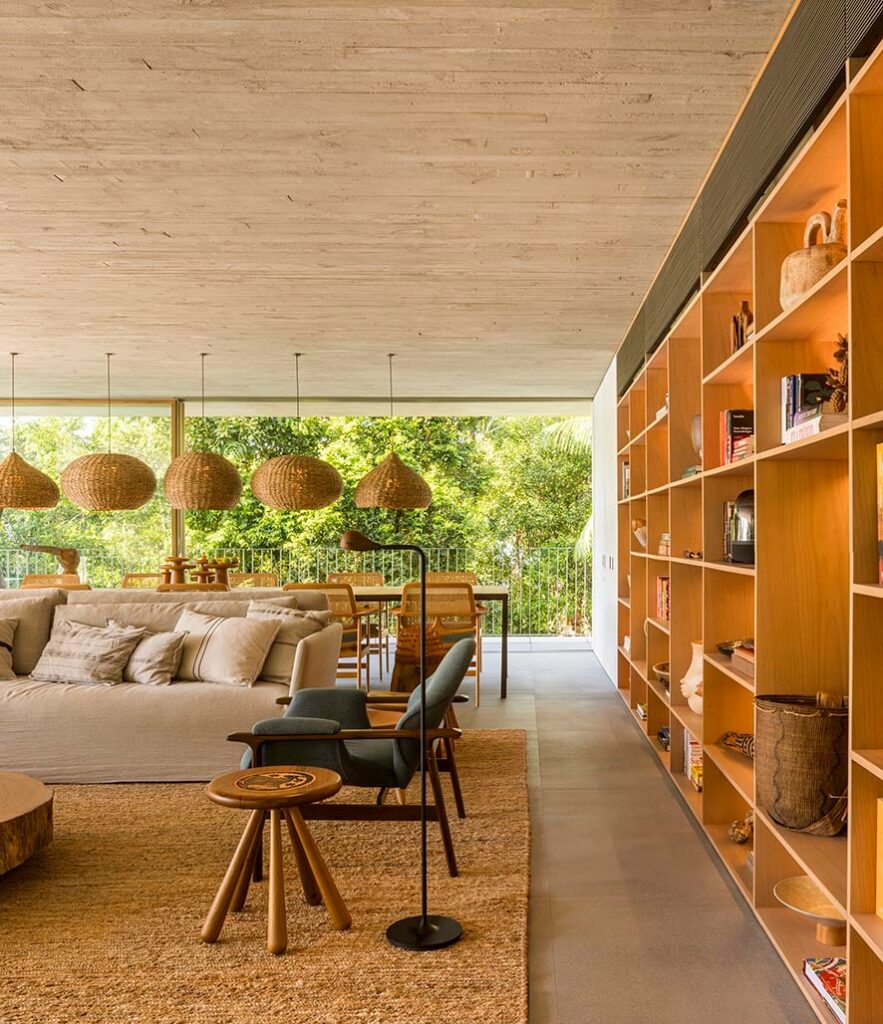
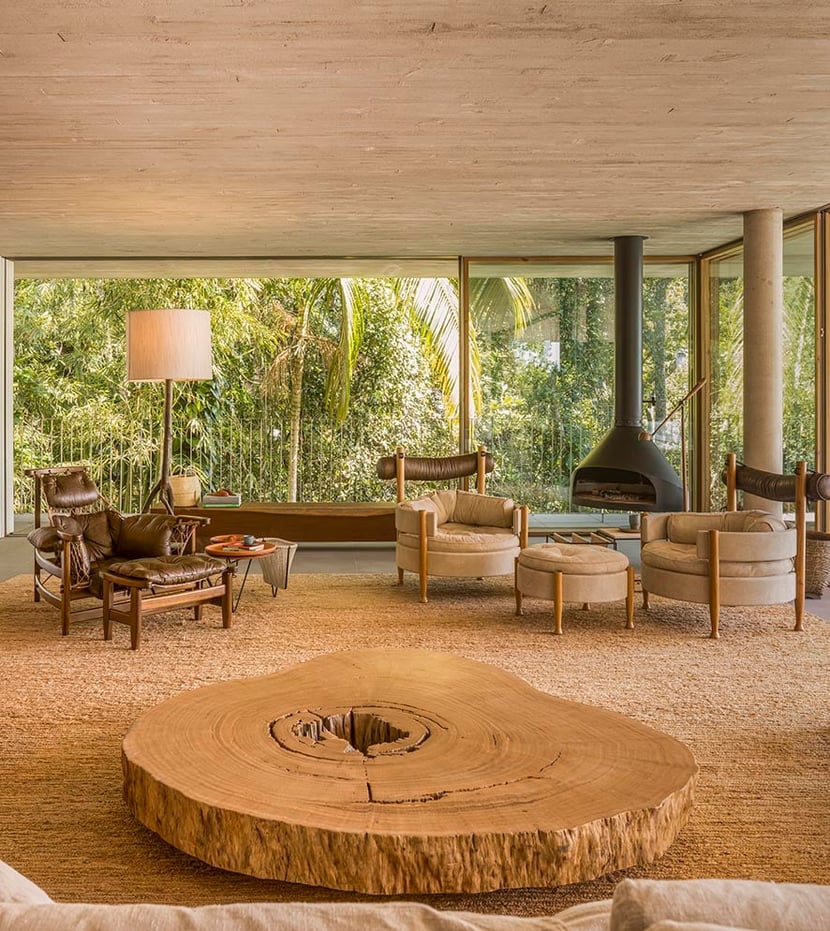
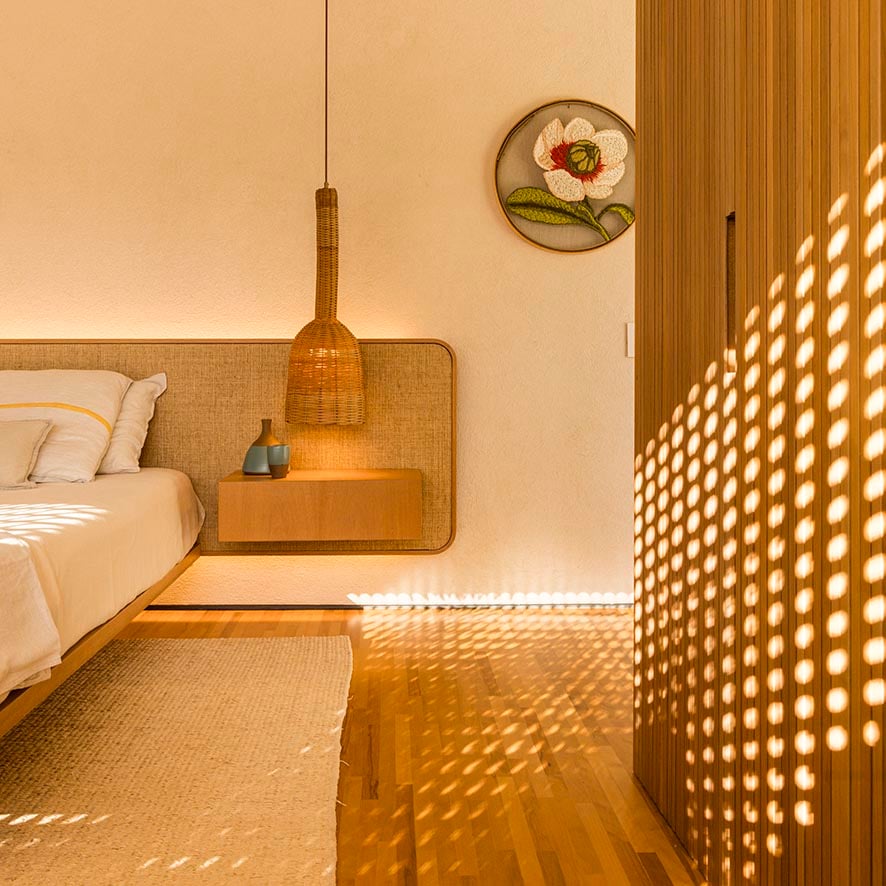
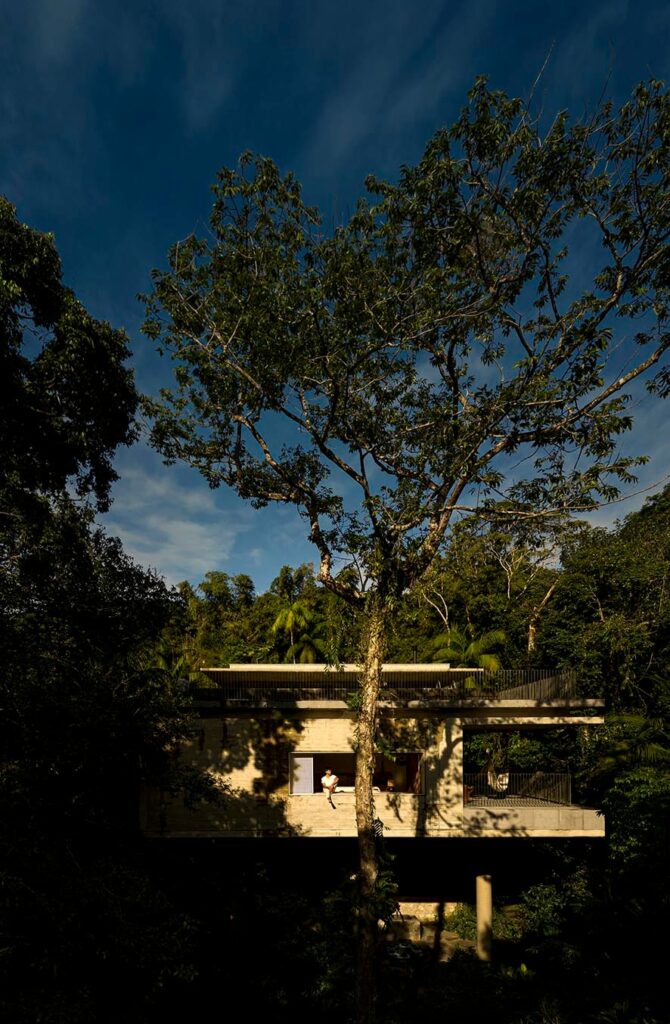
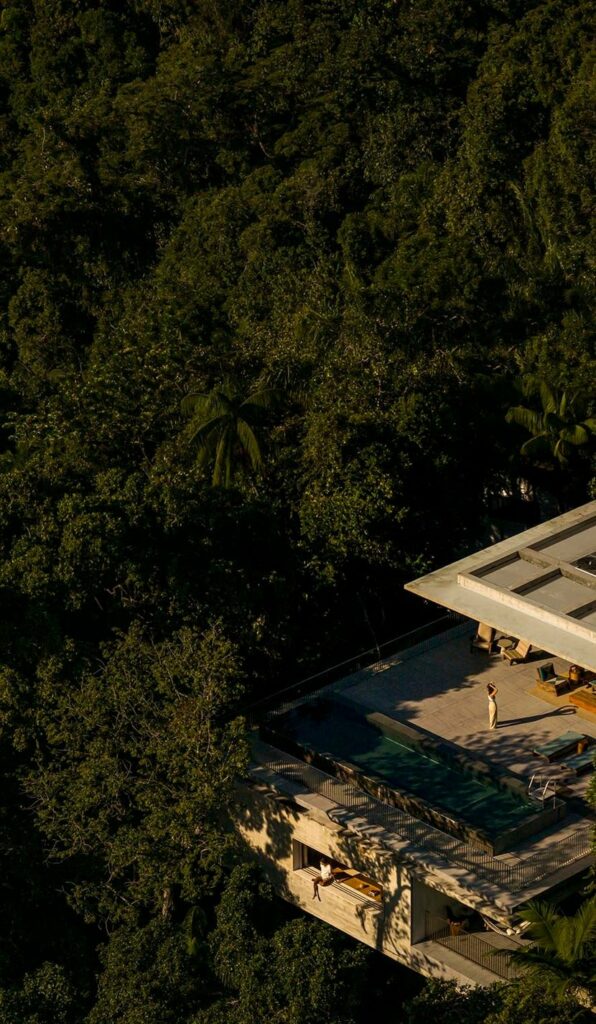
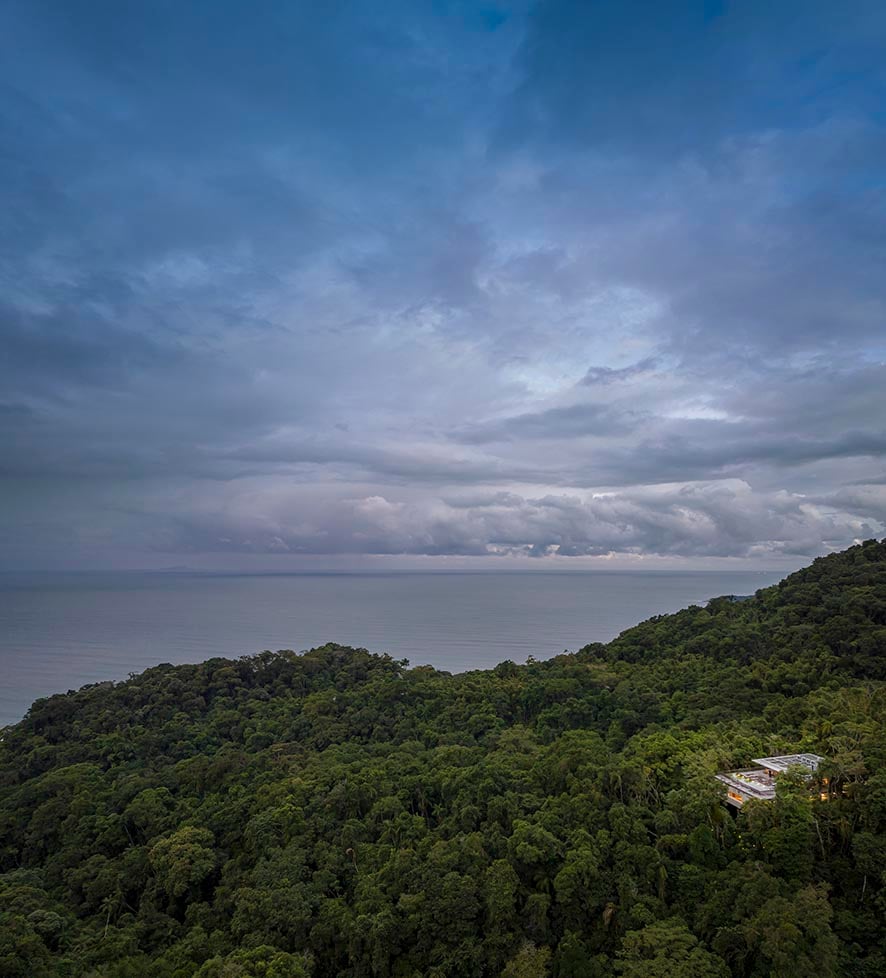
Designed by Studio MK27, Canopy House demonstrates how architecture can protect rather than transform the ecosystem it inhabits. Suspended on slender stilts, the residence barely touches the ground, preserving the fragile Atlantic Forest beneath it. Positioned at canopy level, the home invites its inhabitants to experience changing light, tropical breezes and the sounds of the jungle as essential elements of domestic life. Sliding glass walls dissolve the distinction between indoors and outdoors, while Brazilian craftsmanship, natural fibres and local materials reinforce a deep connection to place. Here, architecture becomes an act of restraint, allowing nature to remain the project’s true protagonist. Photography by Fernando Guerra.
Water
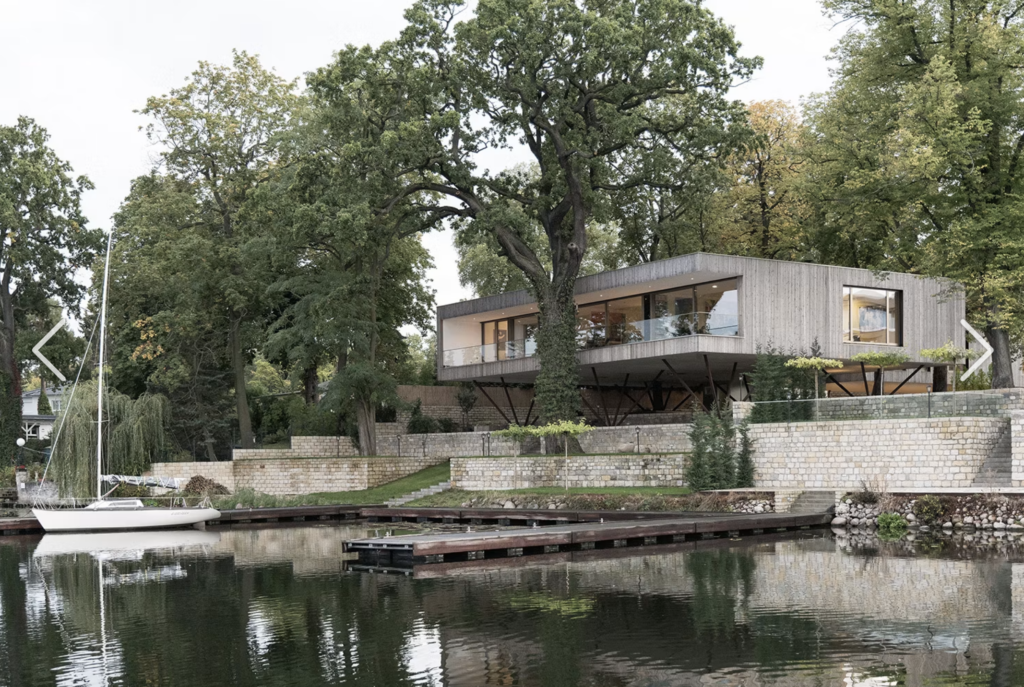
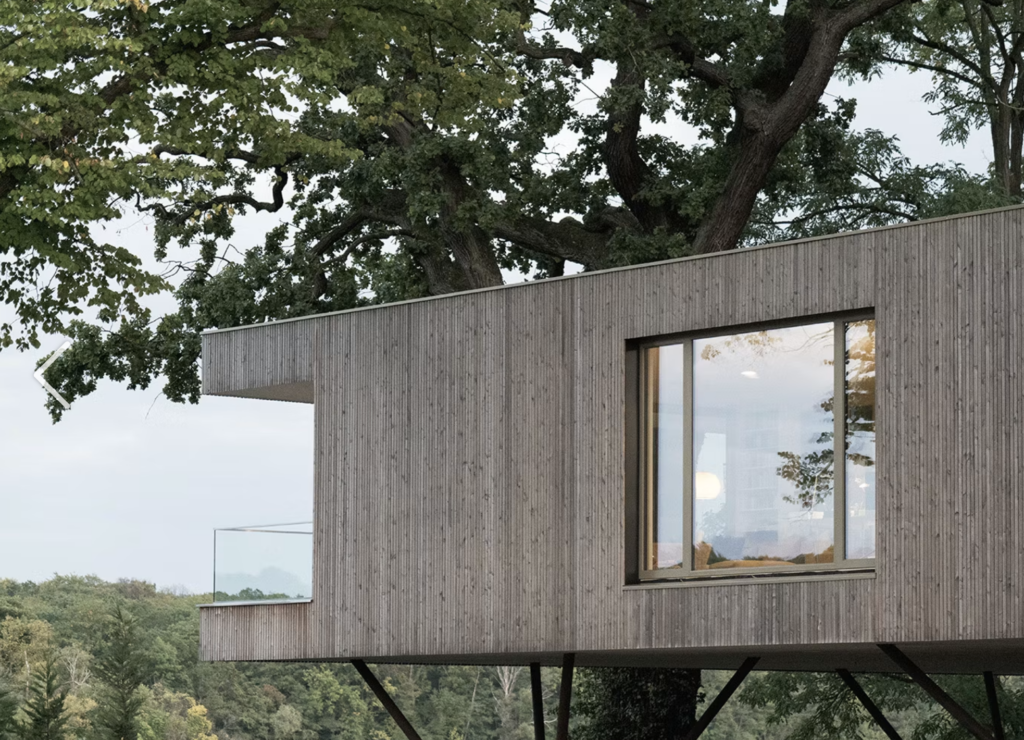
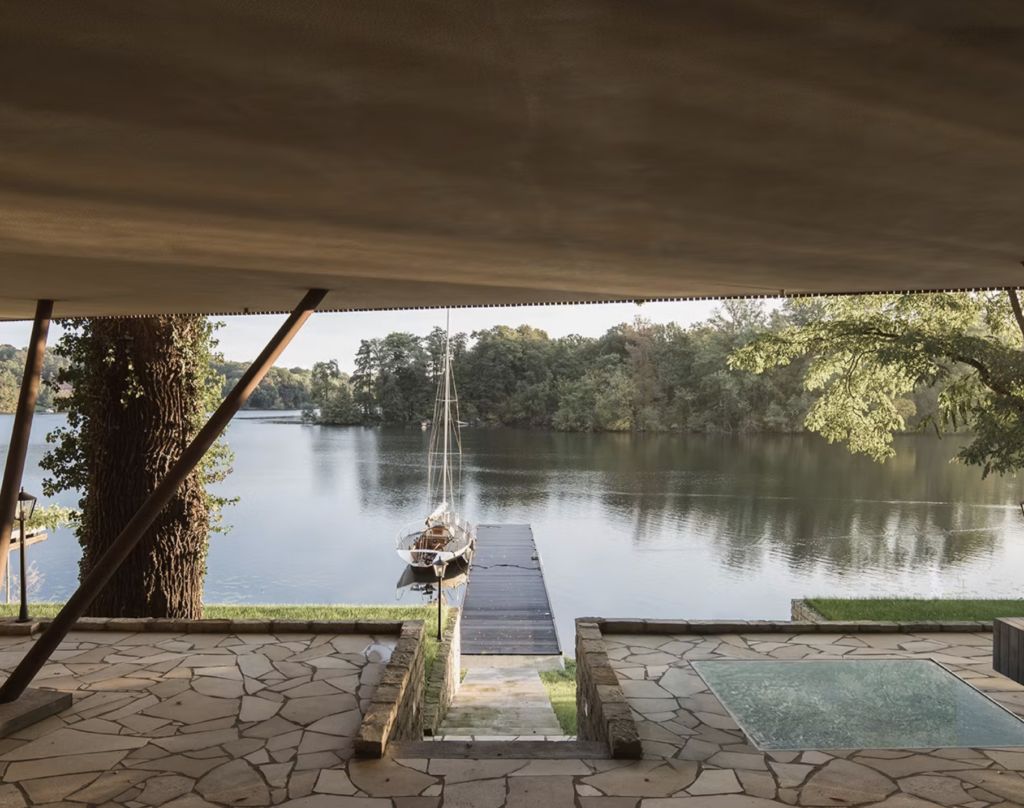
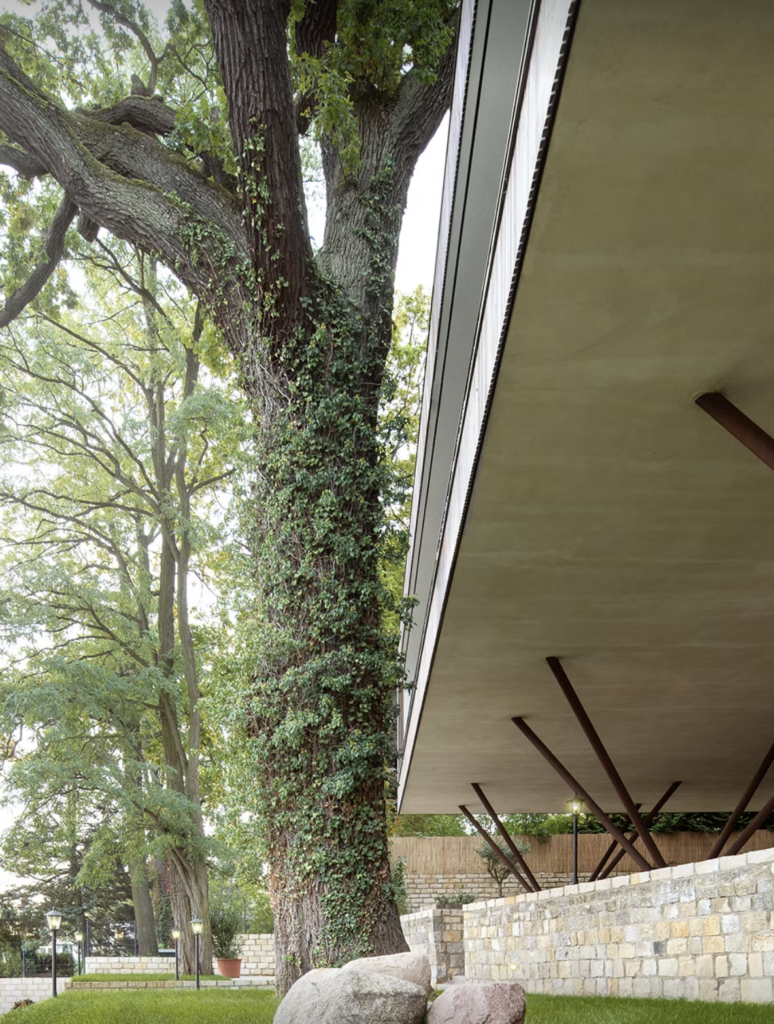
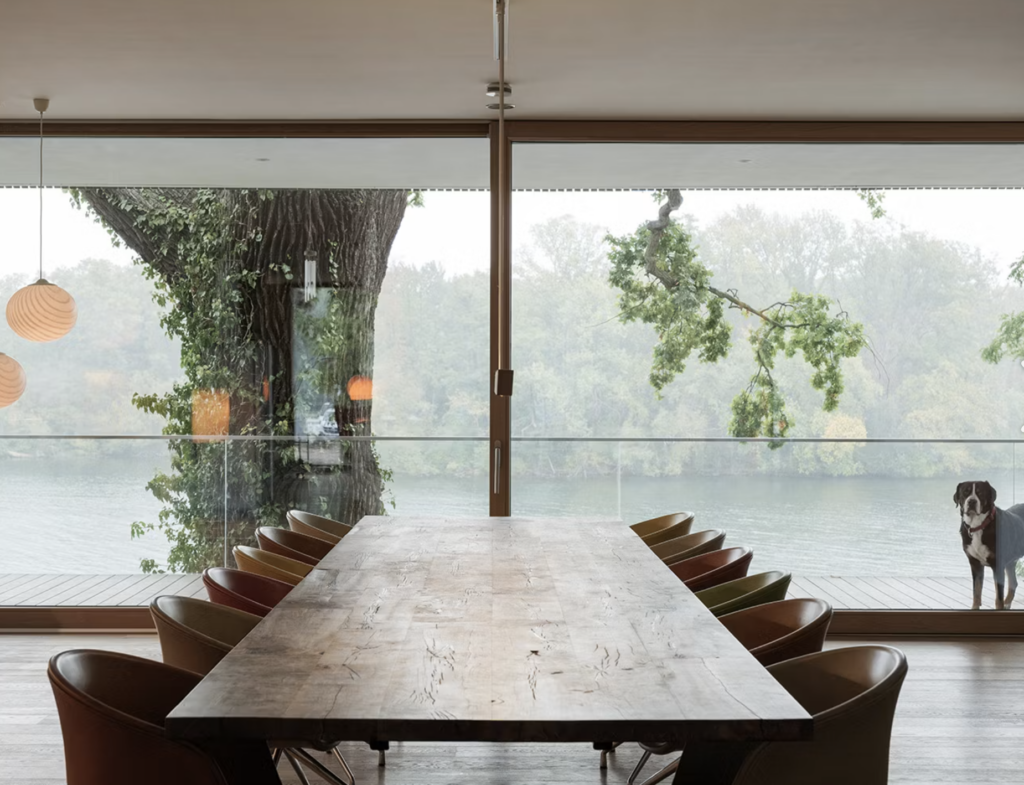
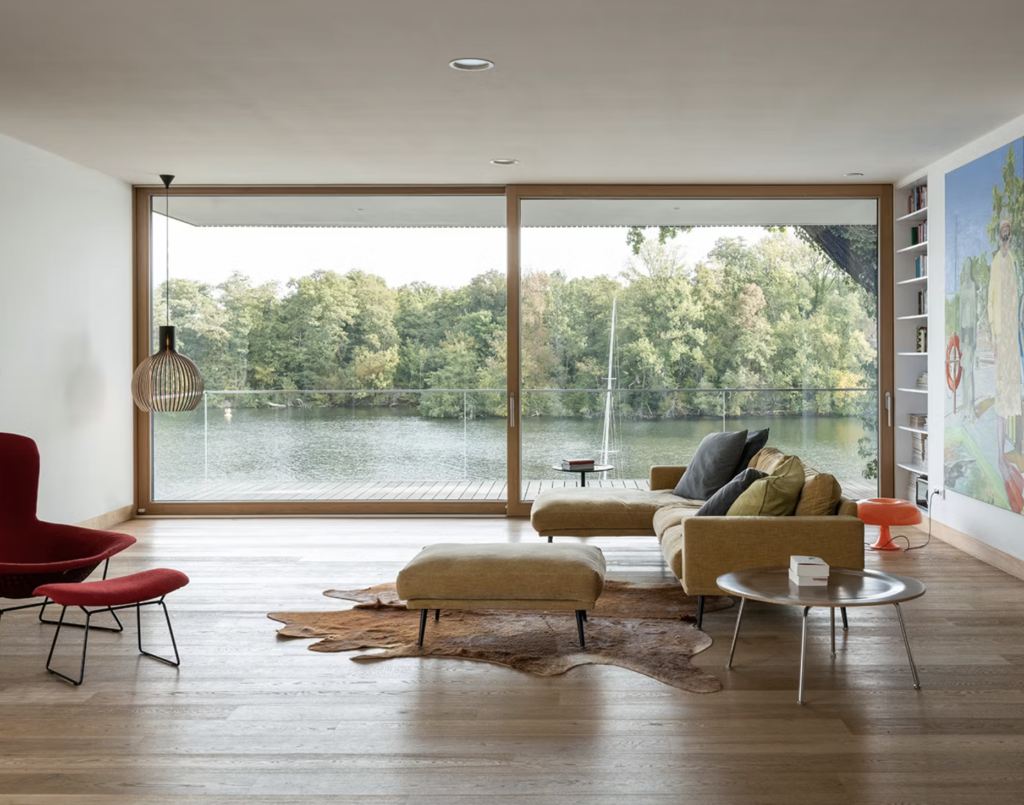
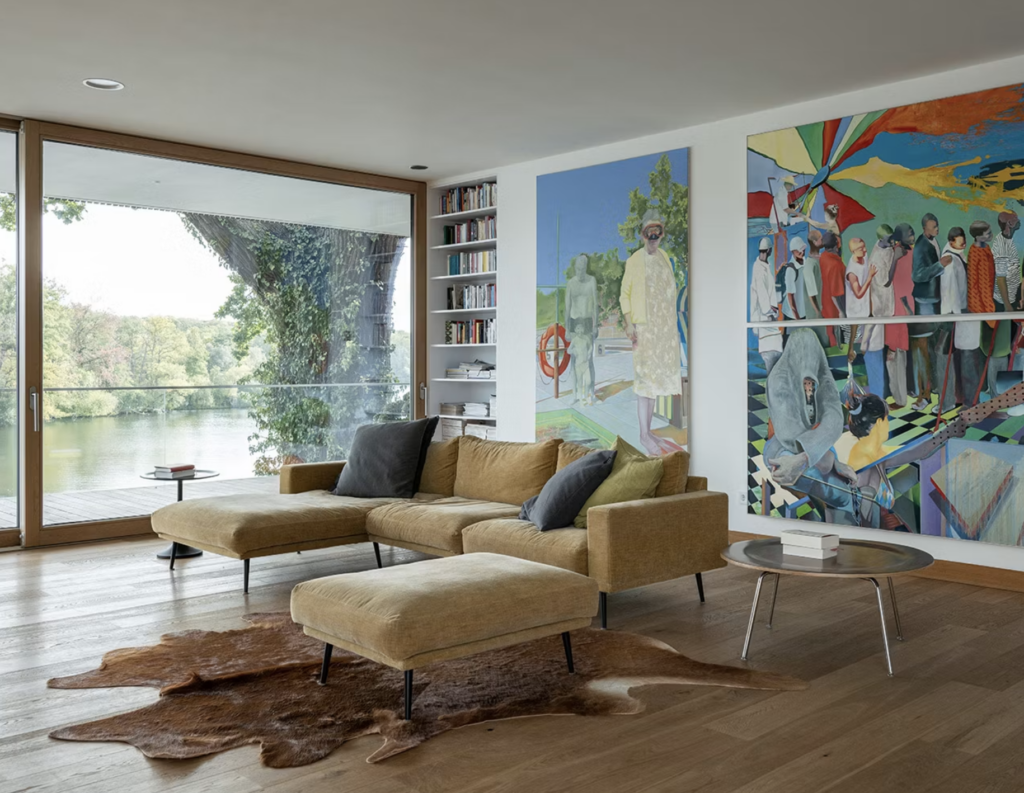
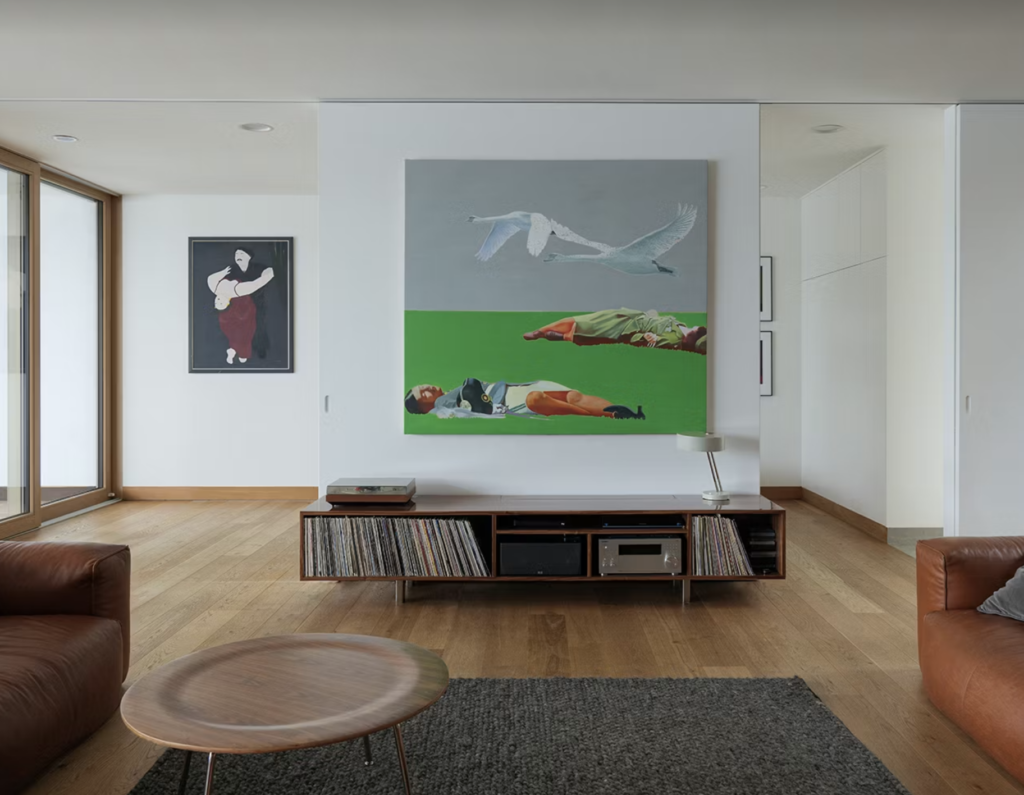
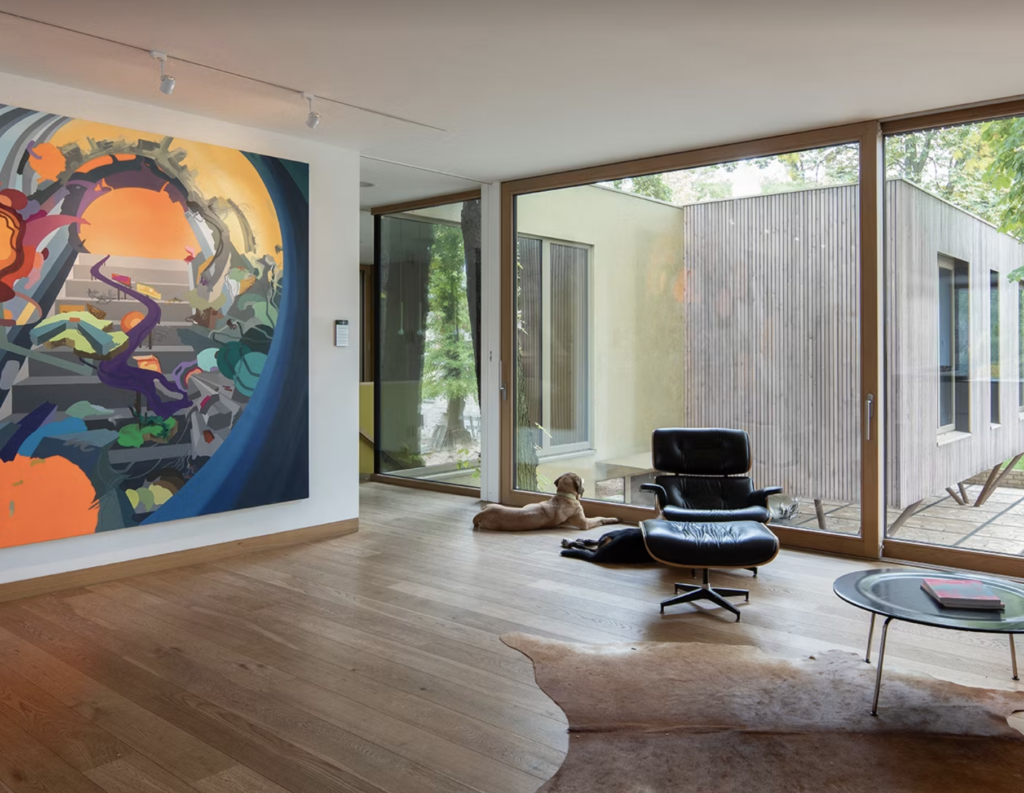
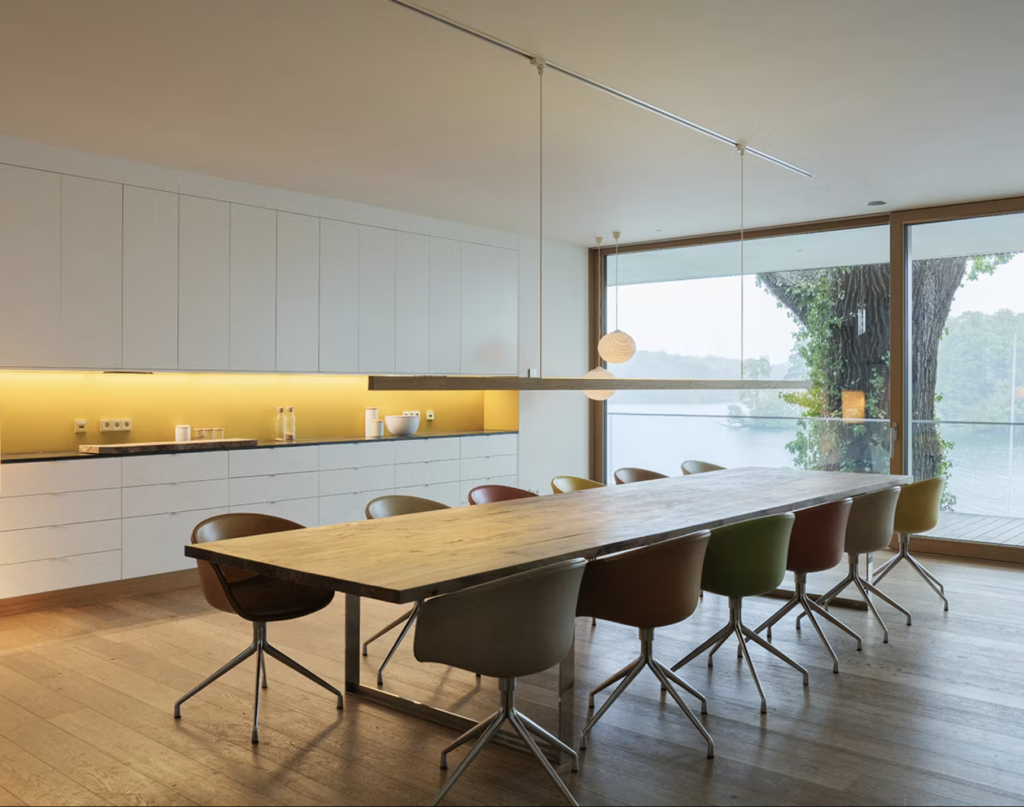
Perched above the shores of Jungfernsee in Potsdam, Haus am See by Carlos Zwick demonstrates how architecture can be shaped by water without ever disturbing it. Elevated on slender steel posts to preserve both the natural lake terraces and the site’s mature trees, the residence appears to float above the landscape, bringing everyday life into constant dialogue with the changing reflections, wildlife and rhythms of the lake. Here, water is not simply a view but the very principle that defines the architecture. Photography by José Campos.
Desert
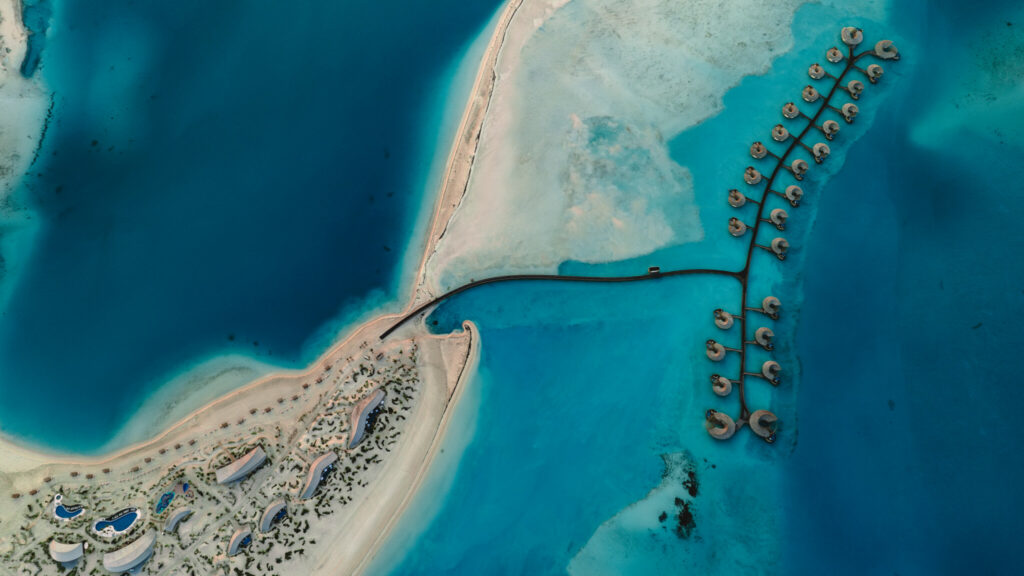
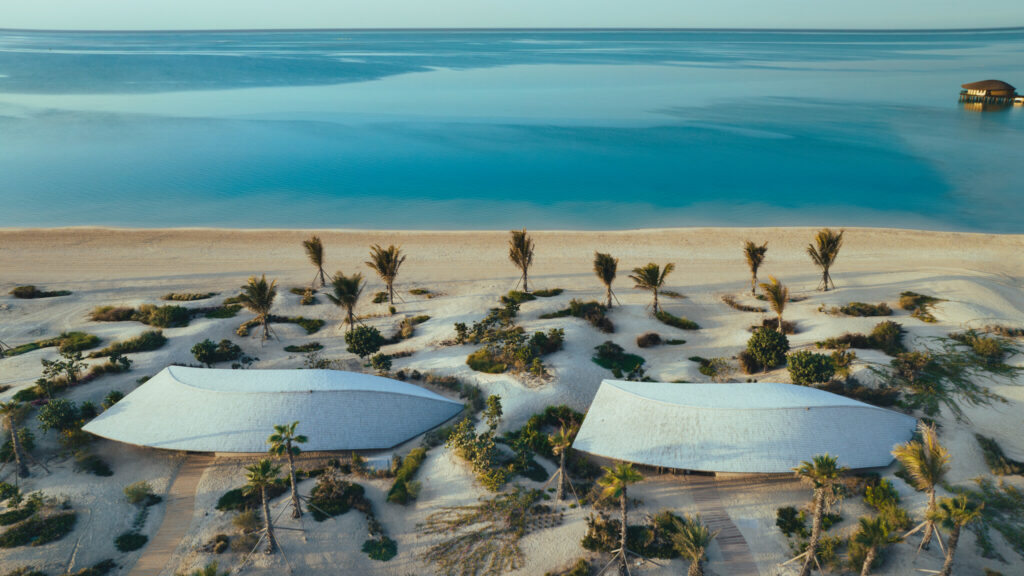
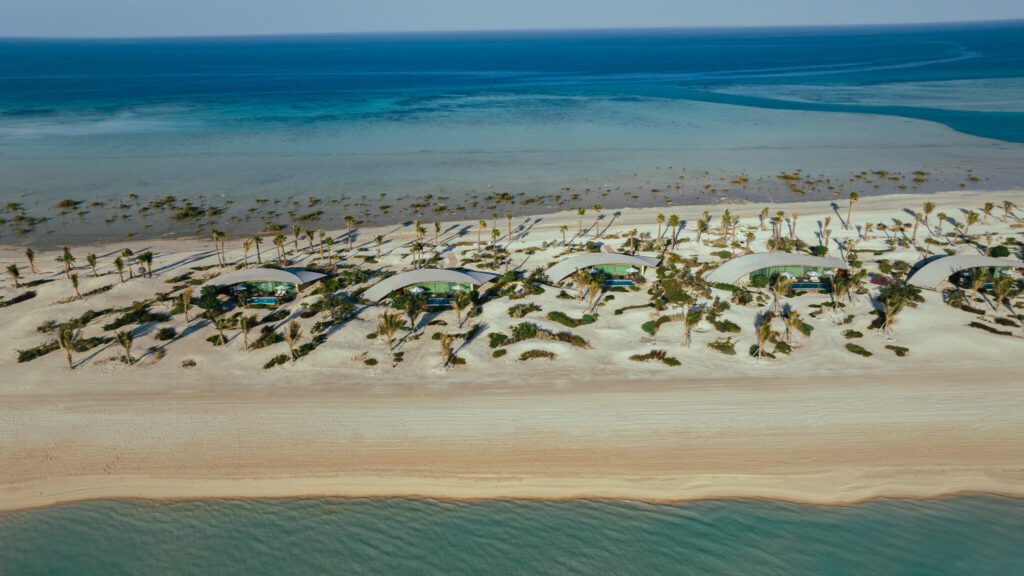
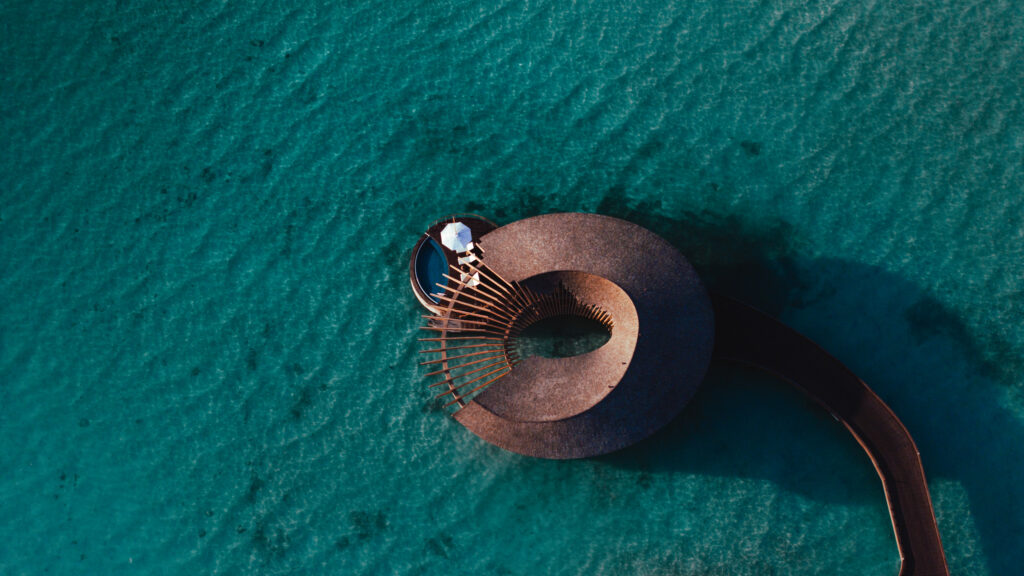
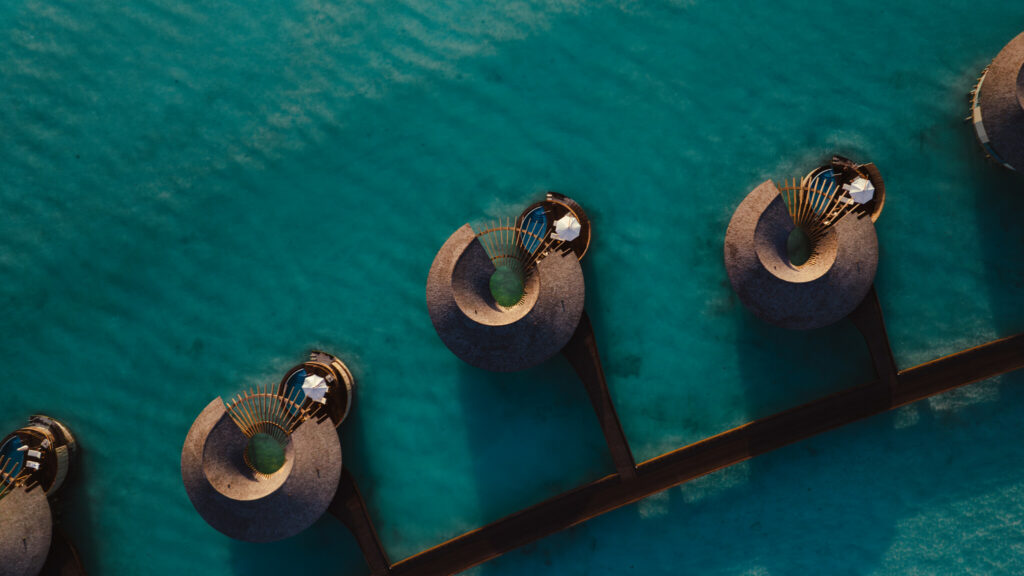
On the islands of the Red Sea, Kengo Kuma’s Ummahat 9 3 proposes an equally sensitive response to an entirely different landscape. The low villas follow the geometry of the shoreline, their gently curved roofs echoing the surrounding sand dunes. Offshore residences draw inspiration from the spiralling forms of coral, while wood, clay plaster and cedar replace more conventional construction materials to create warmth and minimise environmental impact. Rather than introducing an architectural object into the desert, the project allows the architecture to emerge from its climate, geology and coastline, becoming almost inseparable from them. Photography by Nicola Maniero.
Earth
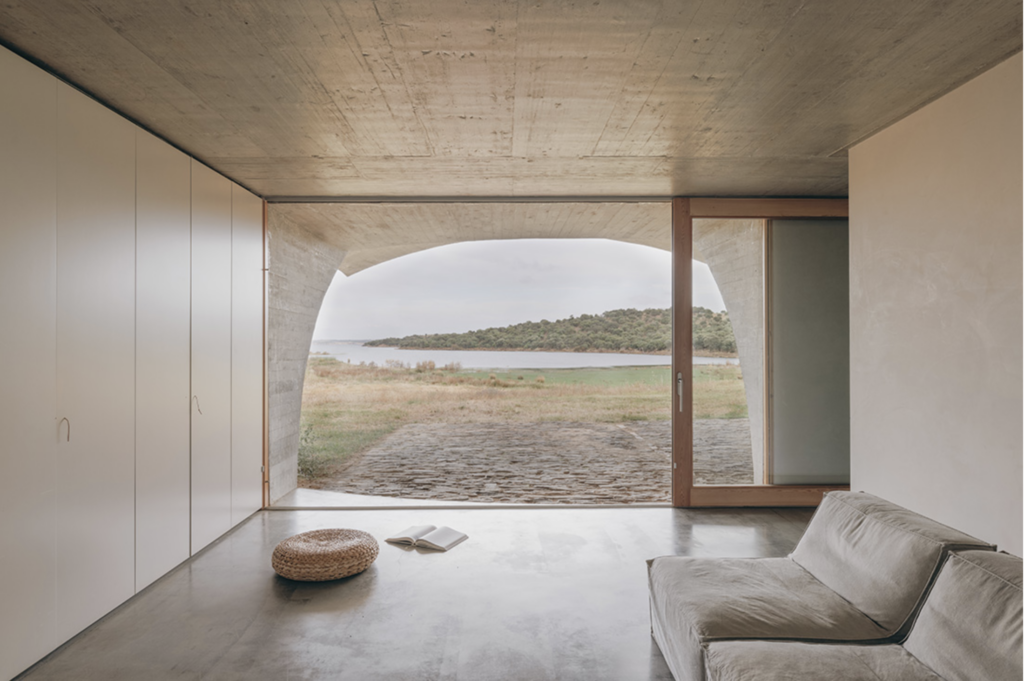
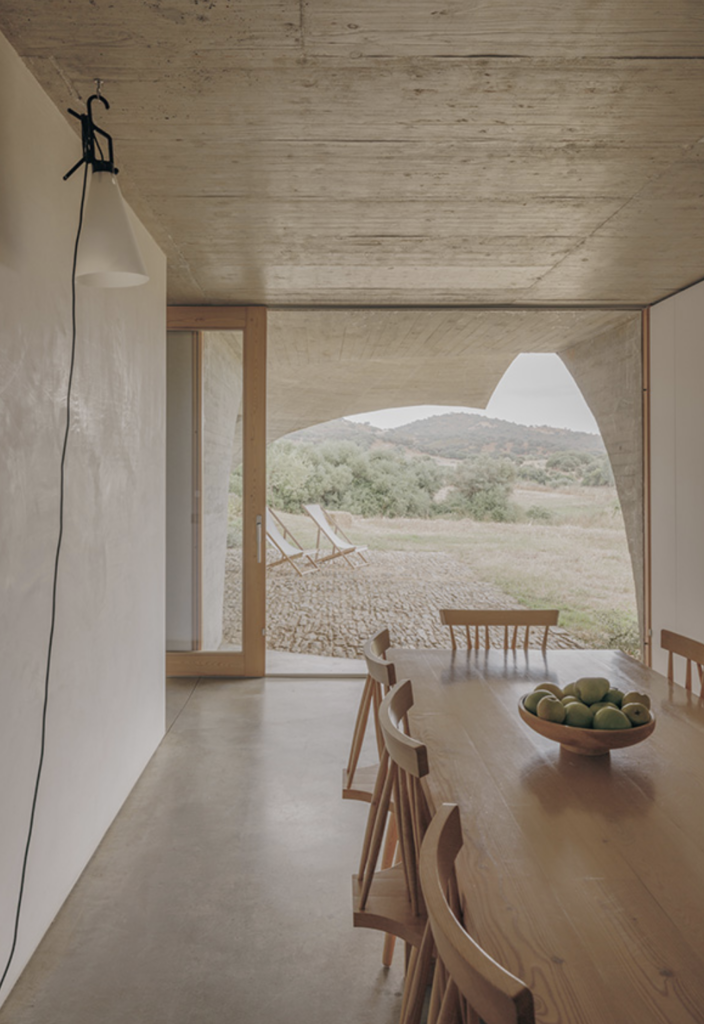
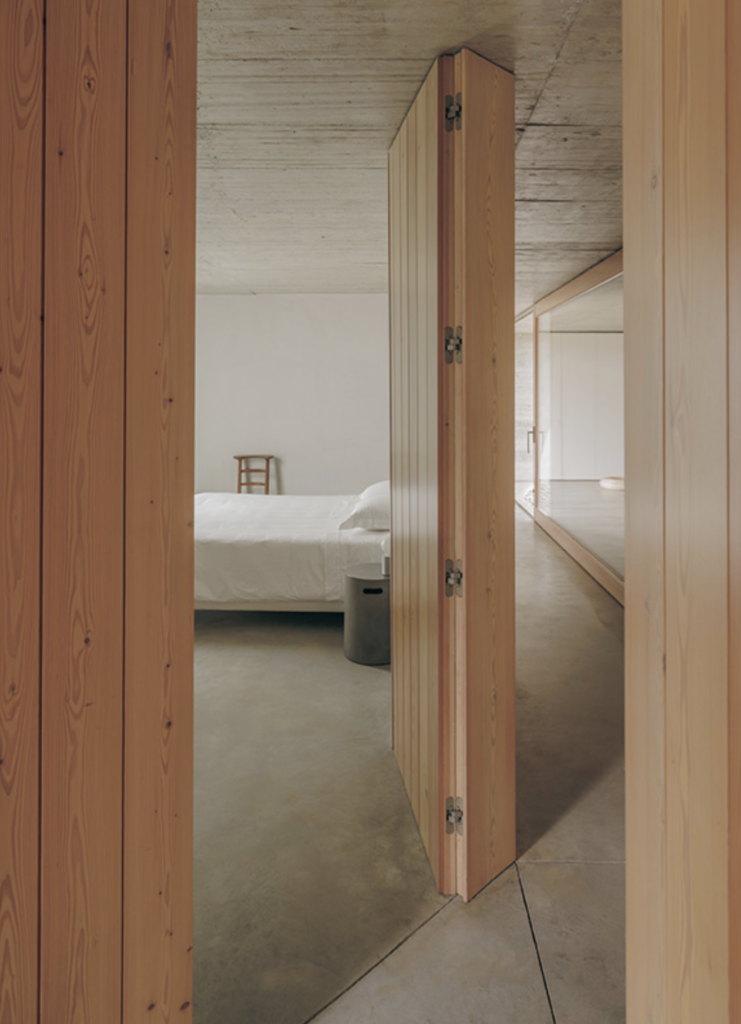
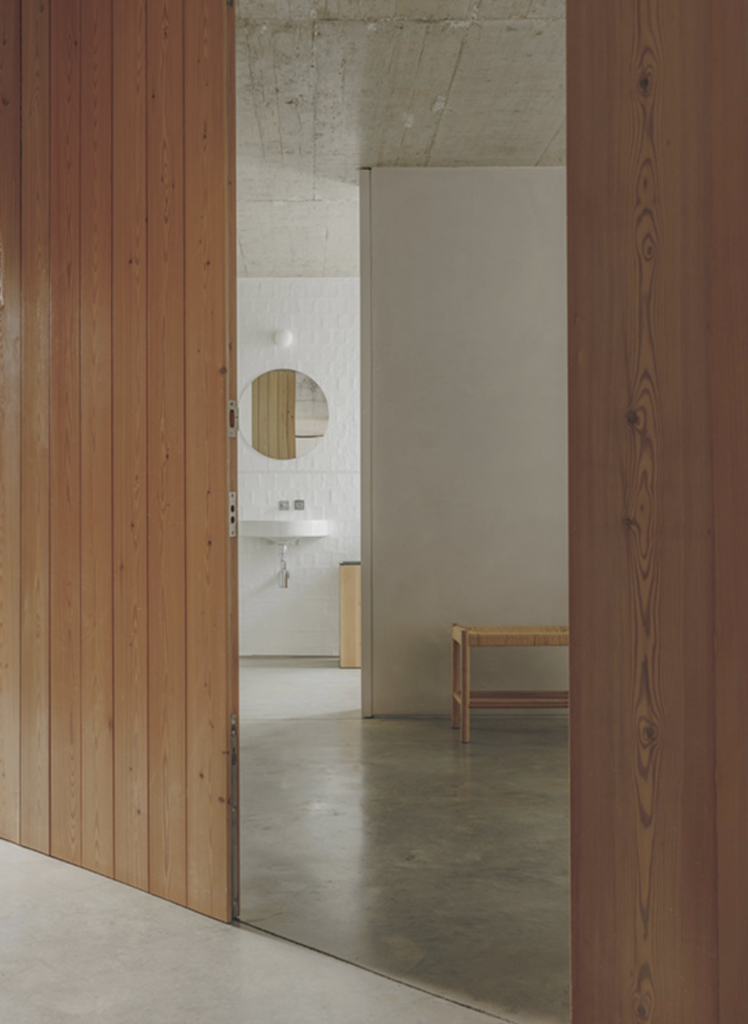
Few contemporary projects express this philosophy as poetically as Casa na Terra by Manuel Aires Mateus. Conceived as a conversation between architecture and earth, the house seems to disappear into the Alentejo landscape while simultaneously emerging from it. Only a series of courtyards and a sculptural dome reveal its presence across the rolling hills overlooking Lake Alqueva. The residence honours the land from which it is built, dissolving into the topography and reducing its visual impact to the absolute minimum. More than a house, it becomes part of the terrain itself, reminding us that architecture can be both shelter and landscape at once. Photography by Richard Gaston.
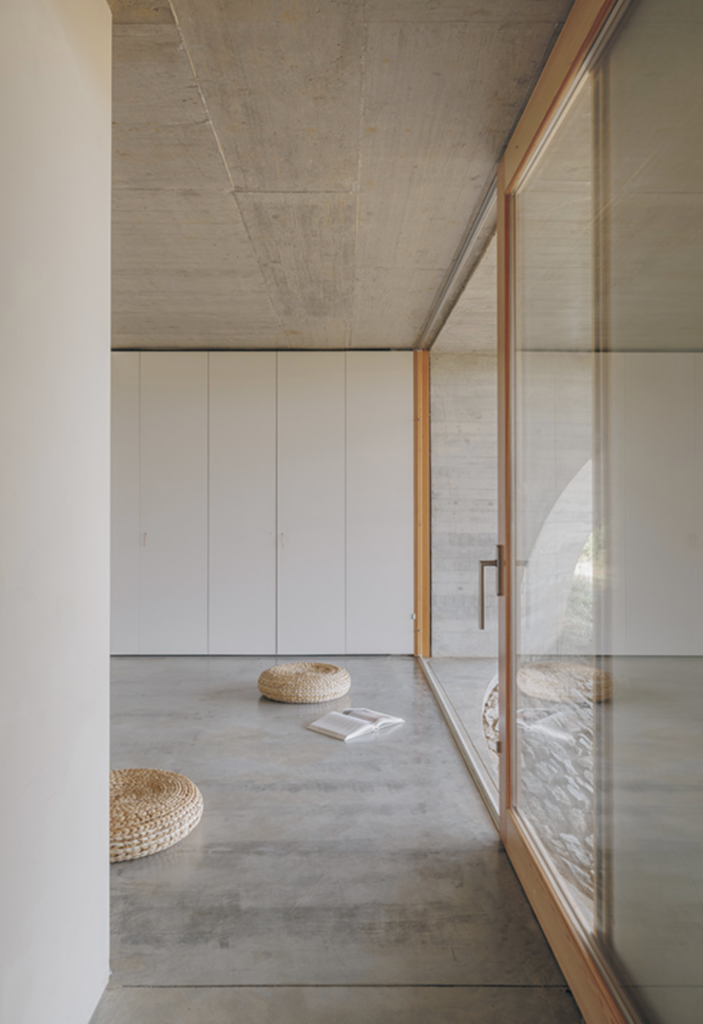
These projects suggest that the future of residential architecture may not lie in increasingly expressive forms, but in a renewed capacity to listen. Across forests, lakes, deserts and hillsides, the most compelling homes are no longer those that seek to dominate their surroundings, but those that belong to them. In doing so, they redefine luxury as something quieter and ultimately more enduring: the privilege of living in harmony with nature.