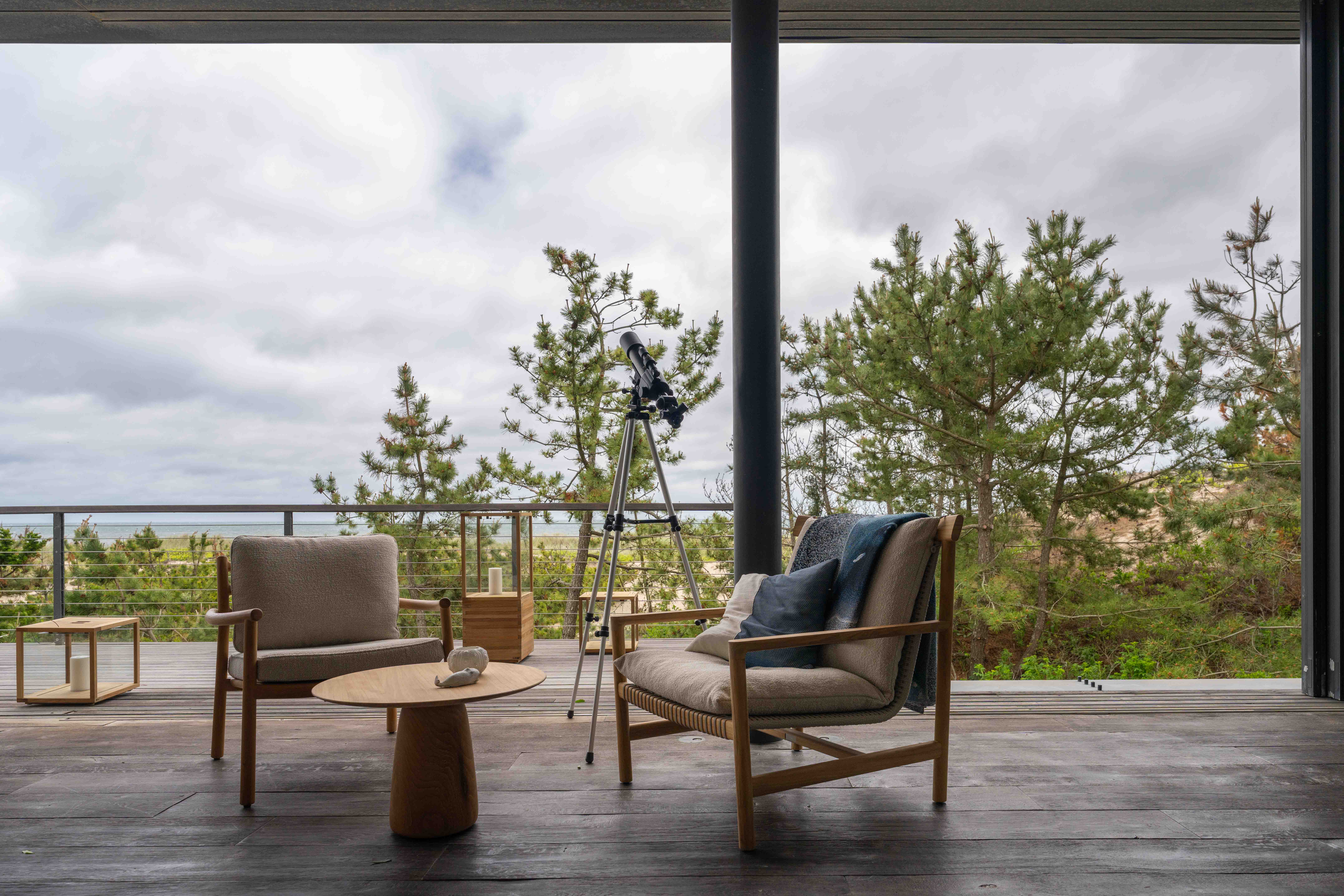
George Yabu and Glenn Pushelberg rebuilt their home on a site they had long cherished in Amagansett, Suffolk County, New York. While a protected dune lies between the house and the Atlantic, the property has always enjoyed ocean views from its upper level. Rather than resisting the landscape, the architects embraced it, raising the main living and entertaining spaces above ground to take full advantage of the setting while allowing the lower floor to nestle into the landscape.
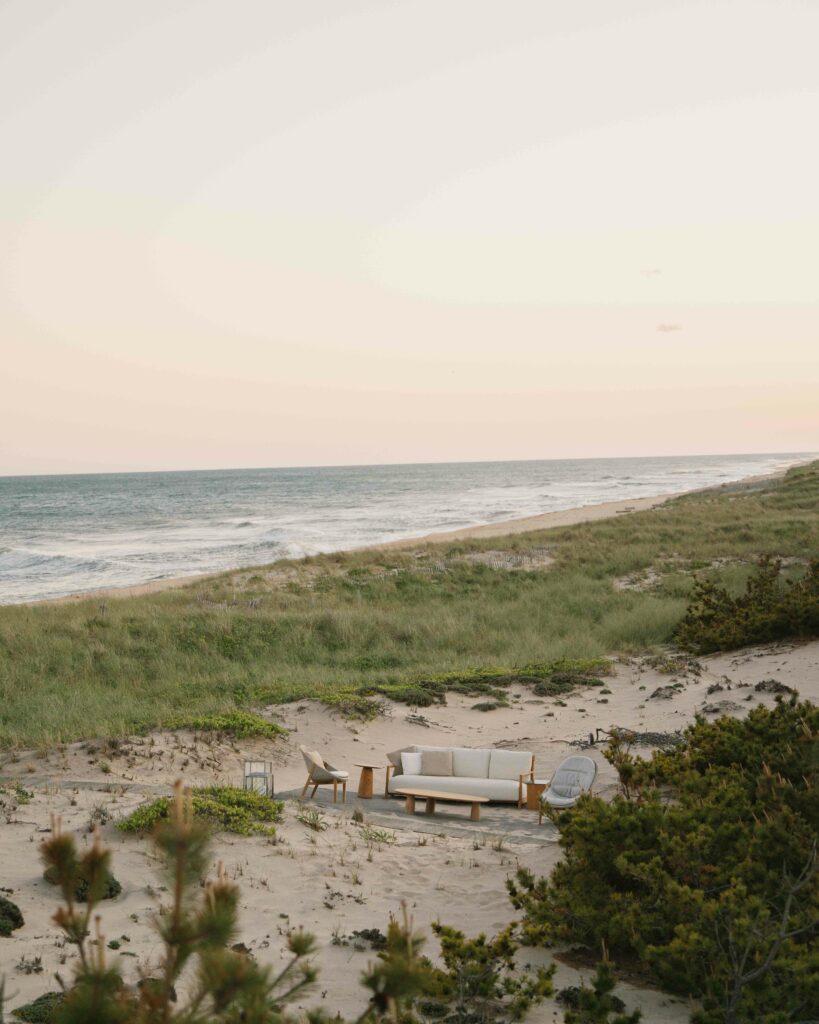
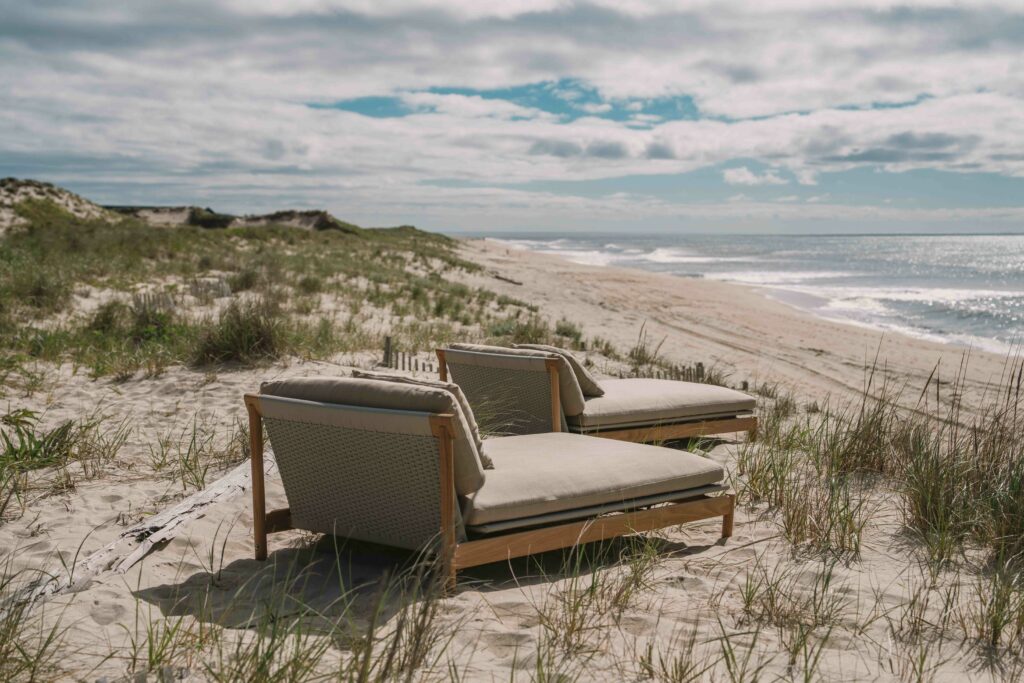
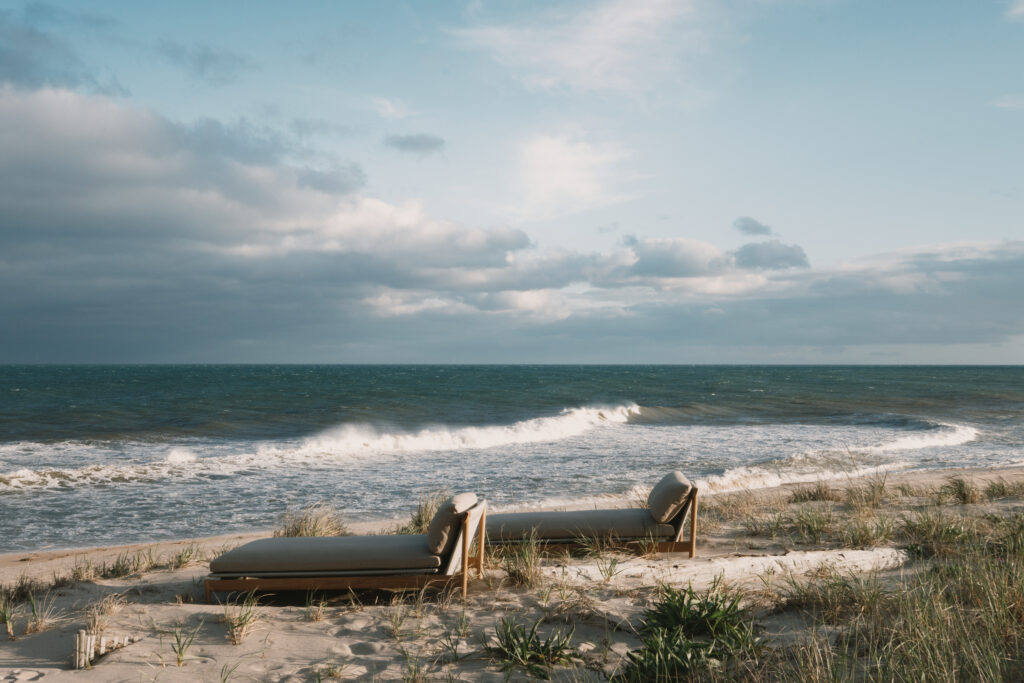
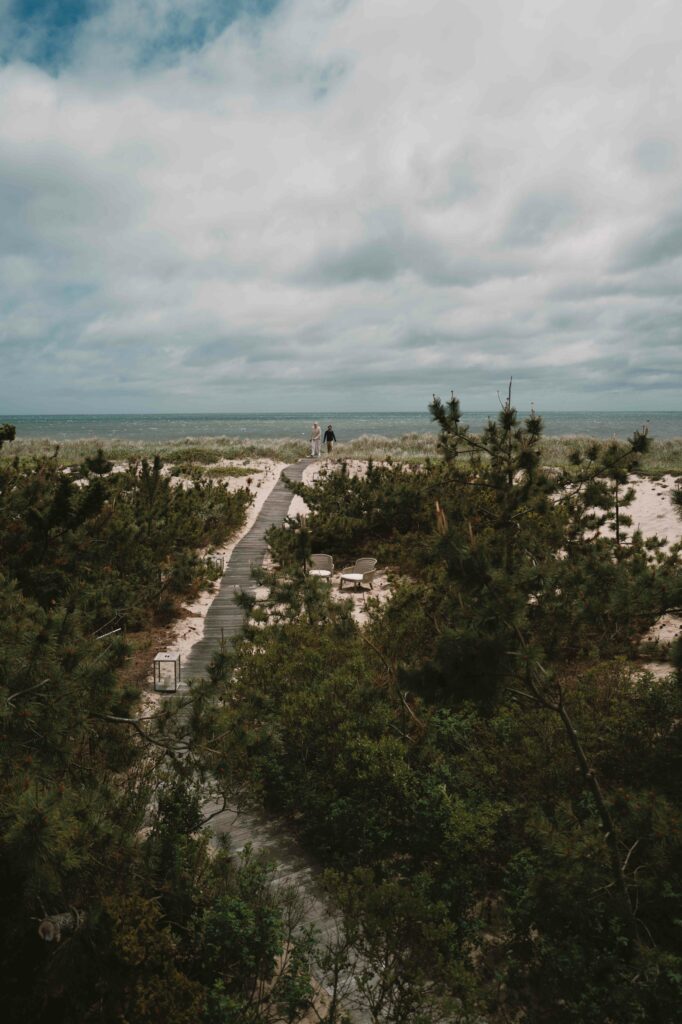
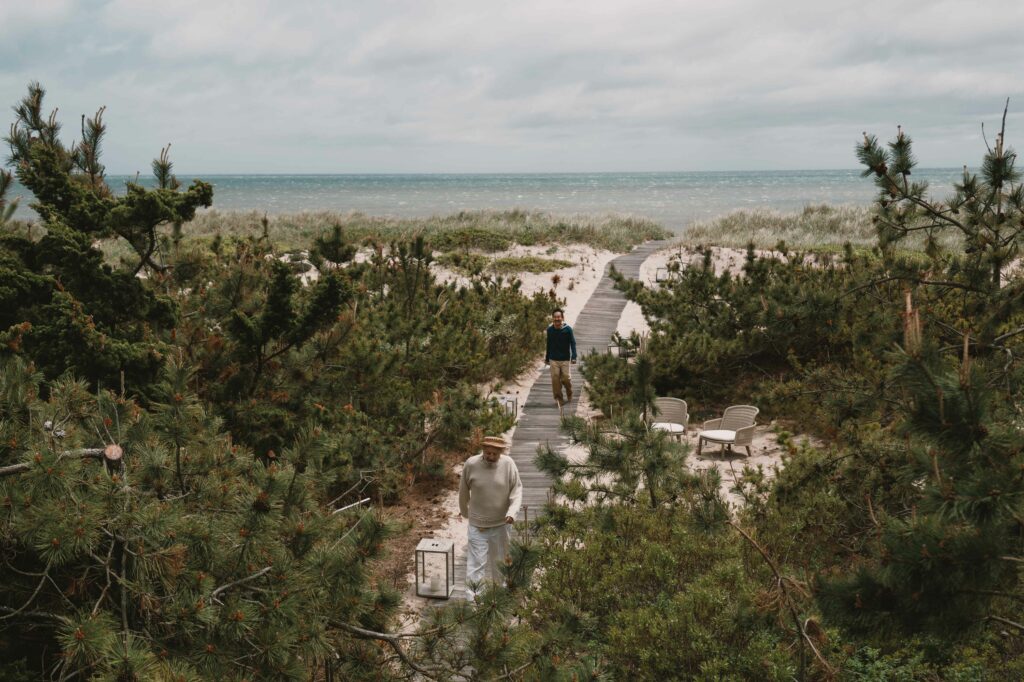
The house runs on that same logic throughout. Guest rooms hold adult sized bunk beds. A long wood table sits directly in the sand, ringed by outdoor seating in place of a dining room. Louvered panels along the front of the house shift position with the light through the day.
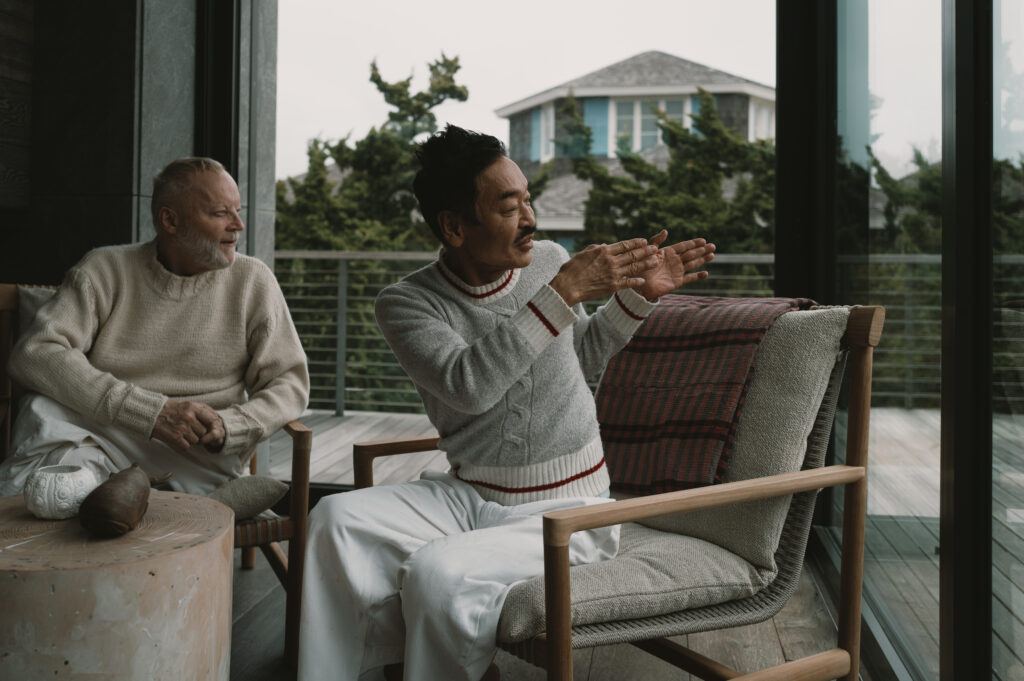
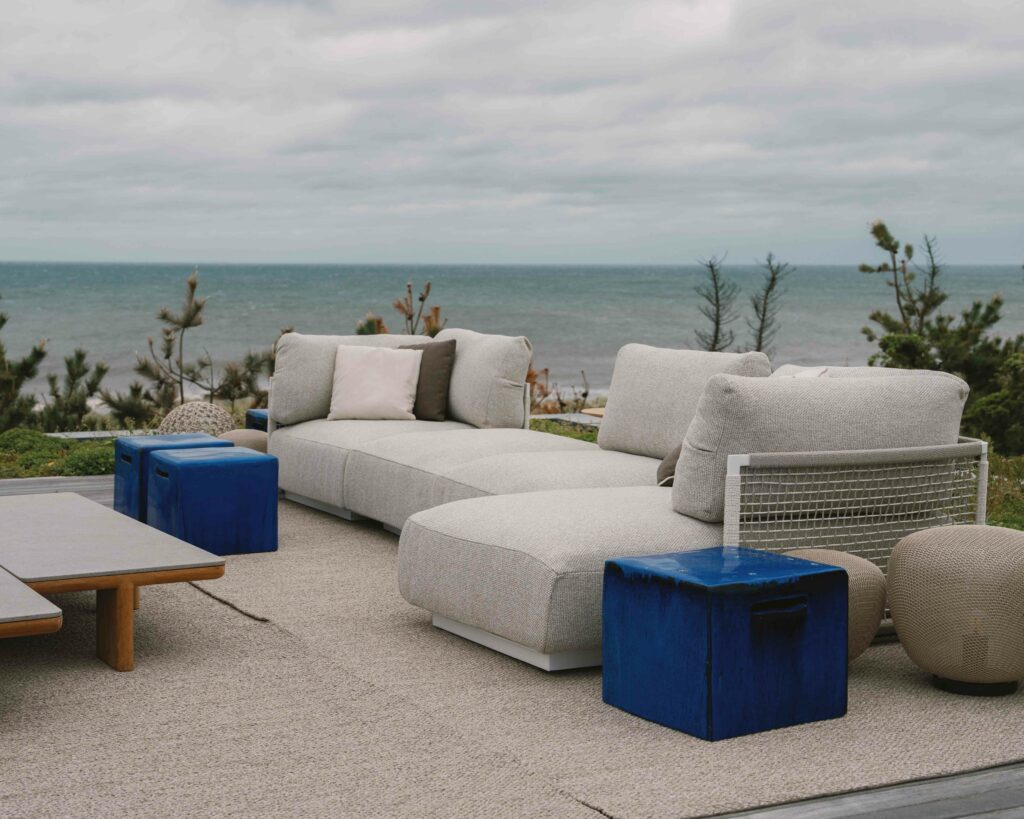
The house also became a natural setting in which several Tribù collections could be experienced over time, revealing how they perform in everyday life rather than within the controlled environment of a showroom.
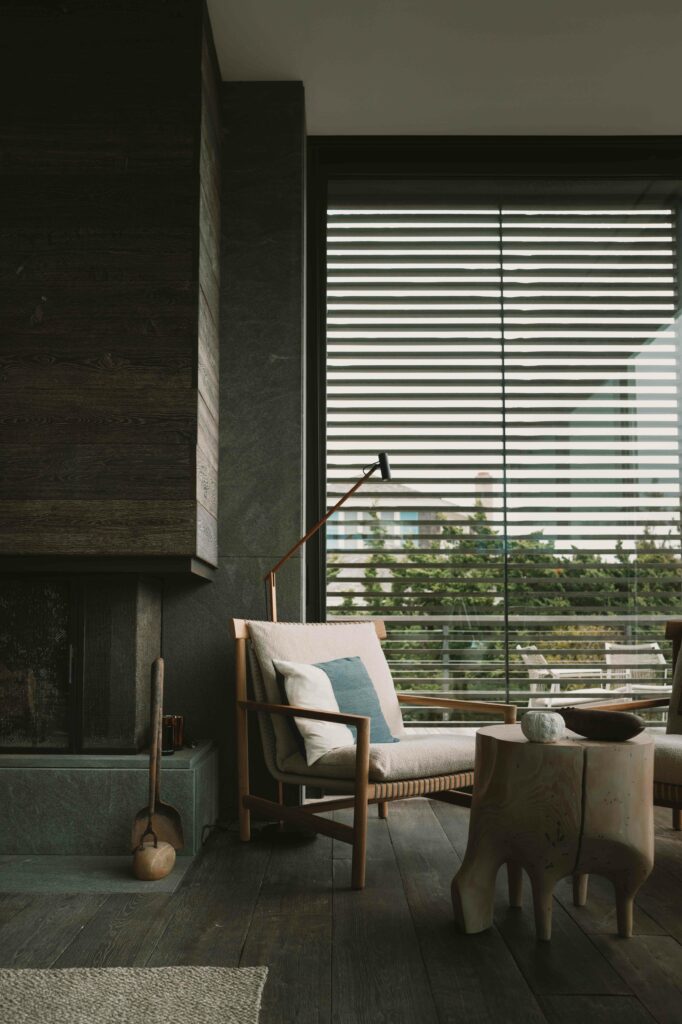
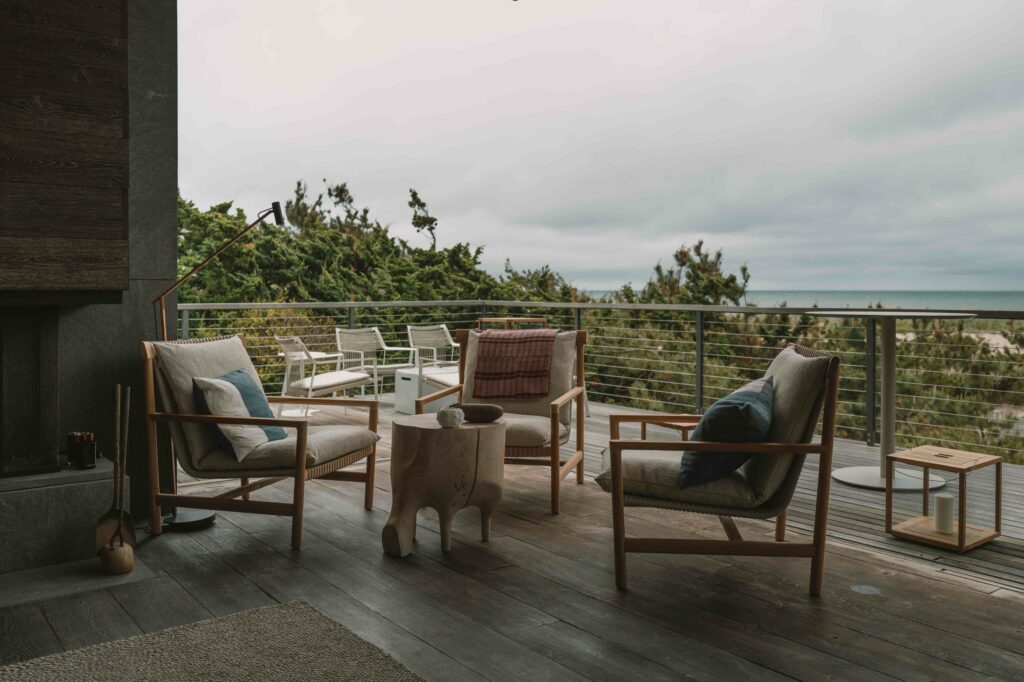
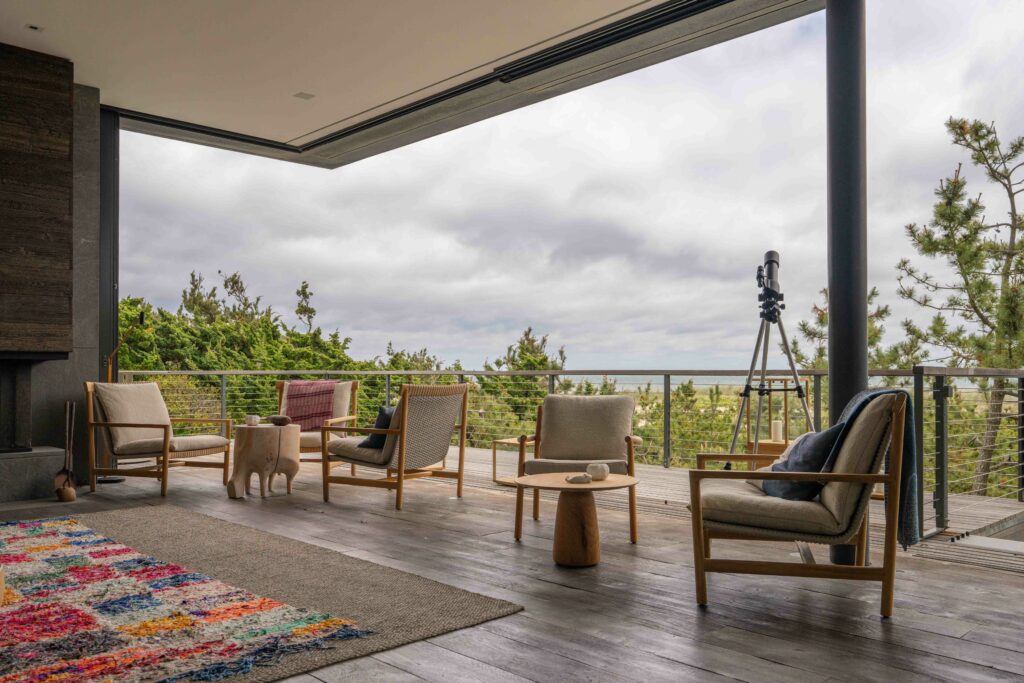
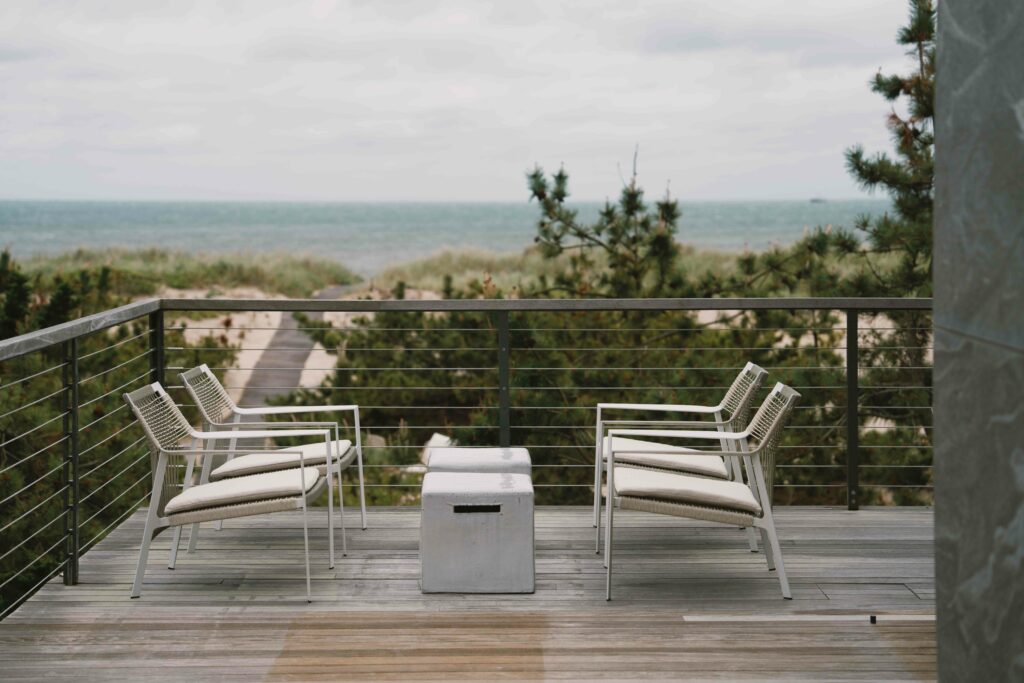
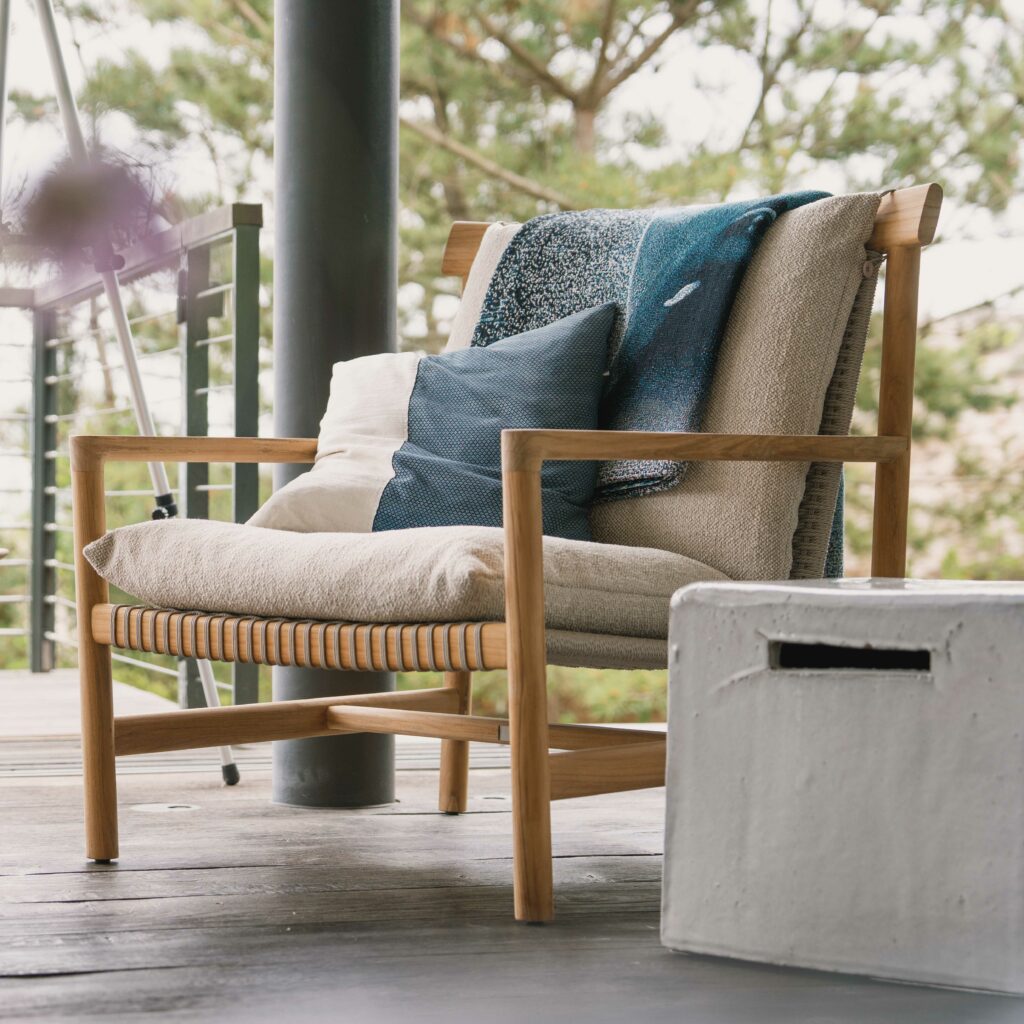
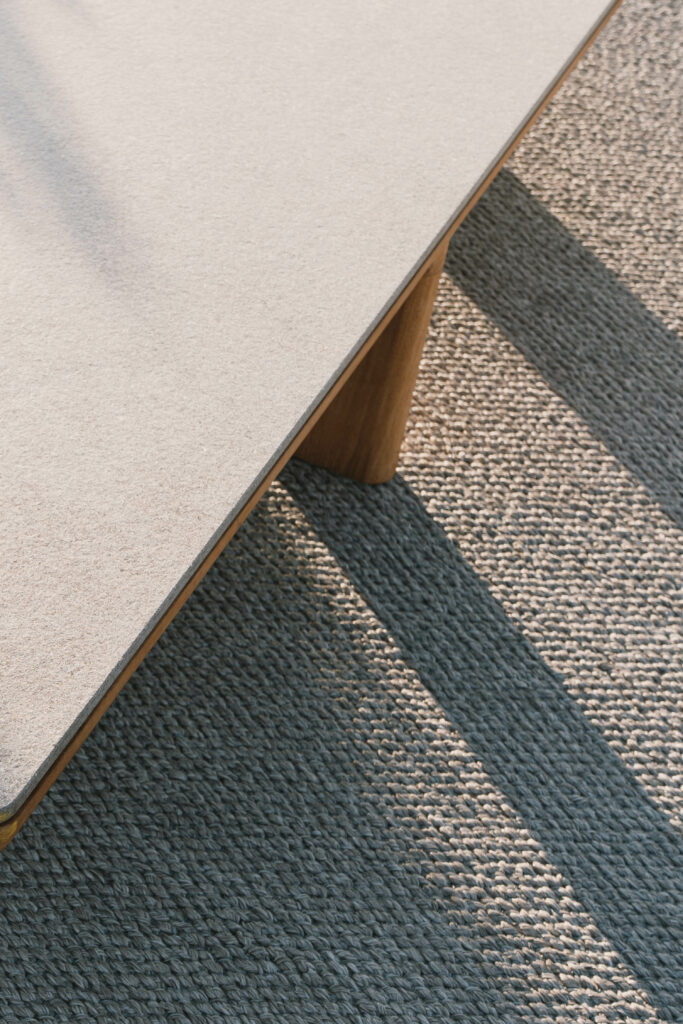
Tribù itself was founded in Belgium in 1966 by Henri De Cock, initially as a garden furniture import company, and passed to the next generation in 1987 under his son Lode De Cock. The company now works with outside designers on individual collections rather than a single house style, a model shared by other Belgian and Italian manufacturers. Yabu Pushelberg is one of those designers, and their relationship with Tribù goes back to a furniture fair in Cologne, where a mutual friend at Avenue Road introduced George Yabu to the company. What struck him was a manufacturer whose products ranged widely in look yet still worked together in a room, never locked to one style. That has shaped every collection the two have built together since. Nodi, from 2018, paired curved steel with woven Canax webbing, its frame closer to a suspended bridge than a chair. Elio, from 2020, wove single strands of colored yarn by hand into each seat, so that no two pieces came out quite the same. Amanu, from 2022, tapered the legs and rounded the arms of its furniture until it stopped reading as outdoor furniture at all. Dune, from 2021, sets a pebble shaped top of solid teak on sculpted bases, the wood worn smooth the way water wears stone.
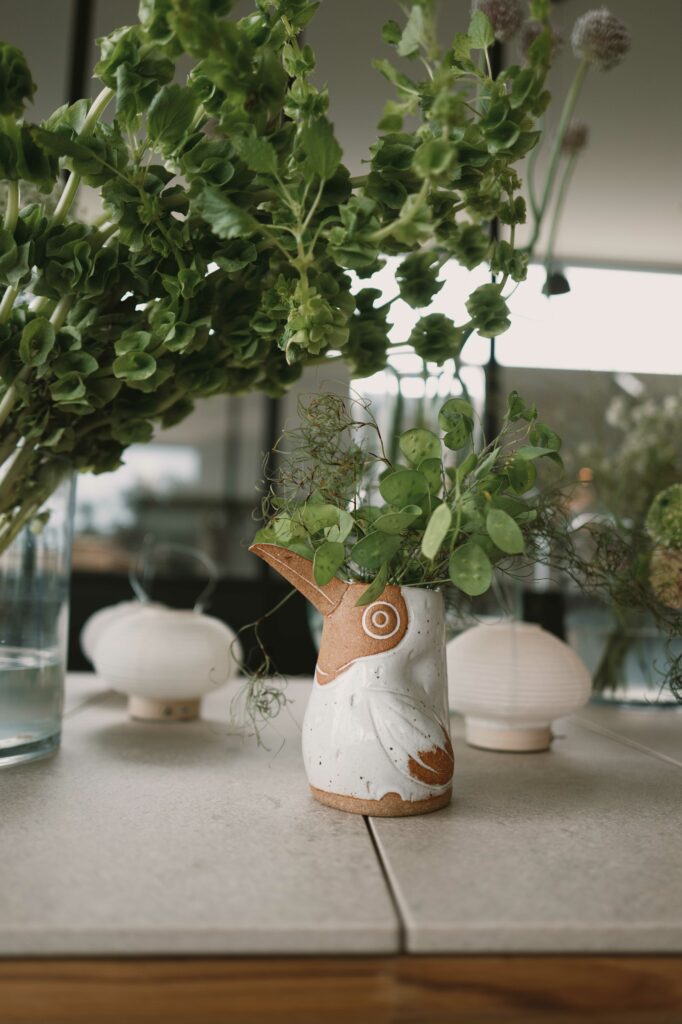
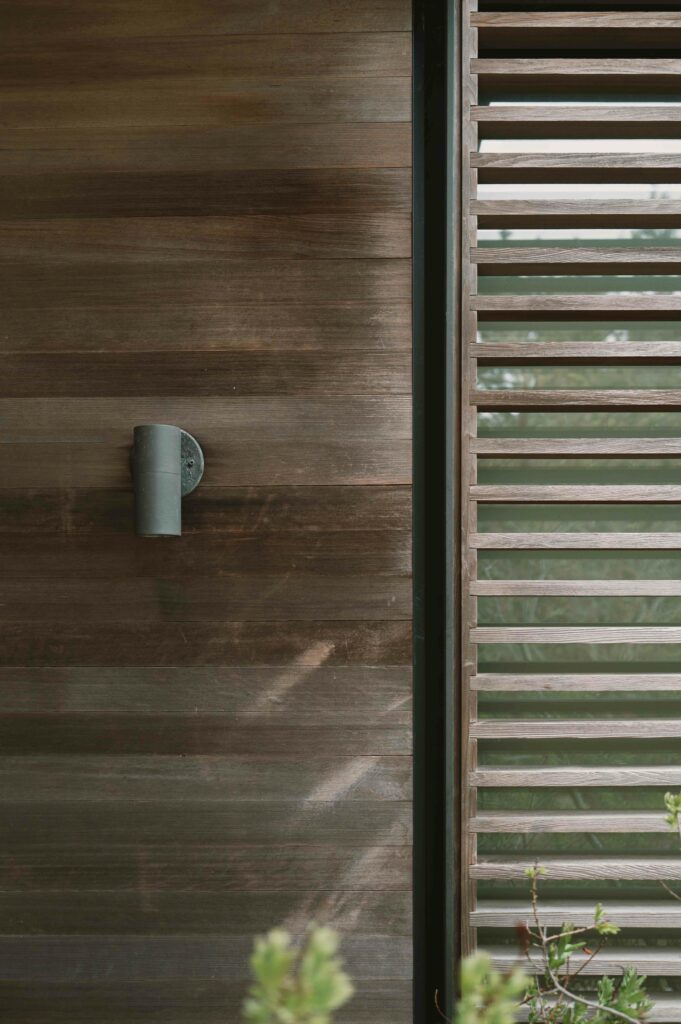
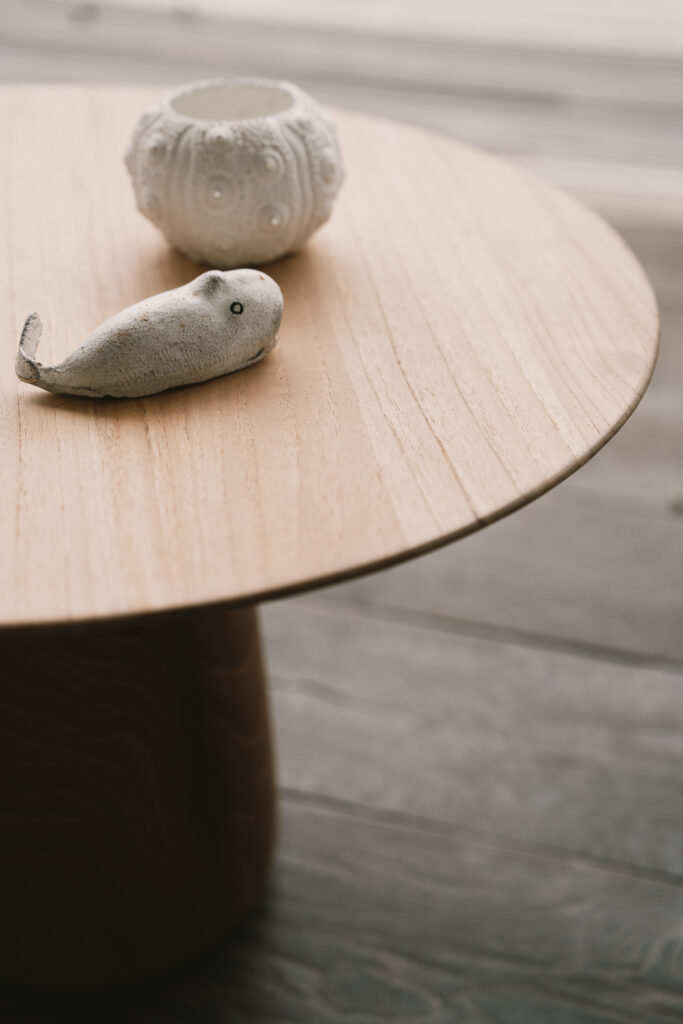
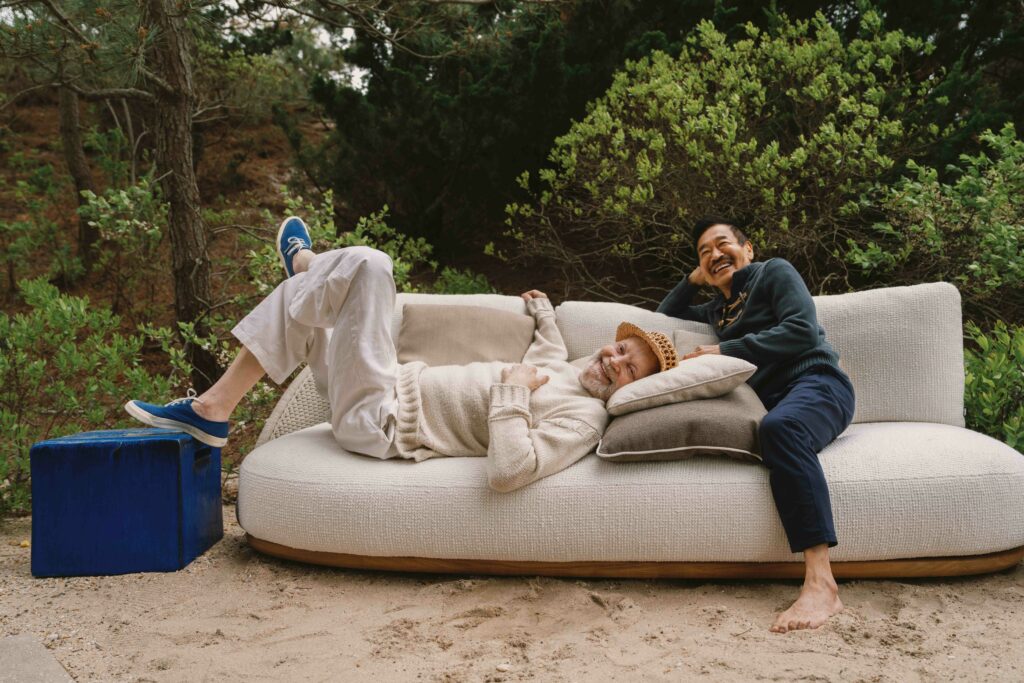
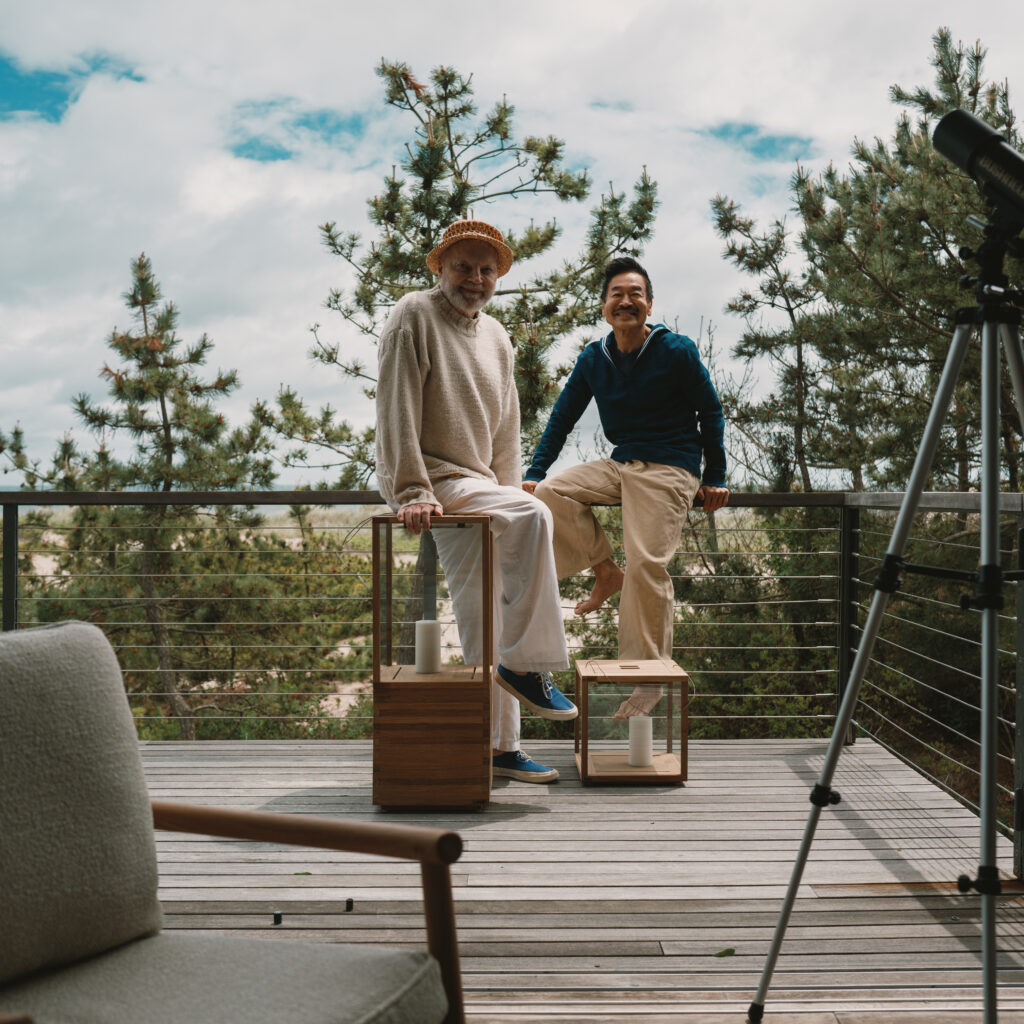
Shore Road, the story built around the house, follows these pieces through the life they actually have there rather than one staged for a photograph. The images, published for the first time, move down the beach path the family uses to reach the water, past the wood table set in the sand, into rooms where the furniture has had years to wear in. It reads less like a brand story and more like a profile of a house that happens to hold one company’s furniture throughout, designed by the same two people who live there.
What the house shows, more than any showroom could, is what four collections look like once the designers who made them are also the ones sitting in them, year after year, with no camera in the room.