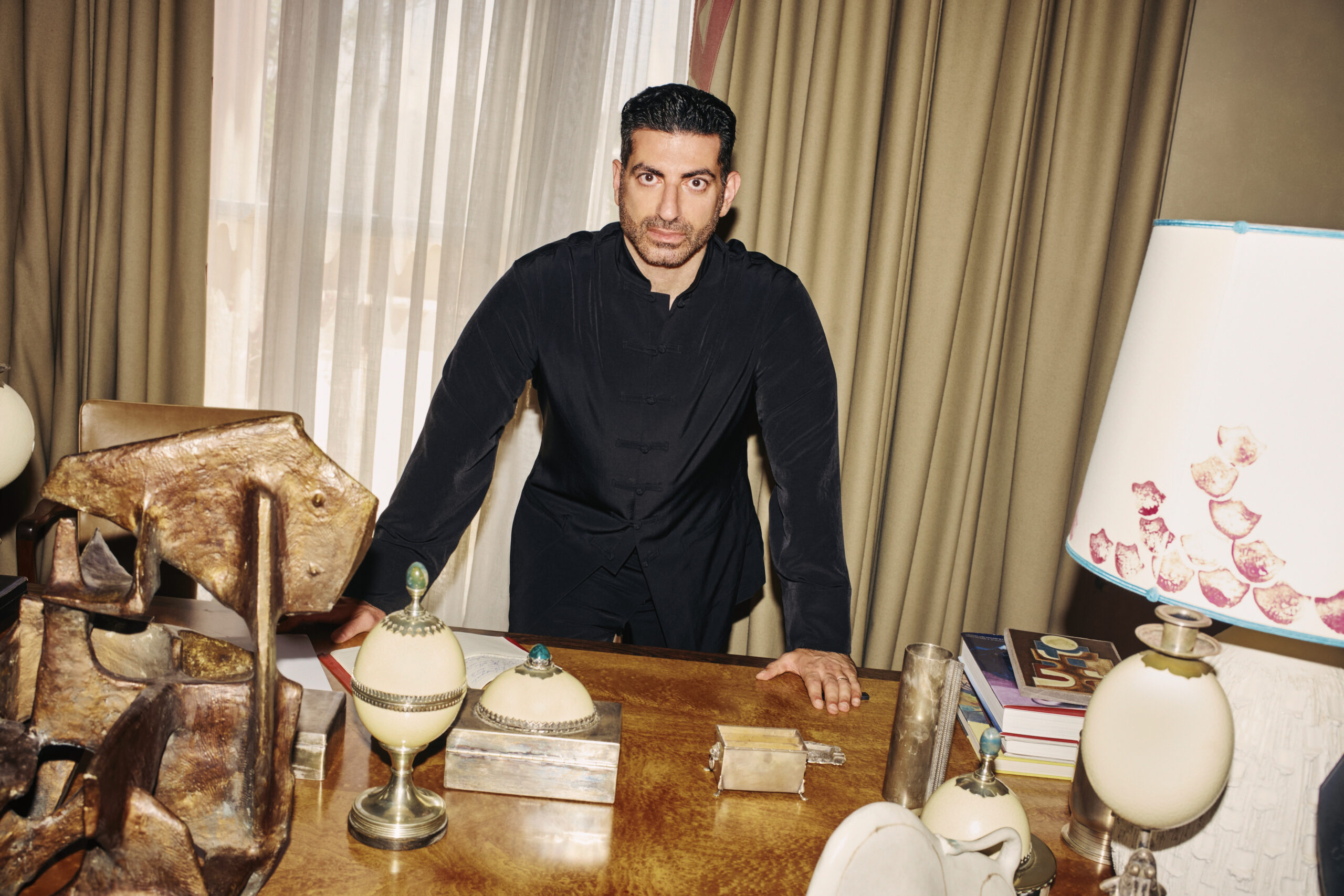
For Fahad Hariri, great interiors begin long before the furniture arrives. They begin with emotion, with the way a space makes us feel, the rituals it quietly supports, and the memories it leaves behind.
Since acquiring PINTO, the legendary Parisian interior design house founded by Alberto Pinto, Hariri has embraced one of design’s most remarkable legacies while shaping a vision that feels distinctly his own. Trained as an architect, an avid collector and a lifelong admirer of craftsmanship, he approaches decoration not as an exercise in aesthetics, but as a deeply human experience.
In this edition of In Conversation With, Fahad Hariri reflects on instinct over perfection, the evolving meaning of luxury, the emotional power of collecting, and why the best interiors are ultimately designed around people rather than objects.
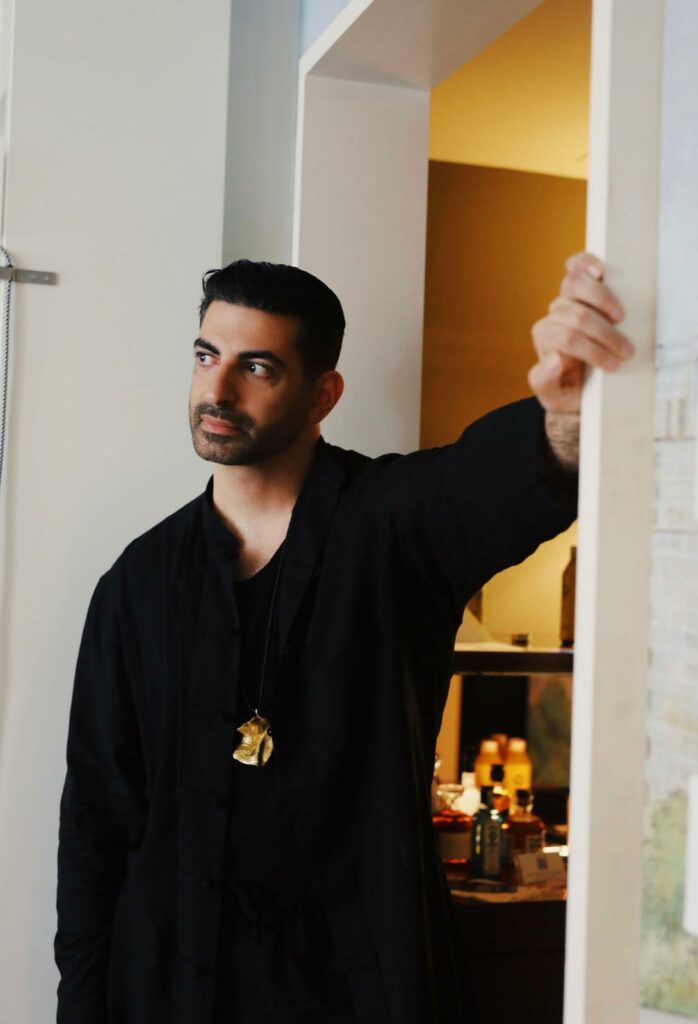
You trained as an architect, became a collector and eventually took the helm of one of the most celebrated interior design houses in the world. Looking back, was there a moment when you realised that design would become a central part of your life?
I’ve always been passionate about design, particularly interior design. To me, the spaces we create are a reflection of who we are, how we feel, and ultimately how we choose to live. I’ve always associated surrounding myself with objects I love with a sense of freedom, the freedom to express an identity, a point of view, and a way of living. Looking back, that realization was there from the very beginning.
Before becoming the owner of PINTO, you were one of its clients. What did Alberto Pinto understand about luxury and the art of living that still resonates with you today?
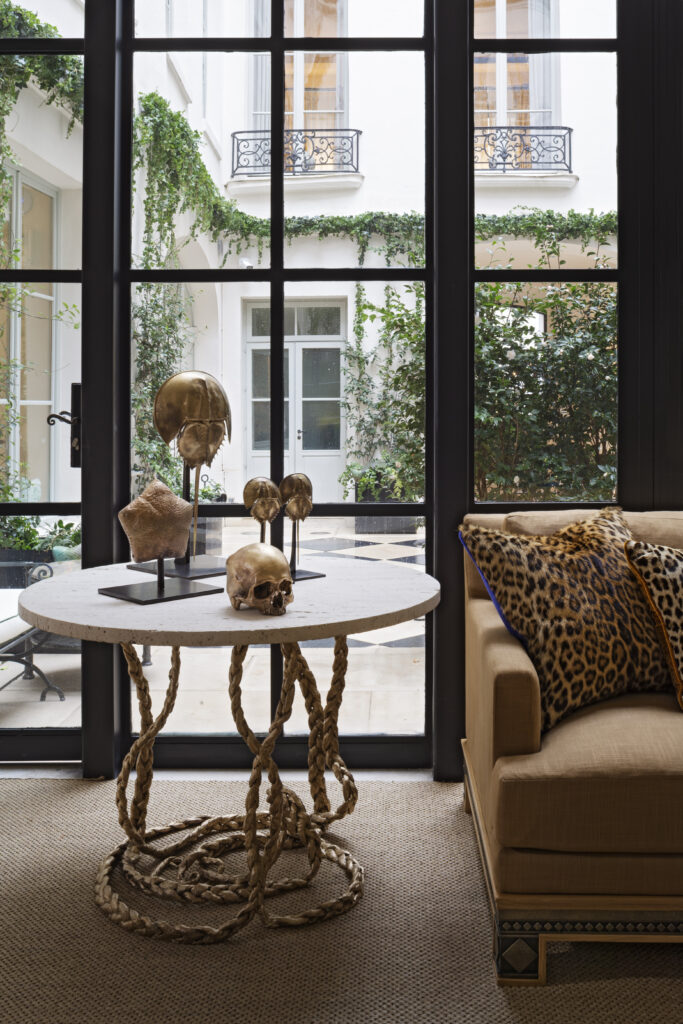
It was never only about creating elegant spaces. It was about creating spaces where we felt elegant. Alberto understood that true luxury lies in our daily rituals—how we have breakfast, enjoy an espresso, or sit comfortably with a friend. Every detail was considered to make these moments feel effortless.
Watching the way Alberto lived inspired me as much as his interiors. He taught me that a great home is not just beautiful; it elevates everyday life, brings happiness, and continually engages the eye.
How do you define luxury today? Has its meaning changed for you over the years?
Luxury has become increasingly personal for me. It’s no longer about how others perceive a space, but about how it makes you feel. I believe in creating intimate interiors that reflect the individual, and even when we host, we invite people into our world rather than creating a spectacle. That’s the biggest shift in my thinking over the years.
You’ve lived between different cities, cultures and residences. When approaching an interior, what do you believe matters most?
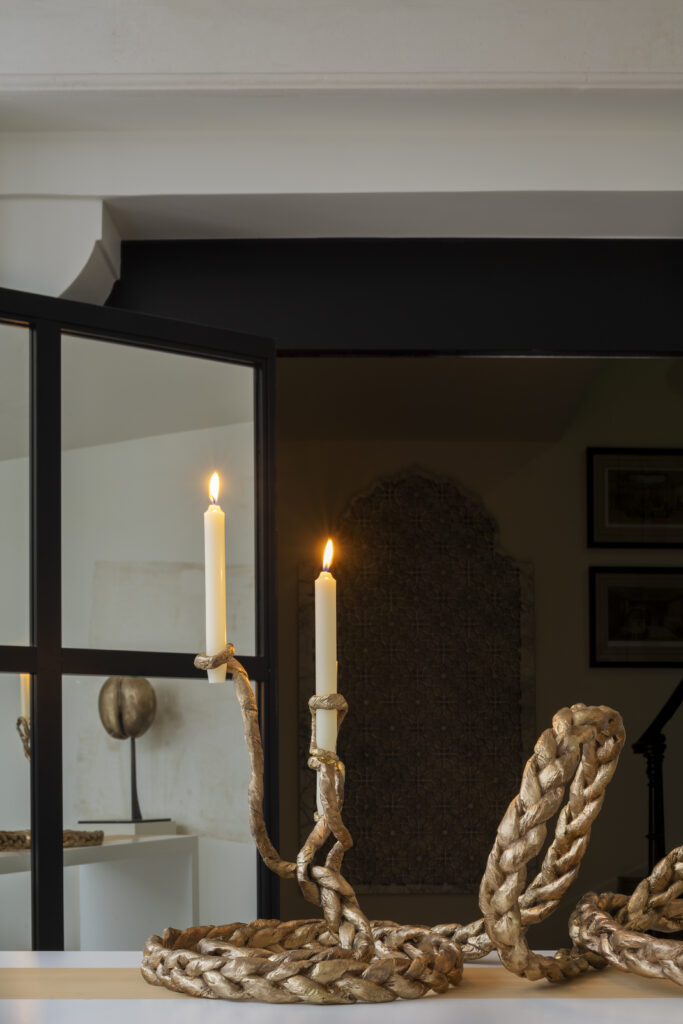
The first thing I notice is always the layout. A room succeeds or fails long before you notice the objects in it. I believe great interiors are designed around how people live, move and interact. A perfectly placed, comfortable armchair can be more important than the most beautiful piece of furniture because it transforms the way a space is experienced. Great interiors are choreographed around people, not furniture.
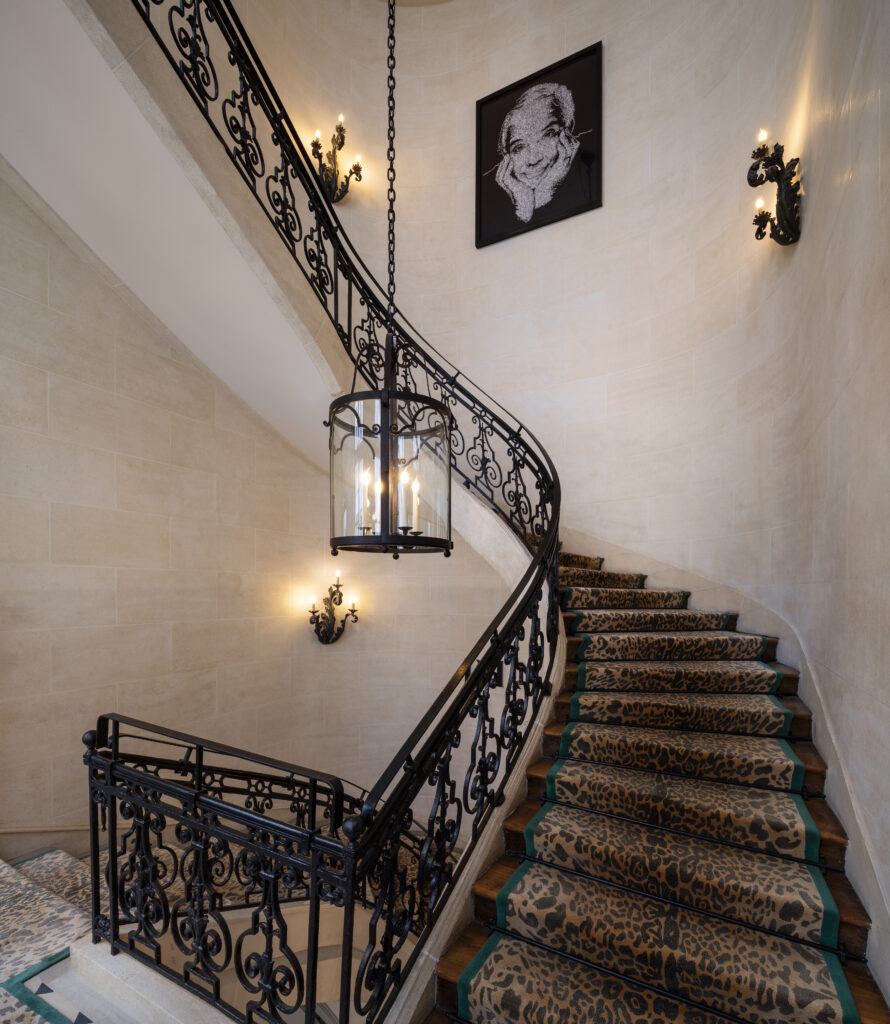
When you enter a space for the first time, what do you notice before anything else?
The first thing I notice when I enter a space is how it makes me feel. Am I going to be comfortable? Am I going to feel protected? Everything else, the objects, the colours, the details comes afterwards. A truly successful interior gives you a sense of comfort, intimacy and belonging from the very first moment.
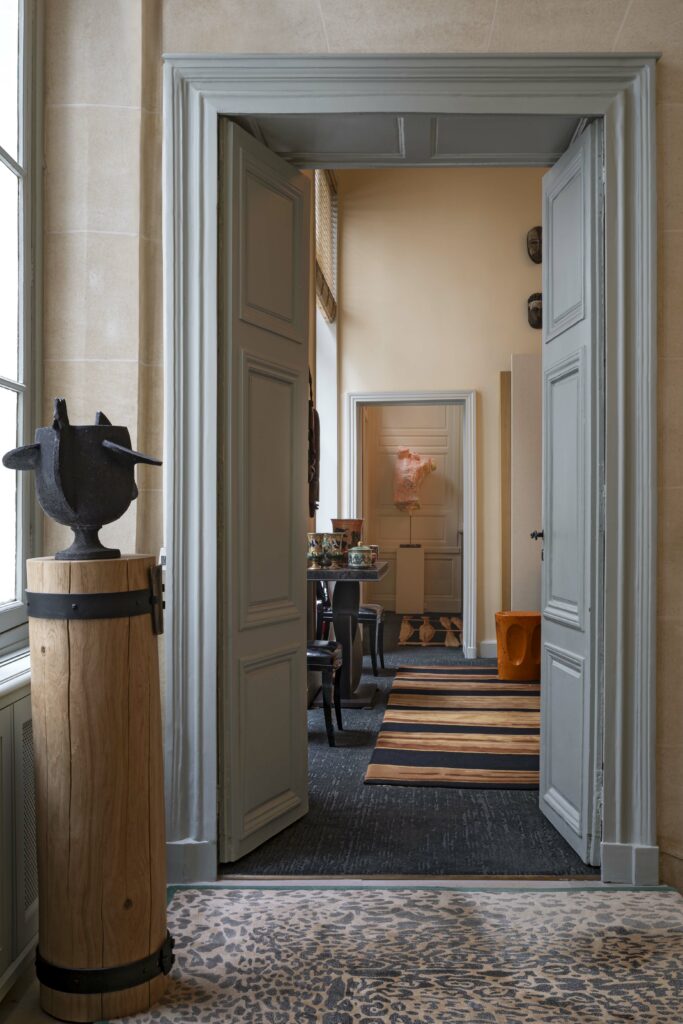
Many people collect art. Fewer people collect furniture, objects and decorative pieces with the same passion. What is it that attracts you to an object?
I’m not drawn to objects for what they are, but for what they evoke. Once I close my eyes, what memories remain? What emotions, smells or even the taste of a colour do they awaken? The most beautiful objects are those that continue to live in our imagination long after we’ve stopped looking at them.
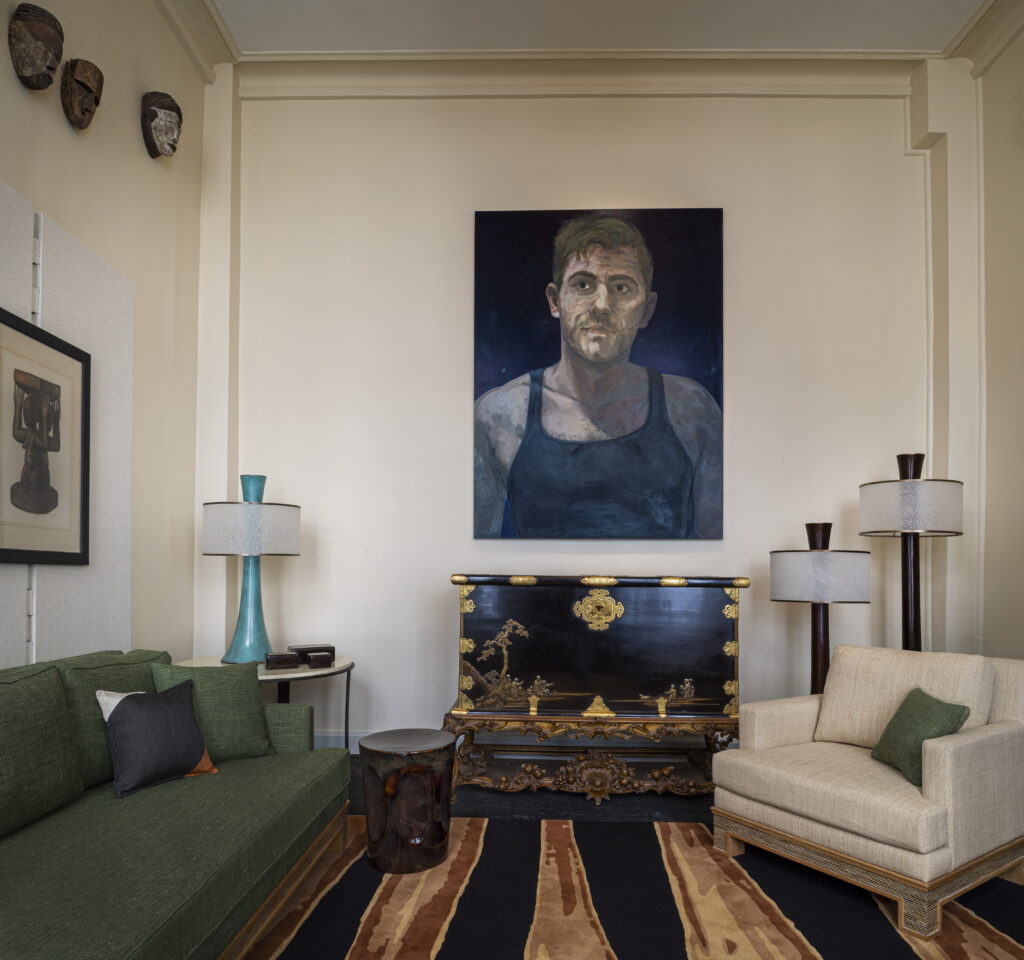
Is there an object in your own home that you could never part with?
Although I believe the objects in my home carry emotional and intellectual significance, I’ve learned not to become attached to the objects themselves. What matters is the emotion they evoke, not their possession. Some objects come into our lives for a reason, and sometimes they have to leave, just as we sometimes have to let go of certain emotions.
One of the most beautiful paintings I ever owned was Gerda, a 1965 oil painting by the British artist Frank Auerbach. It was an extraordinary work, but it carried a profound sense of sadness and compassion. Eventually, I realized I no longer wanted to live with that emotion every day, so I let it go. It taught me that our relationship with a work of art can evolve, just as we do.
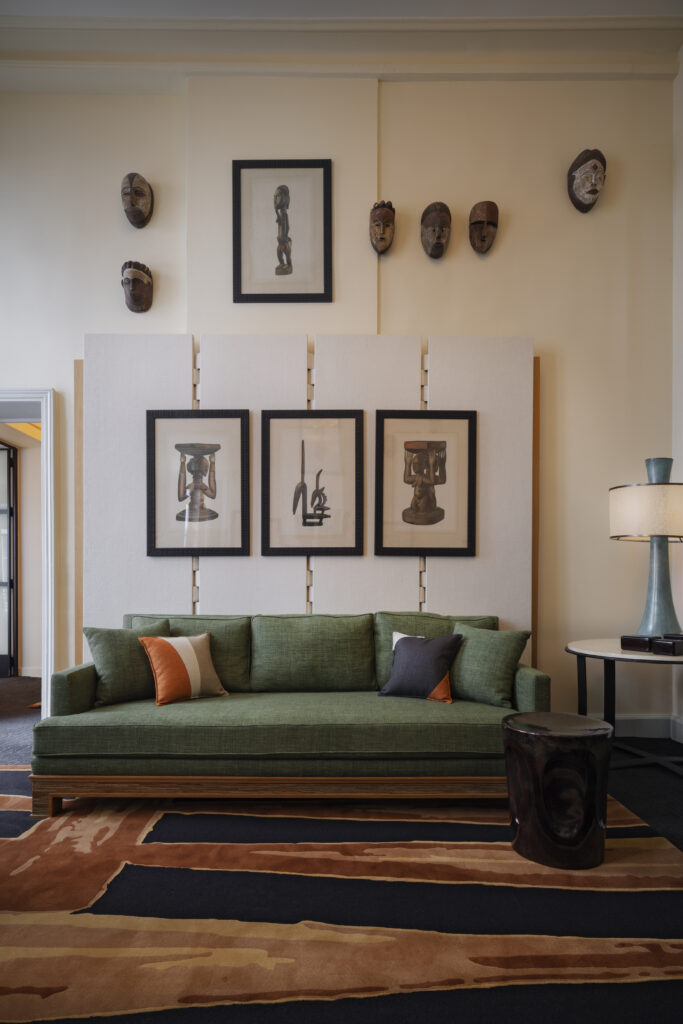
PINTO has designed some of the world’s most extraordinary residences, hotels, yachts and private spaces. What do all successful interiors have in common, regardless of scale or budget?
The best interiors, regardless of scale or budget, are culturally layered and emotionally evocative. They reflect our complexities and contradictions without trying to simplify them. When a space can offer comfort, intimacy, excitement and a sense of peace at the same time, it becomes truly timeless.
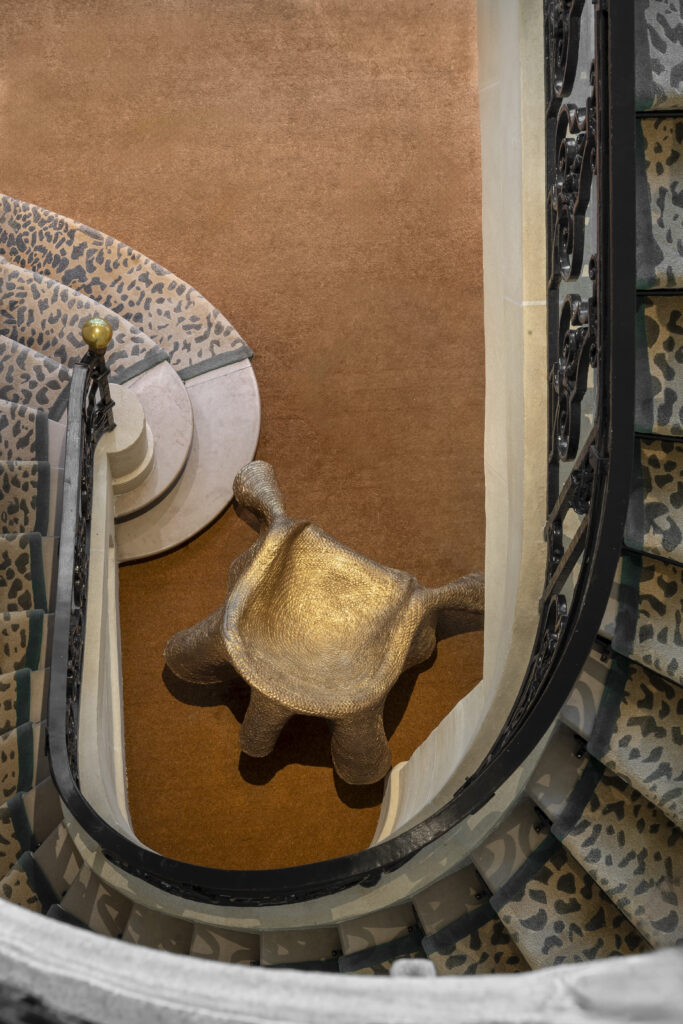
The Middle East has long been part of PINTO’s story. How have you seen the region’s approach to design and craftsmanship evolve over the past decade?
Over the past decade, I’ve seen a real shift in the Middle East. Our clients are increasingly looking for interiors that express a genuine sense of place rather than a universal idea of luxury. The Middle East sits at the crossroads of Europe, Asia and Africa, yet it has a distinct identity of its own. Today’s interiors embrace that richness and permeability of cultures. Fifteen years ago, the aspiration was often to look like everyone else to standardize beauty. Today, there’s a much stronger desire to express individuality, context and cultural identity.
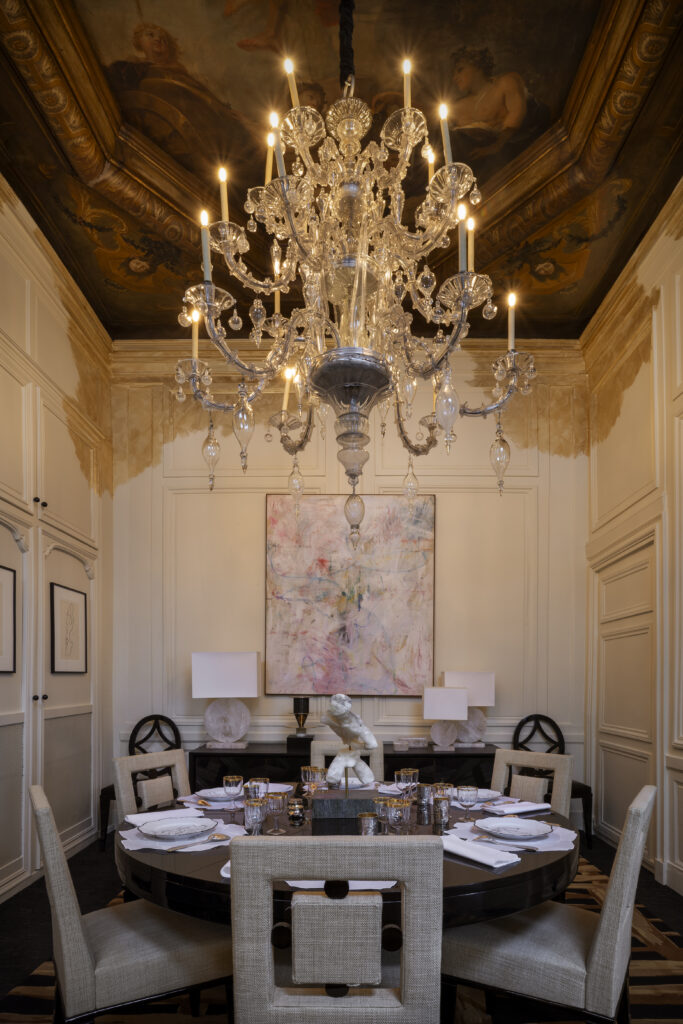
Many contemporary interiors strive for perfection. Yet some of the most memorable spaces contain tension, surprise or even imperfection. What makes a room truly interesting to you?
I’ve always believed that art is an expression of nature, including human nature which is inherently perfect in its apparent imperfections. That tension is what I look for in every interior. Whether it’s a play on scale, unexpected colour combinations, or the dialogue between figuration, abstraction and graphic forms, the goal is never perfection. It’s to create a space that feels alive.
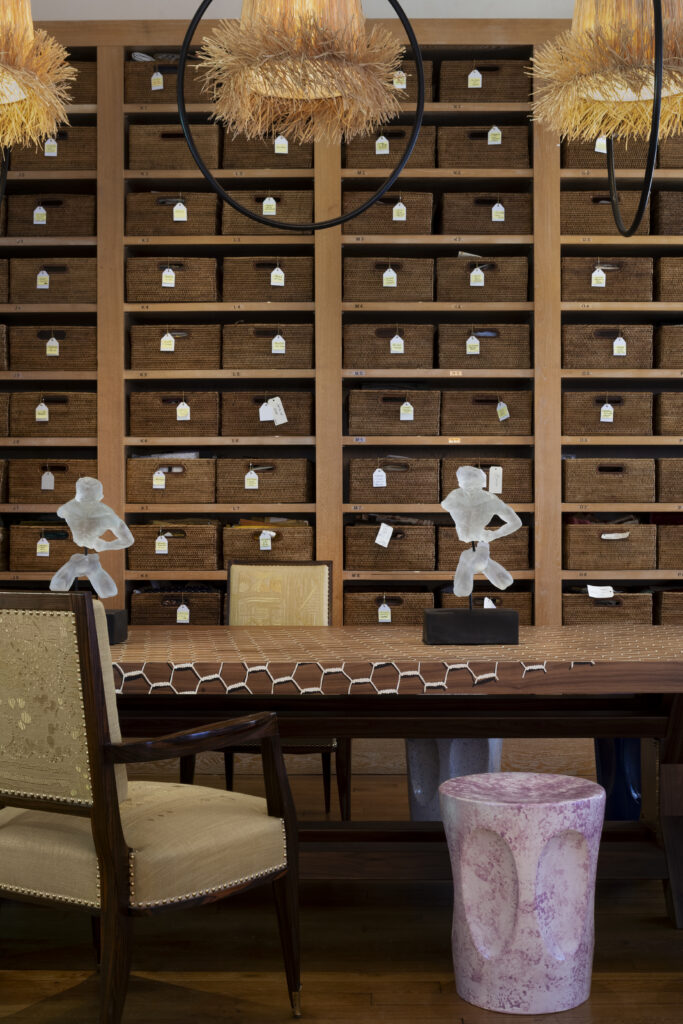
What role does collecting play in shaping an interior? Should a home reflect a person, a period or a point of view?
I hope a home never reflects only a point of view. I trust instinct first and understanding second. Only afterwards do I step back and understand why I was drawn to something.
To me, collecting (especially collecting art) plays the role of flowers on a tree. We are the tree, and the objects we choose, but more importantly the art we live with, are its flowers. They may seem to have no practical function, yet they sustain an entire ecosystem. Art is much the same. It may appear unnecessary, but it is one of the fundamental expressions, and one of the foundations of civilization itself.
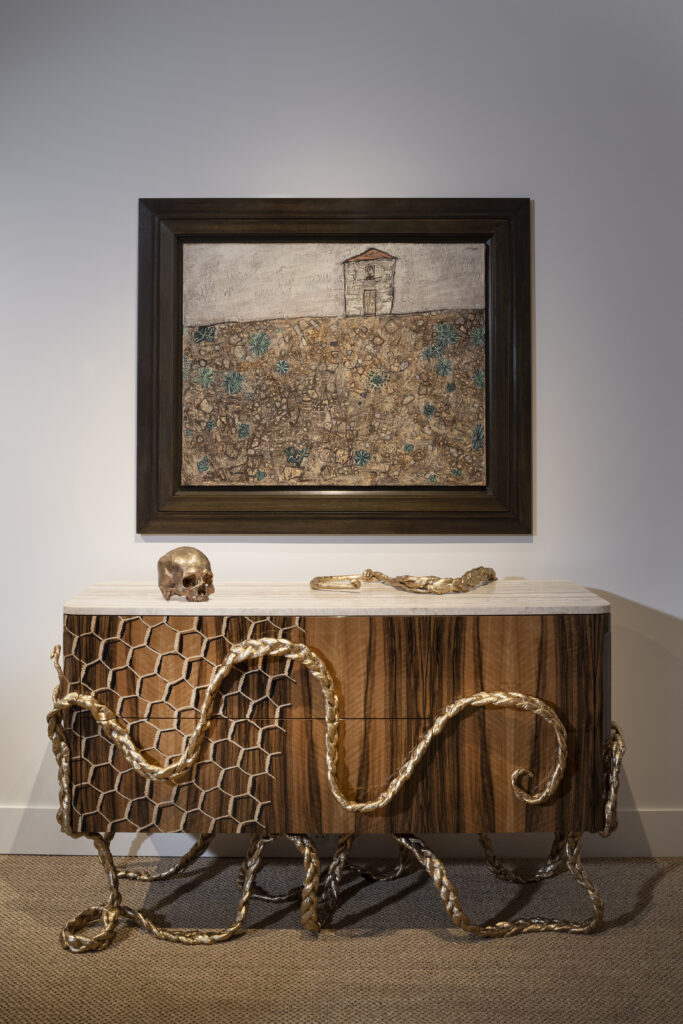
If you could invite three people—living or historical—to dinner in a PINTO interior, who would they be and why?
Very sadly, the first person would be my father, Rafik Hariri, because he never had the chance to see the path I chose or what it has become. I hope he would have been proud.
The second would be Alberto Pinto. I see my work at Pinto as carrying a double legacy: my father’s entrepreneurial vision and Alberto’s extraordinary sense of beauty and the art of living. It is also, in many ways, a tribute to my mother, Nazek Hariri, whose elegance and innate sense of beauty have profoundly shaped my own.
The third would be b More than any individual work, I admire the extraordinary force vitale that runs through everything he created. That creative energy is something I constantly aspire to bring into the interiors I design.
What destination continues to inspire you creatively, no matter how many times you return?
Without hesitation, Les Puces de Saint-Ouen, Paris. Of course, because of the extraordinary diversity of objects and the energy they carry, an energy I believe is contagious. Every visit is different and endlessly inspiring.
But what fascinates me even more are the dealers themselves. They have dedicated their lives to the pursuit of their own obsessions. Being invited into those worlds is a privilege. I admire them as much as I admire an artist who devotes a lifetime to exploring a single medium, a single colour, or a single idea. I have immense respect for people who dedicate their lives so completely to what they love.
What would you like the next chapter of PINTO to be remembered for?
Earlier I said that I believe creation should begin with instinct rather than intellect. But I also hope that what we are building at Pinto carries intellectual and cultural relevance. I hope it reflects a layered understanding of human nature and forms part of a genuine artistic and creative practice, one that will stand the test of time.
A favourite song or soundtrack for your most creative days?
Music is the noblest form of art. It is perhaps the closest thing we have to magic, speaking directly to a part of the human brain that transcends language and culture. If I had to choose one piece, it would be A Vava Inouva by Idir.
It’s a traditional Kabyle song that evokes a time, a place and a culture that are foreign to me, yet its beauty makes it deeply relevant today. To me, that’s the very definition of timelessness: when something born from a specific place and moment speaks universally across generations.
Like music, an interior lives between figuration and abstraction. Objects and figurative forms, like words, carry meaning and evocations, while colour, light, texture and proportion play the role of melody and rhythm, creating emotions beyond language. That dialogue has always fascinated me and continues to inspire the way I design.