There is a particular quality of light in Copenhagen in June — long, unhurried, arriving at angles that make even concrete look considered. It is the right city, at the right time of year, to ask designers a hard question: what does it mean to make something that matters?
That question sat at the heart of this year’s 3 Days of Design, and the answers, across eight city districts, 400 exhibitors, and 120,000 visitors, were more urgent, more specific, and more quietly beautiful than we expected.
From a seven-metre vase you could walk through to a whisper of Japanese porcelain arriving on European soil for the first time, here is the edit that kept coming back to us.
IITTALA
A chapel for creativity
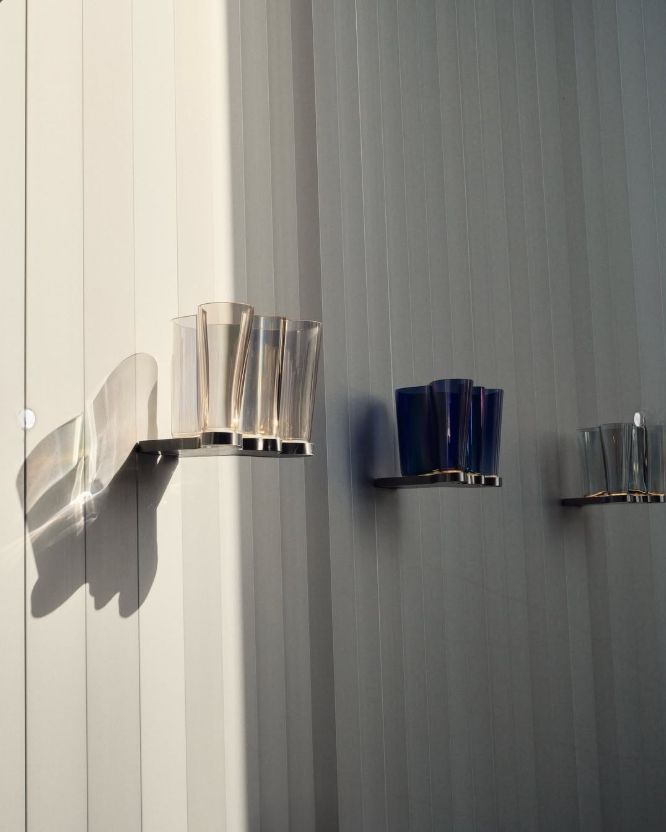
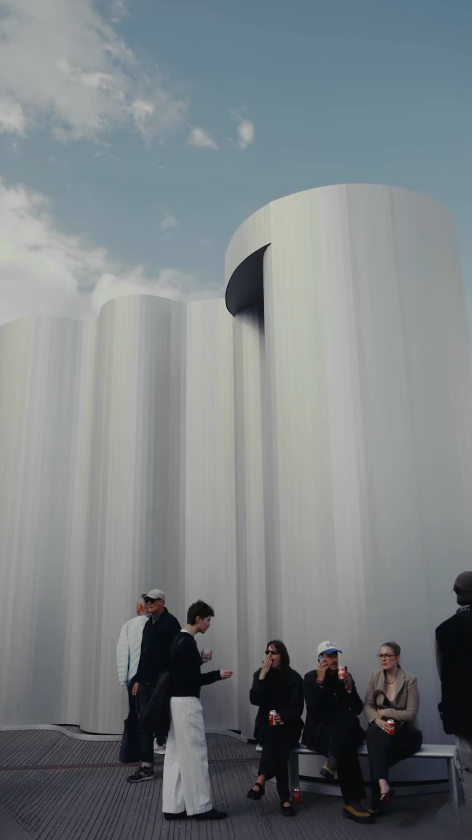
To mark ninety years of Alvar Aalto’s iconic vase, Iittala built a seven-metre aluminium pavilion on Copenhagen’s harbourfront — a structure you could step inside, move through, feel. Scale as storytelling. The Aalto form, so familiar it had perhaps become invisible, was made strange again, and therefore new. That is a rare thing in design: to resurrect what we thought we already understood.
VIPP X MESURA
The philosophy of the tilt
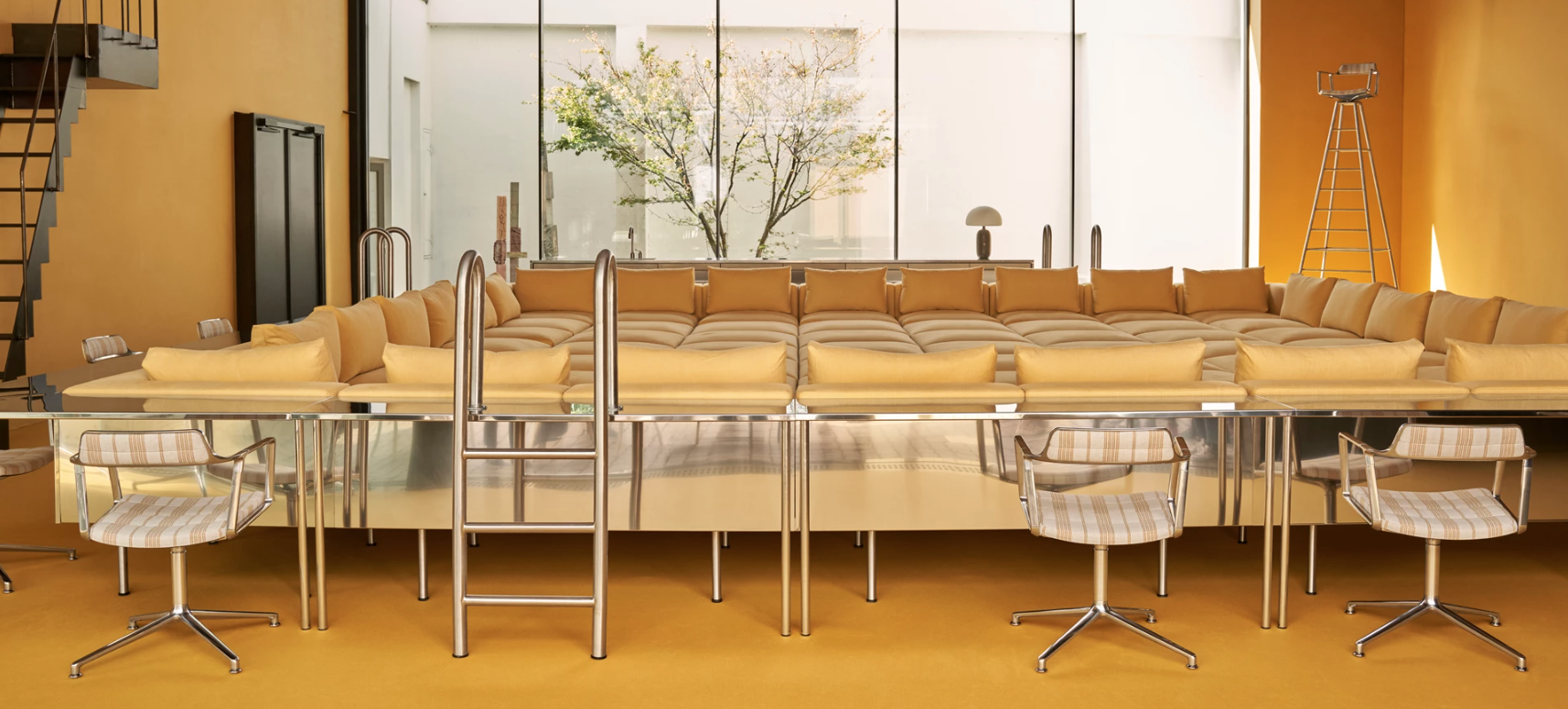
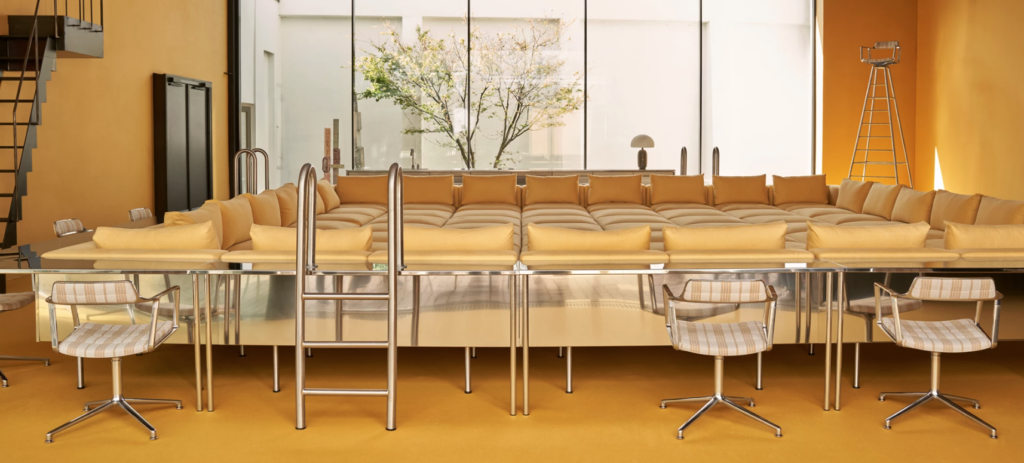
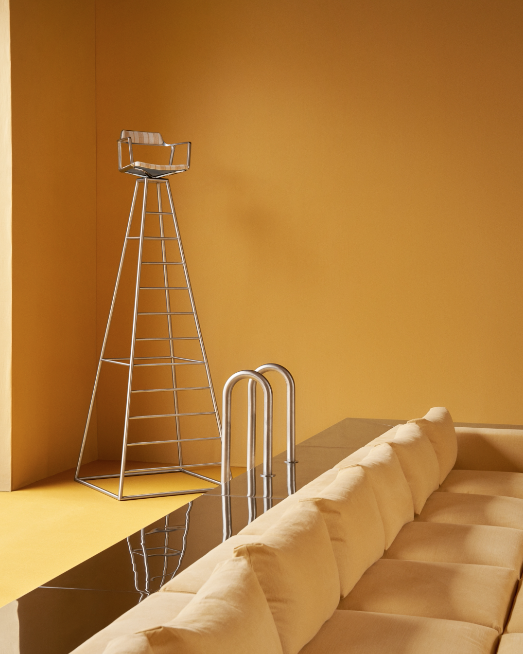
A yellow conversation pit. A seesaw. A gathering space that began, improbably, with a bin lid. Vipp’s collaboration with Barcelona studio Mesura was the fair’s most joyful installation — and its most quietly philosophical. The word vipp means tilt in Danish, the motion that named the brand. Here, that motion expanded into a whole architecture of play, of dialogue, of being present with other people. Design at its most human.
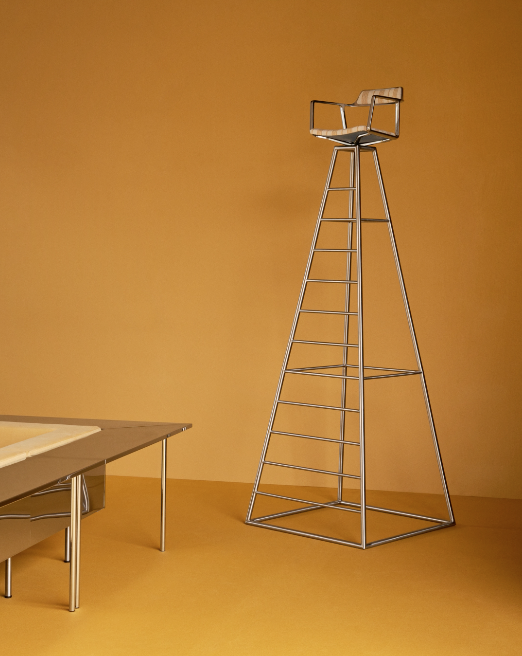
TOBIMATSU
Porcelain that holds light
Hirotaka Tobimatsu made his first visit to Europe here, bringing porcelain lighting of extraordinary delicacy — objects that do not illuminate a space so much as suggest it. In collaboration with Open House Magazine, his work at The Conary stopped people in ways that are difficult to describe and easy to remember. Some objects ask you to look. These asked you to stay.
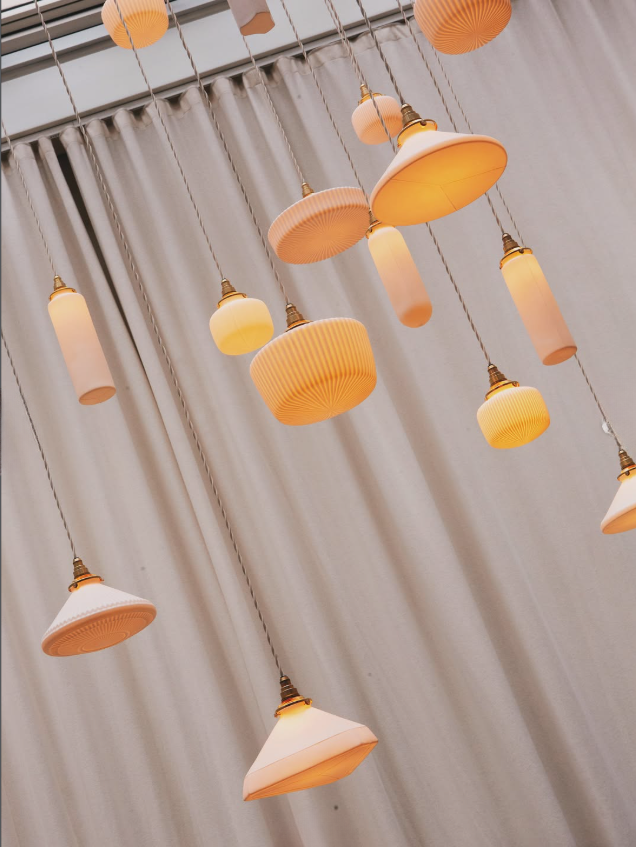
MUTINA and Ronan Bouroullec
Two languages, one room
Mutina’s debut at the fair, hosted by Note Design Studio, brought ceramic surfaces into conversation with Bouroullec’s vases and mirrors — a composition of geometric rhythm, material presence, and the particular silence that exists between well-made things. The result was immersive without being overwhelming, which is harder to achieve than it sounds.
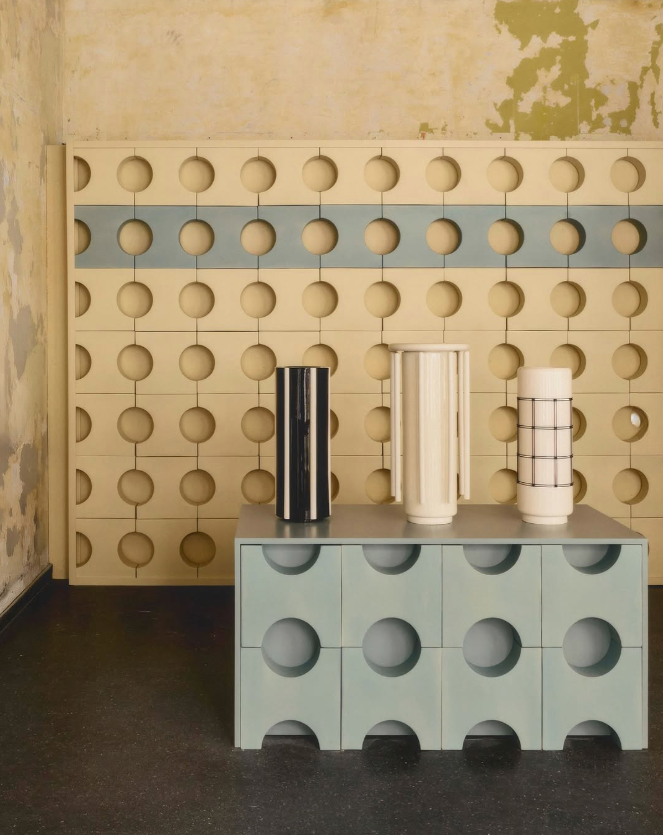
KELLY WEARSTLER × Serax
A bird, mid-landing
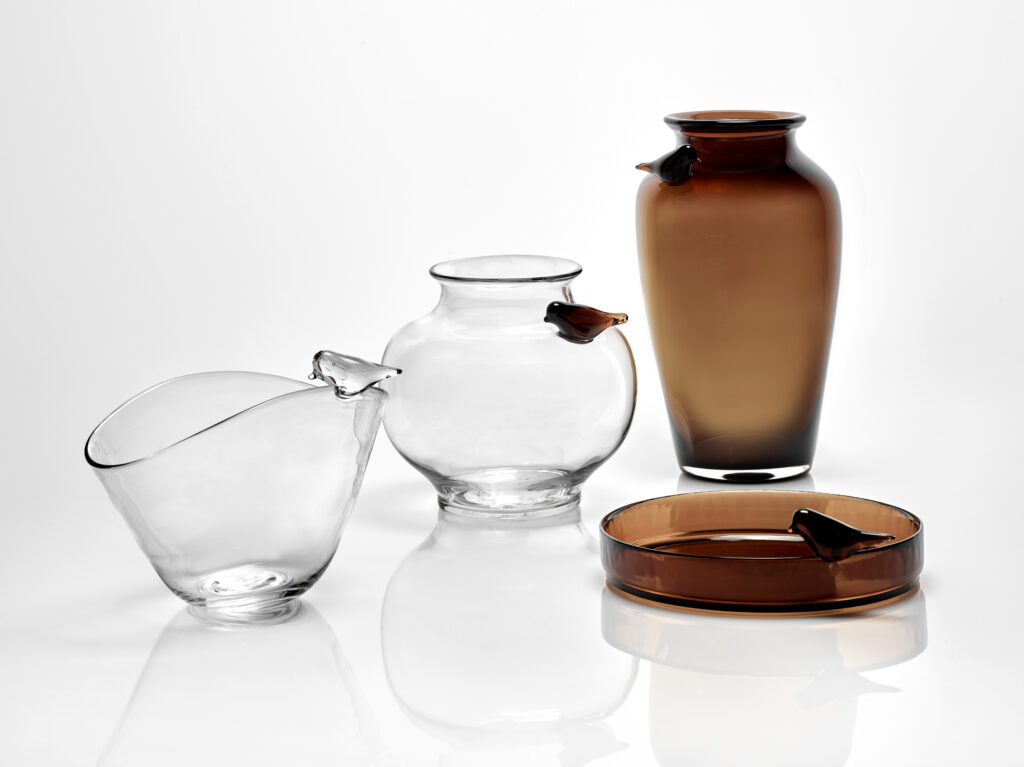
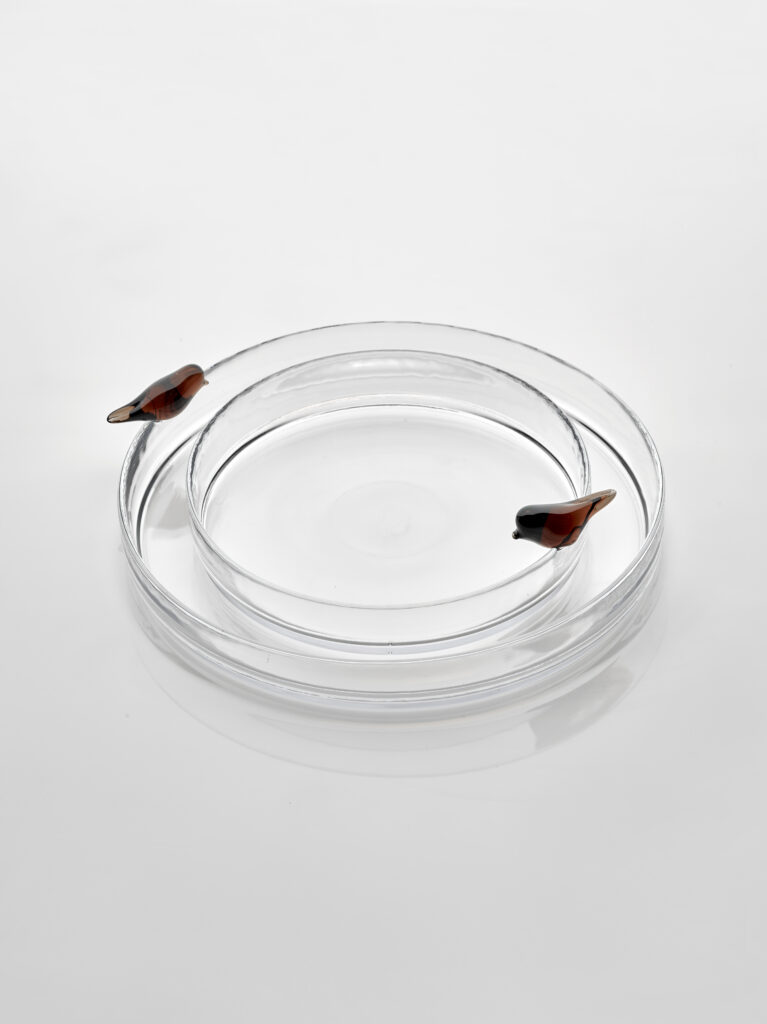
Her 3 Days of Design debut, and it arrived with the confidence of someone who knows exactly what she is doing. Perch — five sculptural glass vessels born from a bird’s nest found in her own backyard — translated suspended motion into amber and clear glass that shifts with daylight throughout the day. There is something almost unbearably precise about an object that captures the exact moment of arrival. Wearstler found it.
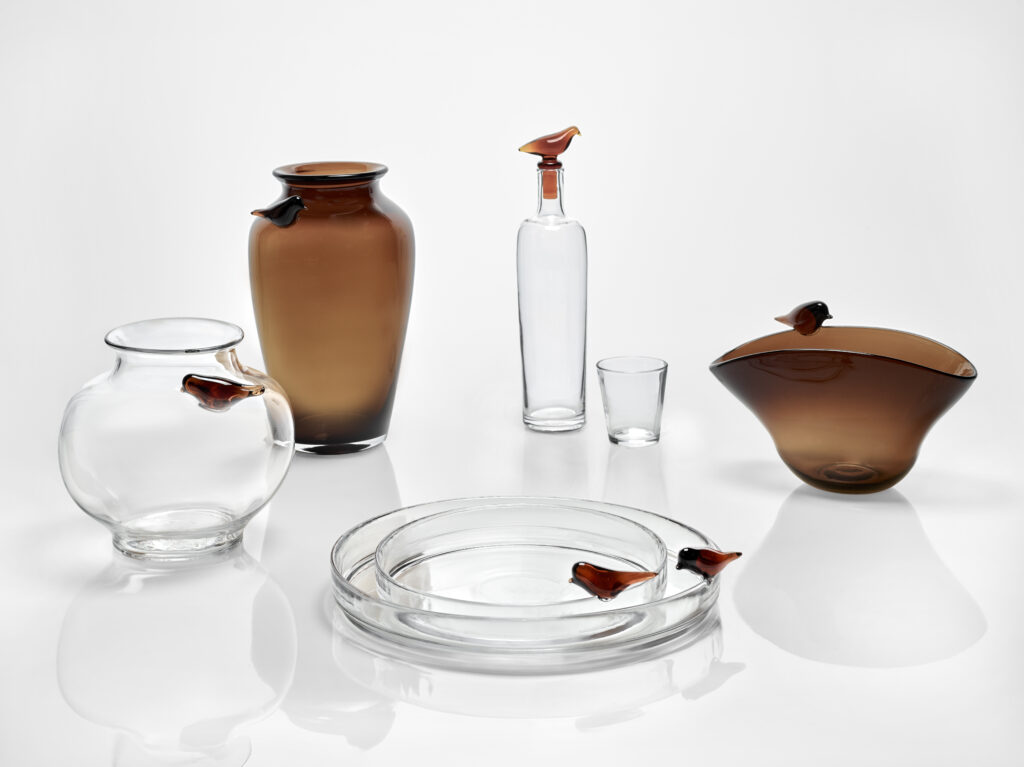

HEM
Restraint as intention
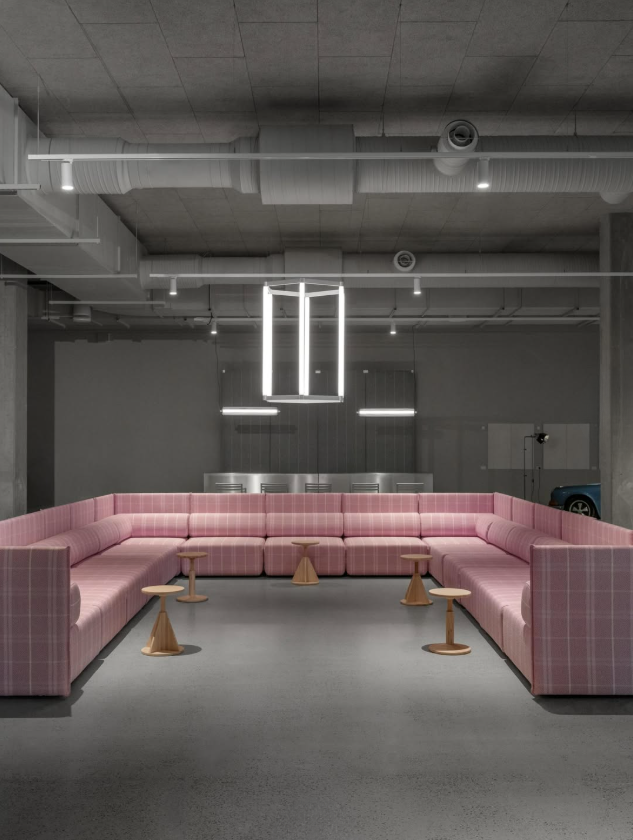
On Paper Island, Hem showed the Palo Block Sofa in Kvadrat textiles, curated by MBSY Lab and Studio Christina. Clean lines, considered weight, nothing extraneous. In a fair full of grand gestures, this was a reminder that restraint is not absence — it is a position. And sometimes the most radical thing a designer can do is stop.
DUSTYDECO
New pieces, old bones
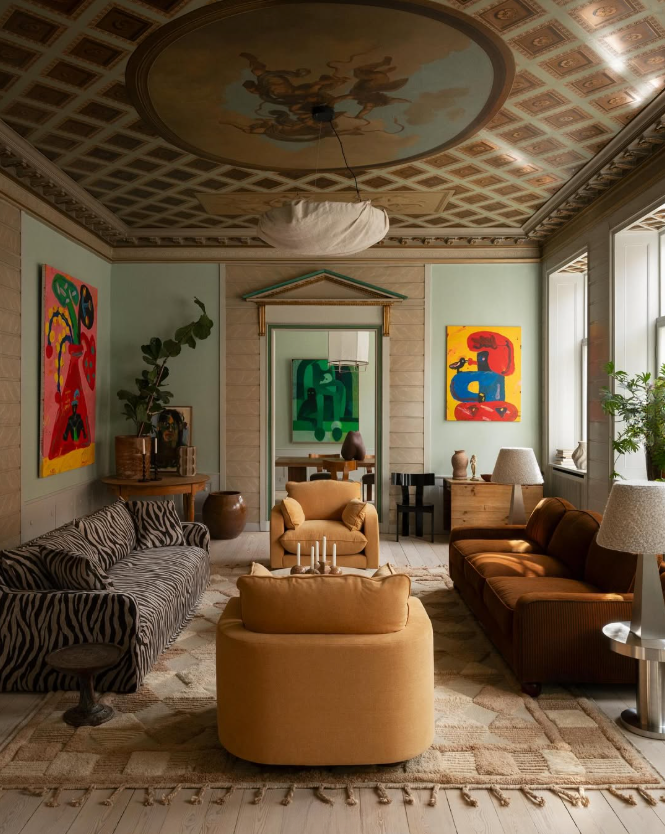
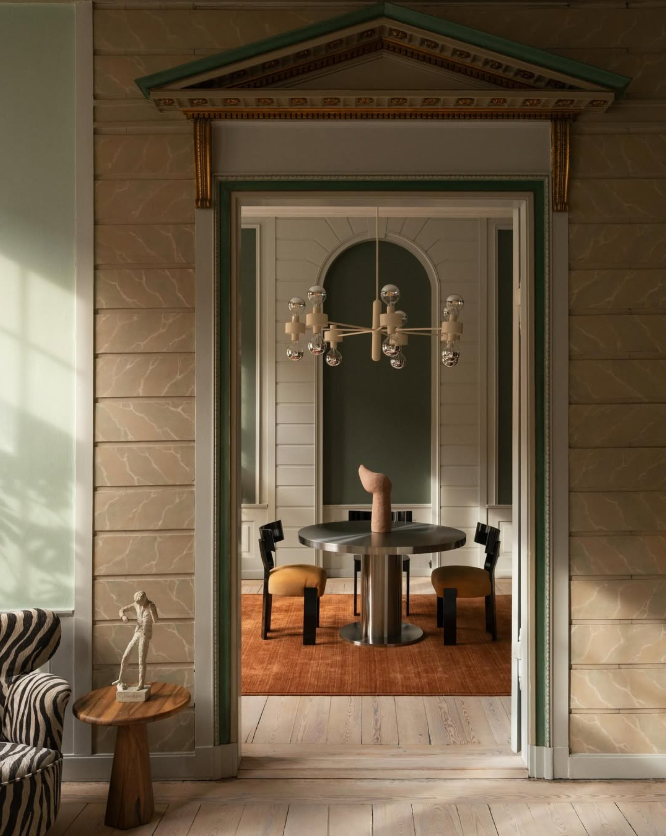
Two locations this year, including an apartment in Christianshavn set inside a 19th-century building whose architectural details do as much work as any object placed within them. Dusty Deco understands something important: that vintage and contemporary are not in opposition. They are in dialogue, and the best interiors are built from that conversation.
UKURANT
The future, before it becomes famous
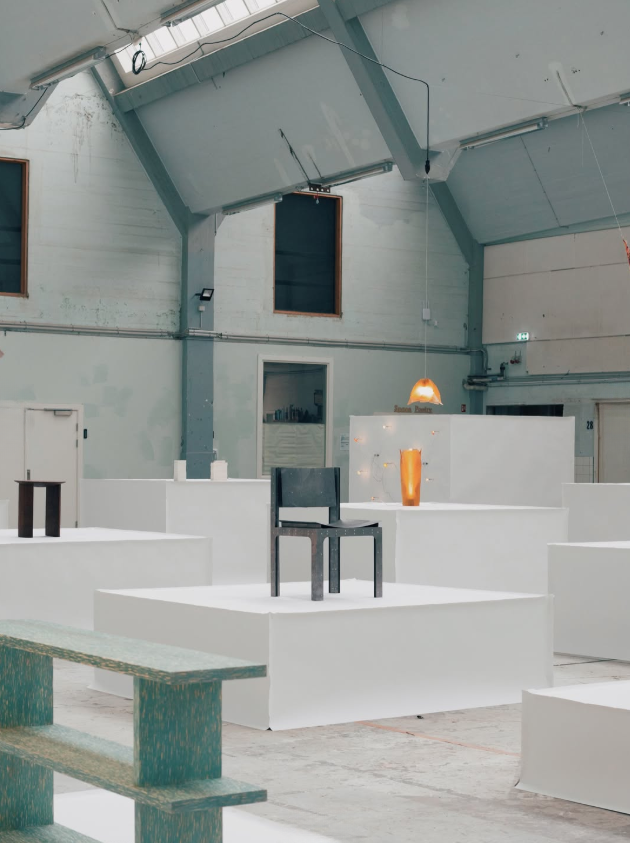
Twenty emerging designers from around the world, gathered in a former Copenhagen factory. Twenty distinct positions on what design can still be — rooted in inherited traditions, restless within them. Ukurant is where you go to see the conversation happening before it settles into consensus. That is, arguably, the most important room at any fair.
In the Arab world, we have always built with meaning: objects chosen not for display, but for the life lived around them. What struck us most about Copenhagen this year was not any single piece, but the collective insistence on the same idea: that design exists to serve the person who lives with it, not the other way around.
It is reassuring to find, in a city so far from home, that the things we have always believed about design, that it must serve, endure, and mean something, are the things the world is gravitating toward too.