For Tristan Auer, design has never been about accumulating beautiful objects. Raised in the south of France, where light and landscape taught him to value authenticity over excess, he has spent more than two decades building interiors that read like a tailored garment, assembled piece by piece around the story of a place and the people who will live in it.
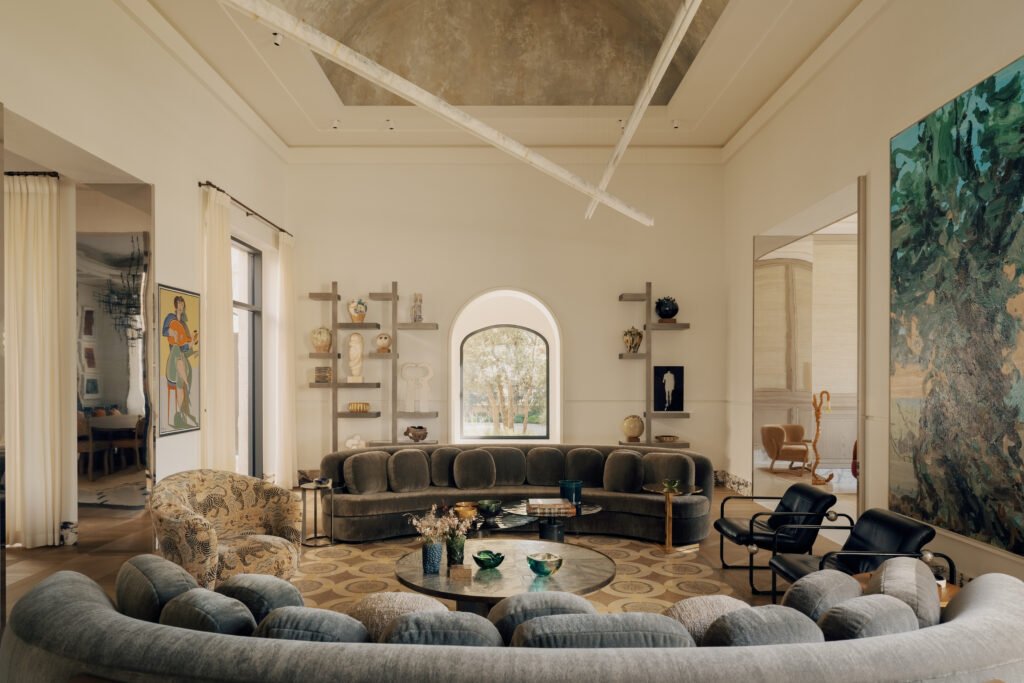
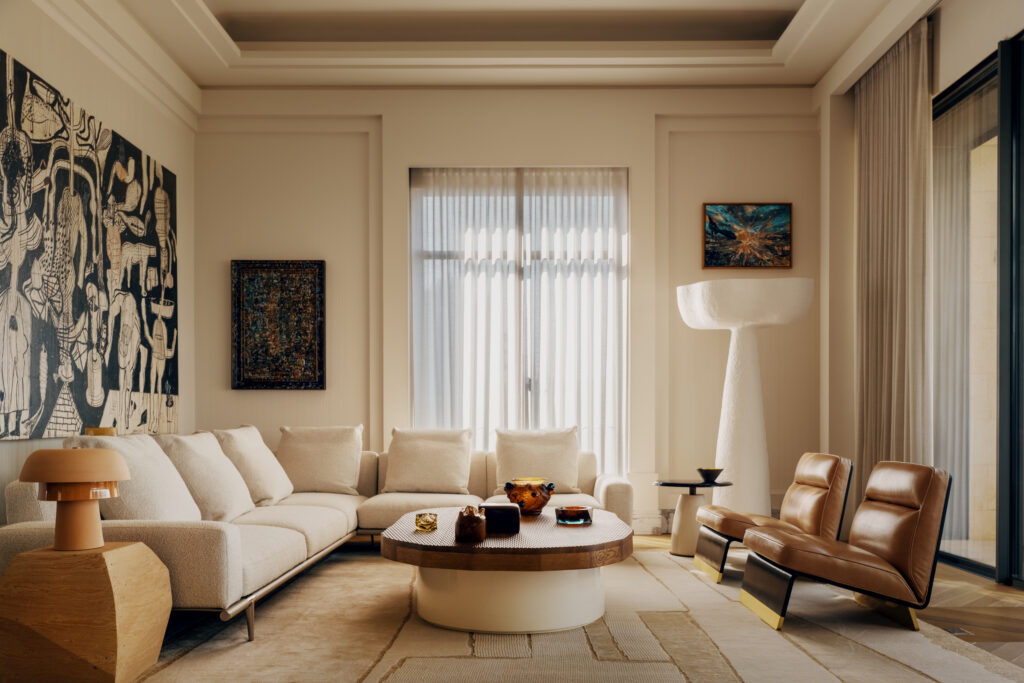
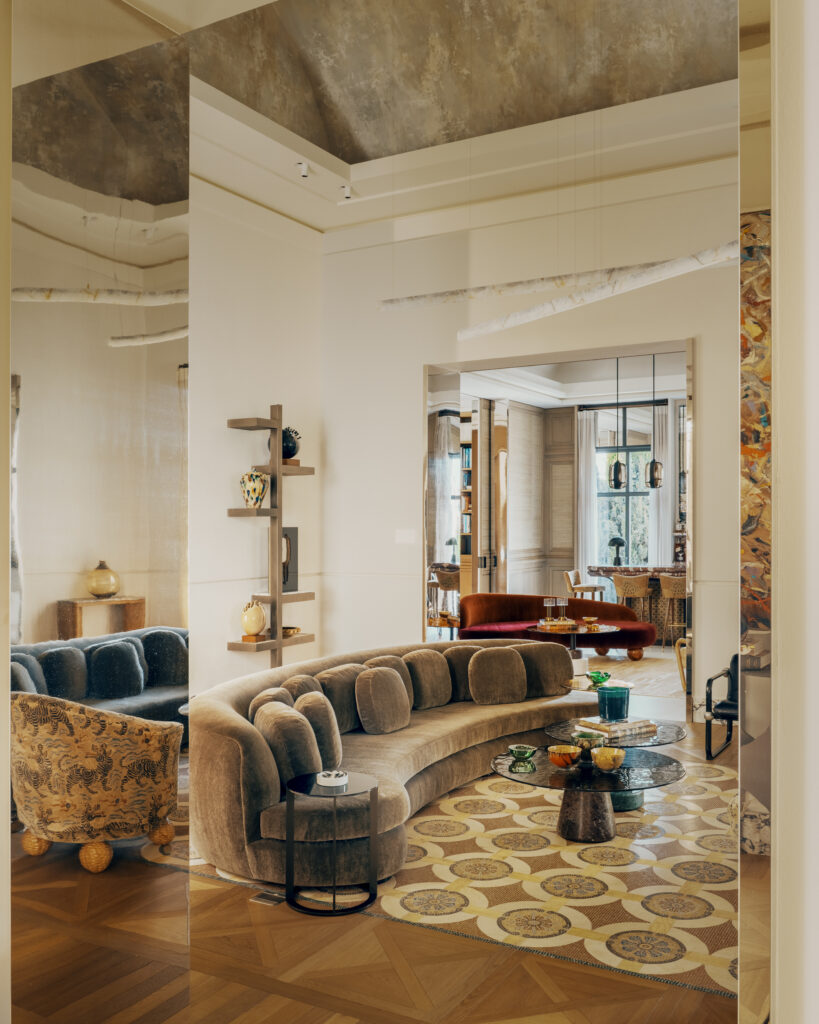
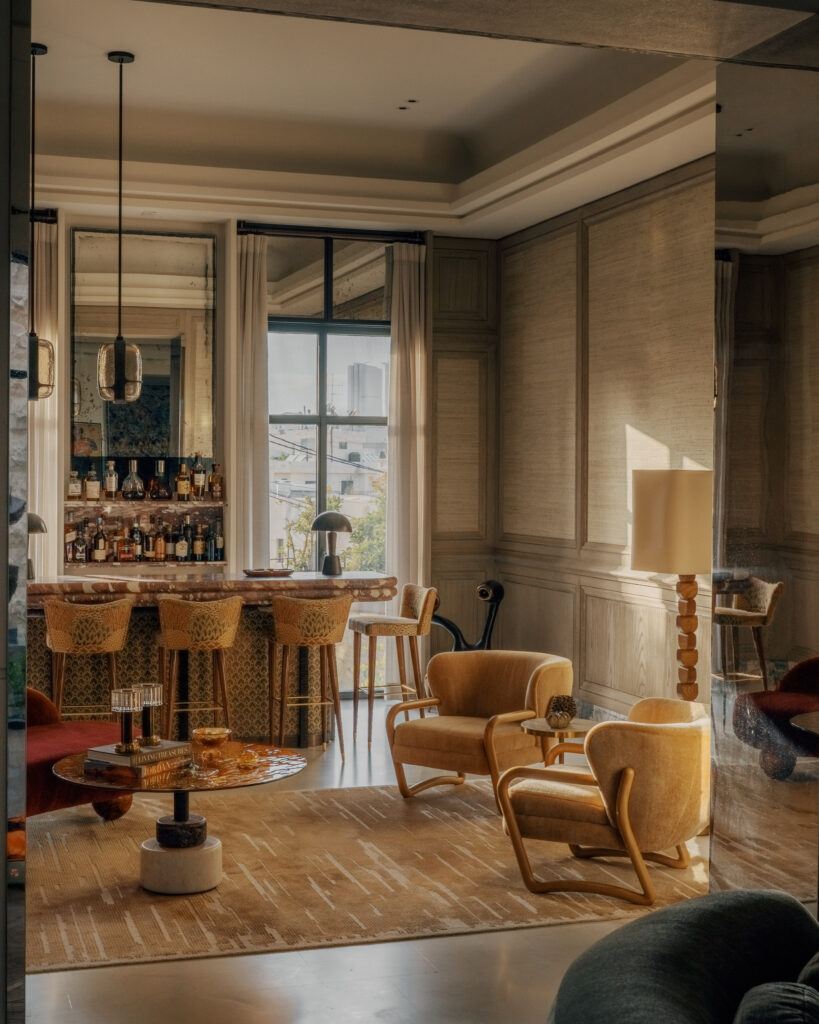
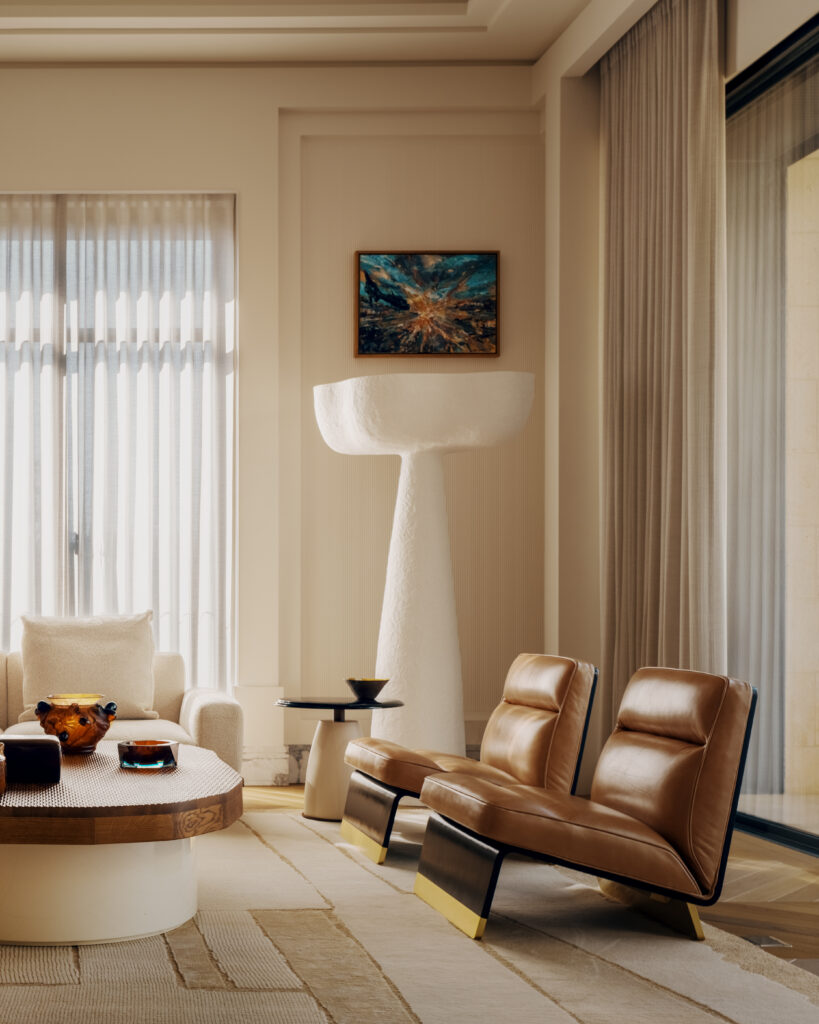
Having founded his studio in 2002, Auer has since worked across sixteen hospitality brands and five continents, from the Hôtel de Crillon in Paris to private homes, yachts, trains and cars. His latest chapter carries that same devotion to an entirely different scale: the first restoration of the Burj Al Arab, a landmark that sits at the centre of Dubai’s own imagination. That same devotion runs through Eden House Za’abeel, where Auer’s interiors, developed alongside DXB Lab, extend the pursuit of timeless, human-centred design into a residential setting inspired by the site’s native Ghaf groves.
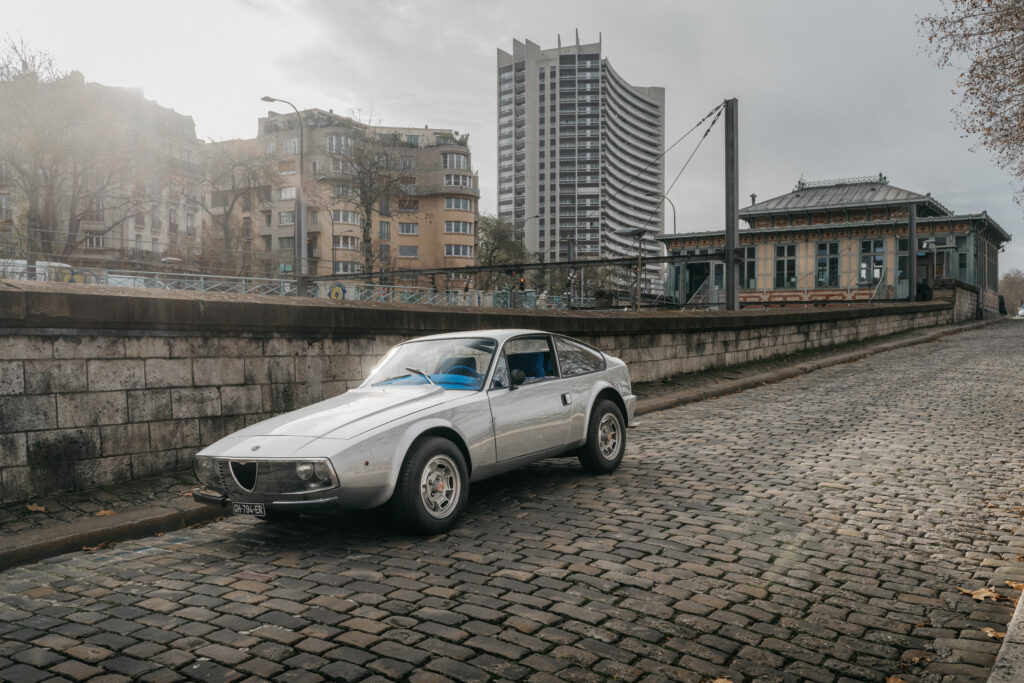
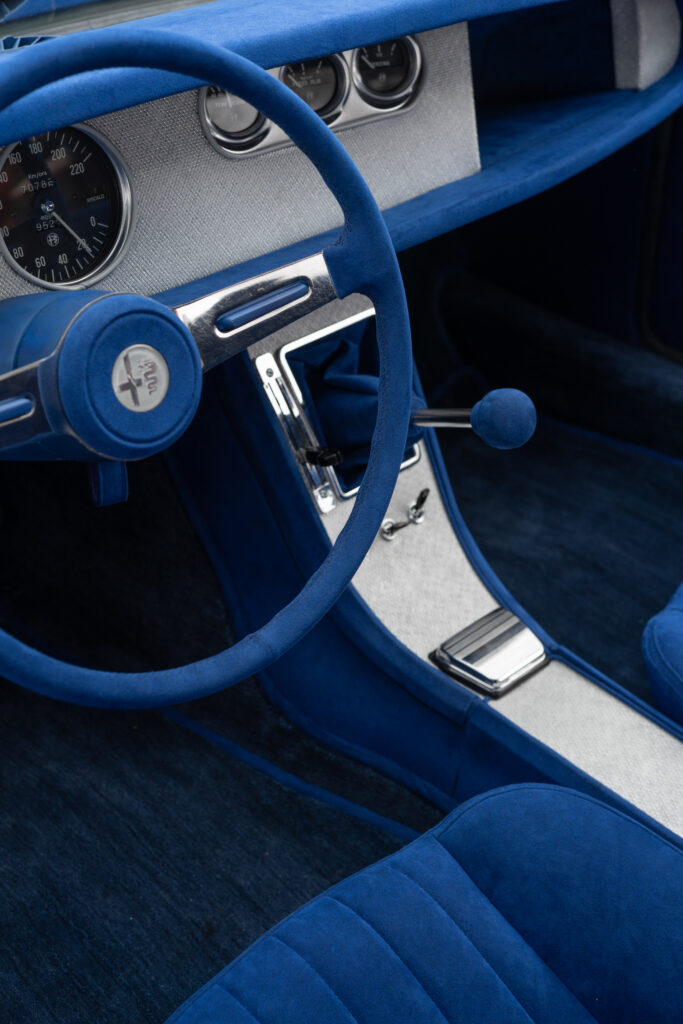
In this edition of In Conversation With, Tristan Auer reflects on the responsibility of touching an icon, the emotion he chases rather than a fixed aesthetic, and why the story an interior tells is never really his own.
You grew up in the south of France, surrounded by landscapes, colours and a certain Mediterranean way of living. Looking back, what are the earliest memories that shaped your understanding of beauty and space?
Growing up in the south of France gave me an instinctive relationship with light, landscape and simplicity. There’s a way of living there that values authenticity over excess, and it shaped how I think about beauty and luxury to this day.
Beauty is personal, but for me it was never about accumulating beautiful objects. It’s about quality, proportion, and how a space makes you feel. The places that stay with you are usually the ones that feel effortless, where light, architecture and nature seem to have arrived at the same idea without trying.
Few designers are invited to intervene in places that already occupy a unique place in the global imagination. What goes through your mind when approaching a landmark such as the Burj Al Arab?
Being entrusted with the very first restoration of a building in Dubai, the Burj Al Arab, a timeless icon of the region, is a profound privilege. To carry forward, with the utmost dedication, the legacy of such an extraordinary landmark is both an honor and a responsibility.
Throughout your career, you have collaborated with some of the most prestigious hospitality and residential brands in the world. Is there a project that marked a turning point in your career and changed the way you think about design?
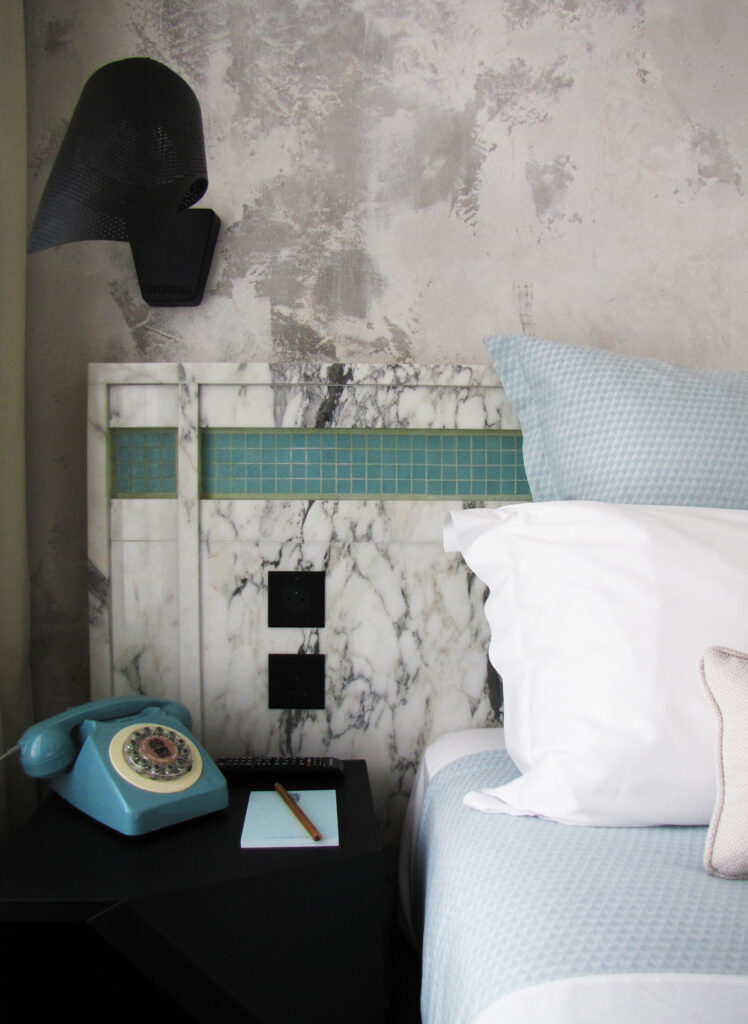
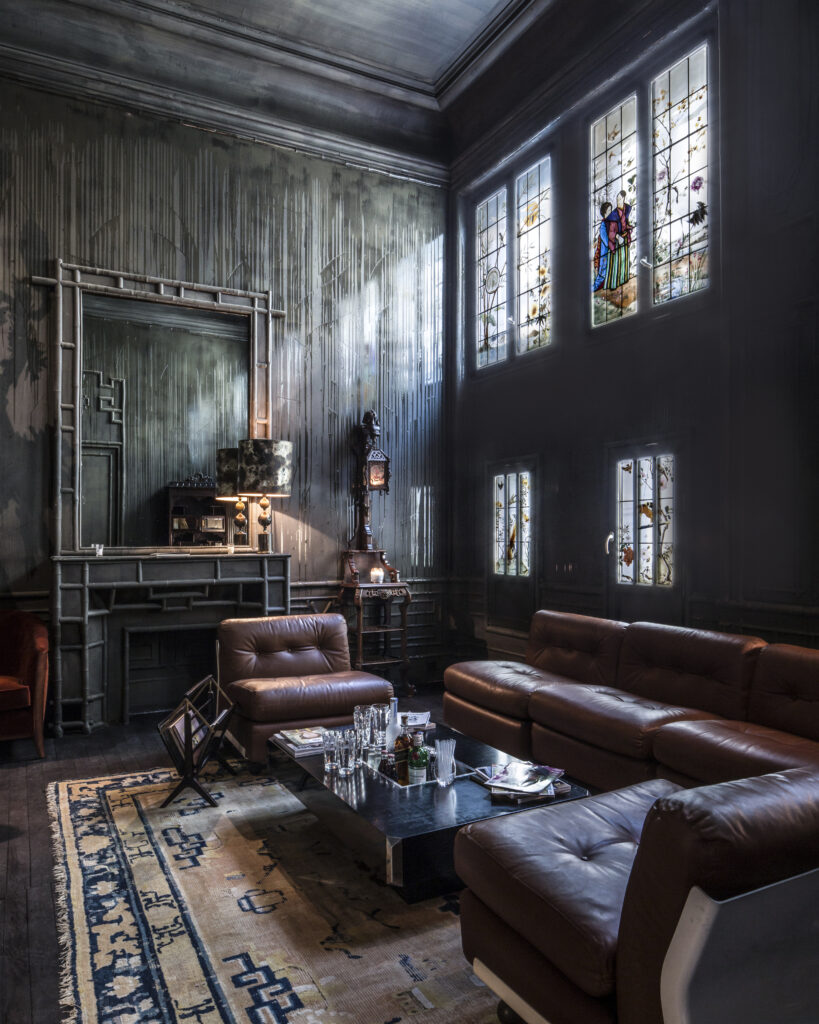
My career has been built through a succession of encounters, more than through any single defining moment. I founded my studio in 2002, but it was truly in the 2010s, with two significant projects, that it took on a new dimension. The renovation of Hôtel Les Bains allowed me to reinterpret the mythical spirit of the place through a contemporary language. Then came Hôtel de Crillon, whose transformed public spaces and restaurants brought my work to a wider audience, it is perhaps this project that first offered me recognition beyond the profession itself.
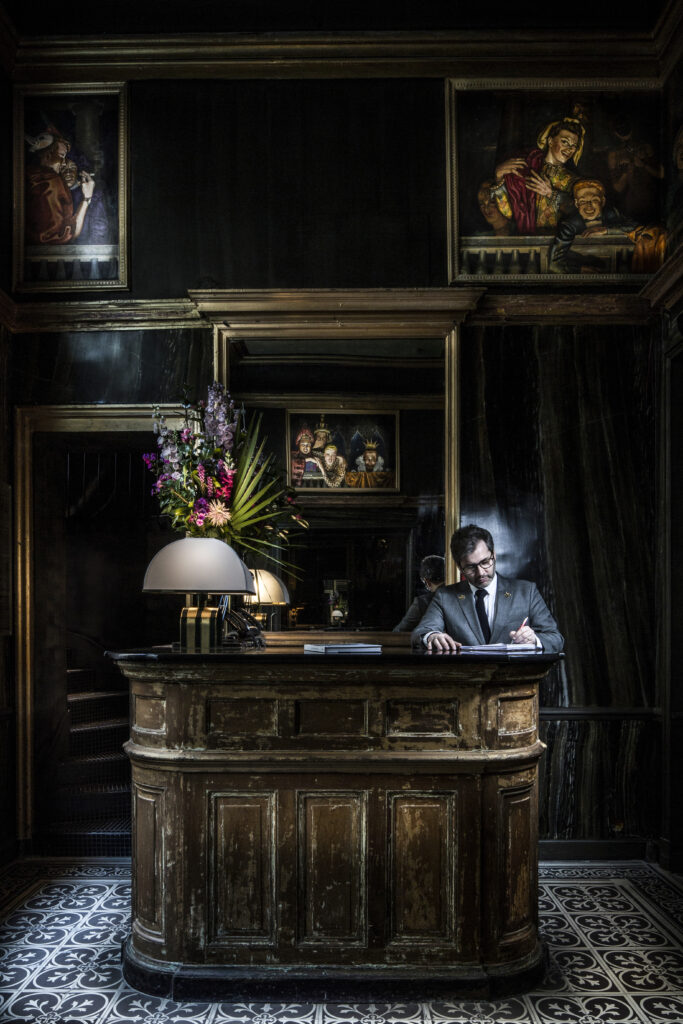
Since then, each collaboration has led to another. Over the course of my career, I have had the privilege of working with sixteen different hospitality brands, each bringing its own culture, identity, and way of thinking about luxury. Today, the Burj Al Arab marks a new chapter in its own right: carrying that same devotion to the scale of a global icon of hospitality. I now work across five continents, designing private homes as well as more unexpected territories, cars, trains, and yachts.
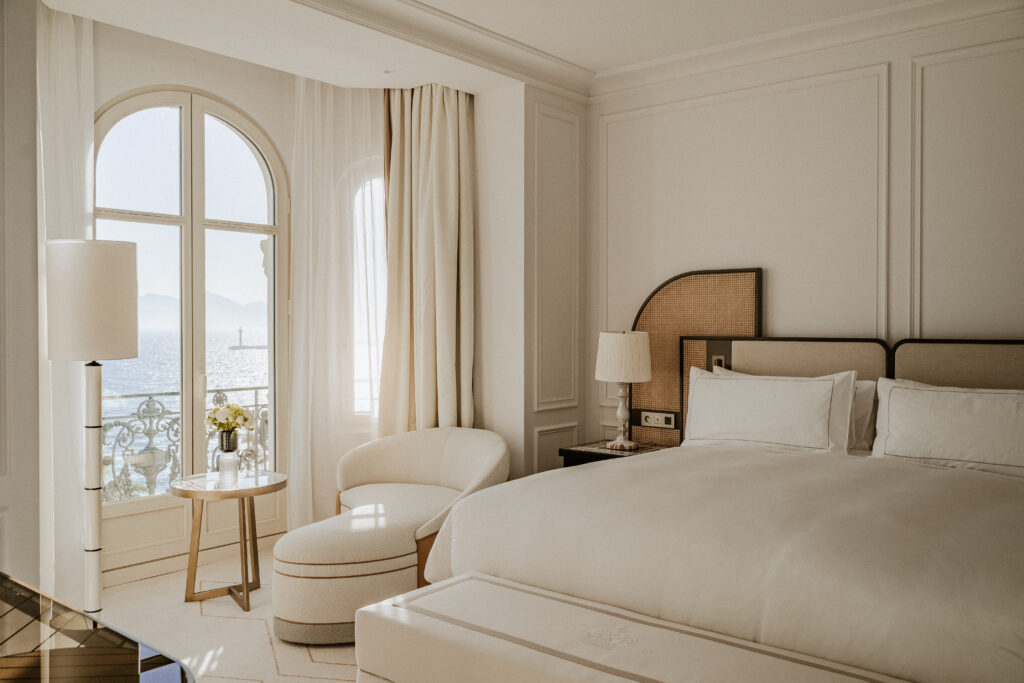
Your interiors are often described as elegant and restrained, yet deeply emotional. How would you define your design language in your own words?
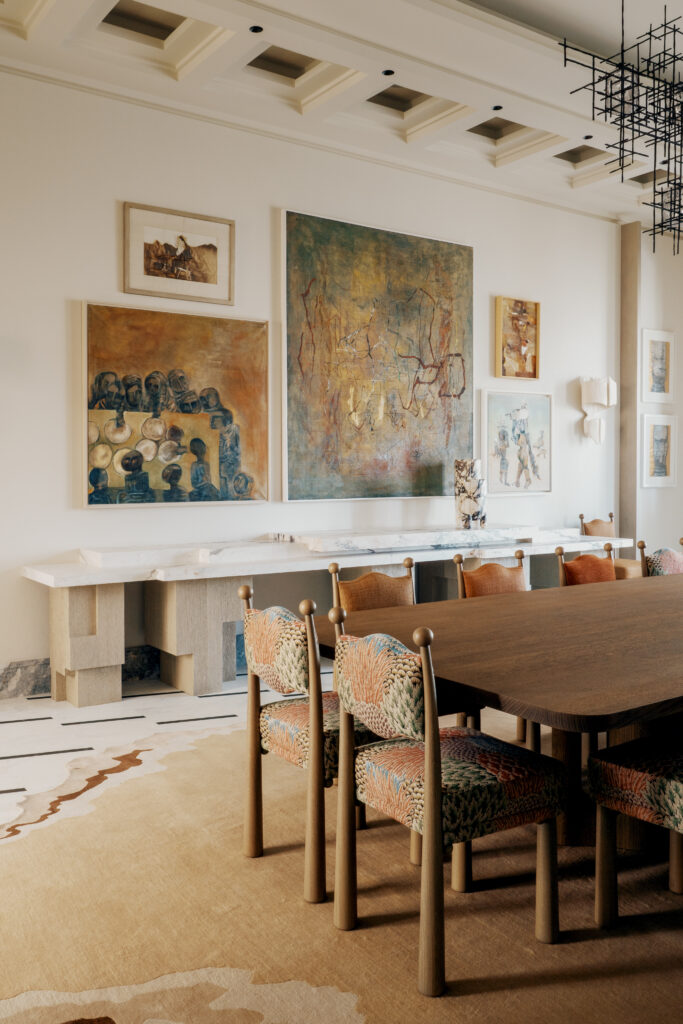
What makes a project unmistakably mine is perhaps consistency of approach rather than a recognisable aesthetic. I work sur mesure, like a tailor, assembling references, pieces and details that together embody a space and the personality of whoever inhabits it.
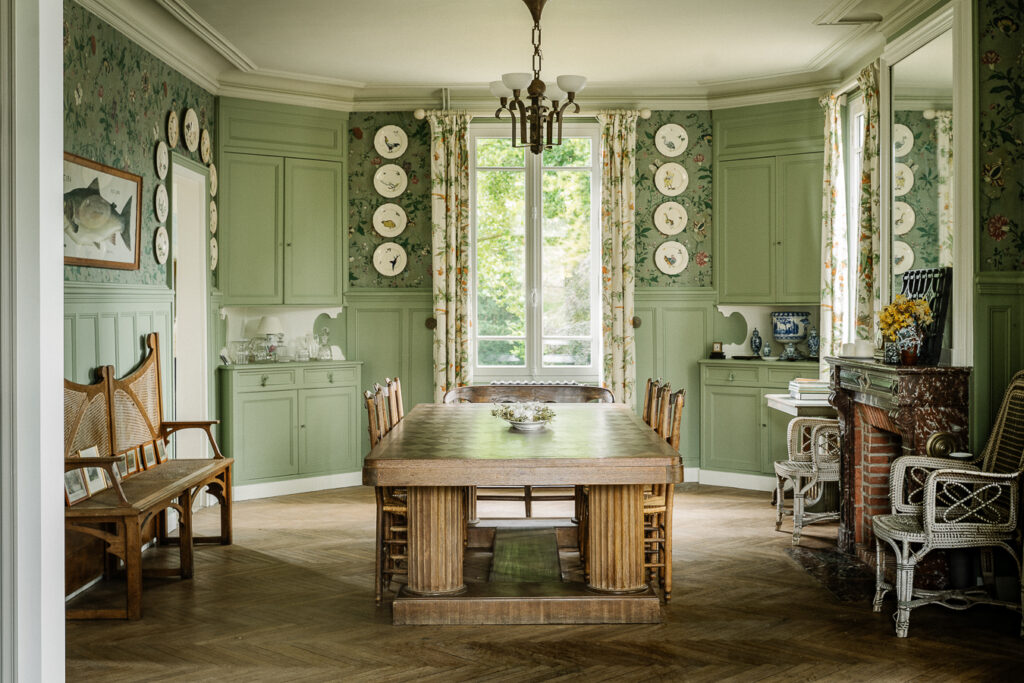
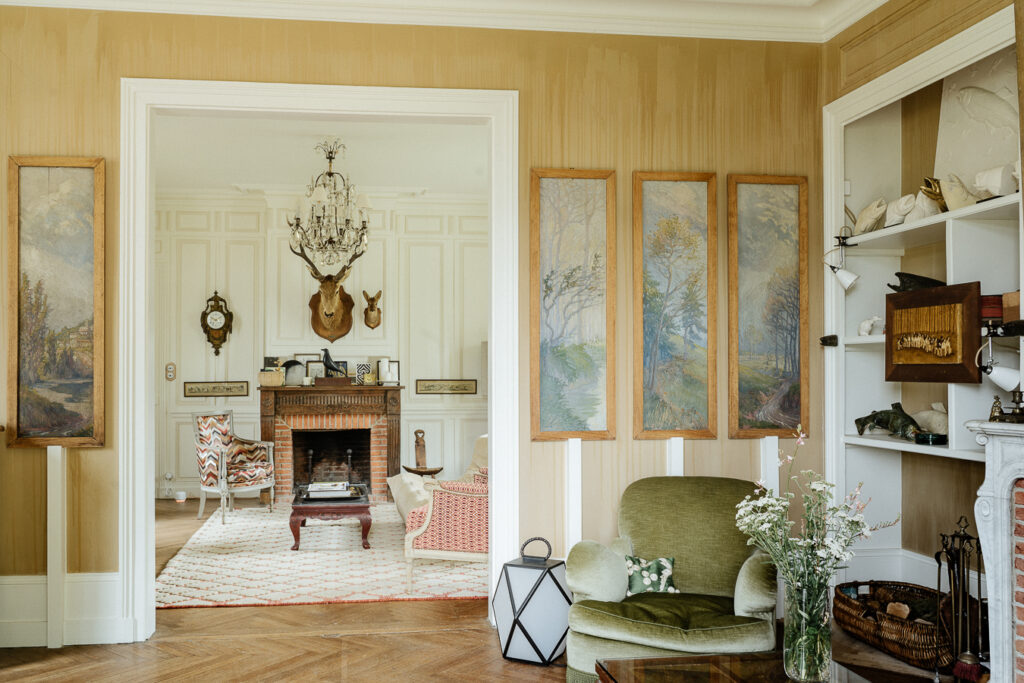
My philosophy stays the same: a subtle balance between eras and styles, mixing classical references with contemporary design, sometimes in harmony, sometimes in deliberate dissonance. I never erase history; I let it evolve.
That thread runs through everything, whether I’m designing a private home, a palace or a car. The project changes, the culture changes, the client changes, but the way I read a place and its story never does.
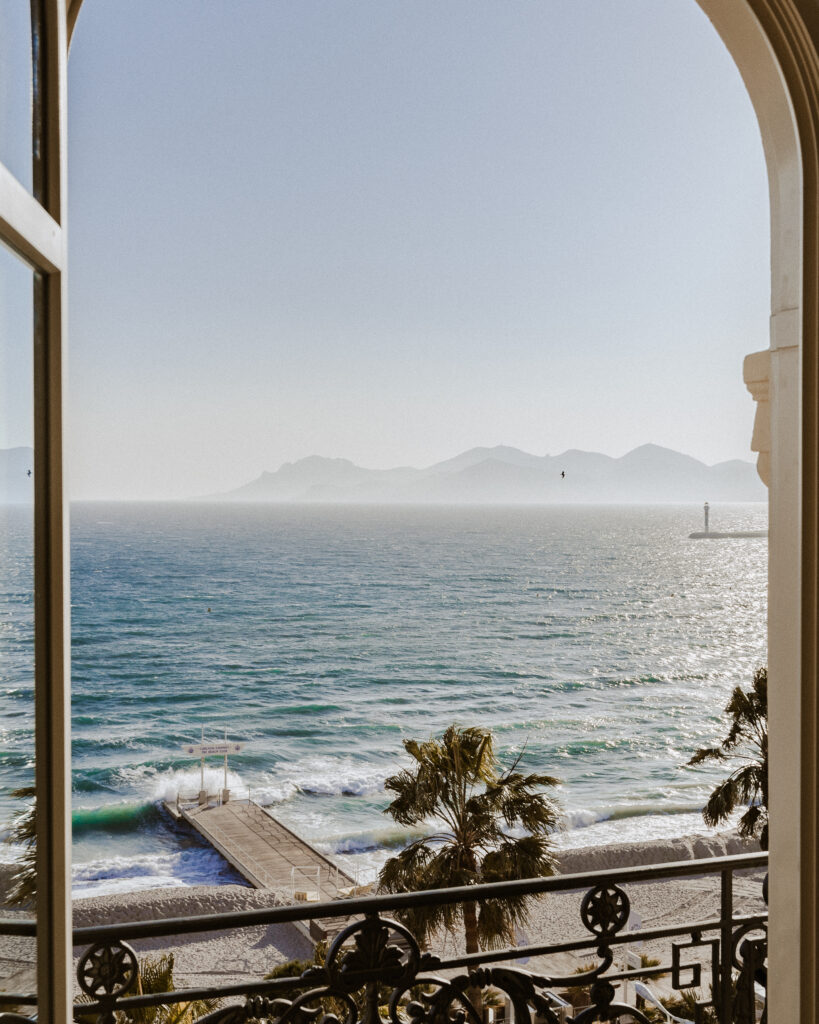
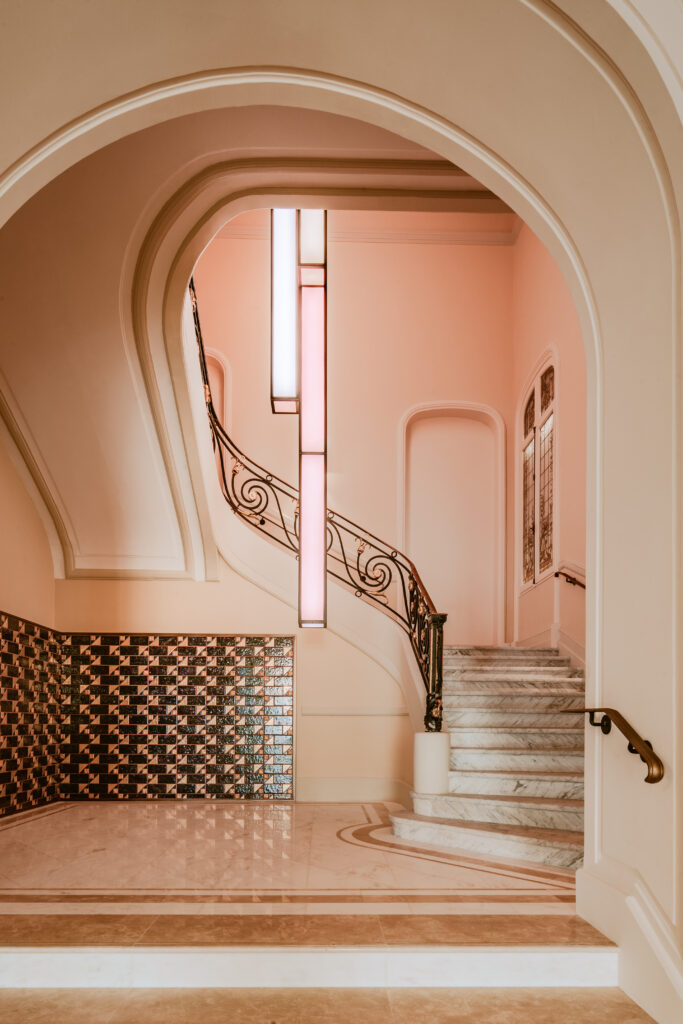
You’ve built a body of work across some of the most demanding luxury markets in the world, Paris, Cannes, and now the UAE. How does place shape your process, and what feels different designing here compared to Europe?
The starting point is always listening, to the place, its history, and the people who will inhabit it. I never begin with an aesthetic agenda to impose; what interests me is understanding a project’s unique spirit and letting that guide every decision.
Today, I collaborate with sixteen hospitality brands across five continents, so my work naturally demands a global perspective, but one that only has value if it stays deeply responsive to each destination. Europe and the UAE are both demanding markets, for very different reasons. Europe often carries layers of historical and architectural heritage that invite dialogue with the past. Here, there is an extraordinary energy, ambition and openness to innovation, a different pace, different cultural references, and a genuine appetite for creating new standards rather than preserving existing ones.
For me, the local and the global are never in conflict. Approached with curiosity and respect, they become deeply complementary. The challenge, and the privilege, is to create places that feel internationally relevant while remaining impossible to imagine anywhere else.
The Middle East is experiencing an unprecedented design and cultural transformation. What opportunities do you see emerging here that perhaps do not exist elsewhere?
In the Middle East, there is a remarkable confidence and ambition. Clients are often looking for spaces that create genuine emotional impact, embrace innovation and celebrate hospitality in a more expressive way. There is also a greater openness to scale, and to pushing creative boundaries.
For designers, this is an incredibly stimulating environment, it encourages us to think beyond aesthetics and to imagine experiences that feel authentic, emotionally resonant and truly distinctive.
Some of the most memorable interiors are rooted in storytelling. Is there a personal story, memory or emotion that continues to find its way into your projects, consciously or unconsciously?
I don’t think I consciously recreate a personal memory in my projects. What comes back, project after project, is perhaps an emotion rather than a story.
I’ve always been fascinated by places that reveal themselves gradually, spaces that don’t tell you everything at first glance, but invite you to discover them over time. That’s probably why I think of interiors almost like cinema or literature: they need rhythm, contrast, moments of tension and moments of calm. A space should surprise you, comfort you, and stay with you long after you’ve left.
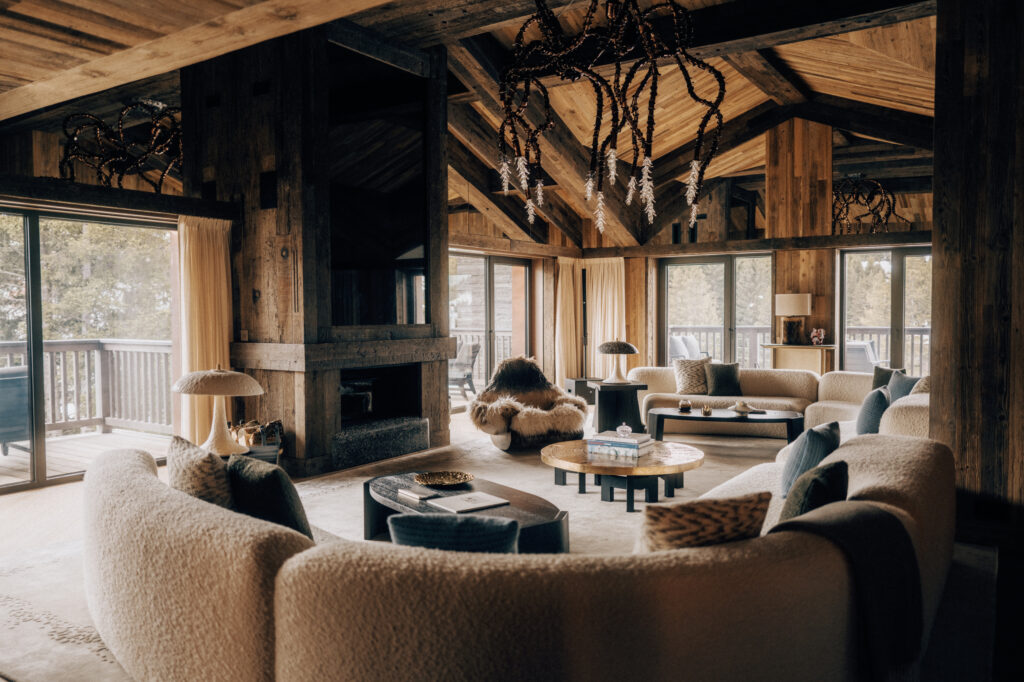
I’m also deeply attached to the tactile dimension of design, the way light touches stone, the warmth of leather, the patina of bronze, the softness of velvet. These sensory details create an emotional connection that goes far beyond aesthetics; they make a place feel lived in rather than simply designed.
Ultimately, the story I try to tell is never mine. It’s the story of the place, and of the people who will inhabit it. My role is simply to give that story a physical form, interiors that feel authentic, deeply personal, and capable of becoming part of someone else’s memories.
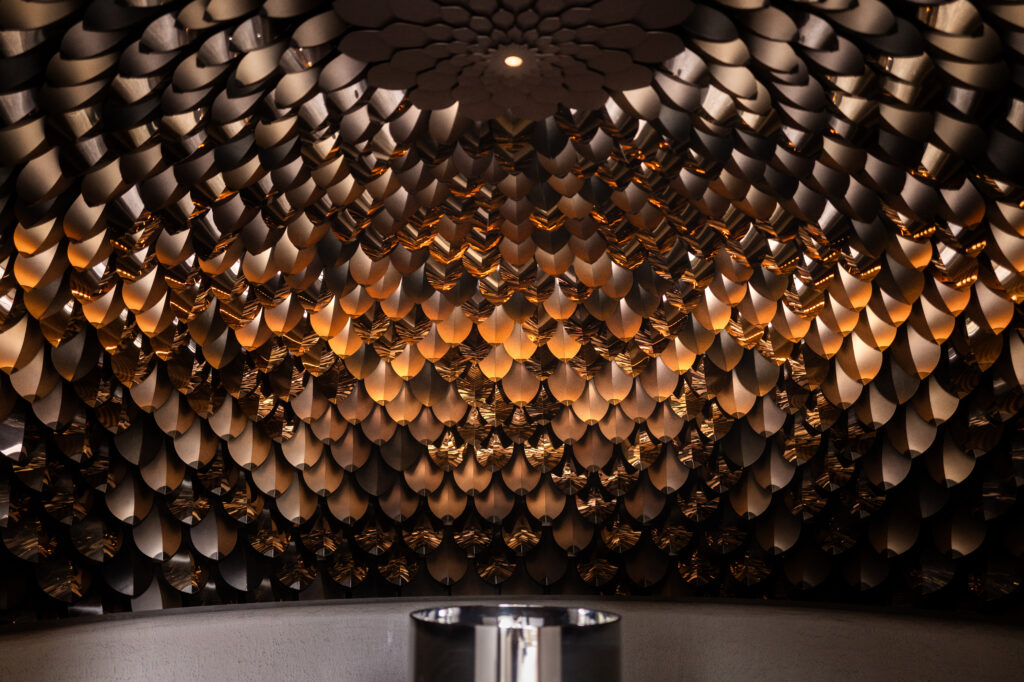
If you could preserve only one object from your entire body of work as a representation of your design philosophy, what would it be?
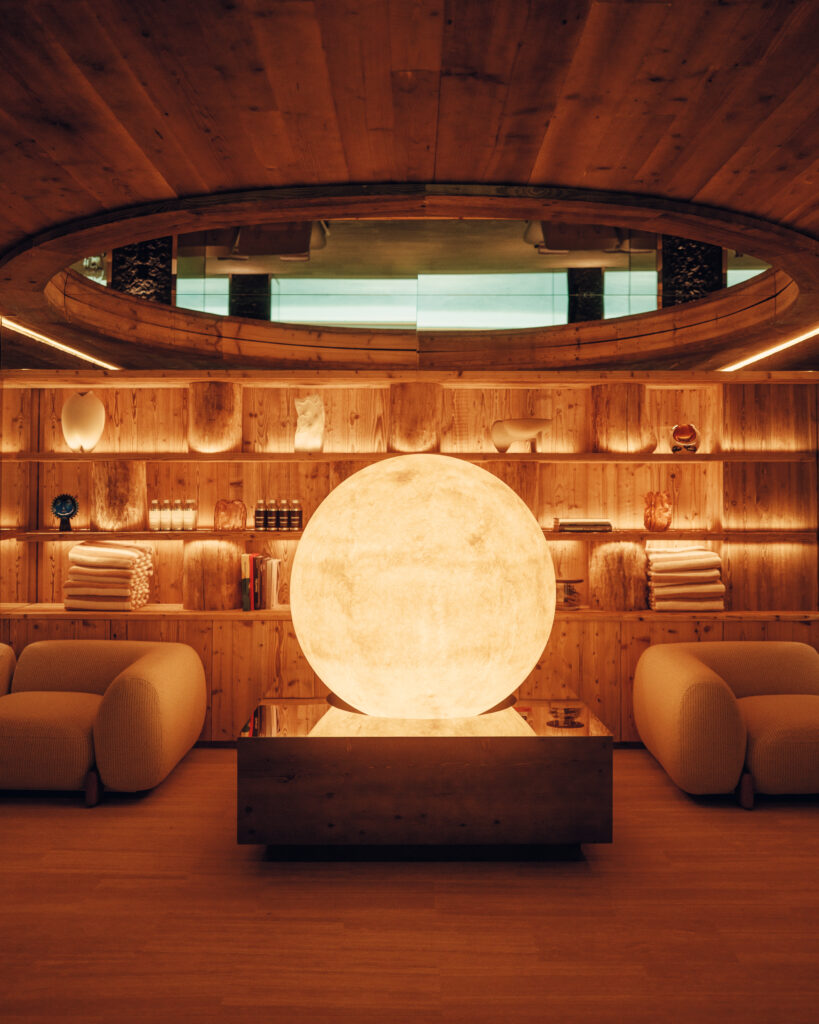
I’m not sure I could choose a single object, because I don’t really see design as a collection of finished pieces. What matters to me is the dialogue each object creates with the space around it, design shouldn’t exist to be admired in isolation. It should create relationships between people, materials, light and architecture. An object only becomes meaningful when it belongs to a larger story.
I’ve always believed design isn’t about creating beautiful objects for their own sake. It’s about creating settings for life. If one piece had to represent my philosophy, it would be one that quietly becomes part of how people remember a place.
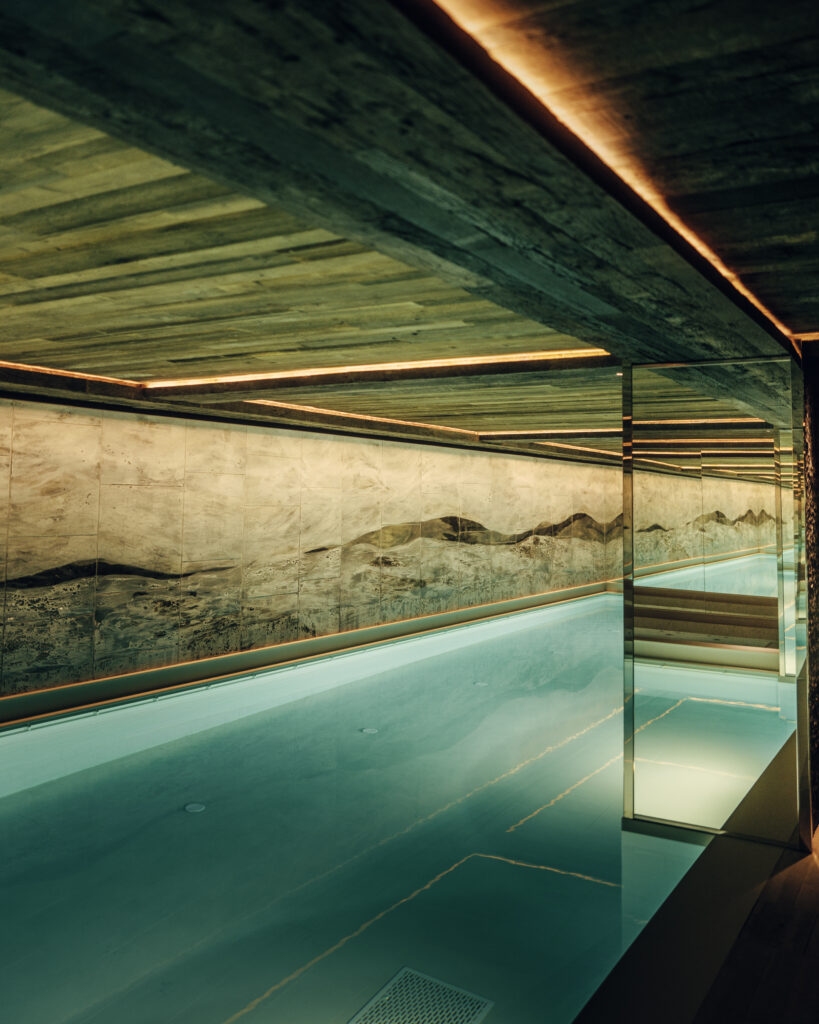
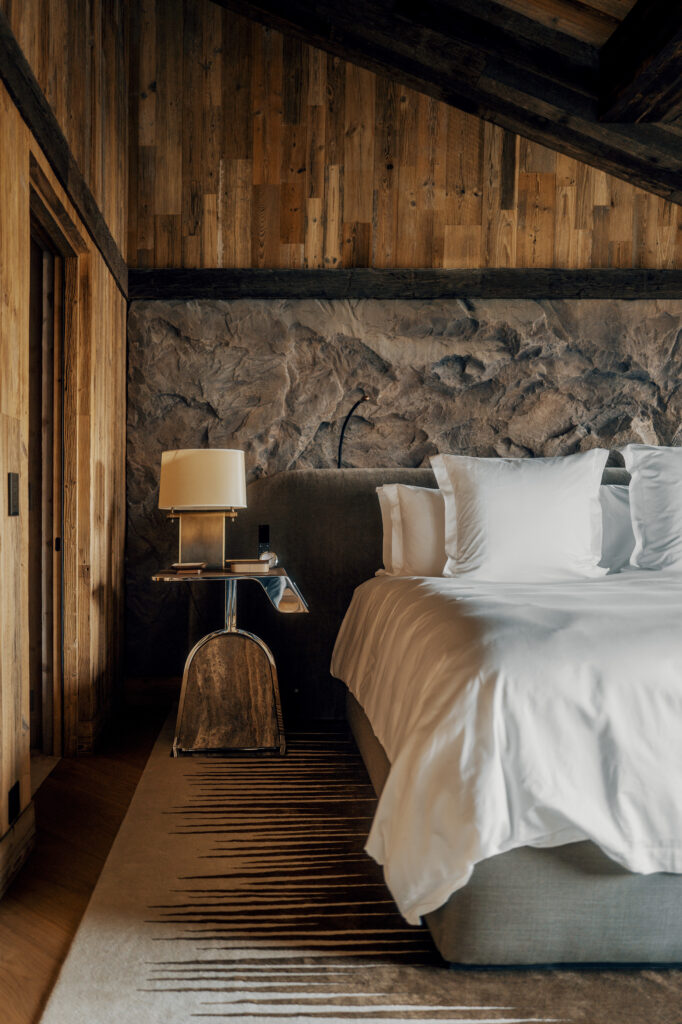
Travel seems deeply connected to your practice. Is there a destination that continues to inspire you every time you return?
Travel is at the heart of my practice. In many ways, I feel like I’m always between two journeys. It constantly exposes me to new cultures, different ways of living and unexpected sources of inspiration, every destination teaches me something, whether it’s a craft tradition, a way of using light, or simply a different relationship to space.
At the same time, travel also reminds me how important it is to have places that ground you. For me, that’s my home in Normandy, where I disconnect, slow down and reconnect with nature. The rhythm is entirely different, and that sense of calm is just as essential to the creative process as the excitement of discovering somewhere new.
And then there is Paris. It will always be home, a city where architecture, decorative arts and craftsmanship are part of everyday life. No matter how much I travel, I always return with fresh eyes. It continues to inspire me because it constantly balances history with reinvention, a dialogue I try to bring into my own work.
What are you still hoping to design that you haven’t designed yet?
I’m increasingly drawn to mobility. Working on car tailoring opened up a new perspective, designing experience in motion, at the most intimate scale possible. The natural next step would be a high-speed train: the same ambition, expressed at an entirely different magnitude.
I’m also working on my first monograph, to be published in the second half of 2027. Looking back at twenty-five years of work is a humbling exercise, the intention is for the reader to travel through the journey with me, so the book becomes an experience rather than a catalogue.
Before becoming one of the world’s most sought-after interior architects, what did you imagine you would be when you were a child? Was design always part of the picture?
To be honest, I never had a single dream profession in mind. What fascinated me was the idea of creating things people could live with, objects, spaces, atmospheres. I was curious about anything that combined beauty with purpose.
I’ve always been interested in how different creative disciplines speak to one another. Architecture, furniture, fashion, automotive design, to me, they all belong to the same conversation. The scale changes, but the intention is identical: creating something coherent, desirable and deeply human. Looking back, I realise that’s still what drives me today. Whether I’m designing a private residence, a palace hotel or the interior of a classic car, I’m exploring the same question: how can design create emotion? How can it improve the way we experience a place, or an object?
So no, I didn’t grow up thinking, “I want to be an interior architect.” But I think I always knew I wanted to build worlds that people would remember long after they had left them.
You have designed hotels, residences and restaurants. Which typology feels most personal to you today, and why?
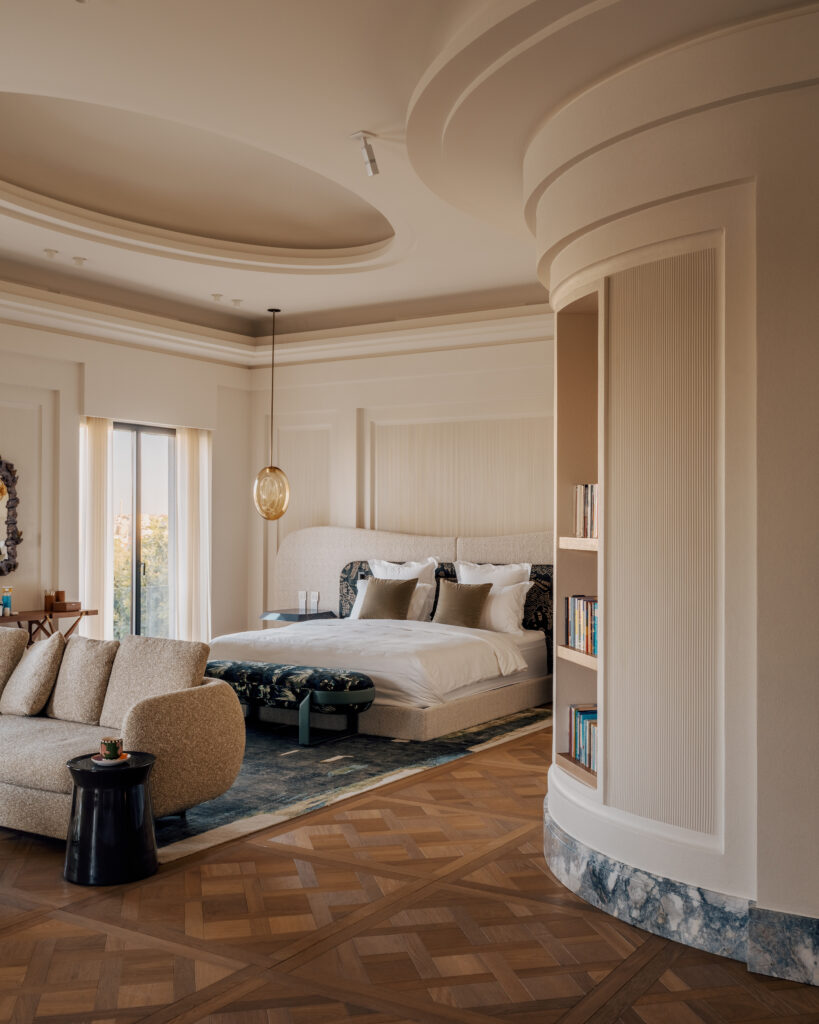
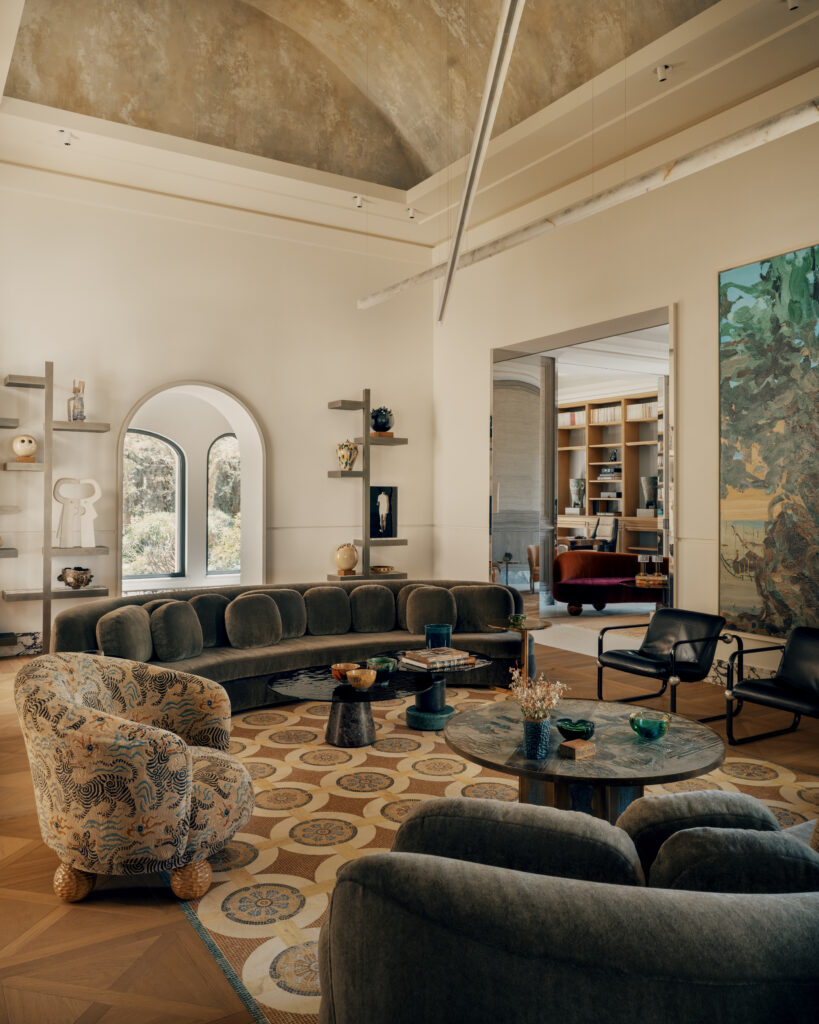
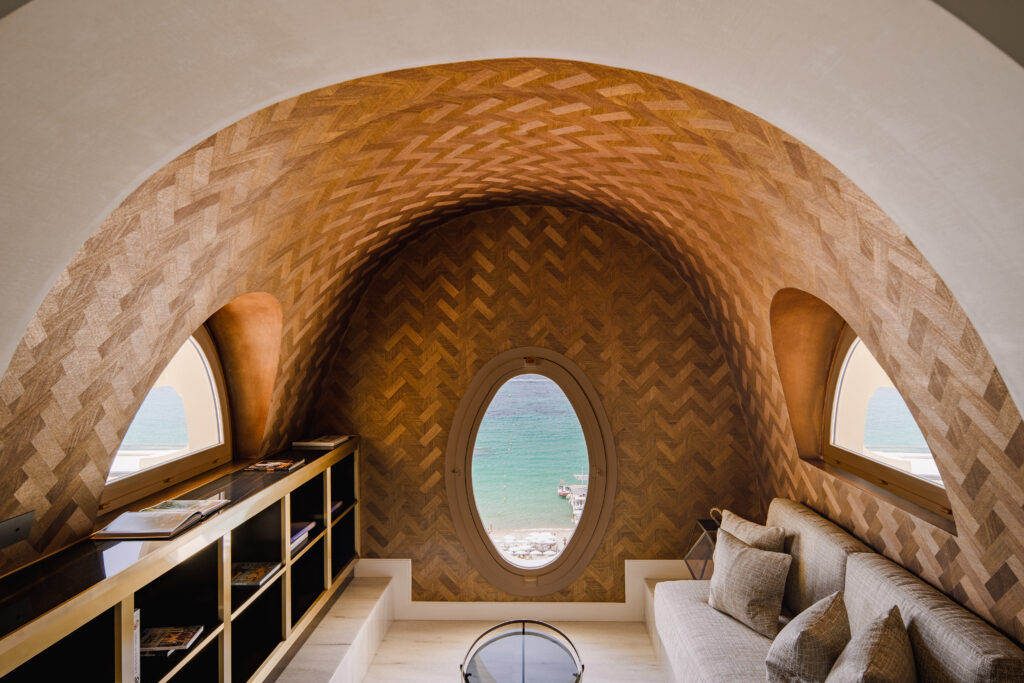
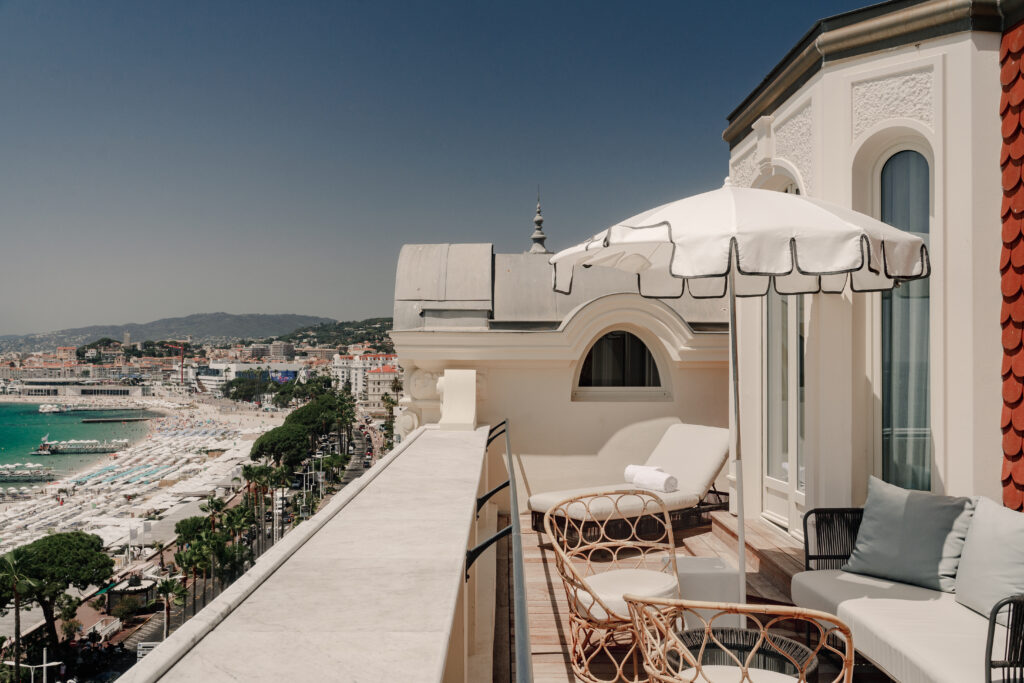
The boundaries between residential and hospitality design are becoming increasingly fluid. People no longer want a home that is simply functional; they want an environment offering comfort, service, wellbeing and a genuine sense of experience.
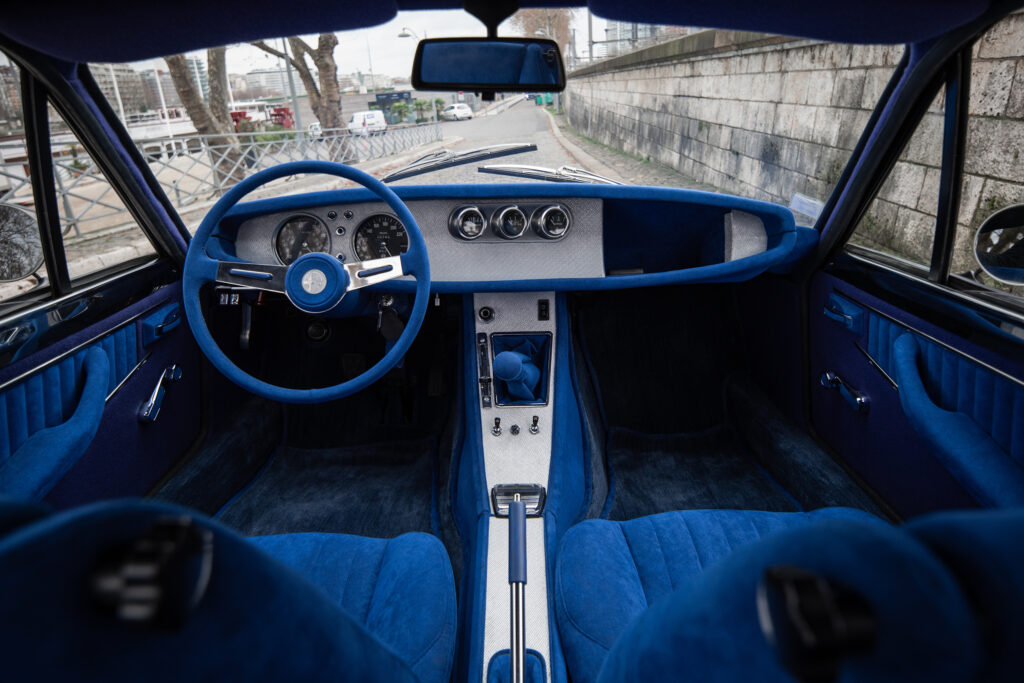
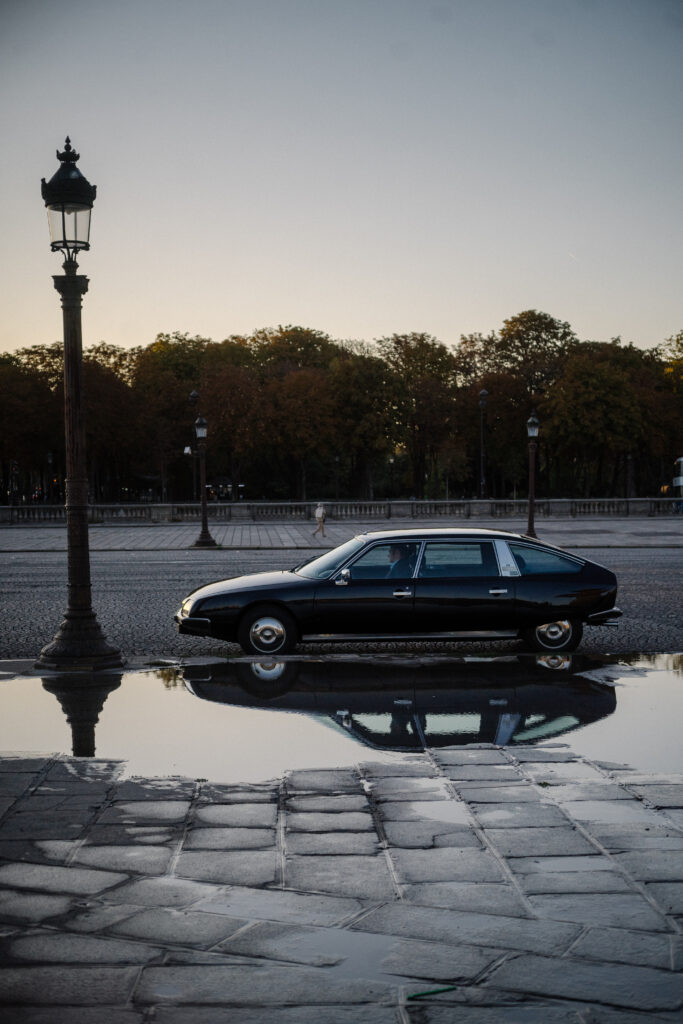
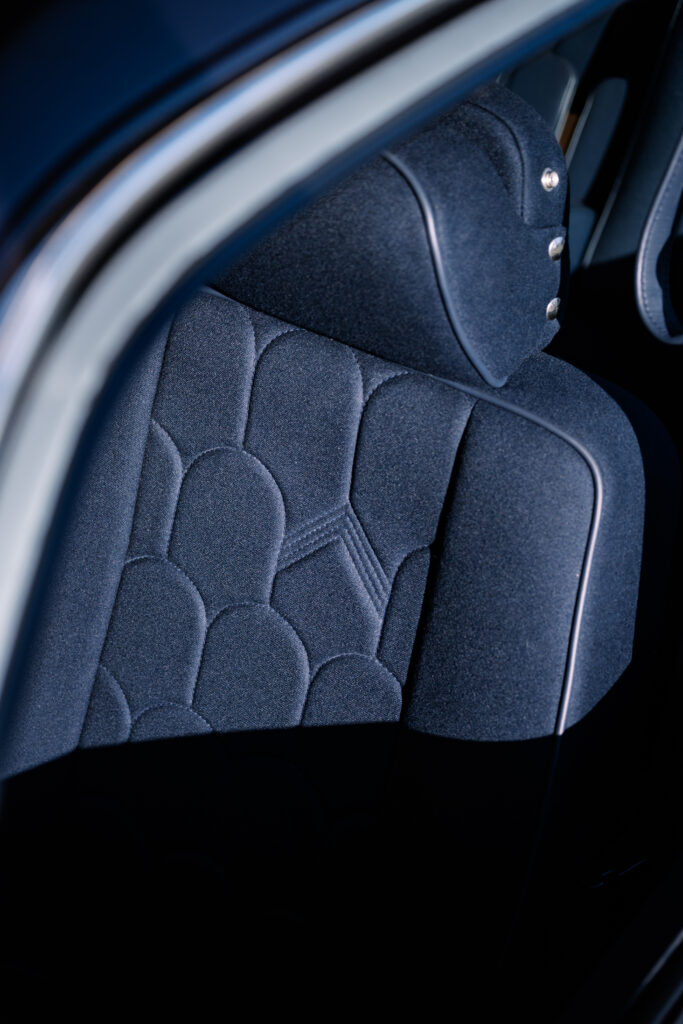
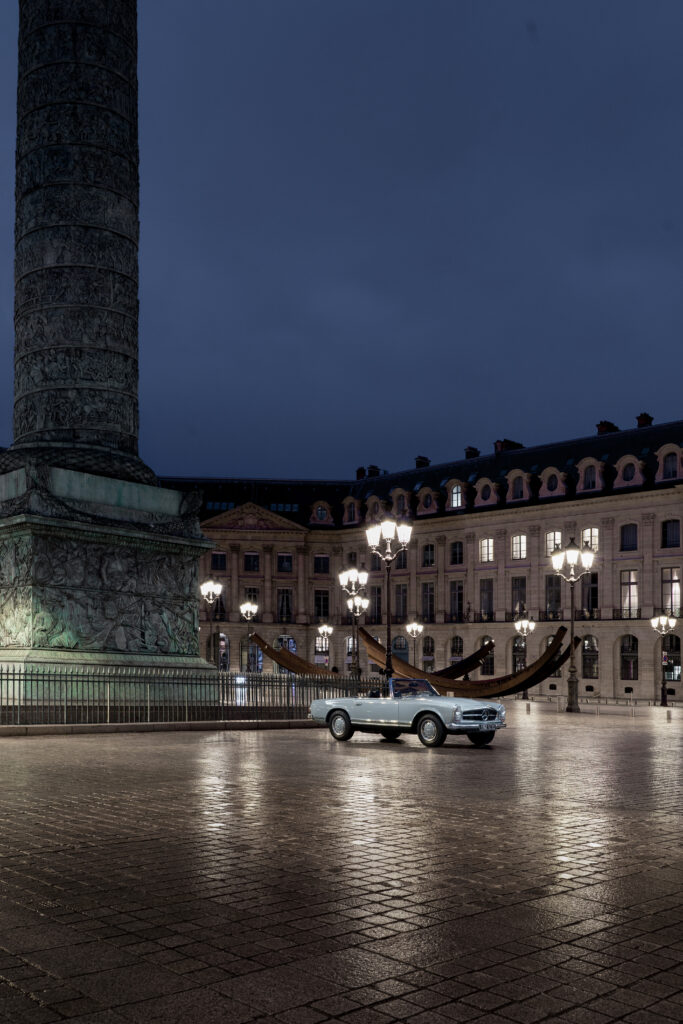
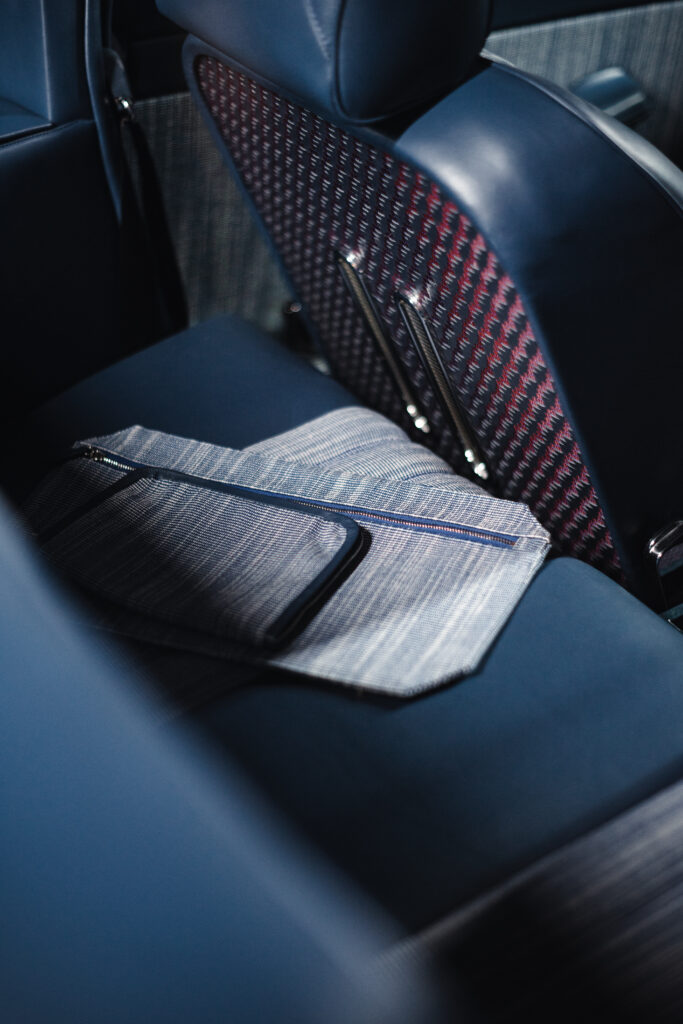
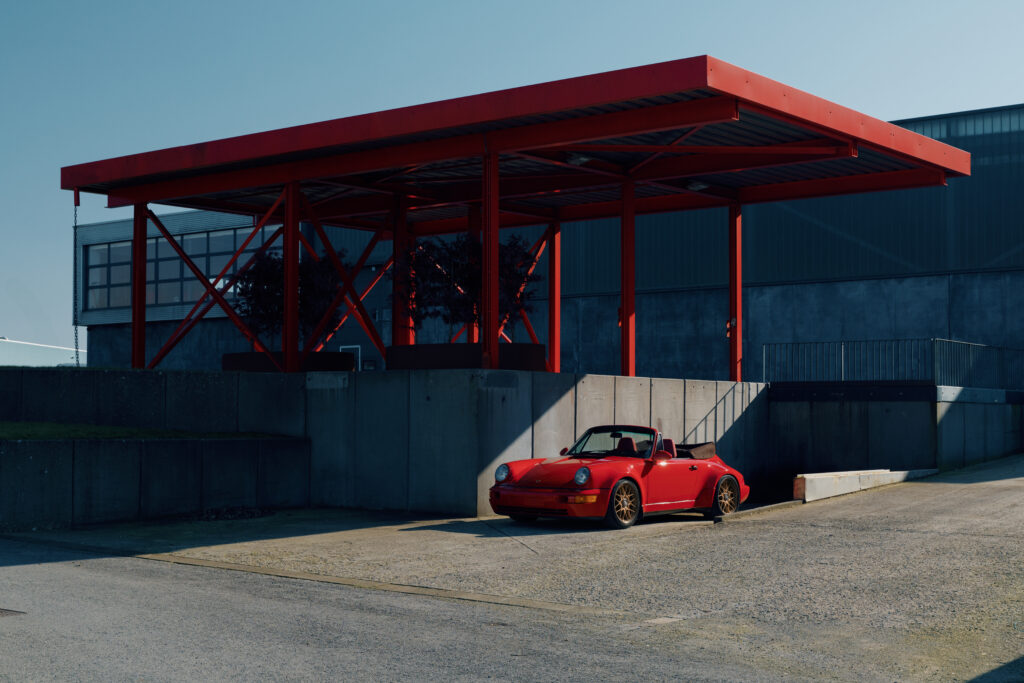
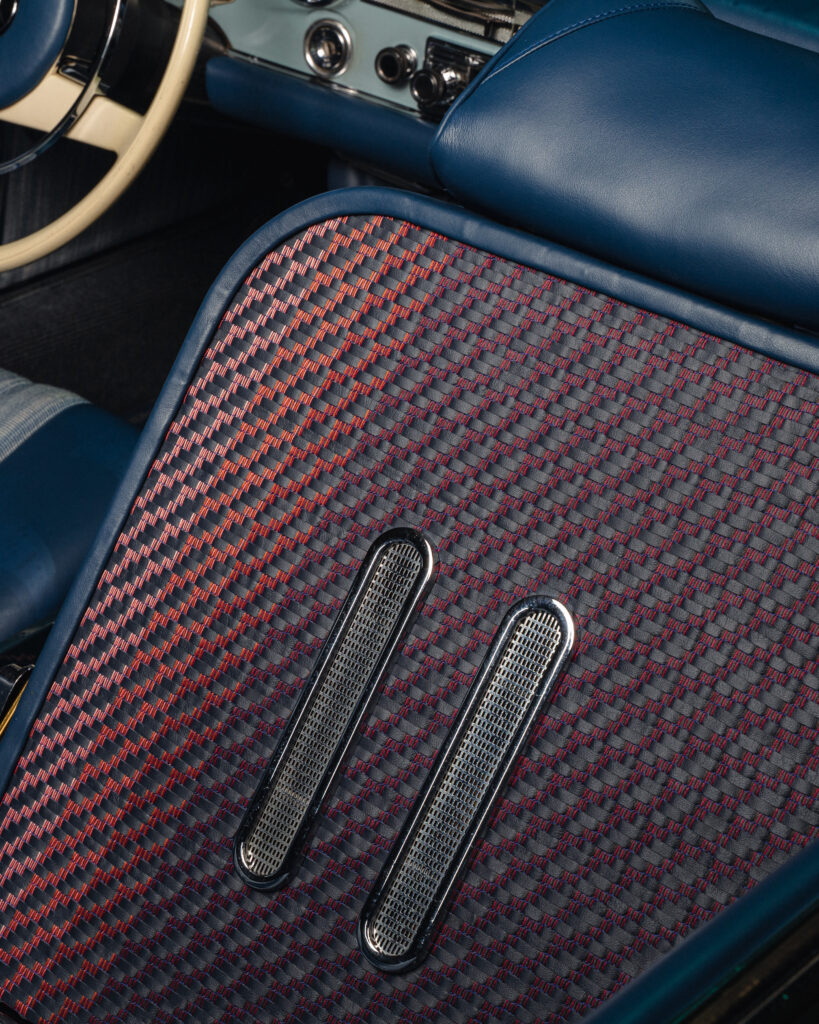
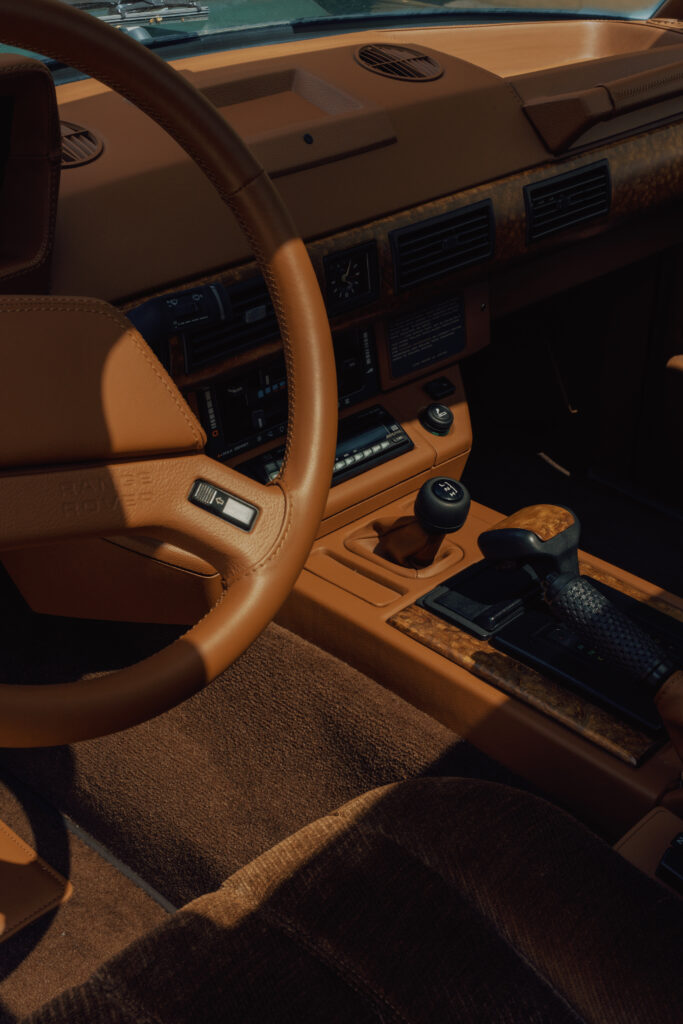
Car tailoring, though, reveals perhaps the most personal dimension of my work. I’m an unapologetic hedonist and a collector of vintage cars, and I’ve come to think of the automobile as a place of passage, a refuge between two worlds, somewhere to be alone with one’s own sensations. I approach it exactly as I would a house: listening to the owner, building a narrative, selecting noble materials, designing bespoke details, until it becomes a true luxury cabin in motion.
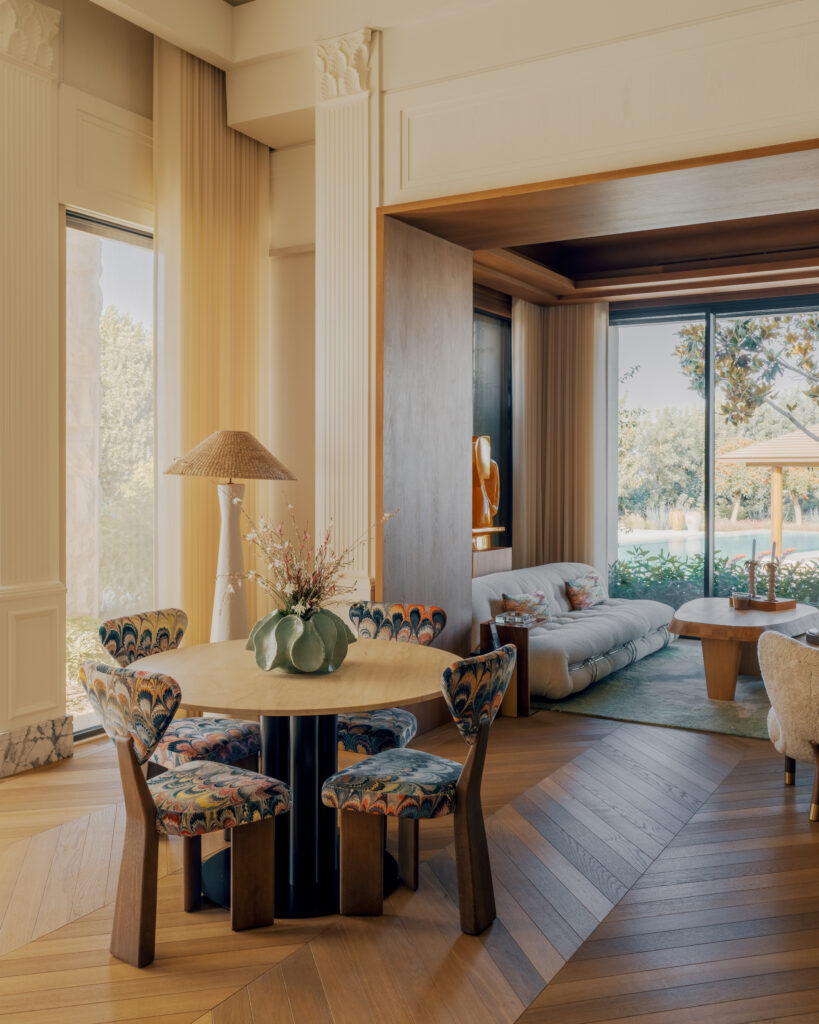
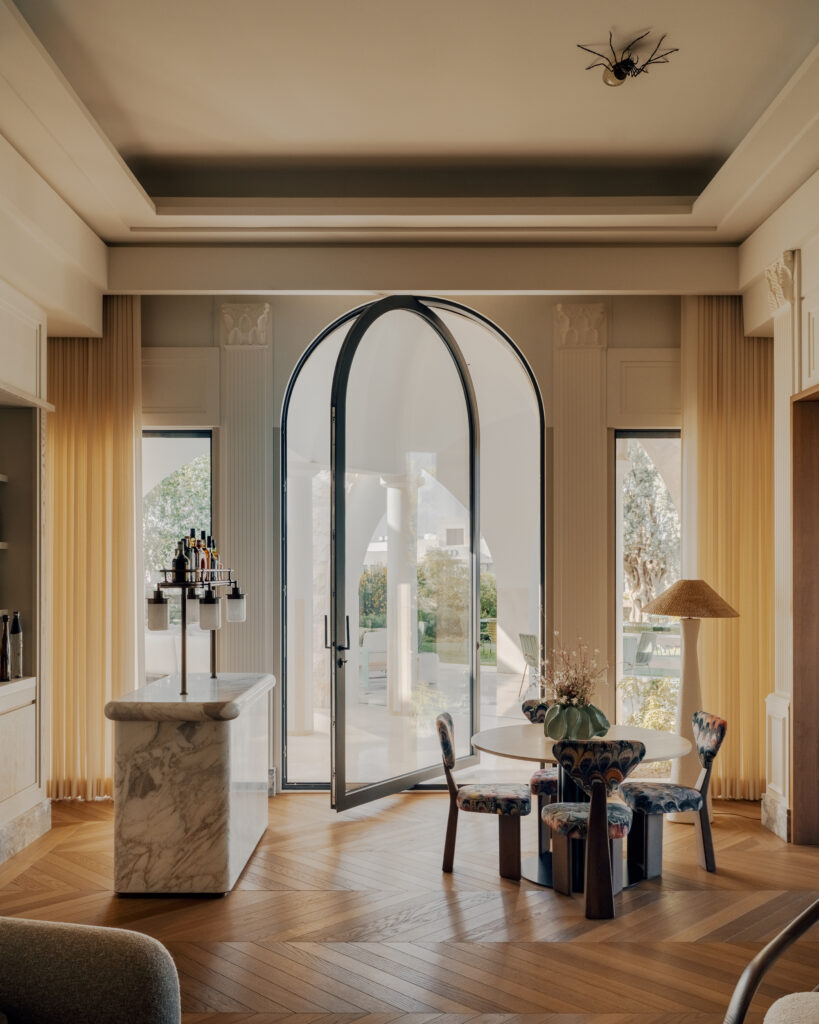
Designing homes in a city like Dubai means balancing the energy of urban life with a sense of calm and privacy. How did that influence your approach to Eden House Za’abeel?
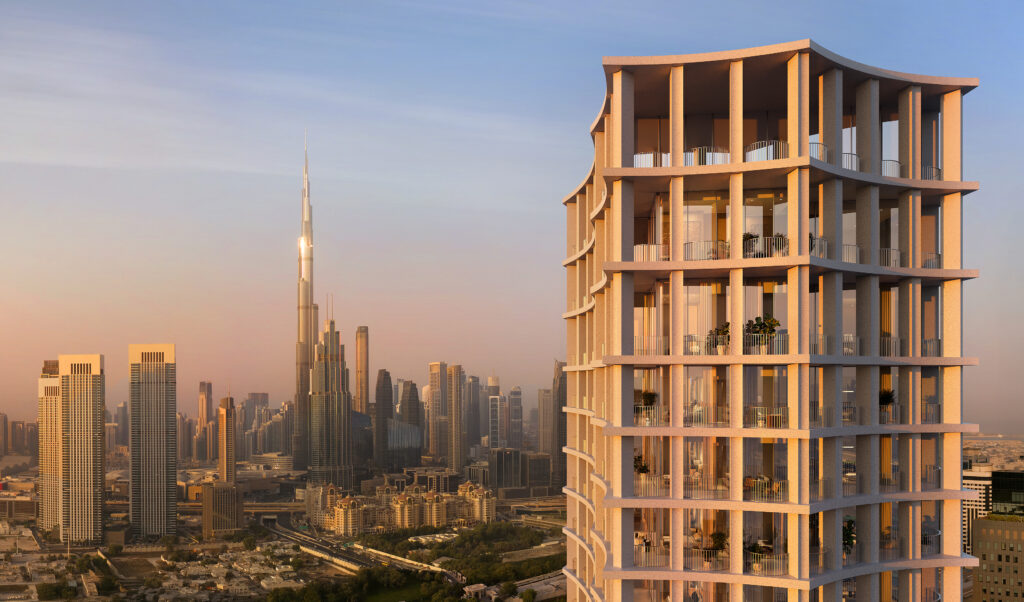
The project was built around this very contrast. Dubai is an incredibly dynamic and cosmopolitan city, but people increasingly seek homes that offer a sense of retreat from that intensity. At Eden House Za’abeel, the interiors open generously towards the city through large openings and carefully framed views, while remaining calm, controlled and private within. The goal was to offer residents a sanctuary in the heart of the city without disconnecting them from its energy.
When you arrive in a new city for the first time, what do you notice before anything else?
The first thing I notice is always the light. It tells you so much about a place before you’ve even understood its architecture, the way it falls, the way it changes throughout the day, the atmosphere it creates. It immediately shapes my perception.
Then I pay attention to the energy. Every city has its own rhythm, its own way of moving, gathering, living. That’s something you can’t always explain, but you can definitely feel.
And finally, I look for its history, not just the monuments, but the traces time has left behind. The most inspiring places are those where history is quietly engraved into everyday life: in the materials, the streets, the craftsmanship, the way people inhabit the city. Those layers are often where the strongest stories begin.