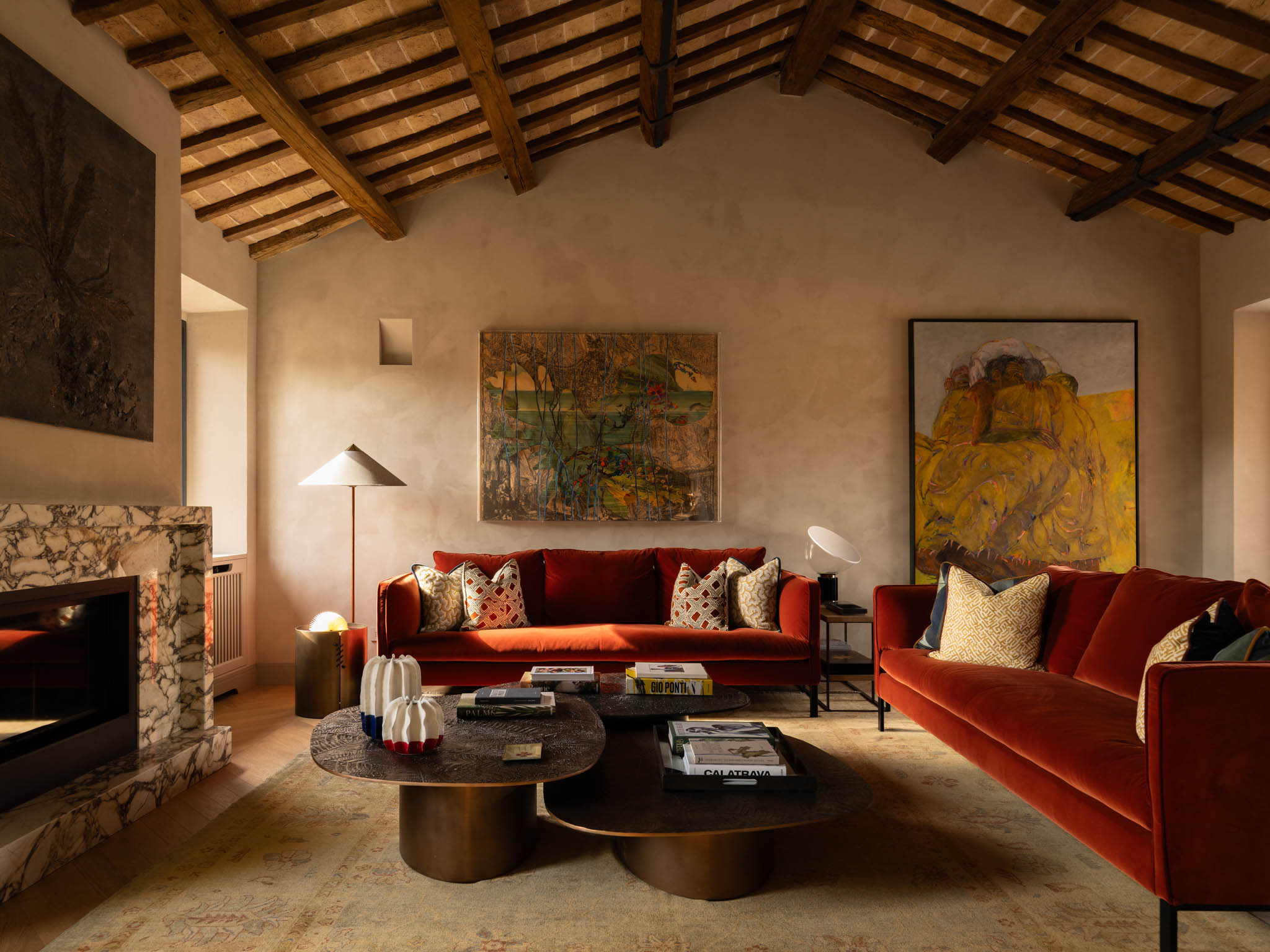
Few architectural materials have lived so many lives as glass blocks. First embraced by modernist architects for their ability to diffuse light while preserving privacy, later absorbed into the visual language of postmodern bathrooms, office stairwells and industrial façades, they have long occupied an ambiguous position in design culture. Their widespread popularity in the 1970s and 1980s eventually rendered them divisive, even dated in some eyes. Yet their persistence suggests something more enduring than nostalgia. Designers continue to return to glass blocks for one simple reason: few materials alter the quality of light with such precision. Rather than admitting daylight directly, they soften, diffuse and temper it, transforming not only visibility but atmosphere itself. Rooms feel calmer, warmer or more intimate, even when spatially open. Neither fully transparent nor fully opaque, glass blocks occupy a rare architectural middle ground between enclosure and exposure.een enclosure and exposure.
Maison de Verre, Paris
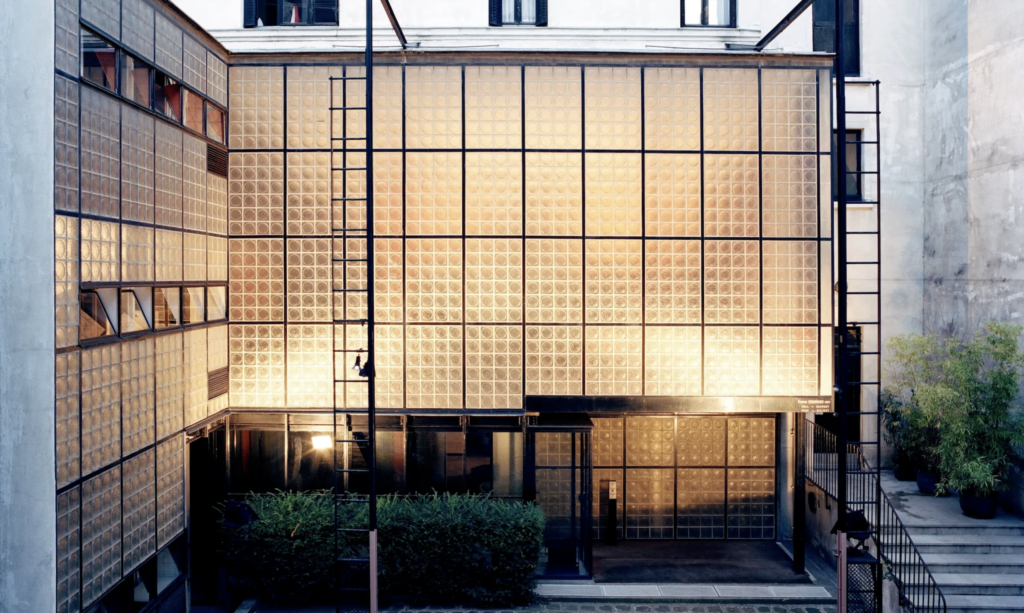
Few buildings explain the enduring intelligence of glass blocks more persuasively than Maison de Verre in Paris, completed in 1932 by Pierre Chareau in collaboration with Bernard Bijvoet and Louis Dalbet. Conceived for physician Jean Dalsace as both residence and medical practice, the house transformed translucency into a domestic strategy. Its iconic façade of glass blocks softens daylight into a milky luminosity while shielding interior life from the street, dissolving the conventional opposition between openness and privacy. Inside, sliding and rotating screens in metal, perforated steel and glass allow rooms to shift function and perspective, creating spaces that feel fluid rather than fixed. Chareau’s brilliance lies not simply in material innovation, but in his understanding that architecture could choreograph intimacy.
Villa Pestarini, Milan
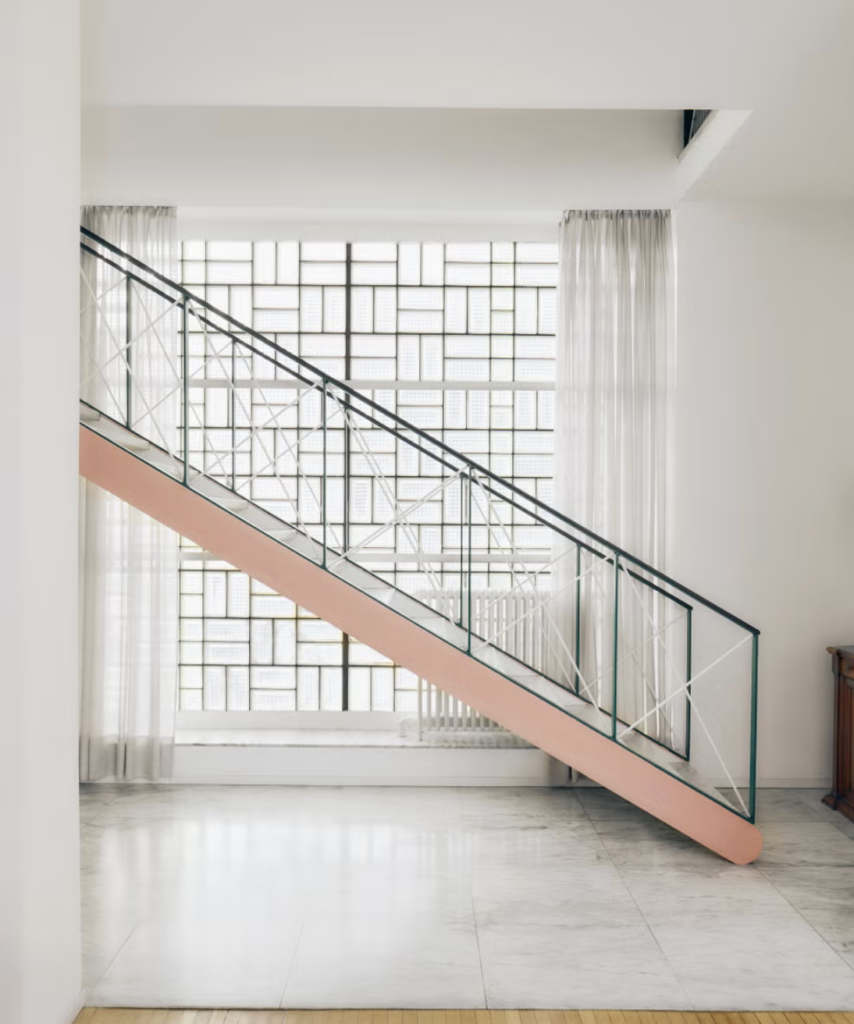
Designed by Franco Albini in 1938, Villa Pestarini in Milan demonstrates a quieter but equally rigorous use of glass blocks. From the street, the house appears almost austere: a white rationalist volume interrupted by a striking insert of translucent blocks on the west façade. Yet their real power emerges inside. Upon entering, the same wall becomes what Gio Ponti described in Domus as a luminous diaphragm, filtering daylight behind a freestanding staircase in white marble whose remarkable lightness seems to defy gravity. Transparency here is carefully measured, never decorative. Albini uses glass blocks to dissolve weight, articulate rhythm and temper the rational discipline of the house with unexpected softness.
10AM Events Space & Penthouse, Athens
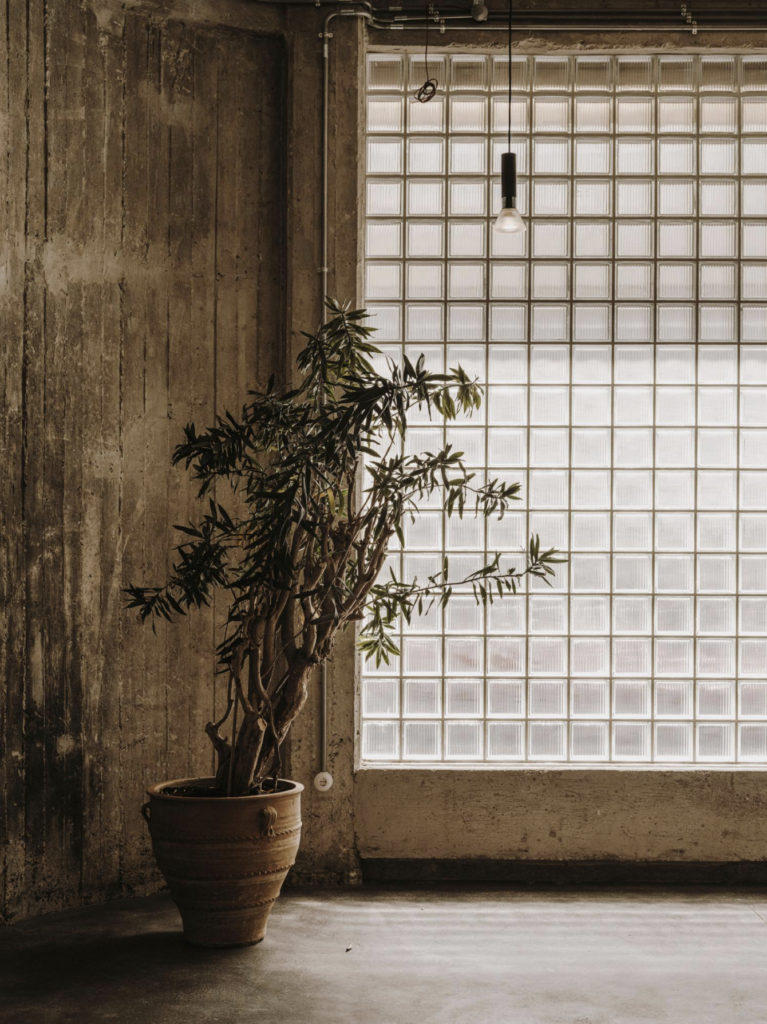
In Athens, Andrew Trotter’s transformation of a 1970s industrial building into the 10AM Events Space and Penthouse treats glass blocks not as an insertion but as an inheritance. Rather than erase the existing wall, the design preserves and cleans it, allowing softened daylight to wash through a shell of exposed concrete, corten steel and rough textures. In the lower levels, the translucent grid acts almost like an industrial veil, blurring the outside world while tempering the severity of raw materiality. Its glow softens hard edges, lending unexpected serenity to spaces otherwise defined by structural honesty. The gesture feels restrained yet profound: an existing architectural condition elevated into atmosphere.
Studio Karhard Apartment, Berlin
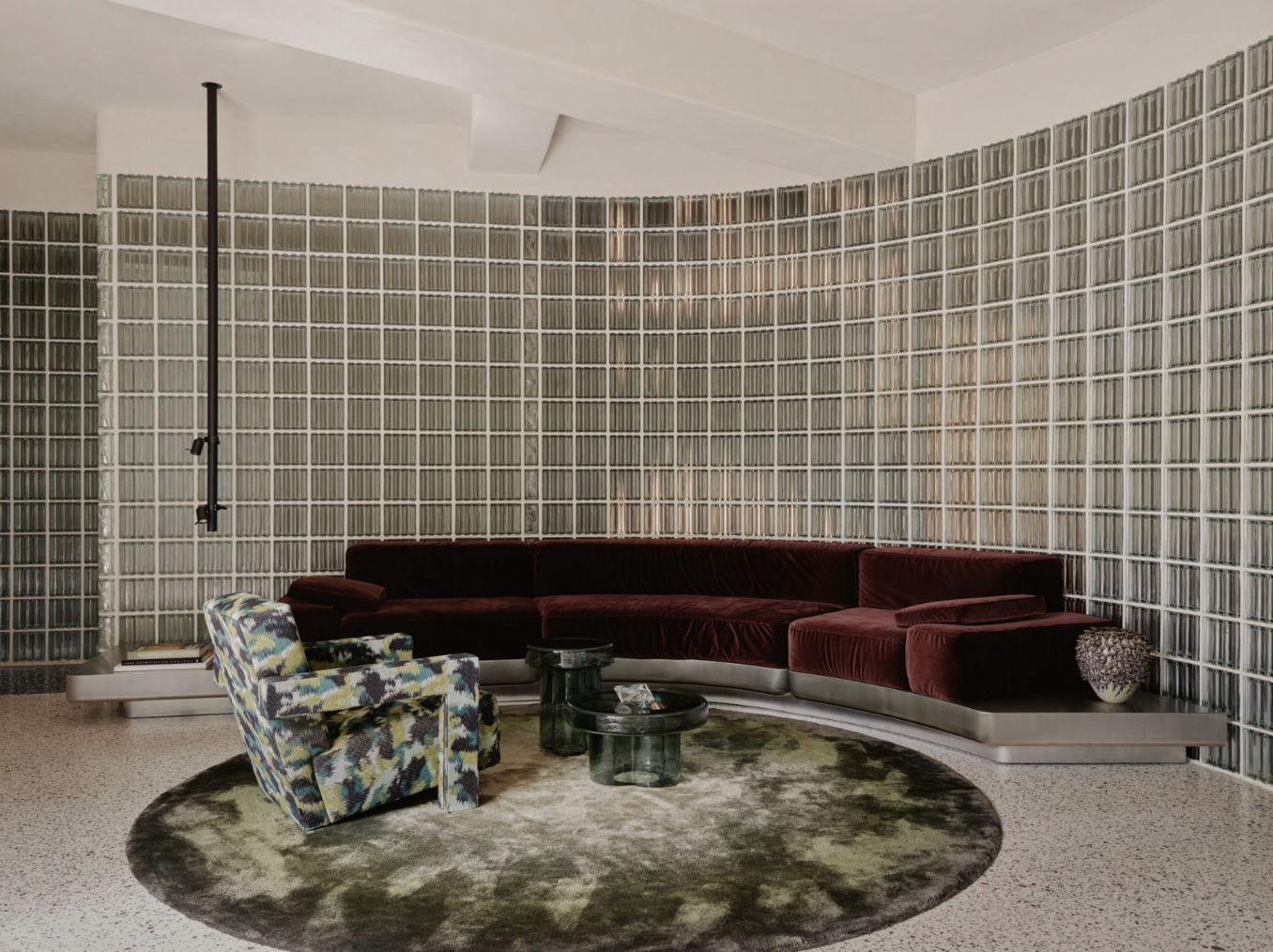
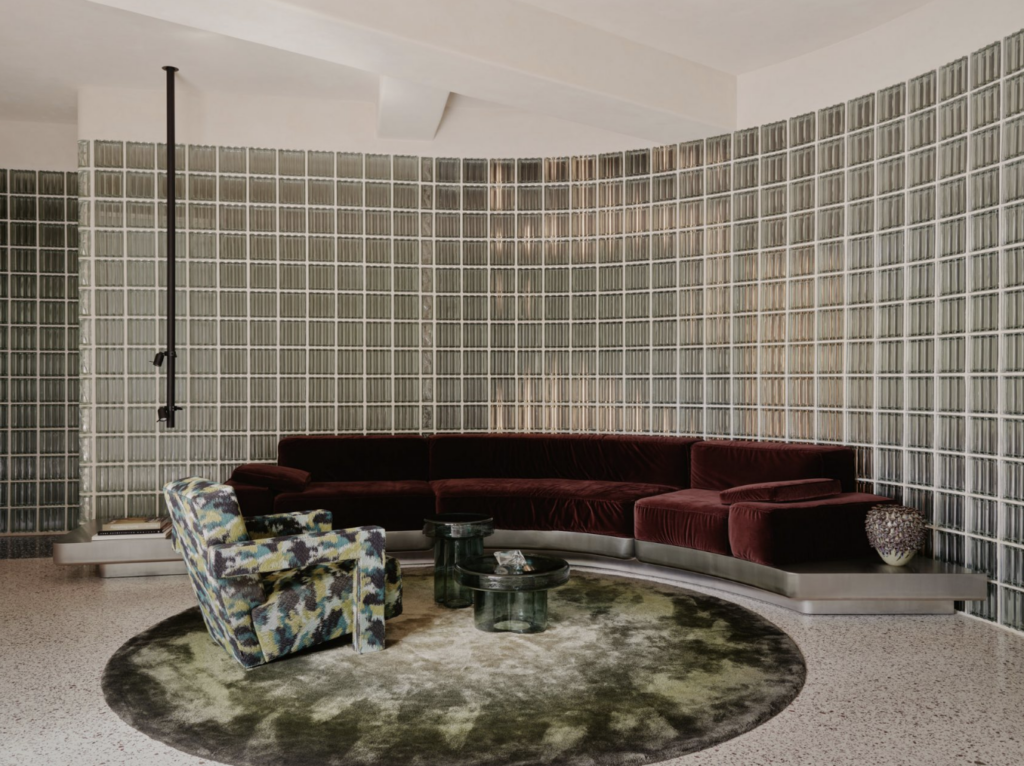
If Trotter’s project suggests calm, Studio Karhard’s Berlin apartment explores something darker and more sensual. Designed by the creative minds behind Berghain, the apartment translates the emotional language of Berlin nightlife into domestic space. Curved glass block walls wind through the plan, filtering light between entrance, lounge, bathroom and kitchen while introducing ambiguity into the interior. Stainless steel surfaces, terrazzo flooring and shadowed rooms evoke industrial culture and club aesthetics, yet the glass blocks prevent the atmosphere from becoming severe. Instead, they soften and diffuse, producing interiors that oscillate between intimacy and theatricality. Here, glass blocks become emotional architecture, mediating between exposure and concealment.
Silver Lake Renovation, Los Angeles
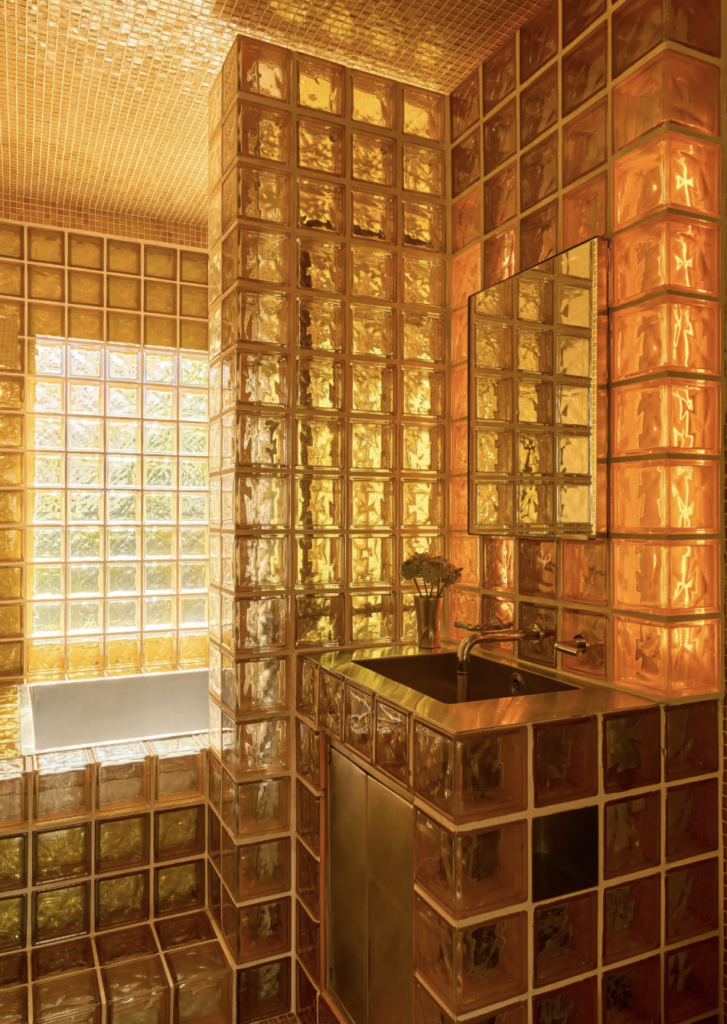
In the Silver Lake Renovation by Charlap Hyman & Herrero, glass blocks abandon neutrality altogether. Washed in amber tones, a narrow bathroom becomes an immersive chamber of filtered light, where coloured glass transforms a practical constraint into atmosphere. Introduced to draw daylight deep into a spatially compressed footprint while preserving privacy between shower and vanity, the blocks cast a marigold glow that feels almost meteorological, as though perpetual late afternoon had settled permanently inside the room. Against the bathroom’s modest scale, translucency acquires emotional weight. The intervention demonstrates how coloured glass blocks can alter perception itself, softening enclosure while amplifying mood.
Luka Design Family House, Chernihiv
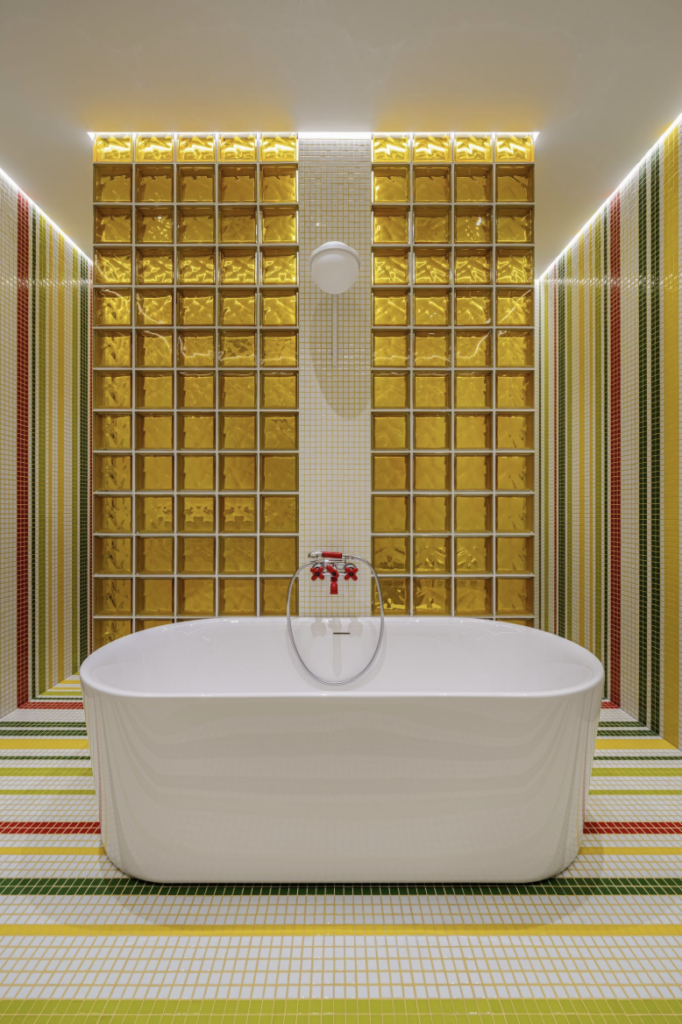
In Chernihiv, Kyiv based practice Luka Design pushes exuberance even further. Designed for a family with children, the house’s bathroom becomes an unapologetically optimistic environment where yellow glass bricks rise behind a freestanding bathtub like an artificial sun. Their glow spreads across striped mosaics in orange and cream while vivid red fittings punctuate the composition with almost graphic precision. Yet the exuberance is grounded in functionality: the wall was introduced to bring filtered light into an otherwise windowless room, transforming limitation into delight. Here, glass blocks cease to feel industrial or nostalgic and instead become instruments of joy, brightness and emotional generosity.
La Gildería, Madrid
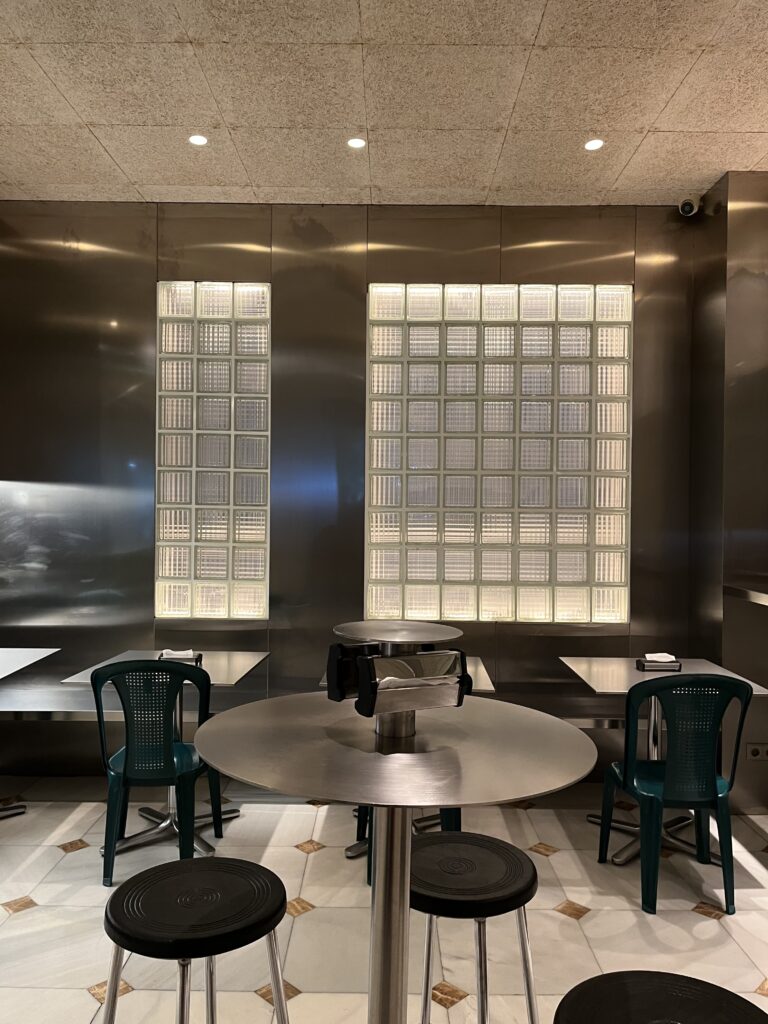
At La Gildería in Madrid, designed by CODOO Studio, glass blocks are deployed with remarkable restraint. Embedded within brushed metal walls, they appear less as partitions than luminous apertures, softening what might otherwise feel overly industrial. Their subtle glow introduces warmth into a restaurant conceived as a contemporary interpretation of the neighbourhood tavern, balancing metallic severity with intimacy. Rather than fully dividing space, the blocks mediate between exposure and enclosure, permitting atmosphere to circulate freely through the room. In a project defined by conviviality and ritual, they act almost like architectural hospitality, quietly shaping how diners inhabit space.
Buckle Street Studios, London
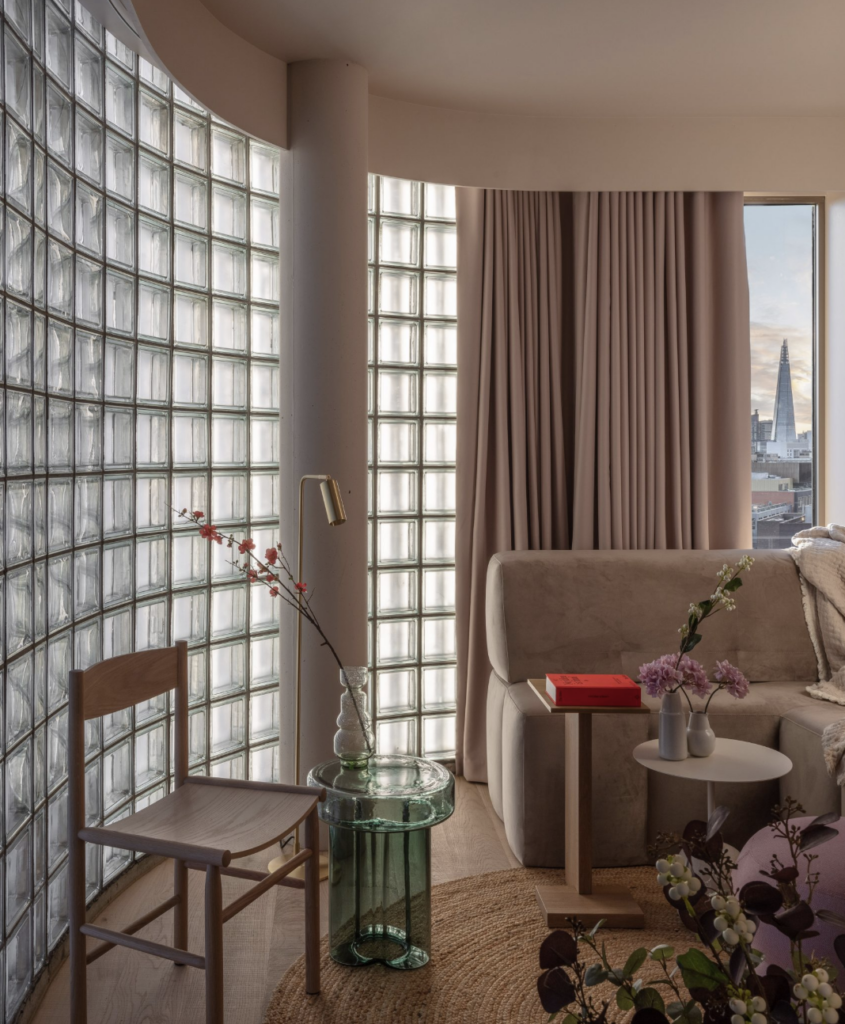
At Buckle Street Studios in London, Grzywinski+Pons repositions glass blocks at an urban scale. Crowning the building, a luminous glass block volume transforms the upper floors into something lantern-like against the city skyline, introducing transparency as the structure rises. Inside, top-floor rooms benefit from softened daylight filtered through the material, balancing clay plaster, muted tones and warm timber surfaces. The gesture is subtle but deliberate: glass blocks lighten the building visually and emotionally, allowing hospitality to feel porous rather than enclosed. In this context, translucency becomes both architectural identity and invitation.
Brew Café, Dubai
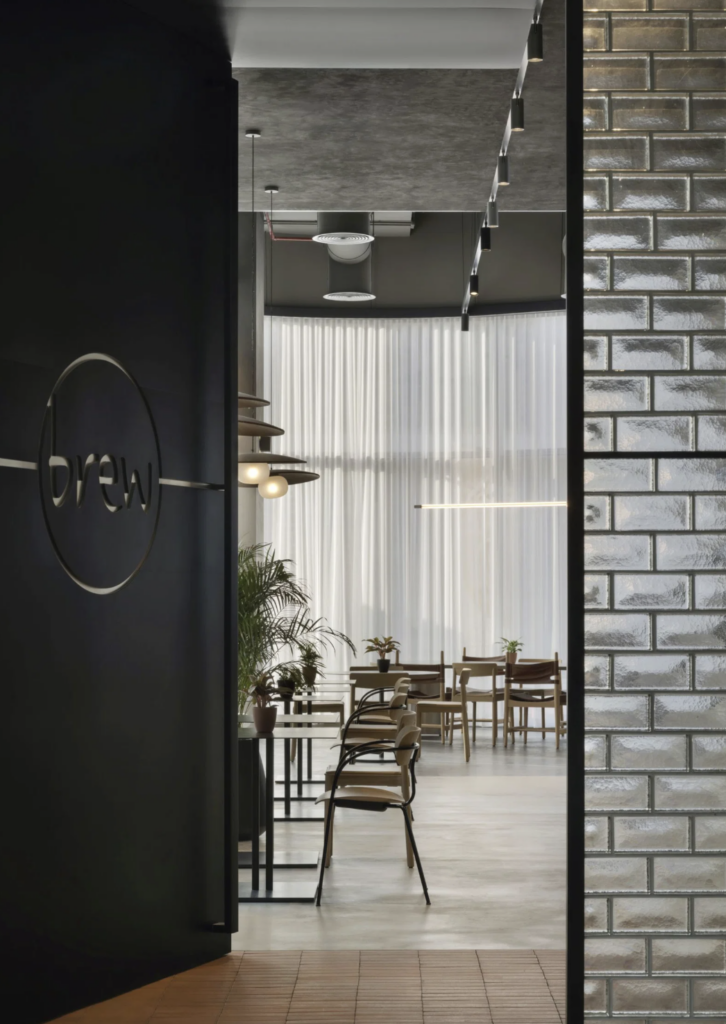
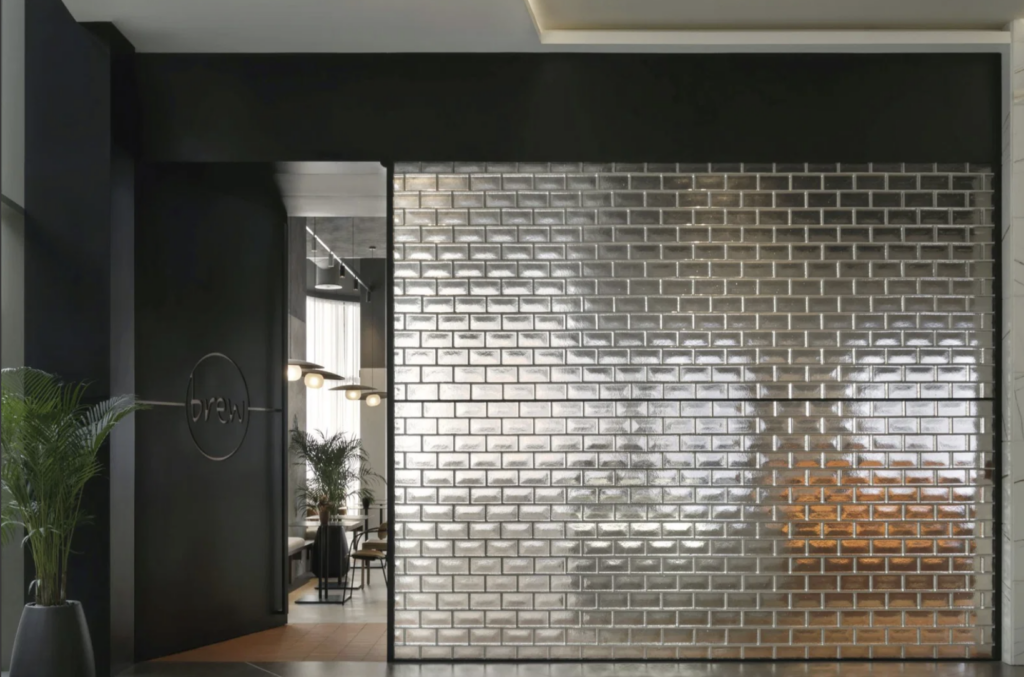
In Dubai, Brew Café by H2R Design demonstrates the continued adaptability of glass blocks within contemporary hospitality. Here, elongated Venetian glass bricks form translucent partitions that soften visibility without interrupting spatial flow. Set against terracotta tones, satin steel, greenery and restrained geometries, the material filters silhouettes and warm café light into something quieter and more tactile. Their presence feels architectural rather than ornamental, lending intimacy without enclosure and softness without sentimentality. In a city often defined by visual excess, Brew’s use of glass blocks feels surprisingly restrained, proving that translucency can still offer calm.
Glass blocks remain divisive precisely because they resist easy categorisation. Too industrial for some, too nostalgic for others, they sit uneasily between memory and modernity. Yet perhaps this instability explains their persistence. Used carelessly, they can feel dated. Used thoughtfully, they alter the emotional temperature of a room, transforming light into atmosphere and privacy into something unexpectedly beautiful.