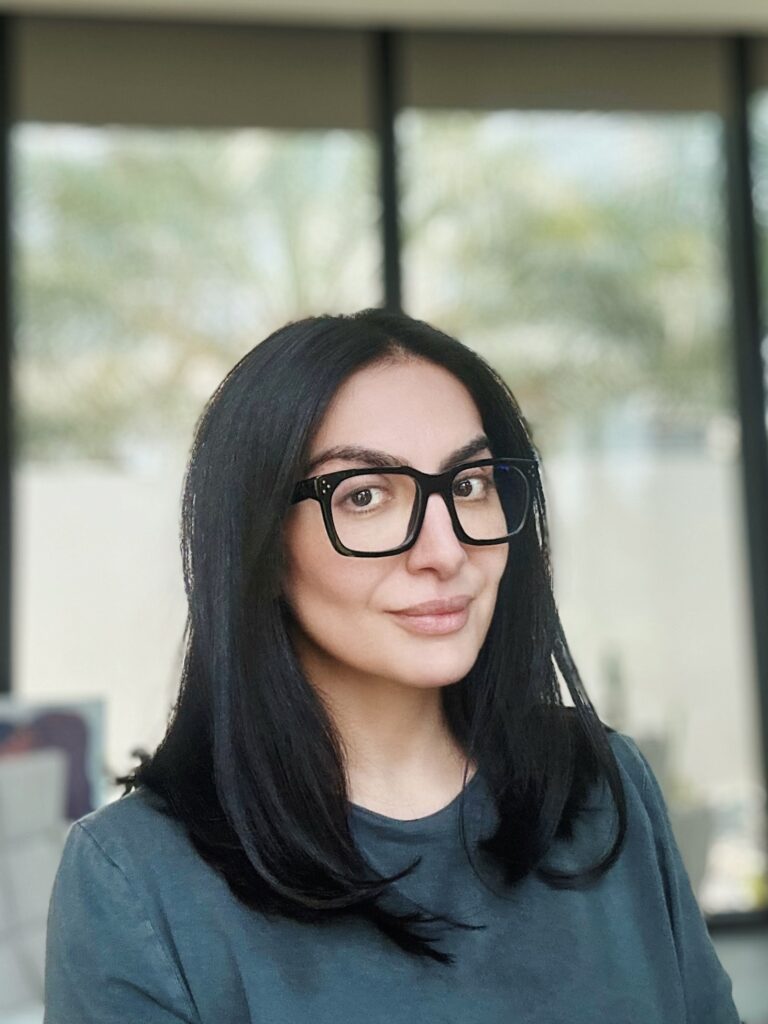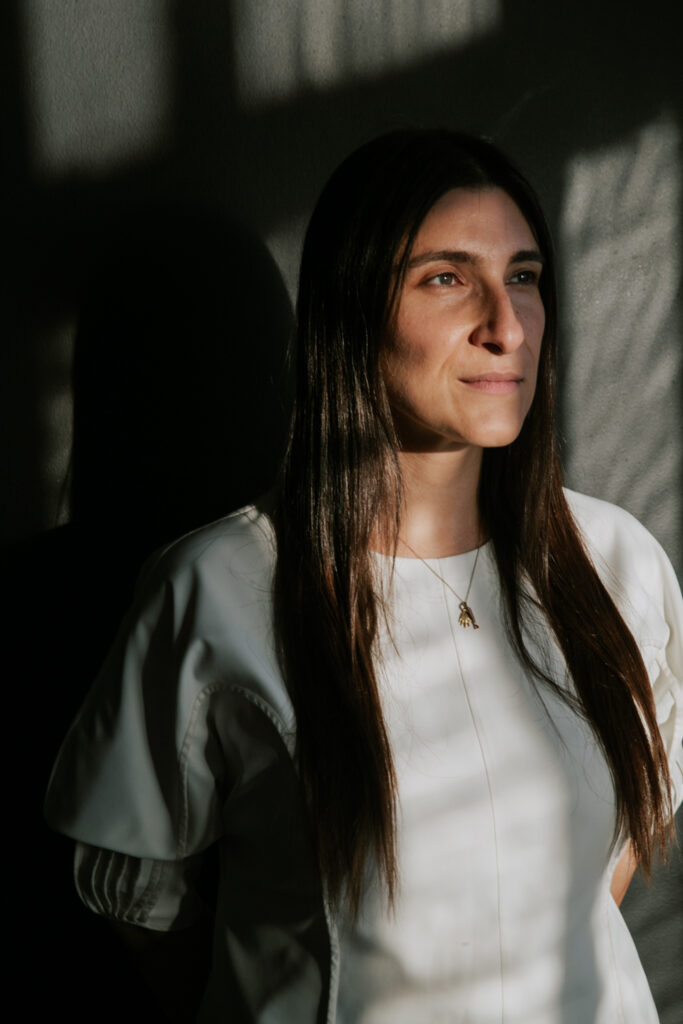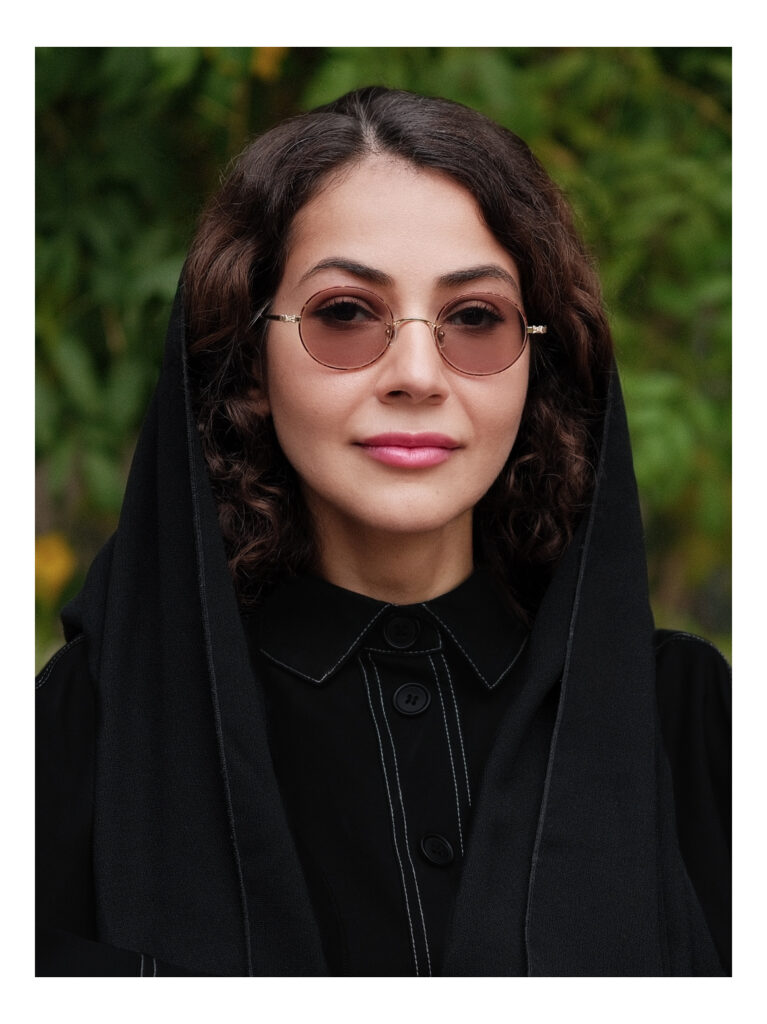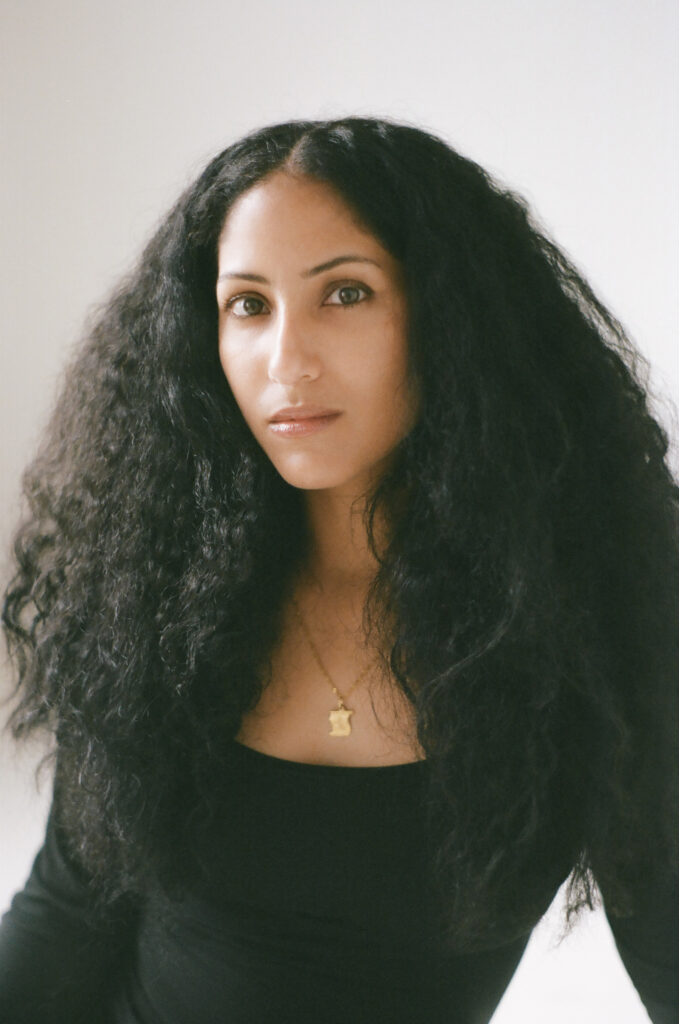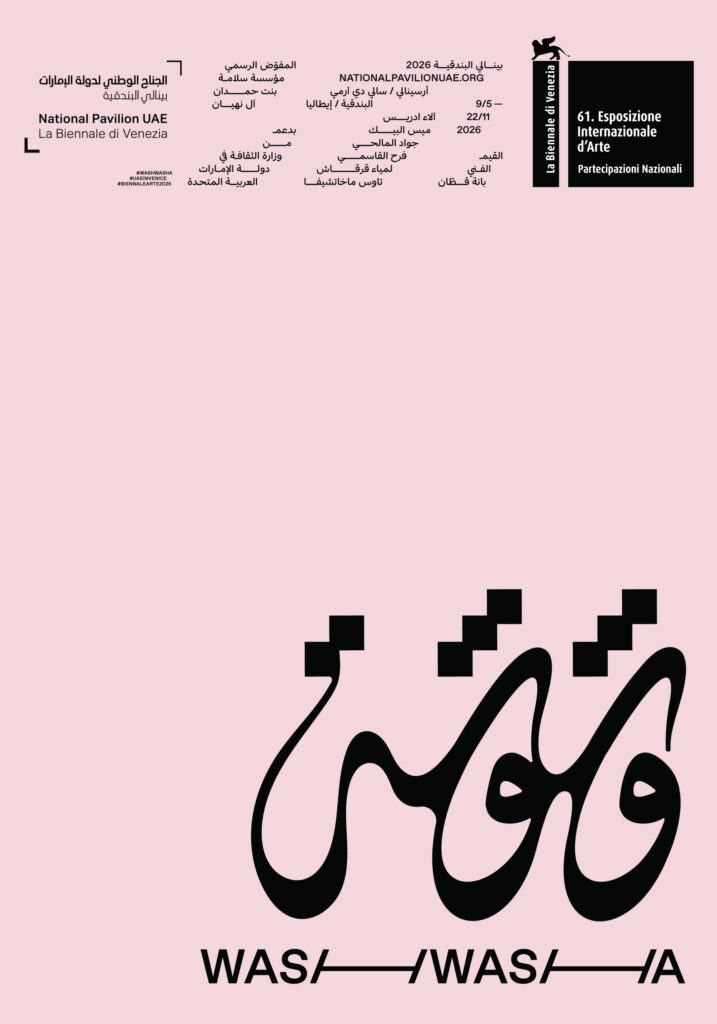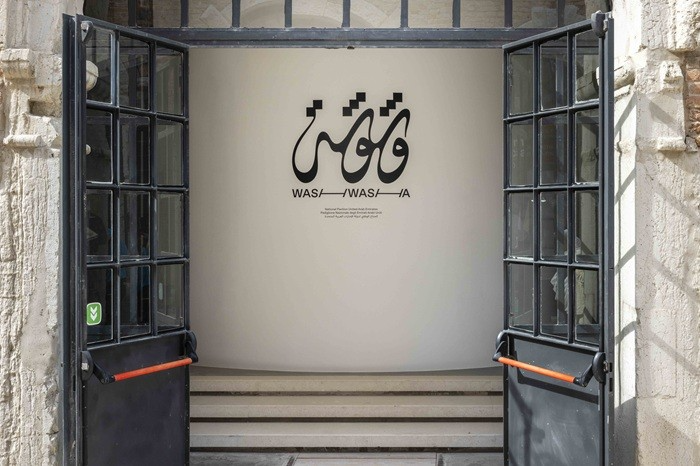
At the 61st International Art Exhibition of La Biennale di Venezia, the National Pavilion UAE does not construct its argument through monumentality, spectacle, or national symbolism. Instead, Washwasha, curated by Bana Kattan, operates through frequencies that are quieter, more unstable, and significantly harder to contain. The exhibition takes its title from an Arabic onomatopoeia for whispering, yet whispering here is not treated as intimacy alone. It becomes methodology. A way of transmitting memory under pressure. A form of social residue. A structure of survival.
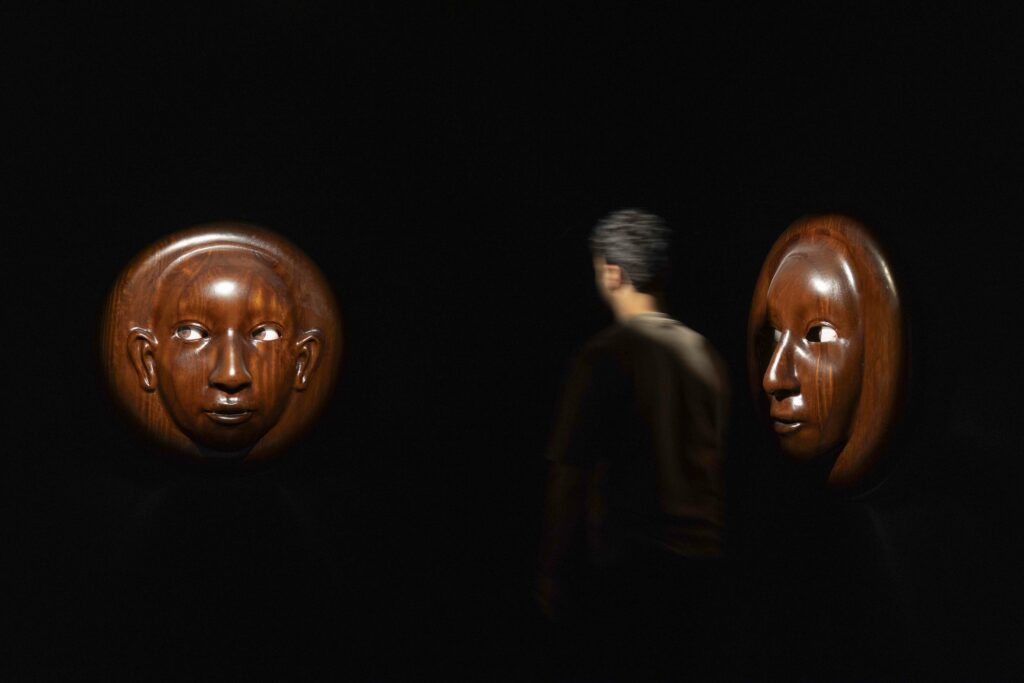
What makes Washwasha particularly rigorous is that it refuses the contemporary art world’s tendency to aestheticize sound as immersion. Instead, sound is treated as a political condition. Across the exhibition, listening becomes inseparable from migration, interruption, translation, and exhaustion. The works do not simply “use” sound; they investigate what happens when language fails, when communication accelerates beyond comprehension, or when oral histories risk disappearing precisely at the moment institutions attempt to archive them.
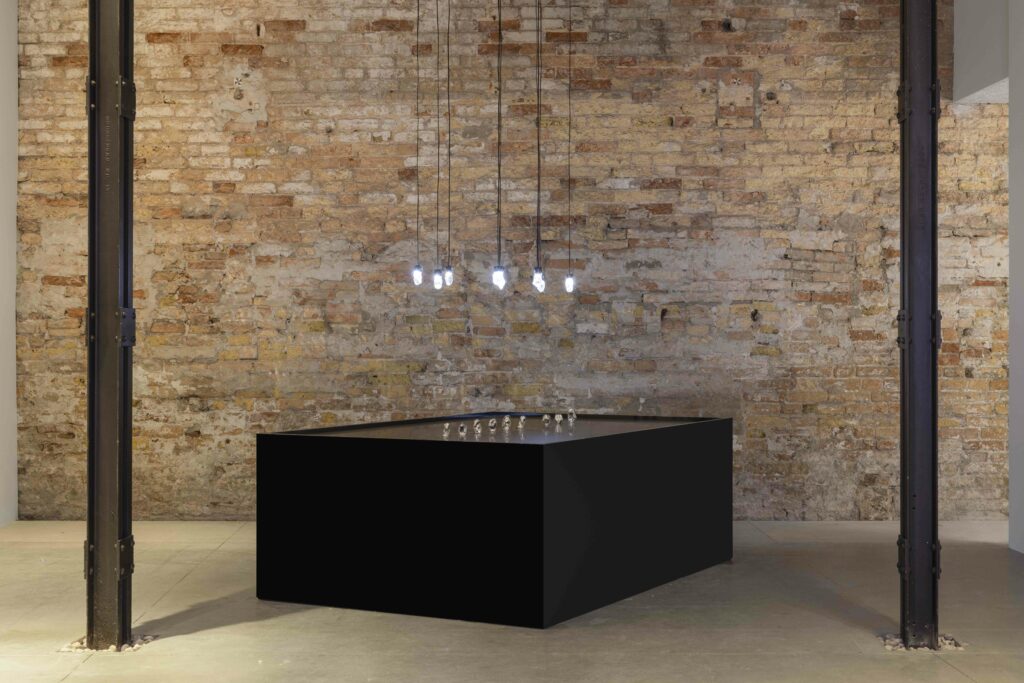
This is immediately evident in Mays Albaik’s Kūnī Kai Akūna Kamā Aqūl! (Be, so that I may be as I say!), where glass casts of the artist’s mouth freeze speech at the instant before articulation. The work is not about preservation in any straightforward sense. Rather, it stages the violence embedded within preservation itself: the impossibility of fully stabilizing spoken memory once it becomes object, archive, or institution. In a pavilion fundamentally concerned with sonic transmission, Albaik’s contribution asks whether speech can ever survive translation without losing the body that produced it.
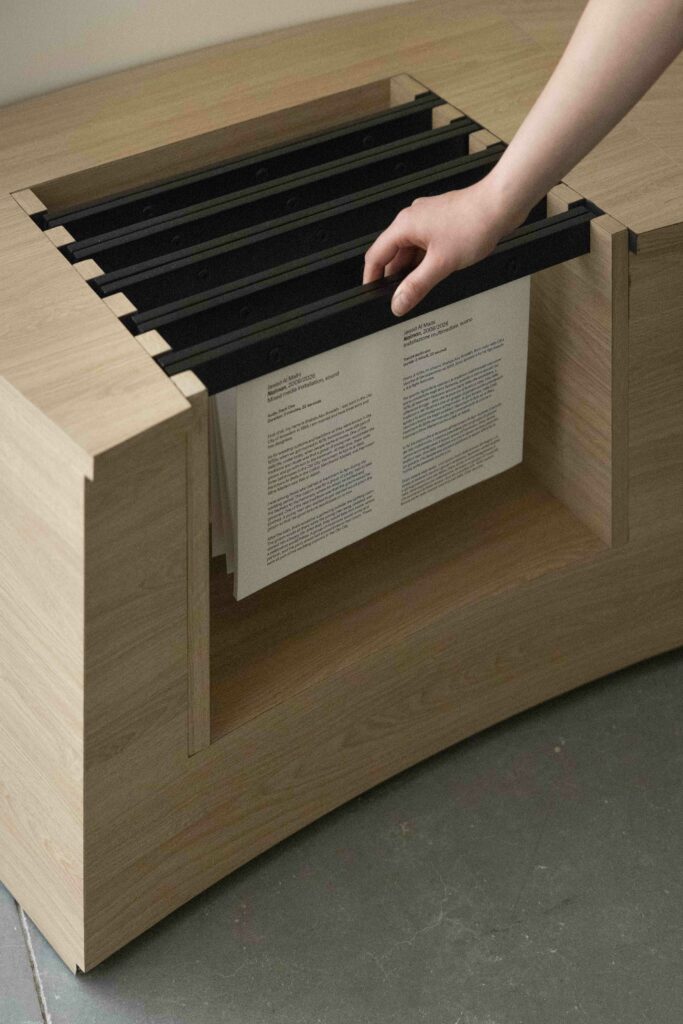
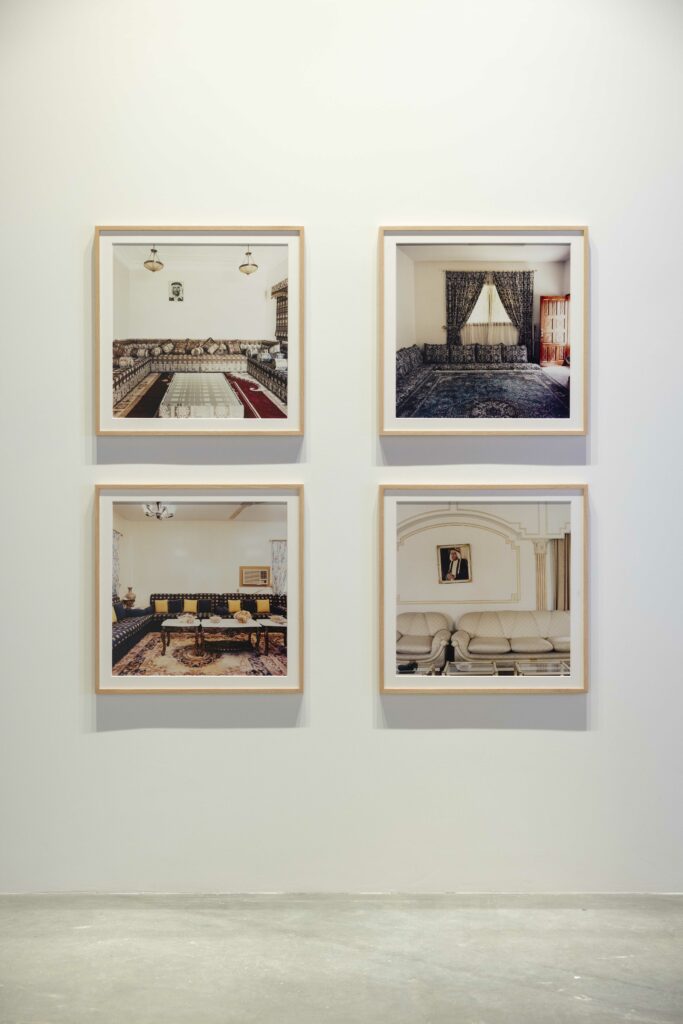
That tension between transmission and erosion quietly structures the entire exhibition. Jawad Al Malhi’s recordings of pre wedding rituals operate not as ethnographic nostalgia, but as fragile acoustic repositories suspended against disappearance. Meanwhile, Lamya Gargash returns to the majlis not merely as architectural typology, but as sonic infrastructure. Her photographic series understands domestic space through what it enables acoustically: grieving, negotiation, celebration, listening. In this reading, the majlis becomes less an interior than a social technology organized around the circulation of voices.
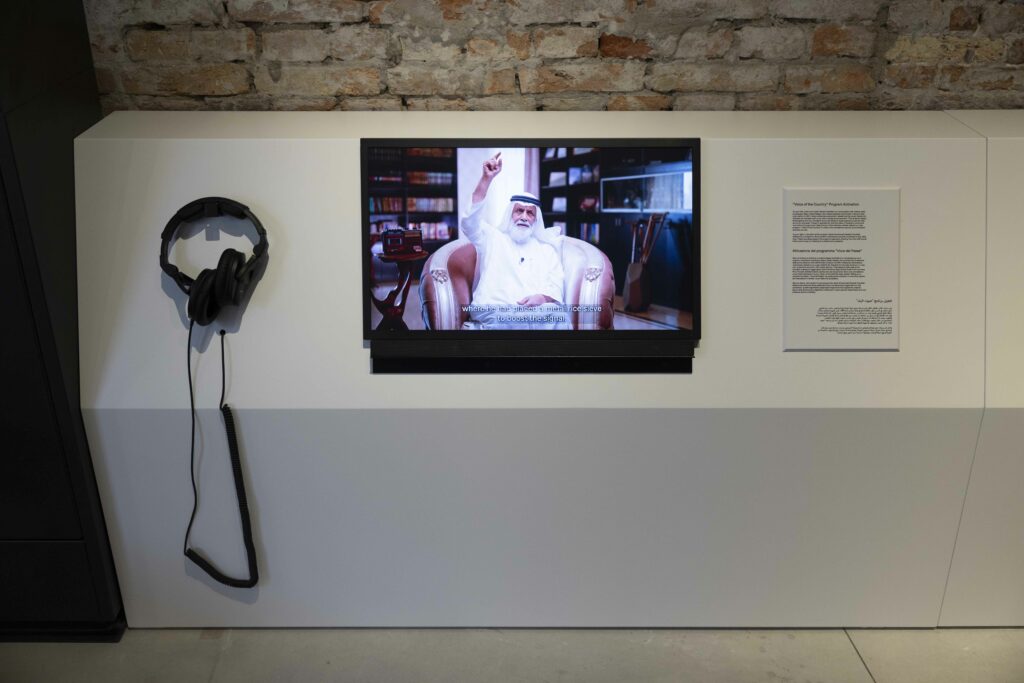
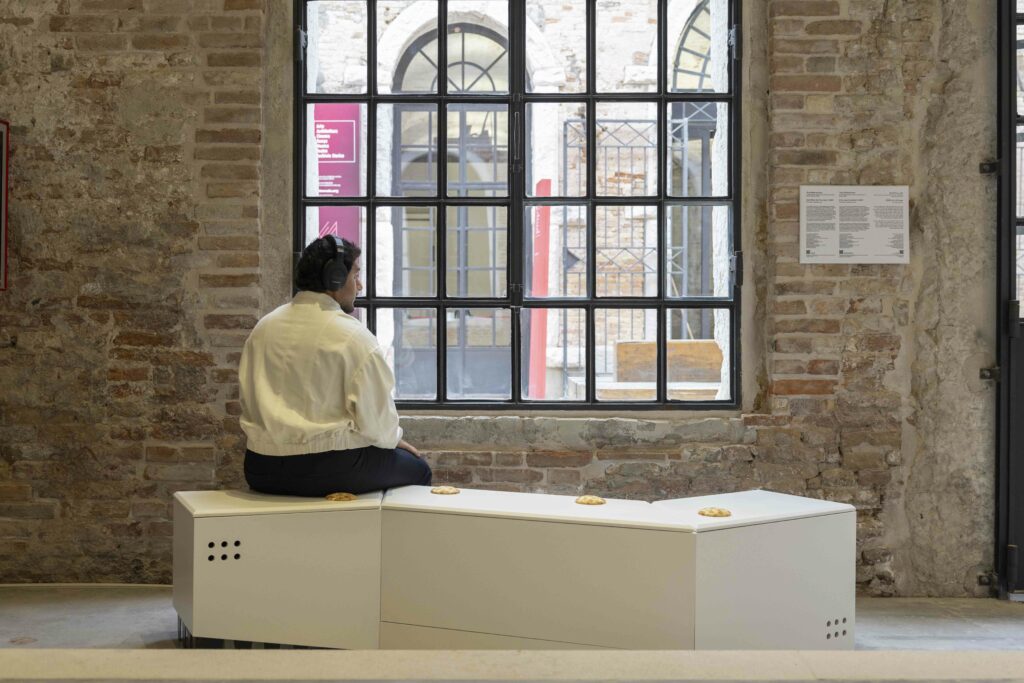
The exhibition’s most compelling move, however, lies in how it situates these questions within the UAE’s own infrastructural history. Near the pavilion’s entrance, a programmatic activation revisits broadcaster Salem Obaid Alaleeli and the founding of Ajman Radio in 1961, including the radio segment Voice of the Country, which broadcast ordinary environmental sounds from daily life. This gesture is crucial. Rather than positioning the UAE’s cultural narrative exclusively through architecture, urban development, or futurity, Washwasha roots national memory in acts of listening. Long before the contemporary Gulf became associated with hyper connectivity and digital acceleration, there already existed a profound awareness of sound as a communal and territorial medium.
That historical thread extends sharply into the present through Alaa Edris and Taus Makhacheva, whose works confront the exhaustion of perpetual communication. Edris approaches washwasha through its colloquial Emirati association with interference and noise, transforming whispering into cognitive overload. Makhacheva, by contrast, turns bureaucratic apology and endless correspondence into absurdist choreography, exposing how hyper connectivity produces emotional depletion rather than intimacy.
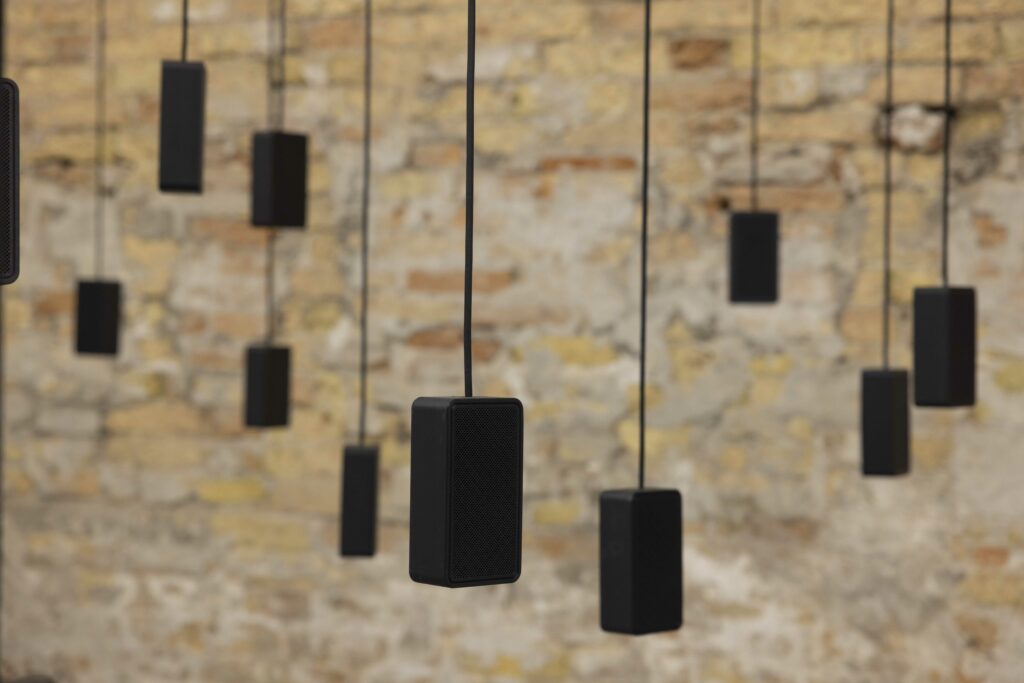
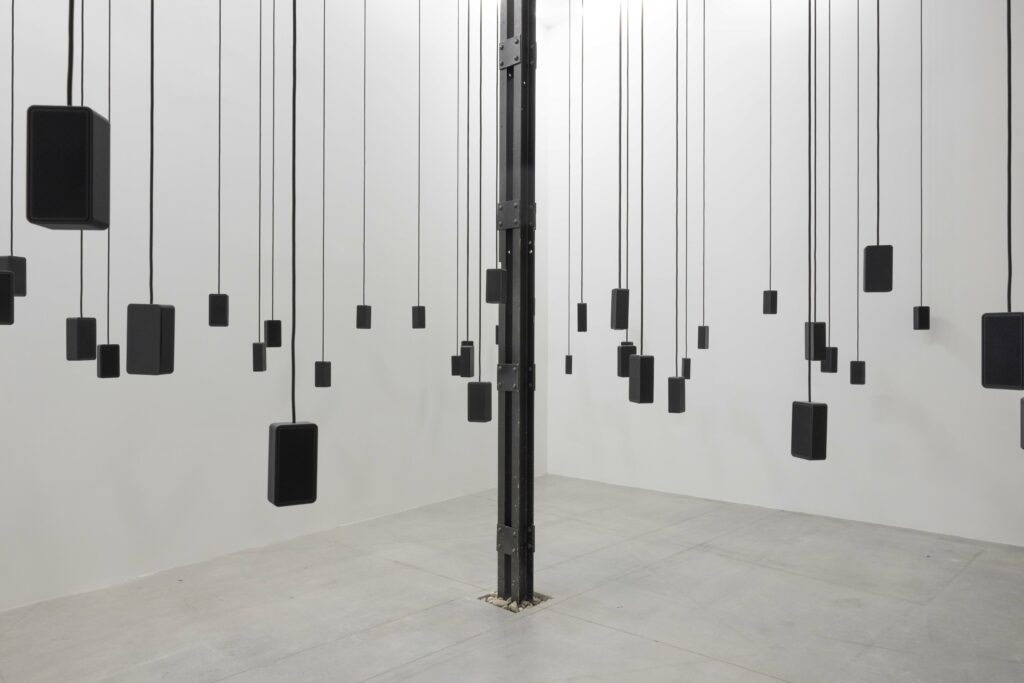
In this sense, Washwasha feels remarkably precise within the context of the contemporary Gulf. Much has been written about the region through the visual language of spectacle: skylines, museums, starchitectural ambition. Yet the pavilion proposes another reading entirely. It suggests that the Gulf’s contemporary condition may be better understood sonically: through overlapping dialects, migrant voices, radio frequencies, fragmented conversations, WhatsApp notes, public announcements, domestic rituals, and the constant background hum of infrastructural modernity.
Importantly, the exhibition does not romanticize plurality. The coexistence of languages and voices is often presented as frictional, interrupted, or partially illegible. Even Farah Al Qasimi’s installation on childhood guilt and communication barriers resists clean readability. Misunderstanding is not framed as failure, but as a defining condition of contemporary life.
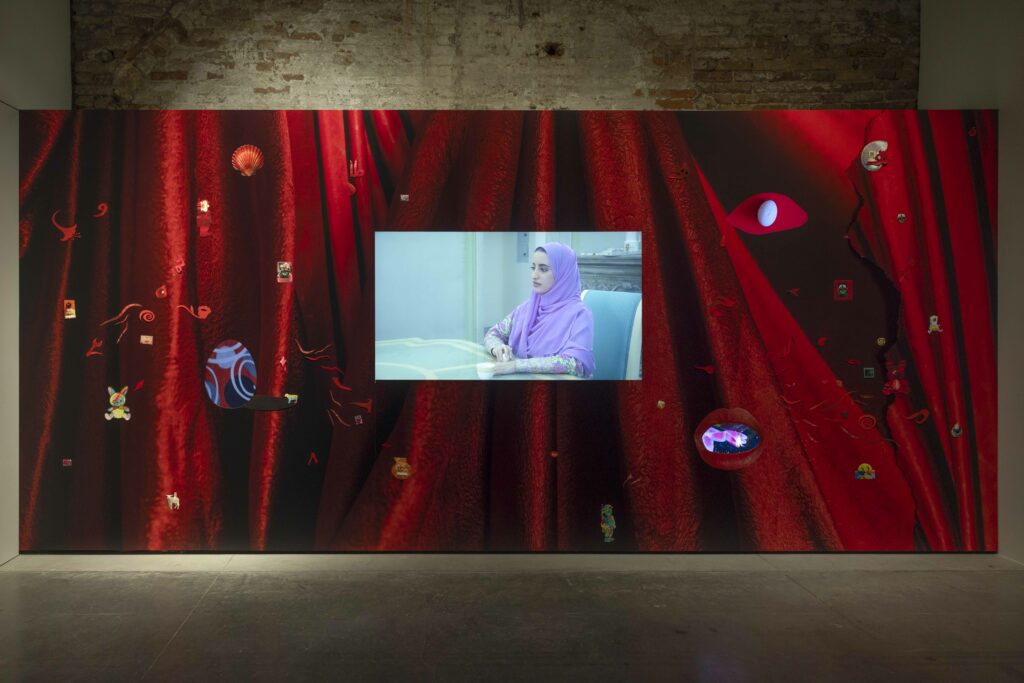
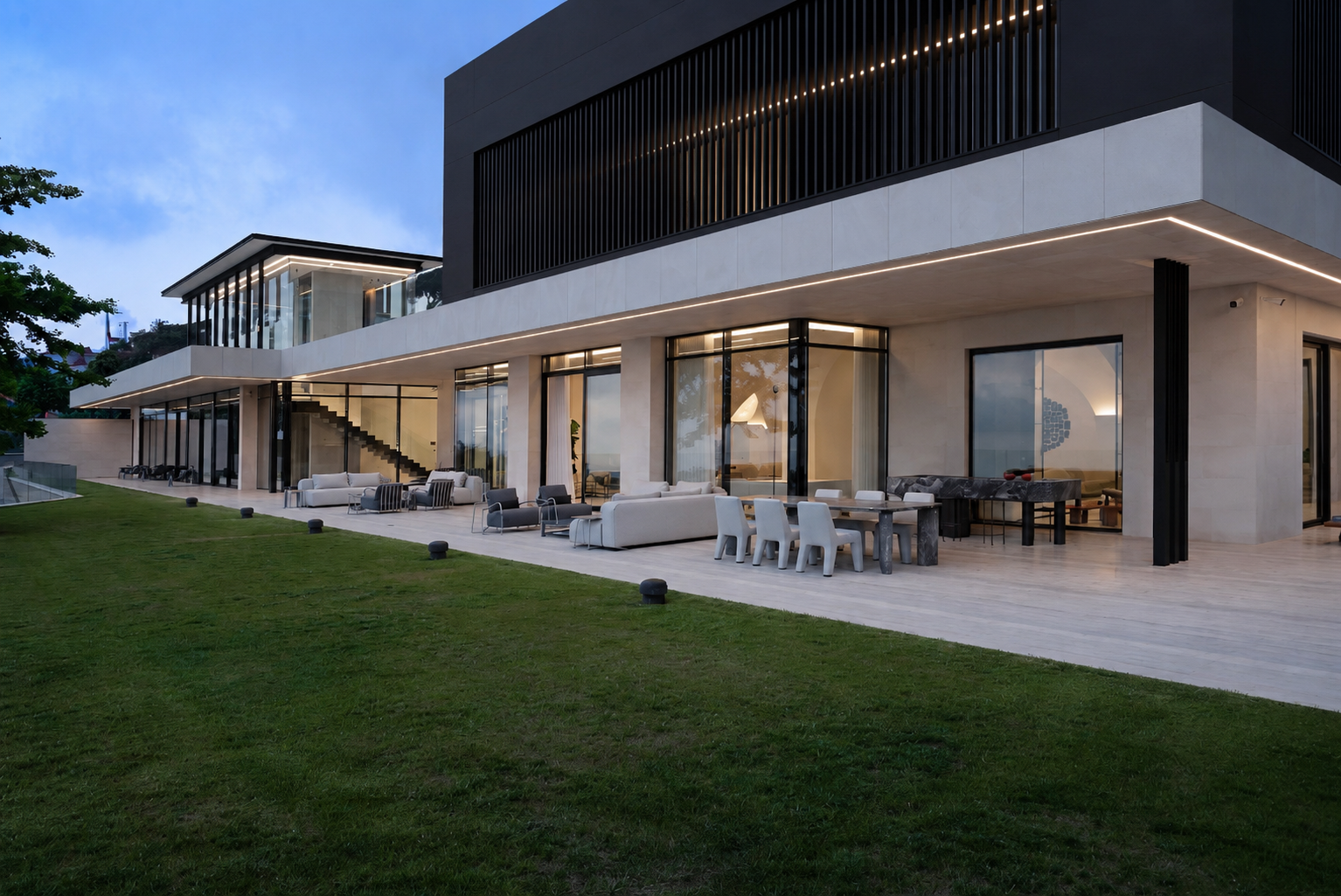
Designed by Büro Koray Duman Architects, the pavilion spatially amplifies this trajectory, moving visitors from zones of intimate listening toward areas saturated by sonic overlap. The architecture therefore does not contain the artworks neutrally; it performs the exhibition’s conceptual escalation from whisper to noise, from memory to interference.
What ultimately distinguishes Washwasha is that it avoids presenting the UAE as a coherent national voice. Instead, the pavilion constructs the nation as an unstable acoustic field shaped by migration, technological acceleration, and cultural plurality. This is a far more intellectually ambitious proposition than representation alone. The exhibition does not ask what the UAE sounds like. It asks who gets heard, what becomes distorted in transmission, and whether listening itself can still function as a form of cultural attention in an age defined by incessant communication.
At Venice, where national pavilions often gravitate toward grand narratives of identity and visibility, Washwasha chooses something riskier: uncertainty, fragmentation, interruption, and the politics of the almost inaudible.