Salone del Mobile 2026 unfolds as a system of ideas, where design expands beyond objects into narratives, industries, and futures. From collectible design to speculative interiors and evolving global markets, the 64th edition reframes the fair as a platform for thinking as much as making.
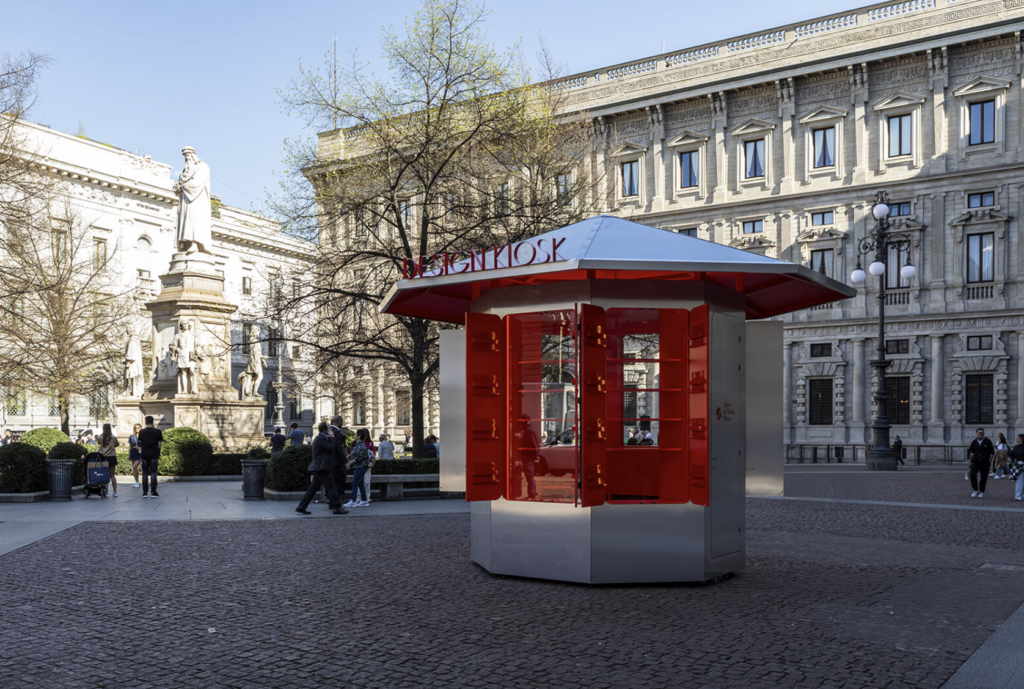
From April 21 to 26, Salone del Mobile 2026 returns to Fiera Milano Rho with a structure that feels less like a trade fair and more like an ecosystem in motion. What emerges this year is not simply a presentation of products, but a layered framework where design operates across culture, technology, and market transformation. At its core, the edition is defined by three new directions.
Collectible design enters the fair’s architecture
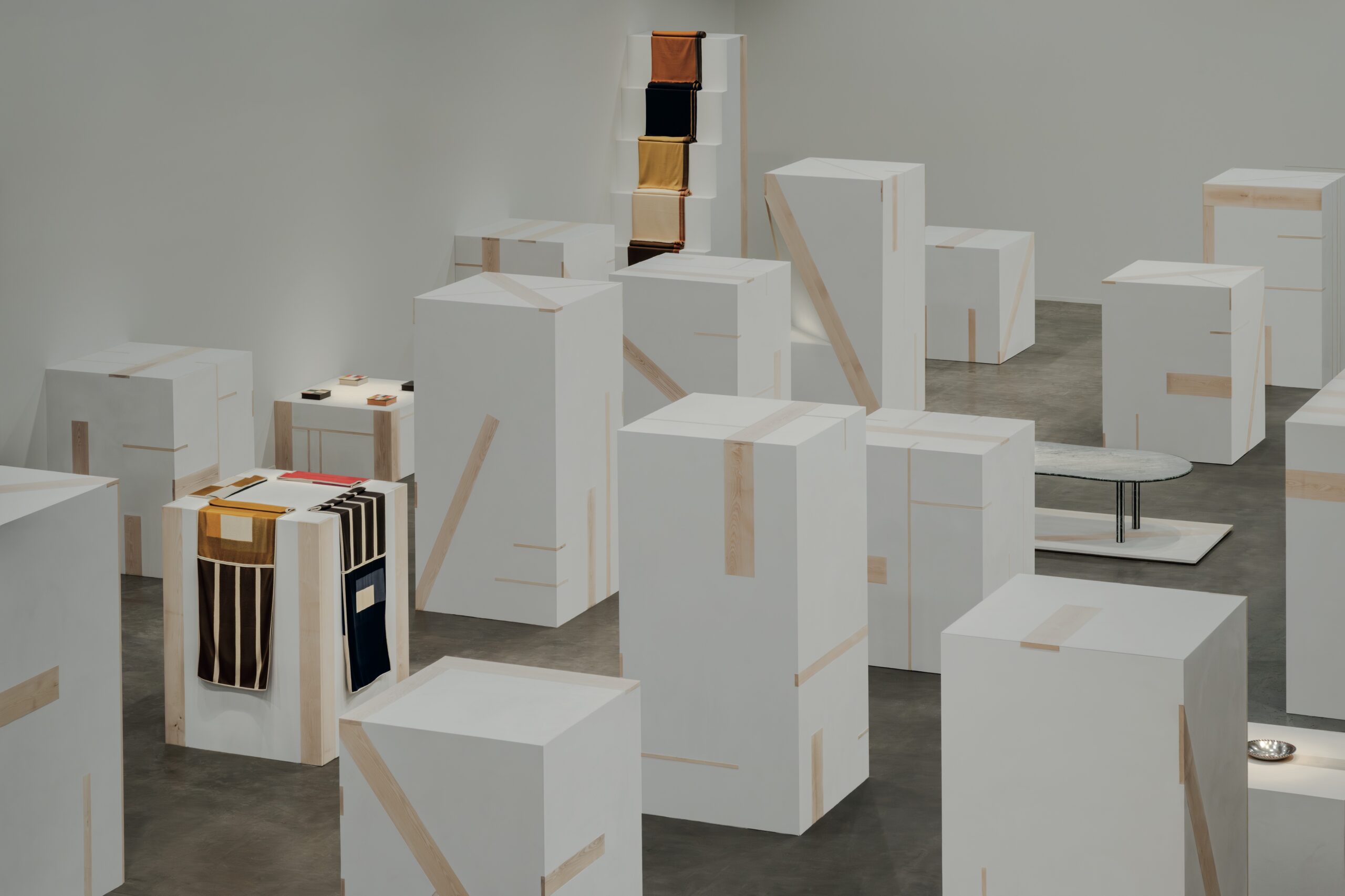
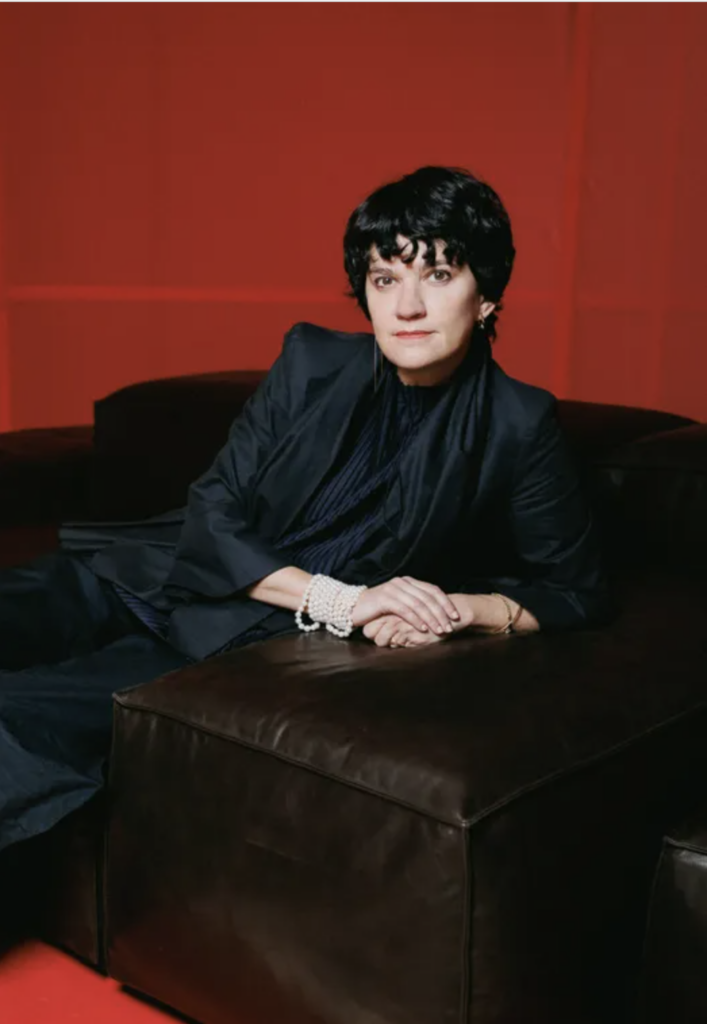
The introduction of Salone Raritas, curated by Annalisa Rosso with exhibition design by Formafantasma, signals a deliberate shift towards authorship and rarity. Conceived as a hybrid between gallery and institutional display, the project brings together limited editions, historical works, and high craftsmanship. Exhibitors such as Nilufar and Brun Fine Art position collectible design not as a niche, but as a critical lens through which value, material, and narrative are reconsidered.

The interior becomes fiction
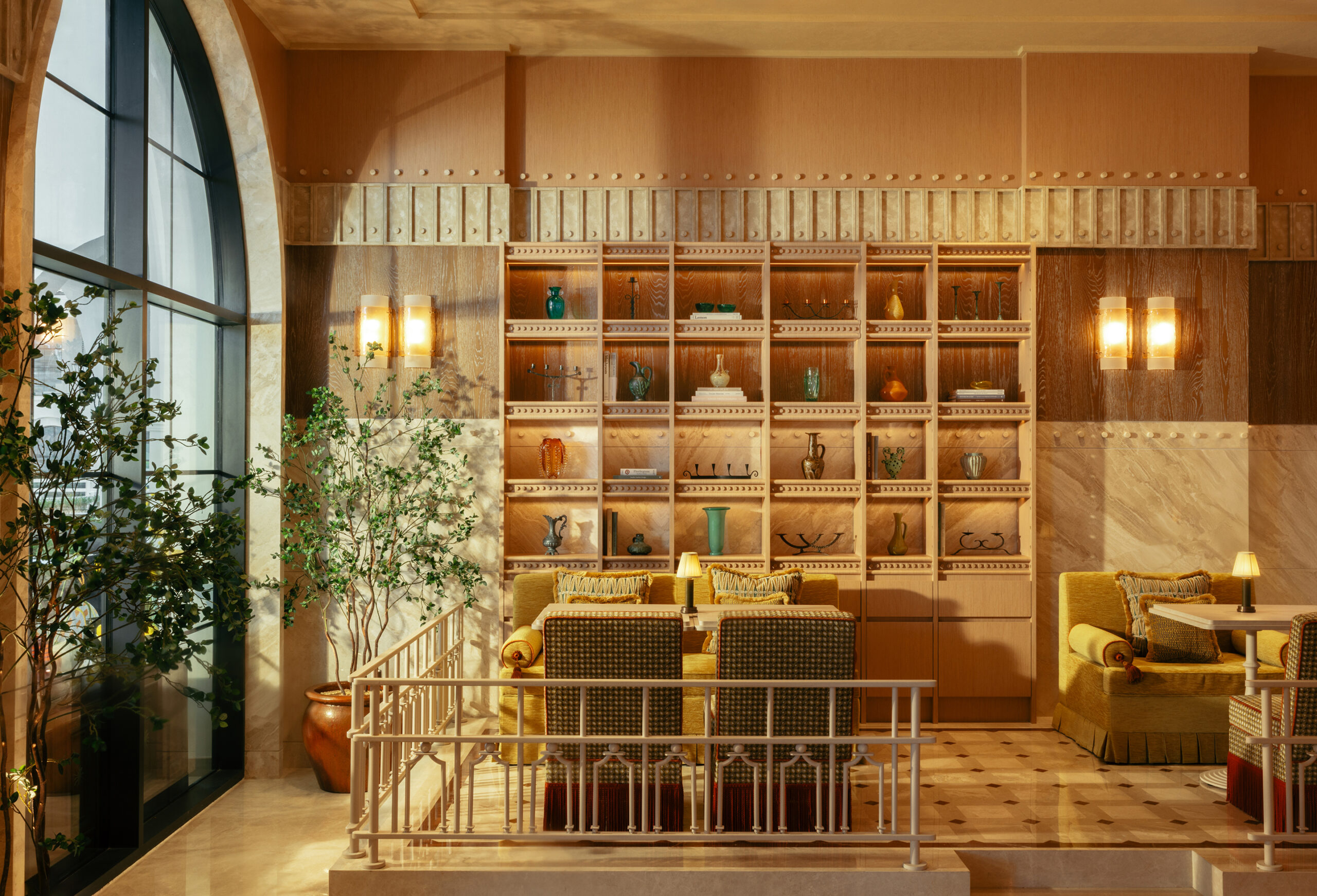
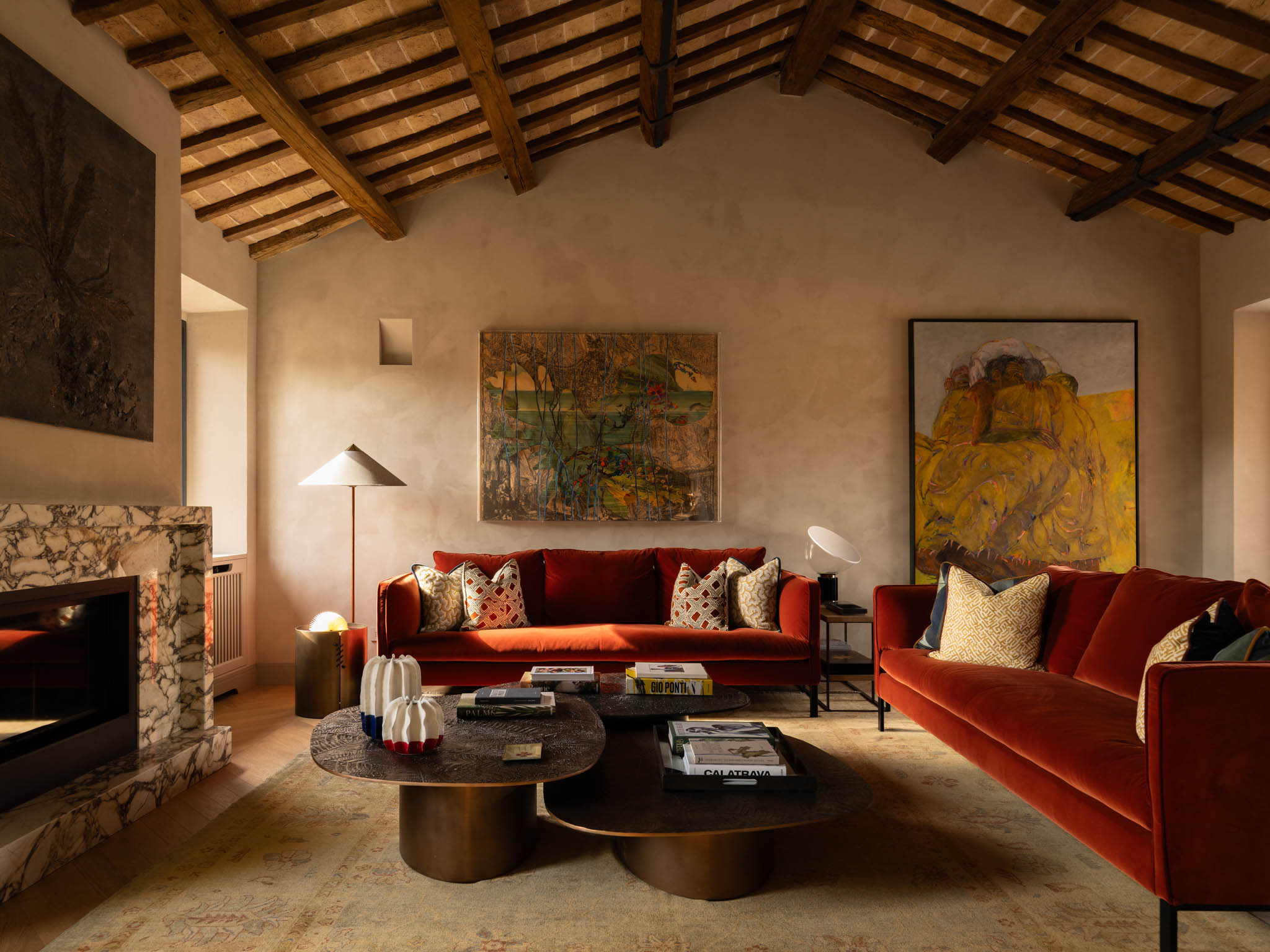
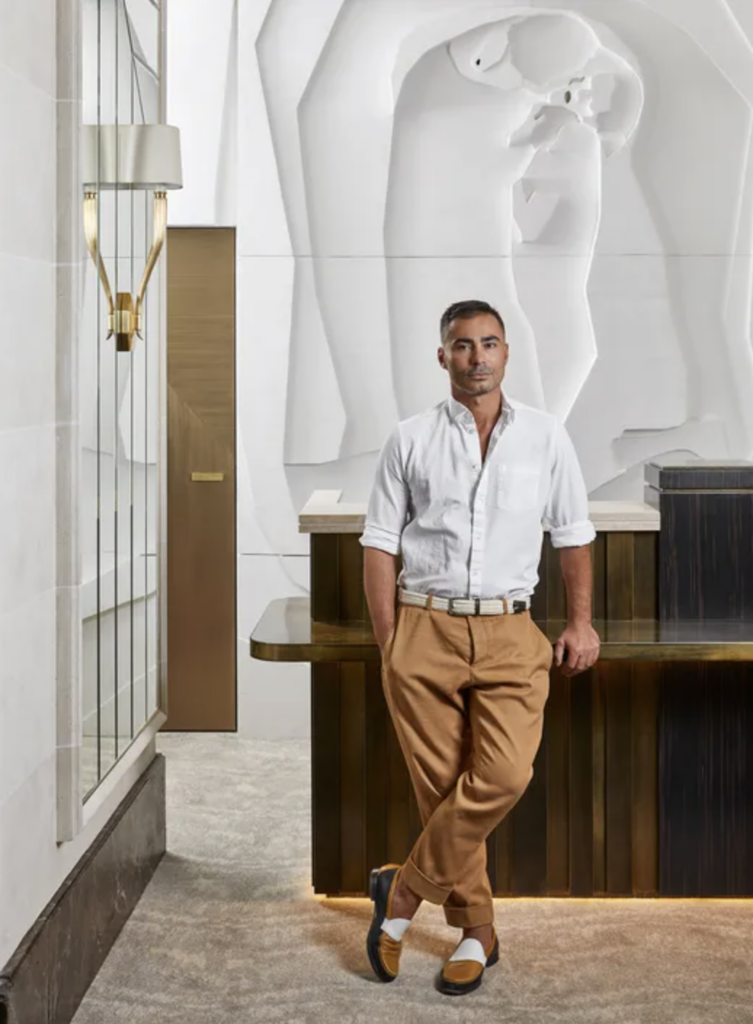
Within the “A Luxury Way” section, the Paris-based Maison Numéro 20, led by Oscar Lucien Ono, introduces Aurea, an Architectural Fiction. Imagined as a hotel that does not exist yet feels entirely inhabitable, the installation unfolds as a sequence of atmospheres. From winter garden to dining room, each space constructs a narrative where references move between Art Deco, surrealism, and cinematic staging. Here, luxury is repositioned as an intellectual and environmental condition rather than a decorative excess.
Contract design becomes a strategic discipline
The launch of Salone Contract extends the fair into a long-term research project. Developed with OMA under the direction of Rem Koolhaas and David Gianotten, the initiative reflects a broader industry shift. Design is no longer understood through individual objects, but through integrated systems that shape hospitality, retail, and real estate. The 2026 edition introduces talks and thematic routes, anticipating a full-scale platform in 2027.

The return of the Biennials
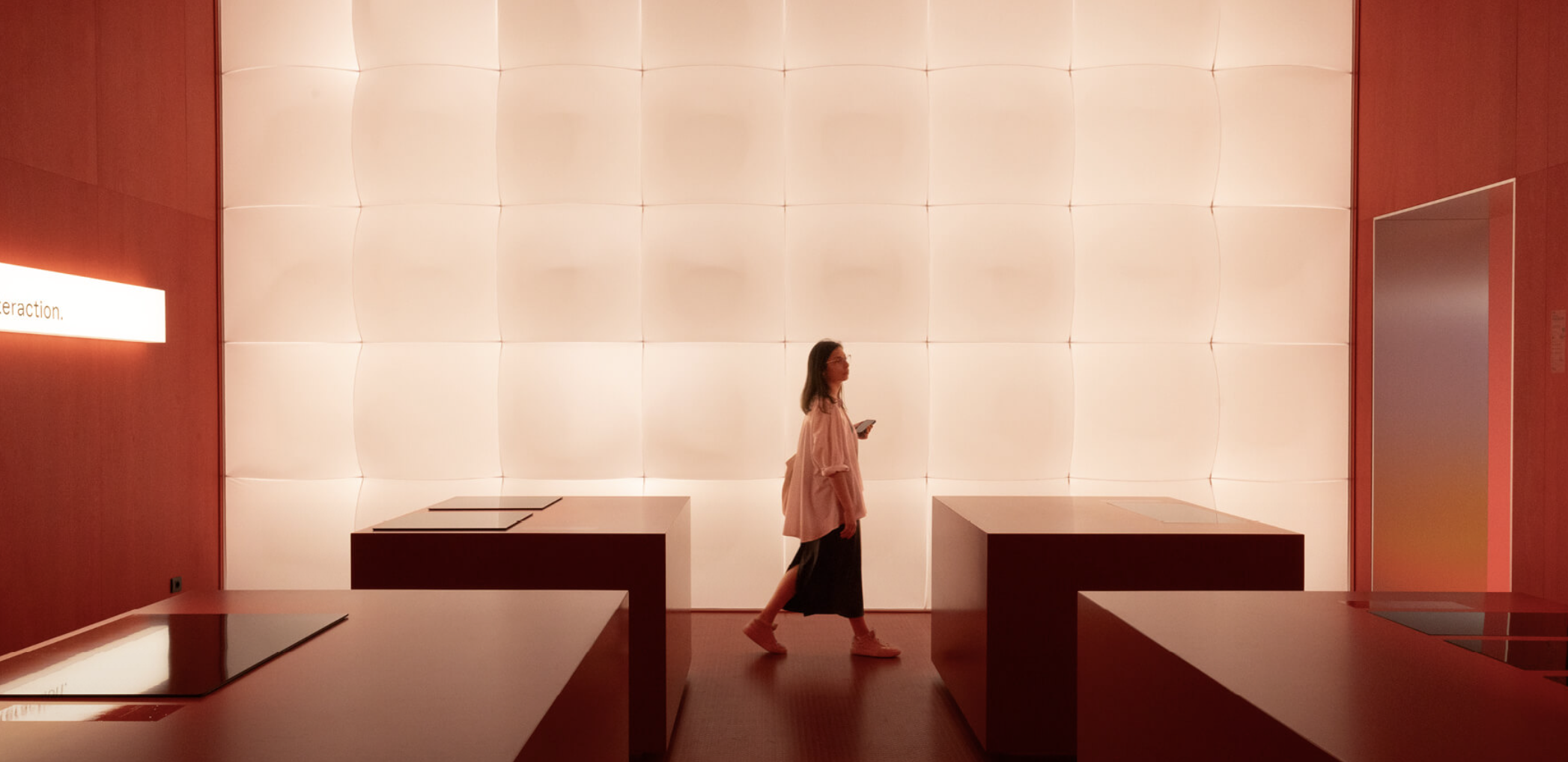
Alongside these new formats, the fair reactivates its major biennial pillars. EuroCucina, with FTK Technology For the Kitchen, foregrounds intelligent systems, AI integration, and adaptive environments. The Salone Internazionale del Bagno explores longevity as a design principle, where durability, efficiency, and wellbeing converge into long-term spatial thinking.
A platform for emerging voices
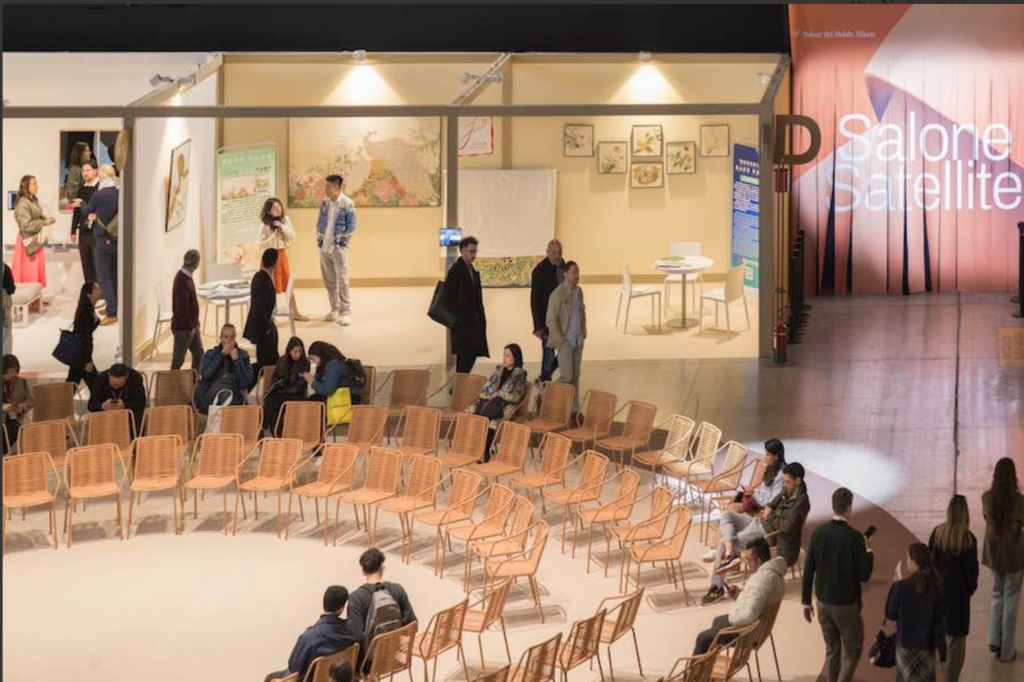
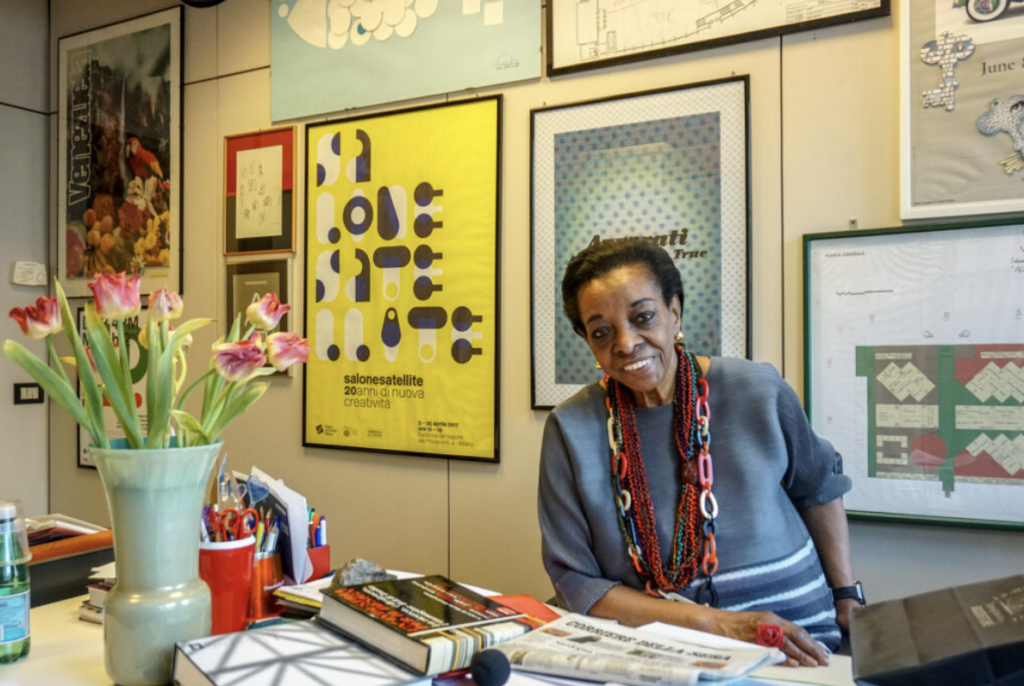
Finally, SaloneSatellite, curated by Marva Griffin Wilshire, continues to position young designers at the centre of the discourse. With a focus on craftsmanship and innovation, it frames making not as tradition, but as a forward-looking, cultural act.
In 2026, the Salone does not simply present design. It reorganises it, expanding its role from exhibition to instrument, from marketplace to methodology.