Words by Allegra Salvadori
Exclusive interview with Mai Al Mansoori, Associate Curator at Zayed National Museum, on the occasion of its upcoming opening in Abu Dhabi.
In this conversation, Mai Al Mansoori reflects on how the museum translates the values of the late Sheikh Zayed bin Sultan Al Nahyan into architecture, storytelling, and curation — celebrating the UAE’s past while shaping its cultural future.
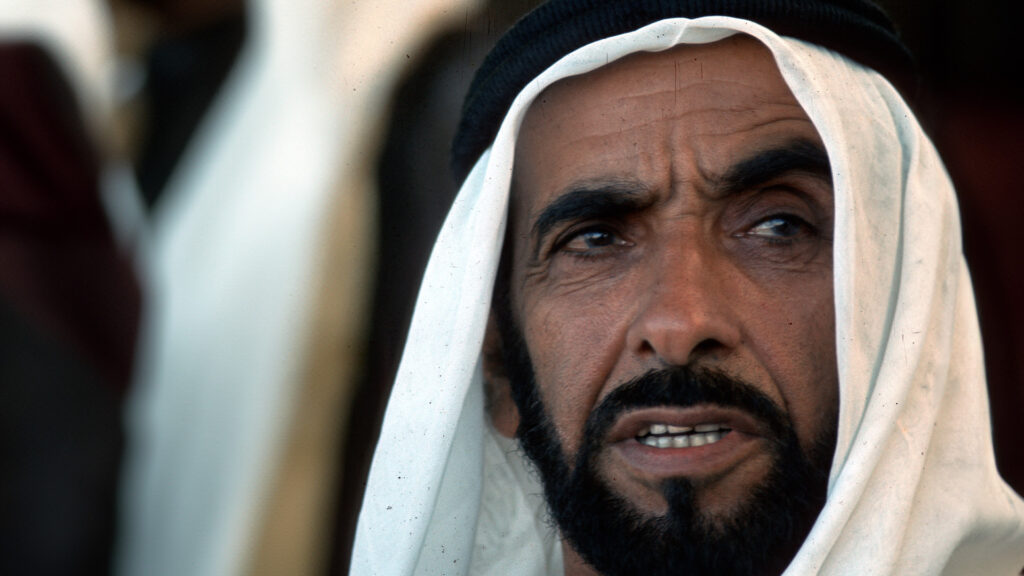
Before we begin, could you tell us how Zayed National Museum speaks to you personally — not just as a curator, but as someone witnessing this long-awaited national landmark come to life?
Zayed National Museum derives its purpose from the late Sheikh Zayed bin Sultan Al Nahyan, Founding Father of the United Arab Emirates. It is designed to create a deep and lasting emotional and intellectual connection to thousands of years of human history and the legacy and values of Sheikh Zayed bin Sultan Al Nahyan that continue to guide the UAE today. It is not only a place of knowledge, but a space for reflection and national pride. Visitors will learn about the history, heritage and the culture of the UAE to better understand the story of this land and its people.
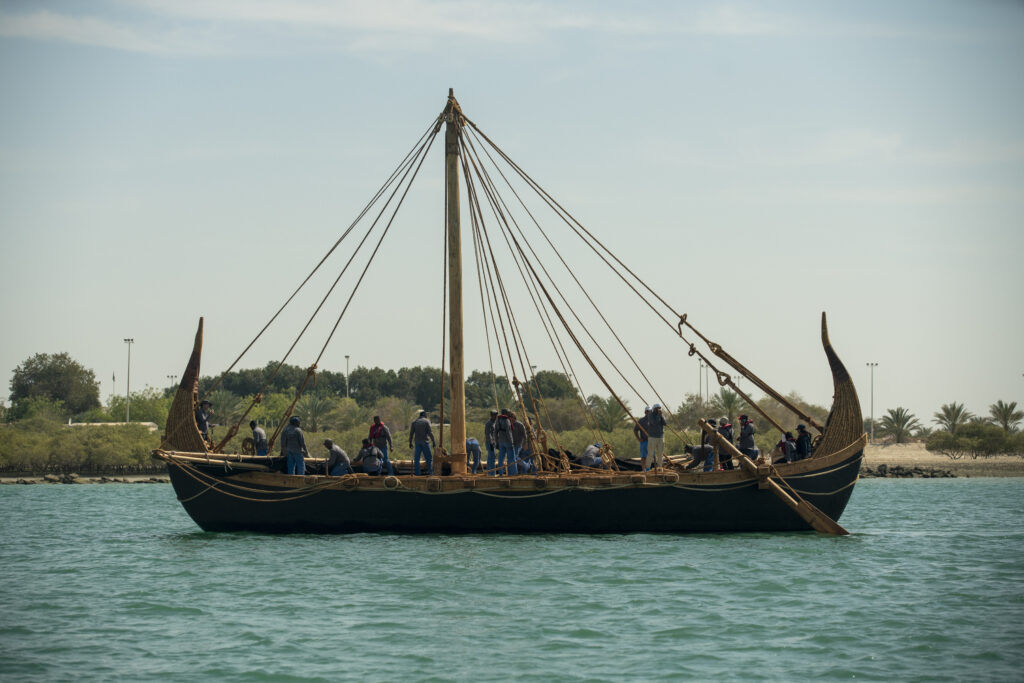
The museum brings to life Sheikh Zayed’s core values such as ambition, belonging, giving, compassion and patriotism through its inspiring architecture, thoughtfully designed galleries and engaging curatorial narratives. All these elements will connect visitors from the UAE and beyond to the UAE’s past, present and future, bringing the nation’s story to life through engaging storytelling. Zayed National Museum’s collection includes over 3,000 objects, of which more than 1,500 will be on display throughout its six permanent galleries. The museum offers immersive experiences in its narrative, featuring artefacts and interactive displays that range from Sheikh Zayed’s life told through pictures and objects to the Abu Dhabi Pearl, one of the world’s oldest pearls, and the striking 18-metre reconstruction of the Bronze Age Magan Boat, the result of a research partnership with Zayed University and New York University Abu Dhabi.
When you look across the collection, which stories or objects feel most powerful in capturing the essence of Sheikh Zayed’s legacy?
The galleries explore key themes such as Sheikh Zayed’s life and values, the diverse landscapes of the UAE, early human activity and trade, regional connections and the spread of Islam, coastal culture and navigation and traditional inland lifestyles and heritage.
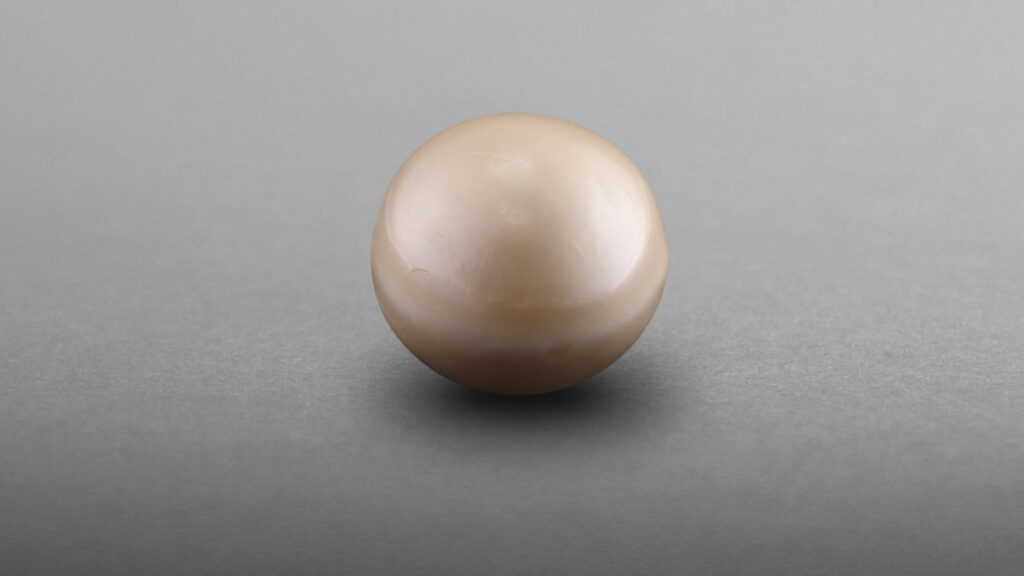
Among the collection, two objects stand out as particularly emblematic of Sheikh Zayed’s legacy. The Abu Dhabi Pearl, dated to around 8,000 years old and considered one of the oldest known natural pearls in the world, connects with his deep commitment to heritage and the preservation of the nation’s cultural and natural history. Its presence in the museum connects the United Arab Emirates’ ancient maritime traditions to Sheikh Zayed’s vision of continuity between past and present.
Equally significant, one that resonates deeply is the collection of photographs in the Our Beginning gallery. These photographs capture a unique lens into Sheikh Zayed’s life, not just as a statesman, but as a deeply caring leader and father figure who was committed to the unity, compassion and respect of his people.
Among these, a remarkable collection of more than 1,390 images taken by French photojournalist Jack Burlot during his 1974 visit. This archive includes never-before-seen moments of Sheikh Zayed bin Sultan Al Nahyan visiting development projects and daily life in the unified UAE.
These objects are representative of the values championed by Sheikh Zayed, including ambition and belonging alongside his dedication to preserving the UAE’s history and cultural heritage for future generations.
Architecture shapes emotion as much as it houses art. How would you describe the dialogue between the museum’s design, its collections, and the city of Abu Dhabi itself?
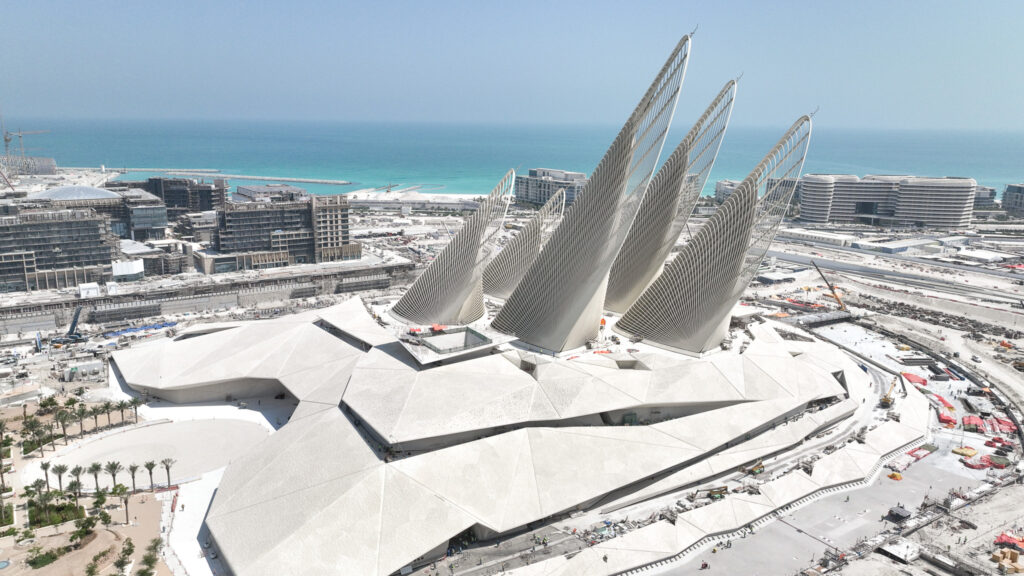
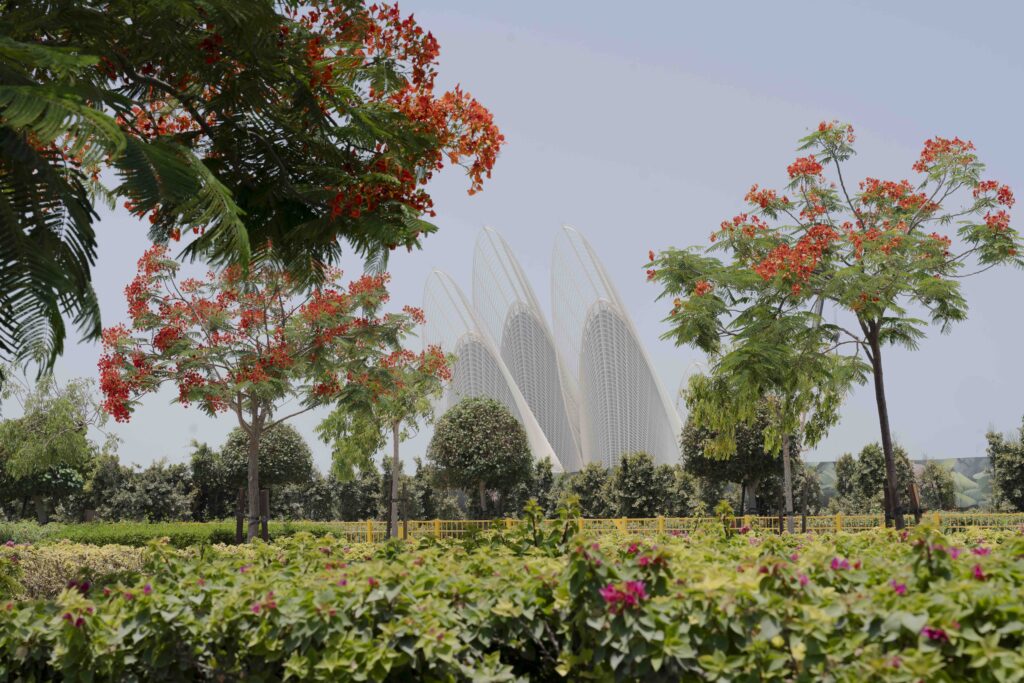
The architecture of Zayed National Museum was conceived with a deep respect for both the heritage and the environment of the UAE. The five towers that soar above the museum building are inspired by a falcon’s wings in flight, a nod to the traditional practice of falconry and a symbol of Emirati cultural heritage. Within, visitors will move through galleries that portray a balance of open, light-filled spaces interwoven with more intimate environments. In this way, the architecture does more than house the objects; it participates in storytelling, shaping the visitor’s experience and reinforcing the museum’s role as both a cultural and civic landmark for Abu Dhabi and the United Arab Emirates.
As visitors move through the museum, what experiences or moments do you hope will stay with them long after they leave?
For me, the journey through the museum is filled with many impactful moments that are sure to create resonance in the visitor’s mind and experience, but I am most looking forward to seeing visitors start their journey through the museum in the Our Beginning gallery. Here we explore the life of Sheikh Zayed through photographs, archival film, historical documents and personal objects. Beginning with his childhood in Al Ain, we see the people and practices that shaped the values that he kept throughout his life. This gallery shows how his early experiences moulded him into the leader he became and nurtured his deep commitment to preserving our history and heritage for future generations.
I was privileged to take part in the Magan Boat research project in collaboration with Zayed University and New York University Abu Dhabi which saw the reconstruction of a Bronze Age boat. I am really looking forward to seeing the visitors’ reactions when they first encounter this impressive full-size vessel in its position within the atrium of the building sitting beneath one of the wing-shaped towers.
In To Our Ancestors, a gallery that traces back 300,000 years of history, visitors will see a recreation of a burial site from the Umm an Nar period. This site represents the excavation of a woman who lived beyond the typical life expectancy of her time and was buried with her weapons. Elsewhere in the same gallery we can see a tomb from 4,000 years later in history — a recreation of the Hili Grand Tomb, which was discovered in Jebel Hafit in Al Ain. Here, the archaeological objects and recreations of real-life sites across the UAE are combined with audiovisual and sensory elements as well as artistic installations to fully immerse the viewer in the history and storytelling.
The museum’s narrative is rooted in Emirati history yet open to the world. How do you see it balancing the local with the universal?
The balance lies in storytelling. Zayed National Museum presents Emirati history with depth and intention, allowing universal themes to emerge naturally by establishing shared human connections through storytelling that surround objects both ancient and contemporary. By grounding the narrative in genuine Emirati experiences through its objects and the voices tied directly to the land and its people, the museum ensures that its presentation is rooted in local heritage. Universal themes are explored throughout the museum narrative but always through the lens of the local context. For example, in the galleries To Our Ancestors and Through Our Connections, the museum explores the impact of expanding trade routes, travel, and cultural exchange — topics that are both relevant and relatable to audiences worldwide.
What surprises — intellectual or aesthetic — do you think visitors might discover when they step inside for the first time?
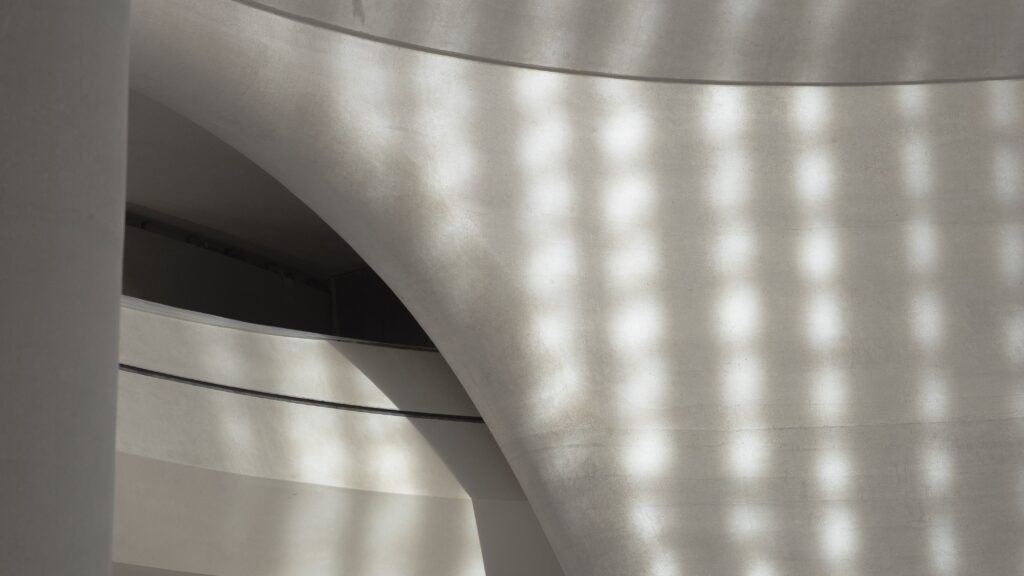
Aesthetically, visitors will encounter the monumentality of the museum’s architecture, designed by Lord Norman Foster of Foster + Partners, juxtaposed with the intimacy and sense of comfort within its welcoming interior. The museum gives equal weight to quieter forms of storytelling, whether through oral histories or artefacts that reveal everyday life. One of the most fascinating aspects of the museum’s narrative is the careful selection of every object in the collection, chosen for the unique story it contributes to the larger narrative. Each piece, whether donated, loaned or part of the permanent collection, carries its own history and voice, enriching the museum’s storytelling.
And finally, on a personal note — is there a space within the museum that feels especially meaningful to you?
For me, Our Beginning holds the strongest resonance. It provides a comprehensive narrative of Sheikh Zayed’s leadership, vision and values while also capturing his humanity, humility and closeness to the people. Visitors are transported to a story that moves beyond achievements to reveal the man behind the legacy, highlighting the values he upheld — compassion, respect, humility and belonging, among many others. Through carefully selected objects, imagery and immersive storytelling, the gallery brings these values to life, allowing visitors to connect personally with Sheikh Zayed’s enduring influence. It embodies the guiding spirit of the museum: to preserve his legacy, communicate these values to future generations and provide all visitors with a glimpse into his life and an understanding of his leadership.
As the Zayed National Museum prepares to open its doors in Abu Dhabi, it stands as both a tribute to the late Sheikh Zayed bin Sultan Al Nahyan’s enduring vision and an invitation to the world to experience the generosity, wisdom, and spirit that continue to shape the United Arab Emirates.