Barcelona has no shortage of Antoni Gaudí landmarks but Casa Batlló is perhaps the one that best explains how the architect thought. The façade, with its bone-like balconies, shimmering ceramics and peculiar lack of straight lines, gets most of the attention. Look beyond it, however, and a more interesting story emerges: one about the design of everyday life.
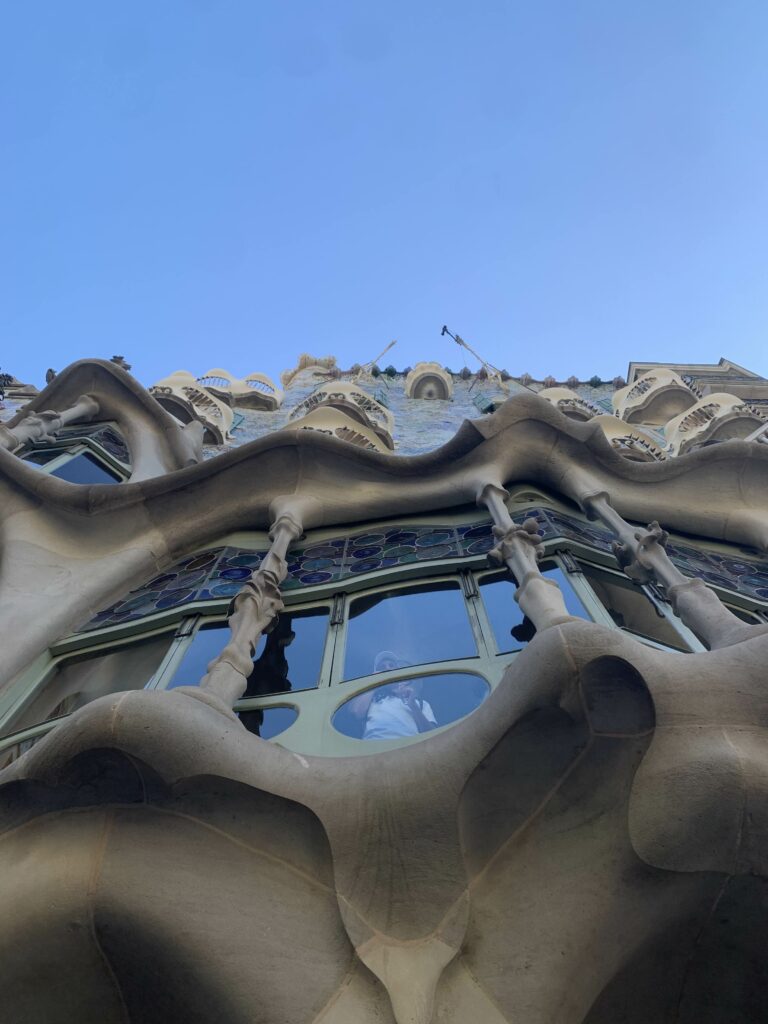
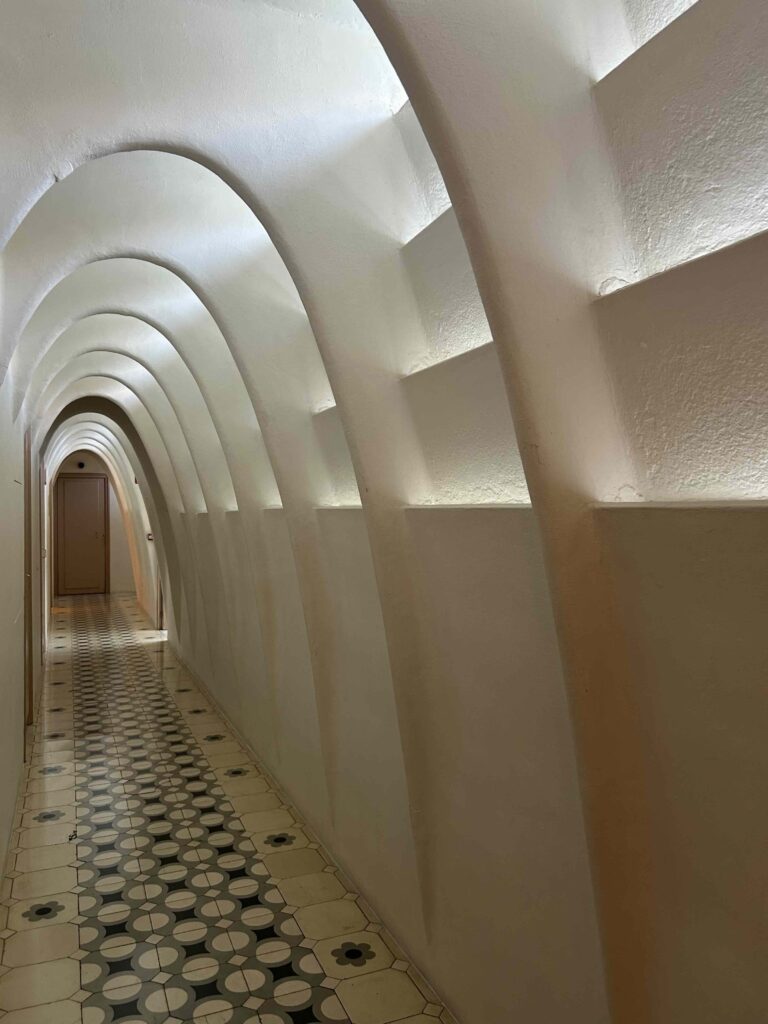
Completed in 1906 after a radical renovation of an existing 19th-century townhouse for textile industrialist Josep Batlló, the house was conceived as a whole. Architecture, furniture, ventilation, light, colour and even the feel of a door handle were considered part of the same project. Gaudí was not interested in decorating rooms after they had been designed; he was designing the experience of moving through and living in them.
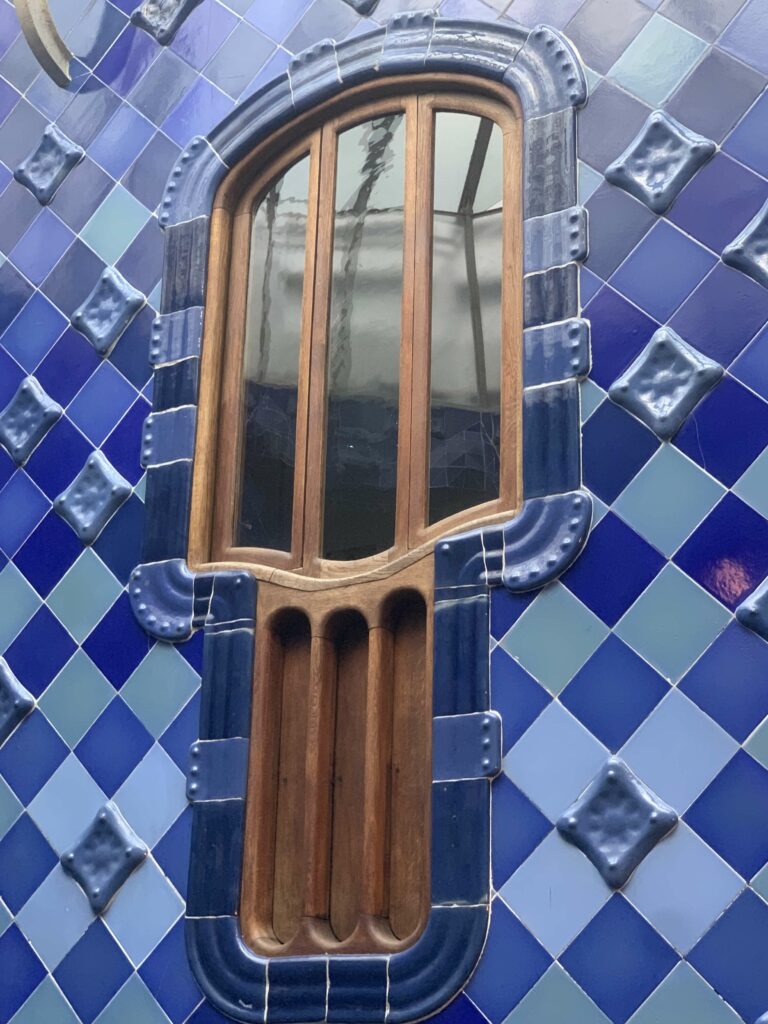
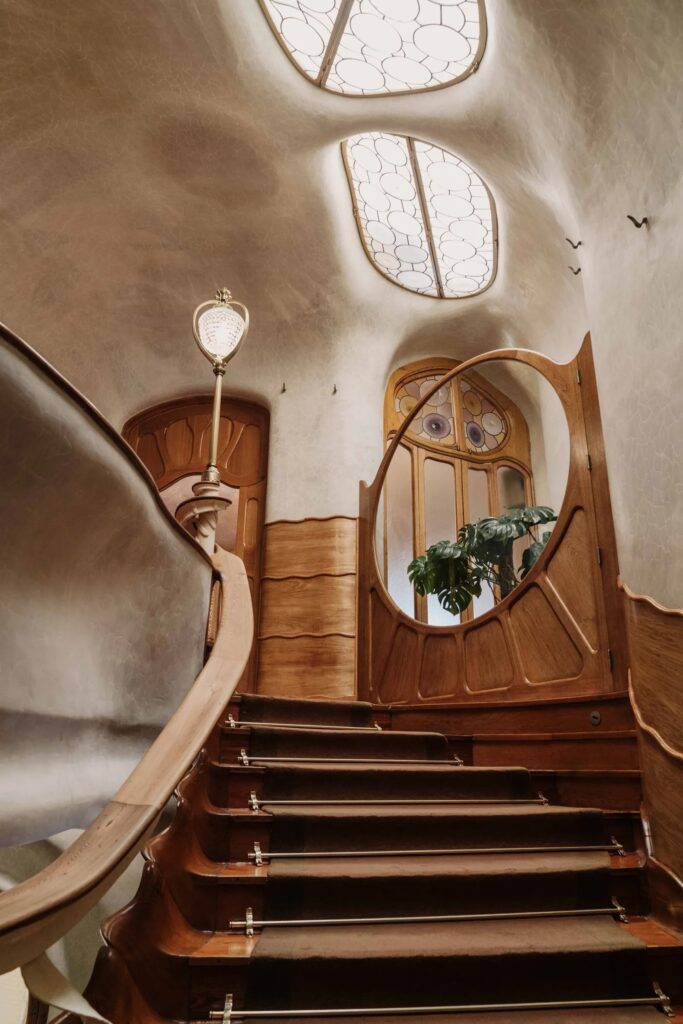
That thinking is particularly evident in the woodwork. Doors, window frames and handles were shaped around the body rather than imposed upon it. The handles sit naturally in the hand; the great wooden banister of the central staircase curves upwards almost like a spine. These are expressive objects, certainly, but their eccentricity rarely comes at the expense of use.
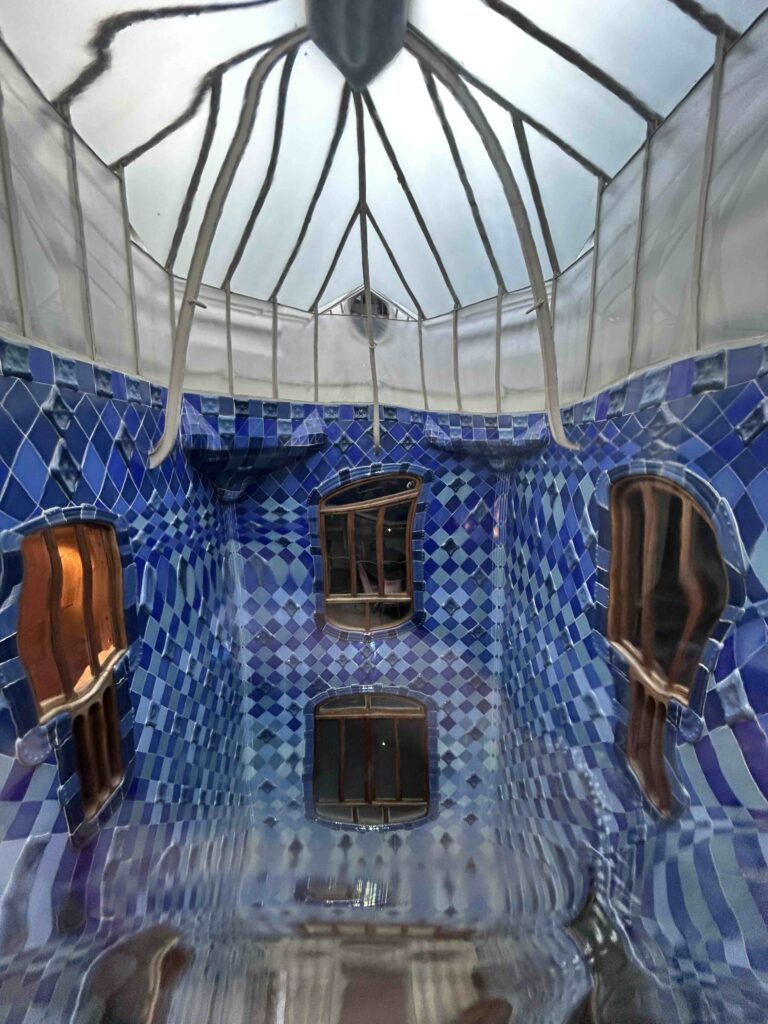
Light was treated with similar precision. In the central patio, ceramic tiles graduate from deep cobalt blue at the top to paler tones below. The shift compensates for the changing intensity of daylight as it travels down through the building, helping create a more even perception of light across the floors. Windows also change in size for the same reason. What appears decorative is, in fact, carefully calibrated.
Materials perform more than one job too. Gaudí’s celebrated trencadís — fragments of ceramic and glass assembled into irregular mosaics — gives surfaces their distinctive texture while allowing them to catch and scatter Barcelona’s changing light. Upstairs, the roof becomes another exercise in combining performance and imagination. Chimneys and ventilation shafts are turned into sculptural forms, while the great tiled surface that has long been compared to the back of a dragon disguises the practical business of protecting the building beneath it.
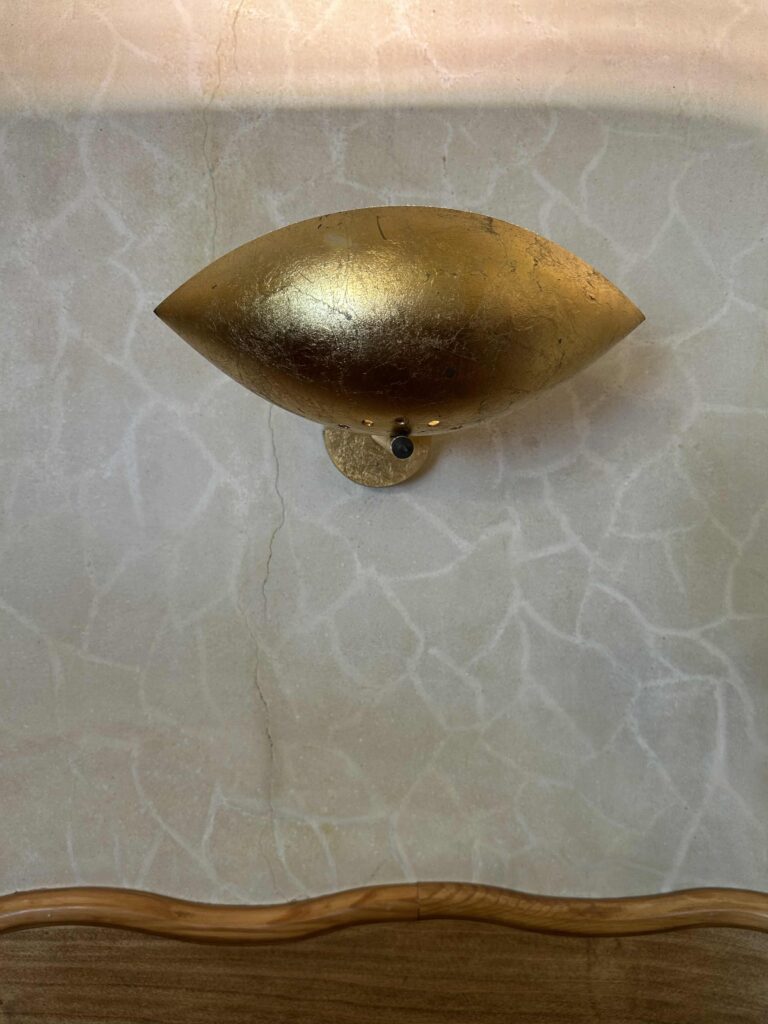
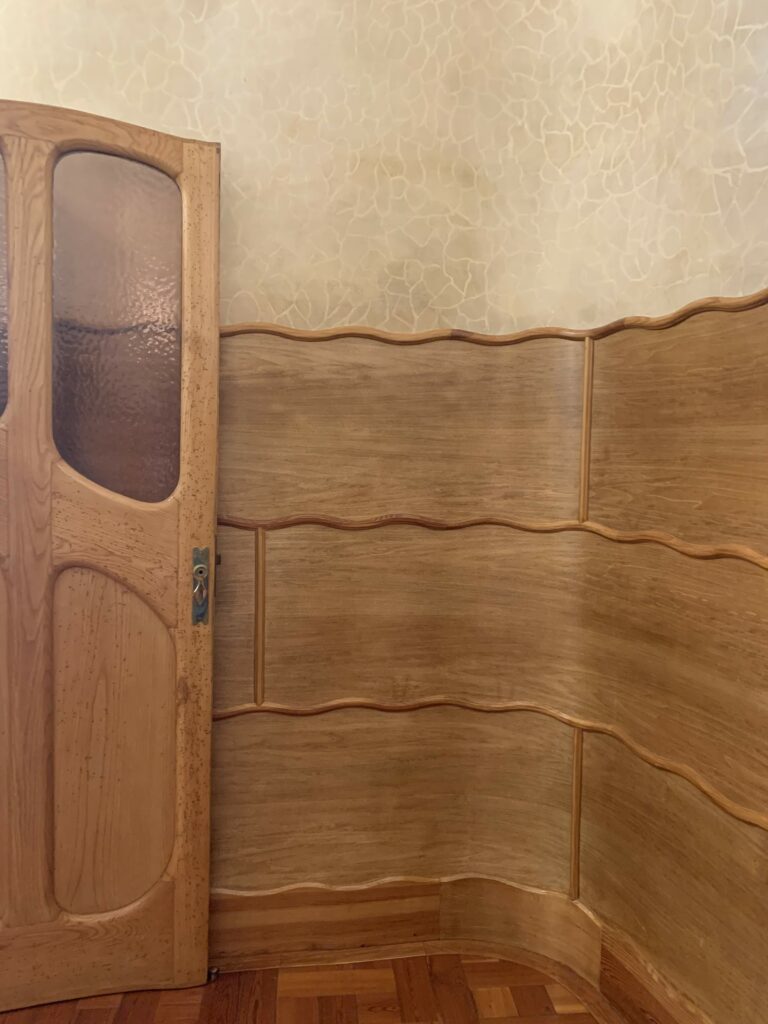
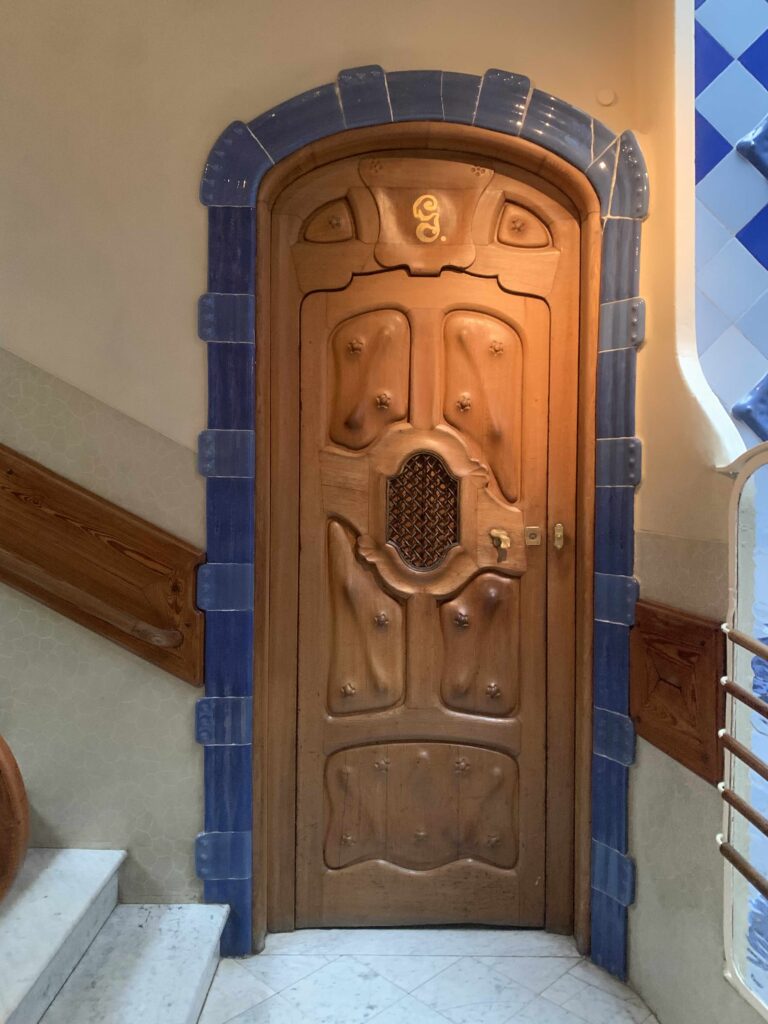
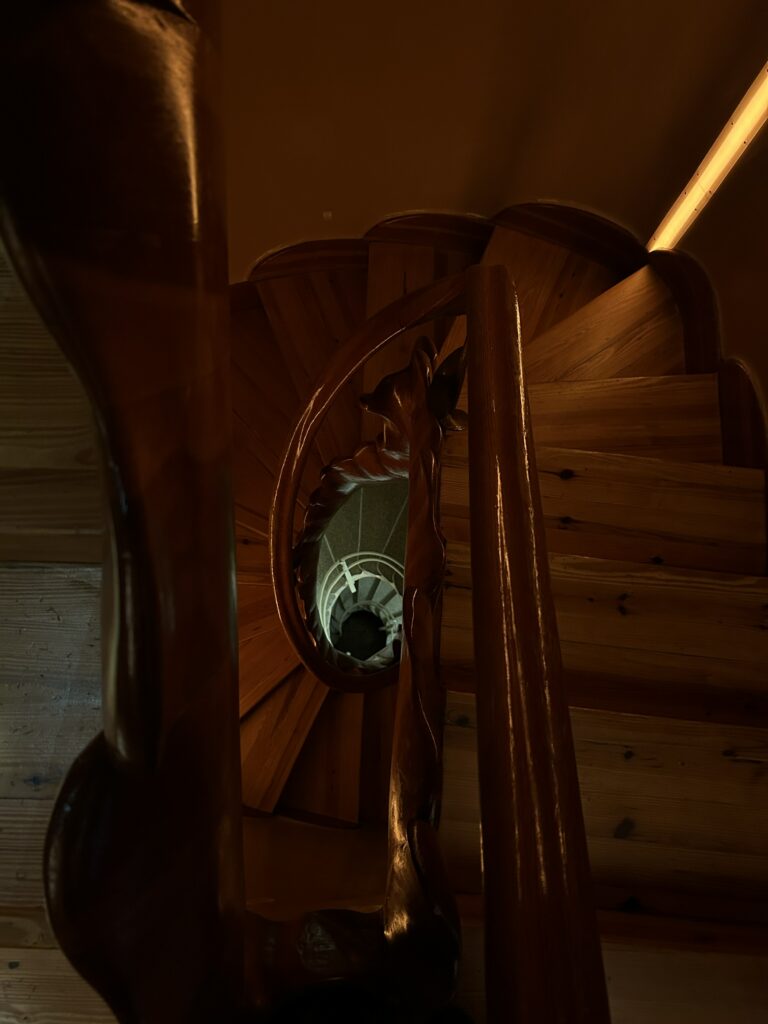
This is perhaps what makes Casa Batlló feel unexpectedly contemporary more than a century later. Gaudí understood that good design does not stop at the scale of a building. It moves from architecture to interiors, from materials to objects and, ultimately, to the hand that opens the door.
The house may be one of Barcelona’s great spectacles, but its most compelling ideas are often found in its smallest details.