For decades, the architecture of luxury hospitality has been moving steadily towards disappearance. The private entrance. The secluded villa. The infinity pool without another human being in sight. In the Maldives, perhaps more than anywhere else, exclusivity became spatial: the greater the distance between oneself and everyone else, the greater the perceived luxury.
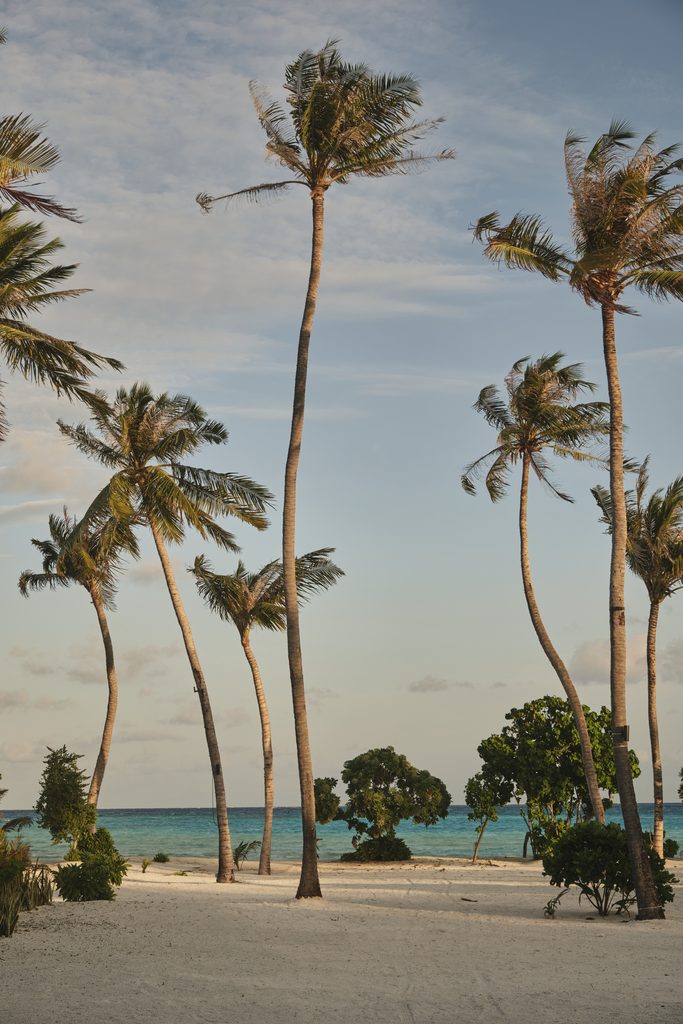
RAH GILI MALDIVES proposes a subtly different question. What if good hospitality design is not simply about creating places in which to withdraw, but about designing reasons to participate?
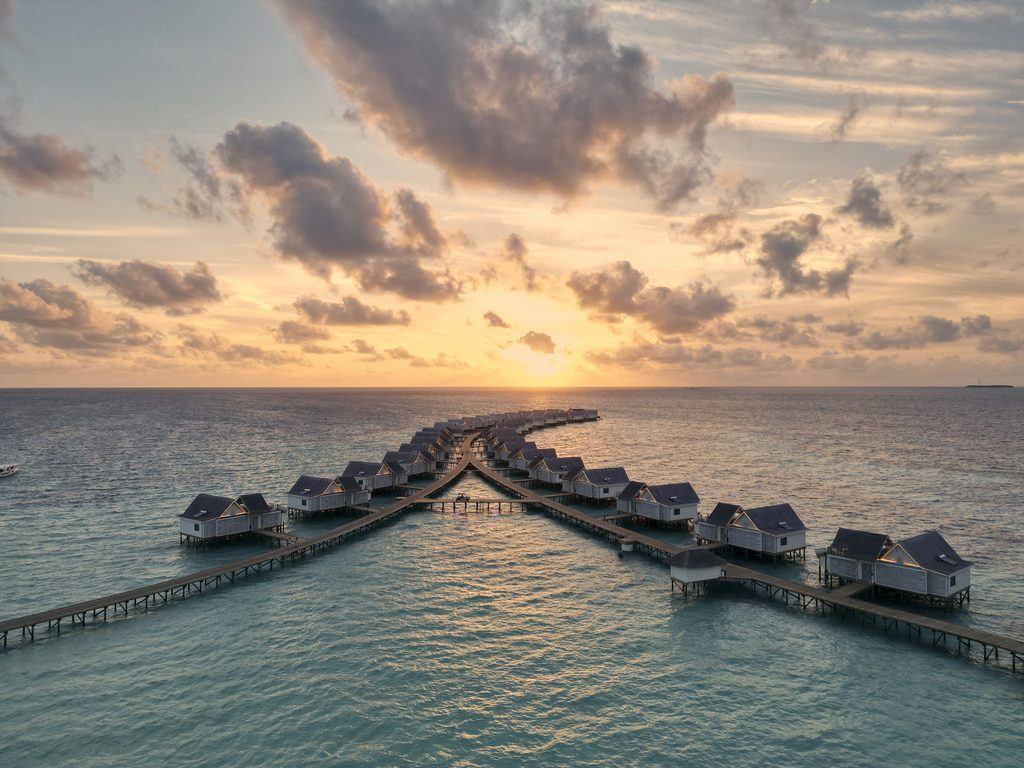
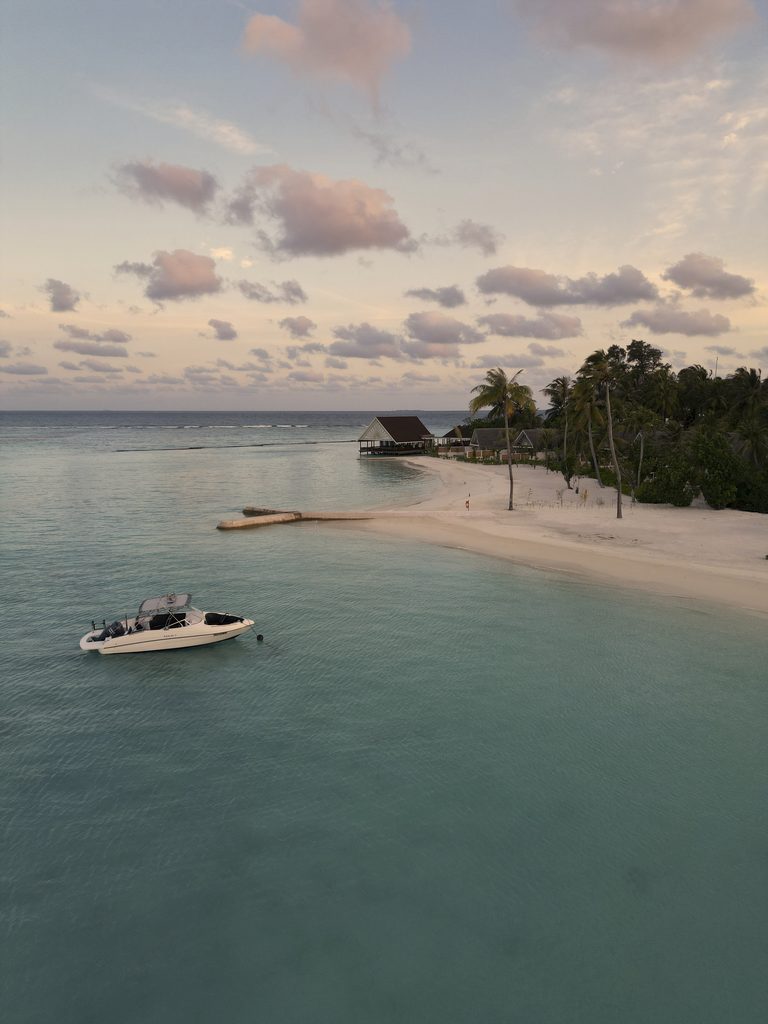
The first destination by SIX & SIX PRIVATE ISLANDS, RAH GILI occupies an island in the South Malé Atoll, with 74 villas distributed between land and water. Yet the interesting proposition here is not the familiar typology of the Maldivian villa. It is the way the resort attempts to reconsider the relationship between privacy and sociability, using architecture as an instrument for both.
The distinction matters. Contemporary luxury is increasingly less concerned with accumulation than with agency: the ability to decide when to retreat, when to engage and how a space should be inhabited. At RAH GILI, this manifests in an architecture that appears deliberately permissive rather than prescriptive.
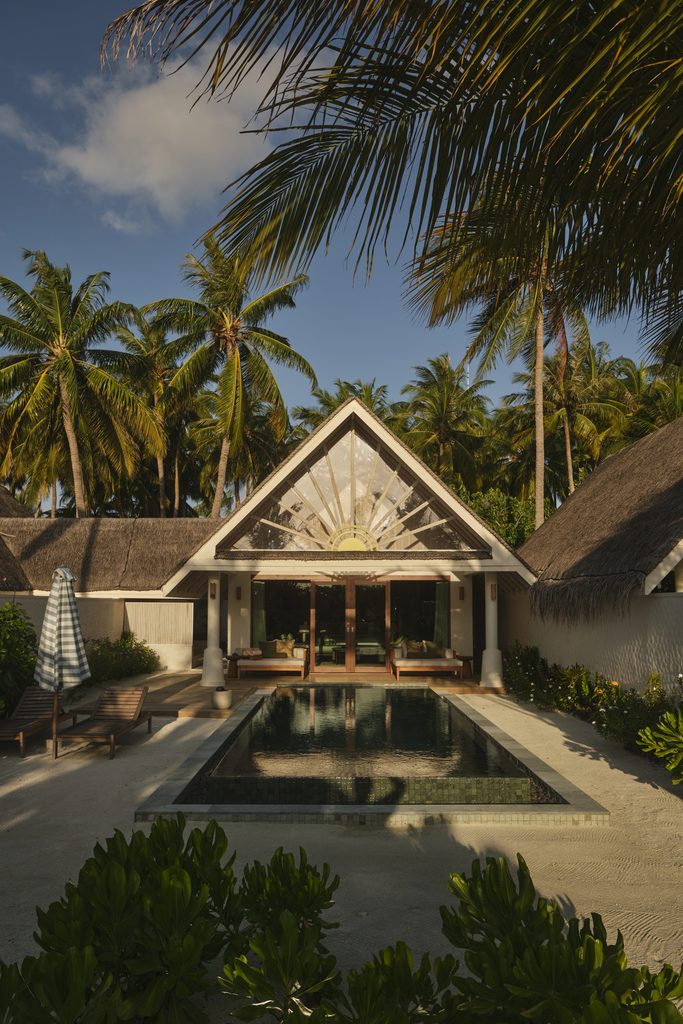
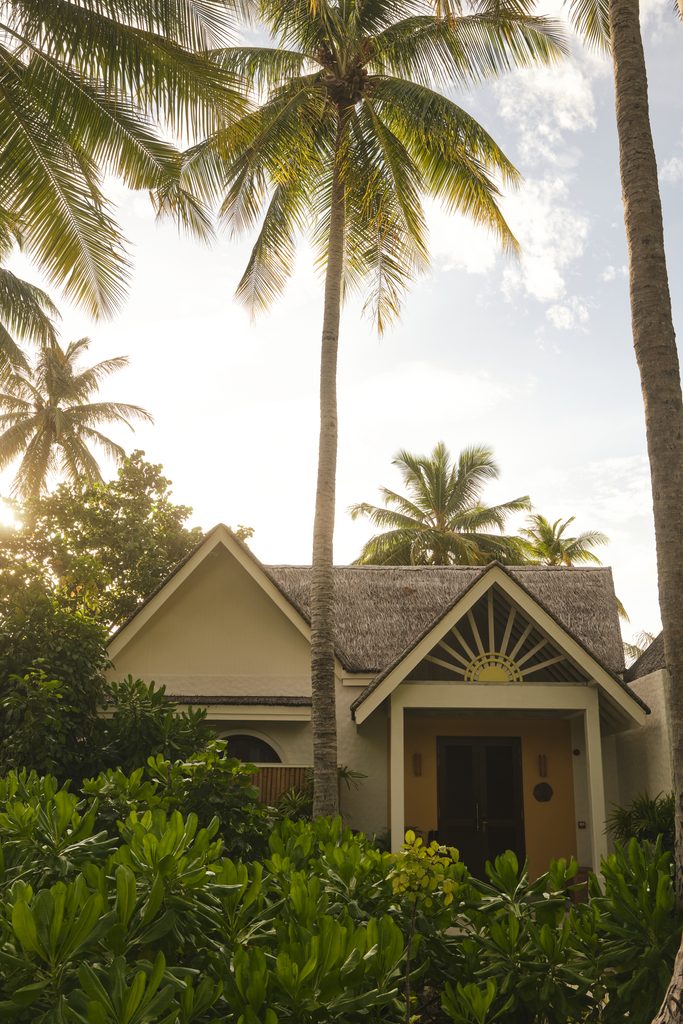
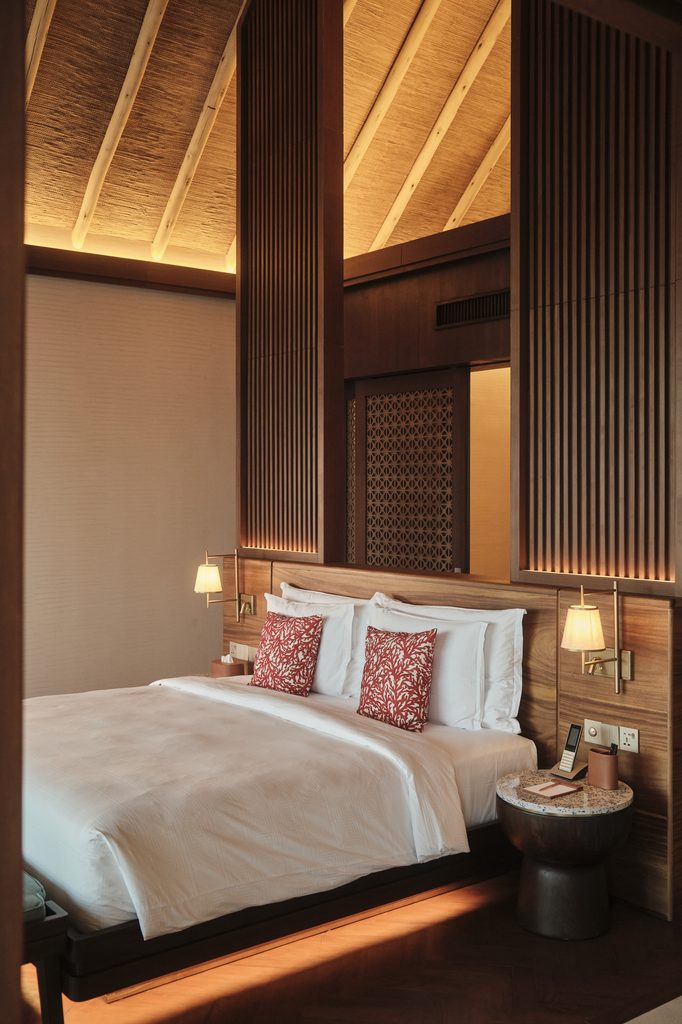
The Beach Pool Villas, for instance, are conceived around generous interior and exterior living areas, private pools and immediate access to the shore. They accommodate privacy, certainly, but their proportions also allow for something less ceremonious: families gathering, friends moving between inside and outside, doors remaining open, afternoons developing without an itinerary. The architecture provides a framework rather than dictating an experience.
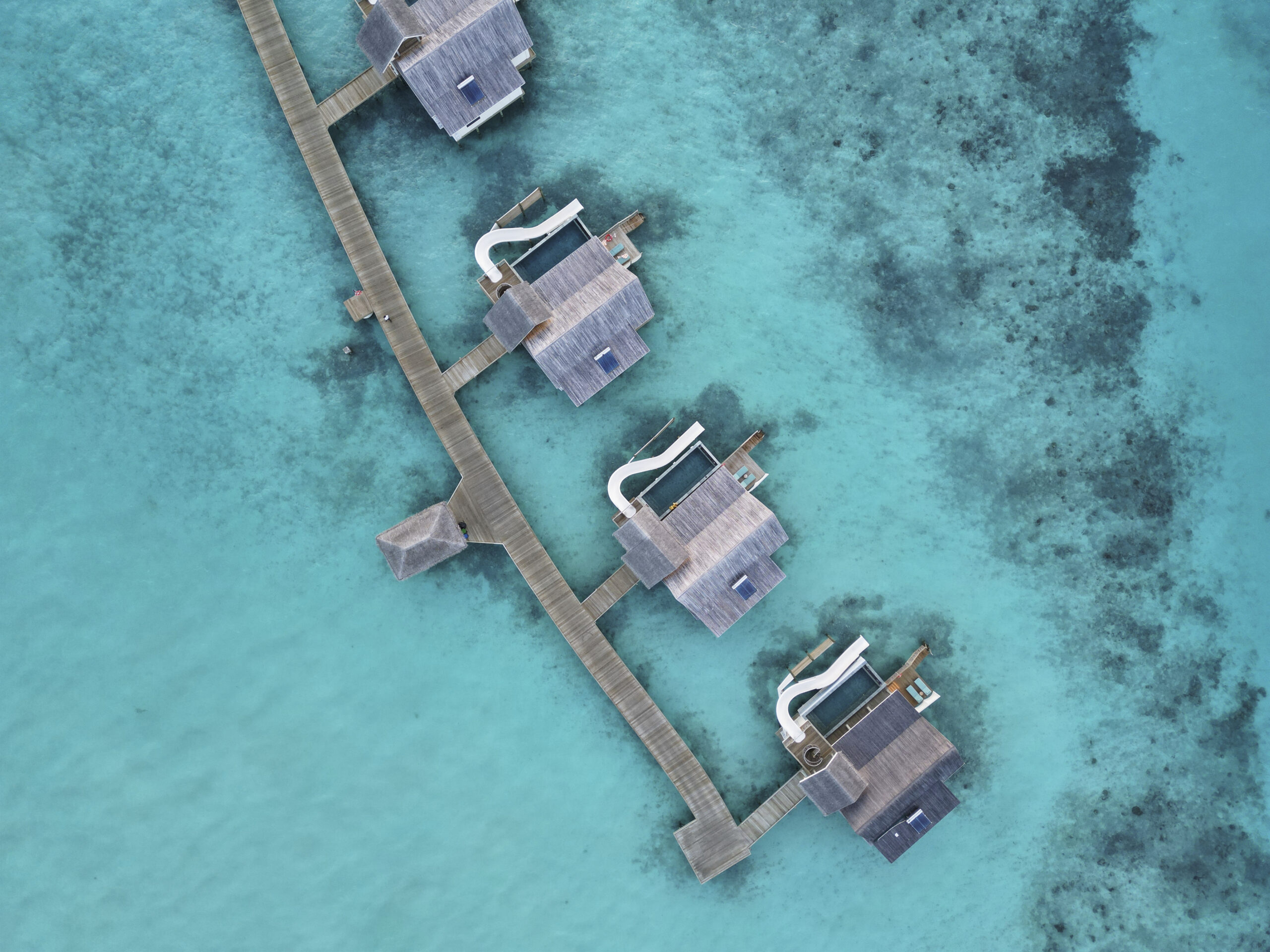
Over water, the proposition becomes more playful. The Water Pool Villas extend towards the lagoon through expansive decks and private pools, but some also introduce slides descending directly into the water. It is a surprisingly significant gesture. Resort architecture can take itself extremely seriously. Here, an element associated with childhood interrupts the expected choreography of polished hospitality and gives the building permission to be used instinctively.
This idea of participation extends beyond the villas.
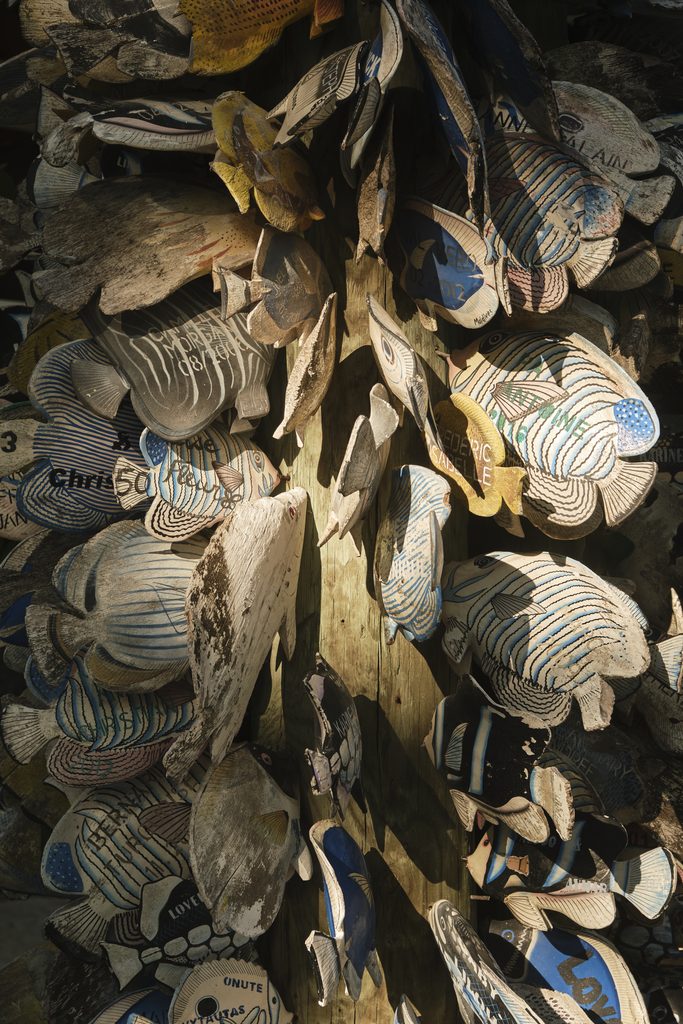
At the centre of RAH GILI is Rayyithun, meaning “People of the Islands” in Dhivehi, a philosophy intended to connect the physical resort with the people, craft and rhythms of the Maldives. Fishermen delivering the day’s catch, craftspeople involved in making spaces and local musical traditions are positioned not as decorative references to place, but as part of the resort’s identity.
It suggests another important shift in hospitality design. For years, resorts around the world borrowed the visual vocabulary of their locations: a local material here, a vernacular roofline there. Increasingly, however, geographical authenticity cannot be achieved through aesthetics alone. Place must enter the architecture through use, production, people and narrative.
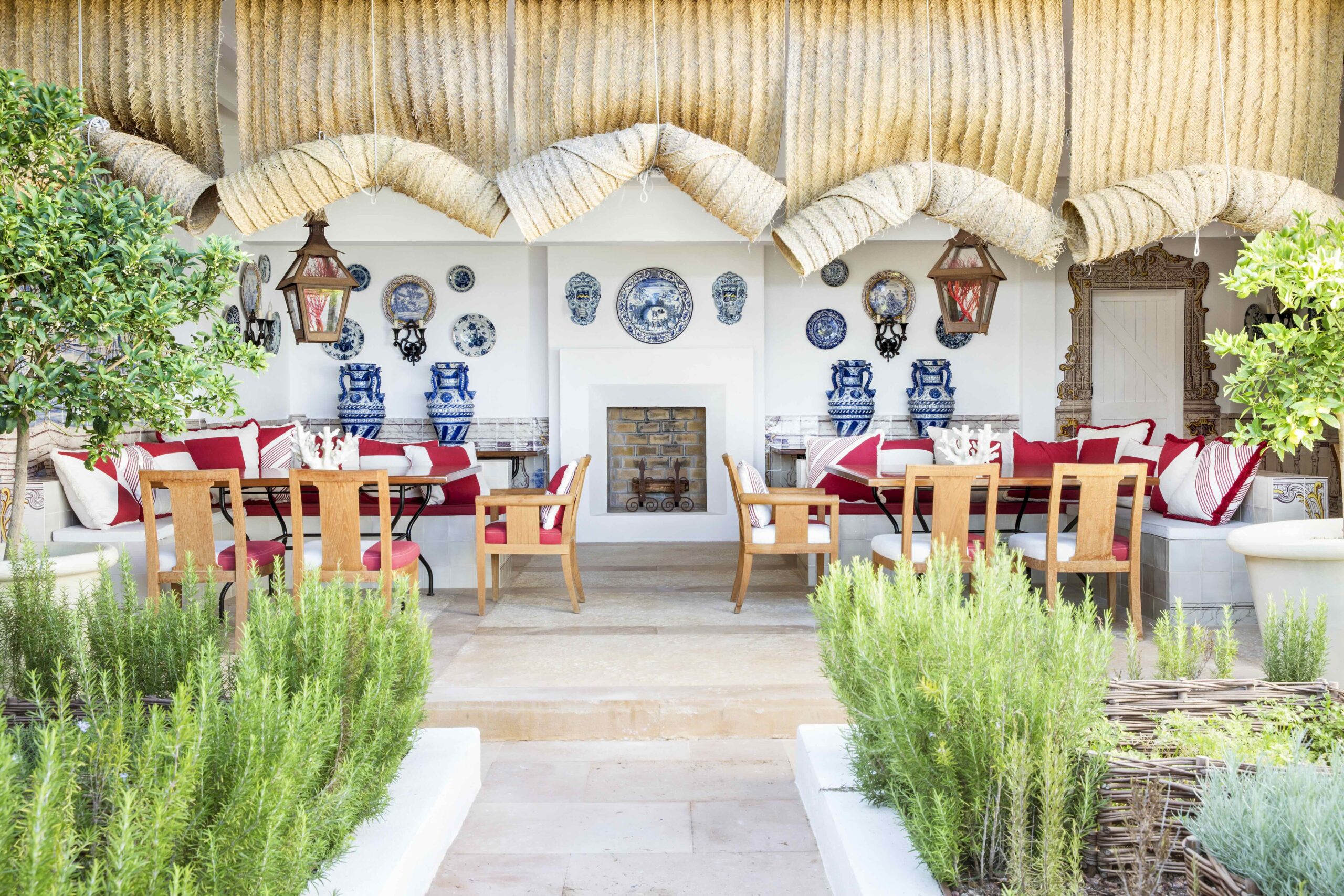
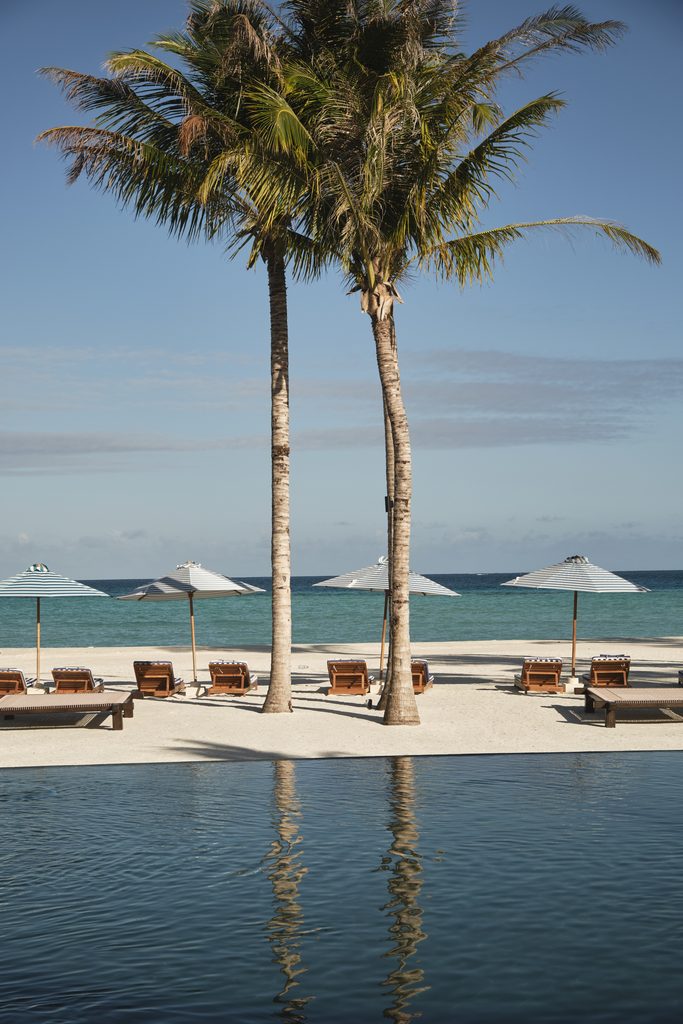
RAH GILI’s collection of restaurants reinforces this idea of multiple social territories. Juliette’s, Spicy Ginger, Teppan, La Tavola, Maakeyolhu and Tiffin each establish a different culinary environment, while Amrit Beach Club revolves around a 210 square metre pool, loungers and cabanas. Rather than concentrating the resort around one monumental social heart, these spaces create a constellation of different intensities through which guests can circulate.
Even nature participates in this spatial narrative. The island sits beside a protected dolphin sanctuary where spinner dolphins gather in the lagoon. The landscape therefore becomes more than a spectacular perimeter to the architecture. It is an active presence within the experience of the place.
Perhaps this is where RAH GILI’s design proposition becomes most relevant. The future of resort design may not depend on producing ever more extraordinary forms or ever larger private spaces. It may instead depend on understanding something considerably more difficult to draw on a floor plan: human behaviour.
How close do we want to be to others? When do we want solitude? What encourages strangers to become temporarily acquainted? What makes adults play? How can architecture allow an afternoon to unfold rather than programme it?
Luxury once answered such questions by building walls. The more interesting architecture now may be the architecture that knows when to remove them.