A quiet migration is reshaping the summer art calendar. Where beach clubs once dominated the conversation, a handful of islands are now drawing collectors, curators and artists instead, each cultivating a scene rooted in place rather than spectacle. The formula varies, from a former abattoir on a Greek hillside to a Hebridean park, yet the instinct is the same: isolation treated as a curatorial tool rather than an obstacle.
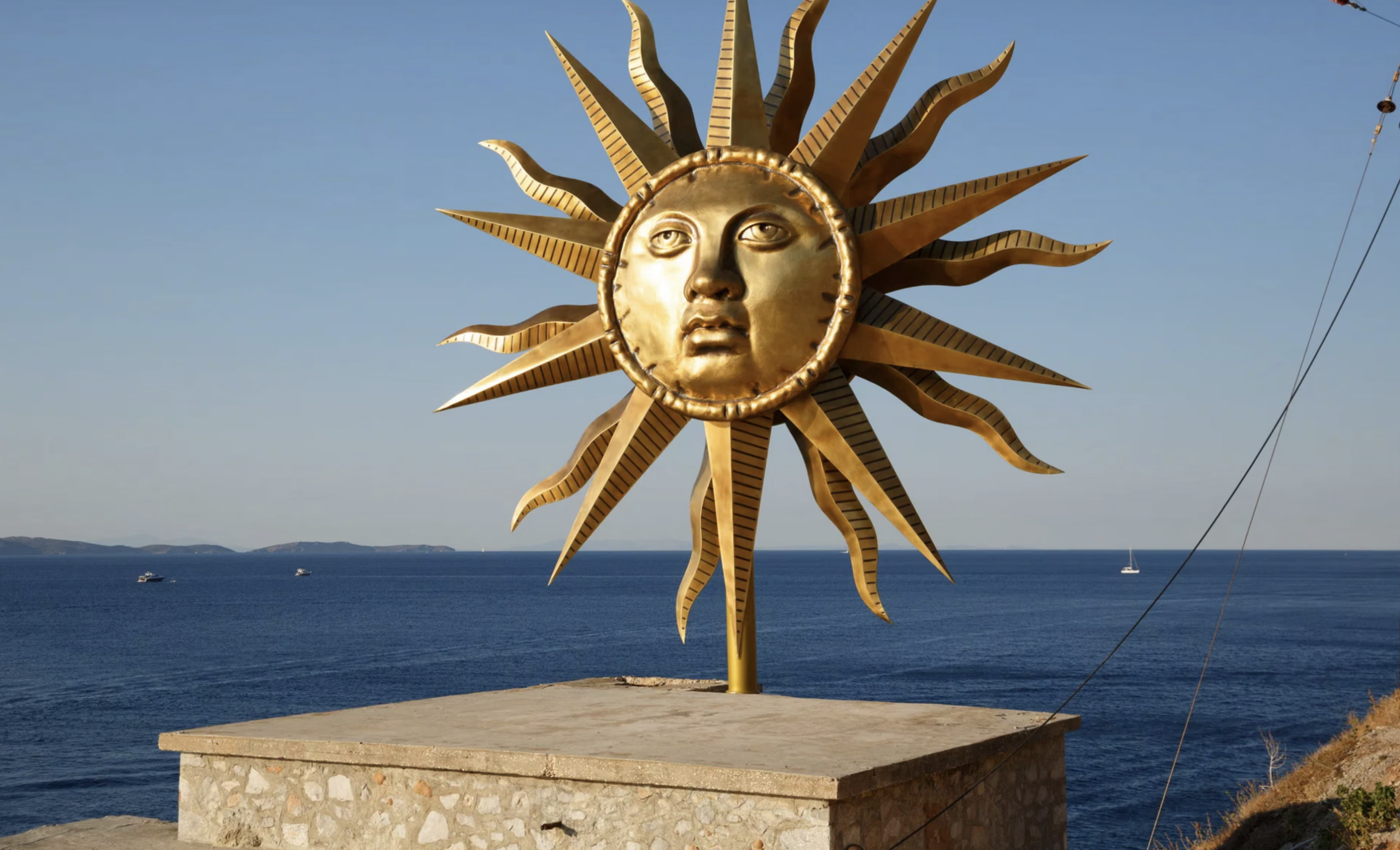
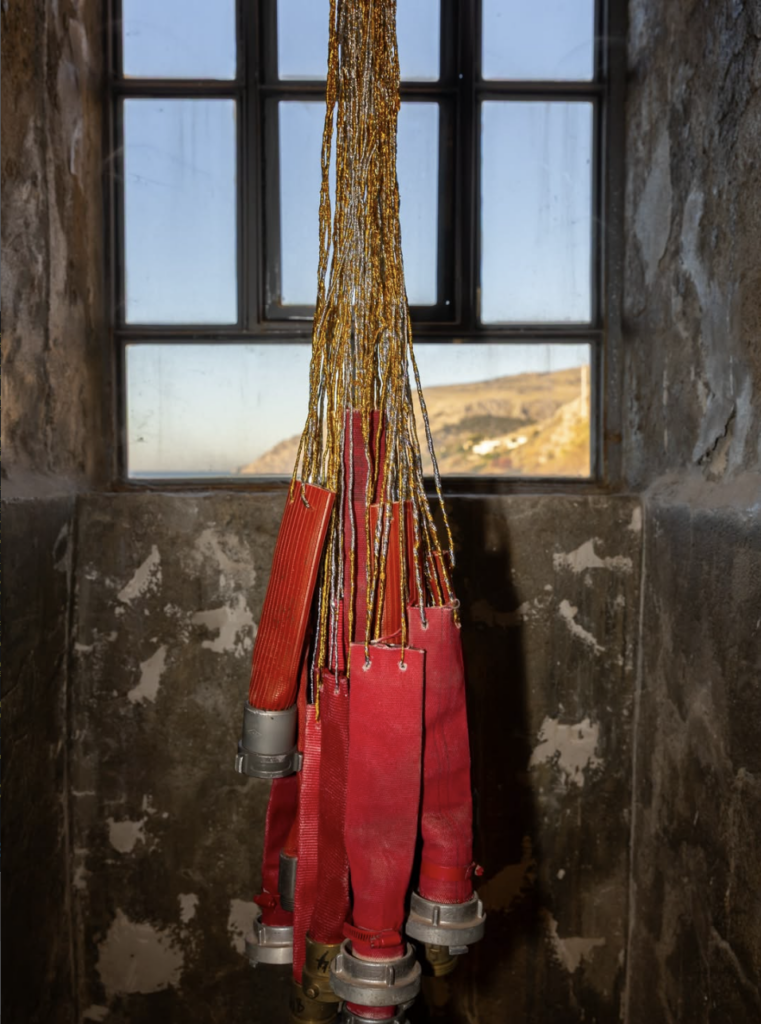
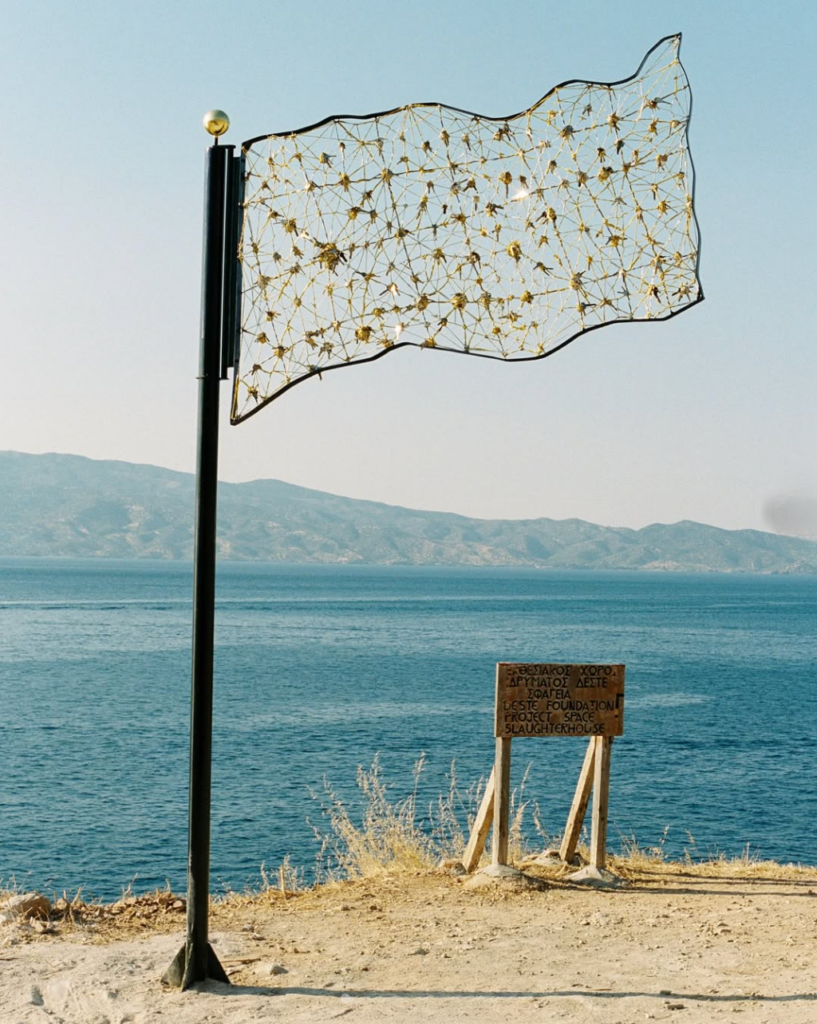
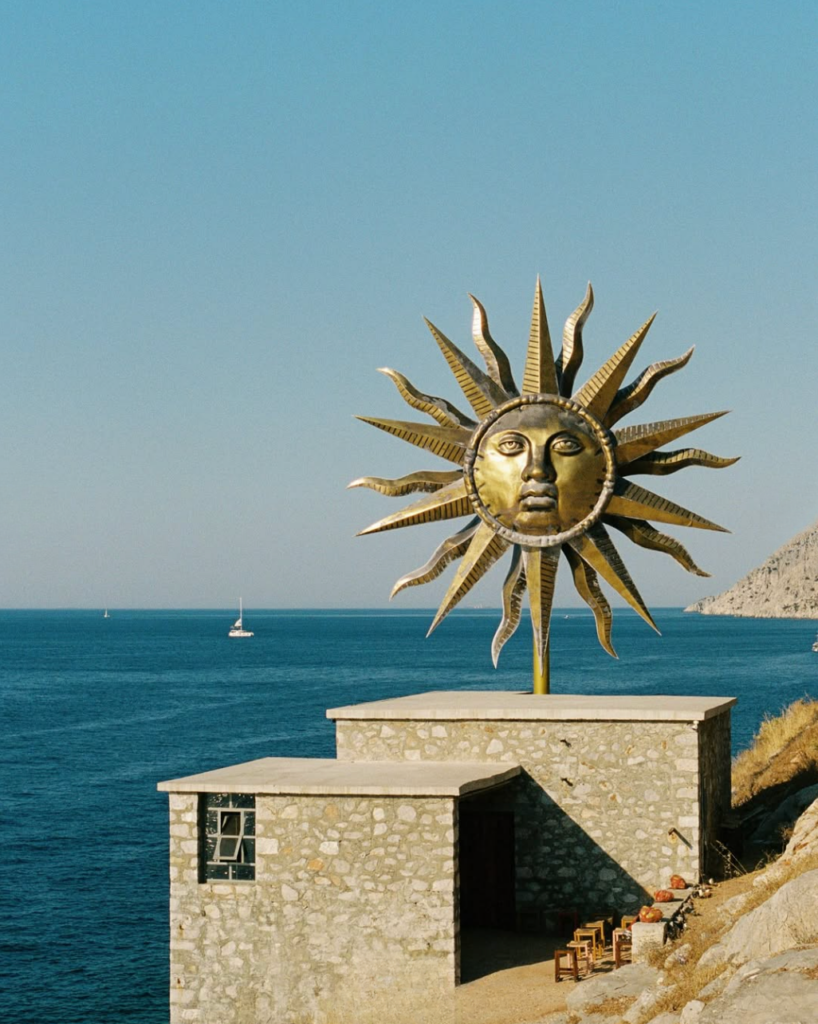
Hydra, Greece remains the benchmark. Each June, the DESTE Foundation’s Slaughterhouse project space reopens in a former abattoir over the sea, and the art world follows. Above the building hovers Jeff Koons’ “Apollo Wind Spinner,” a 9.1 metre reflective sculpture that has greeted arrivals into the port since 2022. This year the space brings Nari Ward’s “Until That Day,” a meditation on migration and memory staged through 31 October. Dakis Joannou’s annual summer opening has become something close to ritual: a few days when Athens and Hydra fill with gallerists and collectors before the island settles back into its slower rhythm.
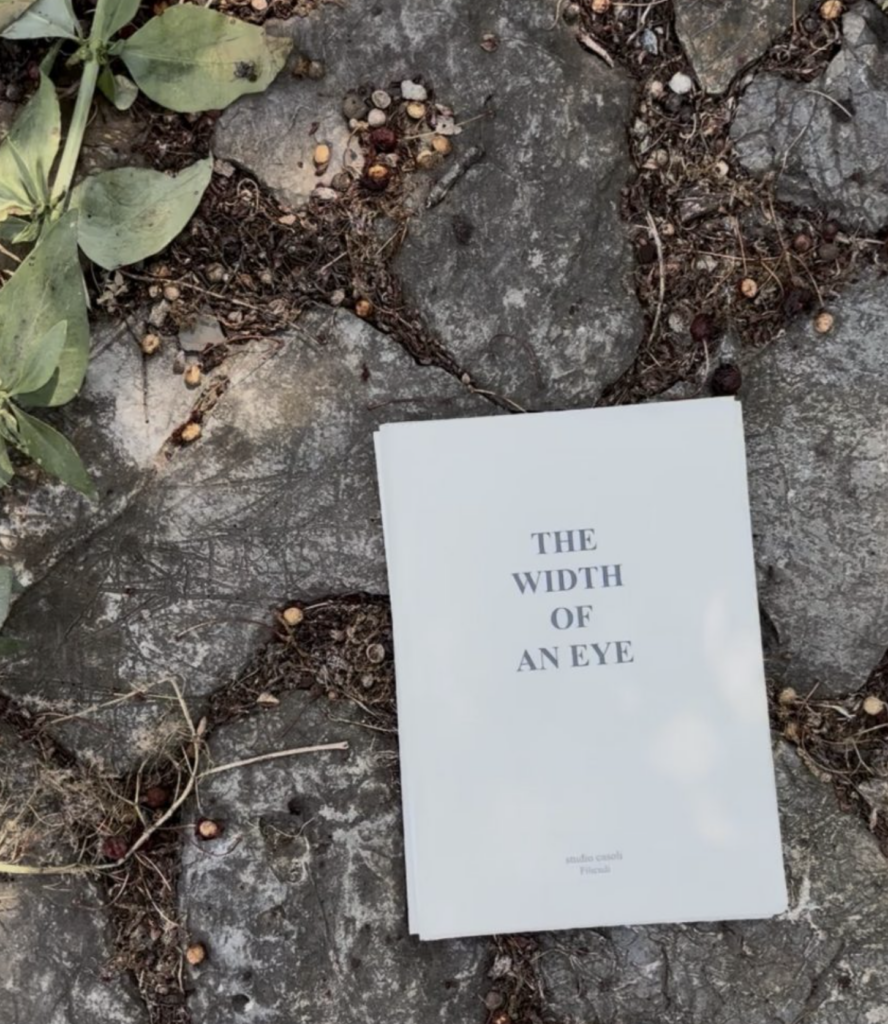
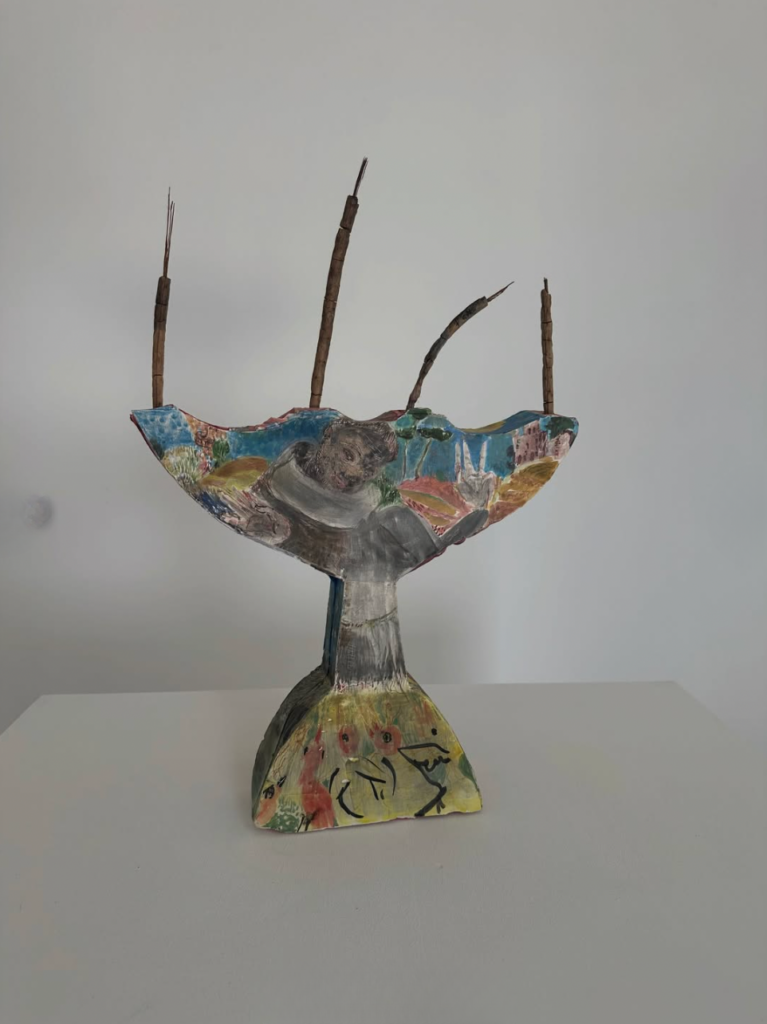
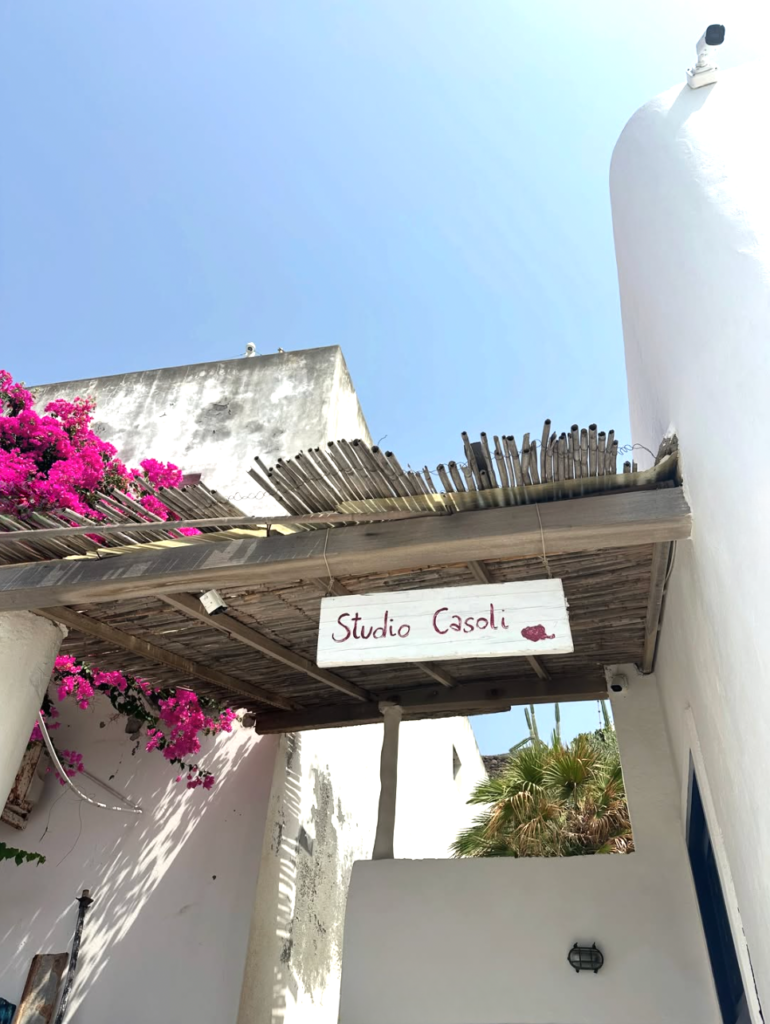
Filicudi, the smallest inhabited Aeolian island, tells a newer story. Studio Casoli, tucked into the fishing hamlet of Pecorini a Mare, has turned a single gallery into a reason to visit. Founded by Sergio Casoli, who opened his first gallery in Milan in 1985 before closing it two decades ago and relaunching in Filicudi in 2022, it draws serious collectors to a place with barely a paved road. Its current show, “The Width of an Eye,” runs through 10 September and brings together Peter Doig, Lucio Fontana, Edward Barber, Kai Althoff, Lisa Brice, Spencer Sweeney and others, a lineup that would not look out of place in any major city gallery.
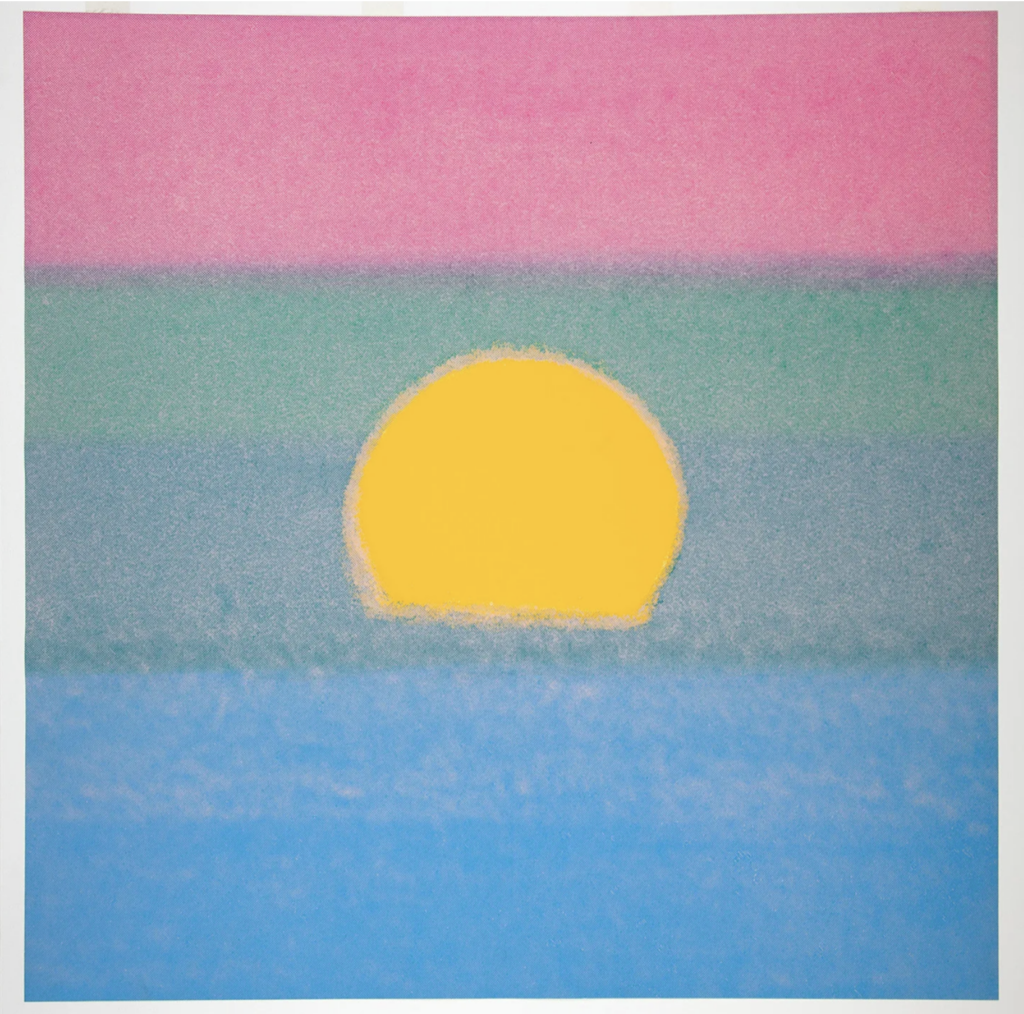
Porquerolles, off the Côte d’Azur, offers a more institutional take. The Fondation Carmignac occupies a 1970s villa within the island’s national park, its underground gallery lit through a water ceiling. This year’s exhibition, “Sea, Pop & Sun,” runs until November and traces pop art’s love affair with sun, sea and freedom, appropriately staged where all three are in abundance. Curated by Dieter Buchhart and Anna Karina Hofbauer, it takes place at Villa Carmignac, Porquerolles Island.
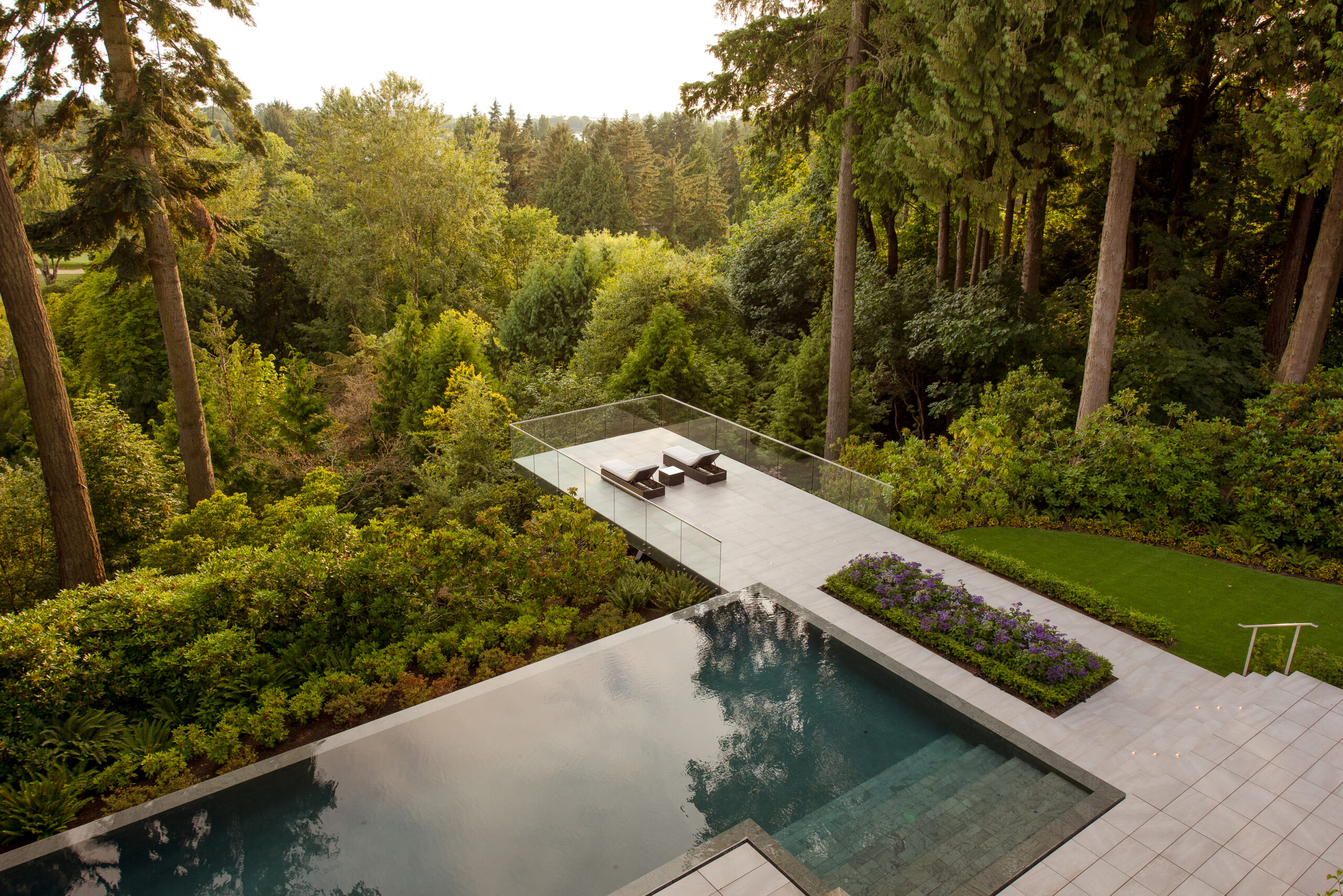
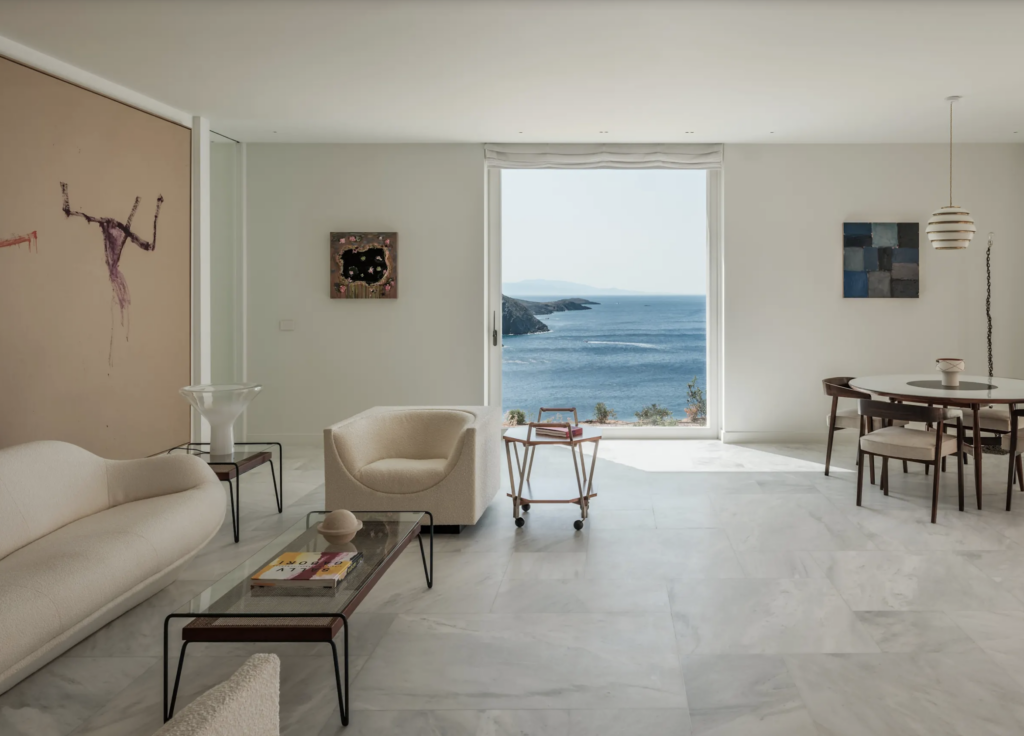
Antiparos, in the Cyclades, has become the season’s most talked about newcomer. Geneva gallery L’Appartement has decamped there for its first ever off-site exhibition, “Melting Beauty,” curated by Craig Burnett and staged inside a private home through 31 August. Sixteen artists spanning generations, among them Cuban sculptor Agustín Cárdenas and American painter Joan Snyder, explore ideals of beauty across rooms that open onto an infinity pool stretching to the horizon.
Further north, on Scotland’s Isle of Mull, art takes a quieter, more ecological turn. “Invasive Species,” a free audio walk through Aros Park in Tobermory, opened on 28 July and pairs sound and story with a sculptural trail. Along the route stands “Spectrum of Belonging,” a series of striking markers by Yulia Kovanova and Ross Mclean of The Surface Agency, drawing on the species, colours and ecological tensions woven through the island itself. The project is created by Fast Familiar with An Tobar and Mull Theatre and Play:Vienna, with equipment collected from An Tobar Café before setting out.
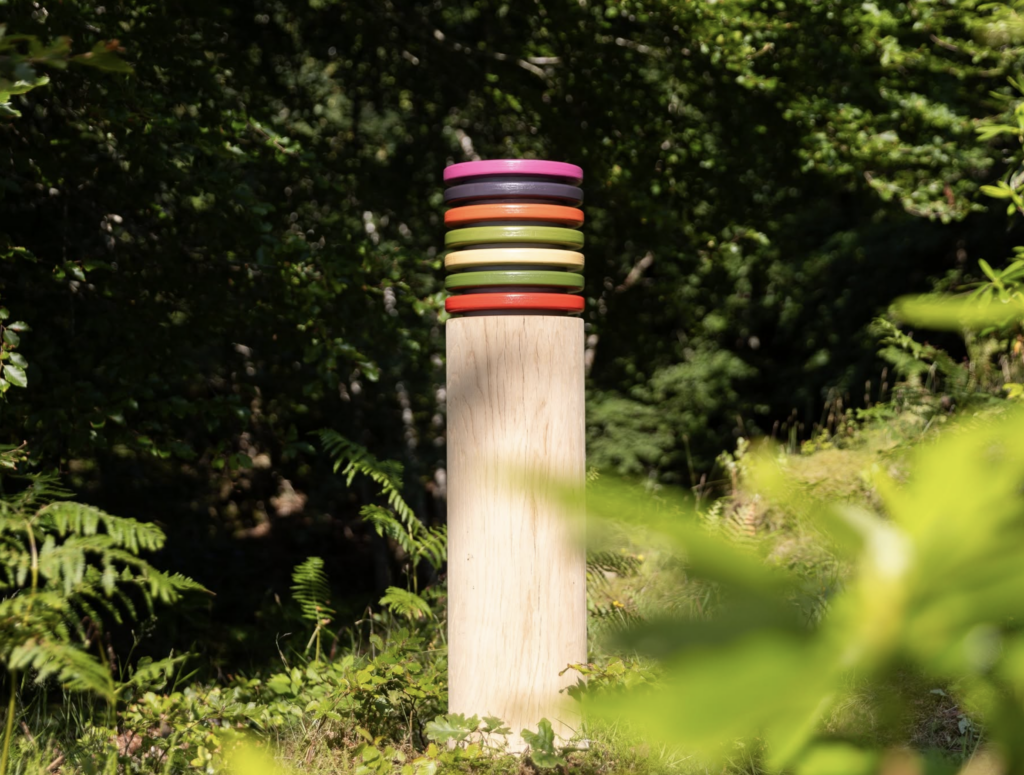
Waymarker from the installation Spectrum of Belonging, 2026, by Yulia Kovanova and Rose Mclean at Invasive Species at Aros Park © Beth Chalmers.
Together, these five islands suggest a shift in how the art calendar now runs: smaller, further afield, and increasingly worth the extra ferry. None of them offer the scale of a biennale, and that appears to be precisely the point. What they offer instead is proximity: to the artist, to the landscape, and to a version of summer that asks a little more of its visitors than a sunbed and a view.