Words by Allegra Salvadori | Photography by Rhys Hopkins Photography
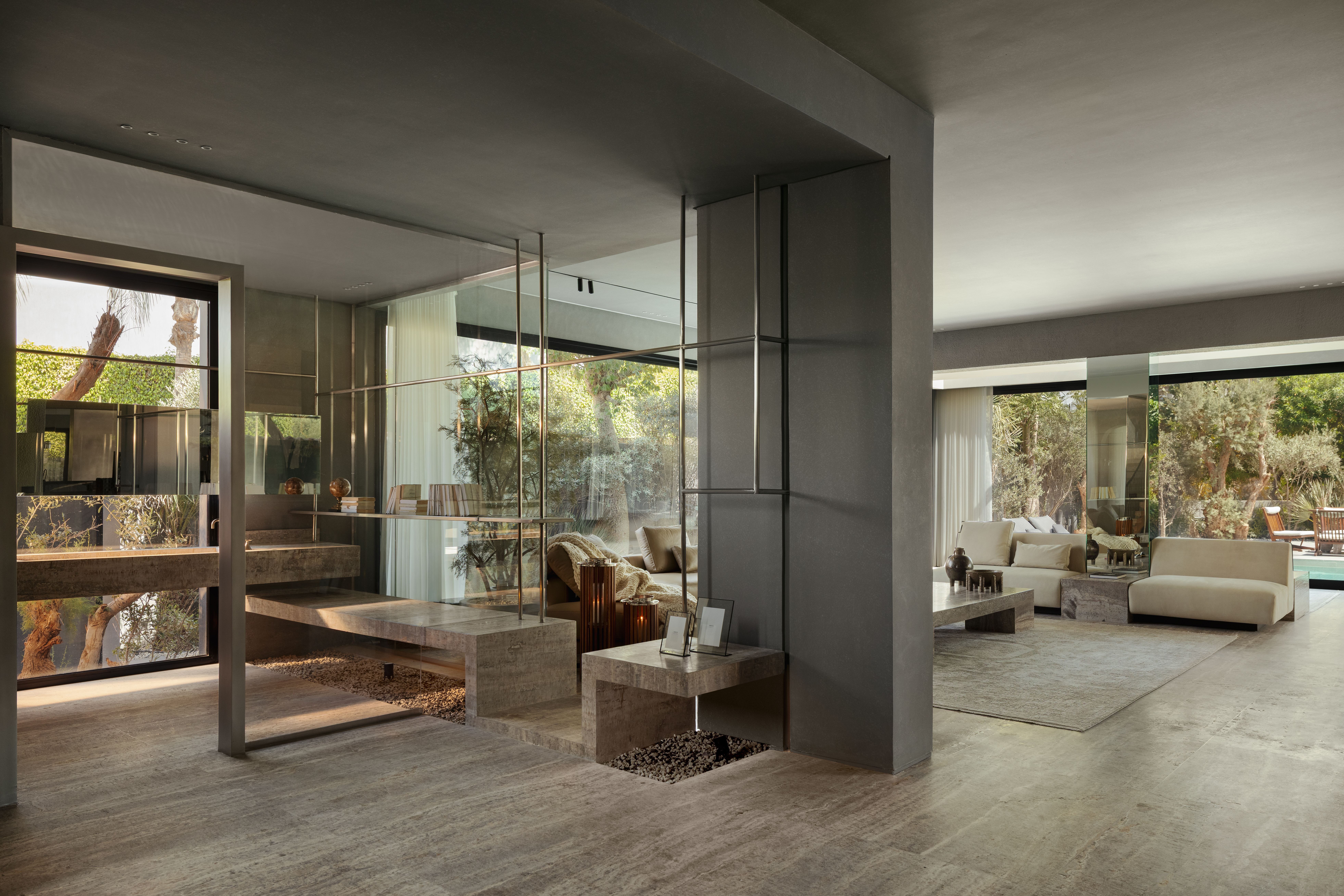
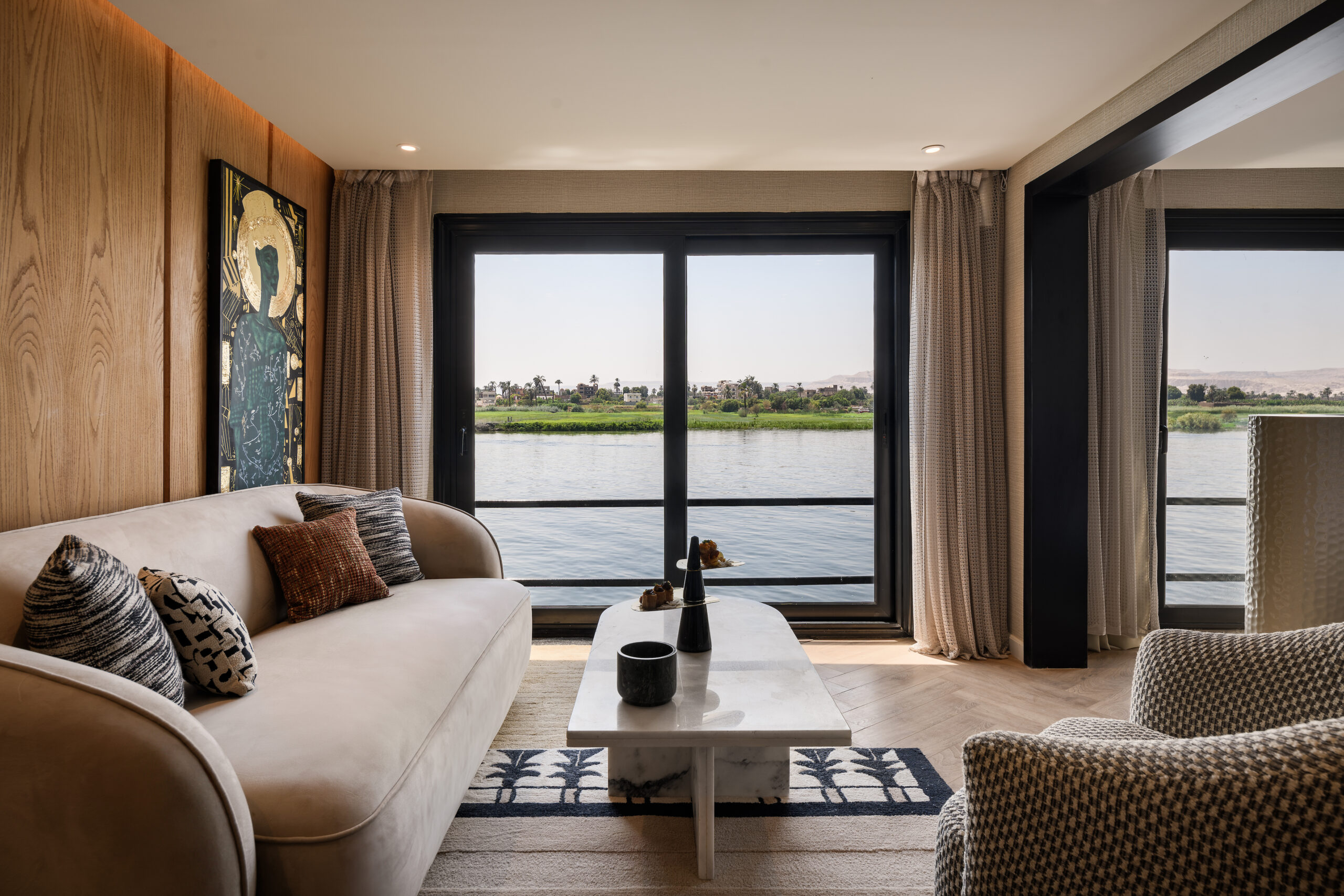
Some houses are composed. Others are collected. And then there are homes that are felt—spaces that unfold less as a sequence of rooms than as an emotional landscape. The Emotion of Interior Design, a private villa conceived by Tünde Hendricks-Szalai of Tünde Hendricks Design, belongs firmly to the latter category.
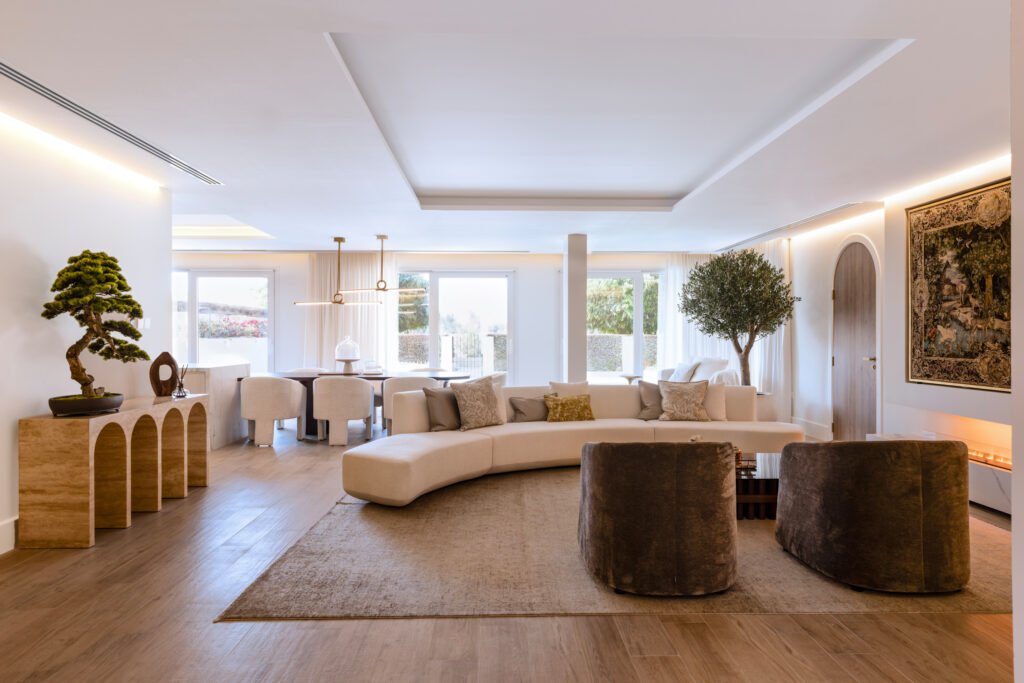
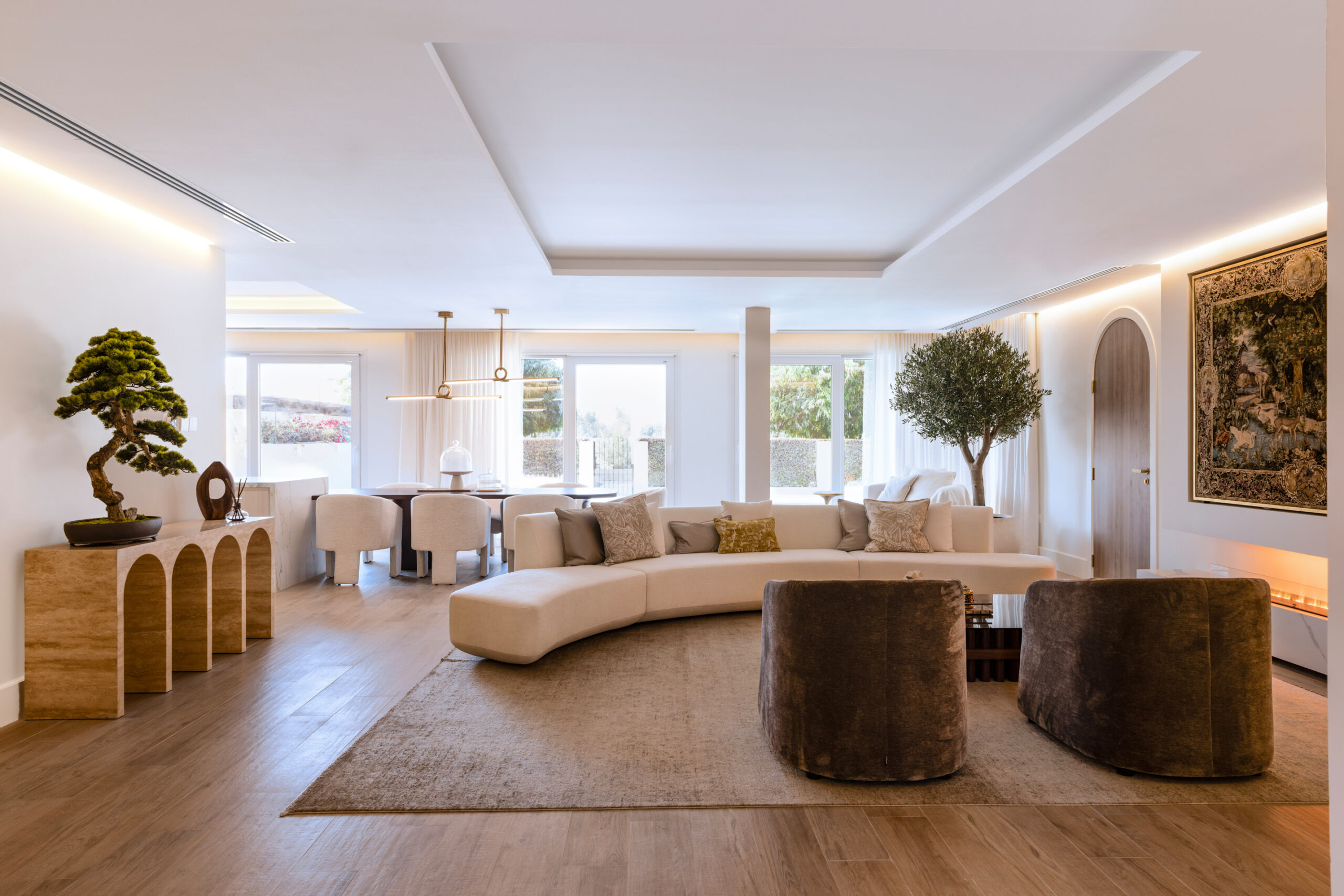
The project did not begin with a mood board, nor with a rigid architectural intervention. Instead, it started with something far more intimate: a visit. The clients, originally from Australia, stepped into the designer’s own recently renovated beach-style home and immediately felt a connection. Their villa, located close to the sea, was initially imagined along similar lines—light, coastal, serene. But as Hendricks-Szalai recalls, “everything shifted when she discovered a beautiful hand-knotted tapestry from Cinar Rugs.” That single piece became the emotional and conceptual anchor of the entire ground floor, reorienting the design without altering the layout. “We kept the layout,” she explains, “but changed the concept around it.”
From that moment on, the house began to tell a much richer story—one rooted not only in place, but in memory and identity. Australia’s vast and varied landscapes became the project’s quiet narrative thread. The villa was conceived vertically, almost cinematically: the ground floor as the beach, the first floor as the tropics, and the uppermost level as the Australian desert, expressed through warmer tones, reddish hues, and sunset-like atmospheres. “Each floor has its own theme with distinct colours and textures,” Hendricks-Szalai notes, allowing the home to shift moods as one moves through it.
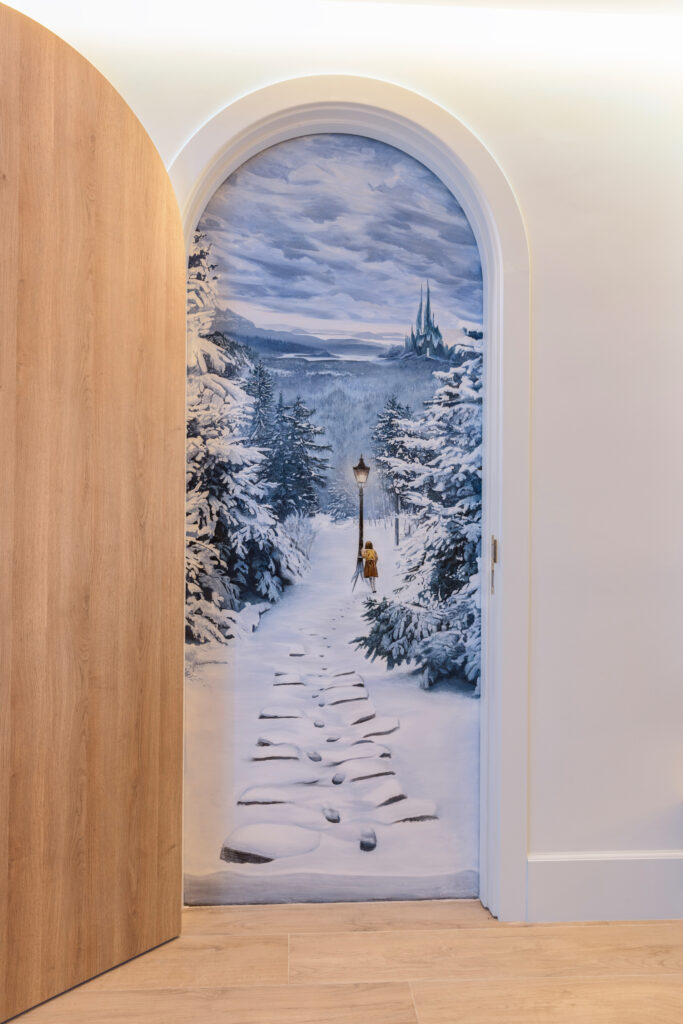
What makes the project particularly compelling is the depth of client involvement. This was not a house imposed by a singular vision, but one shaped through dialogue and discovery. “Everything about this house reflects the clients’ story and lifestyle,” says the designer. Throughout the process, the brief evolved organically, informed by the clients’ passions, travels, and emotional attachments. In every room, they were invited to choose one defining object—artwork, furniture, or memorabilia. These became what Hendricks-Szalai affectionately calls “the love piece.” Around each of them, the room was composed. “There isn’t a single space without something from the clients,” she says. “Around each artwork or memorabilia, I built a design that made their house deeply personal.”
This philosophy translates into interiors where focal points are intentional and emotionally charged. A wallpaper becomes a headboard feature in a guest bedroom. A hand-knotted rug from Cinar Rugs dictates the proportions and palette of the living room. An olive-tree tile, loved by the client, is elevated to the centrepiece of the master bathroom. Even the walk-in closet is conceived as a gallery, displaying a sculptural detail as unexpected as the Angel of Rolls-Royce. The house does not hide these objects; it celebrates them.
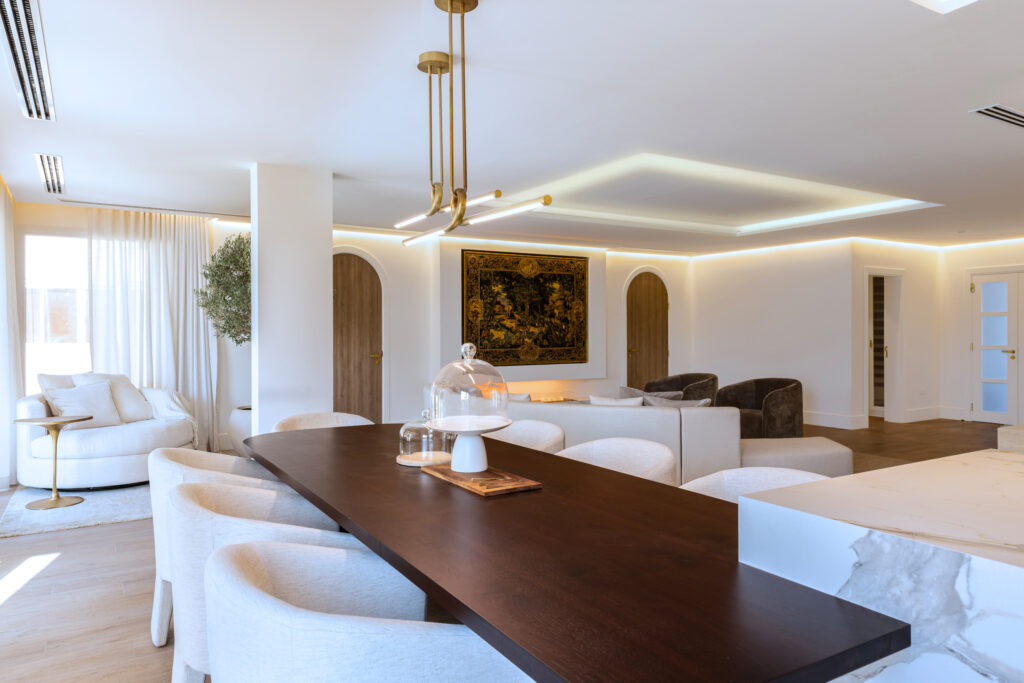
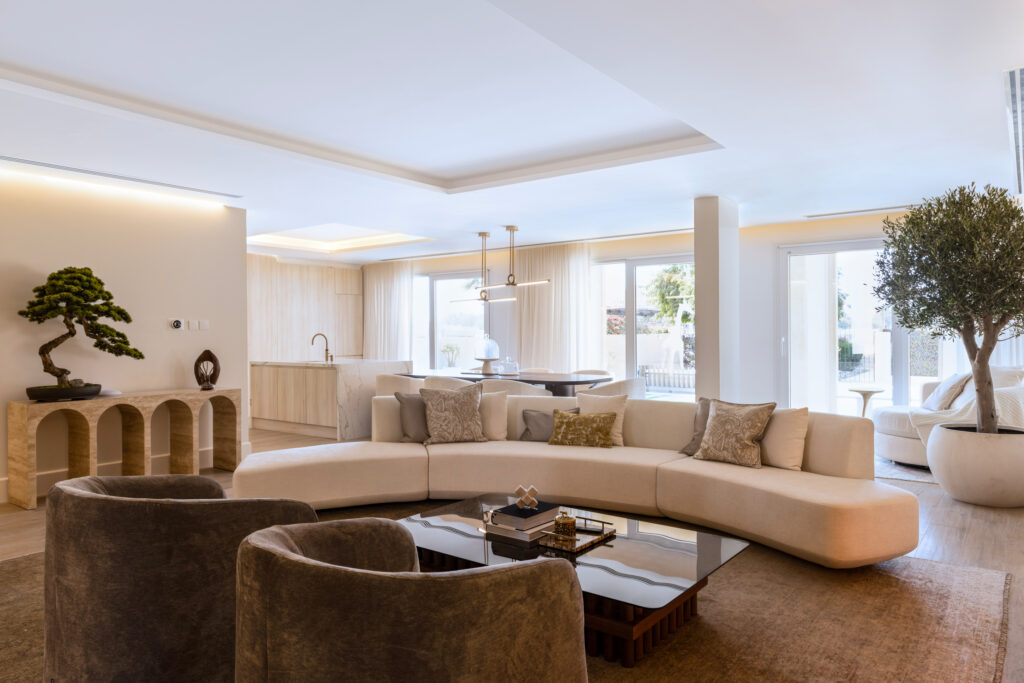
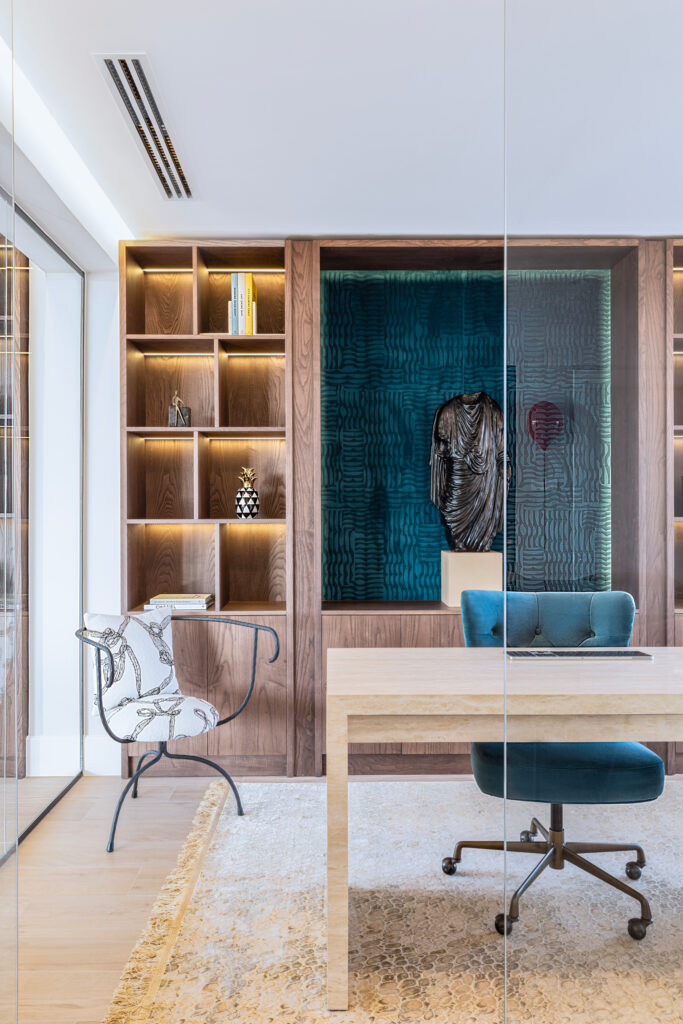
Almost everything within the villa was custom-made locally in the UAE—from wardrobes and sofas to the master bed and dining table—reinforcing the project’s bespoke nature. Off-the-shelf pieces are the exception rather than the rule. Yet with such specificity comes inevitable challenge. Structural constraints, logistical mishaps, and last-minute complications punctuated the process. A bathtub that would not fit the staircase. A main door delivered in the wrong colour. A statement chandelier without adequate support. “For me, it’s not the challenges themselves,” Hendricks-Szalai reflects, “but how you resolve them that truly defines a project.”
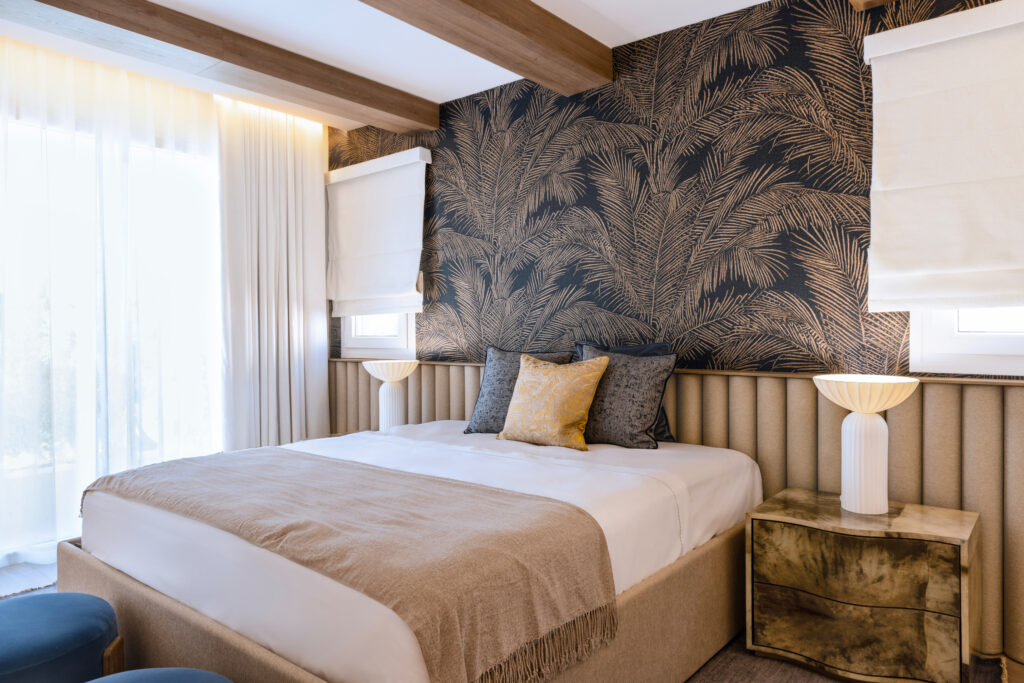
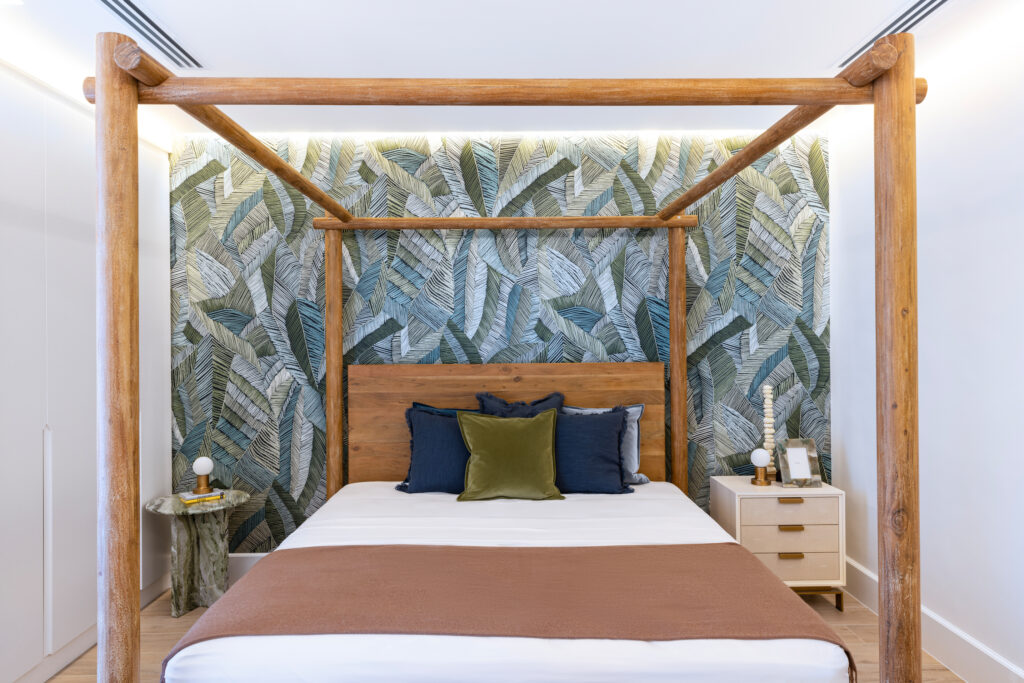
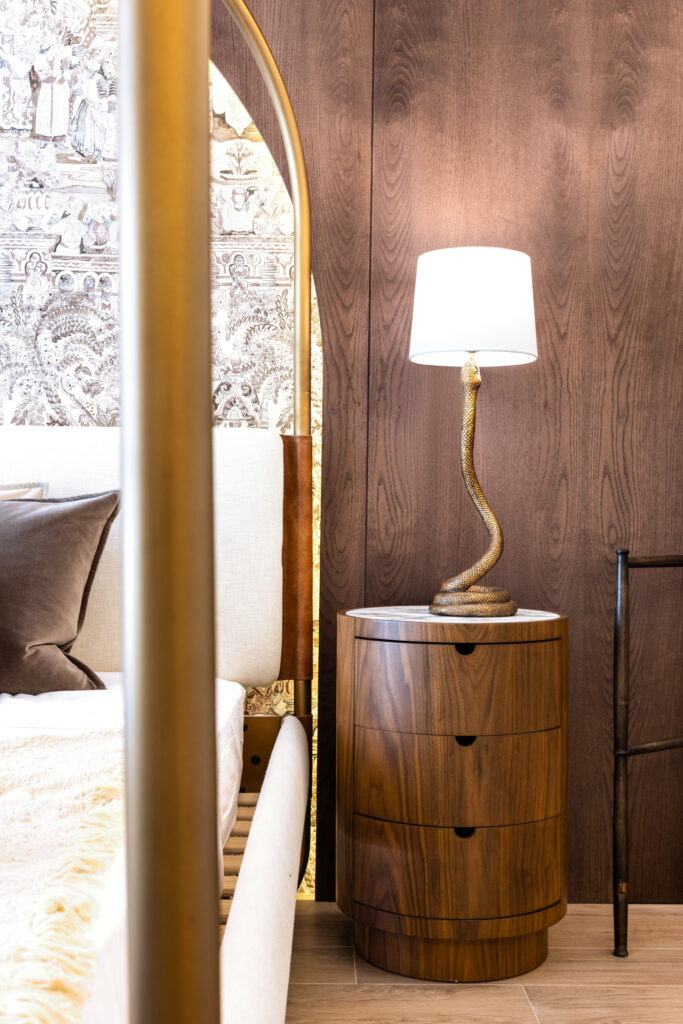
If the concept evolved dramatically, the emotional outcome remained consistent. The atmosphere, upon entry, is one of calm and balance—yet unmistakably personal. “Even the tradespeople commented on it,” she recalls. “This is not a standard, copy-paste villa.” Before officially moving in, the clients hosted a gathering for friends and family. The reactions were unexpectedly moving: some felt transported, others disoriented—in the best possible way. “They felt they were in another world,” she says. That emotional dislocation, that sense of being elsewhere, is precisely what defines the success of the project.
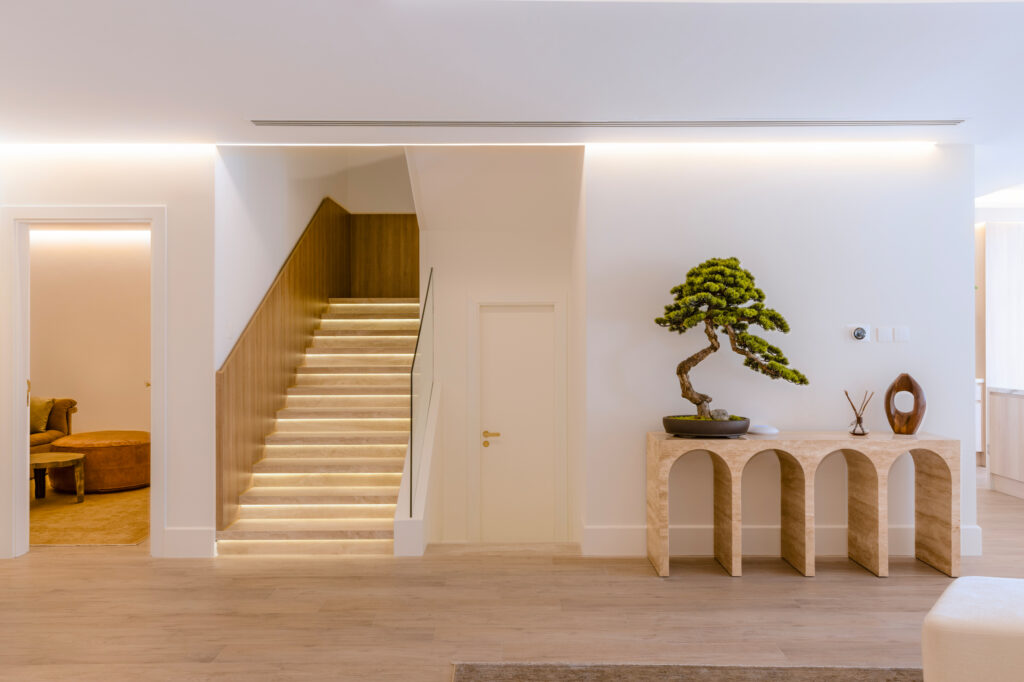
Ultimately, The Emotion of Interior Design is a distilled expression of Hendricks-Szalai’s philosophy. Design here is not decorative, nor merely functional—it is transformative. “It’s not only the space you change,” she explains, “but how you capture the way people want to live.” In doing so, the project arrives at what she calls “the true meaning of a home”: a place that reflects not trends, but lives; not sameness, but selfhood.