Photography by Berez Hnoy
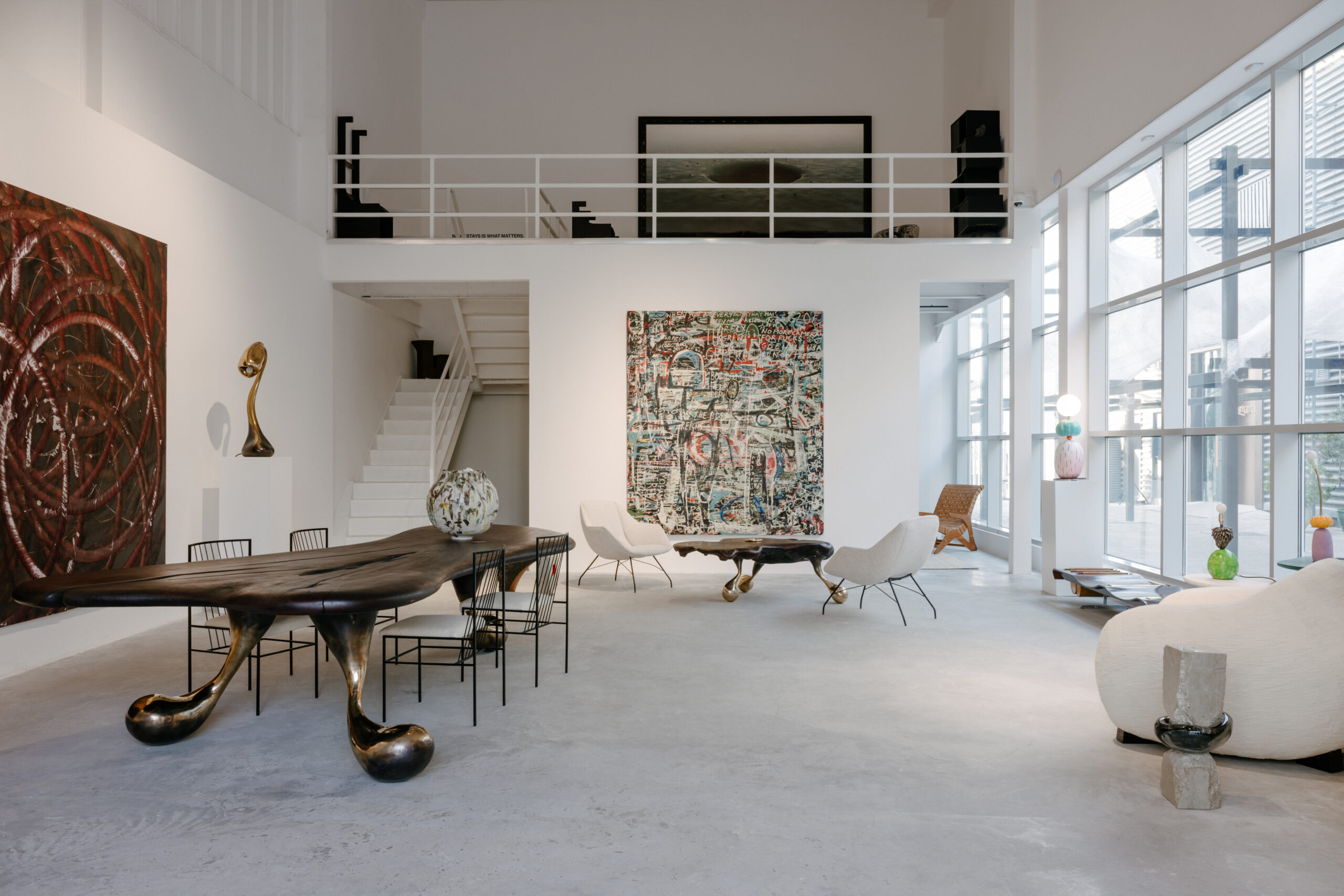
In a city more often associated with spectacle, The A/P Room proposes a different tempo. Tucked within Alserkal Avenue, the region’s first permanent gallery dedicated exclusively to historic and contemporary collectible design opens not with noise, but with a question: how do we learn to see?
Founded by Christelle Bassila and operating under Atelio, the space inaugurates its programme with At First Sight (11 February–29 March 2026). The exhibition unfolds as a dialogue between epochs and geographies, placing sculptural contemporary works in deliberate conversation with 20th-century masters.
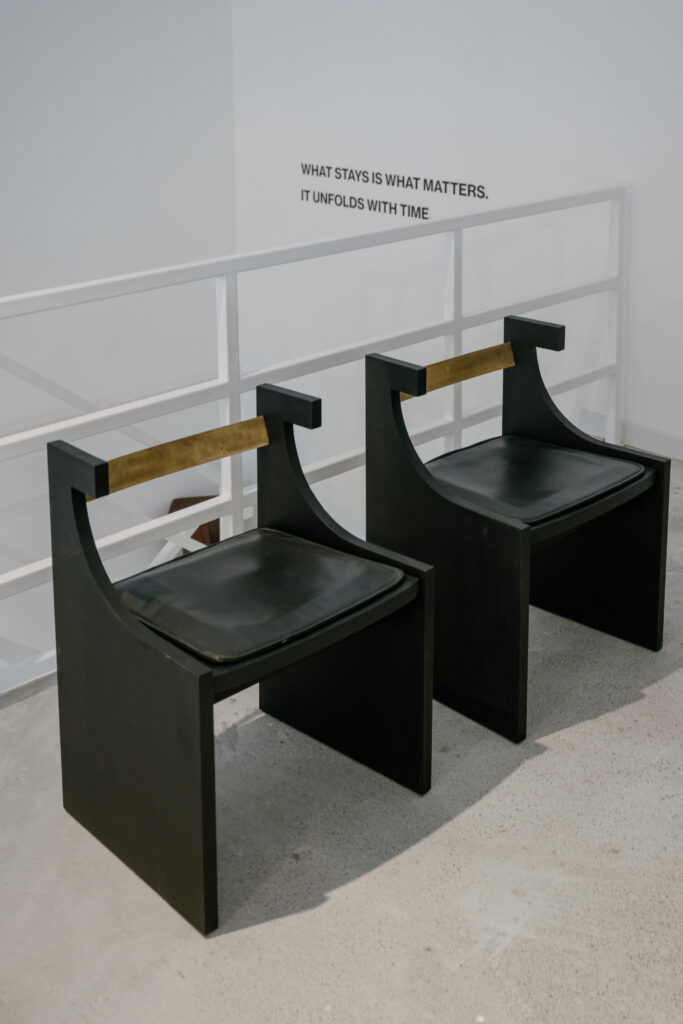
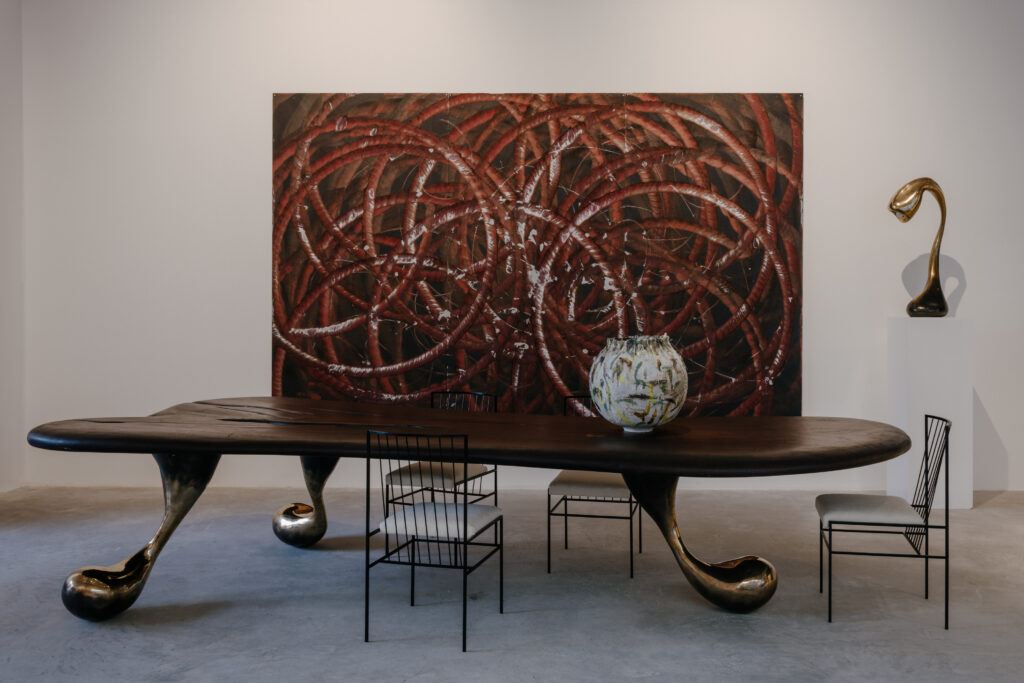
At the centre, a dining table and coffee table in American walnut and bronze by Rogan Gregory ground the room with geological gravity. Nearby, Vincent Dubourg’s fractured metal cabinet destabilises the notion of containment, its surface caught between erosion and polish. These gestures resonate against the clarity of Joaquim Tenreiro’s dining chairs and the sinuous restraint of Jorge Zalszupin’s Onda bench, while the intellectual lineage of Gio Ponti lingers as a silent reference point.
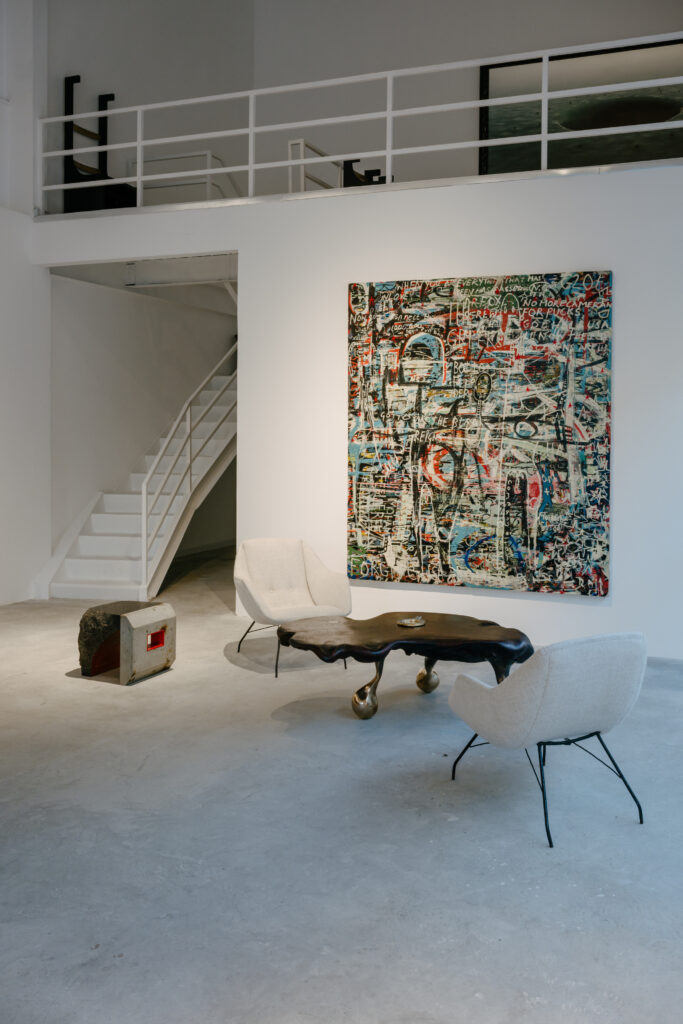
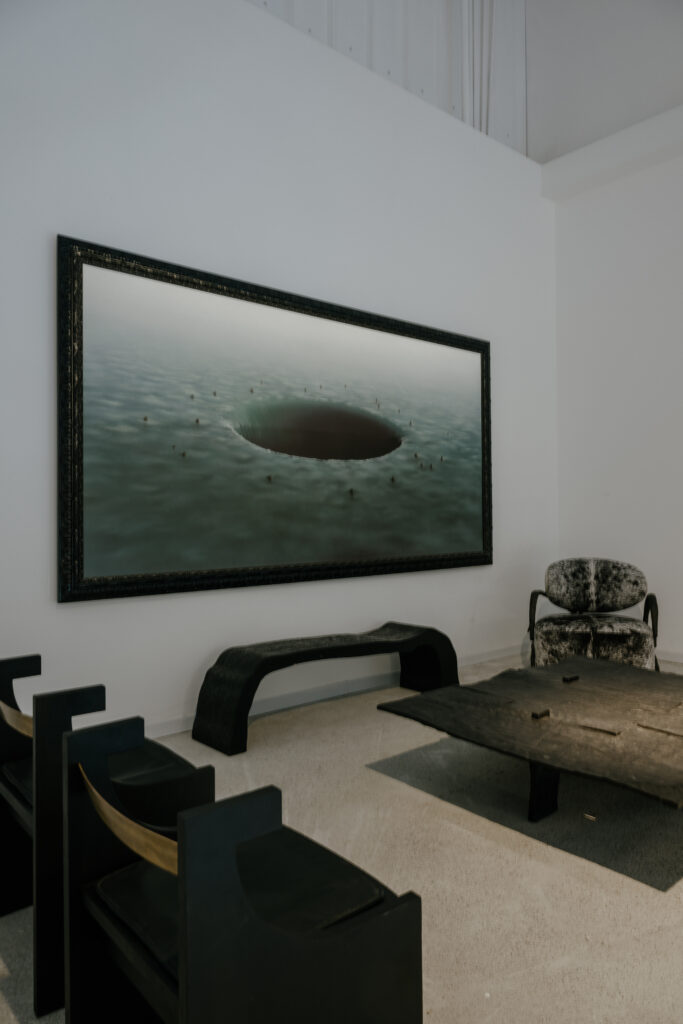
In a more intimate register, a carved oak table by Faye Toogood converses with a metal-and-bamboo bookcase and rice-paper lamp by Andrea Branzi, extending the exhibition’s inquiry into tactility and scale. On the mezzanine, a contemplative cabinet by Choi Byung Hoon reads almost as landscape—form distilled to presence.
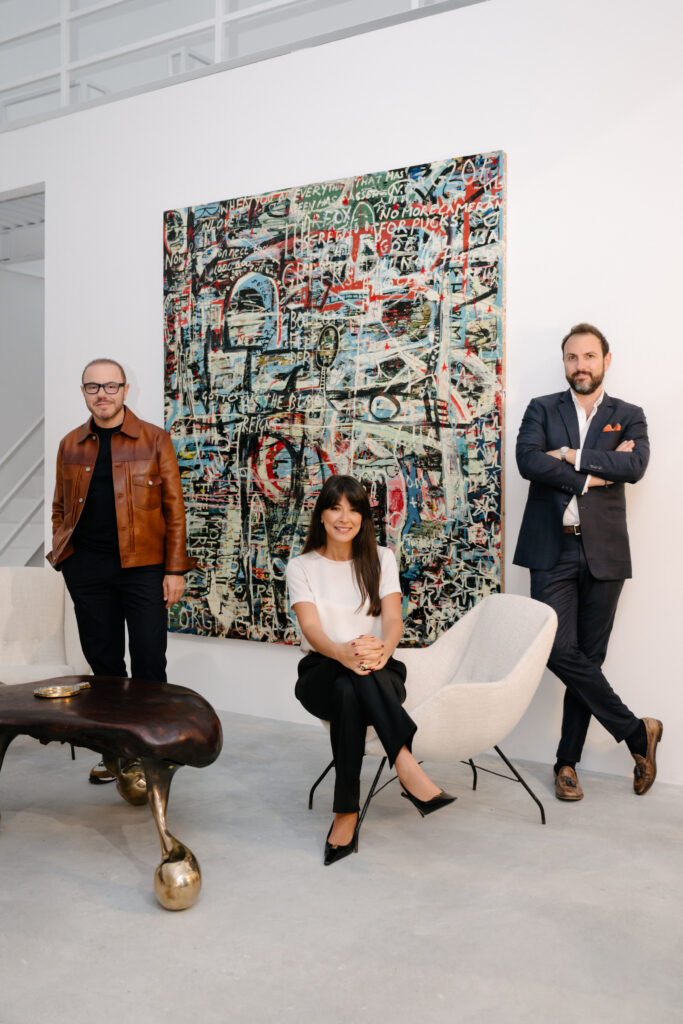
“At First Sight is about recognising that first intuition and trusting it enough to stay with it,” Bassila notes. To collect, she suggests, is “to learn how to see.”
What emerges is not a marketplace, but a curatorial thesis: that design, when approached with rigour and time, becomes a vessel for cultural memory. In positioning collectible design within Dubai’s cultural infrastructure, The A/P Room quietly reframes the region not as a consumer of global taste, but as an interlocutor within it.