Some homes impress through bold gestures and visual spectacle. Others reveal themselves slowly, through atmosphere, rhythm, and the quiet intelligence of space. Hayah Residence belongs to the latter category, a house conceived not as an architectural statement but as an environment where daily life unfolds with clarity and ease.
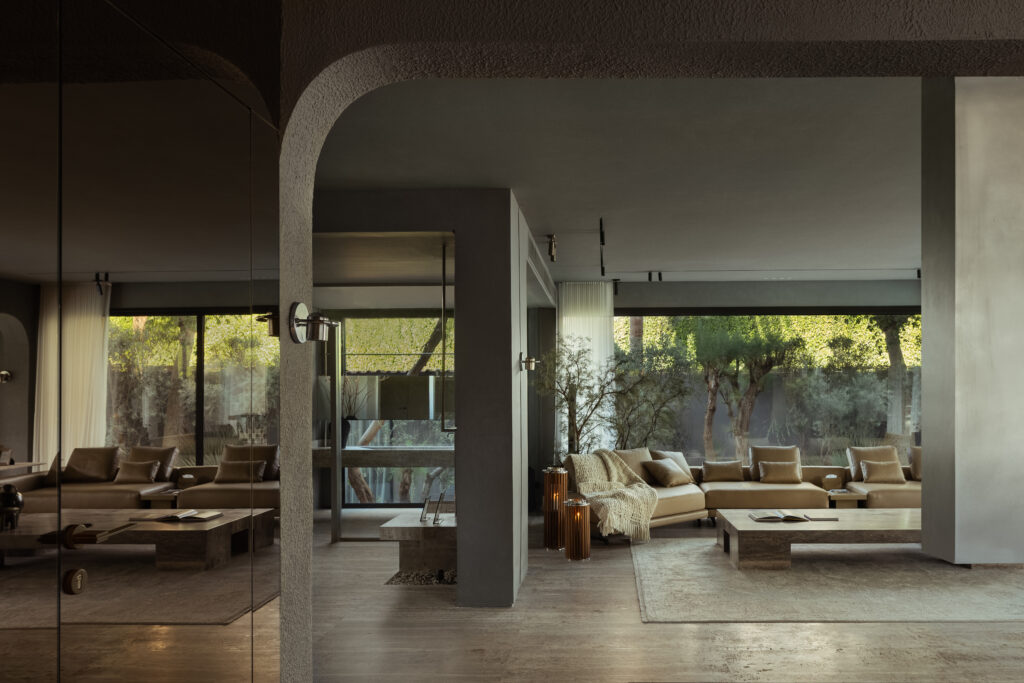
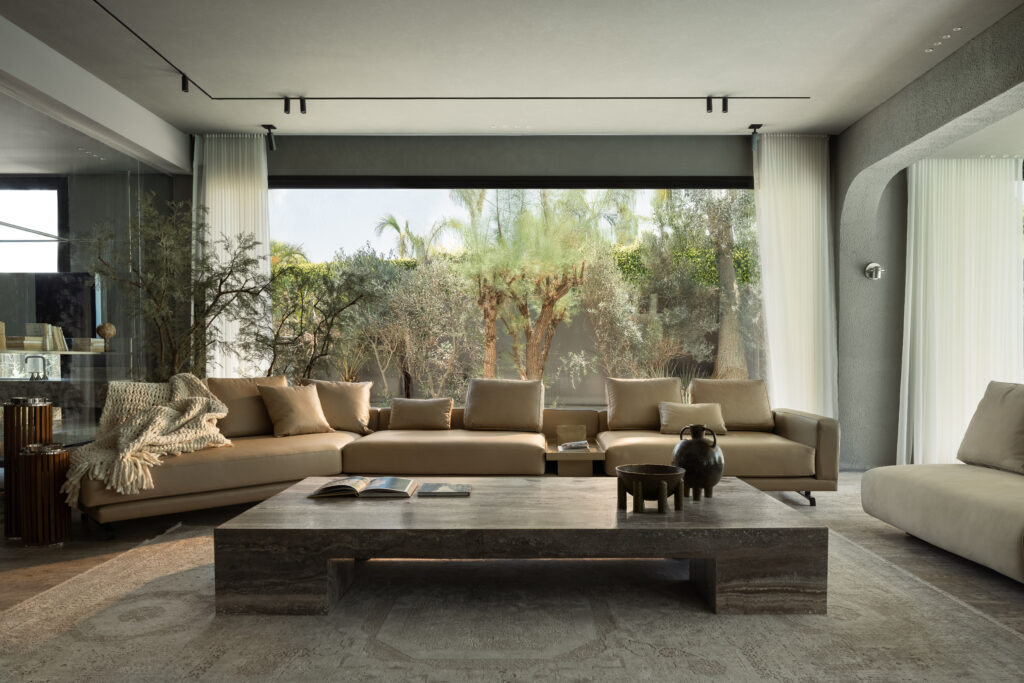
Designed by the Cairo-based multidisciplinary studio The Design Avenue, founded by partners Karim Shoukry, Mohamed Ali, Mohamed Talaia and Karen Fadel, the residence reflects a philosophy grounded in spatial harmony and lived experience. Rather than focusing on visual impact alone, the project explores how architecture can cultivate a sense of calm through the way space is inhabited.
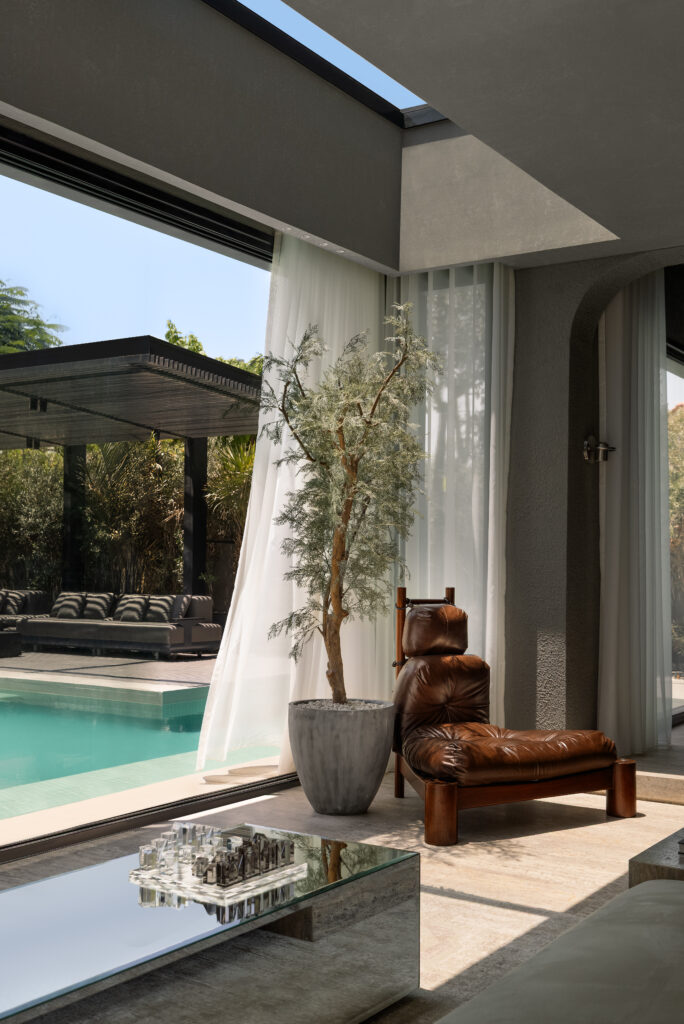
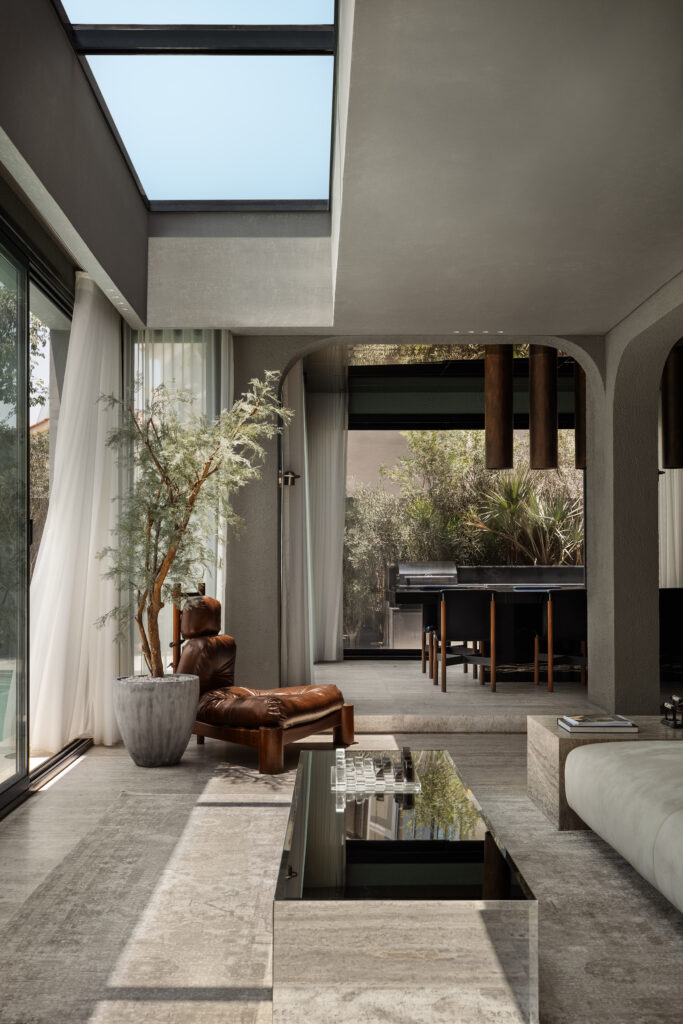
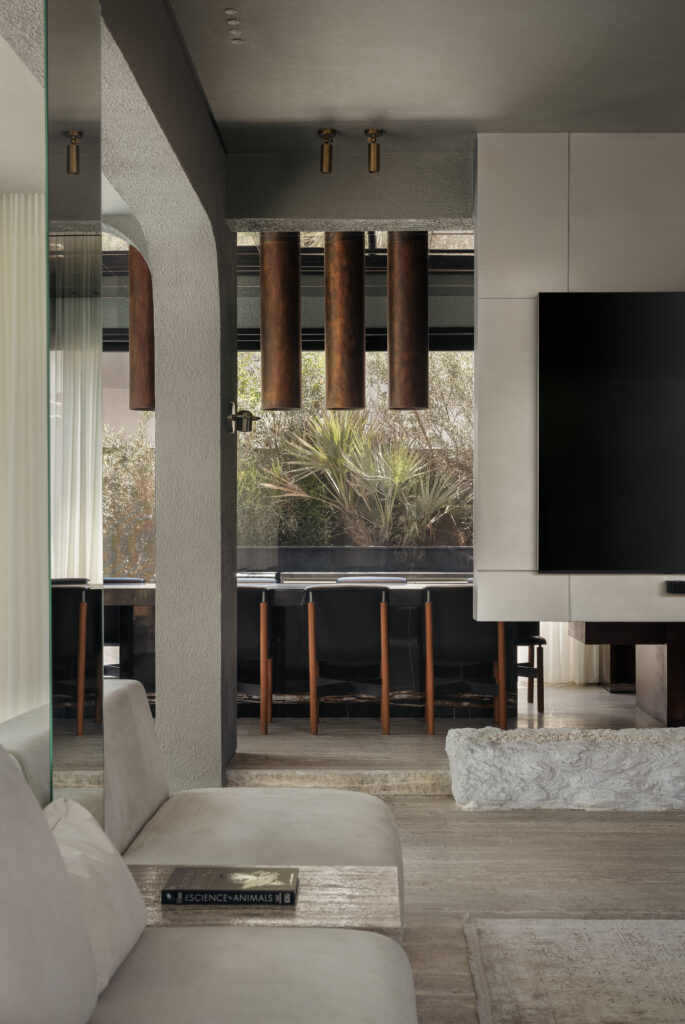
“Calm was translated through the way the house is experienced rather than how it looks,” explains the design team. From the moment one enters, the home reveals an architecture guided by intuition. Circulation flows naturally, proportions feel balanced, and transitions between spaces occur almost imperceptibly. Light, movement, and spatial sequencing were carefully orchestrated to create what the architects describe as “a sense of ease and quiet balance from the moment you enter.”
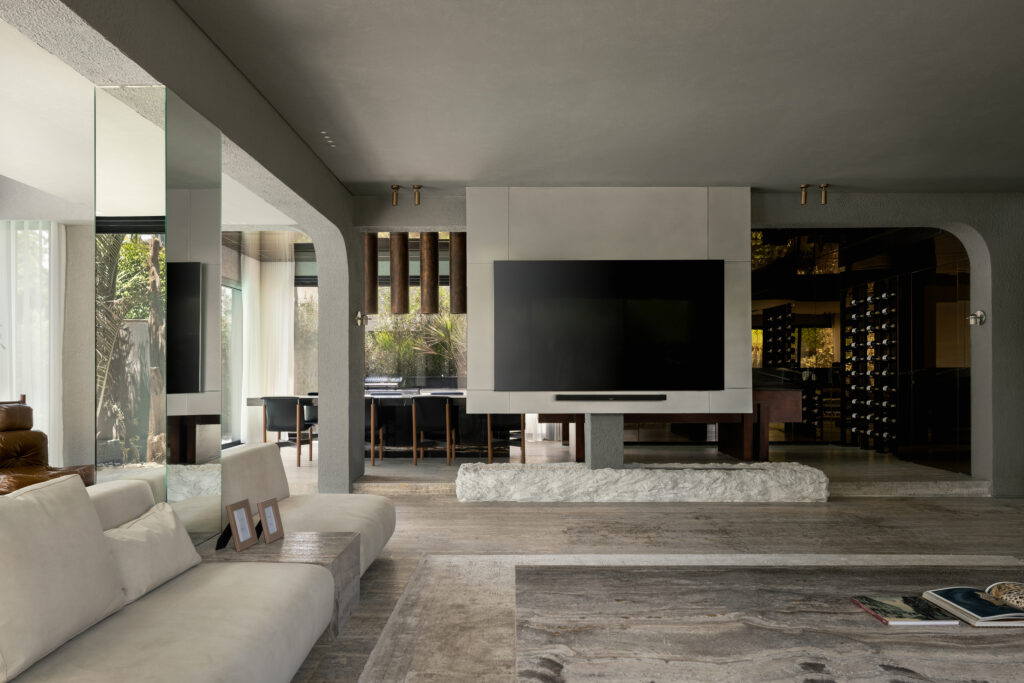
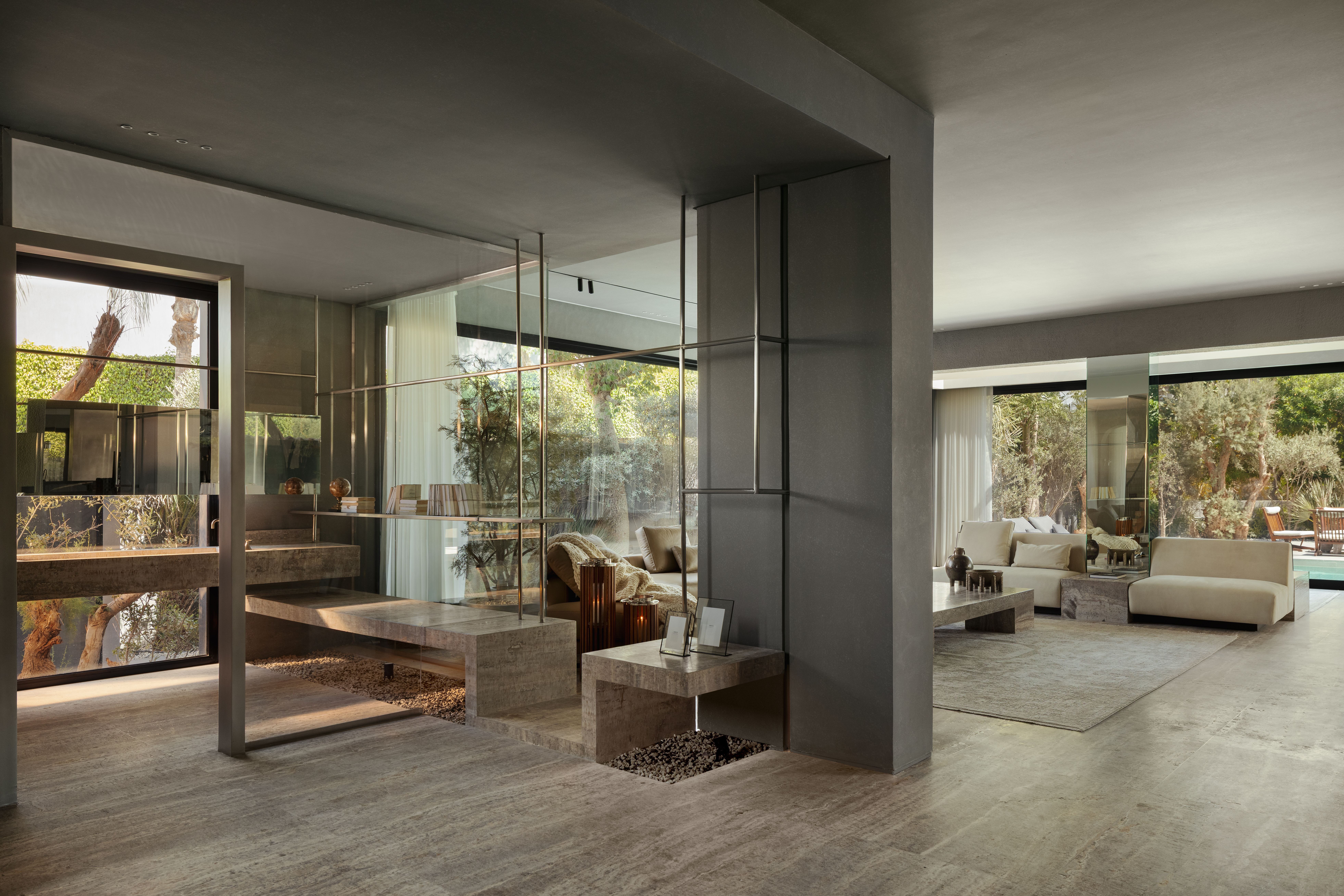
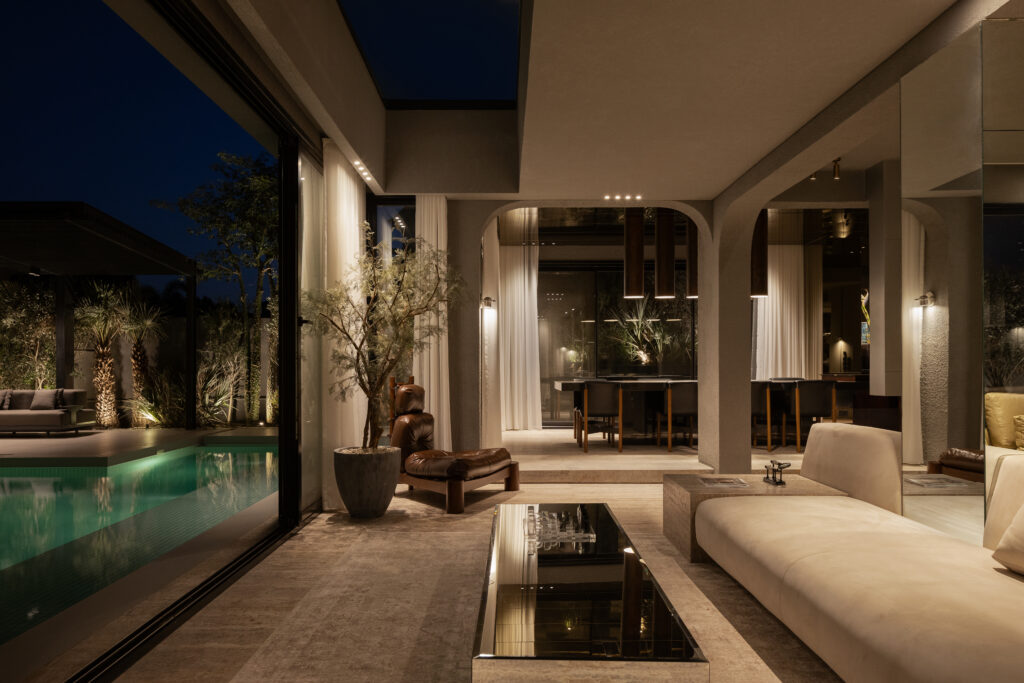
Central to this atmosphere is the house’s spatial openness, which emerges not from grand scale but from continuity. Rather than isolating rooms, the layout allows spaces to unfold gradually into one another. “Openness was achieved through continuity rather than scale,” the designers note. “Spaces flow seamlessly into one another, guided by quiet transitions that define without enclosing, while keeping visual connections intact.” The result is an environment that feels expansive yet intimate, allowing the home to breathe while remaining deeply liveable for family life.
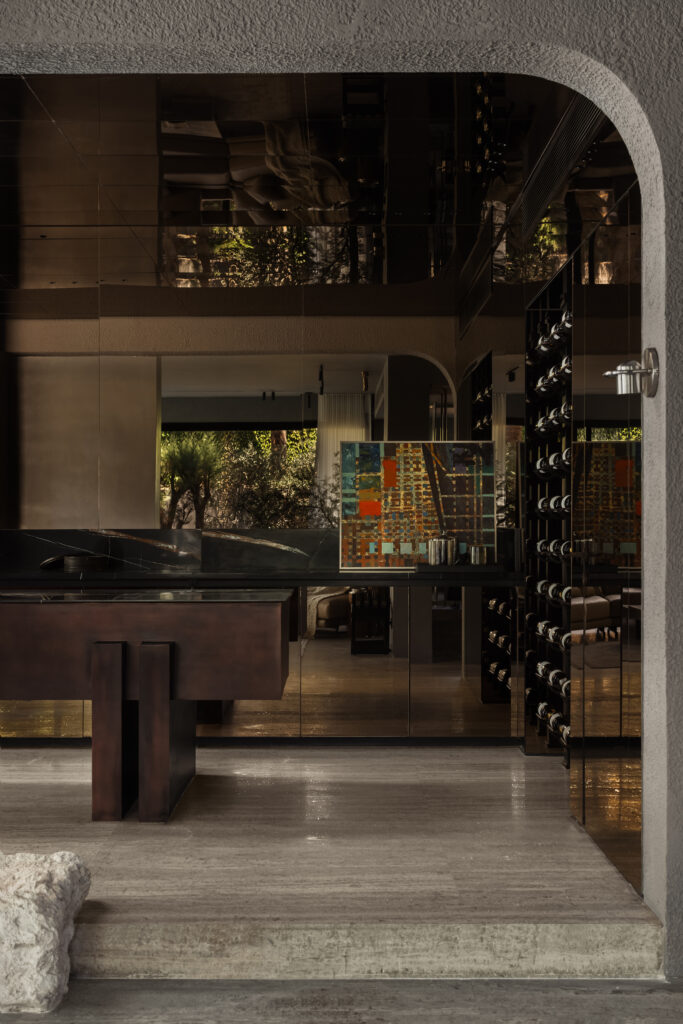
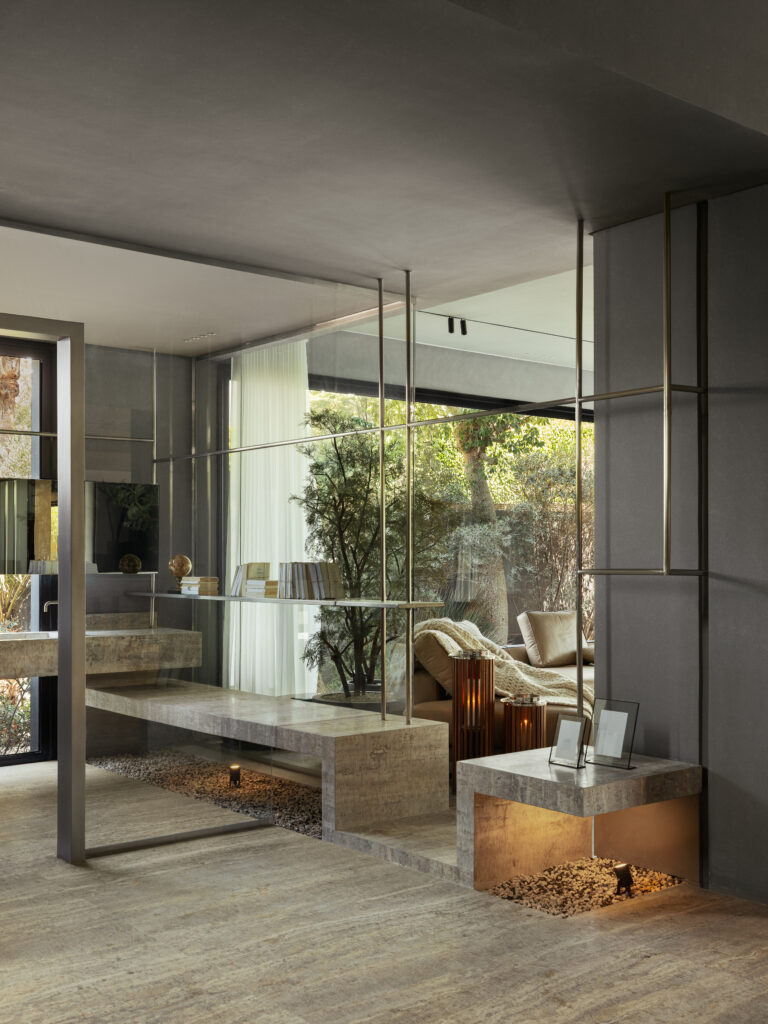
Light becomes the project’s most subtle architectural material. Carefully positioned openings allow daylight to travel gently through the house, transforming its mood throughout the day. In the morning, sunlight filters softly across interior surfaces; by evening, it casts longer, quieter shadows that slow the pace of the space. The architects describe natural light as playing “a quiet but defining role in the home,” with framed perspectives guiding the eye toward greenery and outdoor spaces. These visual connections invite moments of pause, encouraging a quiet awareness of nature and time.
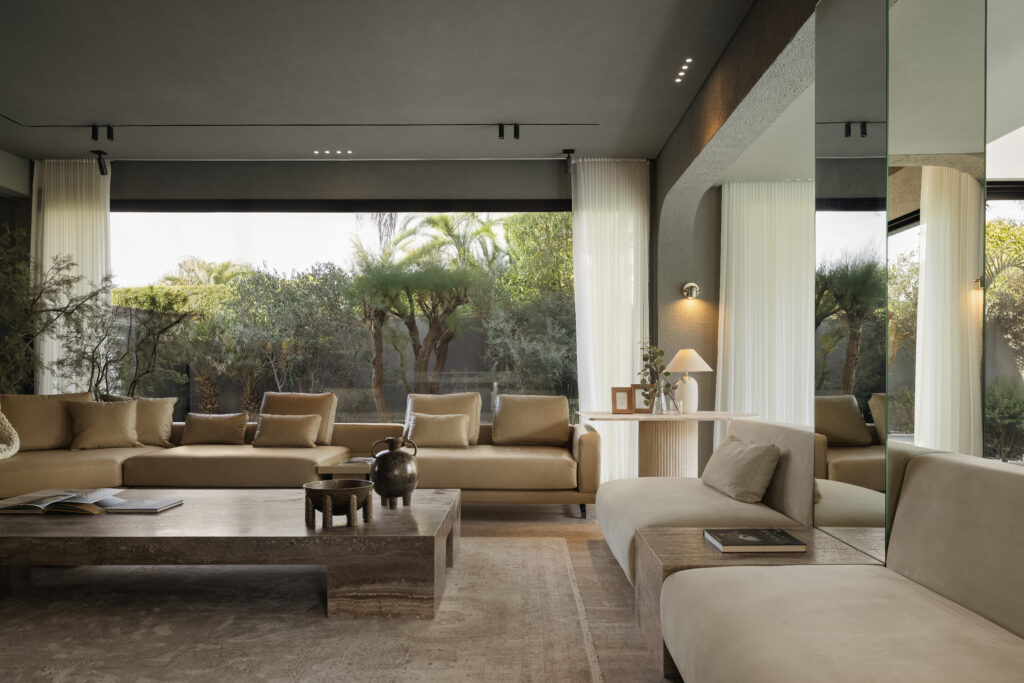
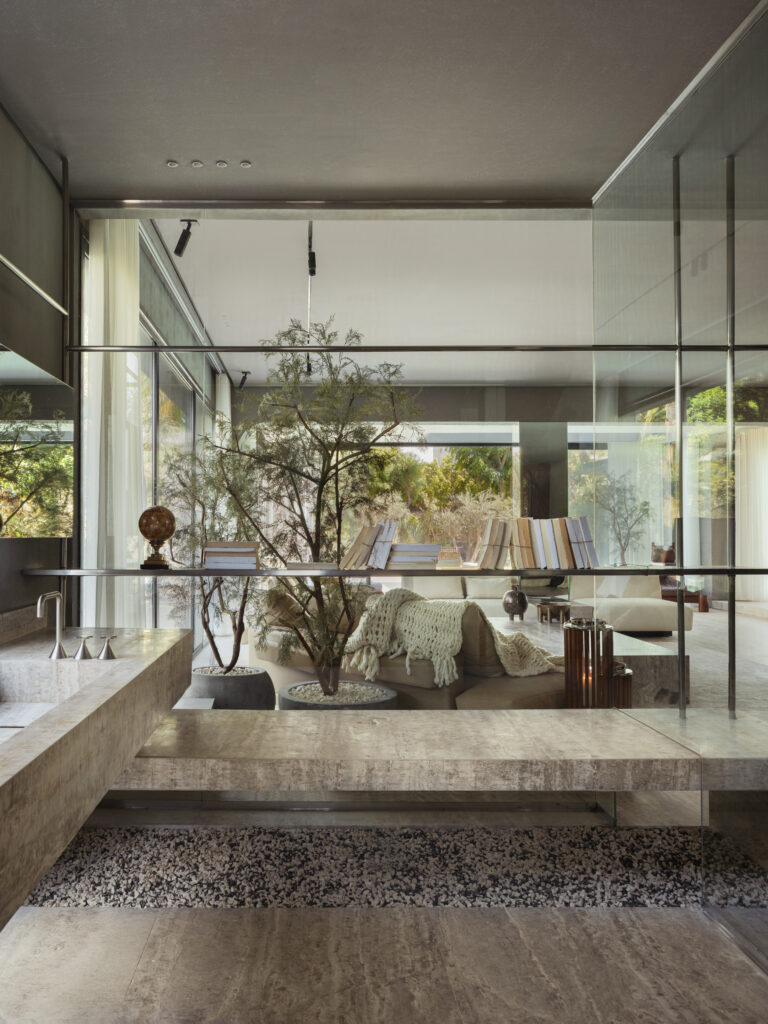
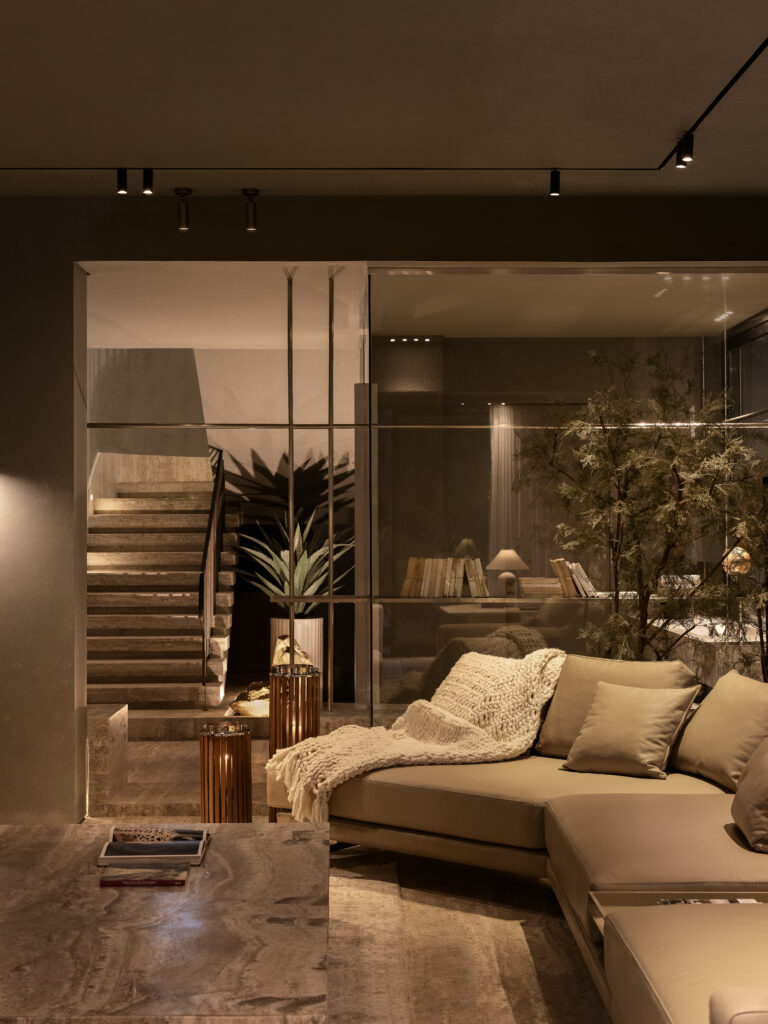
Materiality further anchors the home in warmth and tactility. The interiors, developed by the team at The Design Avenue with partner Karen Fadel closely involved in shaping the design, rely on natural finishes, soft tonal palettes, and surfaces that invite touch rather than attention. “Material choices were guided by warmth, texture, and a sense of comfort,” the designers explain. Natural finishes create a calm foundation, while carefully considered proportions and restrained detailing ensure the spaces feel contemporary without losing their sense of familiarity. The intention was to allow materials to remain “familiar and comforting, while remaining clear and intentional in their use.”
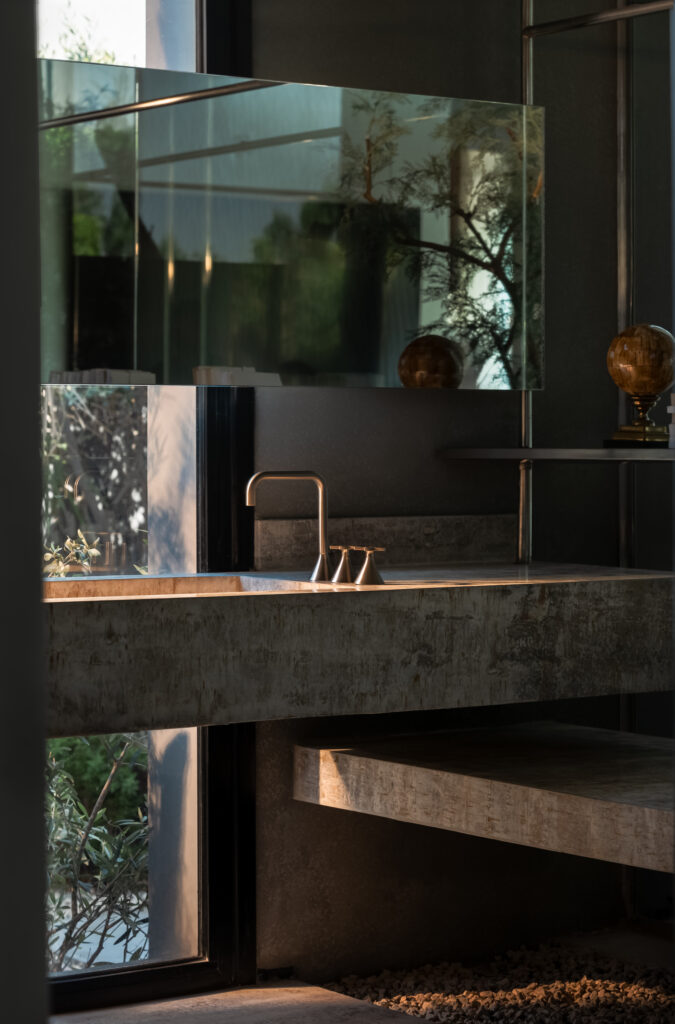
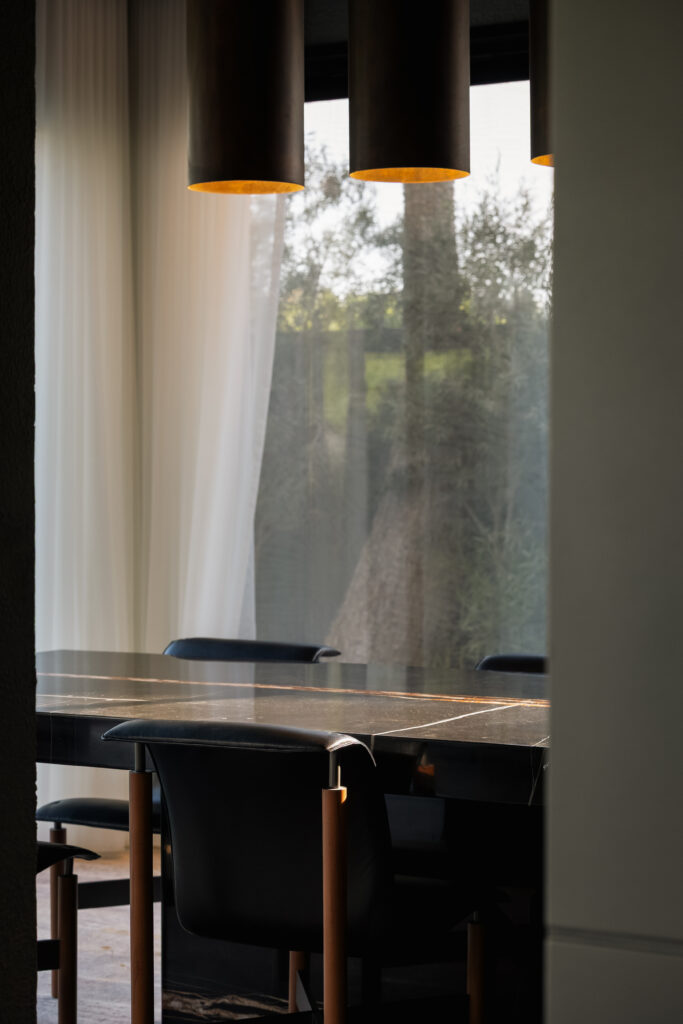
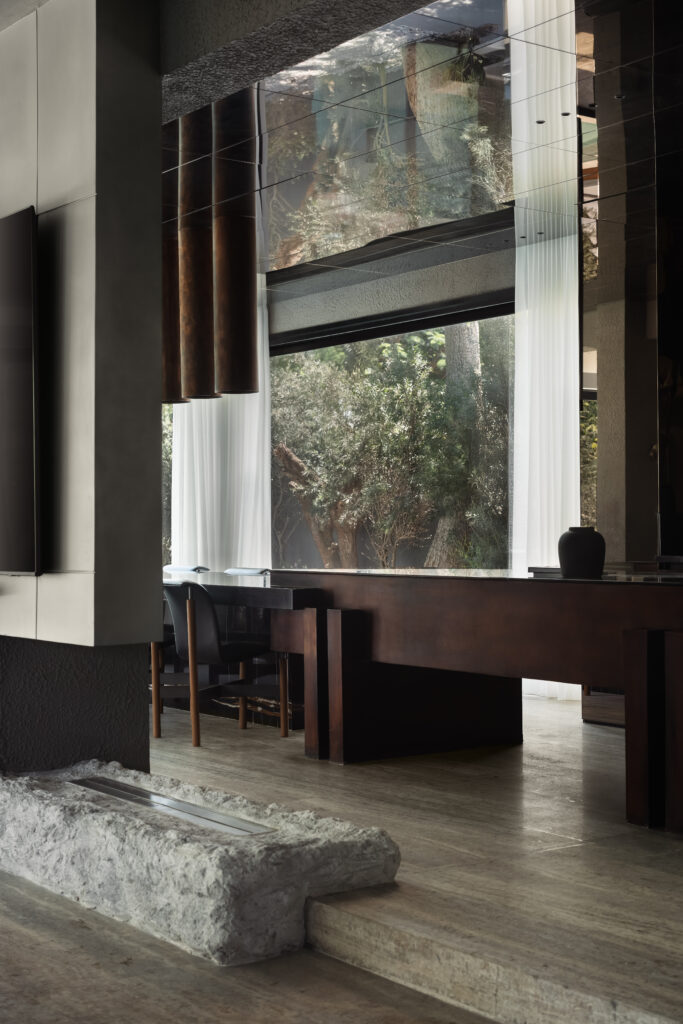
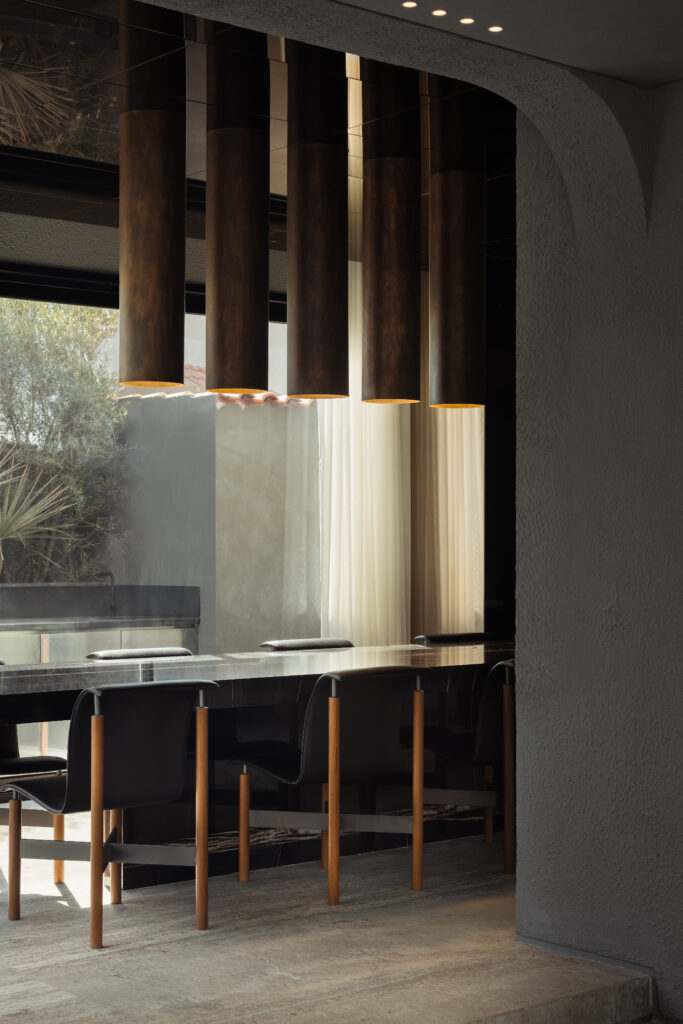
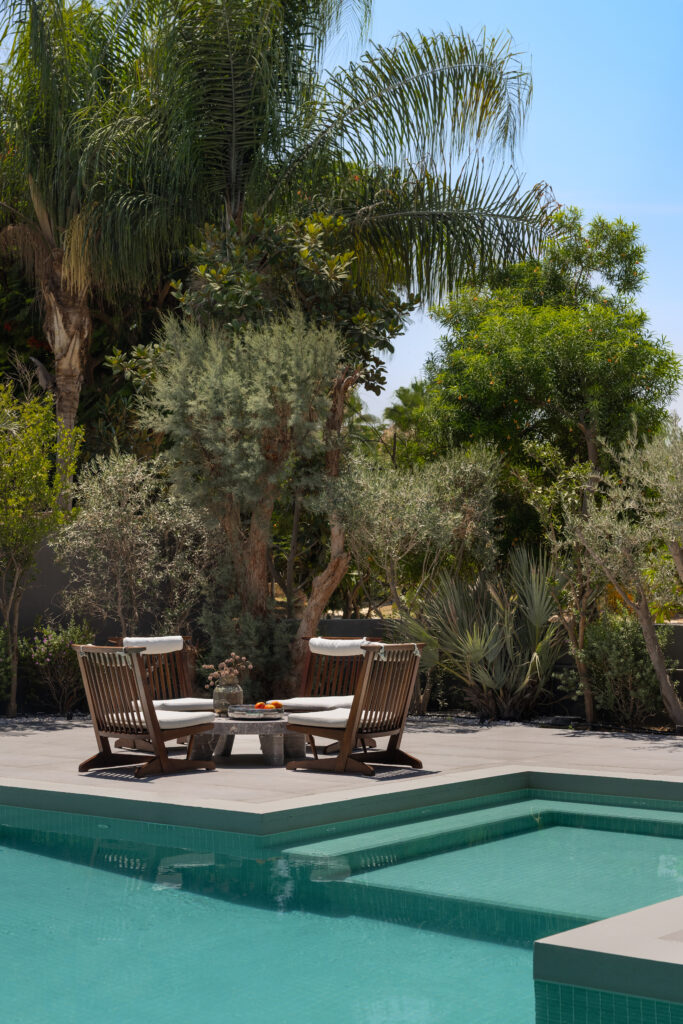
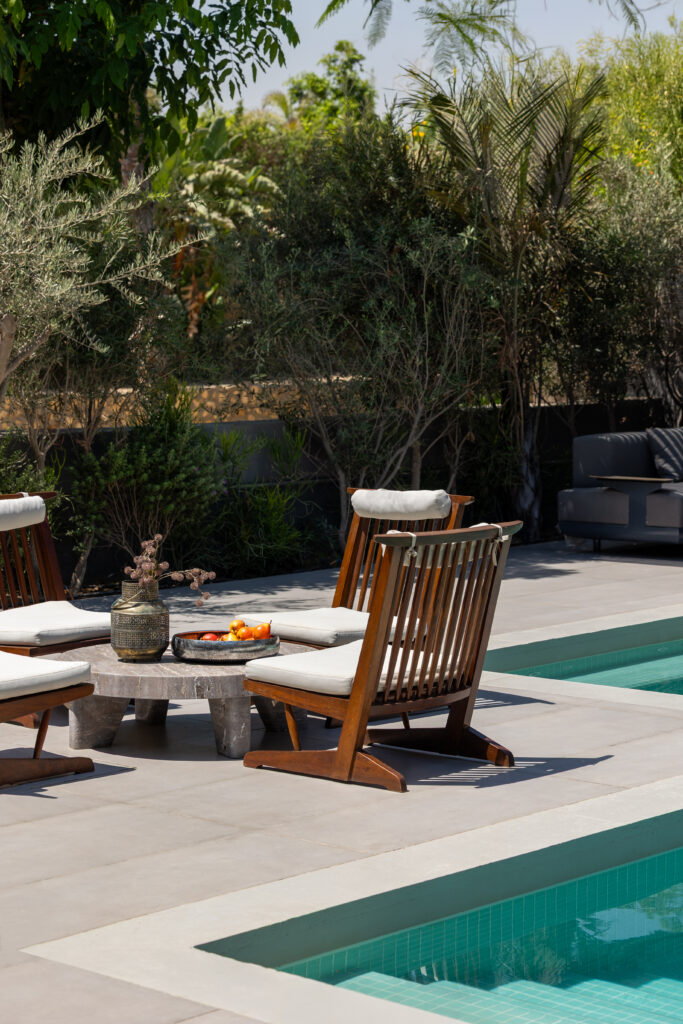
Equally important is the seamless dialogue between interior and exterior. Outdoor areas are not conceived as decorative extensions but as integral components of the home’s daily rhythm. Through aligned sightlines and a continuity of materials, the boundary between inside and outside dissolves. “The connection between inside and outside was designed as a natural extension of daily life,” the architects explain. Terraces and gardens become natural continuations of interior spaces, reinforcing a sense of harmony with the surrounding environment.
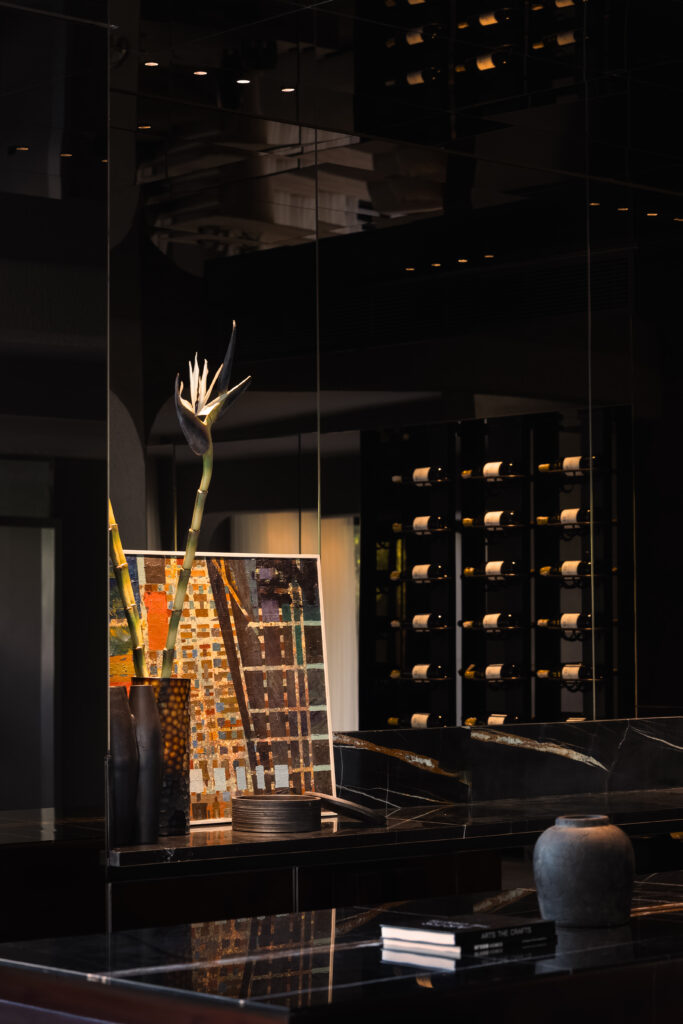
Despite its architectural clarity, Hayah Residence remains deeply attentive to the practical realities of family living. Storage, layout, and spatial flexibility were carefully integrated into the design from the outset. “Clarity and comfort were considered together from the start,” the team notes. The restrained architecture creates a calm atmosphere, while thoughtful layouts and durable materials ensure that the house supports everyday life with ease and longevity.
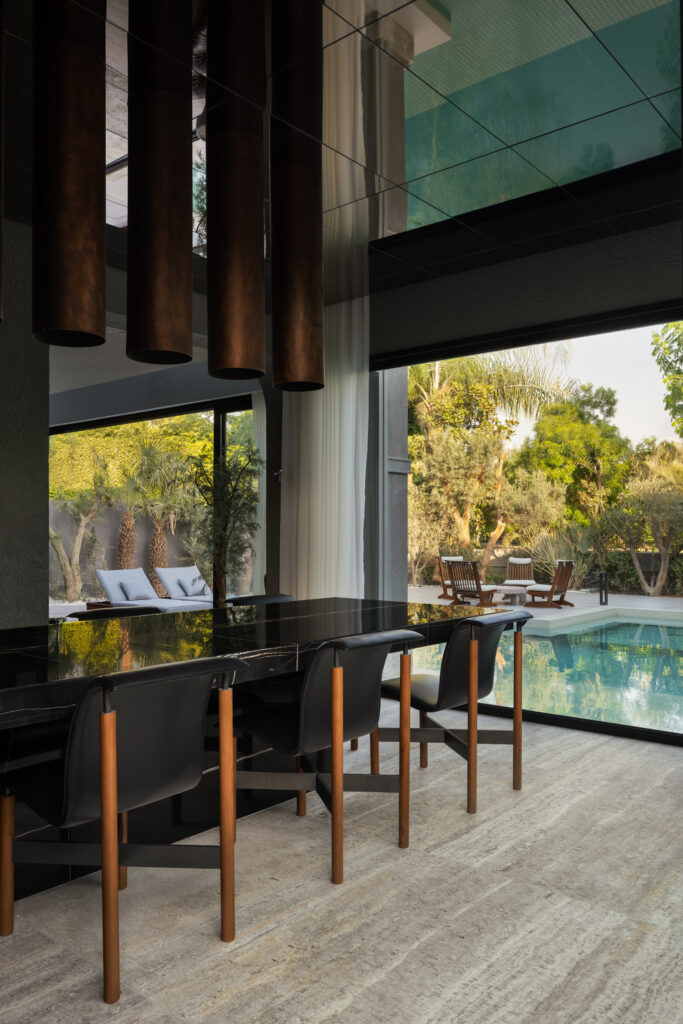
Looking back, the designers see the project as a distilled expression of their approach to architecture. Hayah Residence, they reflect, embodies “a belief in creating spaces that feel connected, calm, and quietly expressive.” Its openness to light, its gentle relationship with nature, and its emphasis on atmosphere rather than spectacle ultimately define a home where architecture becomes less about form and more about feeling.