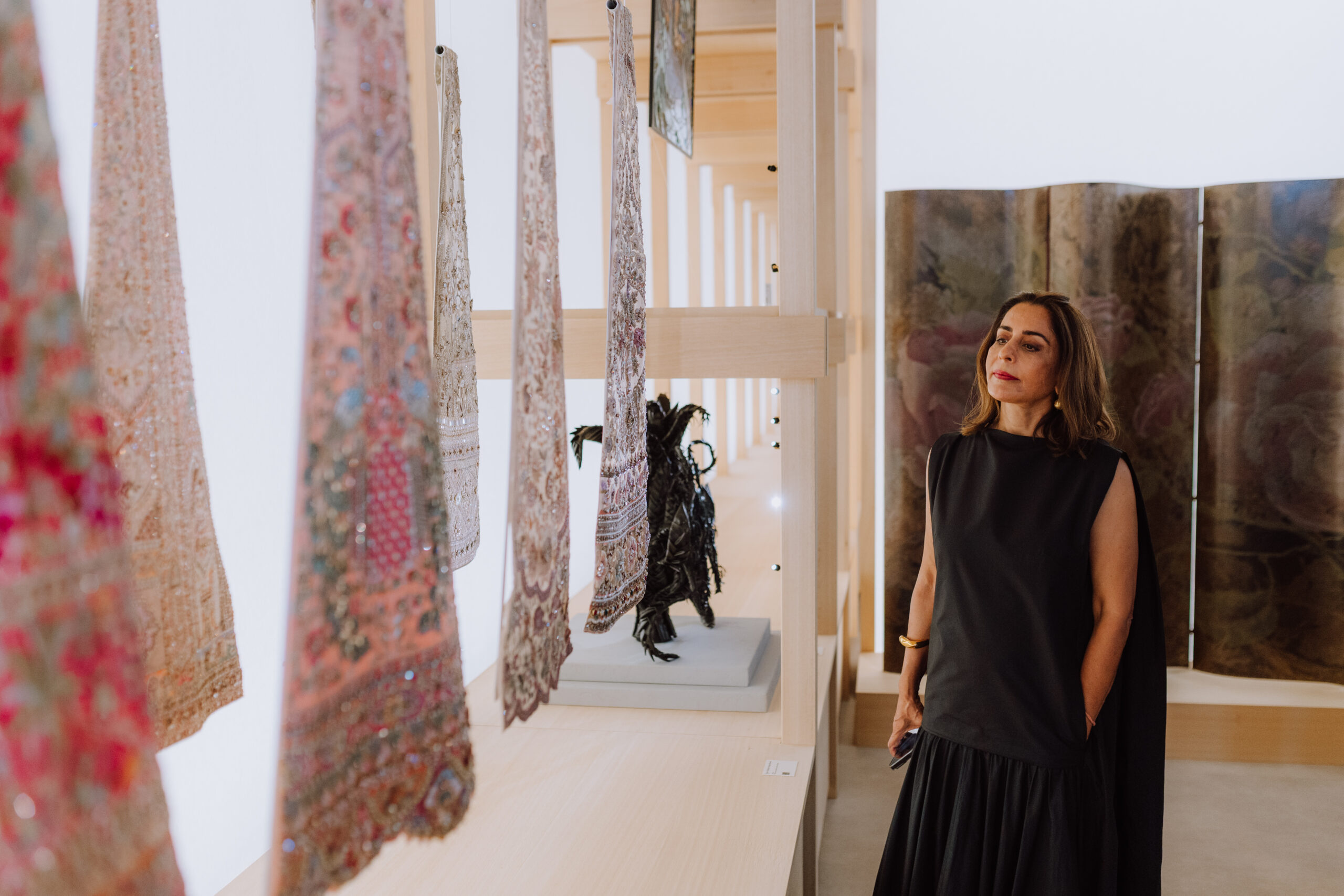
For eight days this September, an abandoned building on the banks of the Barada River in Damascus filled with paintings, photographs, sculpture and sound. The venue, Massar Rose on Shukri Al Quwatli Street, had sat empty for years, its walls still carrying the imprint of conflict. From 11 to 18 September 2026 it became the setting for Art Week Syria, the first event of its kind to bring a coordinated, citywide art week to the Syrian capital.
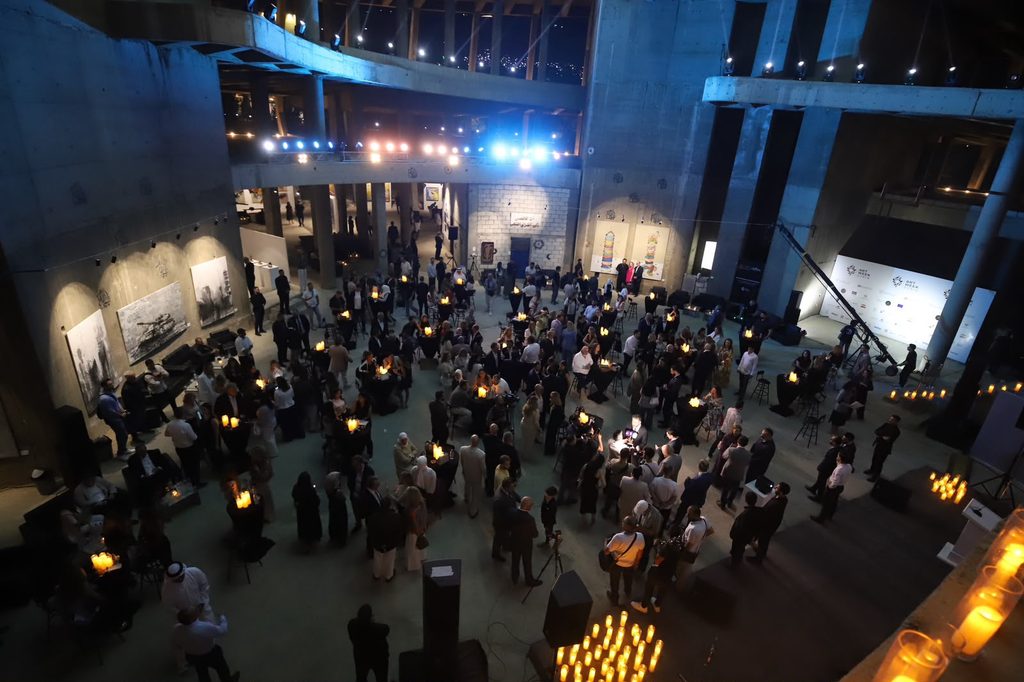
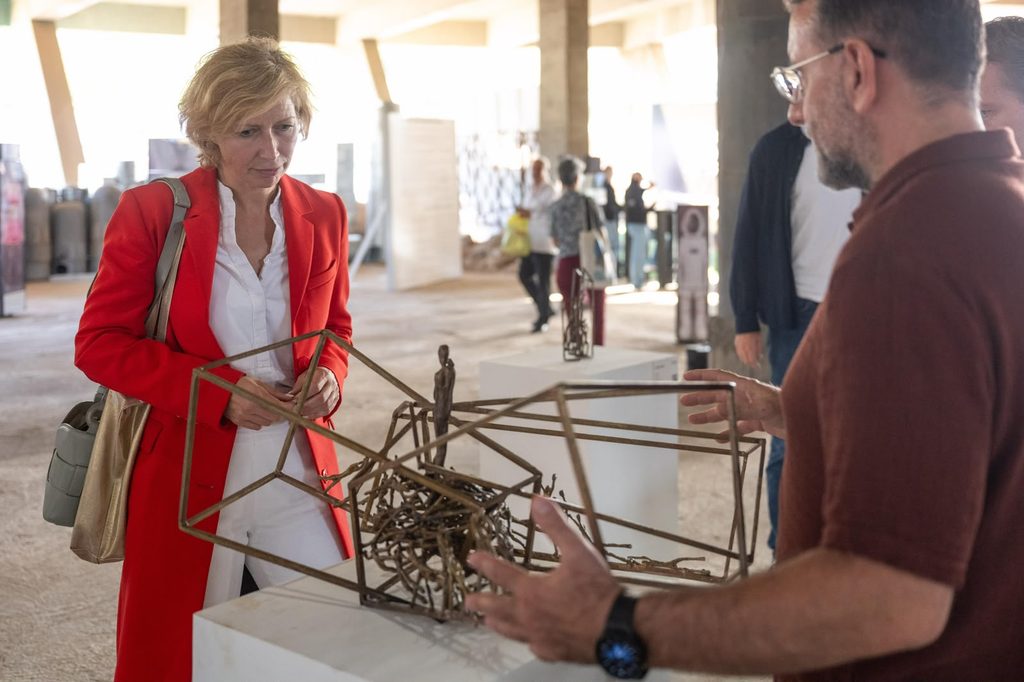
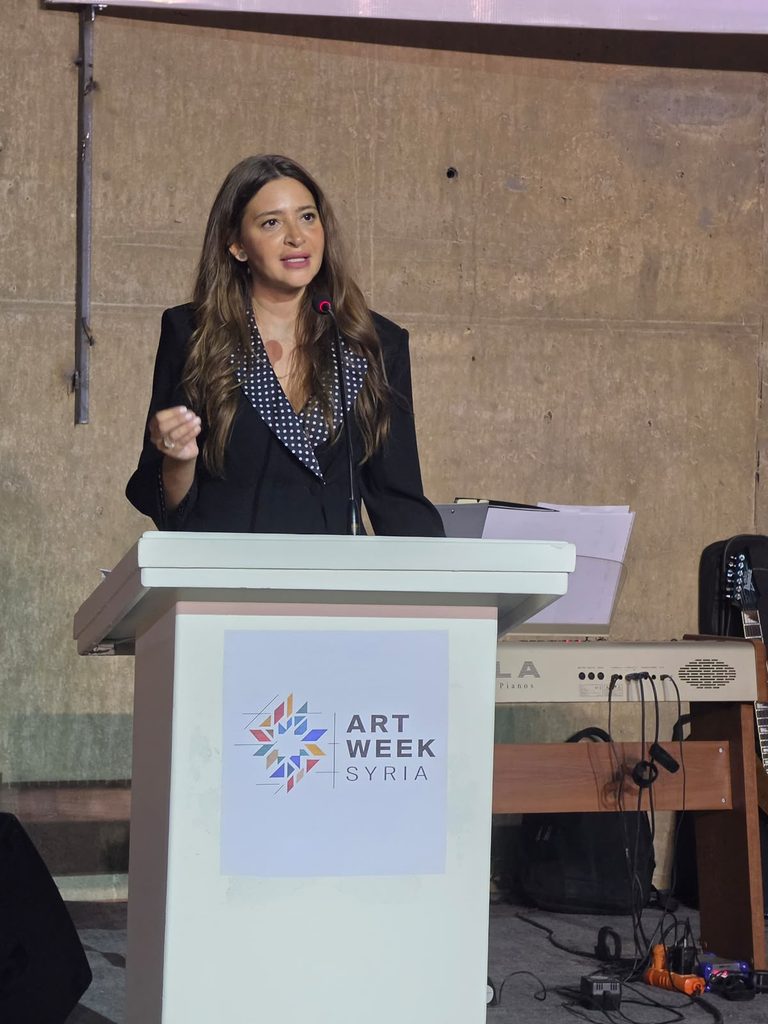
The initiative is the work of Line Kouwatli, who founded and curated the programme with Artopia UAE as patron. Forty seven Syrian artists, spanning several generations, showed painting, sculpture, photography, digital work, installation and mixed media across the week, alongside film screenings, live music and public talks on subjects ranging from Syria’s visual arts ecosystem to how art archives preserve memory. “A country cannot be rebuilt unless its culture is being worked on,” Kouwatli said at the opening, framing the week as the start of a longer project rather than a single moment.
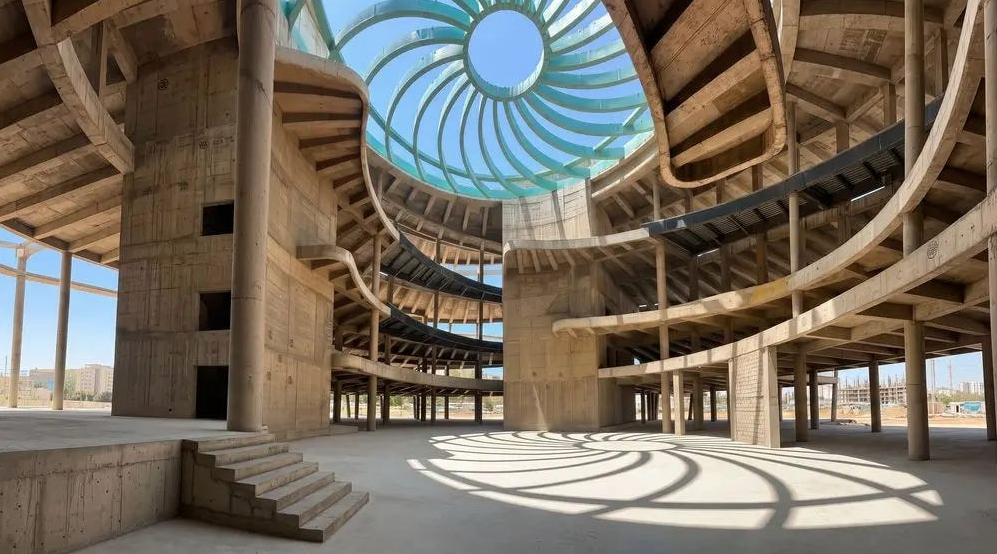
The building carries its own history. Designed in 2008 by the Danish practice Henning Larsen Architects, it was conceived as a discovery and education centre for Syrian children, its form modelled on the petals of a Damascene rose, its shell built to let sunlight filter down through the spaces between. The project sat under Massar, an initiative of the Syria Trust for Development, then chaired by Asma Al Assad. Construction stopped when the conflict began in 2011, and the building was left as an exposed skeleton, its petals standing open to the sky and closed to the public for more than a decade.
The choice of venue carried its own weight. Damascus had a thriving network of private galleries through the 2000s, among them Atassi Gallery, founded in Homs in 1986 and relocated to the capital in 1993, and Ayyam Gallery, established in 2006. For close to two decades afterwards, though, serious exhibitions of Syrian art gathered abroad, in Beirut, Dubai and London, while the capital itself went without a platform of its own. Setting the week inside a conflict scarred building, rather than a polished new gallery, made a quieter point: this was a scene being rebuilt from the ground up.
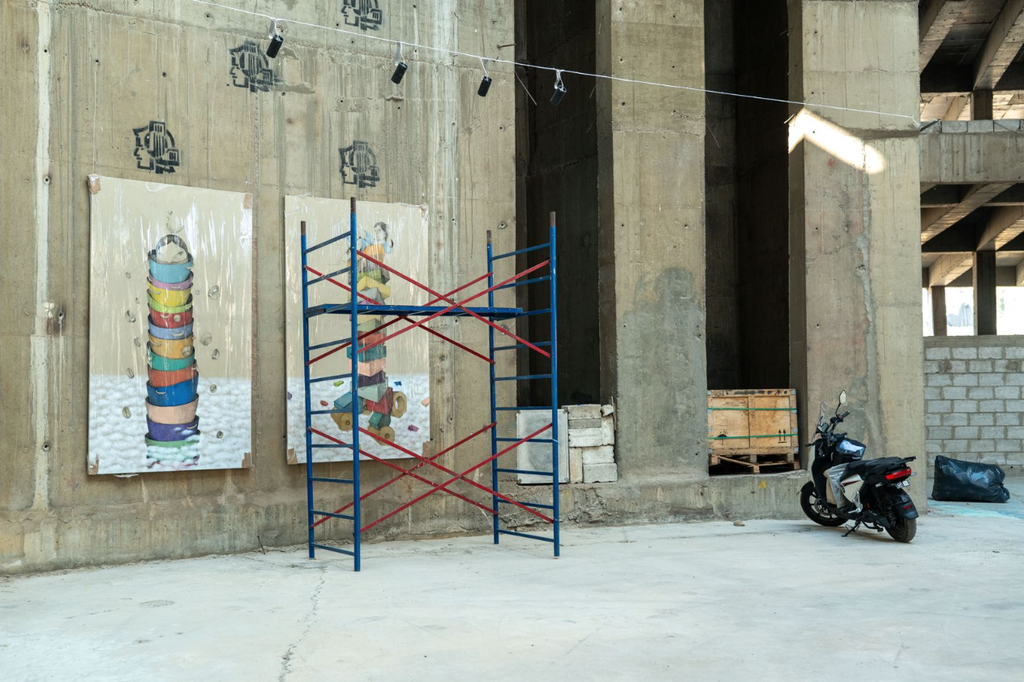
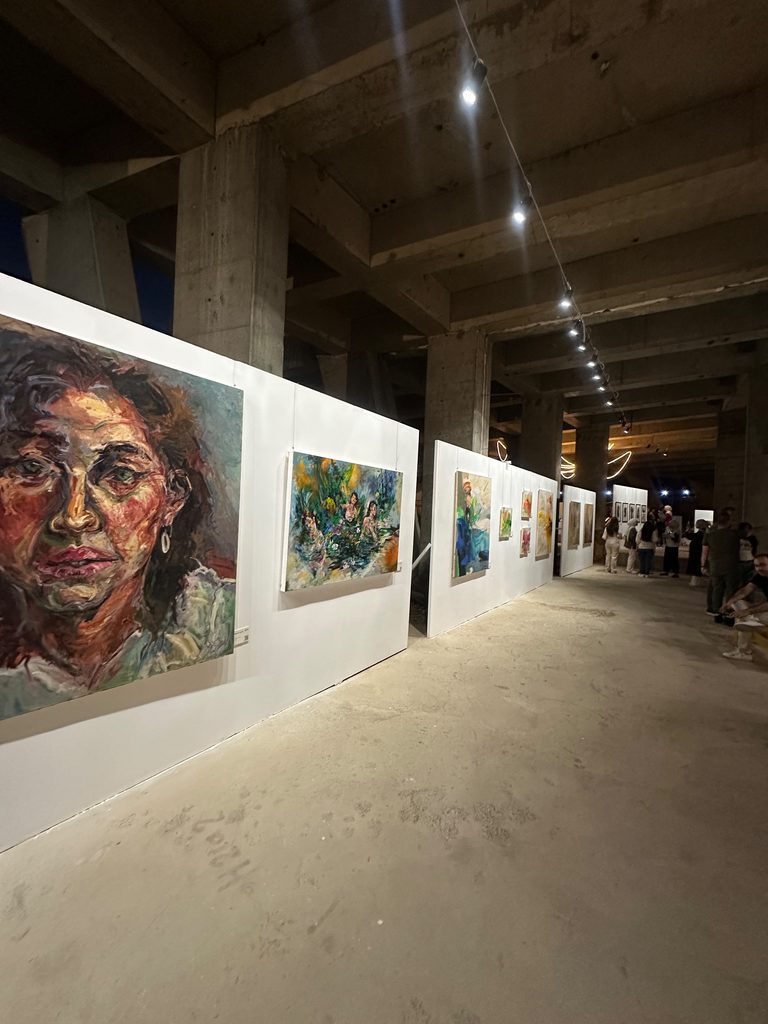
Among the artists showing work, photojournalist Ghaith Alsayed presented images documenting Syria’s political transition in December 2024. “Being here alongside my photographs still feels surreal to me,” he said, “ because before December 8, 2024, I never imagined that I would be in Damascus.” French Syrian photographer Ammar Abd Rabbo curated part of the programme, and painters from what is often called Syria’s Apex Generation, among them Nihad Al Turk, Abdul Karim Majdal Al Beik, Othman Mousa, Mohannad Orabi and Kais Salman, featured in the wider Damascus gallery scene the week drew fresh attention to.
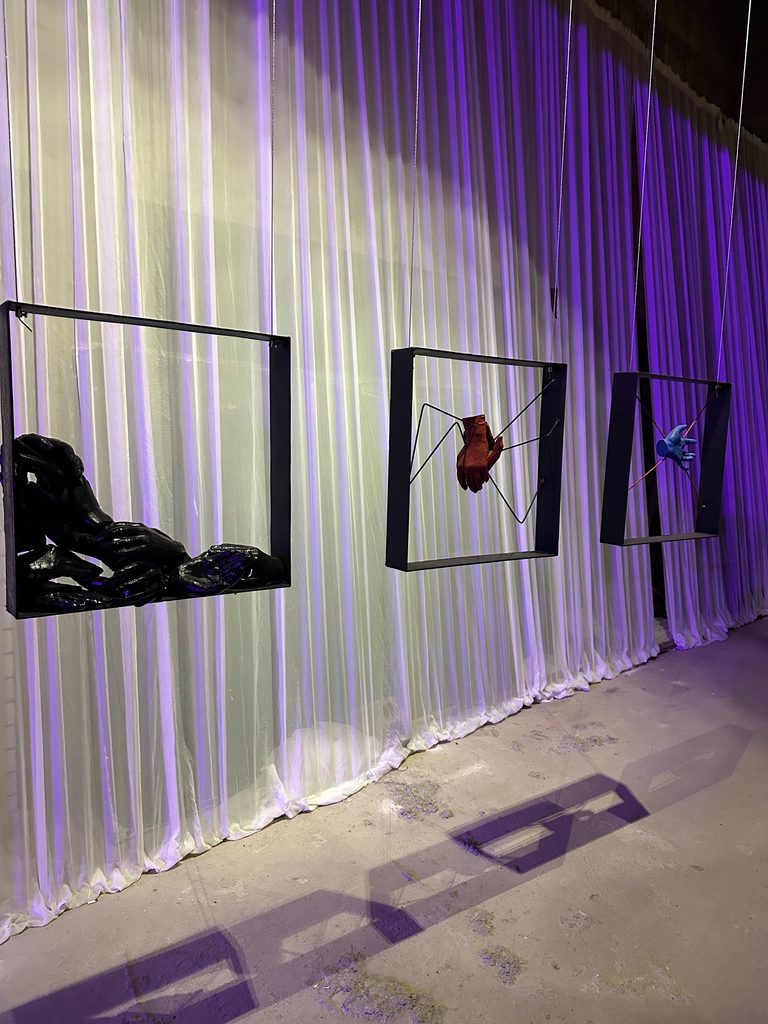
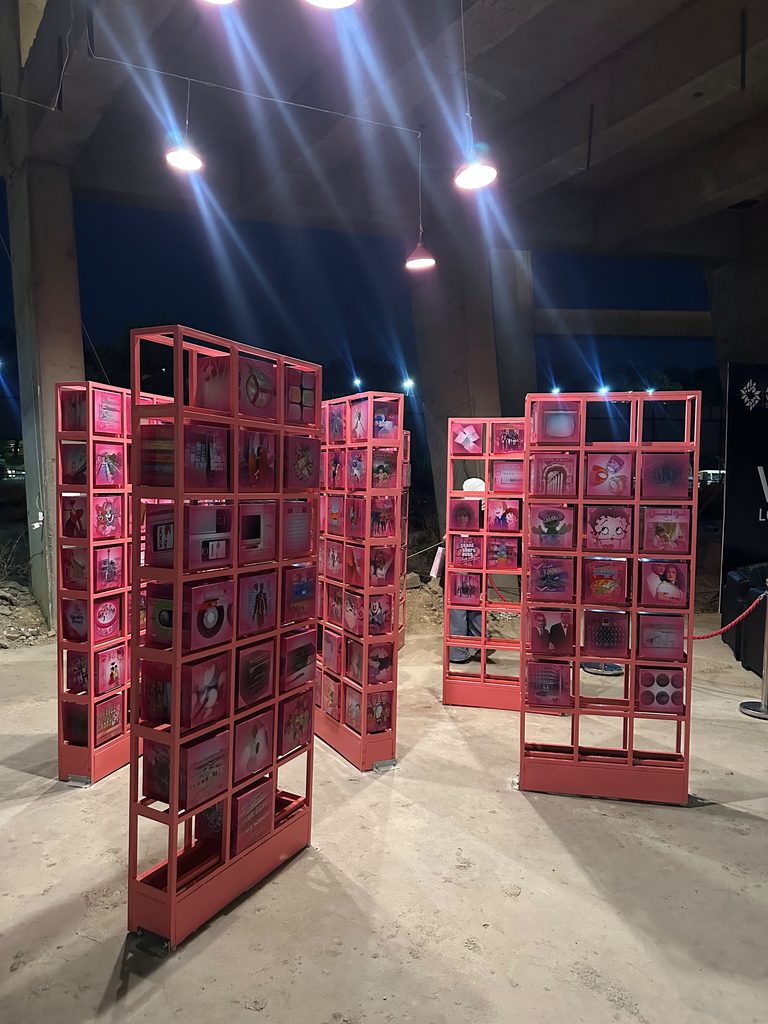
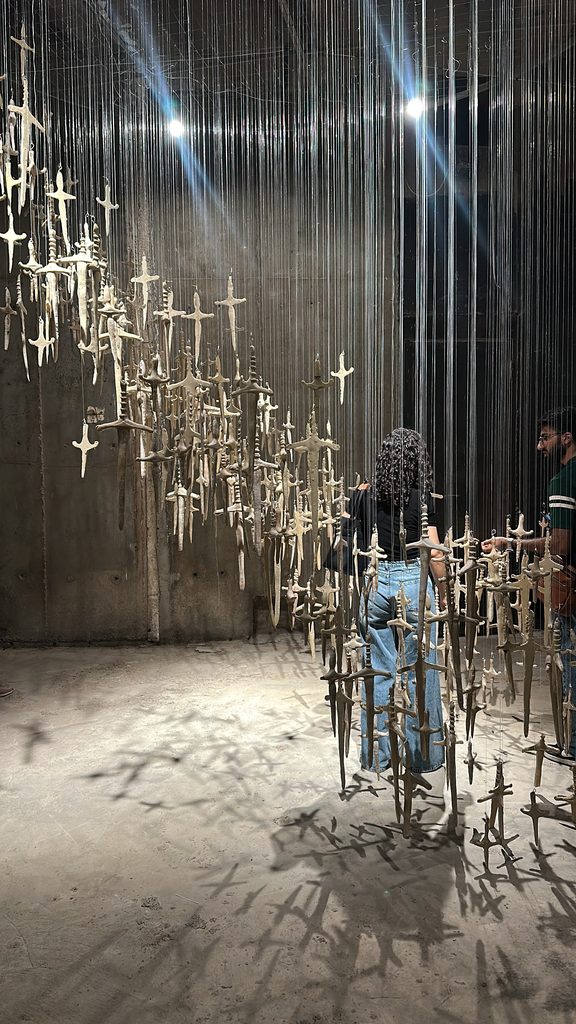
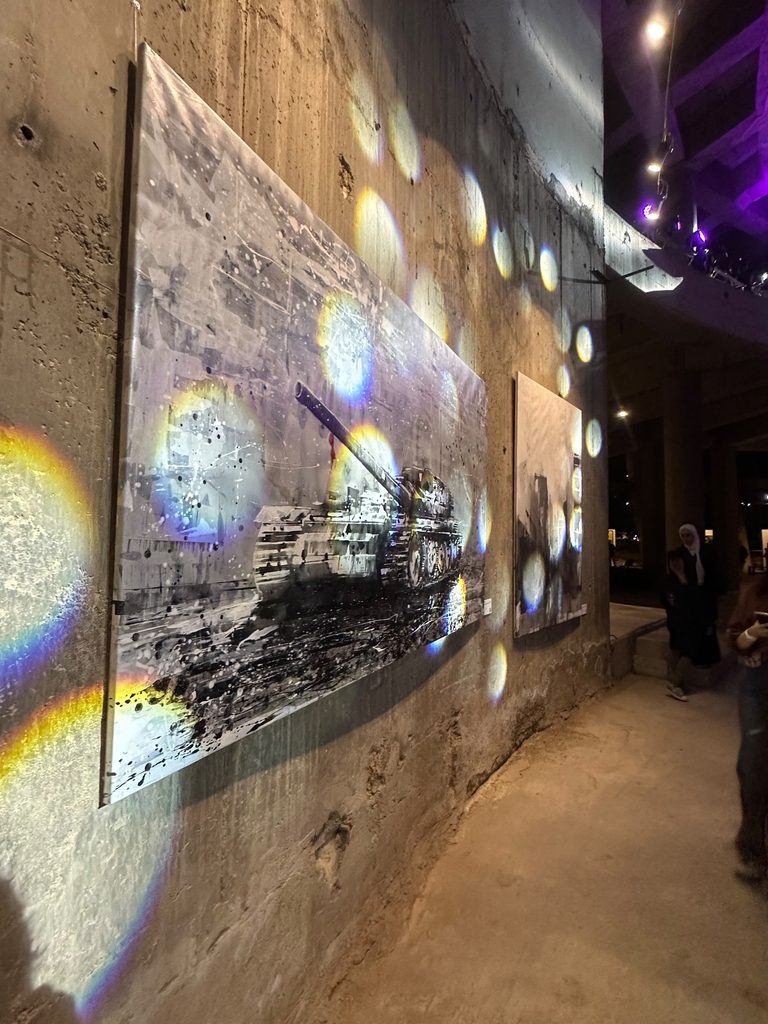
More than a hundred international visitors attended in the first two days alone, arriving from the UAE, Kuwait, Qatar, France and Brazil. The week lands in a year that has already brought Sara Shamma’s presentation at the Venice Pavilion in May and February’s Ishraqat Festival, part of a slow, steady return of Syrian contemporary art to international view.
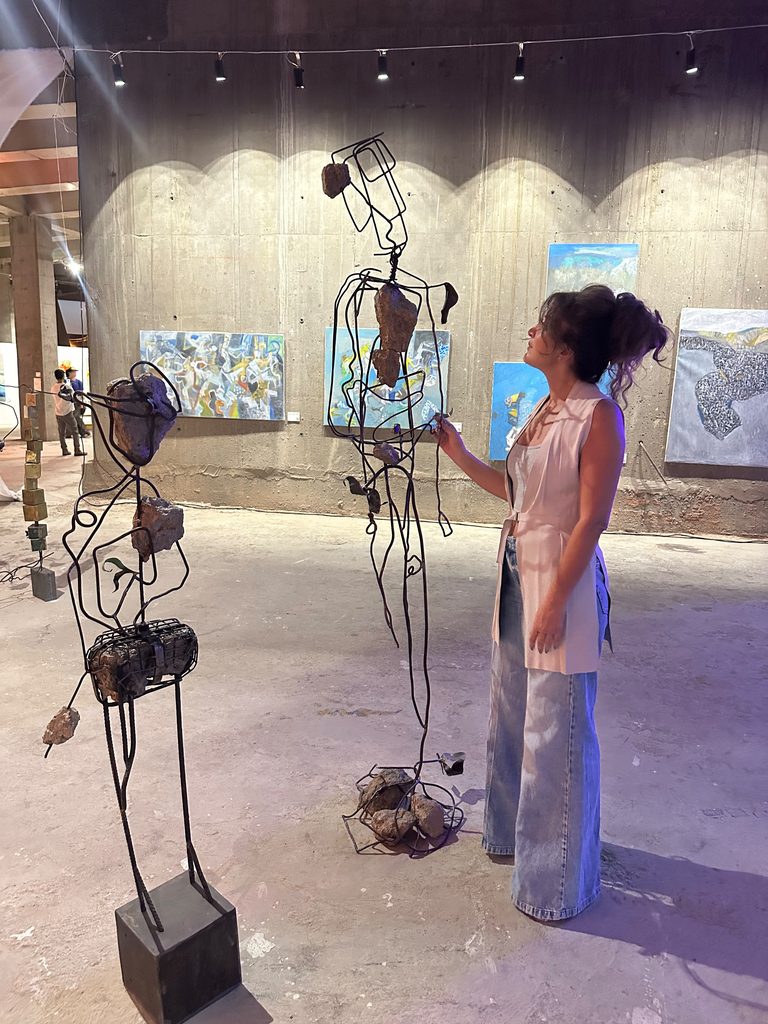
Kouwatli has said the ambition is for Art Week Syria to become an annual fixture, one that establishes Damascus as a place where art is made and shown, and not only sent elsewhere. A first edition proves appetite more than permanence, but it is a considered opening move.