Some houses invite transformation. Others demand reverence.
When London based interior designer Miriam Frowein first stepped inside a rare home designed in the 1960s by French architect Jacques Couelle in the Domaine de Castellaras, she understood immediately that authorship would have to give way to sensitivity. Couelle, whose sculptural, cave like houses rejected modernist rigidity in favour of biomorphic forms, had already written a powerful spatial language into the architecture itself.
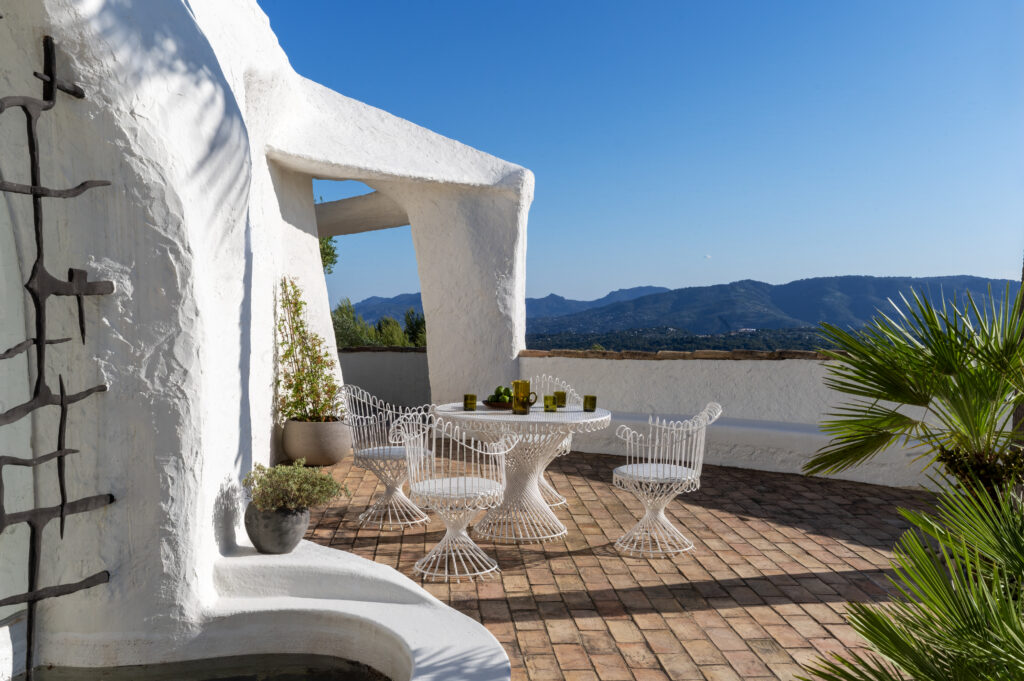
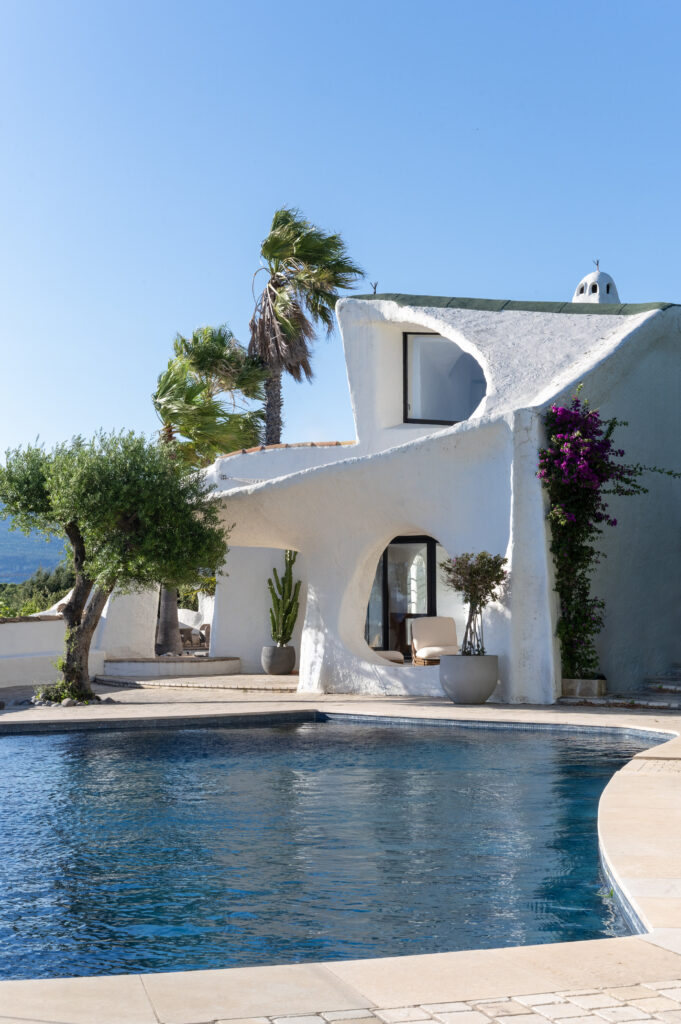
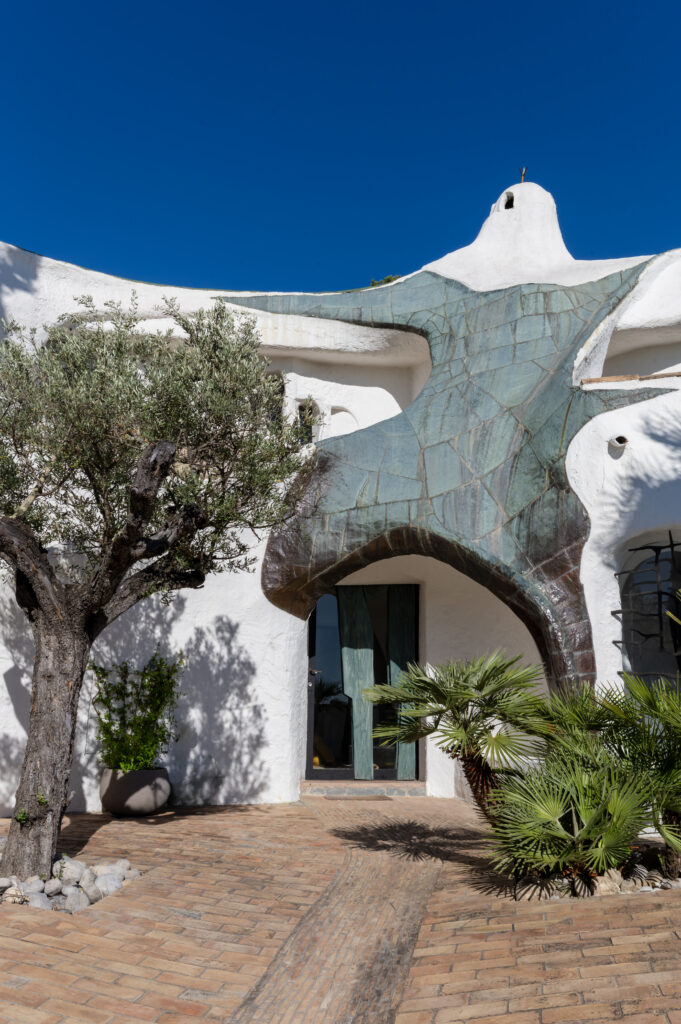
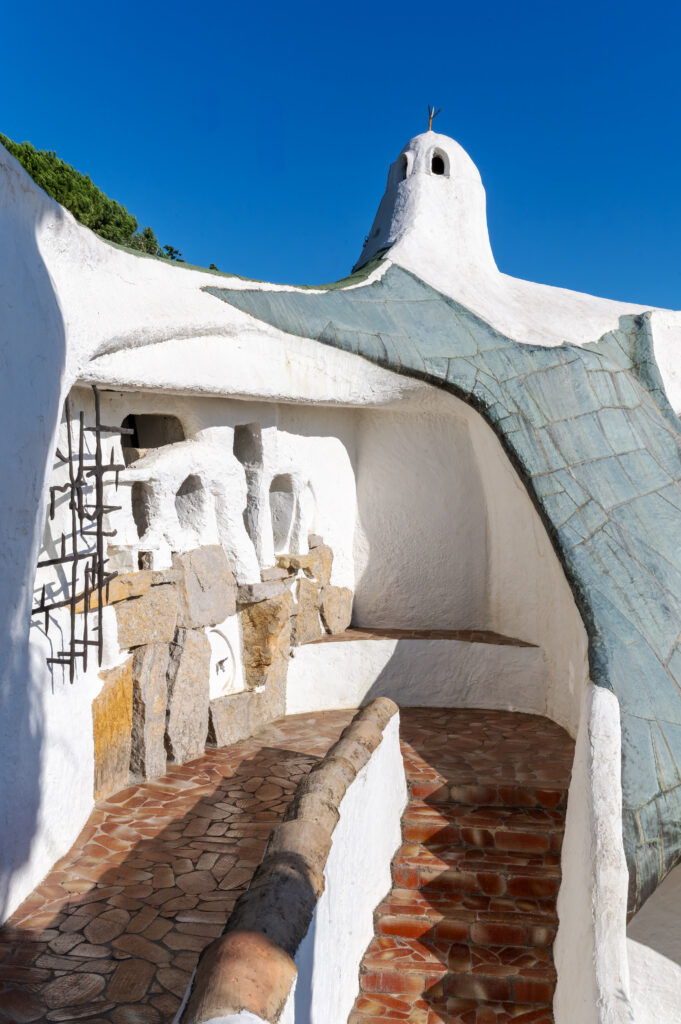
“Couelle’s spaces resist conventional geometry,” Frowein says simply.
The project began, unexpectedly, through art. Frowein met the German owner, Caroline, at an event hosted by Fondation Maeght in Mougins, where the designer serves on the institution’s International Council. Bound by a shared love of collecting, the two women connected instantly. During conversation, Caroline confessed that the house felt somehow unresolved, “that it needed more than a Saarinen table and an L shaped sofa,” recalls Frowein.
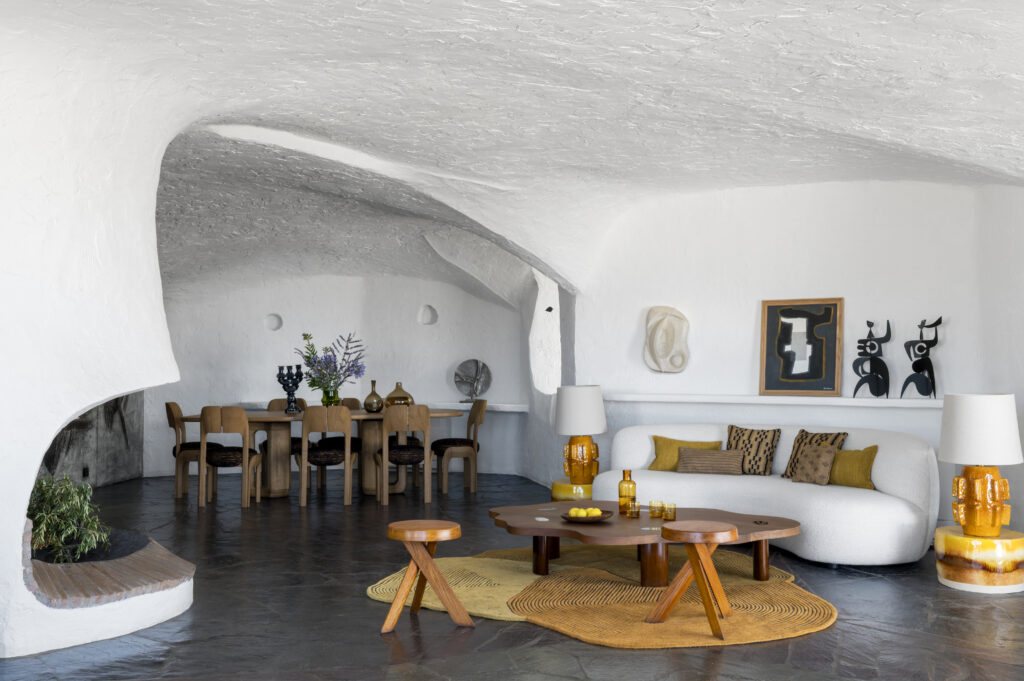
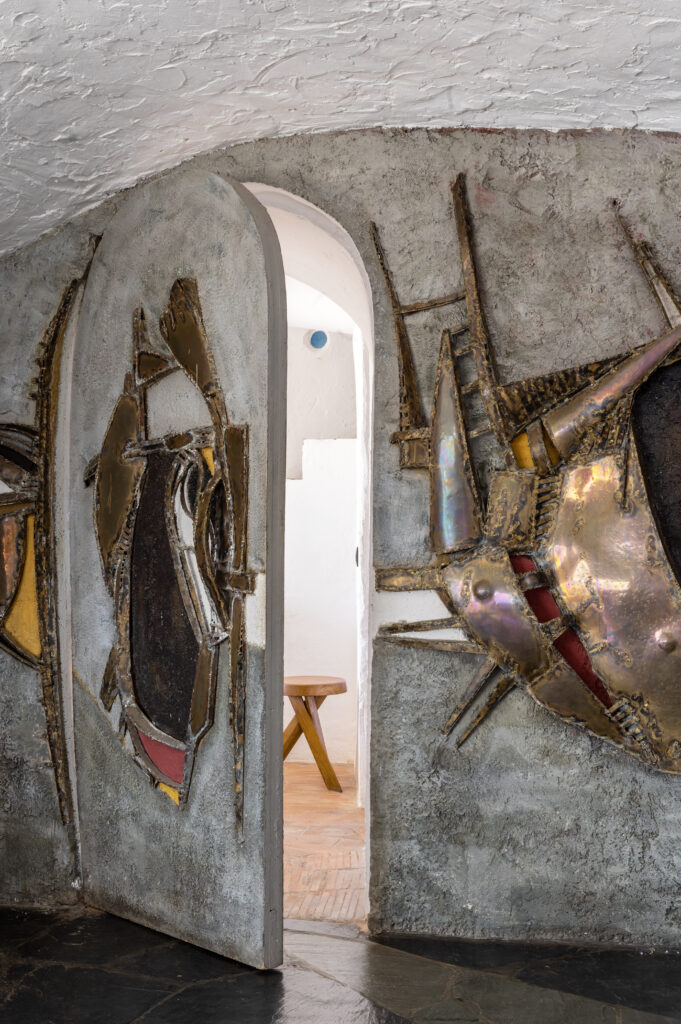
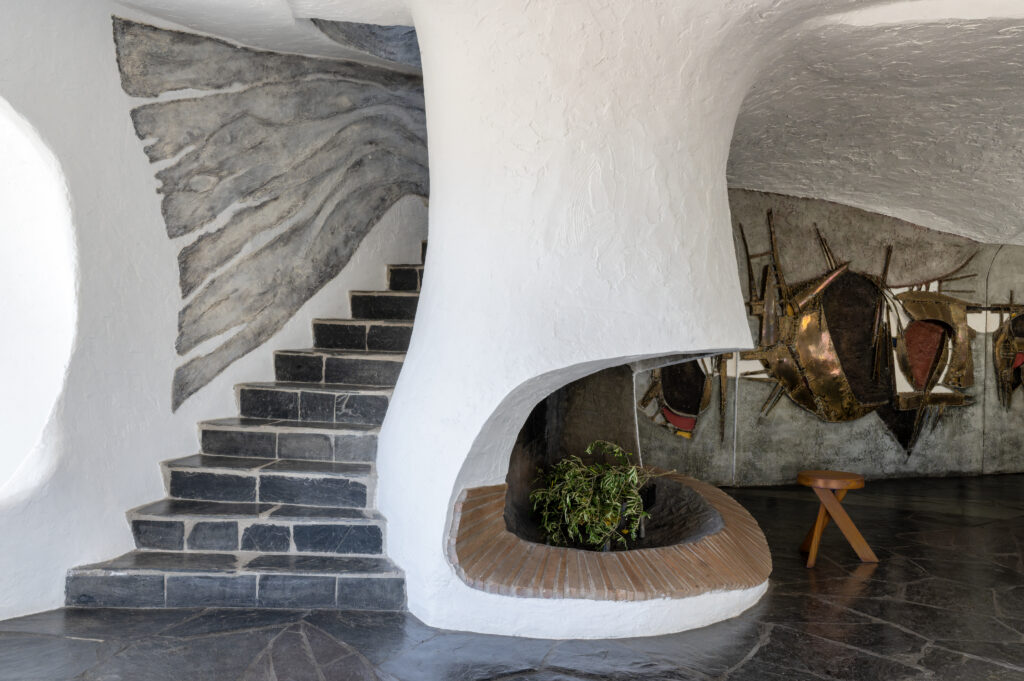
The challenge was not to redesign the home, but to enter into conversation with it.
“For this exquisite opportunity, I was keen to get as close as possible to the very soul of this place,” she says.
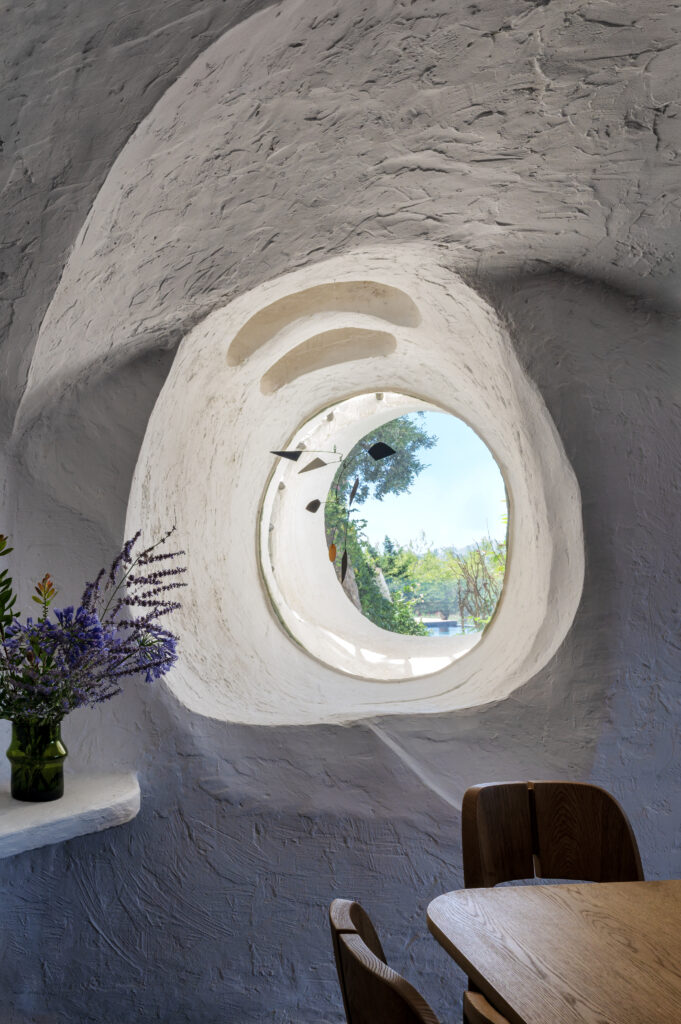
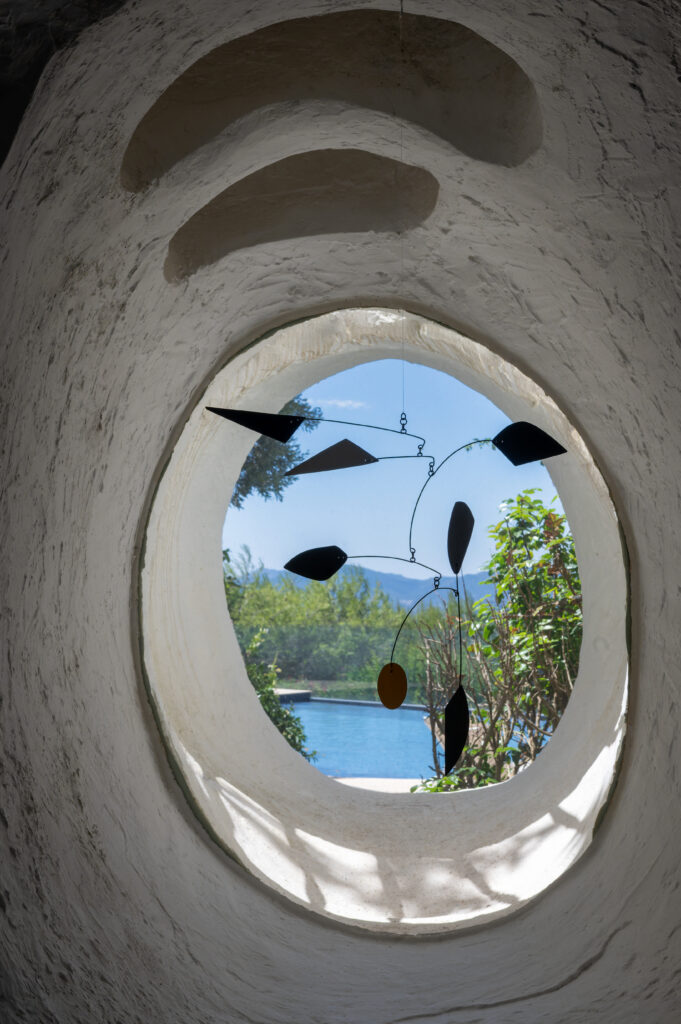
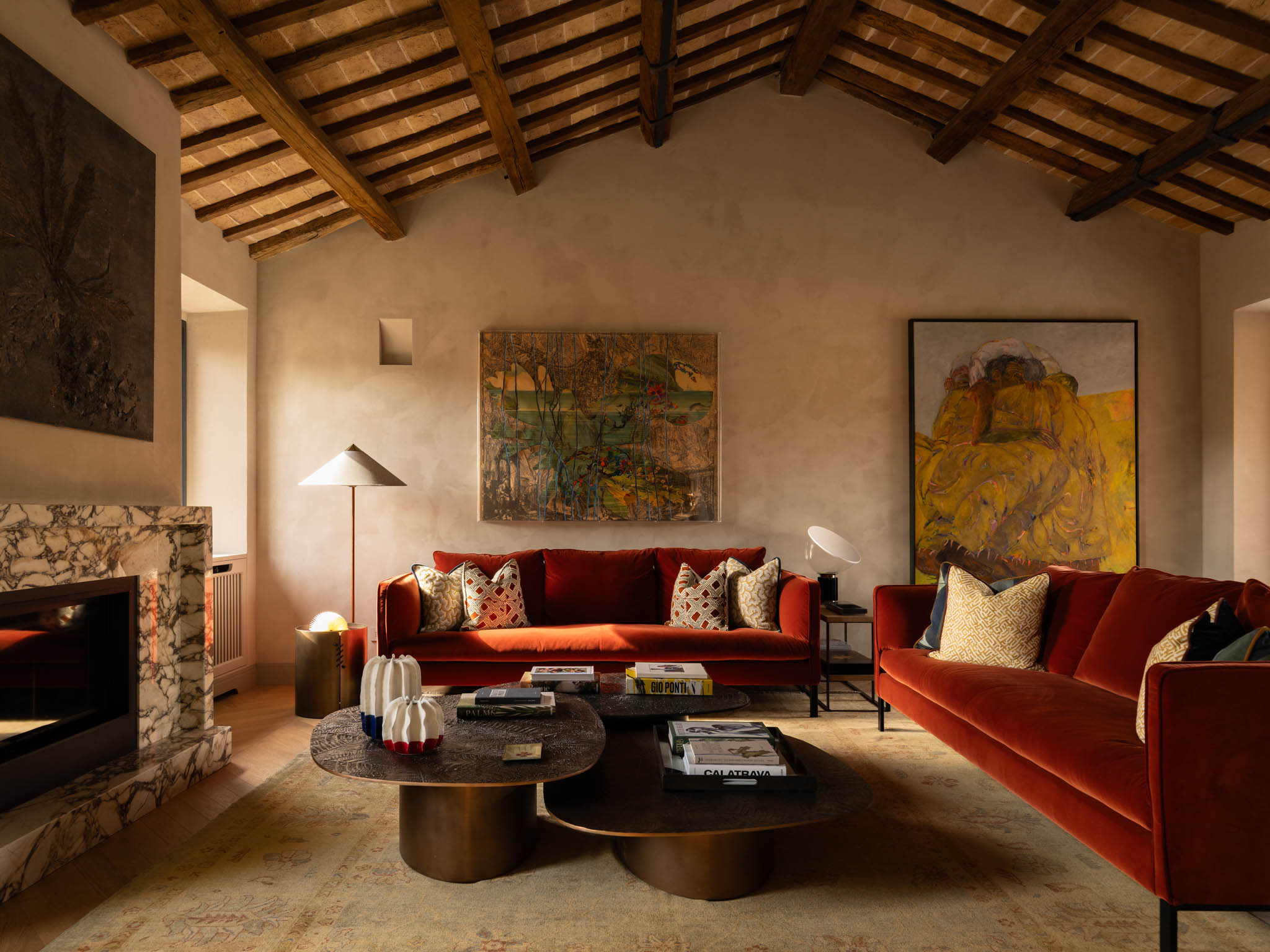
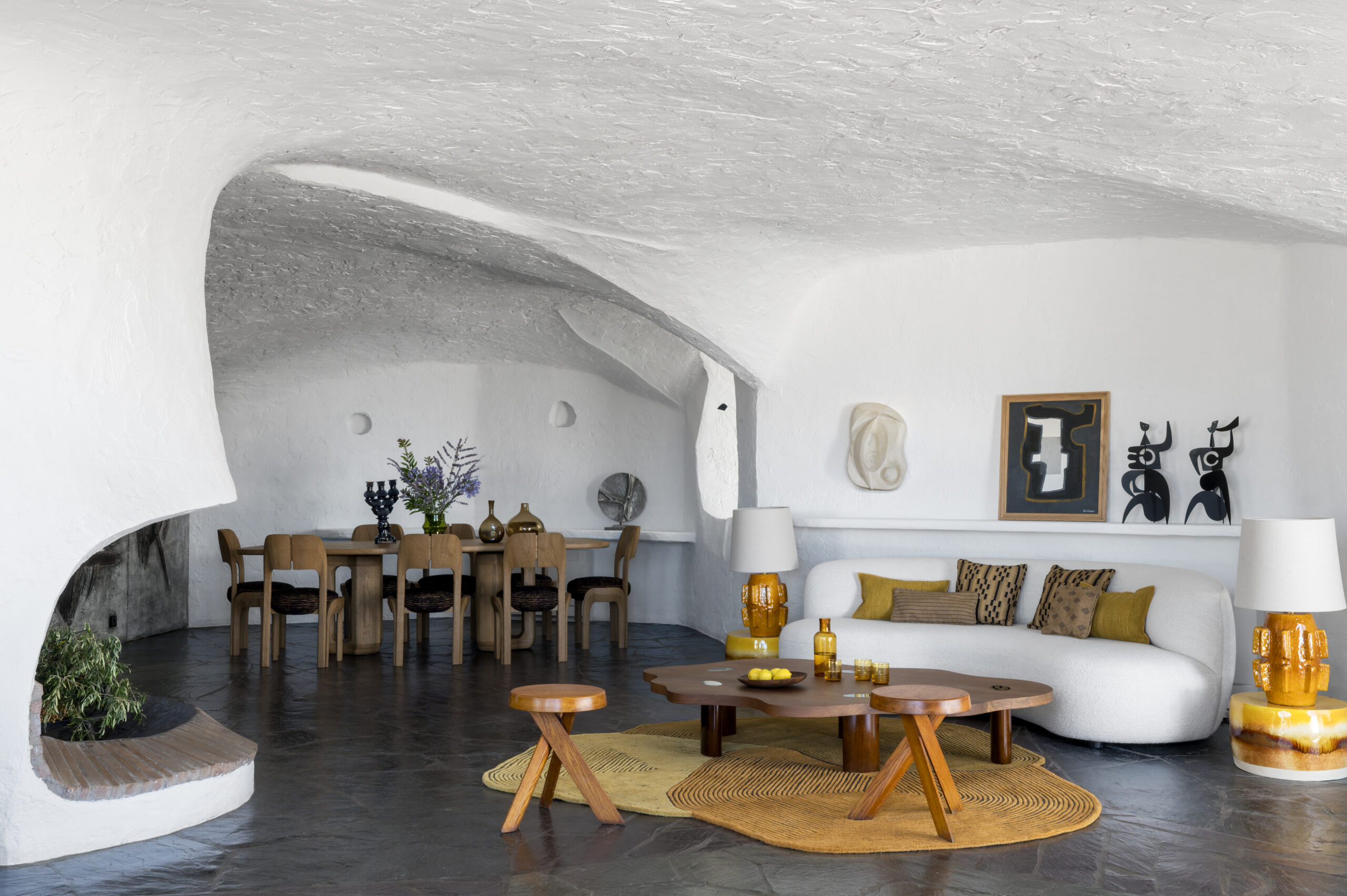
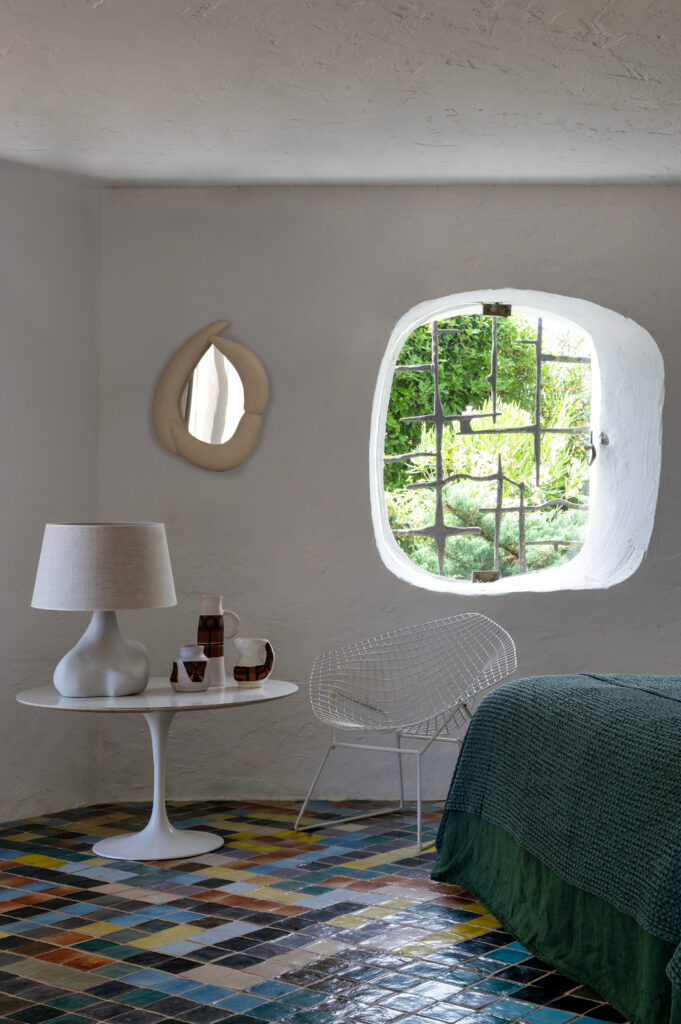
That soul is deeply rooted in materiality. Couelle’s architecture, with its undulating plaster walls, organic curves and apertures framing fragments of landscape like paintings, already carries an atmosphere of intimacy. Frowein responded not with spectacle but with tactility. “The material palette remains close to the earth: plaster, wood, ochre tones,” she explains. Existing artistic interventions became guides rather than constraints, from François Thévenin’s metalwork to Constantin Andréou’s bronze mural, while stained glass windows and even a Calder mobile informed subtle chromatic decisions.
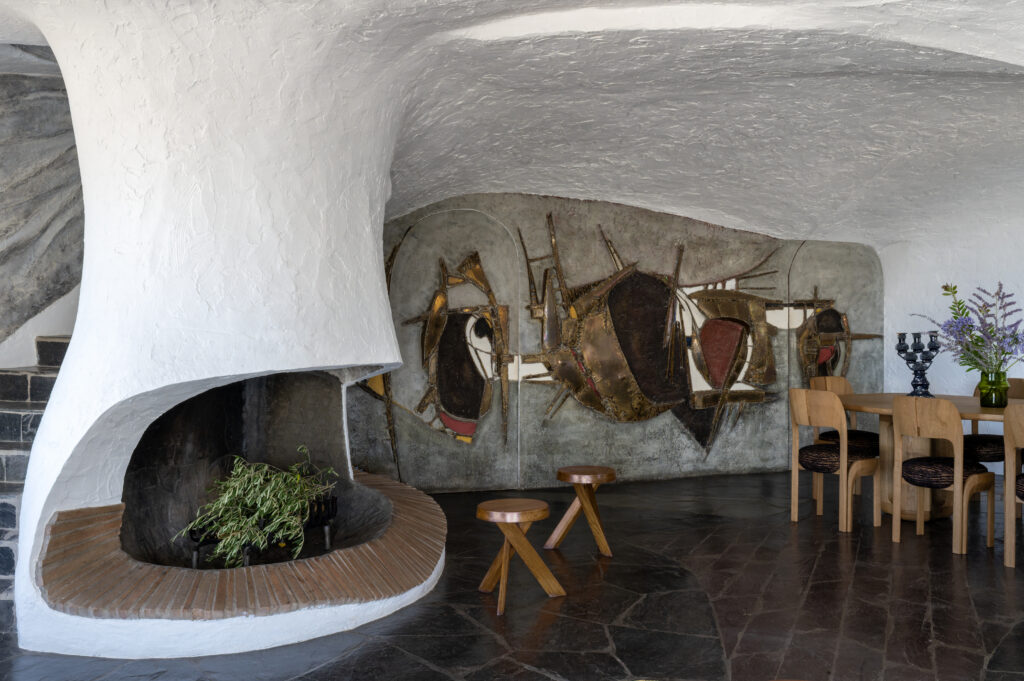
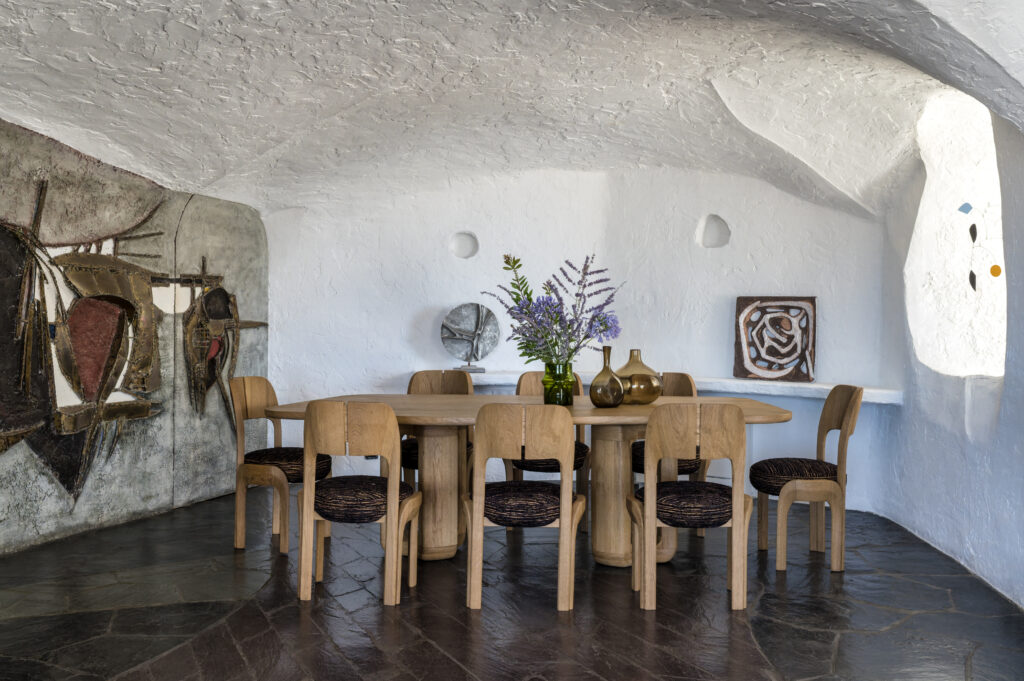
Warm earthy tones, discreet Lurex textures, handcrafted surfaces and occasional restrained tribal motifs create what Frowein calls a soft dialogue with the architecture. “Handcrafted pieces were essential to the project,” she says. “I love the tactile quality and soulful irregularity they bring, which perfectly echoes the atmosphere of the house.” Two armchairs from Frowein’s own capsule furniture collection quietly punctuate the interiors, their soft silhouettes upholstered in Toyine Sellers fabric, echoed again in the dining chairs to create material continuity across the home.
At the centre of the living space, a kidney shaped sofa by Pierre Augustin Rose, upholstered in a tactile Dedar bouclé, became something of an emotional anchor, its curved silhouette quietly mirroring Couelle’s flowing vocabulary. Nearby, a sculptural plaster mirror by Olivia Cognet reinforces the house’s handmade sensibility, while vintage objects sit beside bespoke interventions without ever competing for attention.
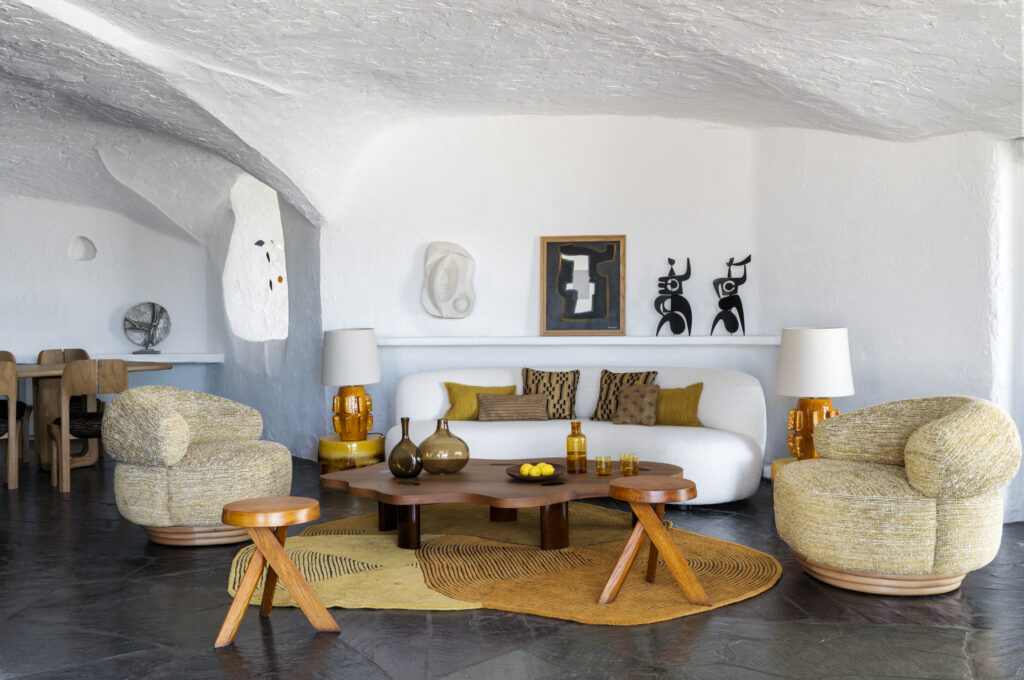
“The house seems to reject hierarchy between architecture, art, and object,” Frowein reflects.
Perhaps the most moving quality of the house, however, is not visual but emotional. “I let myself be carried away by the feeling of being in a bubble,” she says. “There’s that enveloping quality to the architecture, but also the sense of being suspended in the heart of nature.” From every opening, the sea and surrounding village appear differently, framed through shifting perspectives that make landscape feel intimate rather than distant.
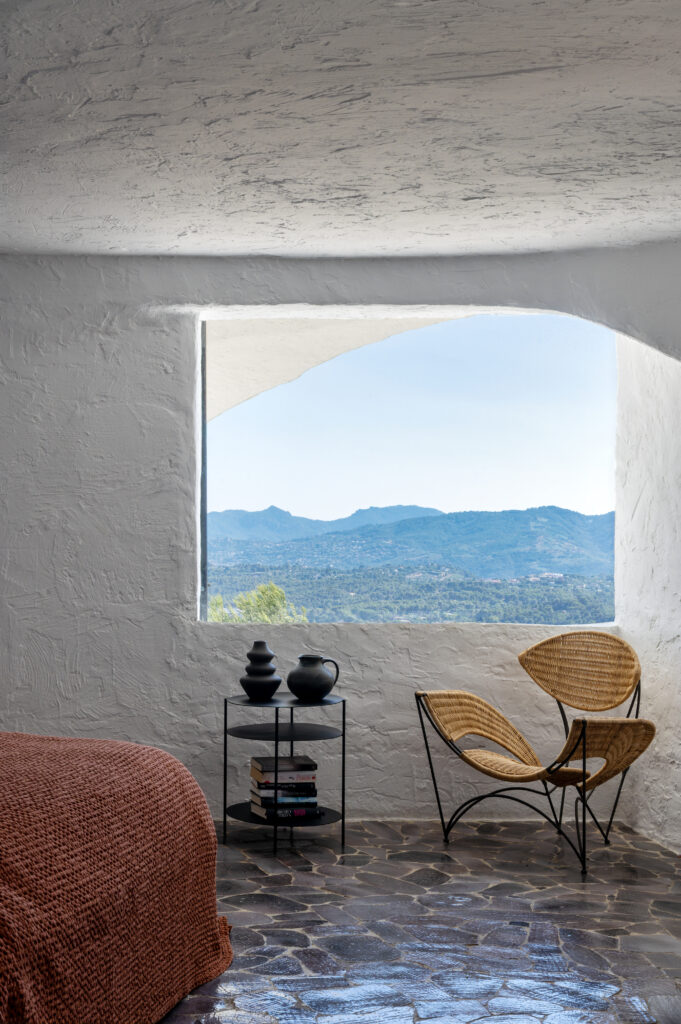
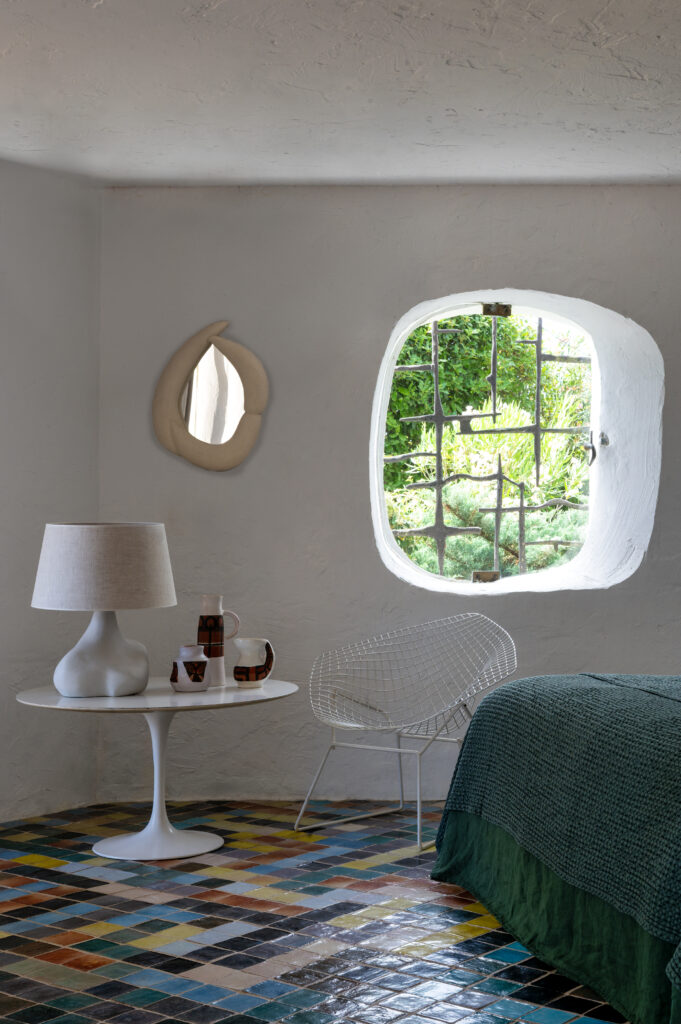
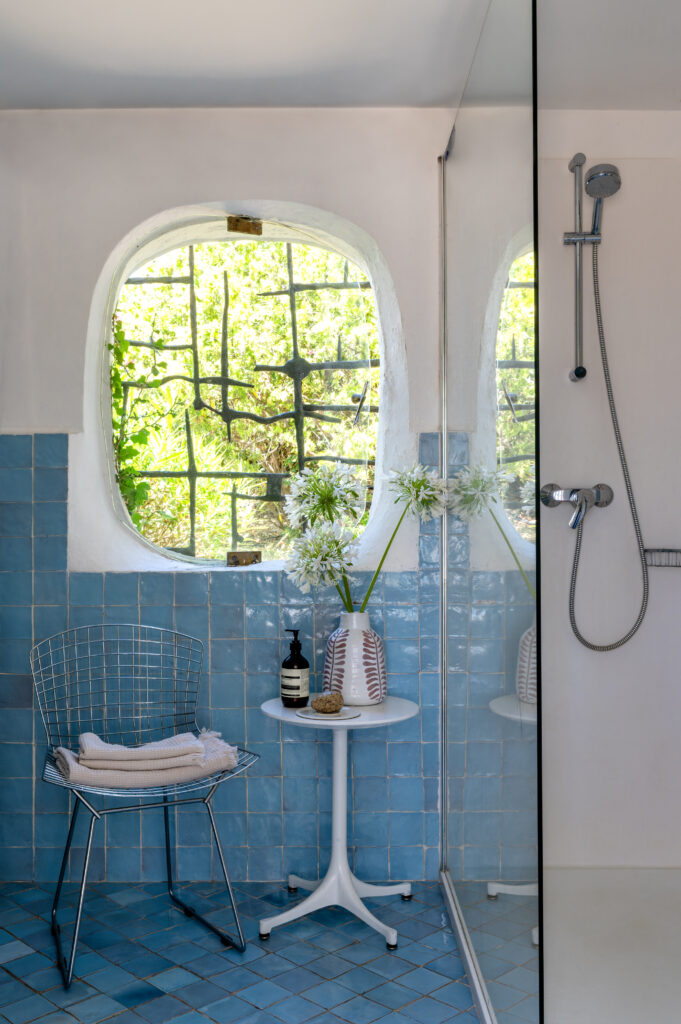
Outdoors, seating by Mathieu Matégot subtly evokes the spirit of the 1960s, gently anchoring the home to the era in which Couelle first conceived it. In a moment when interiors often strive for impact, Frowein’s approach feels unexpectedly radical. Simplicity, here, becomes a form of care.