In Dunthorpe, an established residential enclave just south of Portland known for its tree lined streets, historic homes and proximity to forested preserves, a 1929 Cape Cod house has been quietly reimagined around a simple but increasingly rare ambition: bringing people together.
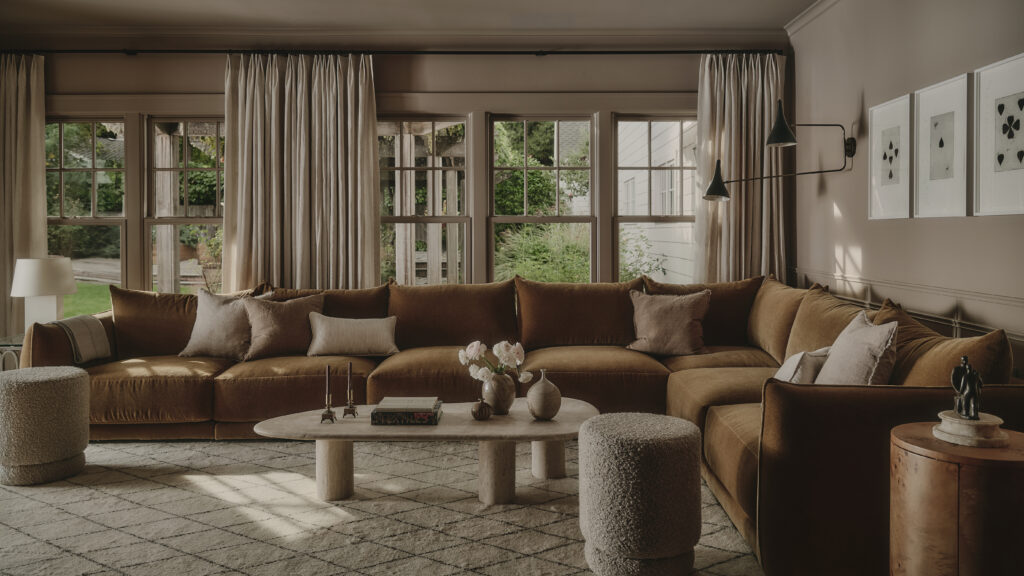
When the homeowners relocated from Chicago to Oregon for work, with their children now grown, they were not looking for reinvention as much as rootedness. The nearly century old property, spanning roughly 5,500 square feet across two levels, offered both architectural gravitas and the promise of a new rhythm of living. Original mouldings, symmetry and traditional detailing remained intact, while the interiors were reshaped to support rituals of gathering, conversation and hospitality.
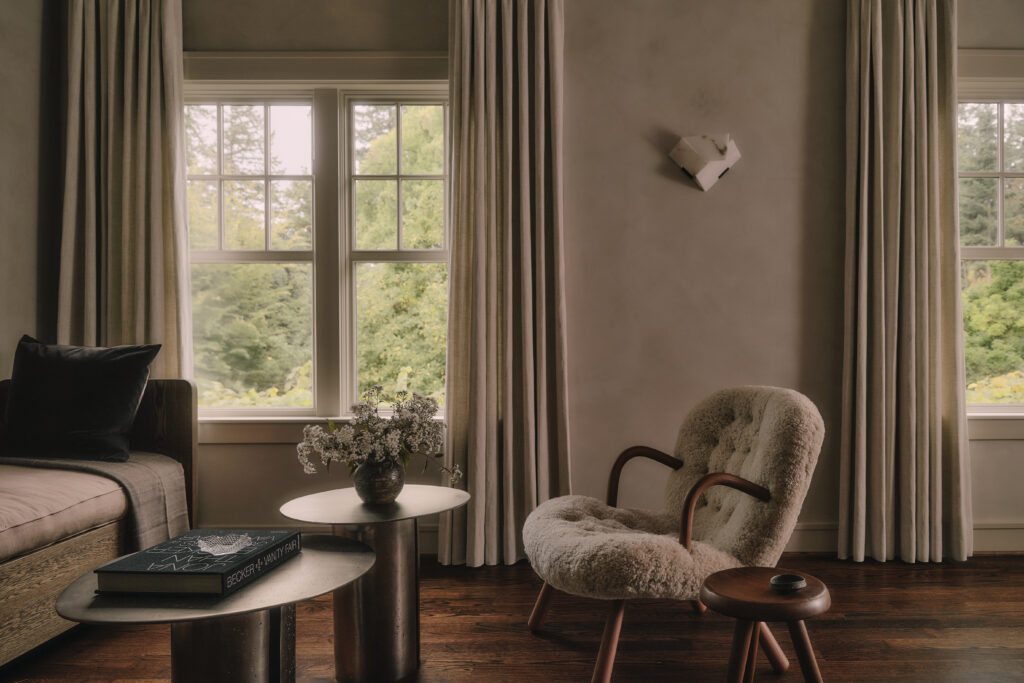
“The house’s architecture reflects an era of craftsmanship and symmetry, with classic proportions, molding and architectural charm that we intentionally preserved and honored throughout the design,” says Sara Gray, founder and principal designer of Grayhaus. “I could see the future story of the home the moment I stepped inside.”
That story, it turns out, revolved around hosting.
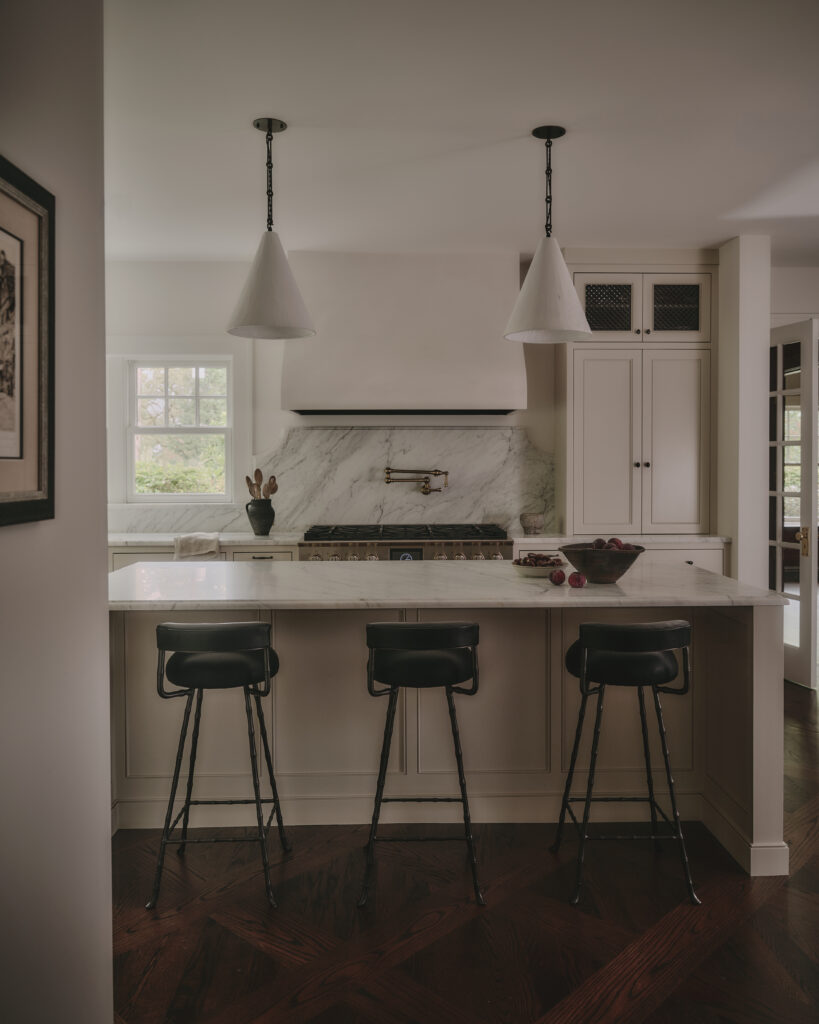
“From the beginning, I could picture their home as a place where friends gather, conversations linger, and evenings stretch late,” Gray recalls. Inspired by salon culture and by the homeowners’ instinctive generosity, the project became less about decorating rooms individually and more about orchestrating movement between them. “We were especially inspired by the ritual of hosting: enjoying a cocktail before dinner, gathering around a beautifully set table, and then transitioning into another space for a nightcap.”
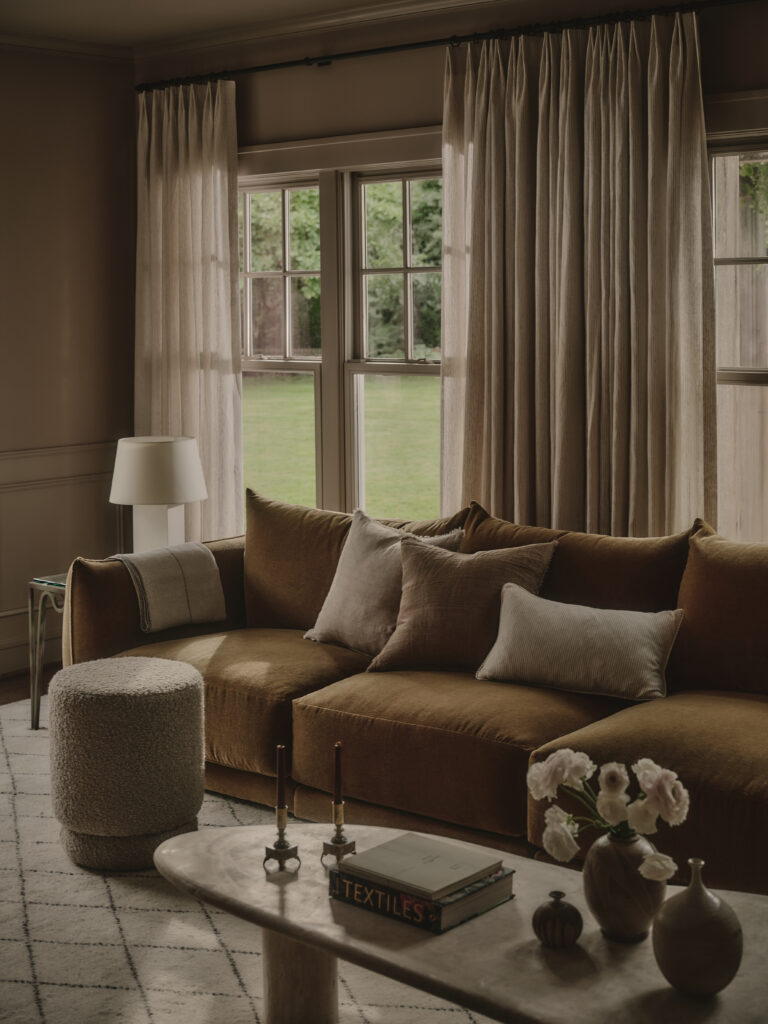
Nowhere is this logic more visible than in a formerly unresolved room adjacent to the kitchen. “Without hesitation, I said, ‘This wants to be a salon,’” Gray remembers. Today, the space functions as the emotional centre of the home, wrapped in deep burgundy tones and anchored by sculptural slabs of Calacatta Viola marble that introduce both drama and intimacy.
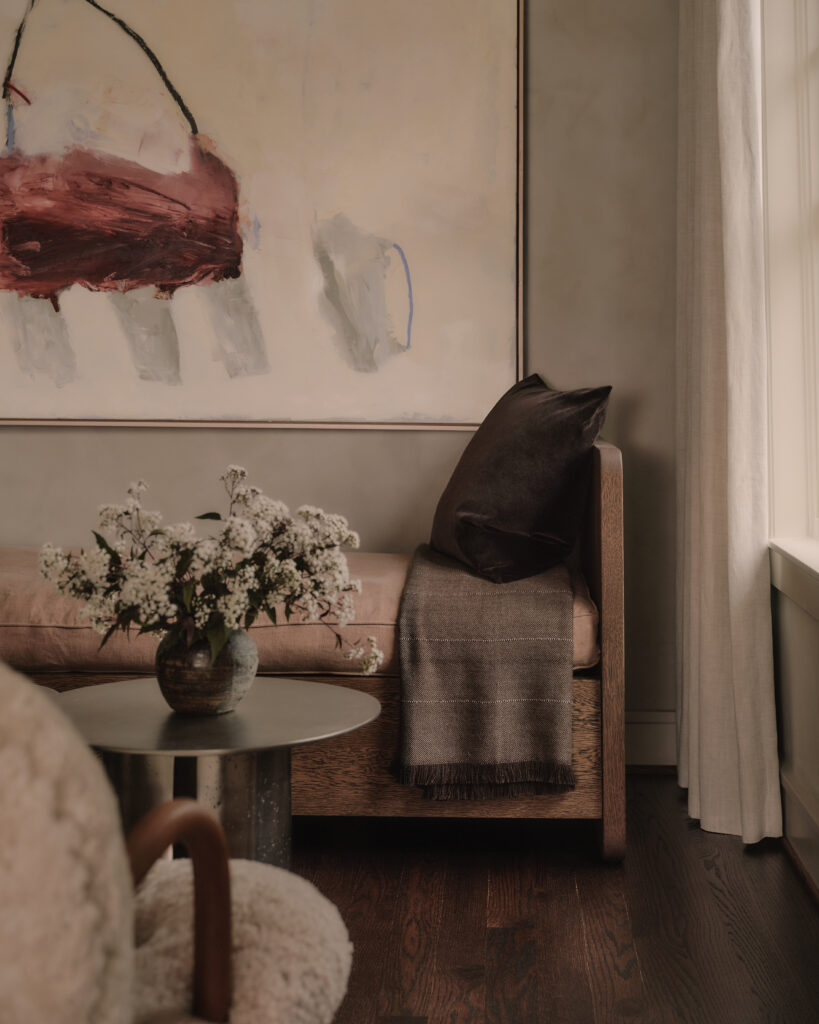
“We knew it needed to feel intimate and a little bit moody, a space that encourages people to sit close, talk, laugh, and stay awhile,” Gray explains. “The deep burgundy walls immediately set the tone, and the Calacatta Viola marble became the showstopper: bold, sculptural and quietly glamorous.”
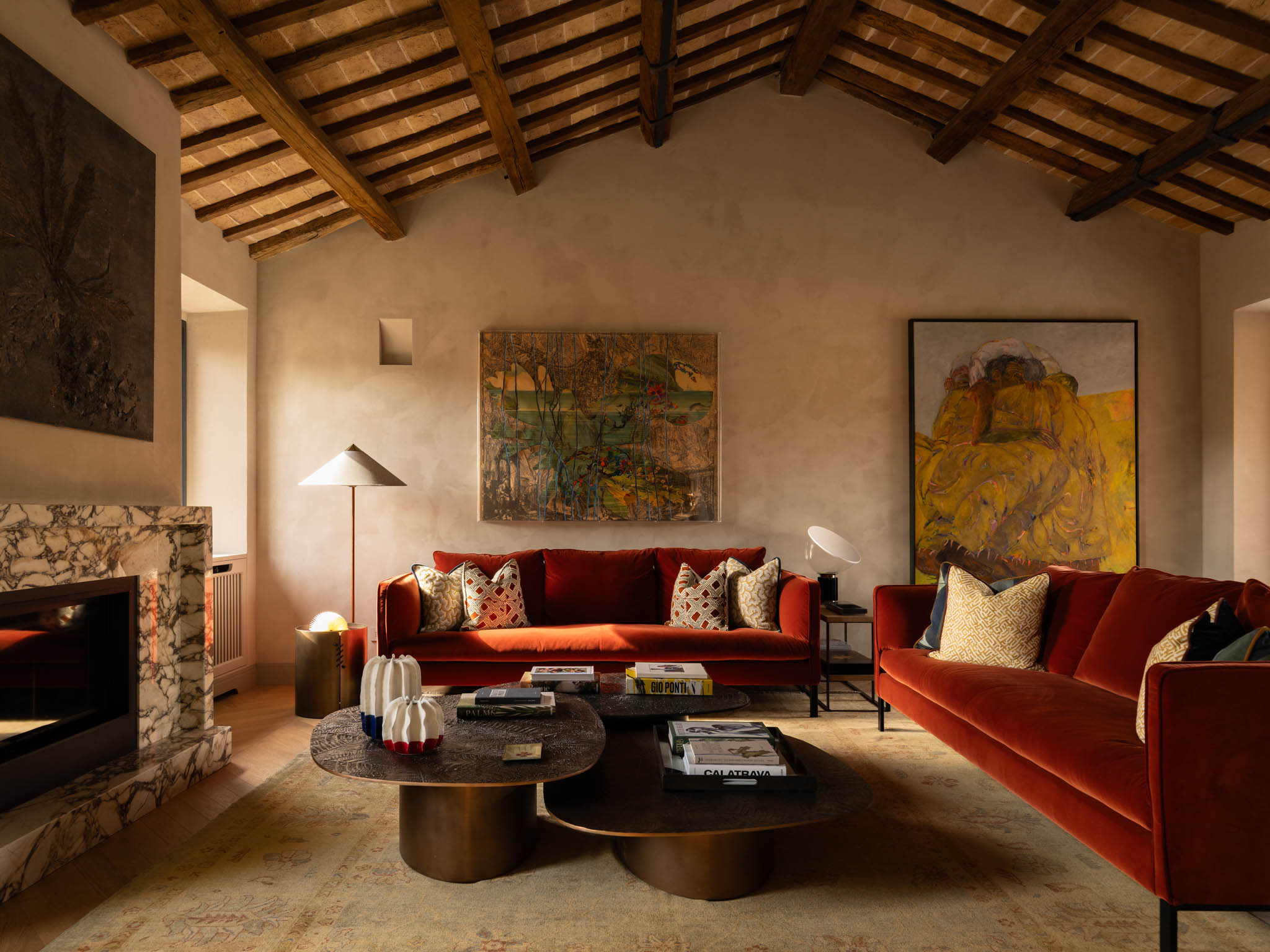
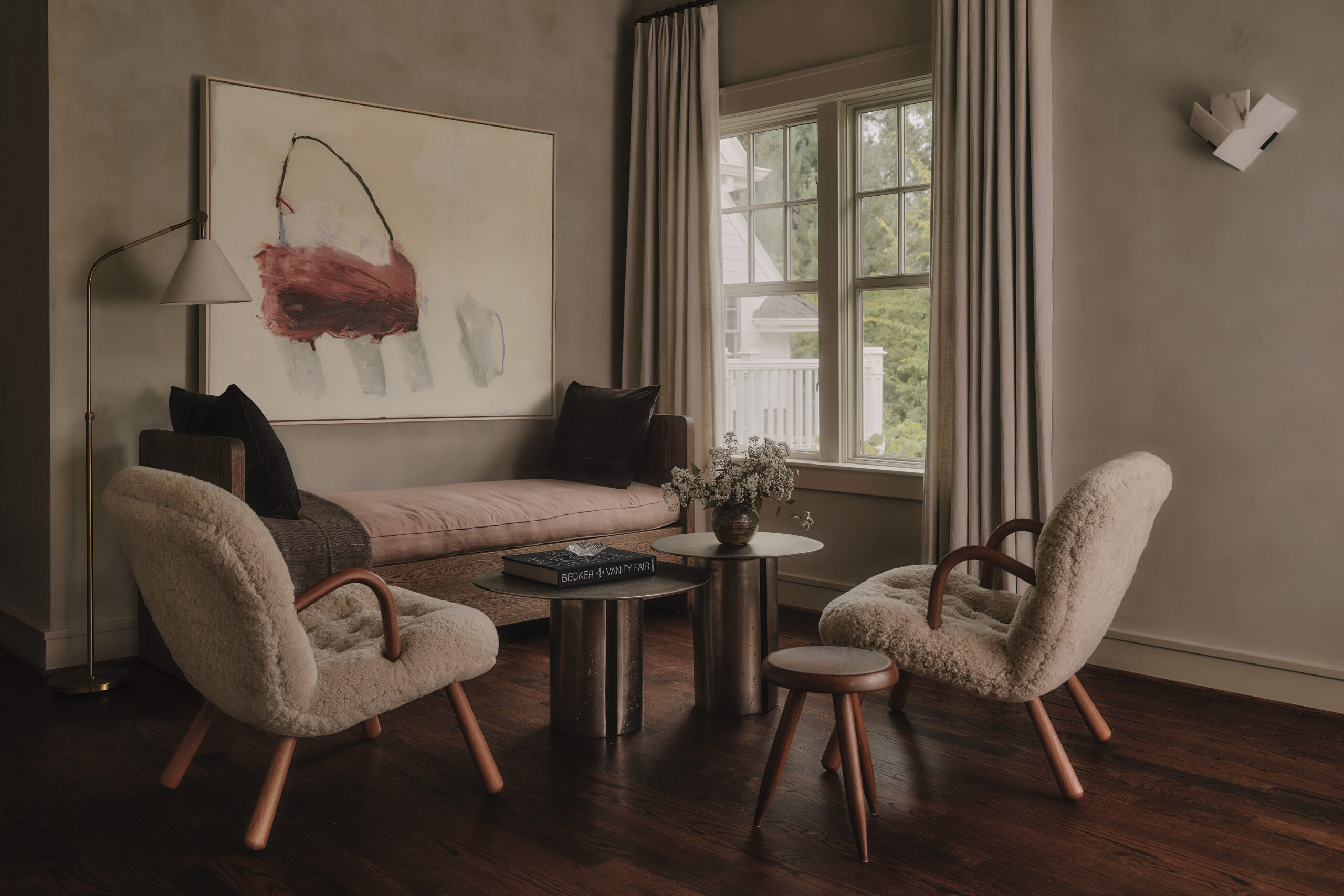
Traditional millwork profiles, unlacquered brass designed to patinate over time and lighting kept intentionally warm contribute to the room’s after dark atmosphere. Fixtures by Visual Comfort, Matt Alford Studio, Urban Electric and The Lamp Workshop punctuate the interiors softly, while tactile upholstery in velvet, linen and mohair creates moments of quiet density. Furnishings sourced through RW Guild, Pinch Design, Rose Uniacke, Maiden Home, Rachel Donath, Lemieux Et Cie, Four Hands and Blend Interiors sit alongside vintage discoveries from 1stDibs, Etsy and Obsolete, creating a layered sensibility that feels collected rather than composed.
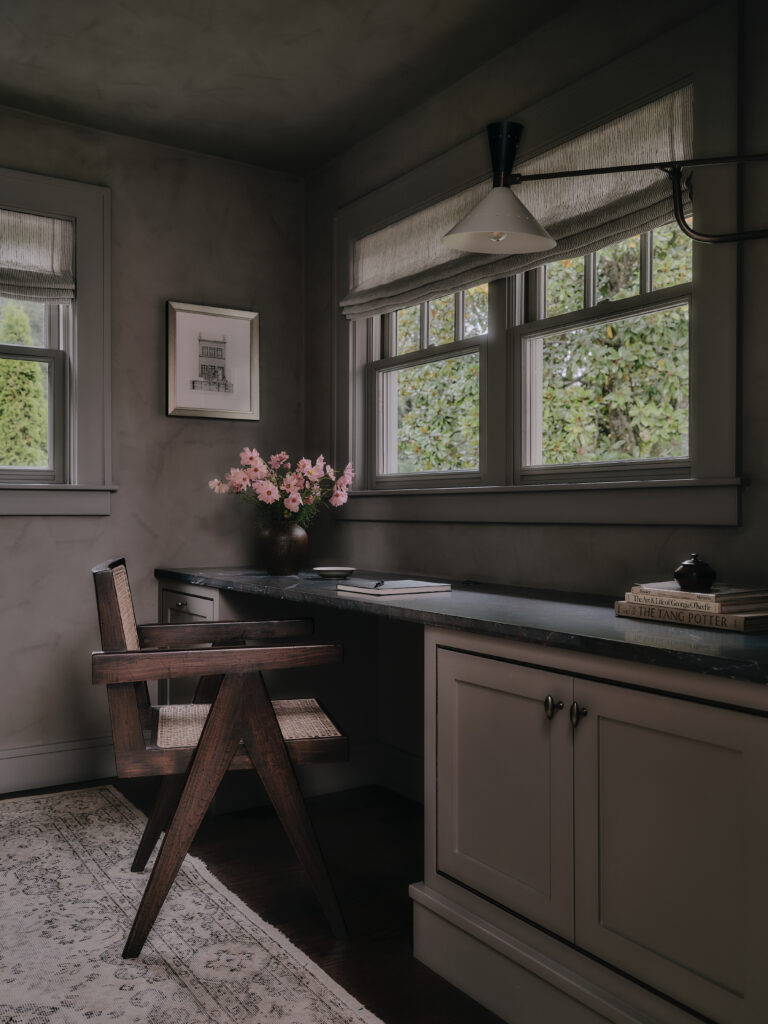
“She has this fun, glamorous, sparkly personality,” Gray says of the homeowner, whose wardrobe became an unlikely reference point for the palette. “She’s originally from Georgia, so there’s a deep thread of Southern hospitality woven into the way they welcome people into their lives.”
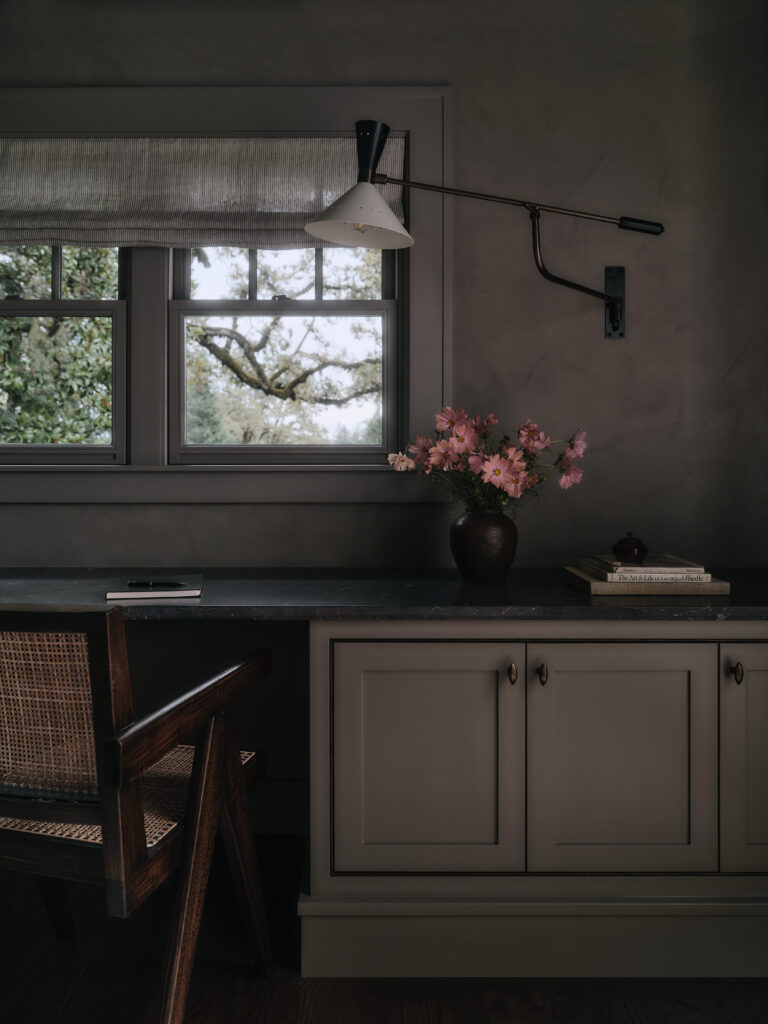
That personality surfaces through muted jewel tones of wine, dusty blue and warm mocha, softened by tactile layers from Schumacher, Kravet, Armadillo, Curio Rugs, Lulu and Georgia and Crate & Barrel. “Rich, textural hues reflect the homeowners’ lively warmth while still honoring the home’s historic framework,” Gray notes.
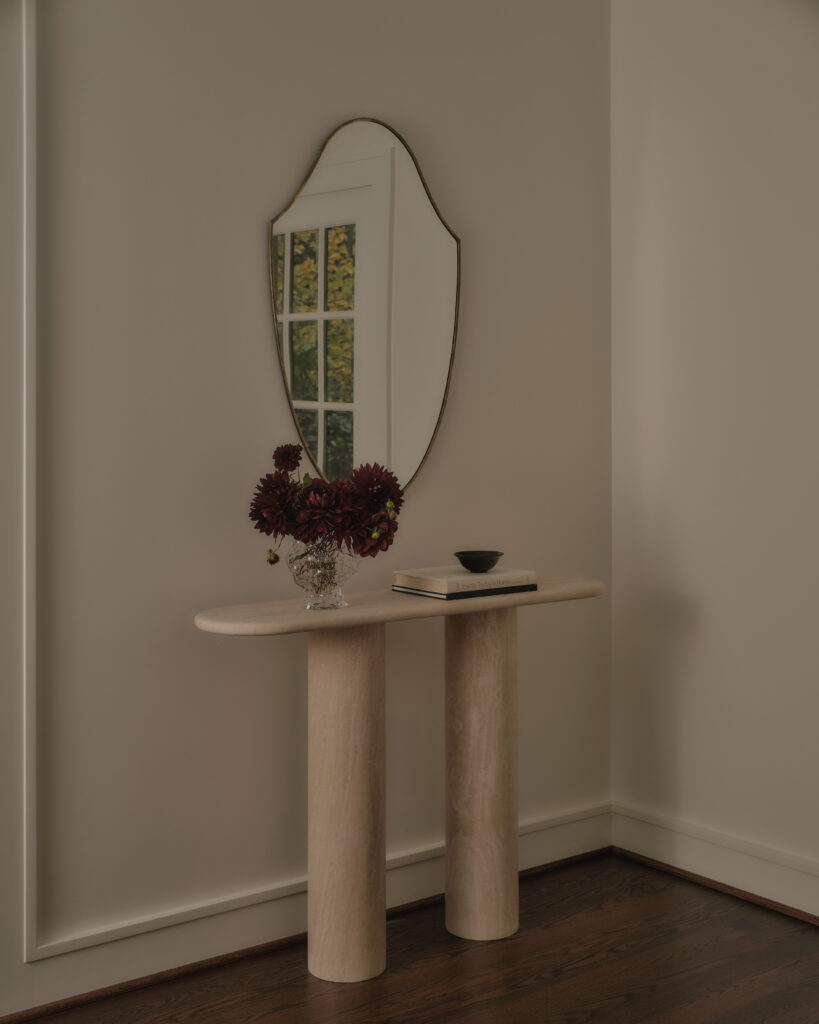
The renovation, completed over eighteen months with builder Taylorsmith Sustainable Construction, was not without challenges. A house approaching its hundredth year revealed structural surprises, unusual joist directions and practical limitations. Yet these moments, Gray says, became opportunities rather than setbacks. “Rather than viewing these as obstacles, we embraced them as part of the home’s history.”
What emerges is not a historic house frozen in reverence, but one animated by use. “The intention was to create a home that feels alive, communal and quietly impactful,” Gray says. “A place made for gathering, celebrating, and feeling deeply at ease.”