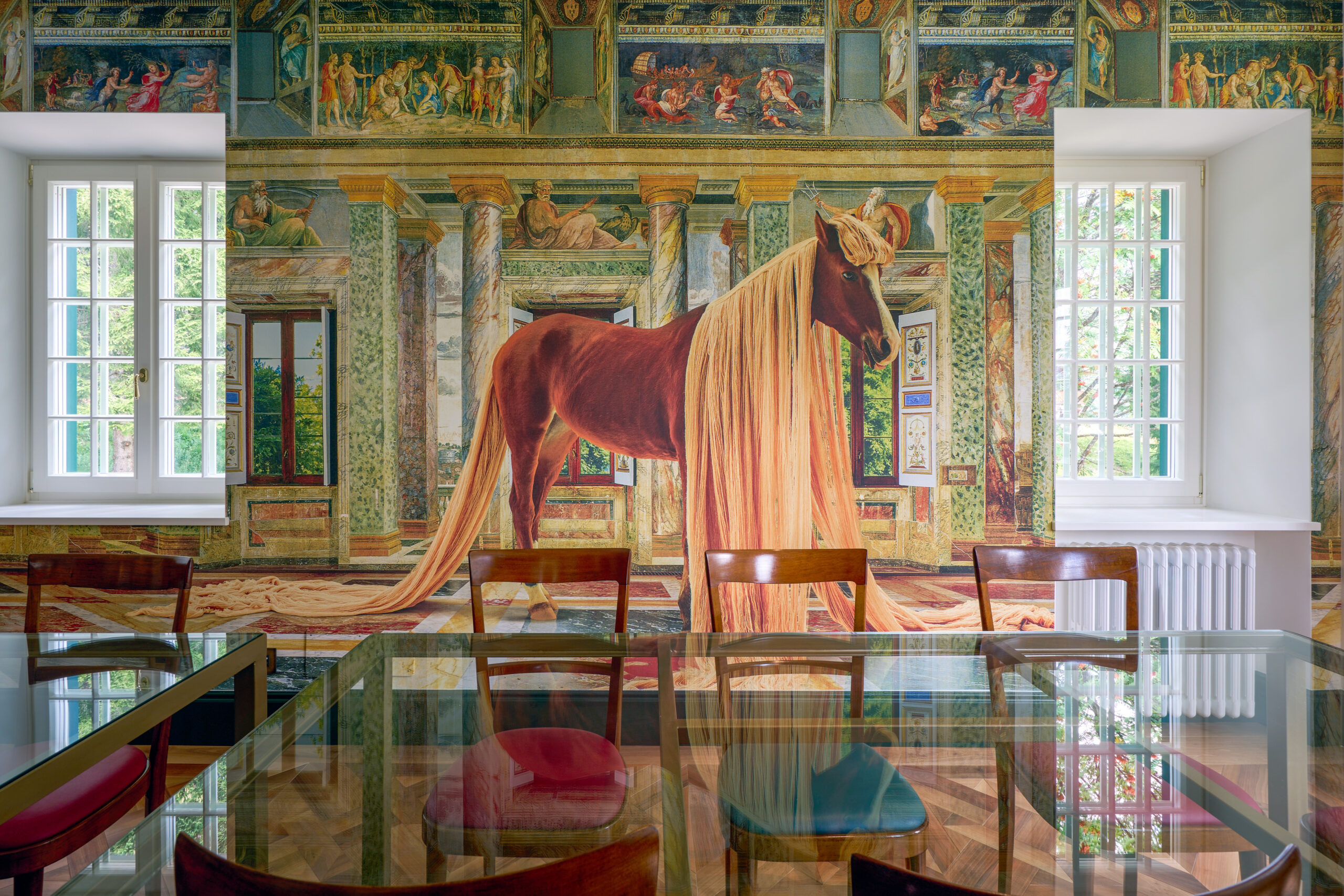
Long associated with Italy’s aristocracy, international society and the glamour of Alpine holidays, Cortina d’Ampezzo occupies a particular place in the country’s cultural imagination. Set among the dramatic peaks of the Dolomites in northeastern Italy, the mountain resort became a symbol of postwar sophistication, its reputation extending well beyond winter sports. Yet away from its fashionable centre, in the wooded hamlet of Pocol, a villa built in 1939 tells a rather different story.
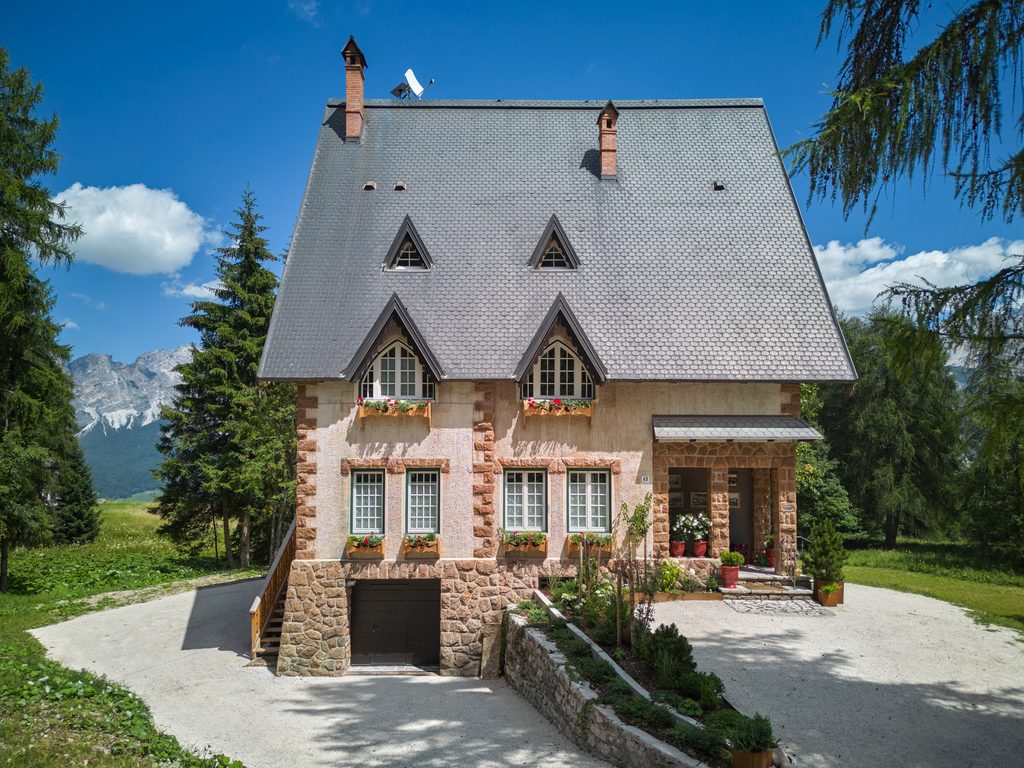
Originally commissioned by a Venetian lawyer, Sollievo has witnessed several chapters of twentieth century Italian history. Requisitioned by German troops during the Second World War, it later became a place of hospitality managed by the Sisters of Charity of Nevers, before returning to private domestic life.
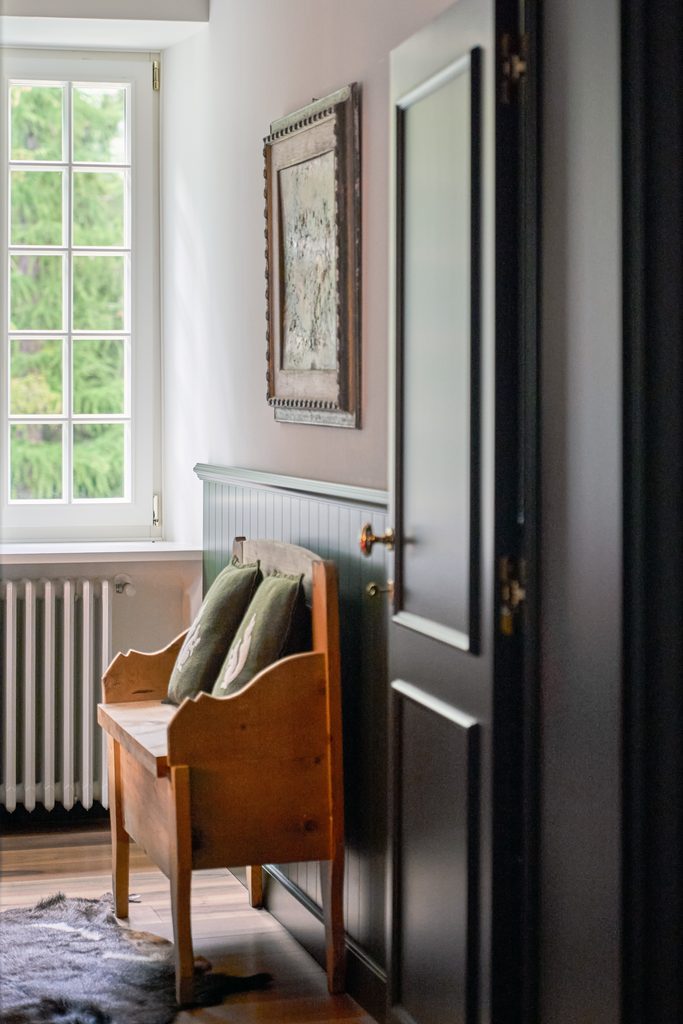
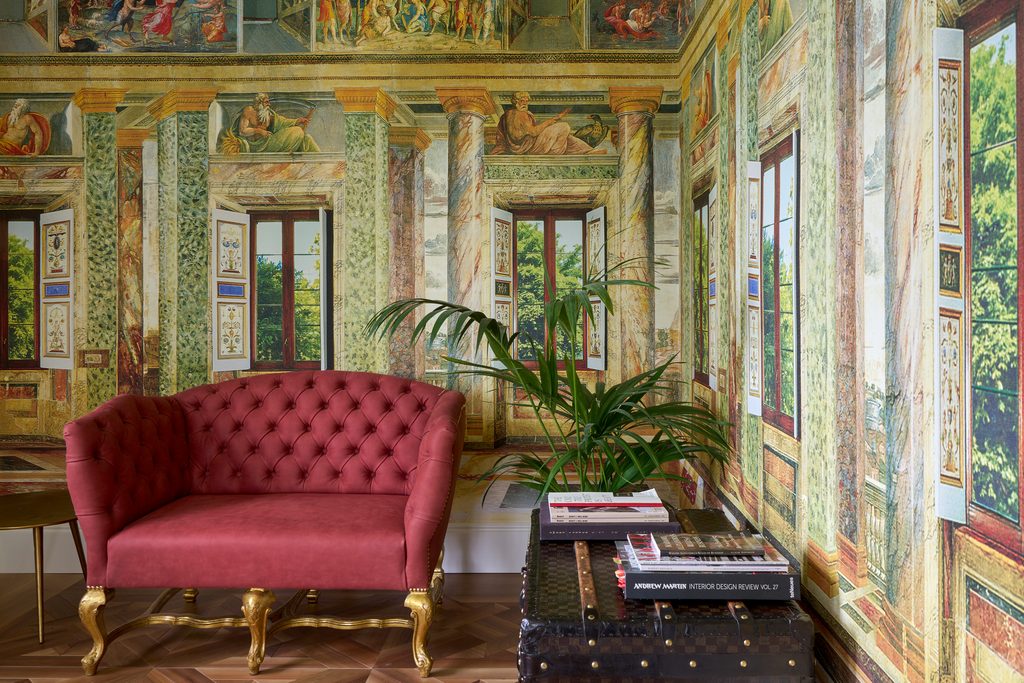
Today, following a restoration commissioned by hotelier Elisabetta Dotto and undertaken by Perissinotto Lab, the villa offers an opportunity to consider a question increasingly relevant to contemporary architecture: how can a historic building acquire a new purpose without losing the complexity of its past?
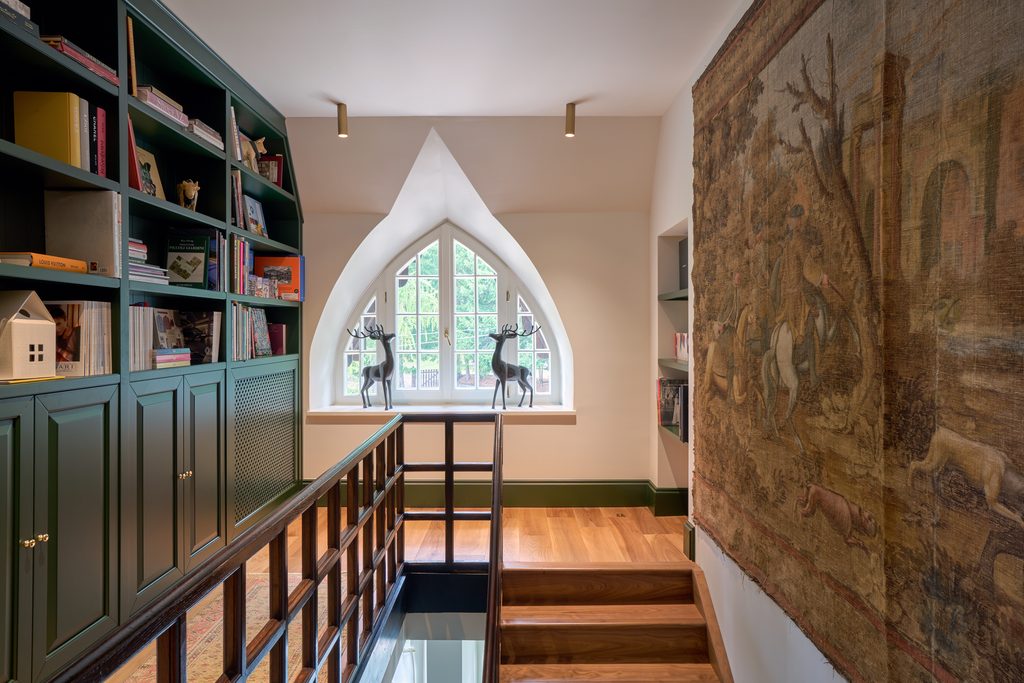
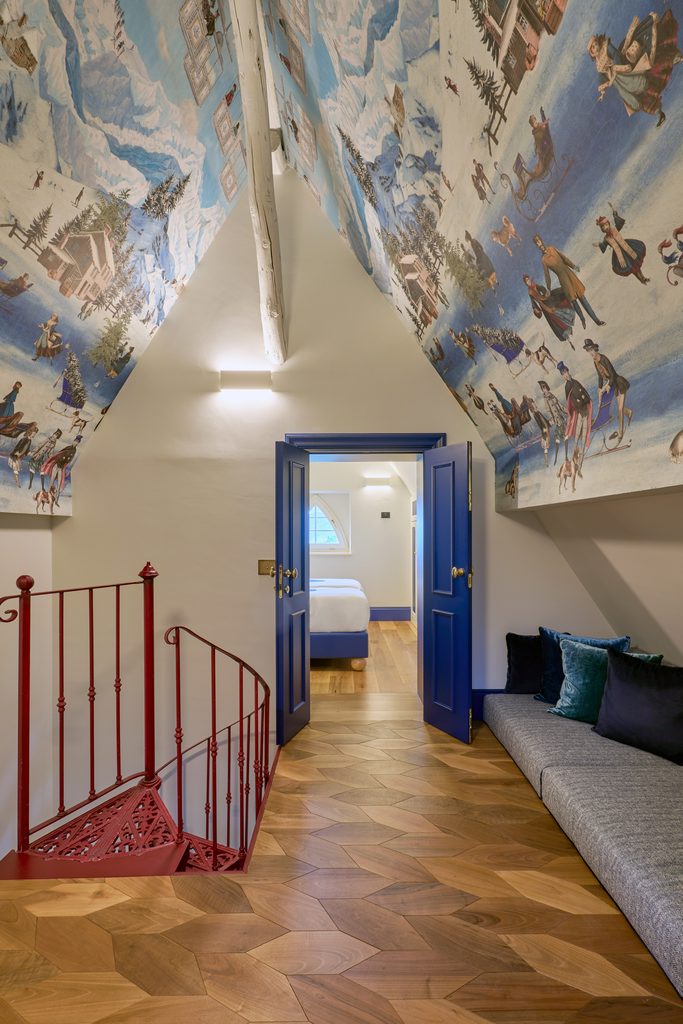
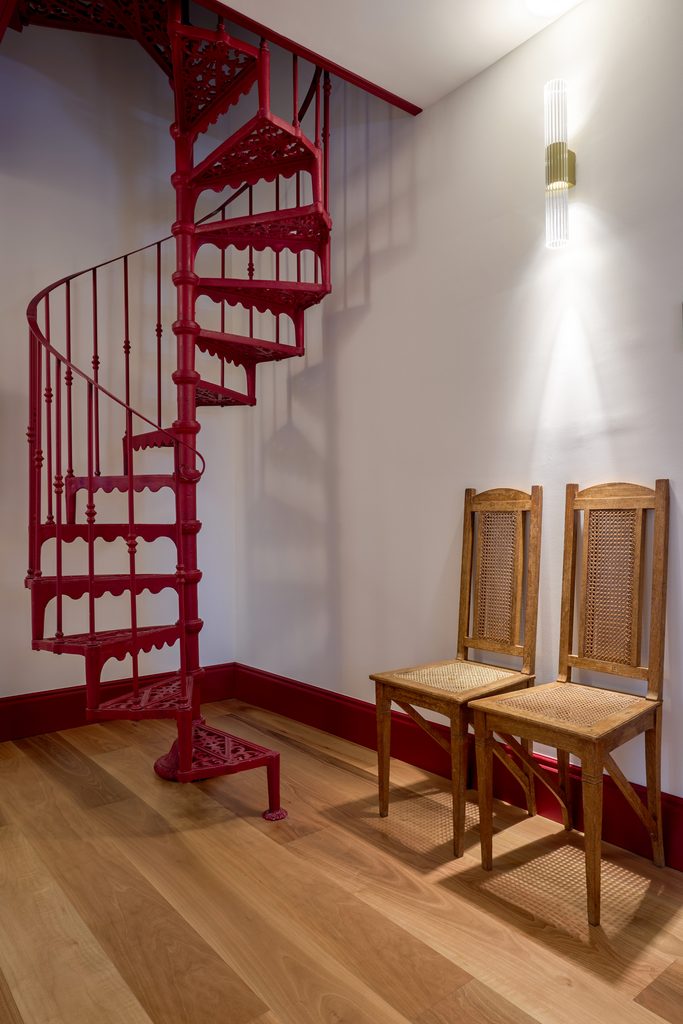
For Dotto, a third generation hotelier whose projects include Ambra Cortina and Excess Venice, the property was familiar long before she acquired it in 2025. Her decision to retain its original name, Sollievo, establishes an important principle: the restoration is concerned with continuity rather than reinvention.
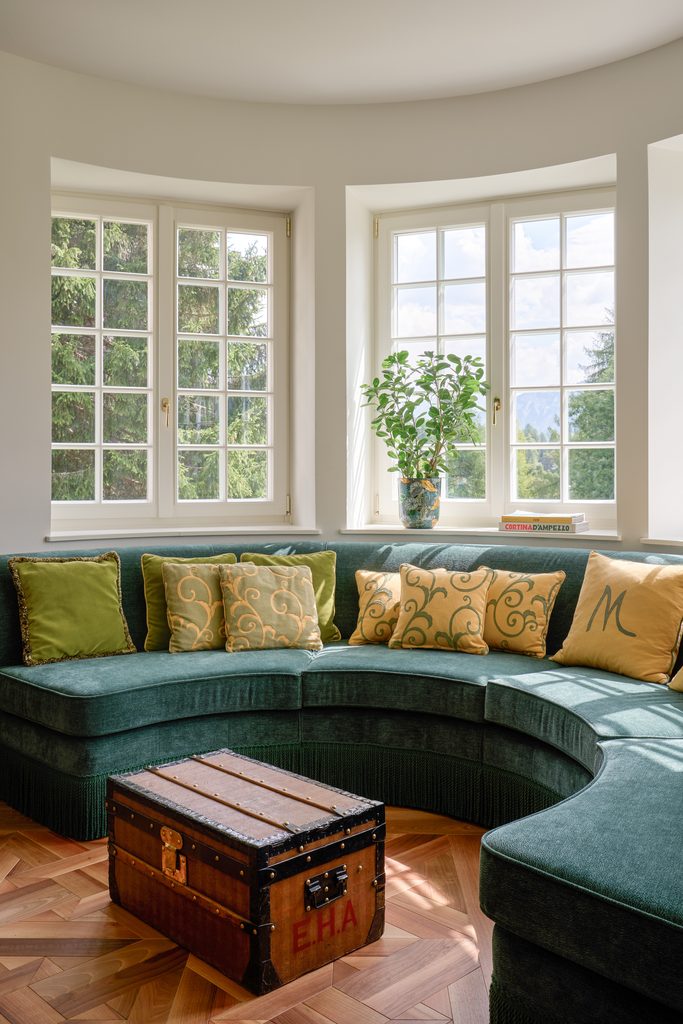
Working with architect Gian Luca Perissinotto of Perissinotto Lab and architect Angela Pavan, Dotto has pursued an architectural approach that respects the building’s existing character. The original façades, balconies, roofline and proportions remain intact, while contemporary interventions accommodate a new programme of private hospitality.
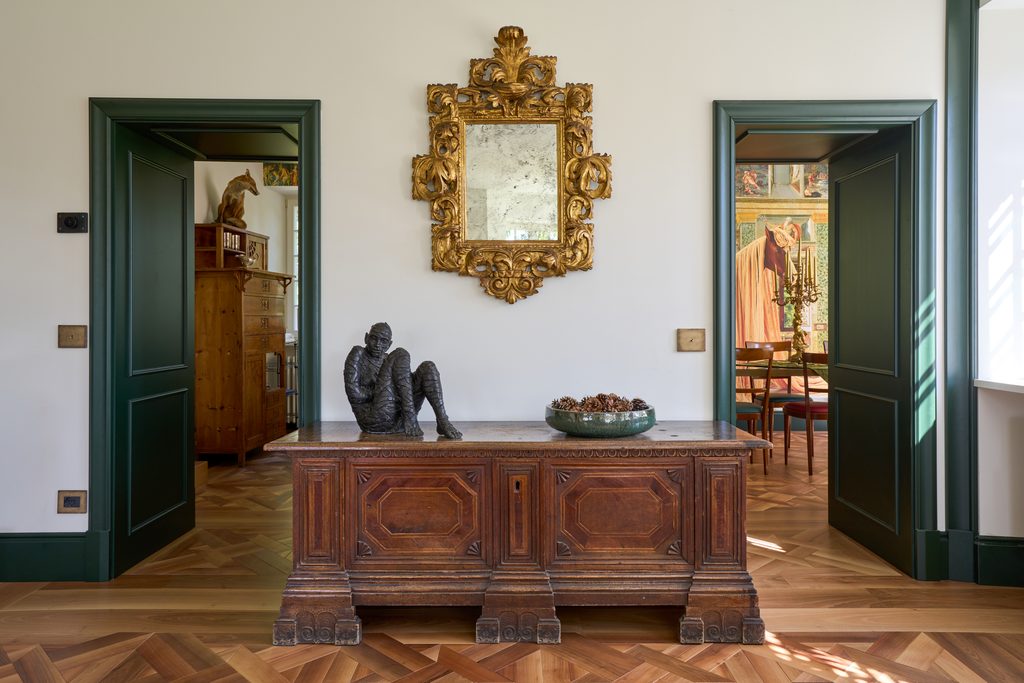
Across four floors and more than 500 square metres, the house retains a domestic complexity rarely found in conventional hotel design. Three staircases establish distinct routes through the interiors, creating a succession of rooms whose character is informed by the architecture rather than imposed upon it.
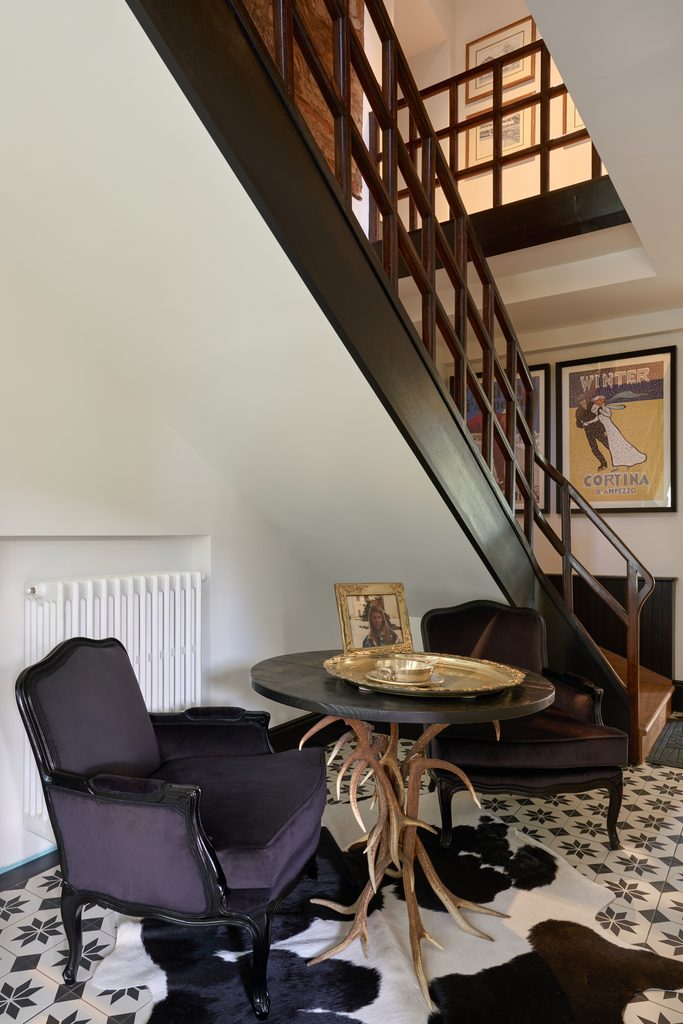
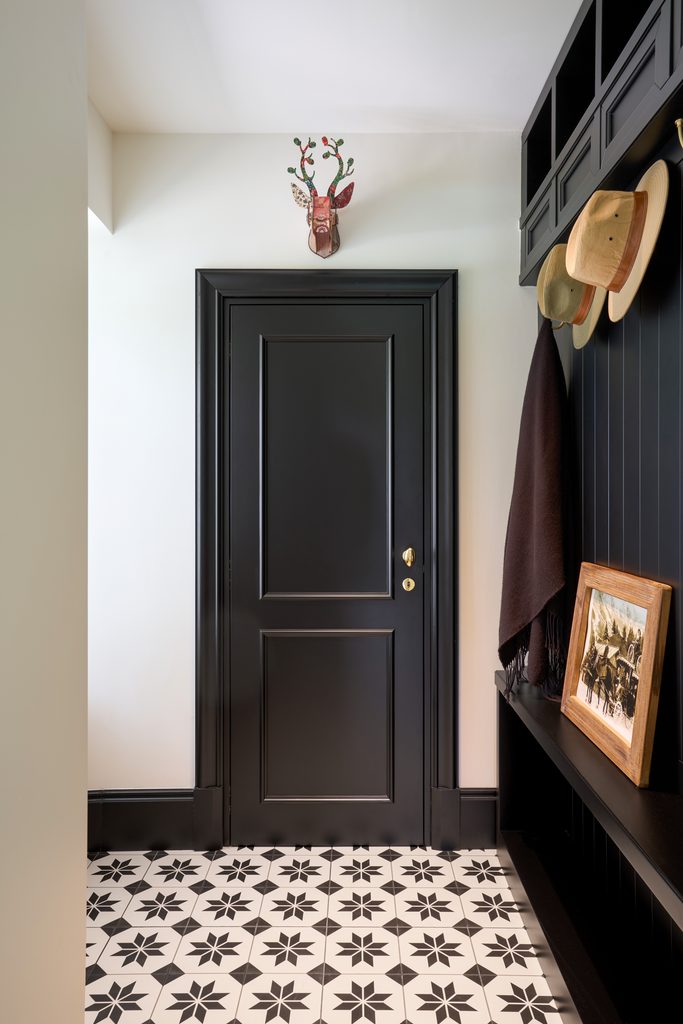
The furnishings contribute another historical register. Liberty cabinets, vintage seating and a nineteenth century sofa with gilded legs coexist with contemporary pieces made specifically for the property. Timber, leather, velvet and glass introduce contrasting textures, but the interest lies less in the individual objects than in their relationships. The interiors acknowledge that domestic spaces acquire character through successive periods of occupation, not through stylistic uniformity.
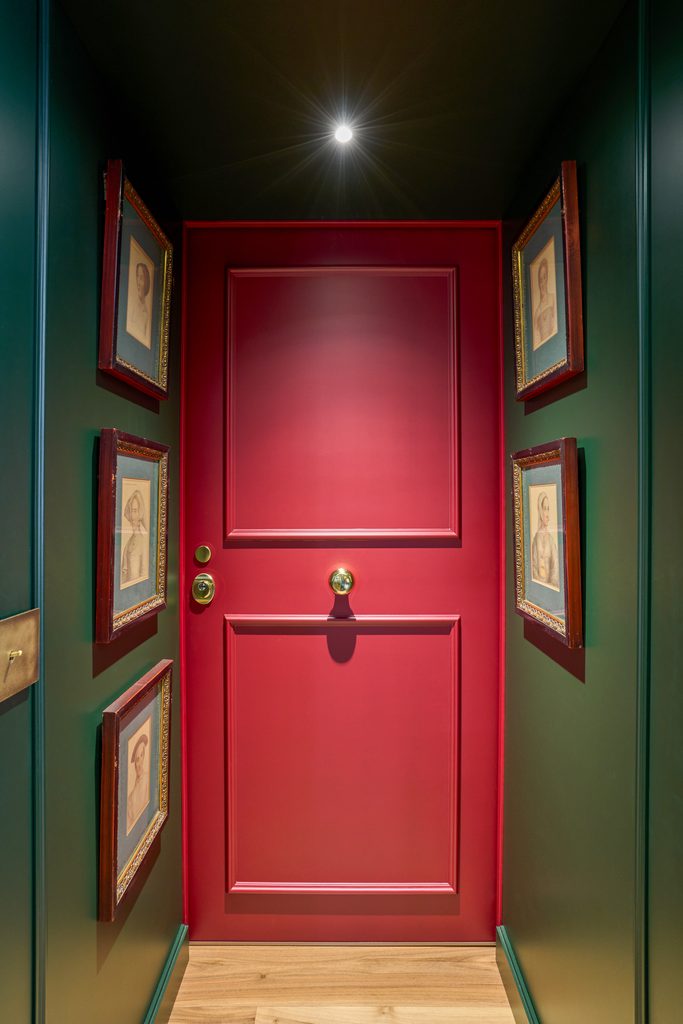
A triangular motif derived from the steep roofline reappears within the interiors, establishing a connection between the building’s external geometry and its decorative language. It is a relatively discreet gesture, yet one that demonstrates how an existing architectural vocabulary can inform contemporary design without resorting to literal historical reproduction.
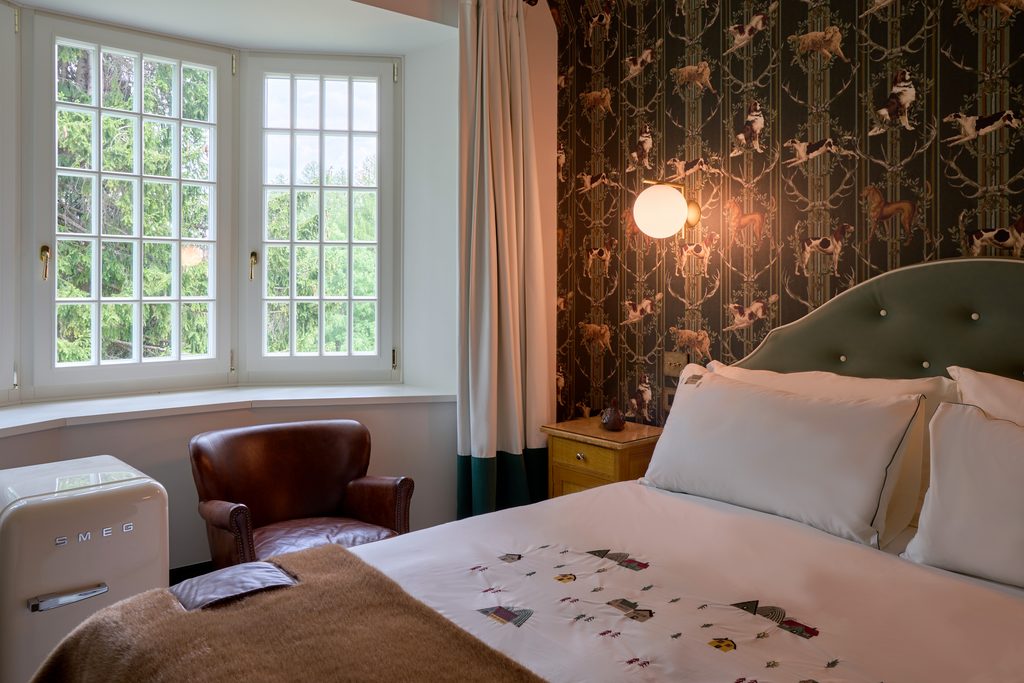
The surrounding landscape is equally significant. Situated in Pocol, within more than 11,000 square metres of private woodland, the villa looks towards Becco di Mezzodì, Sorapis, Antelao and Tofana di Rozes. Natural light, changing throughout the day, becomes an essential component of the interior experience. The house’s relationship with its setting is not merely scenic; it informs the way its rooms are experienced and occupied.
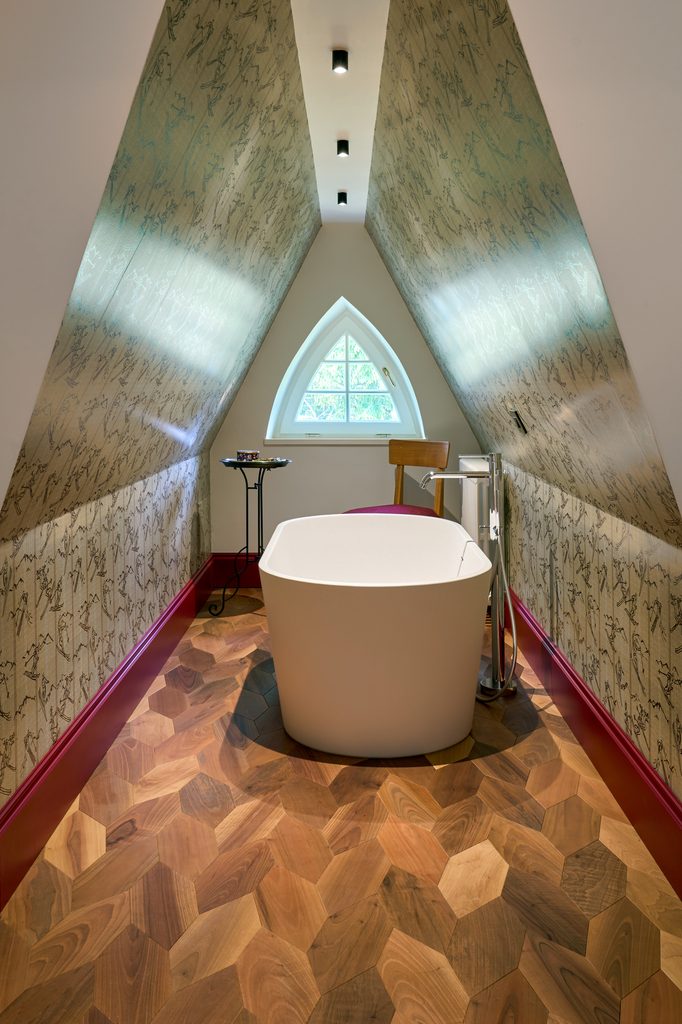
Sollievo also raises a broader question about the evolution of hospitality in destinations such as Cortina, where the language of luxury has increasingly become inseparable from the image of the mountains themselves. Rather than reproducing the conventions of the contemporary Alpine chalet, Dotto has chosen to work with an existing architectural identity, accepting its particularities as part of the experience.
In doing so, Sollievo offers a persuasive argument for a different understanding of restoration. Its achievement is not to make a historic house appear new, but to demonstrate that a building can accommodate another chapter of its life without surrendering those that came before.
Photography by Marco Ramin, marcoramin.com.