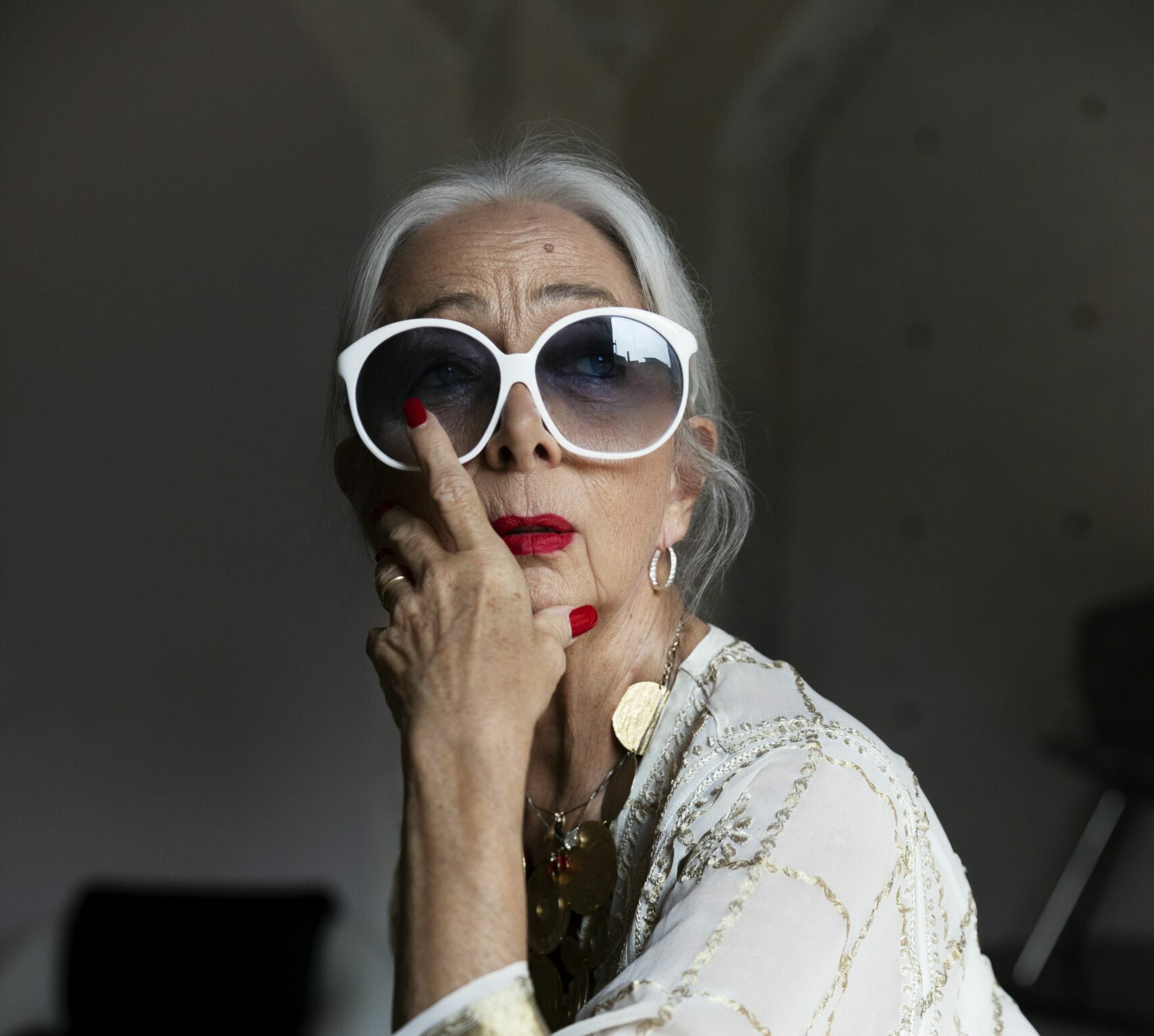
It’s late summer, that quiet stretch before the design world exhales into another season. In that pause, we return to a conversation with Rossana Orlandi, whose eye has shaped the way we discover, collect, and understand objects today.
There is a rare clarity in the way she speaks about design. No noise, no excess. Just instinct, curiosity, and an unwavering belief in the emotional life of objects. For her, collecting is never about accumulation, but about resonance. A piece must speak, must carry something beyond form.
You’ve discovered and championed some of today’s most important designers when they were still unknown. What qualities do you look for in a young talent today? What convinces you that a voice deserves attention?
It always starts with a feeling. There’s always a feeling. But today, talking with someone, getting to know them, makes a difference too. The market has changed, the way I feared it would, the way it changed in fashion. I want to understand if a designer truly has creativity, which for me means understanding their character: their humility, their curiosity. Someone who experiments, who can see that others are more skilled than they are, that’s fine. That’s how you know they have the makings of it.
You’ve often built bridges between cultures, geographies, and disciplines. How important is the dialogue between local traditions and global languages today?
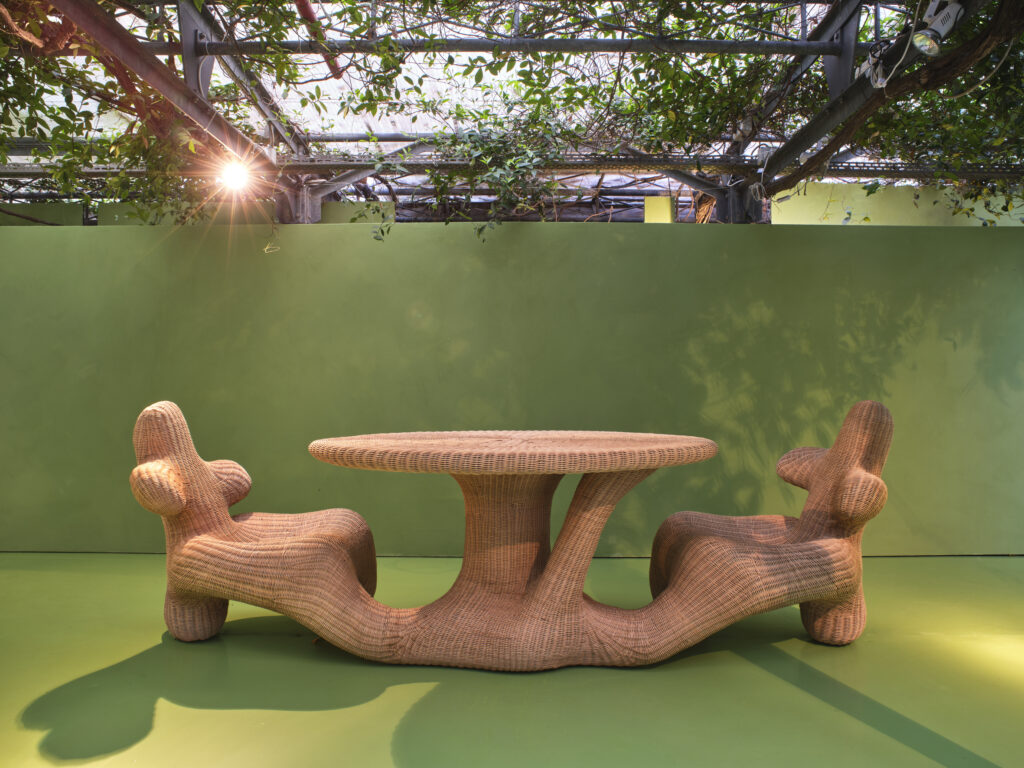
Dialogue is fundamental. It’s always been important, maybe the most important thing there is. Years ago we did a wonderful exhibition called North Meets South, curated by Lia Del Coro, where she presented pieces made in the Nordic countries alongside pieces made across Africa: South Africa, Central Africa. There were so many pieces where you genuinely couldn’t tell where they’d come from. This one, you’d think Swedish, no, it was from Sudan. That one, the opposite. It was wonderful. There has always been contamination between cultures, and now more than ever.
Material has always been at the center of your curatorial work. What materials or approaches to material do you find most interesting today, not just aesthetically, but culturally?
The person who engages most with these new materials, with research into recycling, is Patricia Urquiola. No one else has her passion, her hunger to create new materials. It’s a huge achievement, being able to shape the material you want to use exactly the way you want it. I brought her in, together with twenty-three other designers, for an exhibition I curated at the Museum of Science and Technology in Milan called Guiltless Plastic, to show how interesting, how important, recycled material really is. It was a significant moment. And she’s the one who took the most from it, truly.
Many young designers seem to be moving away from industrial production, returning to more artisanal, experimental processes. Is this a trend that’s here to stay, or a moment in time?
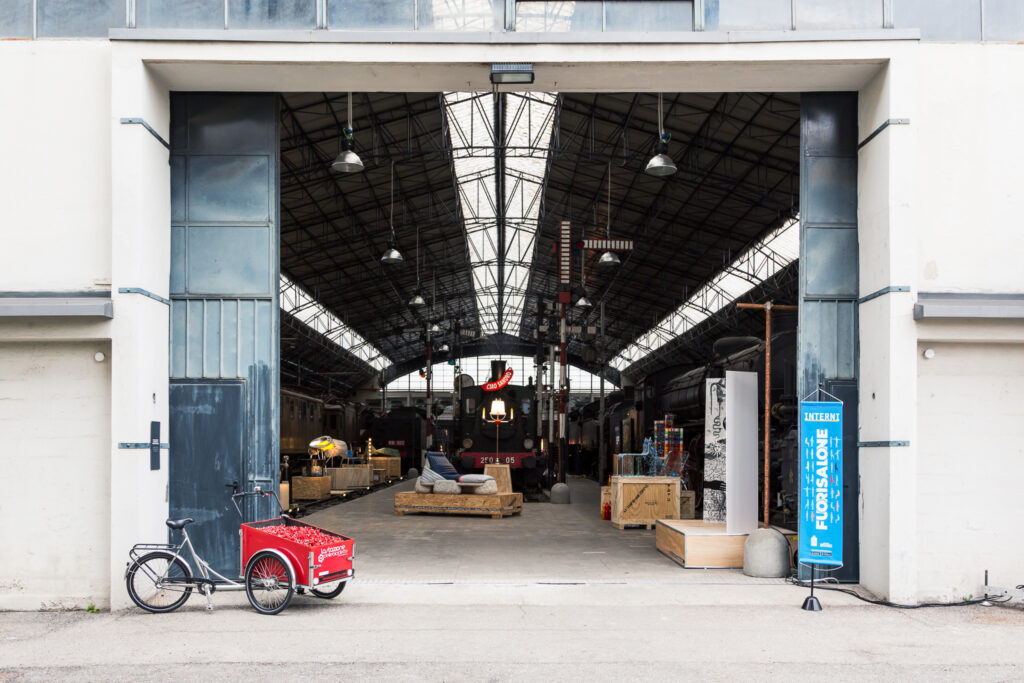
There’s a real need right now to return to intimacy, to gathering, to reflecting. That’s where an exhibition I did, called The Doors, was born. There’s also a lot of artificial intelligence now that mimics craftsmanship. What’s made by hand has imperfections, and that’s exactly what warms the heart. At the Biennale, there was a circular wall, half made by artisans and half by artificial intelligence. The AI half was perfect. But the artisans’ half had a soul.
Your gallery has been a place of discovery for years. How do you keep your curiosity alive after seeing thousands of projects and hundreds of designers?
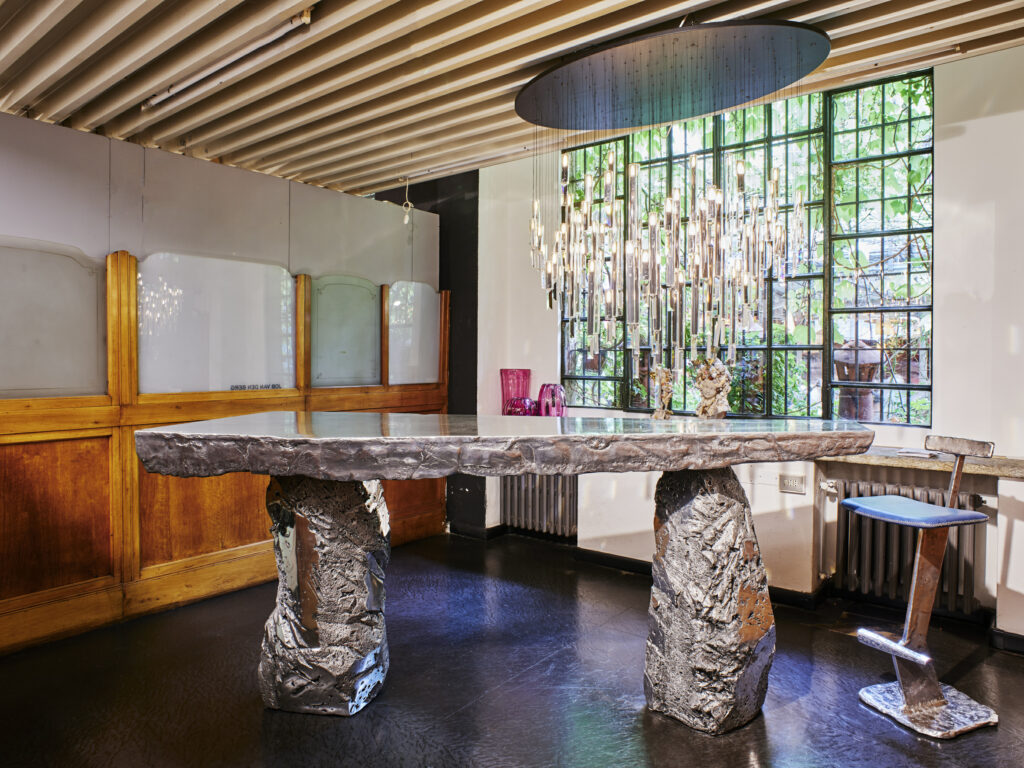
Because I still go to the market! I’m very curious, and if you’re not curious, something fundamental is missing from this work. I still ring doorbells. If I see something particular in a house, I knock.
If you had to point to a direction design is taking today that the public hasn’t fully grasped yet, what would it be?
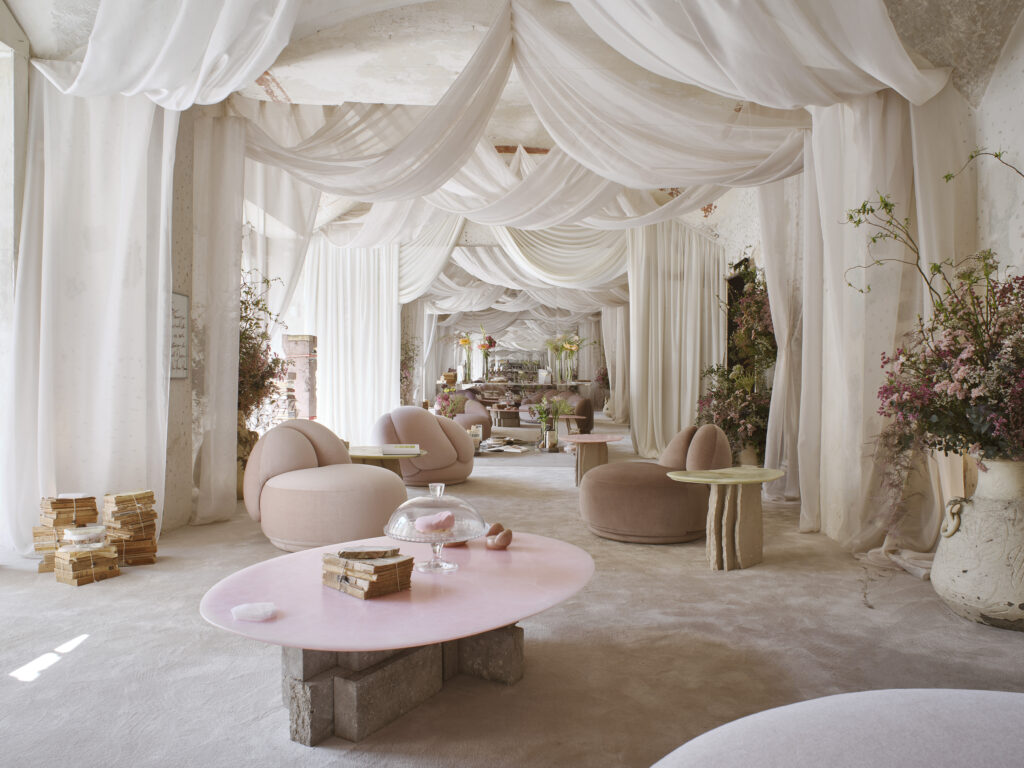
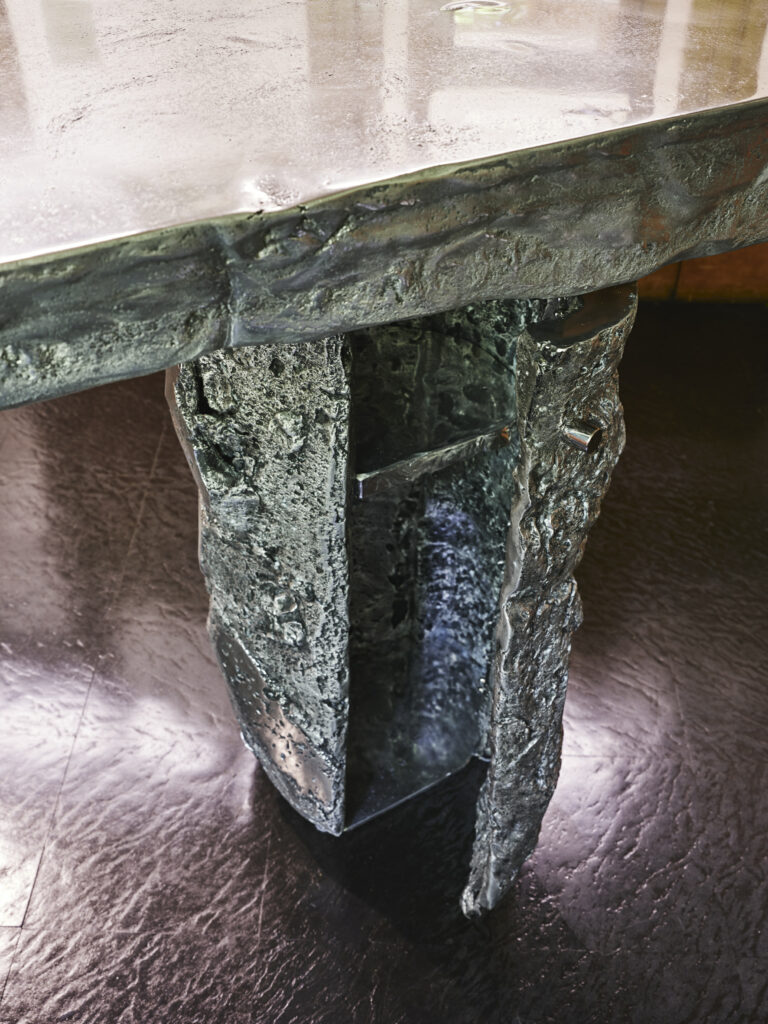
Today, design is too much. There are too many exhibitions, too many people claiming the title of designer over things that simply aren’t interesting. It’s excessive, and excess ruins things. Less is more. This year I emptied out my gallery in Milan, and the one I have in Porto Cervo too, just to give the pieces that remained more value.