Before a photograph is taken, before a camera starts rolling or a product finds its place within a room, someone has already imagined the atmosphere. It is a discipline that often remains invisible, yet it quietly shapes the way we experience images, spaces and stories.
Lebanese production and set designer Rawan Bazerji has built her practice around this invisible language. Working across interiors, fashion, branding and visual storytelling, she creates environments that are never merely backdrops, but emotional landscapes where objects, light and colour become active protagonists. Rather than decorating a scene, she constructs a mood.
Her recent collaboration on Zara Home’s campaign featuring fashion icon Marisa Berenson offered a glimpse into this approach. The film unfolds less like a commercial than a cinematic invitation into a carefully orchestrated world, where every colour, texture and object contributes to the narrative.
In this conversation, Bazerji reflects on atmosphere as a creative language, the subtle power of set design, the influence of growing up in Lebanon and why the most enduring images are those that continue to evoke emotion long after they are first seen.
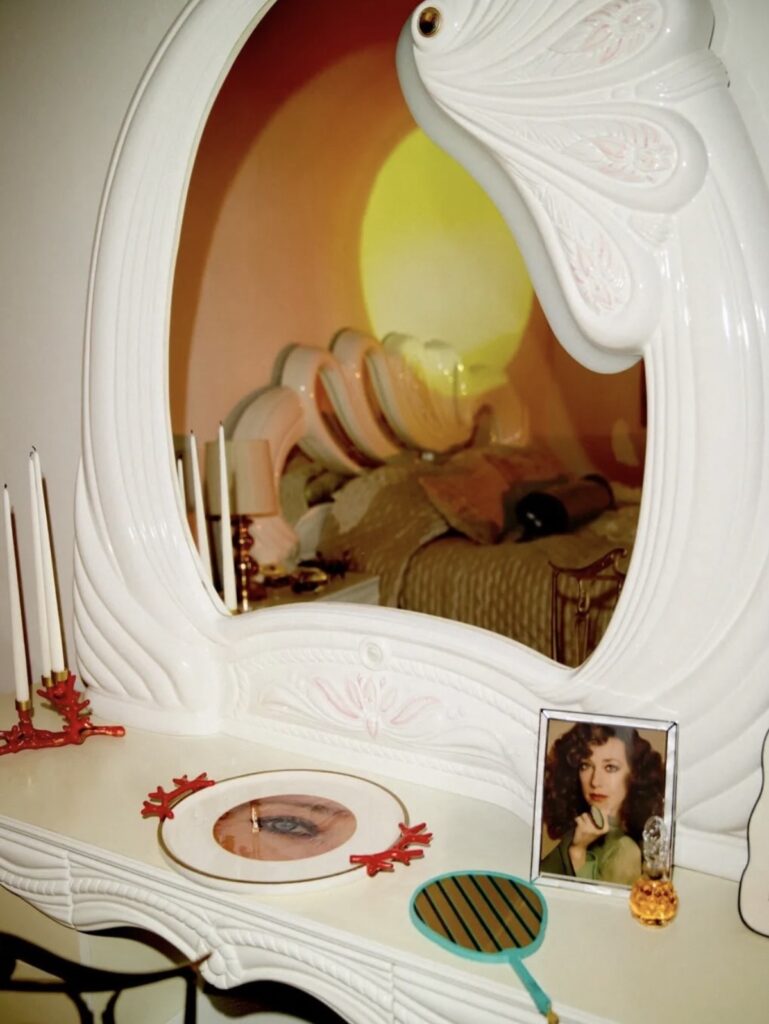
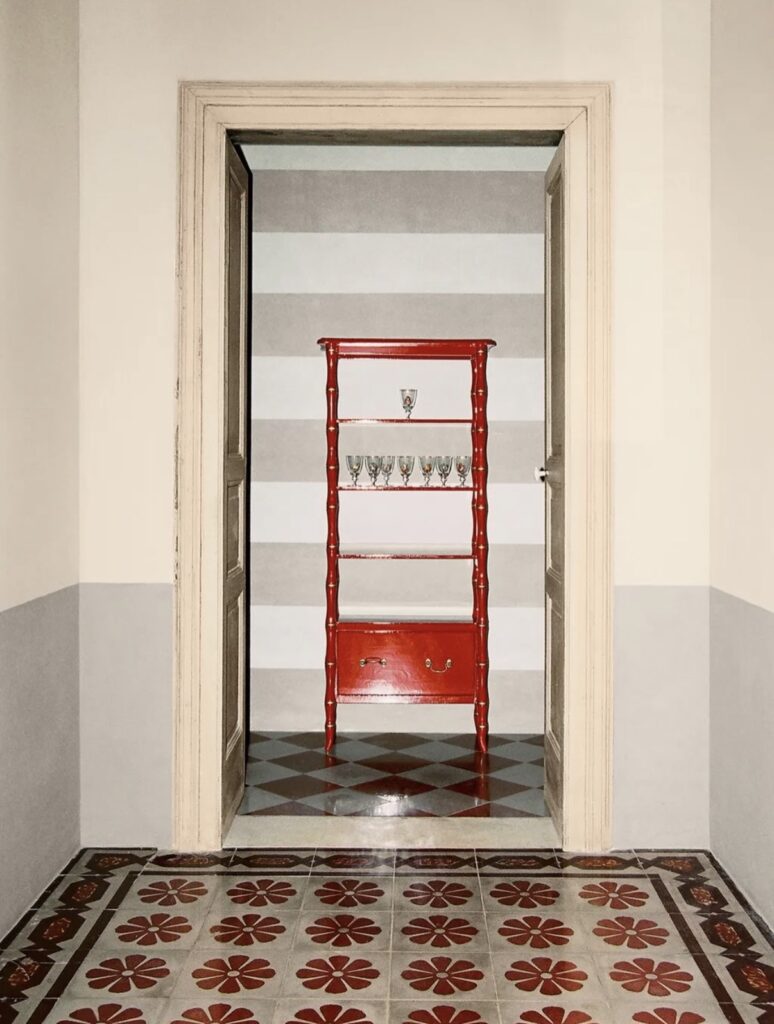
Images Credit: Zara Home Campaign, photographed by Carlijn Jacobs.
What first drew you to image-making and visual storytelling? Was there a moment when you realised this was the language you wanted to work in?
I was drawn less to image-making than to atmosphere. Growing up, I watched my mother transform everyday life through beauty, emotion and attention to detail. What fascinated me was never the decoration itself, but its power to shape a feeling, elevate a moment and create meaning. Looking back, I realise that almost everything I do stems from that observation. Whether through a film, a campaign, a brand or a place, I’m ultimately interested in creating atmospheres. Visual storytelling became my language because it allows me to translate intangible emotions into something people can see and feel.
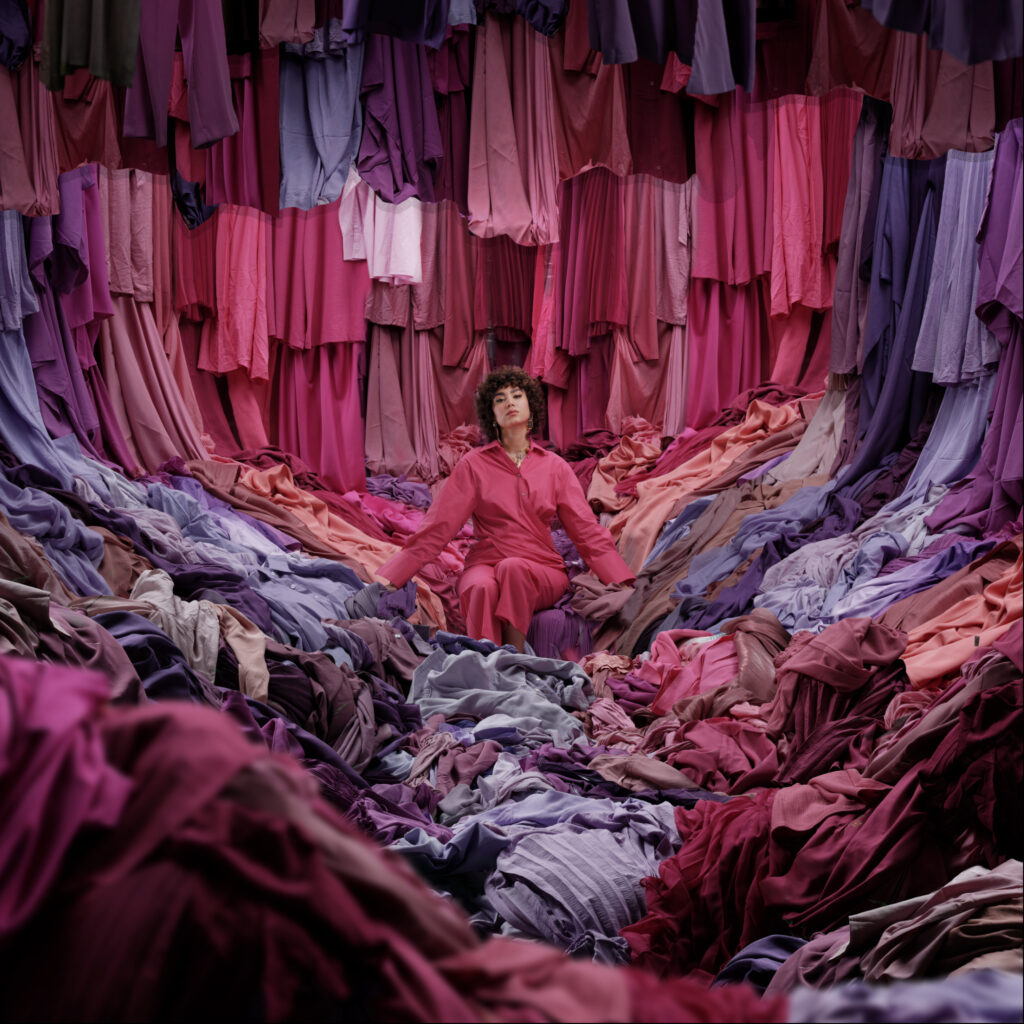
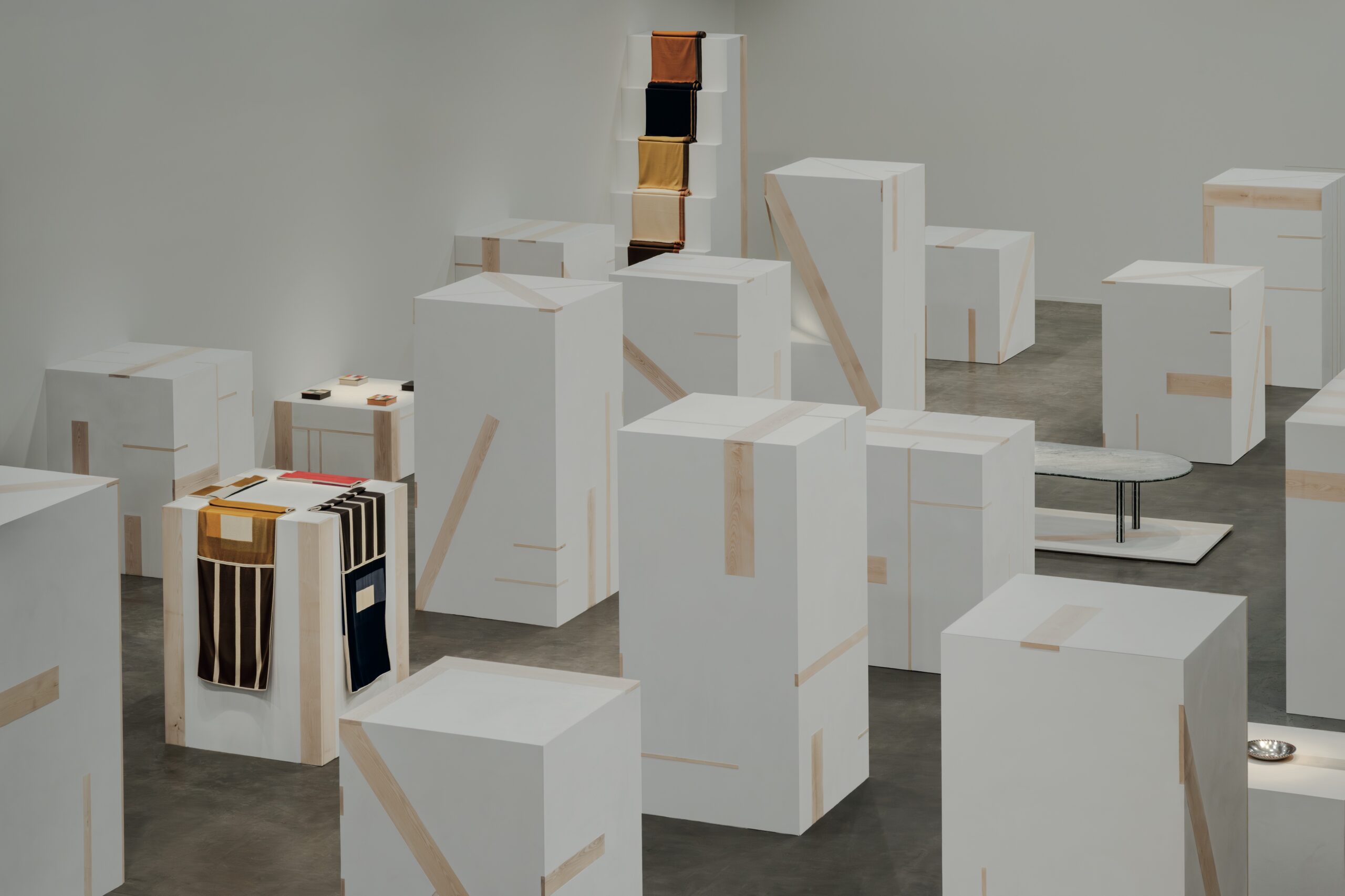
Image Credit: Ikea Campaign.
Your work moves between fashion, interiors, objects and branding. Do you see these as separate disciplines, or simply different expressions of the same creative vision?
For me, they’re all part of the same conversation. Fashion, interiors, objects and branding are not the destination but the medium. The goal is always to translate a story, an emotion or a point of view into an atmosphere that can be felt as much as it is seen.
You recently worked on the Zara and Zara Home campaign featuring Marisa Berenson. What initially attracted you to the project, and what was the creative challenge in bringing her world to life?
What attracted me to the project was the opportunity to bring together two worlds I find equally compelling: Zara’s contemporary vision and Marisa’s rich cultural and visual legacy. Marisa’s world has been shaped by decades of fashion, culture and imagery, yet she remains remarkably relevant today. As a set designer, my role was to help translate that encounter into a physical environment, creating a world that felt authentic to both. The challenge was not to look back, but to reveal what makes Marisa timeless in the present.
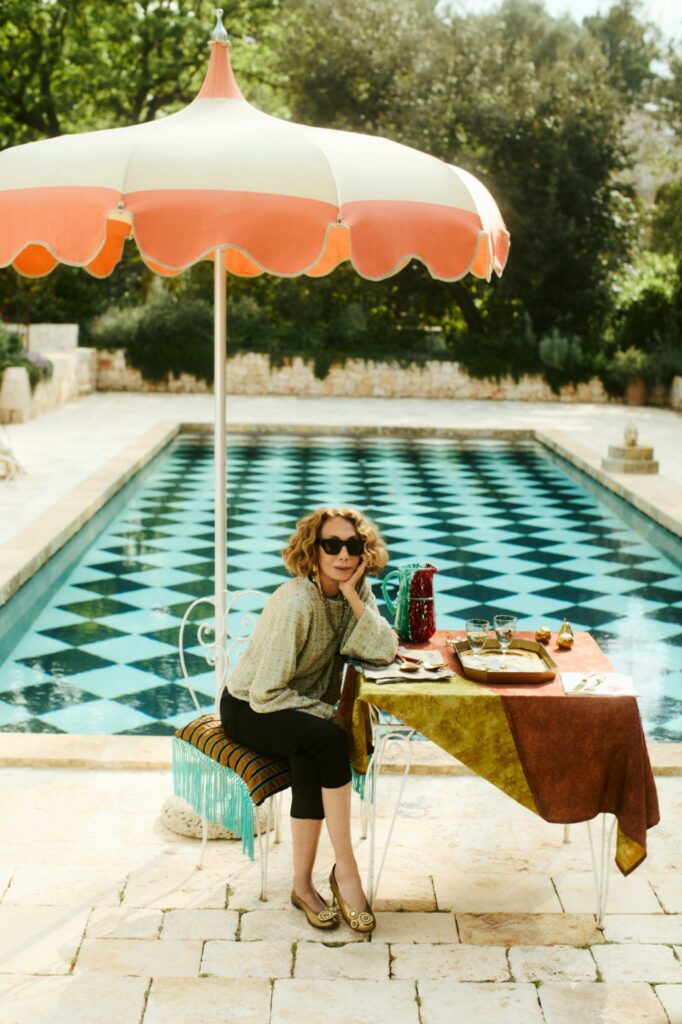
Marisa Berenson. Image Credits: Zara Home Campaign, photographed by Carlijn Jacobs.
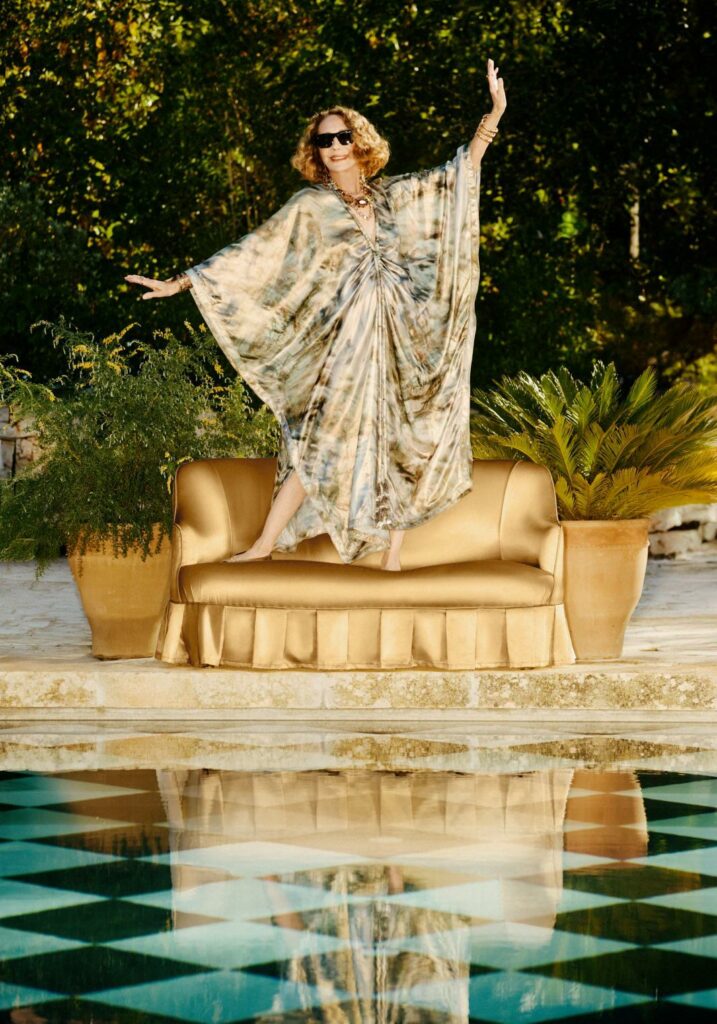
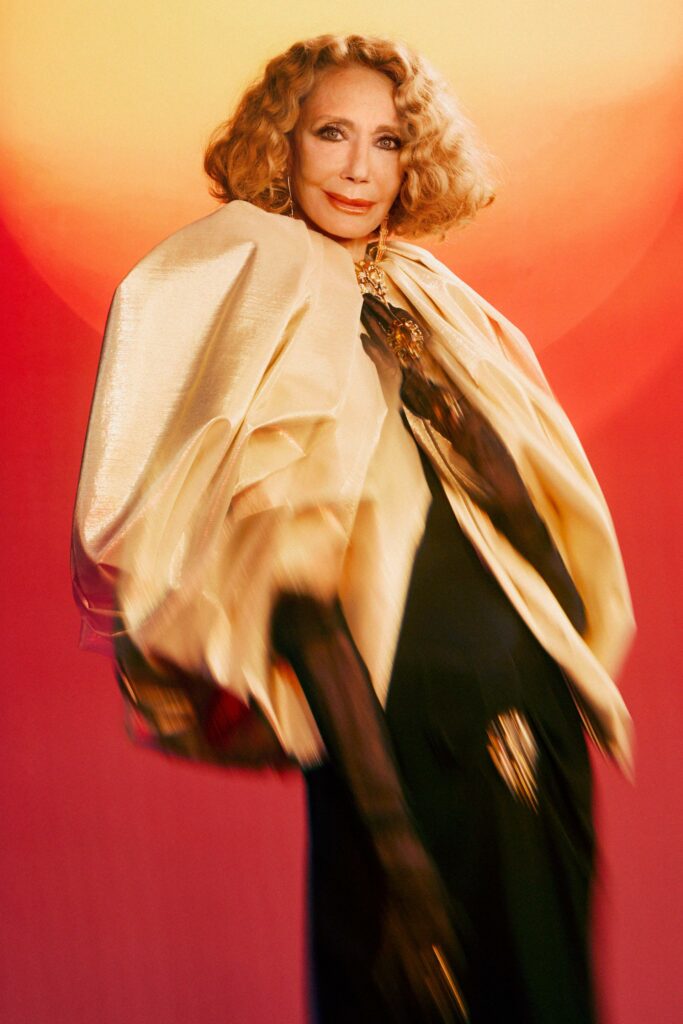
Marisa Berenson. Image Credits: Zara Home Campaign, photographed by Carlijn Jacobs.
How do you create imagery around someone so recognisable while still finding a fresh perspective?
With someone like Marisa, the challenge isn’t to reinvent the image but to look beyond it. She has been photographed countless times, and her visual history is already incredibly rich. Freshness comes from perspective rather than novelty. It’s the result of a collective vision, the director, the cinematographer, the creative team, the setting, the narrative. In our case, we approached her world through a subtle sense of surrealism, creating a lens through which familiar elements could be experienced differently. The goal wasn’t to change who Marisa is, but to see her through a new set of eyes.
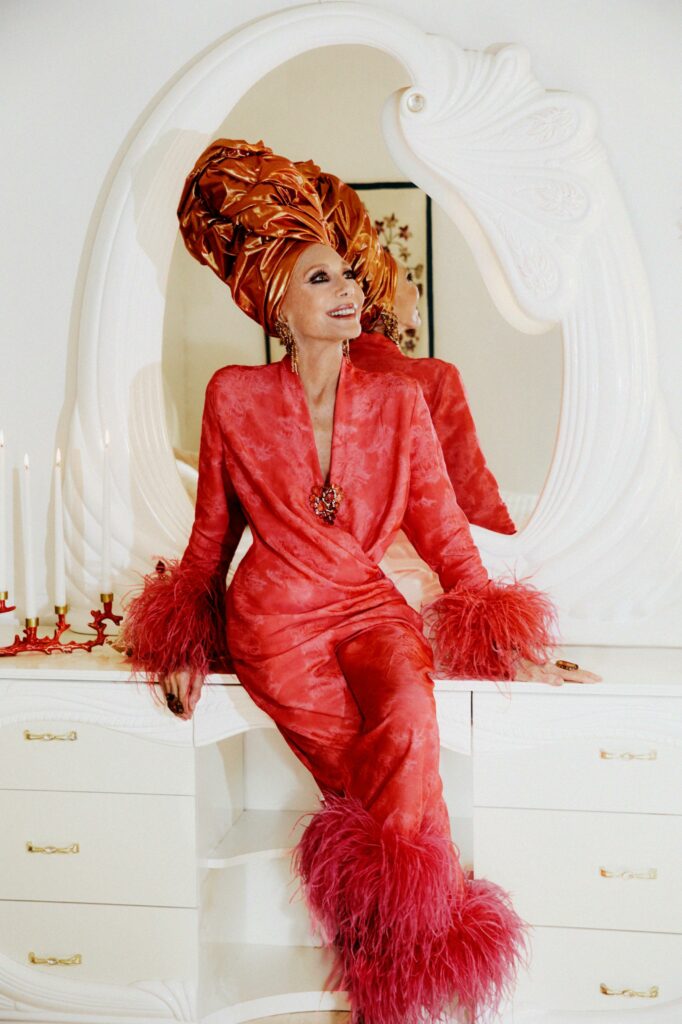
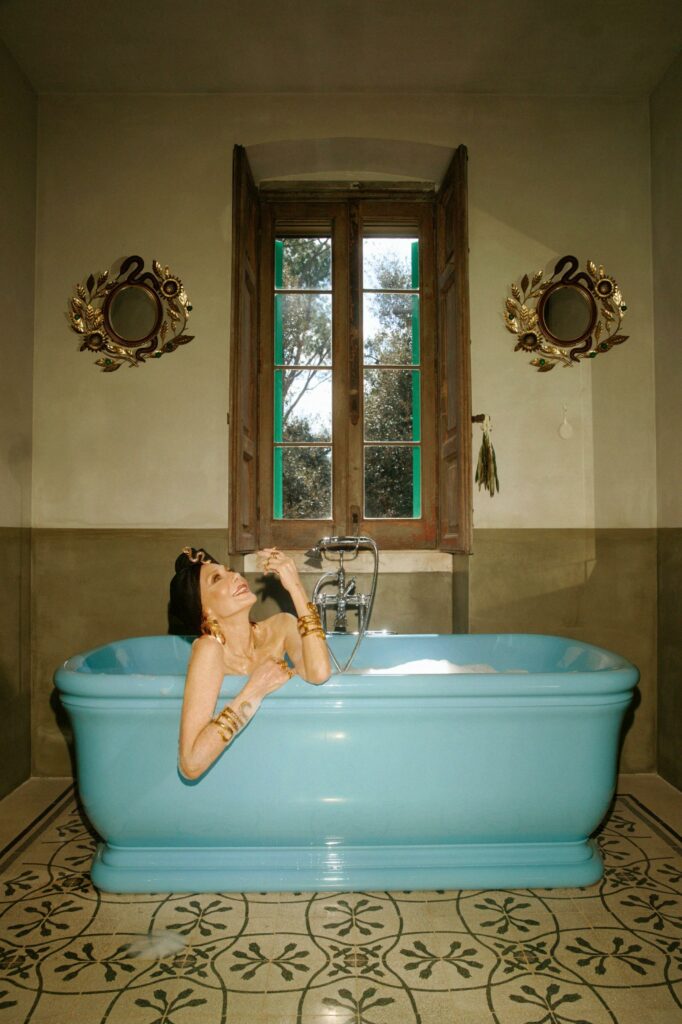
Marisa Berenson. Image Credits: Zara Home Campaign, photographed by Carlijn Jacobs.
The video feels less like advertising and more like storytelling. How do you build a narrative around a space, an object or a person? Especially when you have only a few seconds.
The most compelling campaigns often feel less like advertising and more like an invitation into a world. In those cases, the goal is often less about selling a product than about capturing a personality, a mood or a point of view. Every project begins with a shared creative direction and evolves through collaboration. Creatives, directors, cinematographers and visual teams each bring their own perspective. As a set designer, my role is to help give that world a physical form, shaping the spaces, objects and environments that support the story. When you only have a few seconds, you can’t tell the whole story. You have to distill it to its essence. Sometimes a gesture, a room or a quality of light can suggest an entire world.
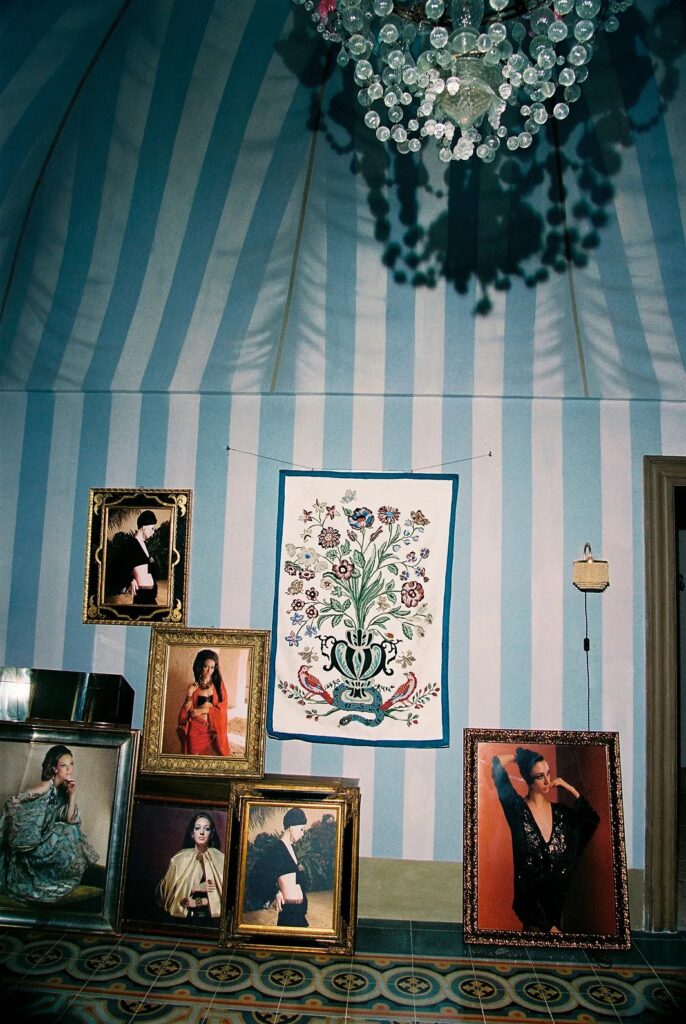
Marisa Berenson. Image Credits: Zara Home Campaign, photographed by Carlijn Jacobs.
The chromatic language of the campaign feels incredibly intentional. How did you develop the colour palette, and what did it allow you to communicate that words could not?
The palette emerged naturally from the story itself rather than from a predetermined set of colours. The film begins with a sense of discovery, as a group of young women explore a house that feels quiet, almost suspended in time. That part of the narrative led us towards cooler tones, drawing from the blues of the pool and creating a feeling of mystery and anticipation. As Marisa enters the story, the world built around her gradually shifts. The palette becomes richer and more sunlit, with sunset oranges and golden tones inspired by the Mediterranean and the feeling of an endless summer. What interested me most was allowing colour to follow the emotional rhythm of the film. The dialogue between cool blues and warm oranges wasn’t simply aesthetic; it became a way of expressing a transition from stillness to presence, from curiosity to life in a way that words never could.
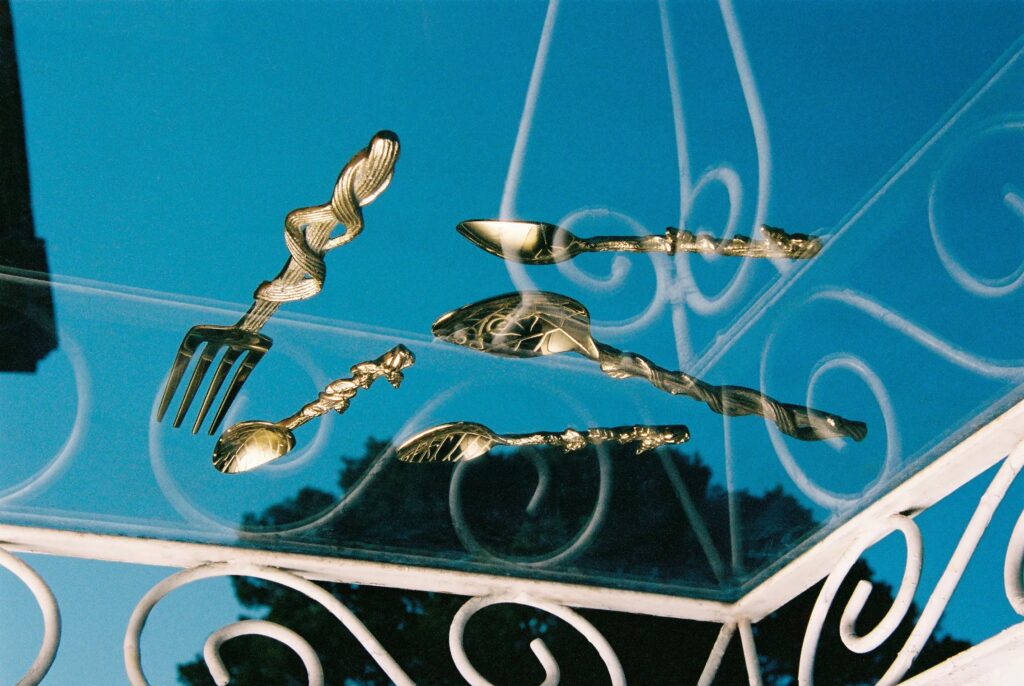
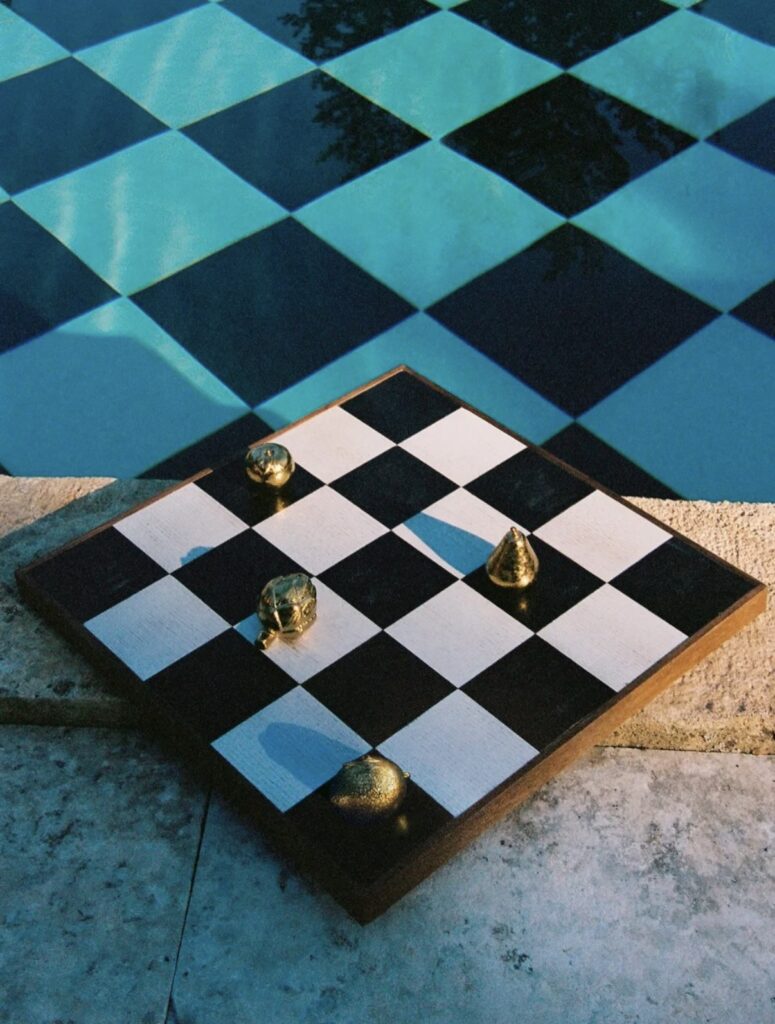
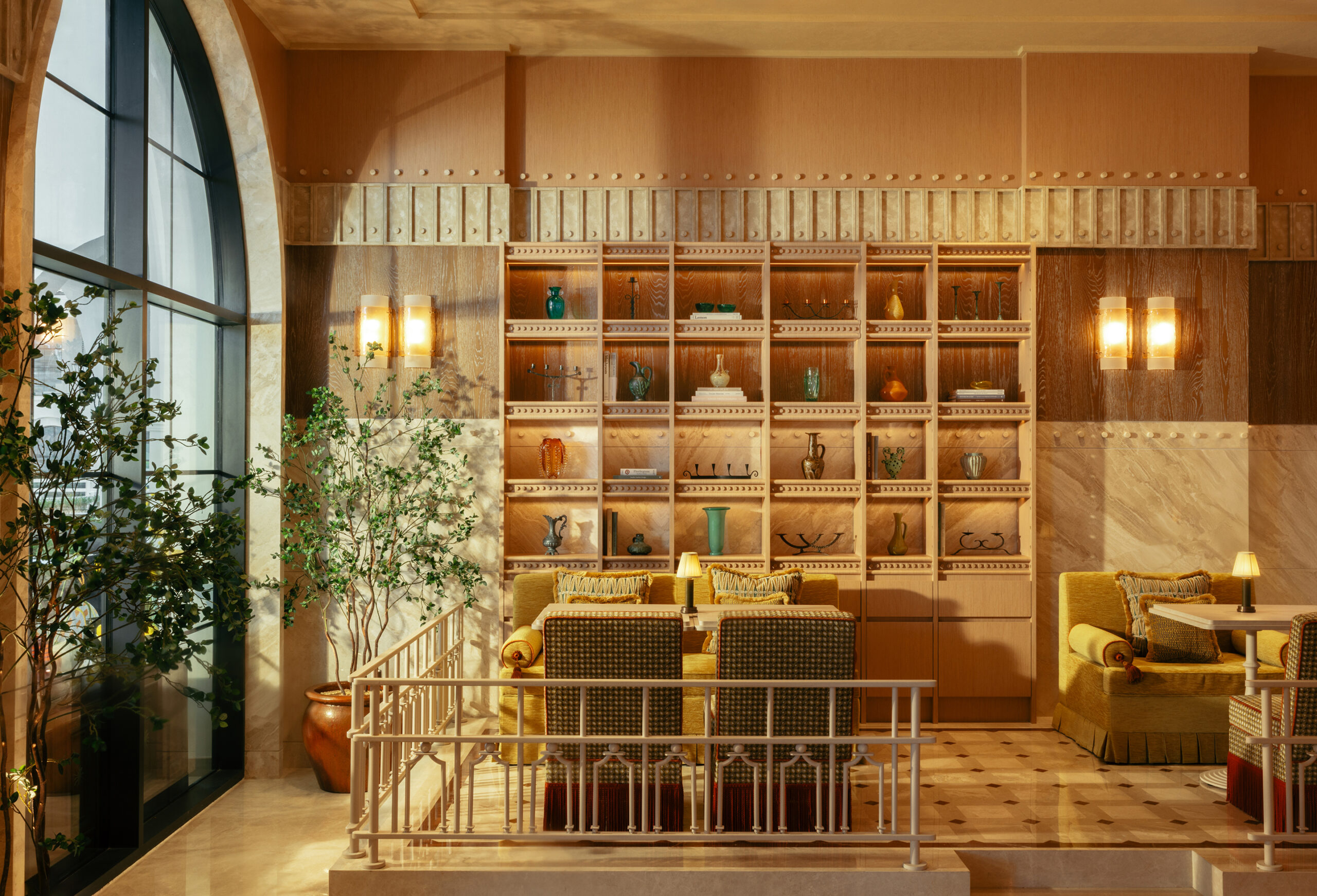
Images Credit: Zara Home Campaign.
Many of your projects feel layered rather than overtly styled. How do you balance composition, emotion and spontaneity on set?
I don’t believe in styling for the sake of styling. Every creative decision has to serve something larger, whether that’s a story, a character, a brand or a feeling. The balance is quite simple: composition serves the narrative. Emotion serves the audience. No matter how corporate or commercial a project may be, I’m always searching for the element that makes it human. That’s usually where the most memorable images come from.
Are there particular artists, filmmakers, architects or designers whose work continues to influence the way you see the world?
My influences tend to evolve with each project. Because my work is always in service of a story, my references often follow the world I’m trying to create. What consistently inspires me, however, are creators who have developed a distinctive language of their own. Whether it’s the surreal imagination of Salvador Dalí, the cinematic universe of Pedro Almodóvar or the fluid architecture of Oscar Niemeyer, I’m fascinated by people whose work becomes instantly recognisable and leaves a lasting imprint on our collective imagination. The Eiffel Tower is another example I often think about. It was meant to be temporary, yet it became part of the identity of an entire nation. I find that fascinating. More than a specific discipline, it’s that ability to create something that endures and becomes larger than itself that continues to inspire me.
As a Lebanese creative working internationally, are there aspects of your cultural background that inevitably find their way into your visual language?
I don’t think it appears in a literal way, but growing up in Lebanon has undoubtedly shaped my visual sensibility. It’s a country of extraordinary richness and contrast, with an incredible diversity of landscapes, cultures and atmospheres. In many ways, Lebanon is an endless moodboard. Being surrounded by that variety from an early age naturally influences the way you see, compose and imagine.
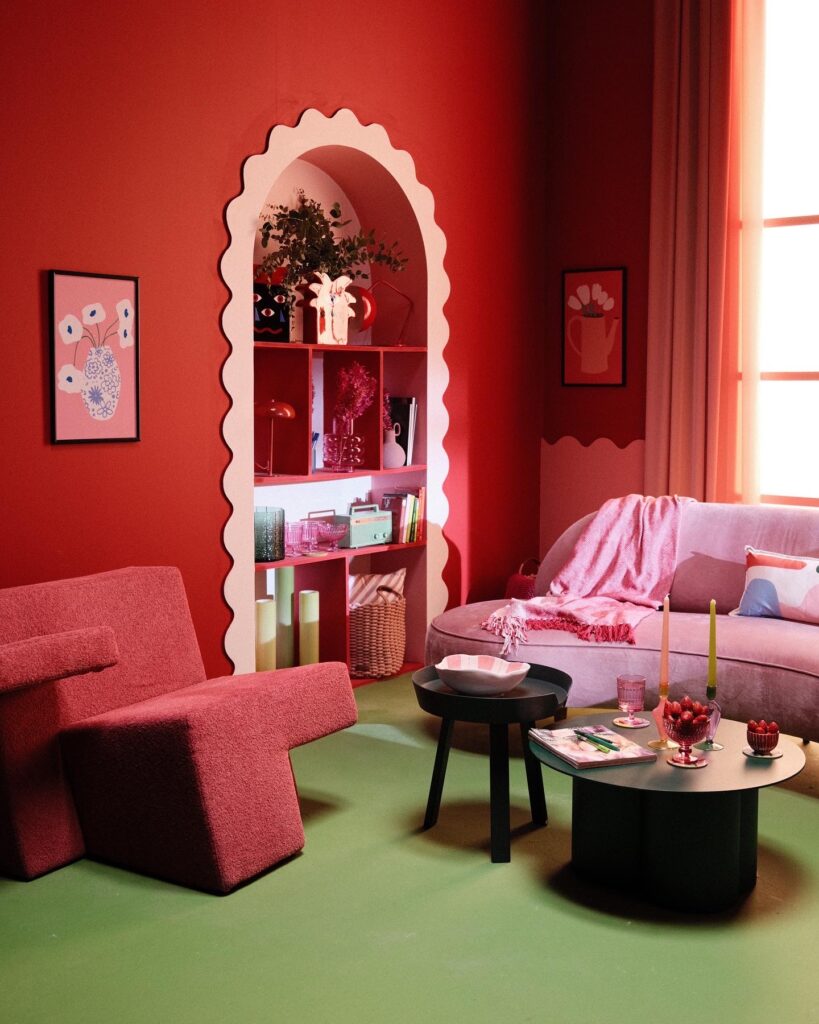
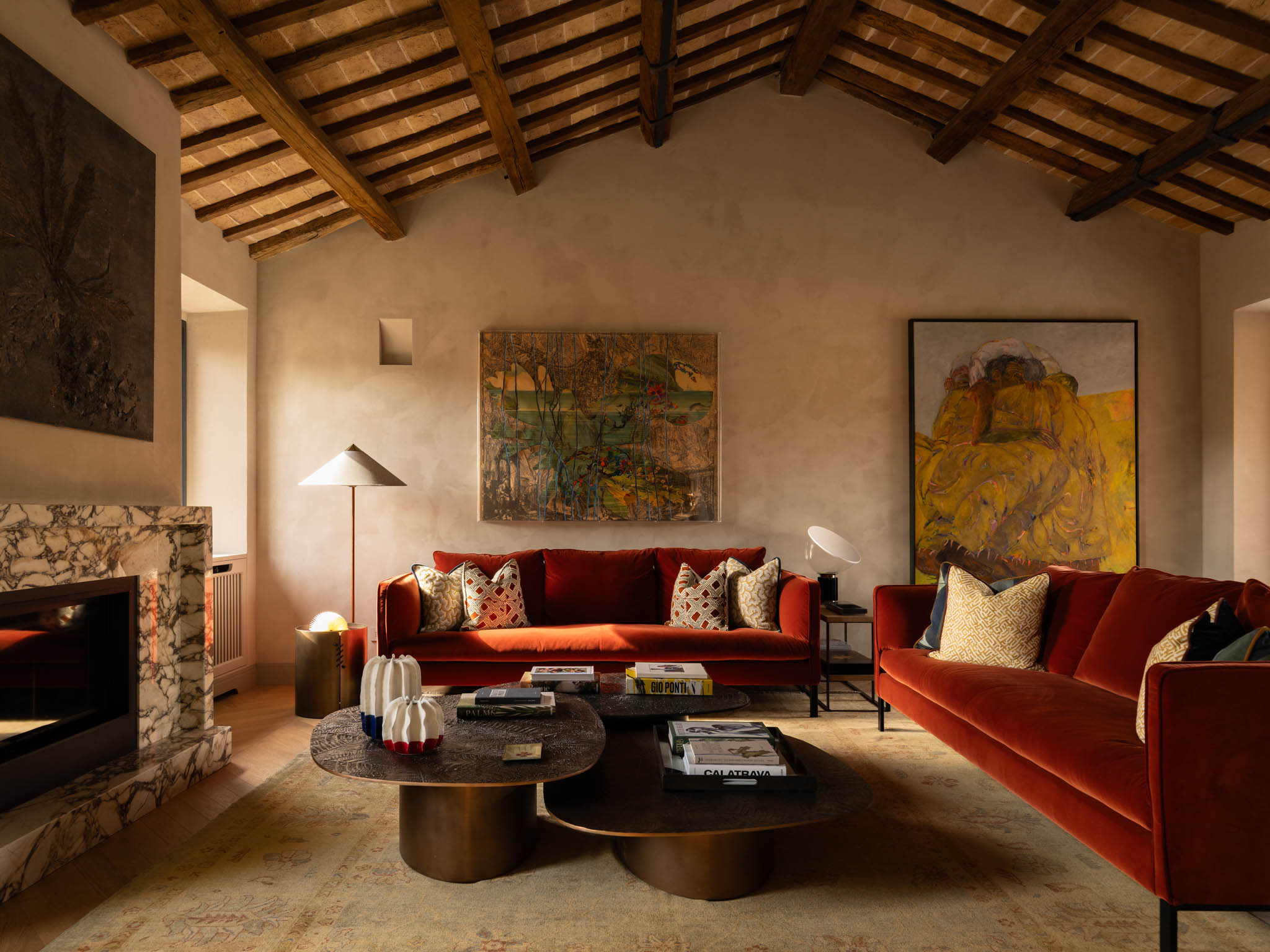
Image Credit: Nada Campaign.
What makes an image timeless rather than simply beautiful?
An image may be beautiful when it is created, but timelessness is something that reveals itself over time. The images that endure are often those that capture something beyond their immediate subject. They reveal a truth about a moment, a person, an era or a shared human experience. Whether it’s a historical photograph, a portrait or a simple gesture, they resonate because they continue to mean something long after the context in which they were created has passed.
Looking back at your body of work so far, is there a project that fundamentally changed the way you think about creativity?
I don’t think a single project changed my perspective. What changed it was time. I’ve come to realise that creativity thrives within constraints. My work is always in service of a story, a client or a brief, often within very tight timelines, and those boundaries frequently become the most interesting part of the process. They force you to think differently, push further and find solutions you wouldn’t have discovered otherwise. The older I get, the more I see creativity not as freedom from constraints, but as what you do with them.


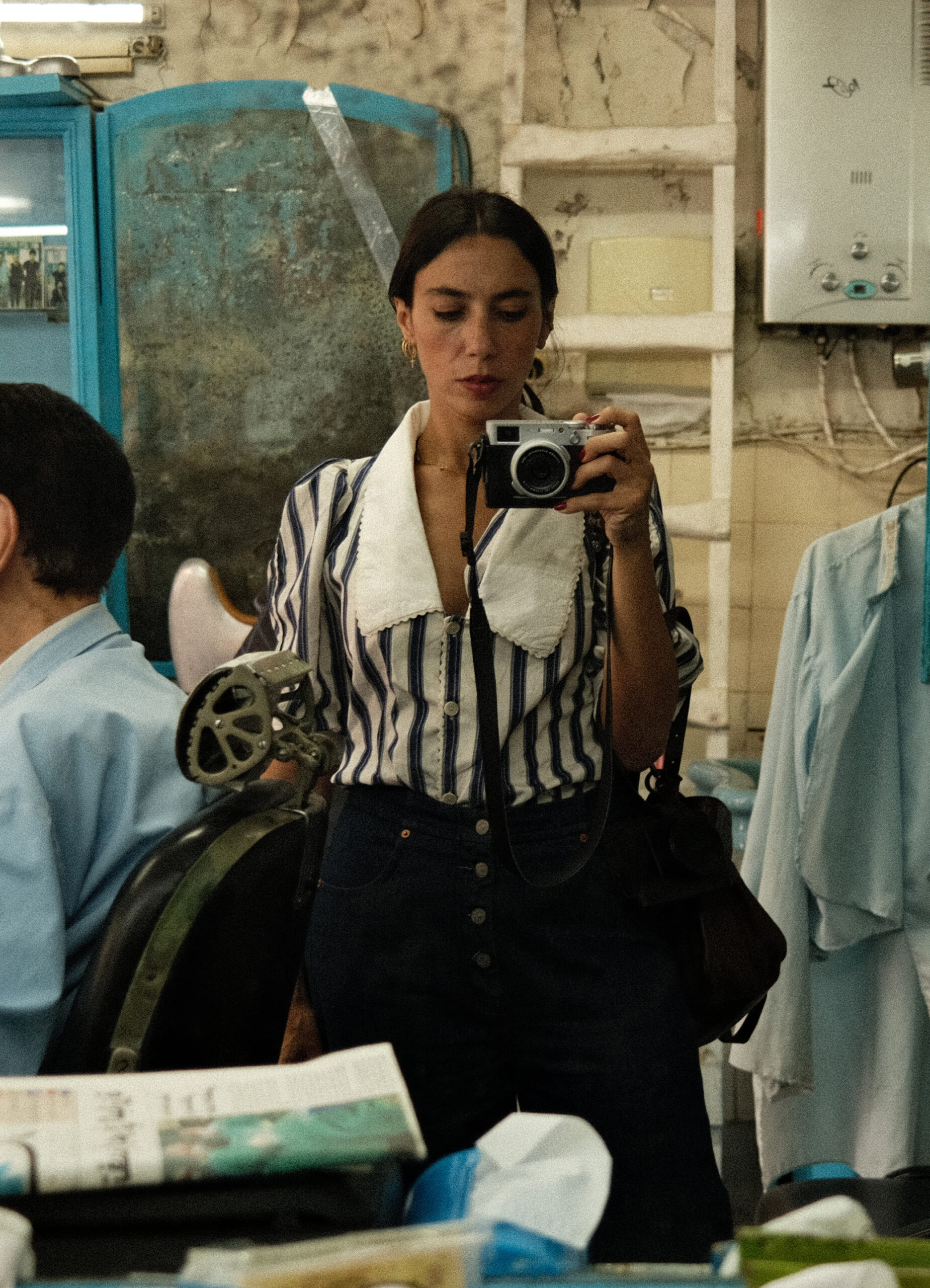
Images Credit: Ikea Campaign.
What are you currently curious about, and where do you see your practice evolving next?
Life often has more imagination than we do. Looking back, the most meaningful chapters of my career have rarely been planned; they emerged from curiosity, observation and unexpected encounters. I’m drawn to many forms of storytelling and don’t feel the need to define exactly where that curiosity will lead. What matters most is continuing to build on everything I’ve seen, learned and experienced, and finding new ways to bring those worlds together.
What’s your perfect soundtrack?
The perfect soundtrack is one that creates atmosphere while leaving space for imagination. I’m particularly moved by Chi Mai by Ennio Morricone, a piece that carries a timeless emotional quality that never seems to fade.