Most museums fight the landscape around them, climate-controlled boxes built to keep the outside world out. The places on this list did the opposite. Somewhere along the way, the art stopped being something a town contained and became something the town was: a fishing village rebuilt around one painter’s obsessions, an island where an entire economy reorganized itself around concrete and light, a stretch of Texas desert where a sculptor decided the horizon itself was part of the work. These ten destinations don’t separate the art from the ground it stands on. That’s rather the point.
NAOSHIMA, Japan
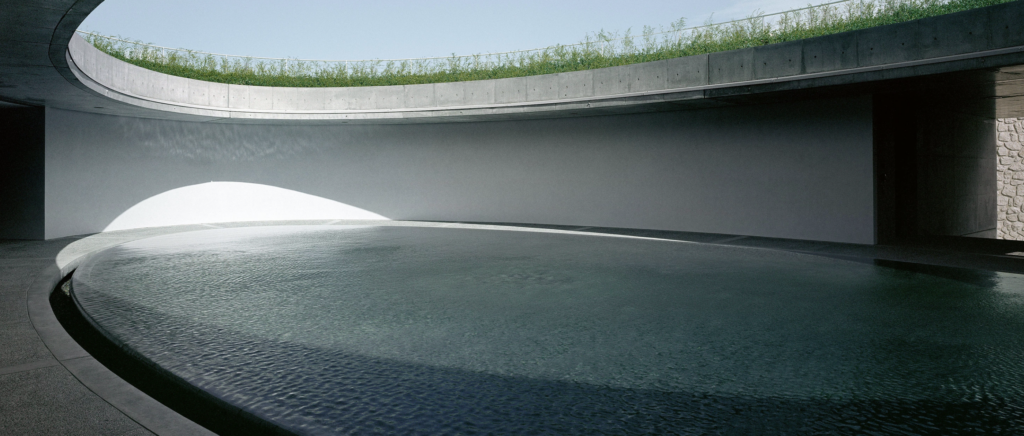
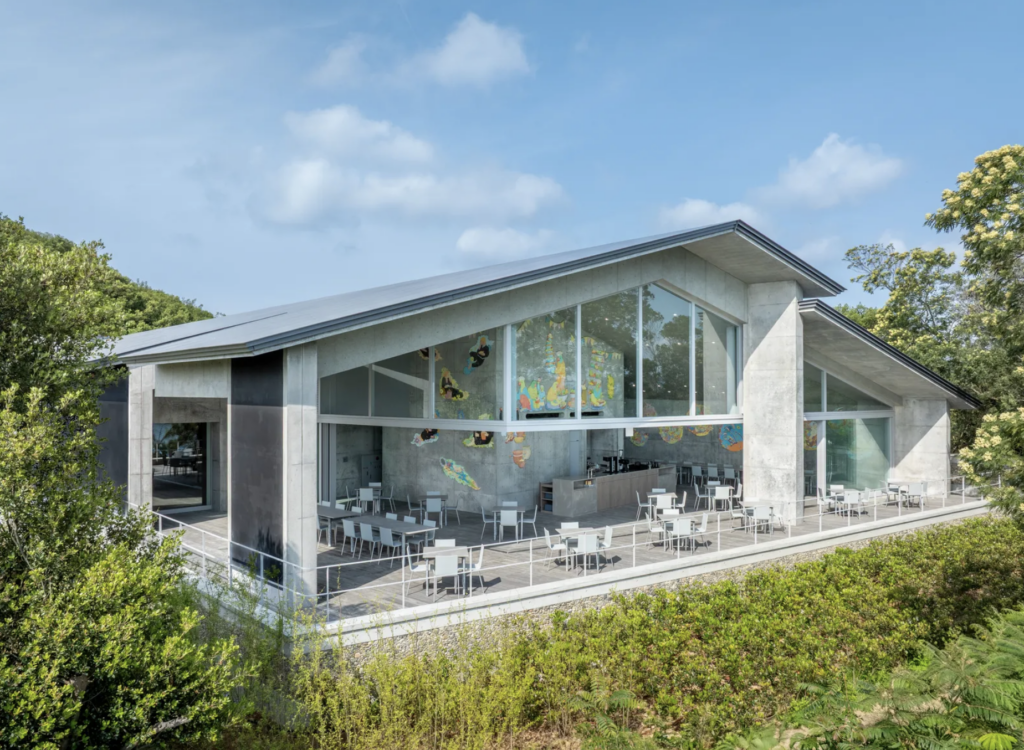
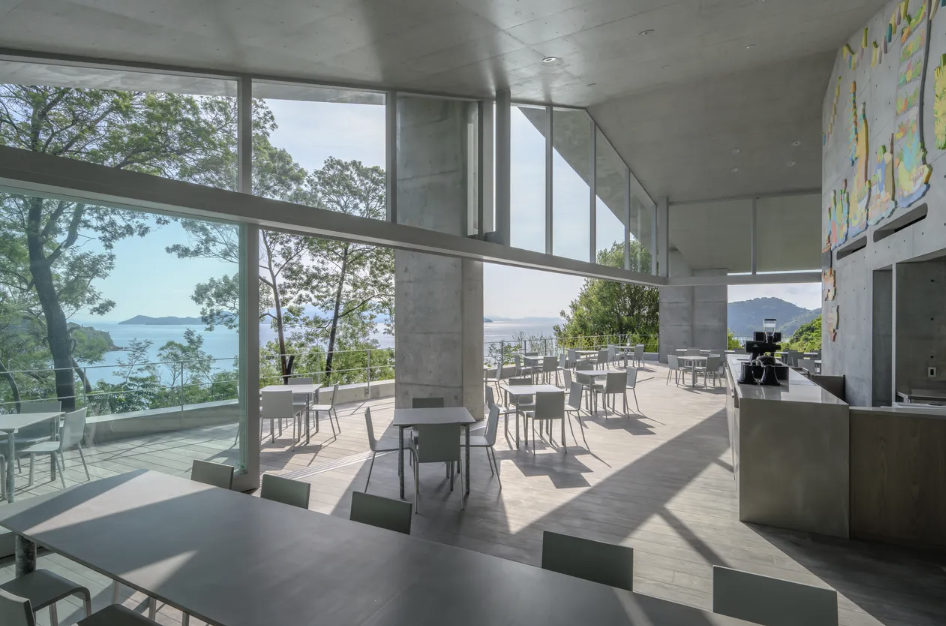
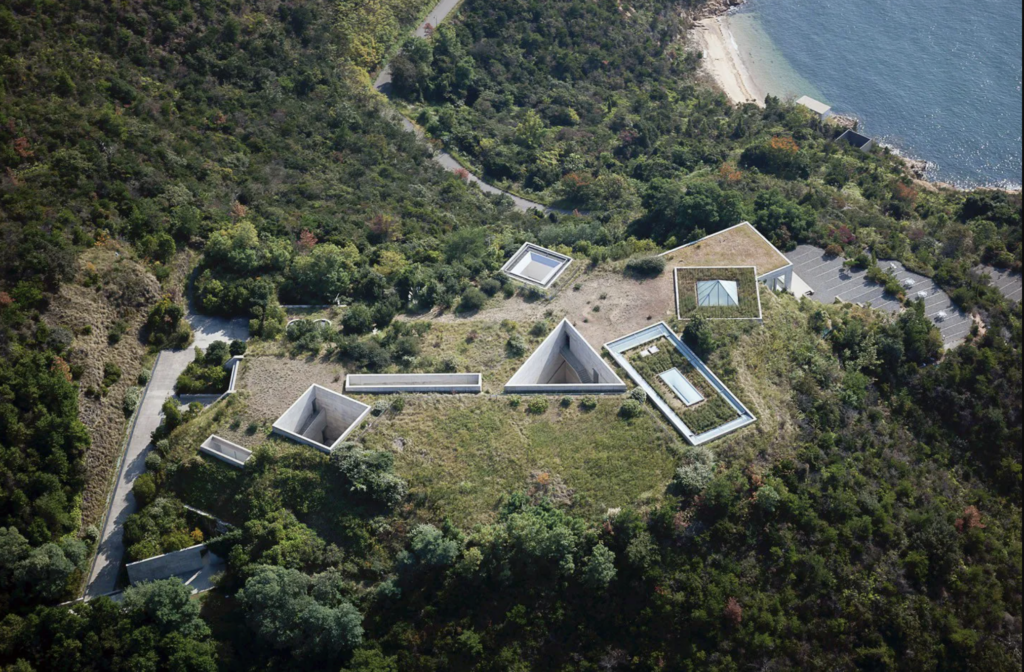
A small island in the Seto Inland Sea that a single company spent thirty years turning into one of the world’s most understated art destinations. Tadao Ando’s concrete museums (Benesse House, The Naoshima New Museum of Art,
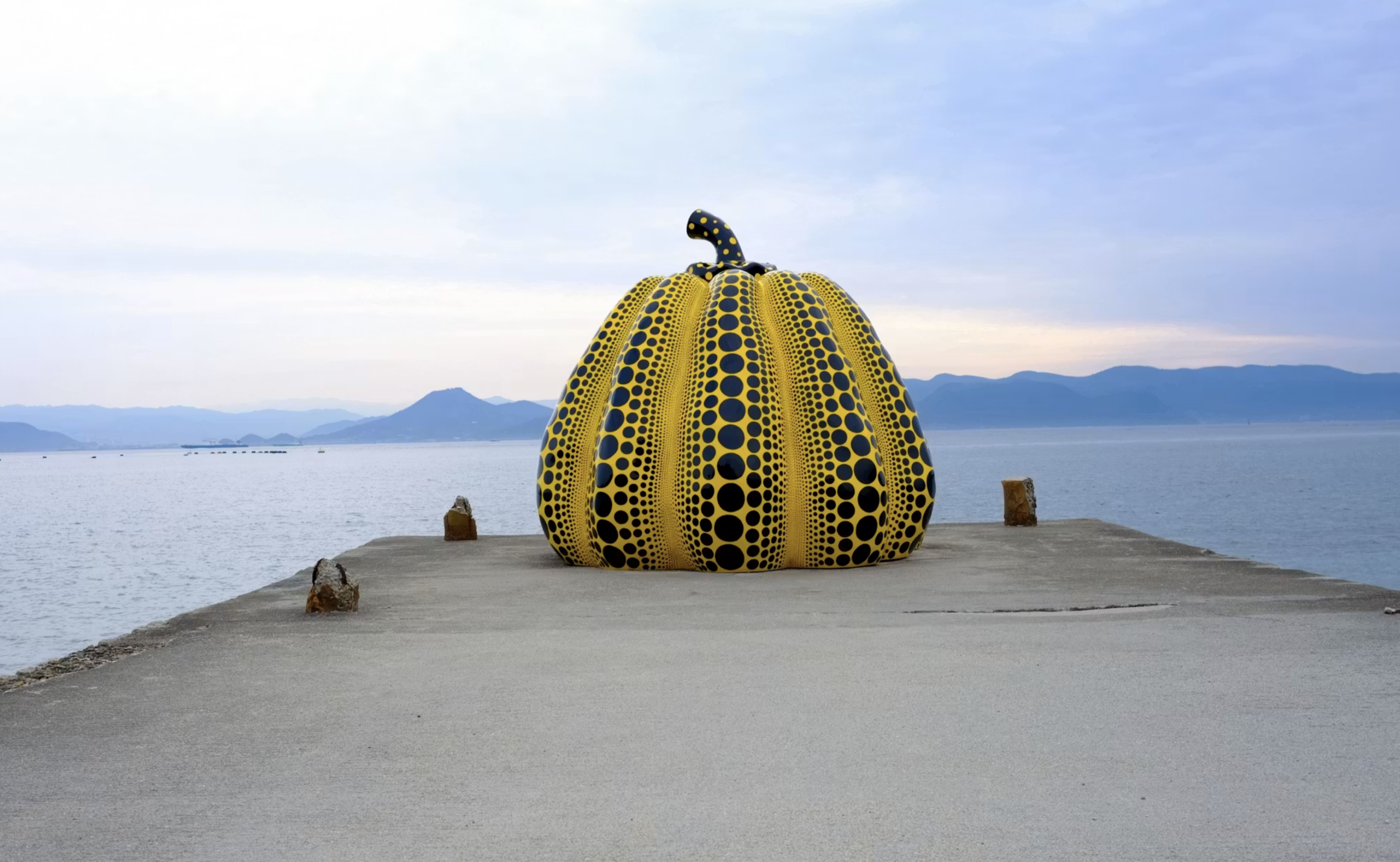
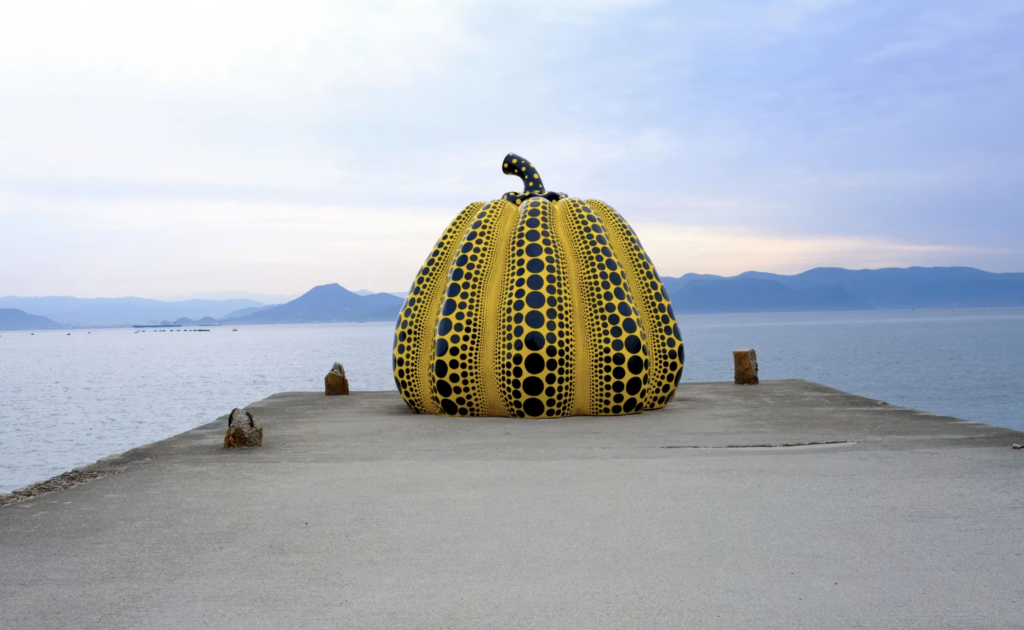
Chichu Art Museum) sit quietly beside rice paddies and old wooden houses. Kusama’s yellow pumpkin still waits on its pier. Nothing here rushes you, the art unfolds at its own pace, and visitors tend to fall into step.
CHÂTEAU LA COSTE, France
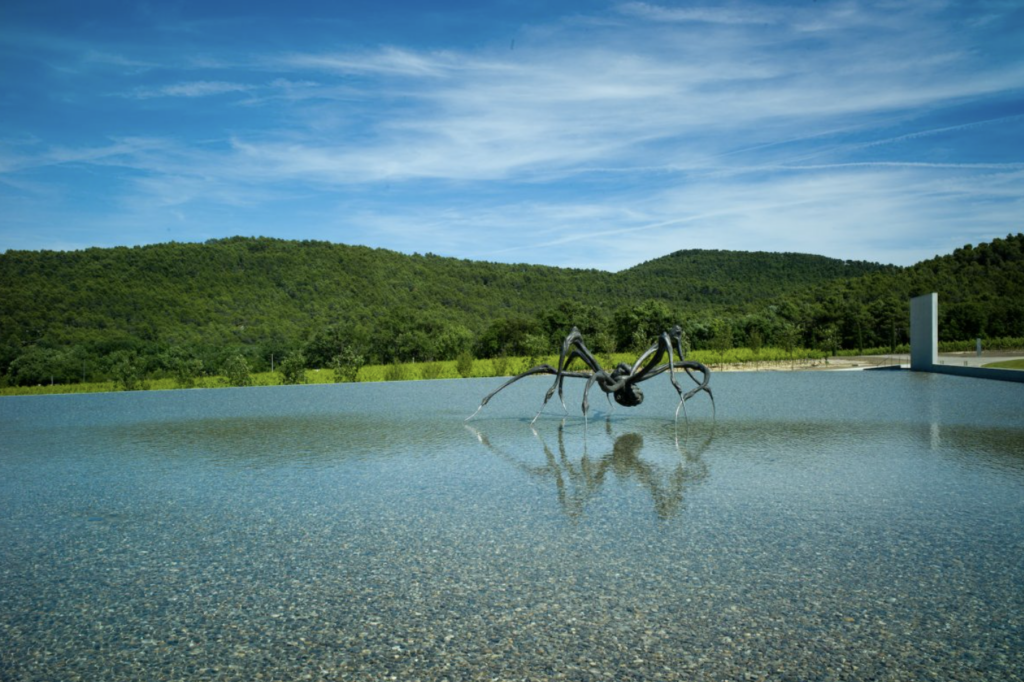
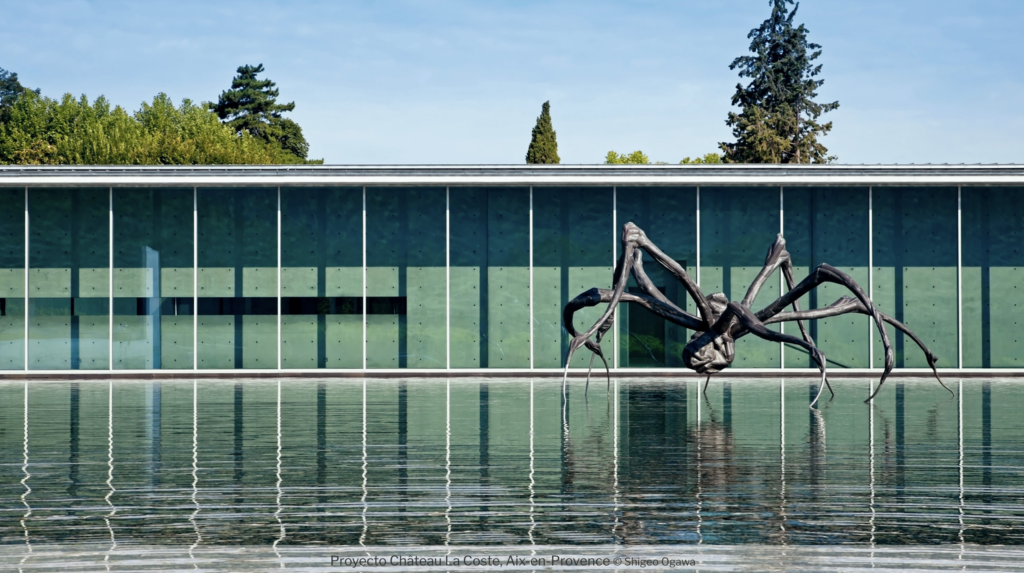
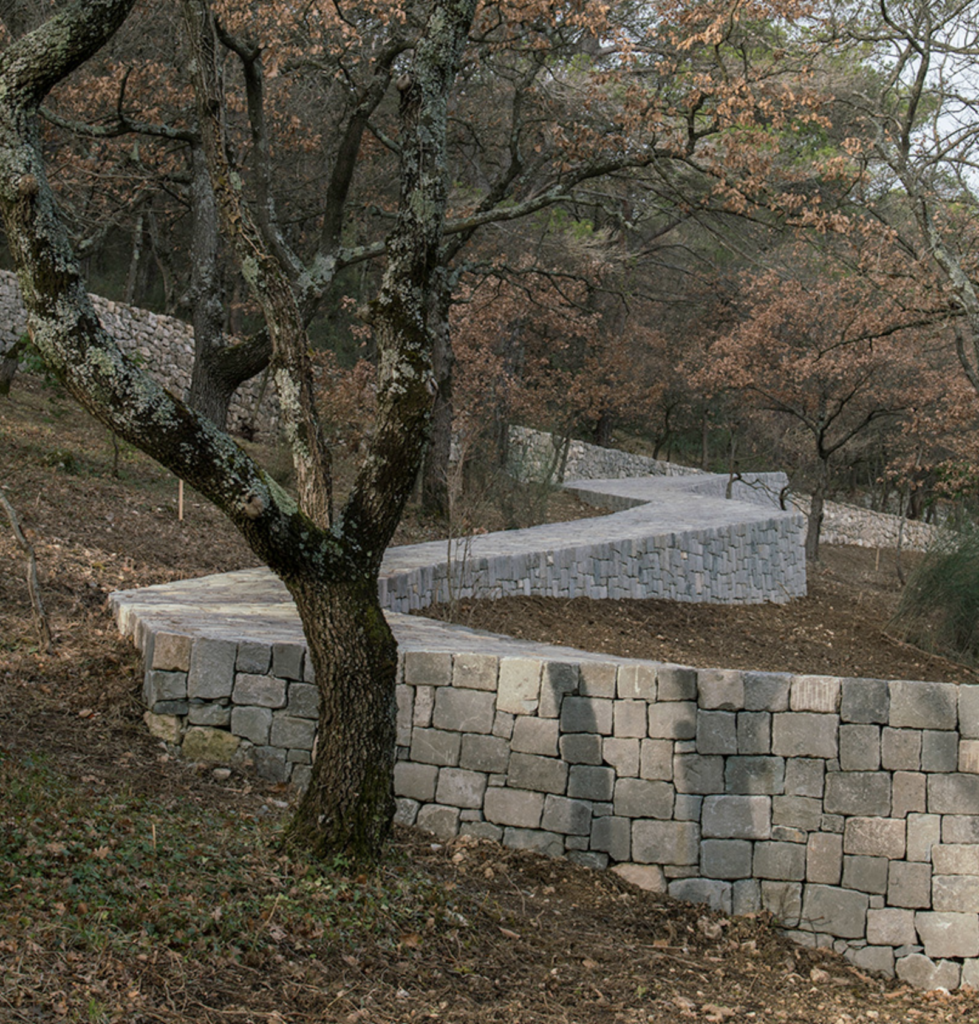
In the hills above Aix-en-Provence, a working vineyard doubles as one of the more unlikely sculpture parks in Europe. Louise Bourgeois’s spider crouches among the vines; a Tadao Ando chapel sits low against the ridge line; Ai Weiwei’s Ruyi Path weaves quietly through the woodland, connecting two ancient vineyard trails with reclaimed stone from the Port of Marseille. More than a pathway, it blurs the line between sculpture, architecture and landscape, and has become one of Château La Coste’s signature works.
MARFA, United States
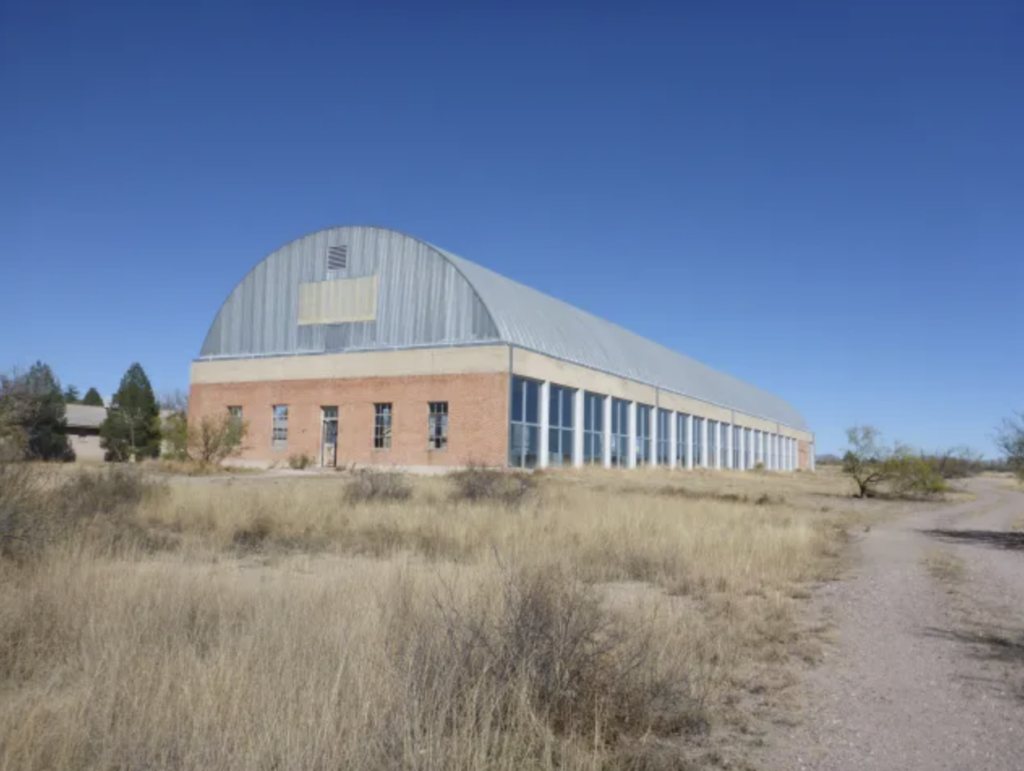
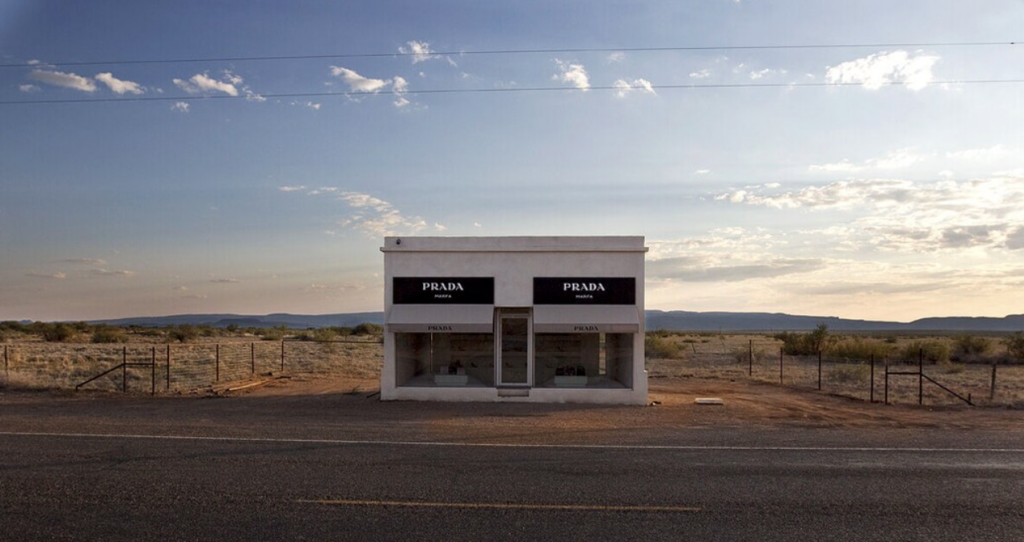
Donald Judd first came to Marfa in 1971 because his work needed room to breathe, and the empty stretch of West Texas gave him exactly that. His hundred aluminum boxes, housed in two converted artillery sheds at the Chinati Foundation, catch the desert light differently by the hour, the same objects, endlessly rewritten by the sun. A Prada storefront by Elmgreen & Dragset marooned on the highway and galleries tucked into old filling stations have followed, but the sky still does most of the talking.
ST IVES, United Kingdom
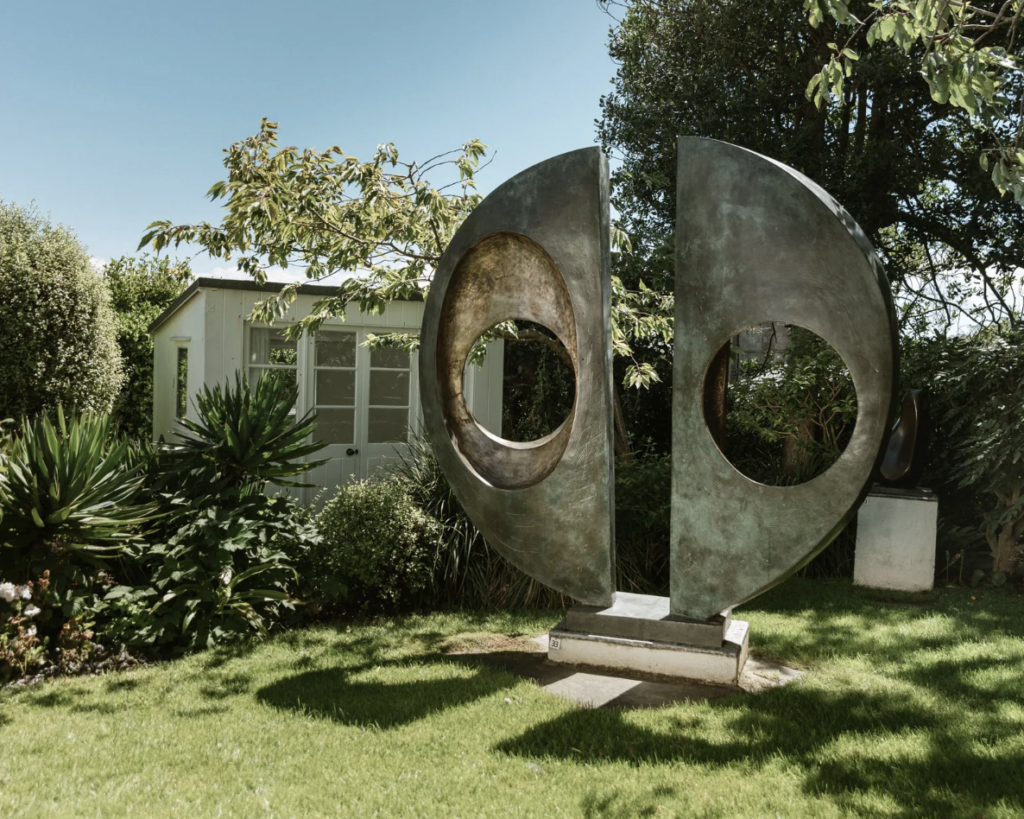
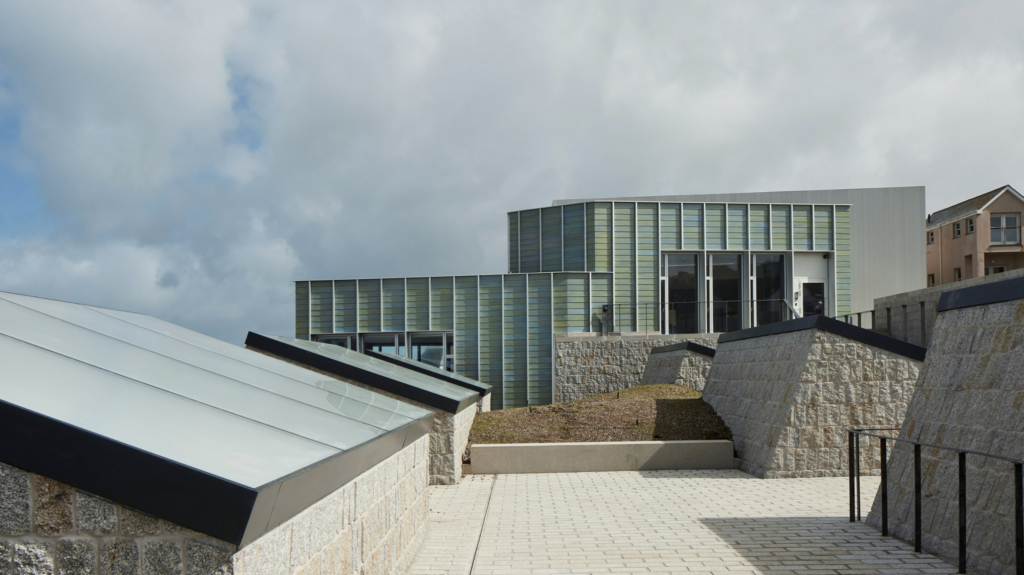
Painters talk about the light in St Ives the way winemakers talk about soil, bounced off two seas, scrubbed clean by Atlantic weather, impossible to bottle anywhere else. It’s what drew Barbara Hepworth, who carved here until her death; her studio and sculpture garden remain exactly as she left them, tools included. Tate St Ives rises just above Porthmeor Beach, close enough that the surf stays in the corner of your eye. Jamie Fobert, designed the extension for the existing Tate St Ives art gallery, a white rotunda completed in 1993 by London firm Evans and Shalev.
GIVERNY, France
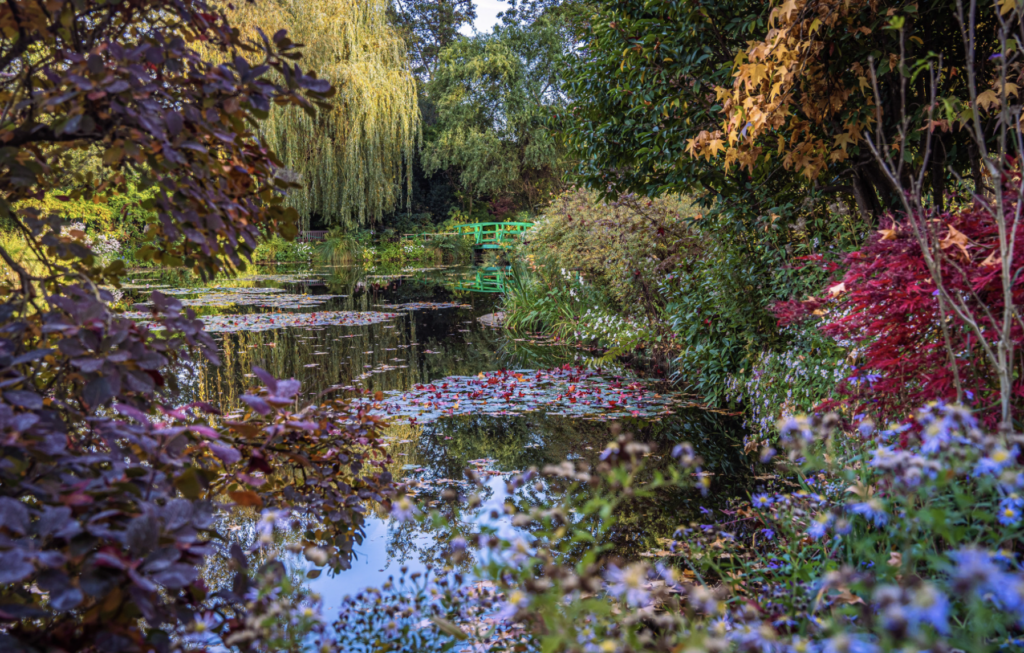
Here the usual order gets reversed: the landscape was built to serve the painting, not the other way around. Monet diverted a stream, imported water lilies, and constructed the green footbridge, then spent three decades recording what he’d planted. Walking the garden at dawn feels less like sightseeing and more like stepping inside the canvases hanging at the Musée de l’Orangerie.
ARLES, France
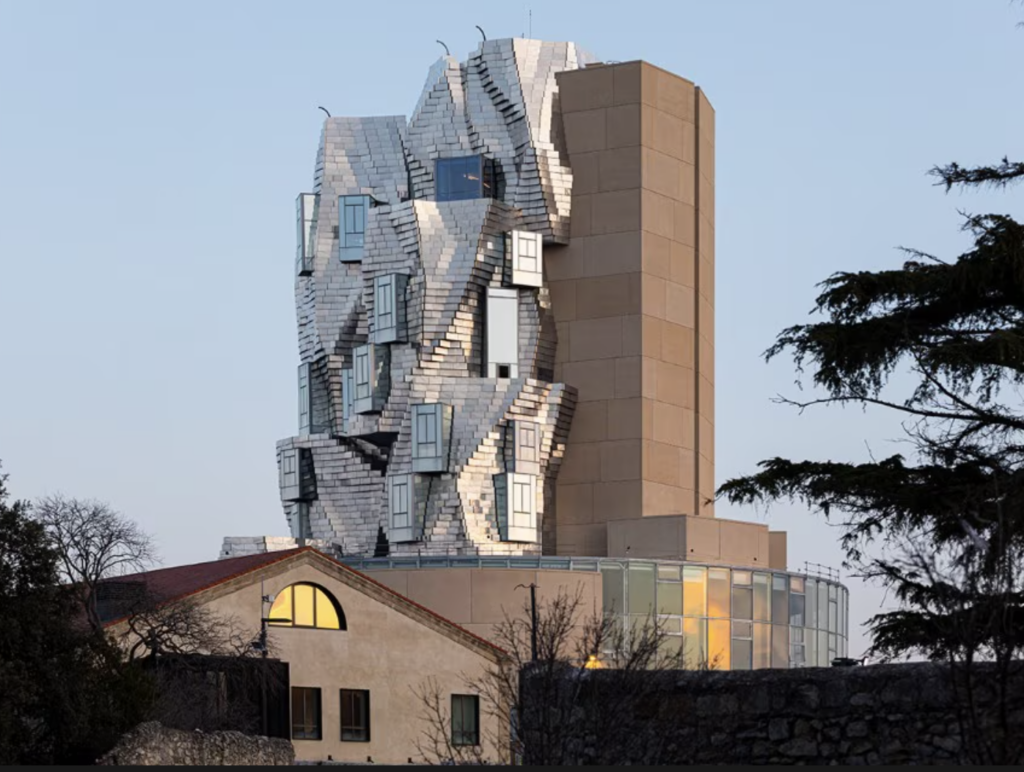
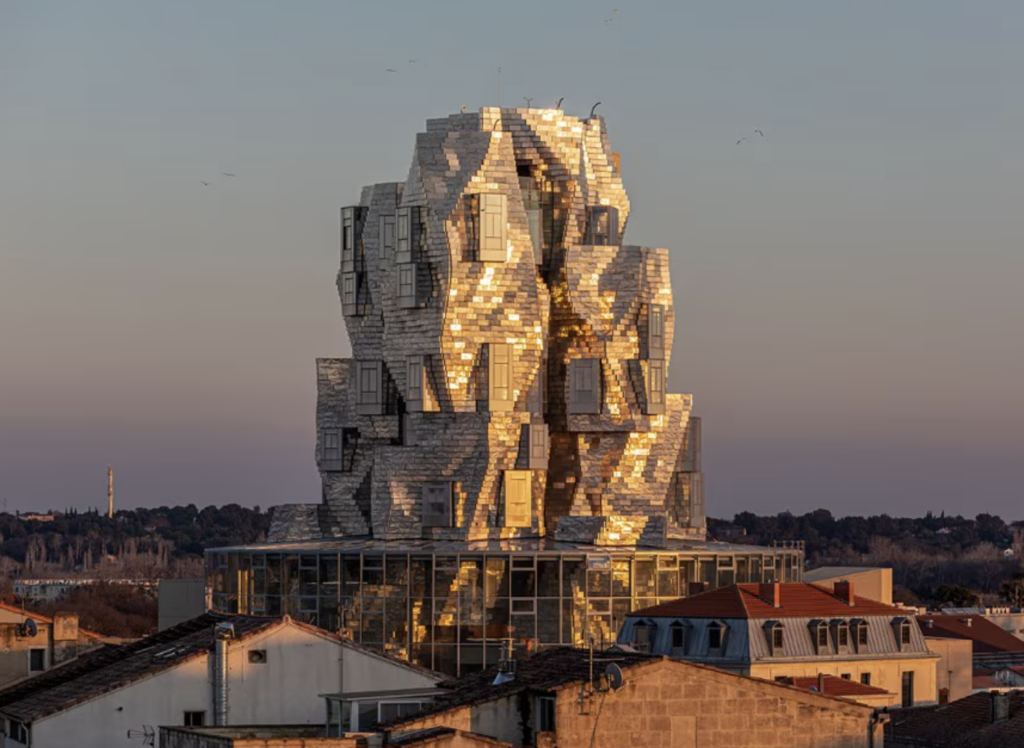
Van Gogh produced nearly three hundred works here in just over a year, chasing a yellow light that still spills over the Roman arena most evenings. The town hasn’t settled into being a shrine, though Frank Gehry’s LUMA tower, its steel panels rippled like local limestone, gave Arles a second act, and each summer the Rencontres de la Photographie turns chapels and old rail sheds into makeshift galleries.
TAOS, United States
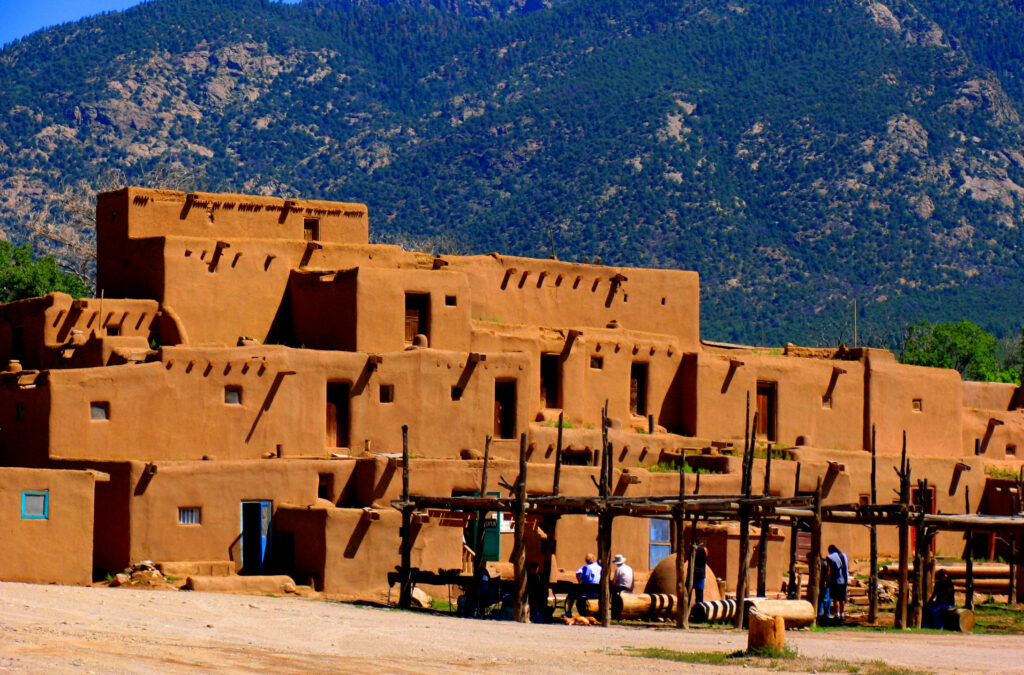
Legend has it a broken wagon wheel stranded two painters here in 1898; they looked up at the Sangre de Cristo range and never bothered fixing it. What followed was an art colony that eventually drew Georgia O’Keeffe and the salon-keeper Mabel Dodge Luhan, whose adobe compound still hosts working artists. Taos Pueblo, inhabited for close to a thousand years, remains one of the oldest continuously lived-in structures on the continent.
YORKSHIRE SCULPTURE PARK, United Kingdom
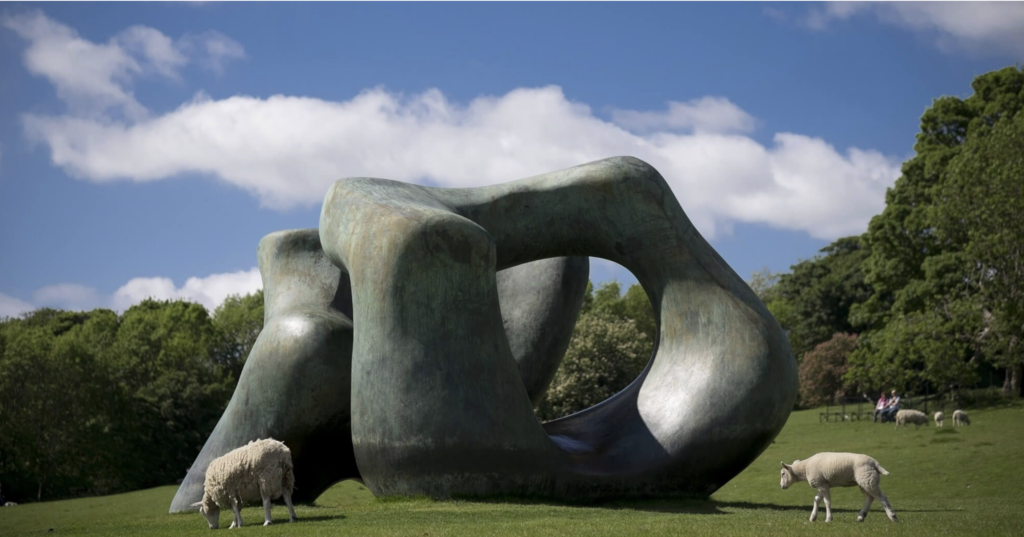
Set across 500 acres of rolling Yorkshire countryside, this open-air museum brings sculpture into direct conversation with the landscape. Monumental works by Henry Moore, Barbara Hepworth, Antony Gormley and contemporary artists emerge from lakes, meadows and woodland, where changing seasons become part of the experience. Here, nature is not simply a setting, but an active collaborator.
INHOTIM, Brazil
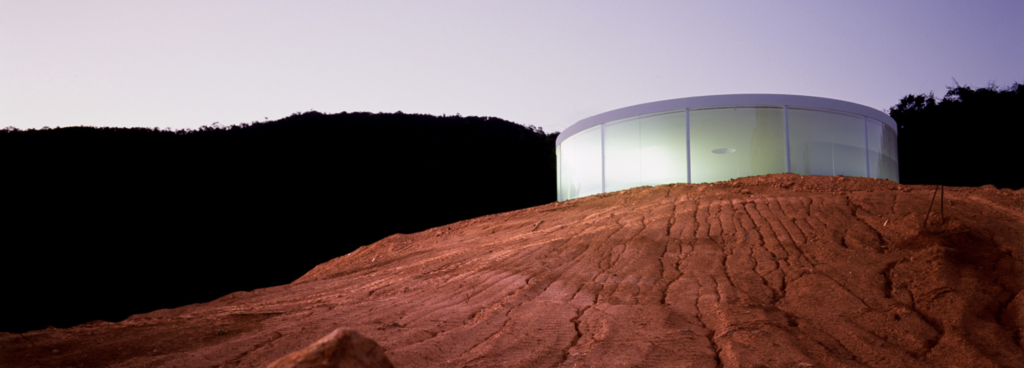
In the hills of Minas Gerais, a former mining executive built a botanical garden influenced by Roberto Burle Marx, then filled it with contemporary art. The scale is disorienting in the best way: Doug Aitken’s Sonic Pavilion lets visitors listen to sounds from deep within the earth, while Chris Burden’s towering steel beams rise straight out of the jungle. Golf carts are available. The paths are better.
FONDATION MAEGHT, France
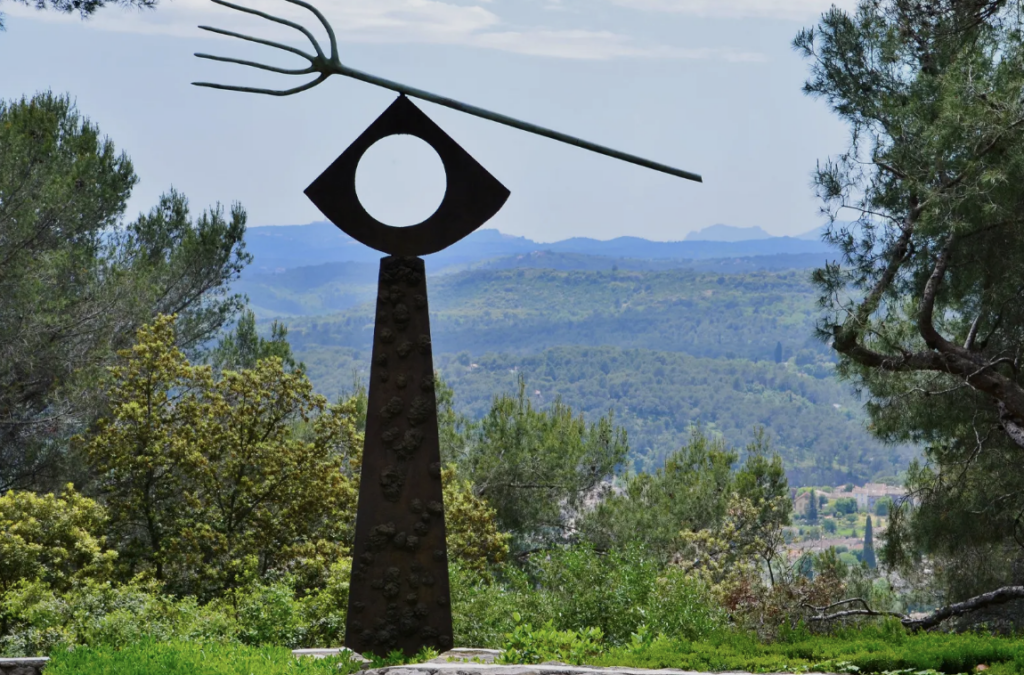
Hidden in the hills above Saint-Paul-de-Vence, Fondation Maeght dissolves the boundary between museum and Mediterranean landscape. Sculptures by Alberto Giacometti, Joan Miró and Alexander Calder unfold across pine-shaded gardens and terraces, where art is encountered slowly, between olive trees, stone walls and open skies. Miró’s Labyrinth, conceived specifically for the site, remains one of Europe’s most celebrated examples of art experienced in the landscape rather than confined within gallery walls.
Ten stops, five countries, one underlying idea: the most memorable collections aren’t assembled, they’re rooted. Whether it took a diverted river, an abandoned army base, or a ban on cars, each of these places made the same bet, that art, given the right ground, would stay.