Words by Allegra Salvadori
Frank Gehry, who has passed away at 96, leaves behind a legacy that transformed far more than skylines. While the world knows him through titanium curves and cultural landmarks, his influence begins at a smaller, more intimate scale: the realm of design. Before Gehry reshaped cities, he reshaped the way designers think about material, experimentation, and the emotional life of objects.
Gehry’s relationship with design was never secondary to his architecture; it was its foundation. As a child in Toronto, he learned to see possibility in scraps of metal and wood from his grandfather’s hardware store—an early education in tactility that would echo throughout his life. His earliest experiments, long before Bilbao or Paris, were acts of material provocation: cardboard transformed into structural volume, layered edges turned into sensual, flowing curves.
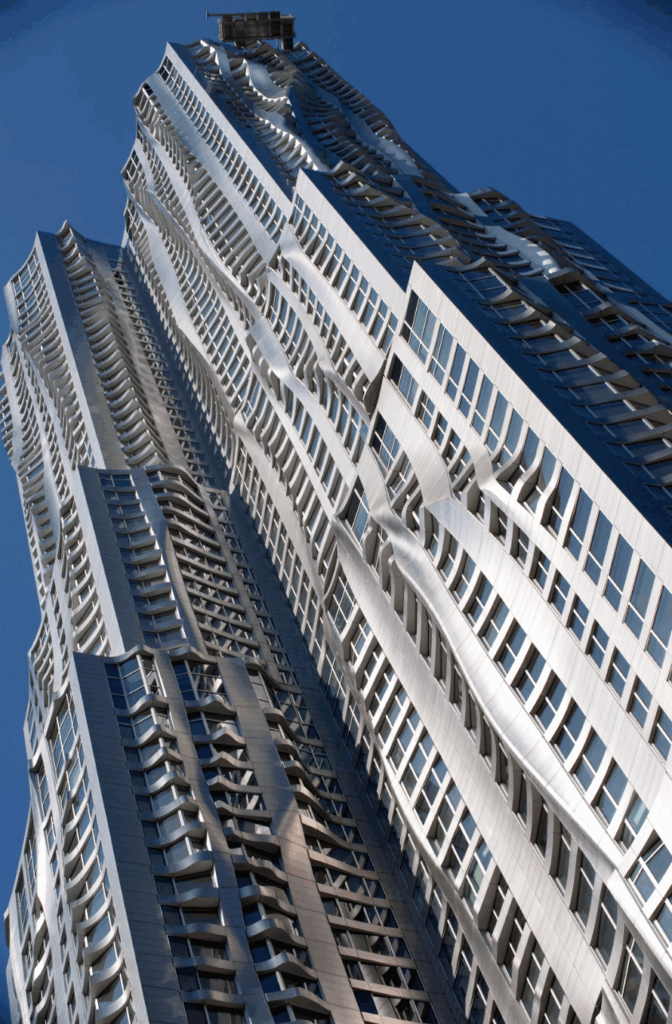
8 Spruce in Manhattan has 76 stories. (Don Emmert / AFP via Getty Images)
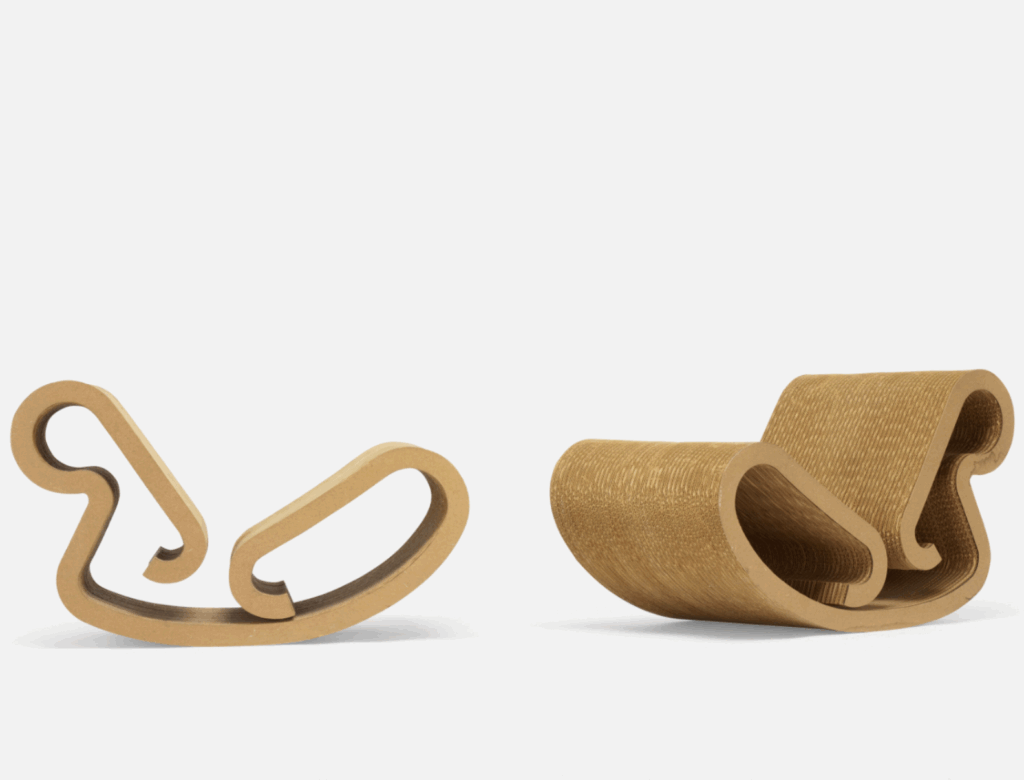
The Easy Edges collection, including the now-iconic Wiggle Chair, did more than challenge the limitations of cardboard—it challenged the orthodoxy of design itself. Gehry asked whether an everyday material could carry sculptural presence; whether sustainability could be beautiful; whether furniture could behave like small architecture. The answer, of course, was yes.
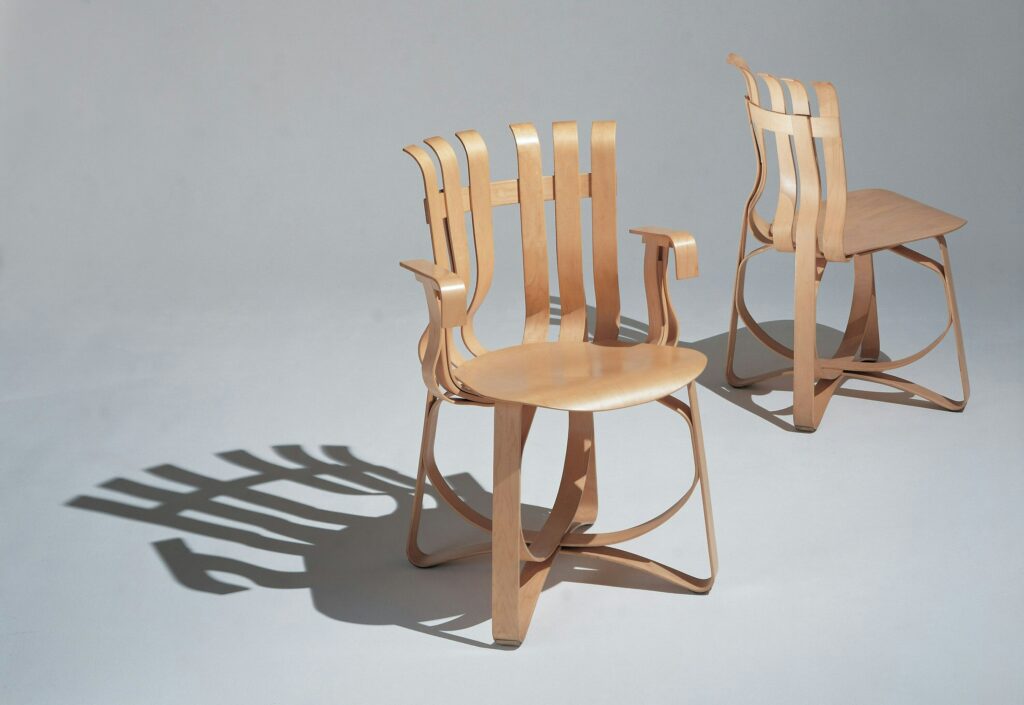
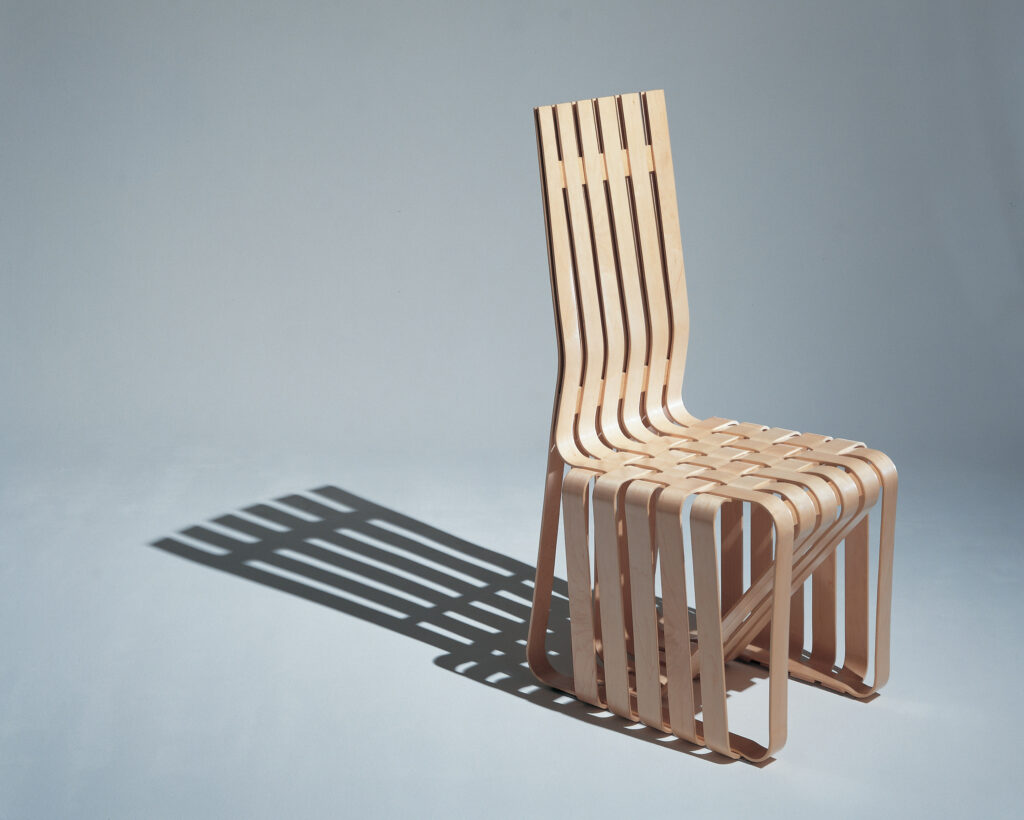
This spirit of experimentation extended to interiors, prototypes, and objects that explored the thresholds between structure and softness, play and discipline. His Santa Monica house—a disassembled and reassembled gesture built around a humble bungalow—remains one of the most important design statements of the late 20th century, collapsing the borders between architecture, furniture, and sculpture. It was here that Gehry’s aesthetic language crystallised: exposed edges, unexpected transparencies, reflective surfaces, and forms that resist stillness.
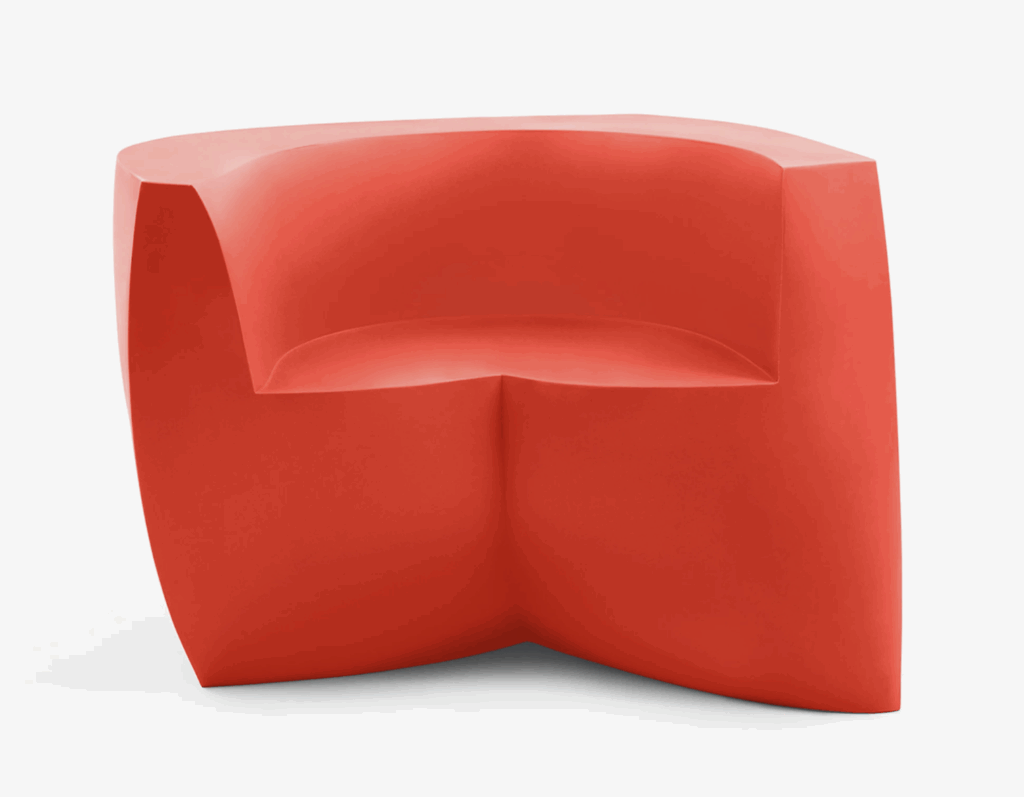
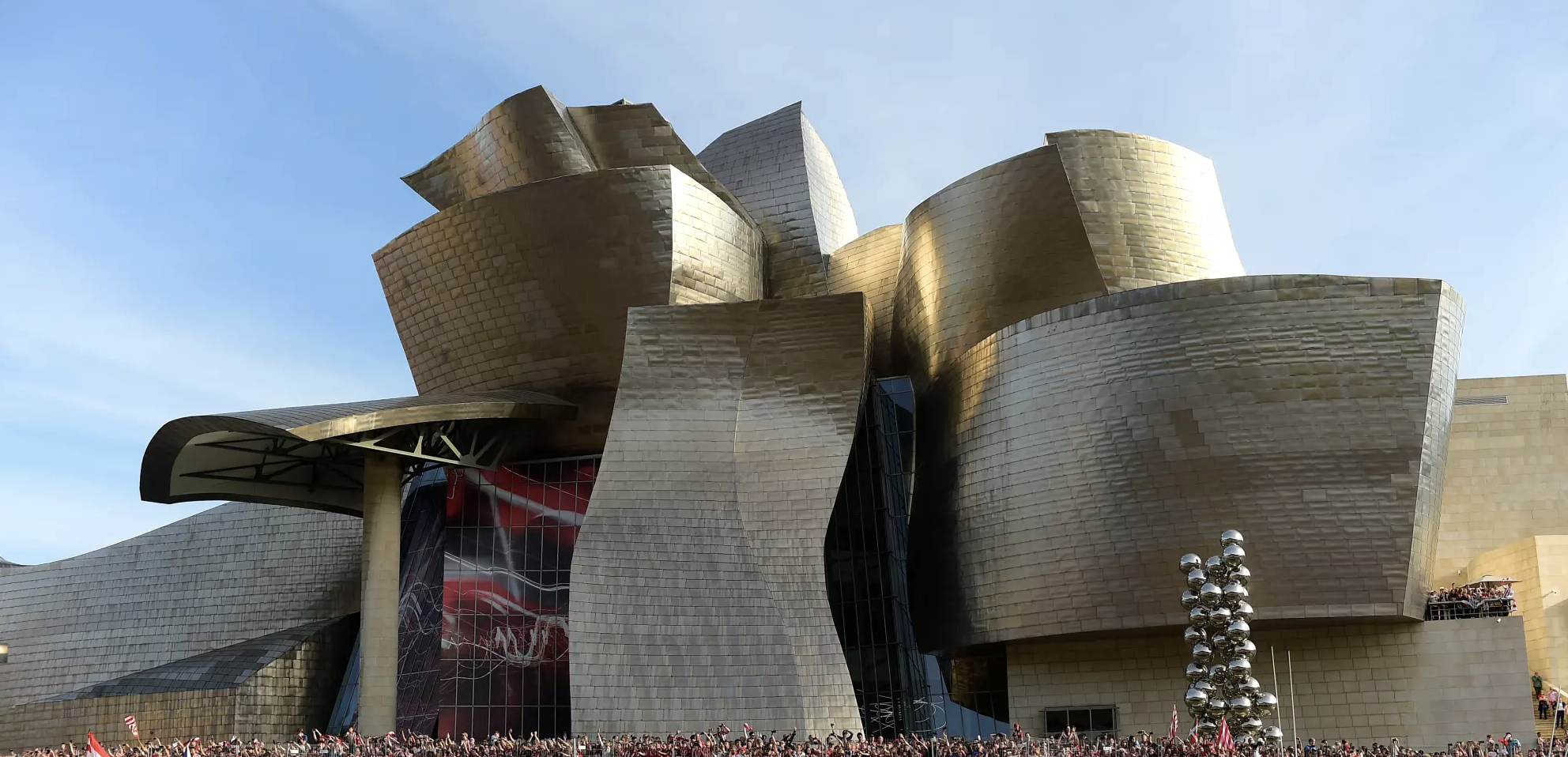
As his architectural career ascended—with the Guggenheim Bilbao, Walt Disney Concert Hall, Fondation Louis Vuitton, and the Luma Arles tower—his design thinking remained constant. The curvature of a chair, the fold of a façade, the shimmer of a material under changing light: for Gehry, these were variations of the same enquiry. At every scale, he worked with form as if it were capable of movement. His buildings carry the sensibility of objects; his objects carry the ambition of buildings.
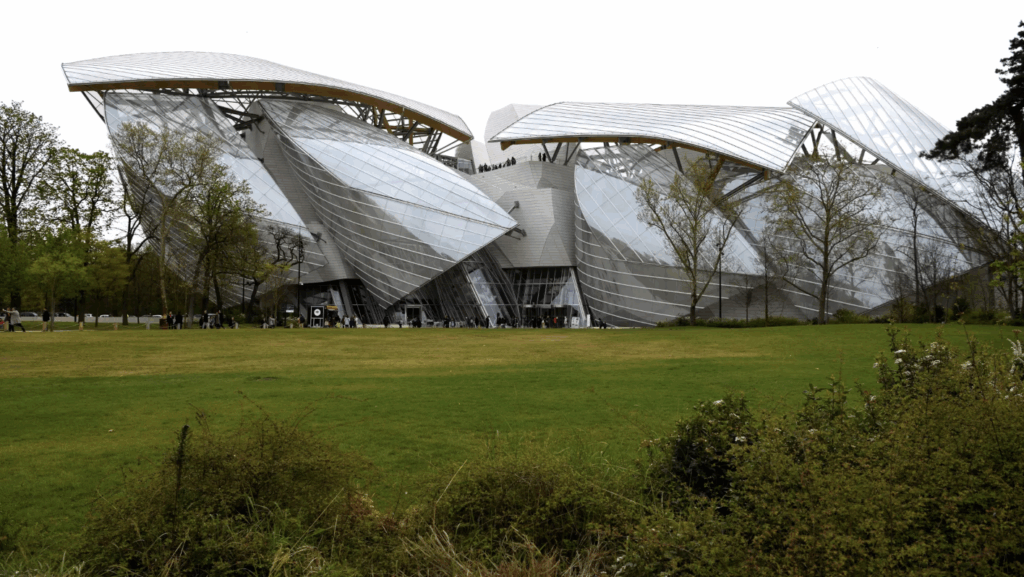
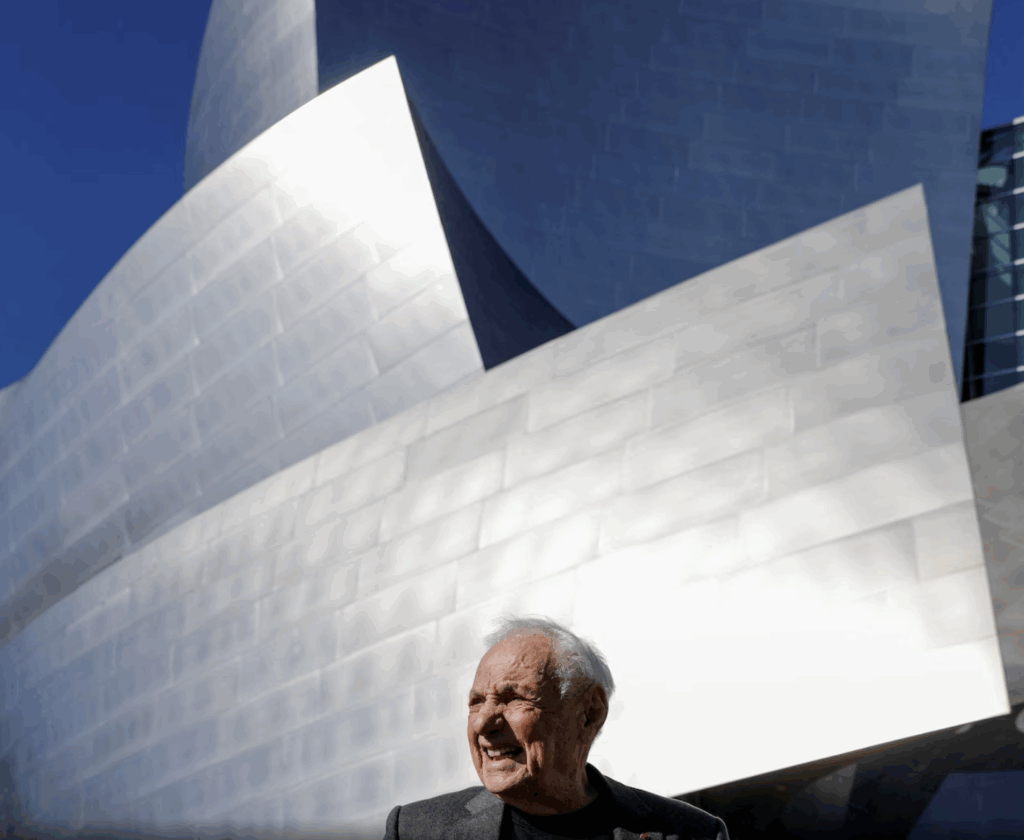
(Frederic Soltan / Corbis via Getty Images)
What distinguishes Gehry in the world of design is not simply the audacity of his forms, but the humanity behind them. He believed that creativity begins with intuition, that materials have personality, and that every piece—whether a cardboard chair or a monumental museum—must hold a sense of joy. His works invite touch, provoke emotion, and challenge our assumptions about what design is supposed to look like.
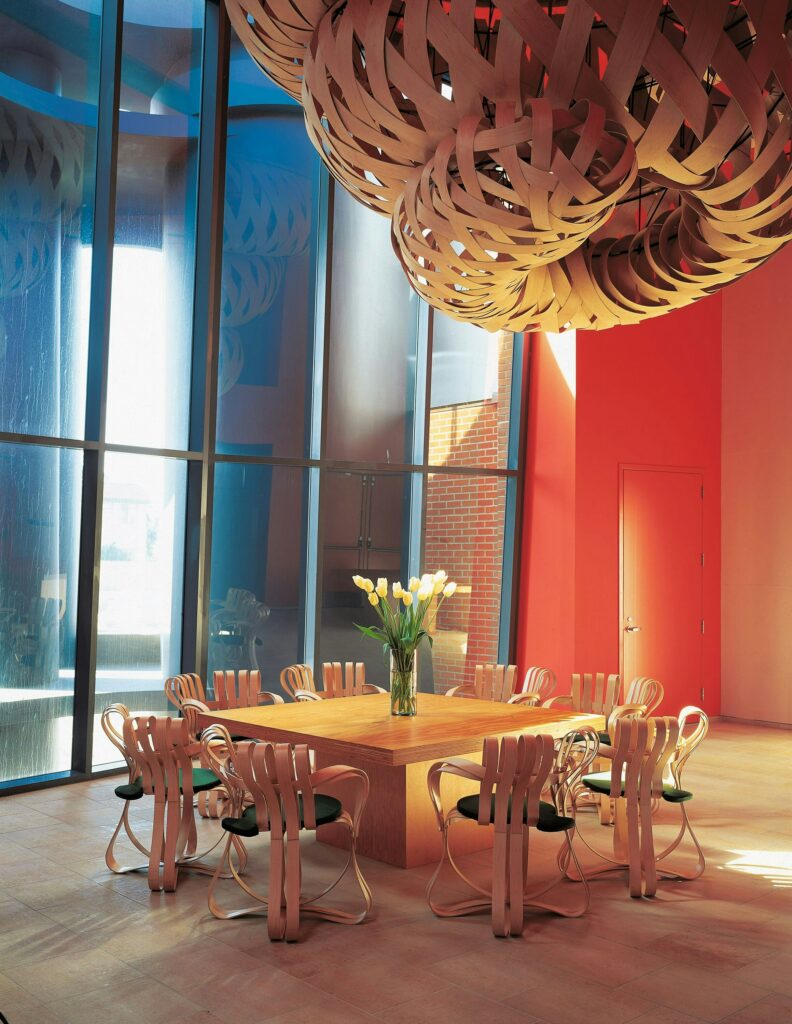
KNOLL Gehry Sedia Hat Trick
As Marie Claire Maison Arabia honours his life, we recognise a figure who expanded the vocabulary of both architecture and design. Gehry did not separate the two; he allowed them to speak to each other, to blur, to collide, to push each other forward. His legacy is not only in titanium arcs and sculptural skylines, but in the quieter revolutions: the experiments on a tabletop, the prototypes that whispered new possibilities, the belief that materials could behave unexpectedly if only we dared to ask.
Frank Gehry changed the scale at which design operates—from the chair, to the room, to the city. He taught us that creativity has no hierarchy, that innovation can emerge from the simplest material, and that the built environment—at any scale—should make us feel something.
He leaves behind a world more open to risk, to play, and to beauty. And for that, the worlds of architecture and design alike owe him more than tribute—they owe him their courage.