Madrid has always had a certain confidence about it. A city of grand boulevards, neighbourhood cafés, remarkable museums and late dinners, it rarely feels the need to reinvent itself for the sake of appearances. Yet beneath its familiar elegance, something interesting is happening. Architecture, craftsmanship and contemporary design are finding new ways to coexist with the city’s considerable heritage.
Invited by ICEX Spain Trade and Investment for a three-day visit from 18 to 20 May, I had the opportunity to explore this creative energy firsthand, with Casa Decor 2026 at the heart of the itinerary. The programme also included an architectural private tour of Santiago Bernabéu Stadium led by Studio L35, offering an unexpected perspective on Madrid’s evolving design landscape.
At first glance, a football stadium and an exhibition dedicated to interiors might seem unlikely companions. Yet both tell a similar story about the future of architecture: how existing spaces can be reimagined, adapted and given an entirely new purpose.
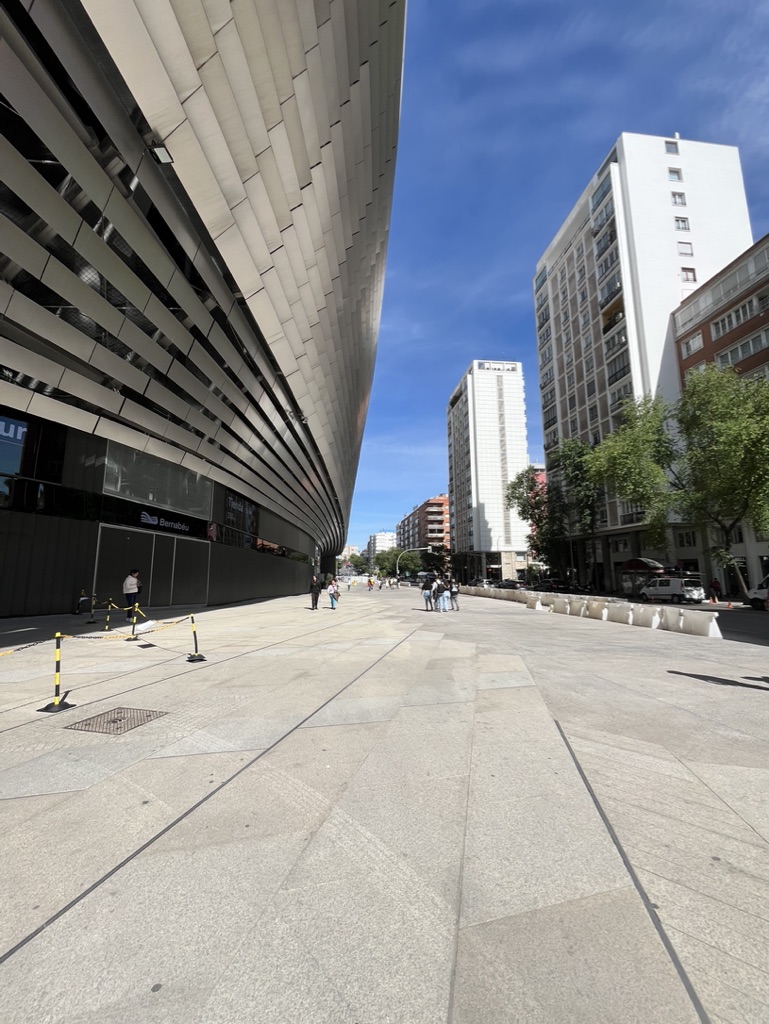
The Santiago Bernabéu is perhaps the most ambitious example. Originally inaugurated in 1947, the home of Real Madrid has undergone a remarkable transformation, with German architectural practice gmp Architekten among those responsible for its redesign.
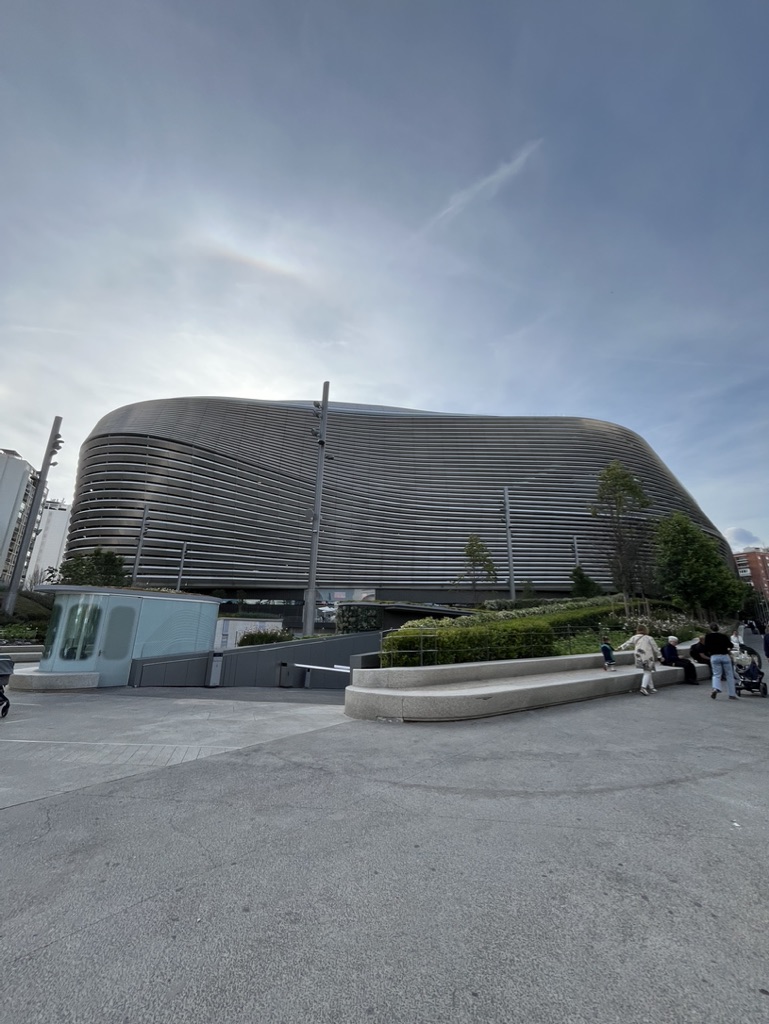
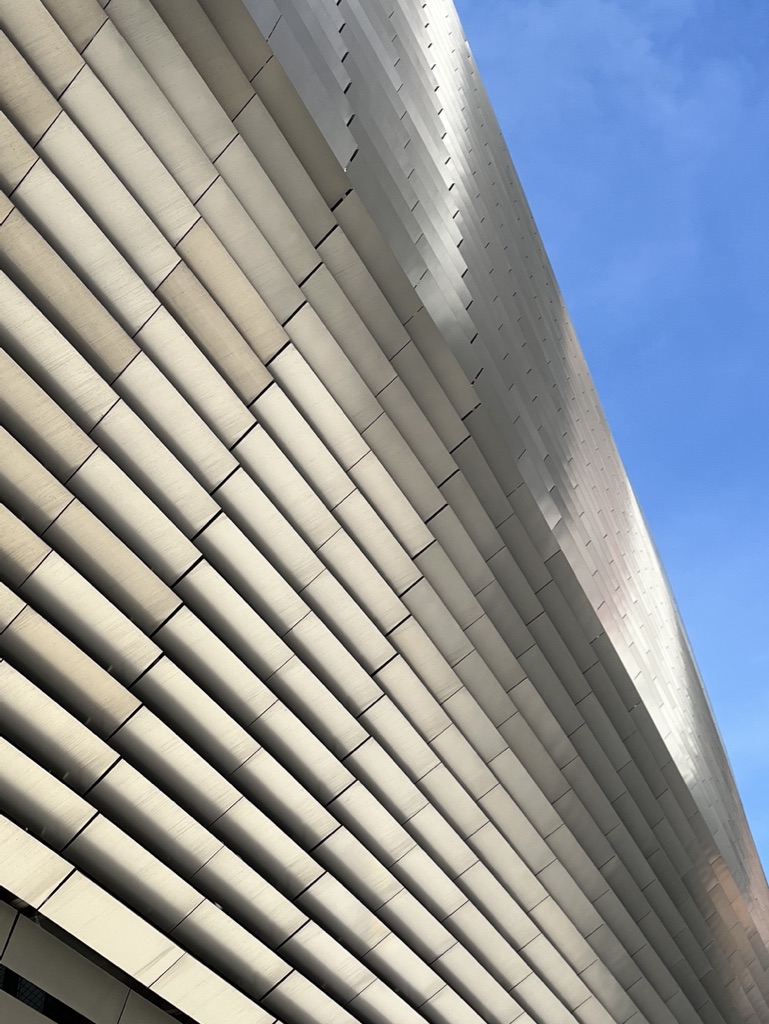
Its most striking feature is the new exterior, a sculptural envelope of stainless-steel slats that wraps around the existing structure. But the real ingenuity lies beneath the surface. A retractable roof and an extraordinary system that allows the football pitch to disappear into an underground storage facility have transformed the stadium into a multifunctional venue capable of hosting events far beyond football.
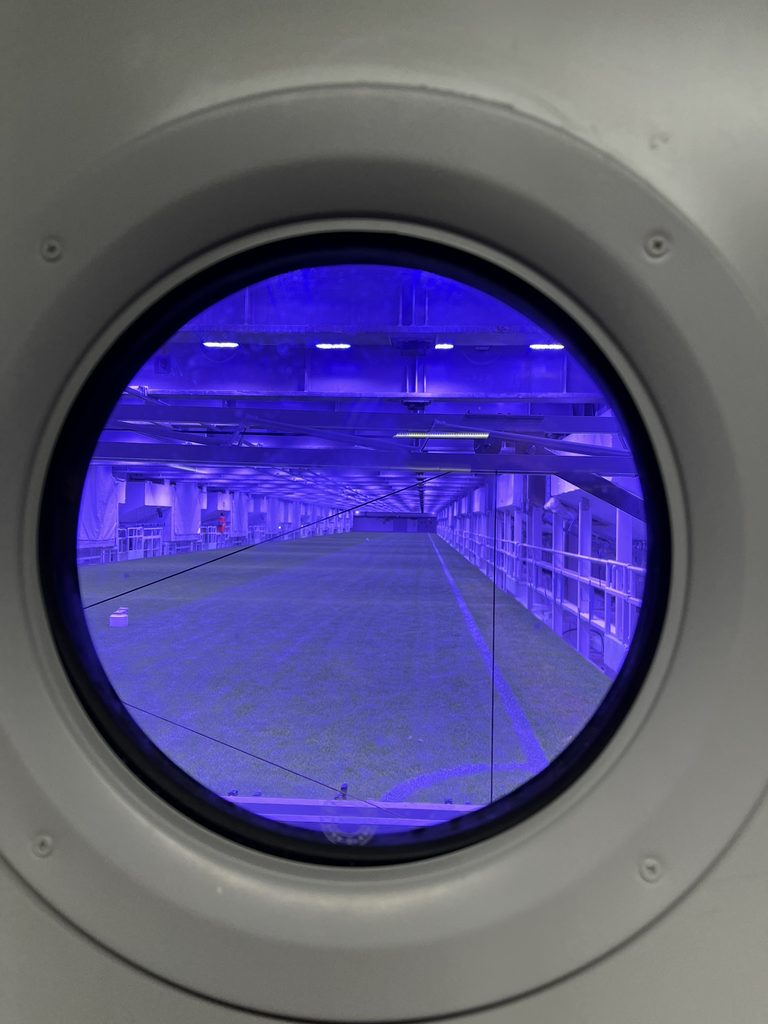
During the architectural tour, the scale of the engineering became apparent. This is architecture conceived not simply as a monument, but as an adaptable piece of urban infrastructure, designed to evolve with the city around it.
Across Madrid, Casa Decor 2026 offered a more intimate, but equally compelling, perspective on transformation.
For its 61st edition, the exhibition took over the Palacio del Marqués de los Vélez, a late-19th-century residence in the Barrio de las Letras. Behind its historic façade, 47 spaces were entrusted to designers, architects and creative studios, each invited to reinterpret a room through materials, furniture, lighting and decorative craftsmanship.
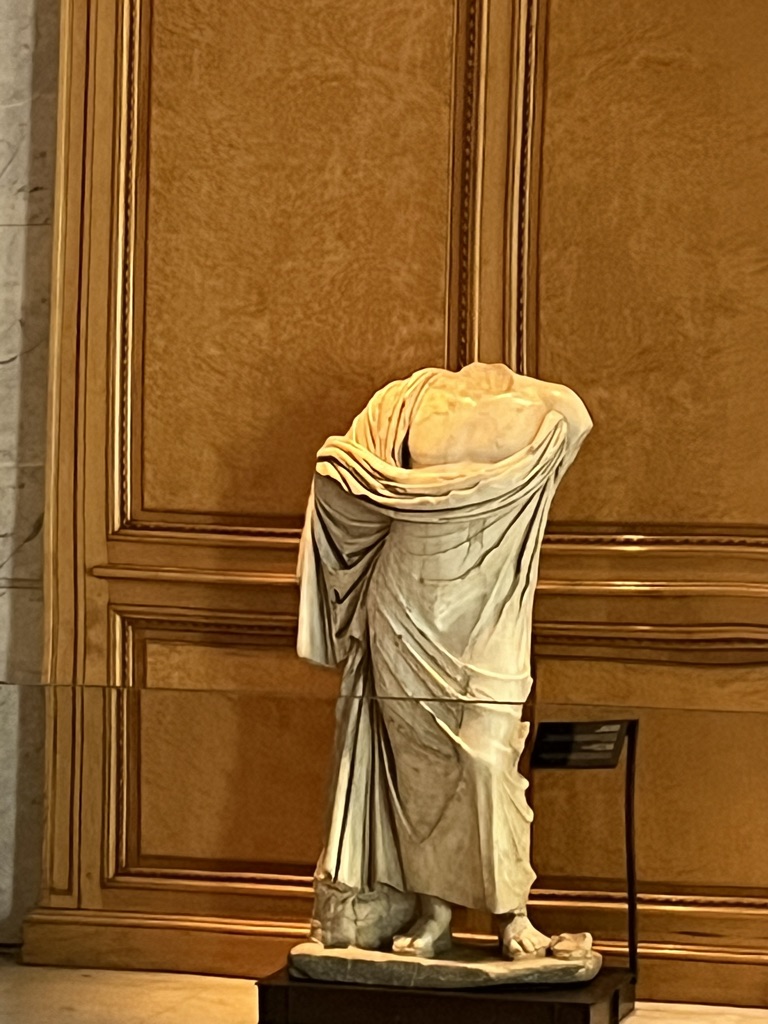
The building itself was an important part of the experience. Marble staircases, stained glass and ornamental ceilings provided a distinctive architectural backdrop, reminding visitors that good design often begins with an understanding of what is already there.
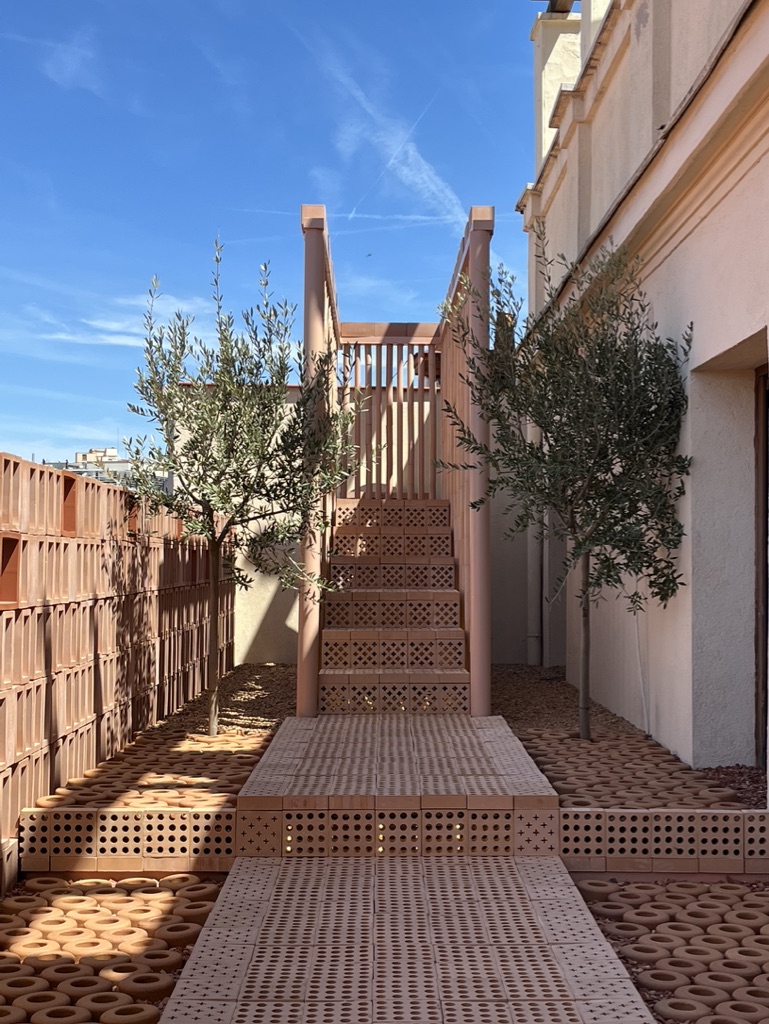
Inside, the prevailing mood was expressive. Rich colours, dark woods, sculptural forms and tactile surfaces suggested a move away from the restrained minimalism that has dominated interiors for so long. Ceilings became decorative statements, mirrors altered perceptions of space, and kitchens increasingly resembled living rooms rather than purely functional environments.
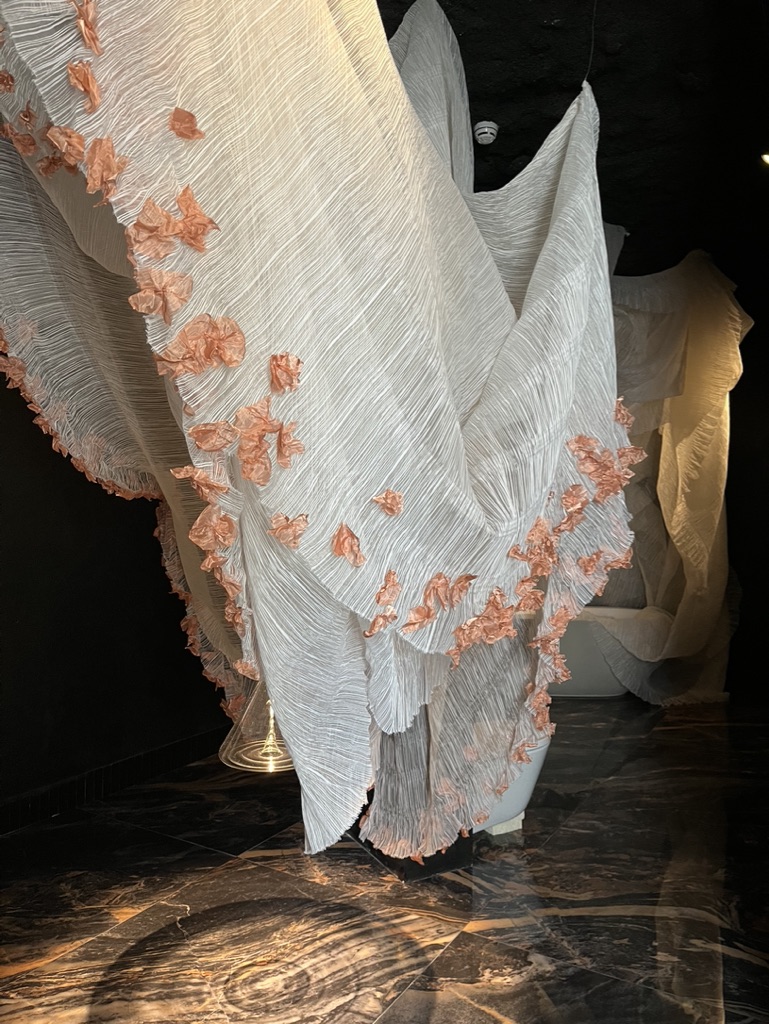
Yet beyond individual trends, what stood out was the attention given to materials and the people who work with them. Ceramics, textiles, stone, metal and wood were treated not merely as finishes but as essential components of an interior’s personality. Spanish craftsmanship, with its deep-rooted traditions and increasingly contemporary vocabulary, emerged as one of the exhibition’s most compelling narratives.
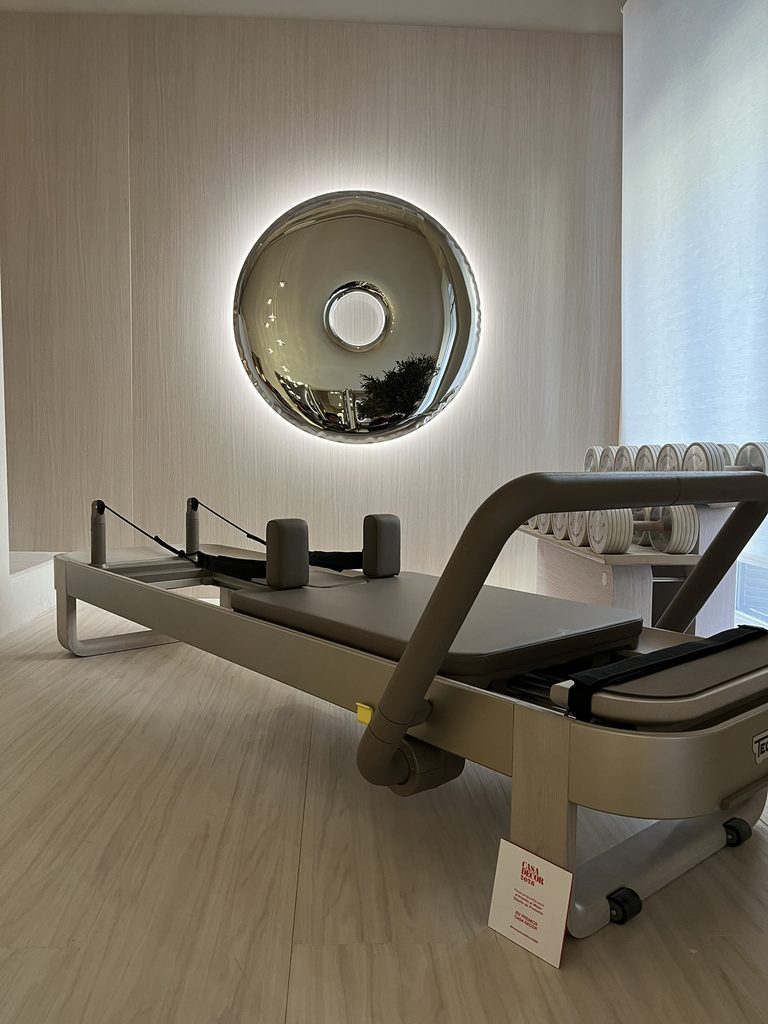
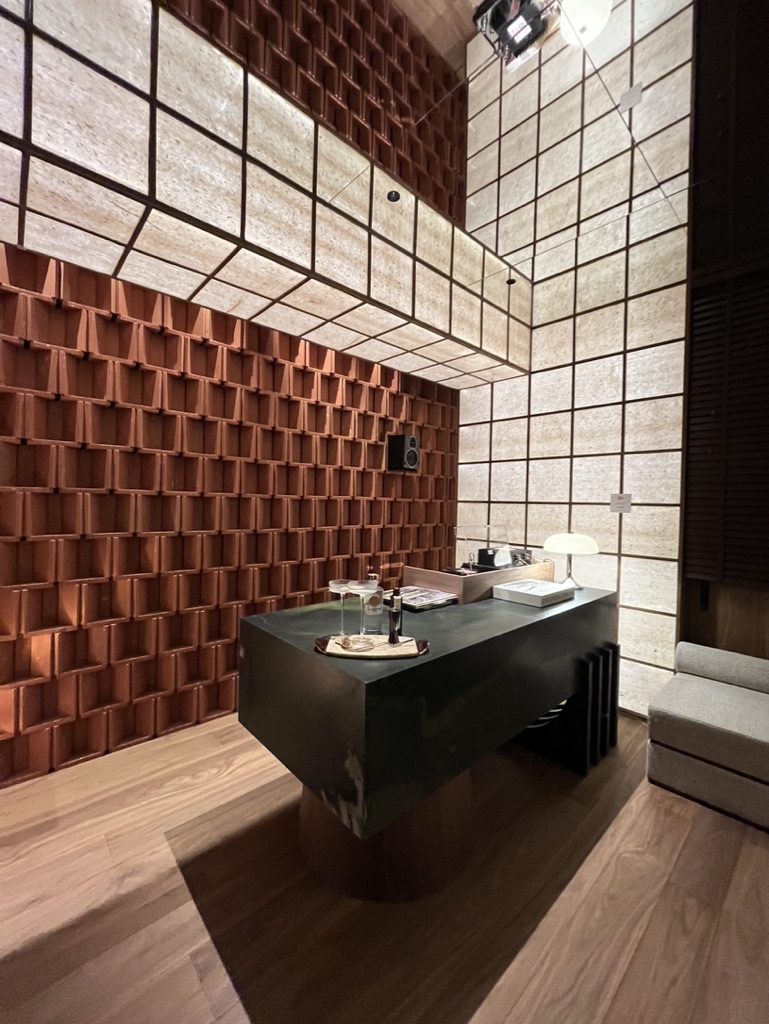
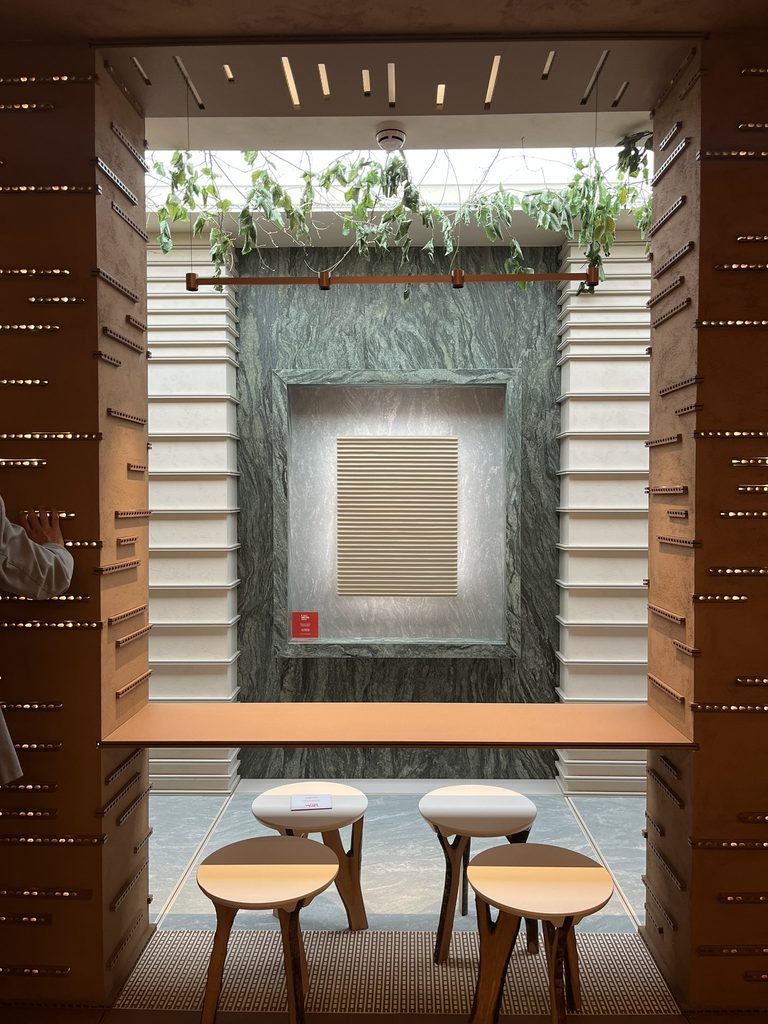
There is something particularly appealing about experiencing these ideas inside a building with its own history. Unlike a conventional trade fair, Casa Decor invites visitors to move through actual rooms, discovering how different creative visions respond to the same architectural setting. It is an exercise in imagination, but also a reminder of how design can influence the way we live.
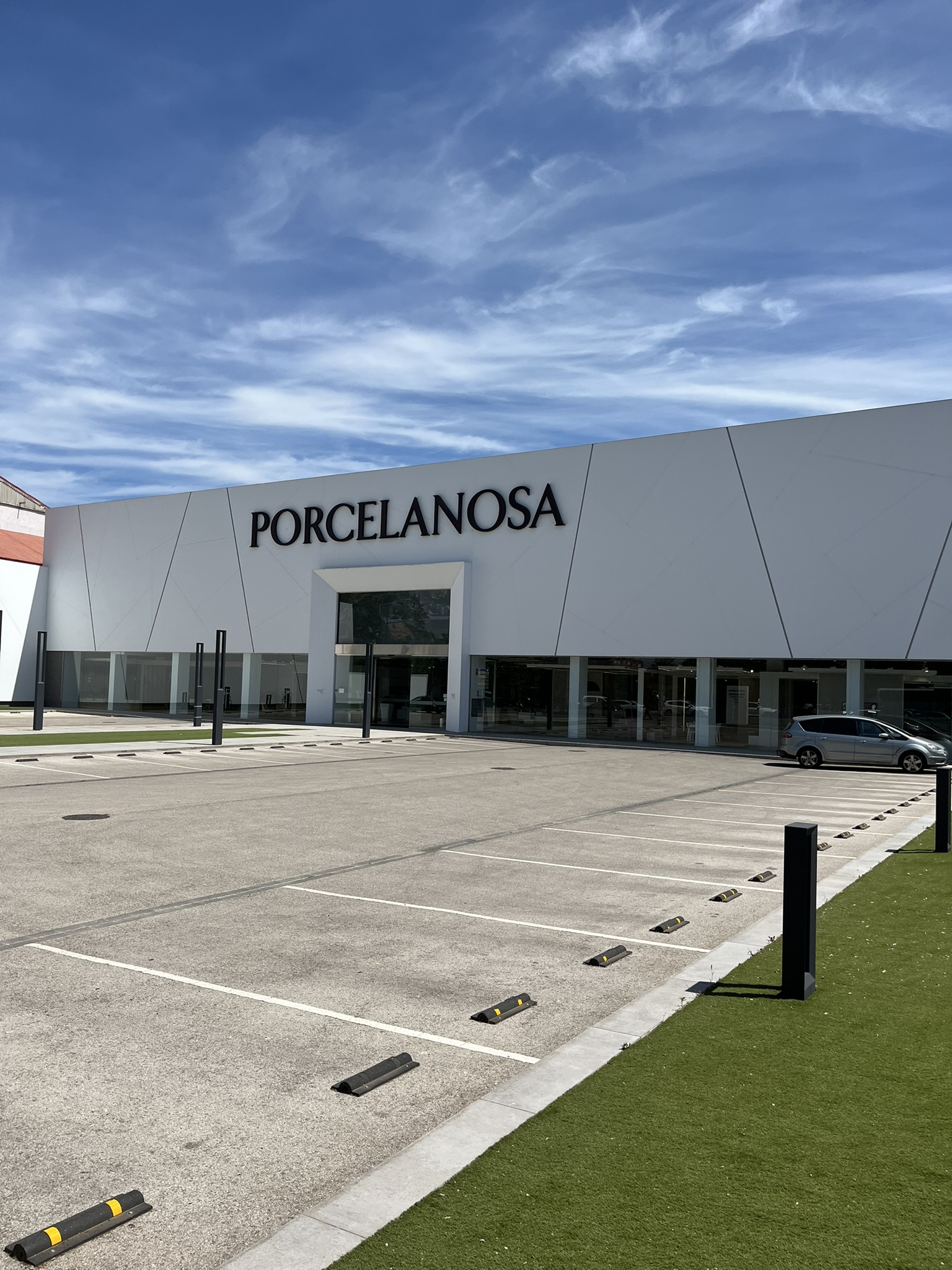
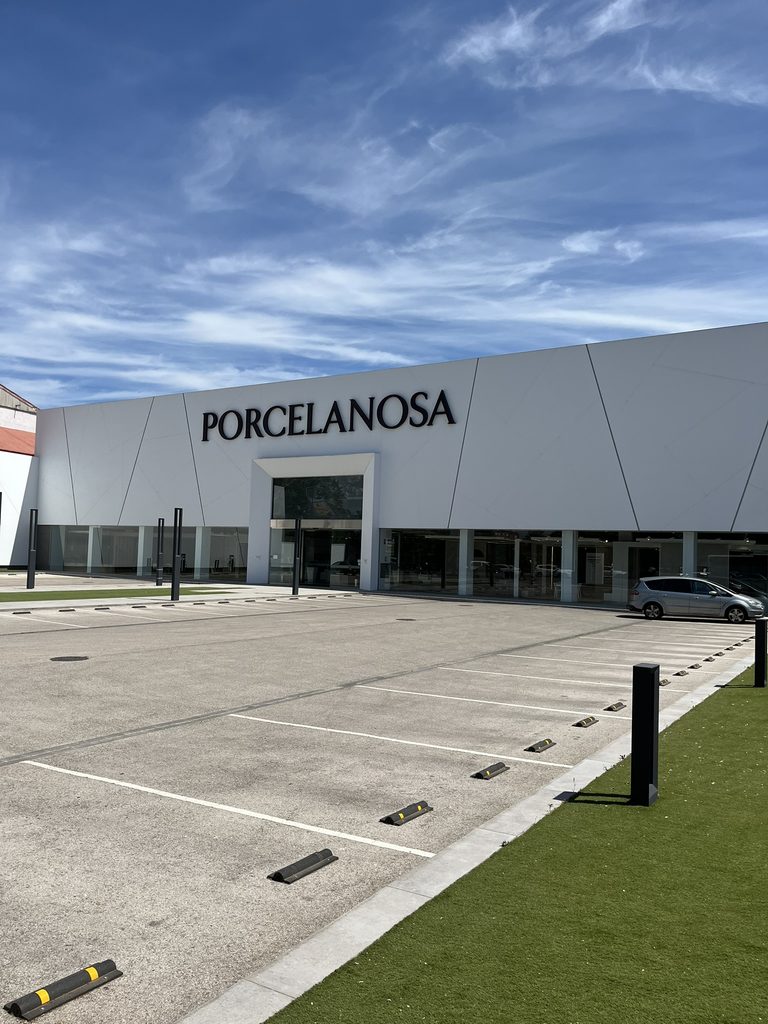
The itinerary also included a visit to the Porcelanosa showroom in Madrid, offering a closer look at the Spanish brand’s approach to contemporary surfaces and interior architecture. From large-format ceramics and natural stone to innovative finishes and bathroom solutions, the showroom demonstrated how material innovation can shape the character of a space. It was also a reminder of Spain’s strong manufacturing heritage, where technical expertise, craftsmanship and design increasingly intersect. If the Bernabéu represented architecture at its most ambitious, Porcelanosa brought the conversation back to the materials and details that define our everyday environments.
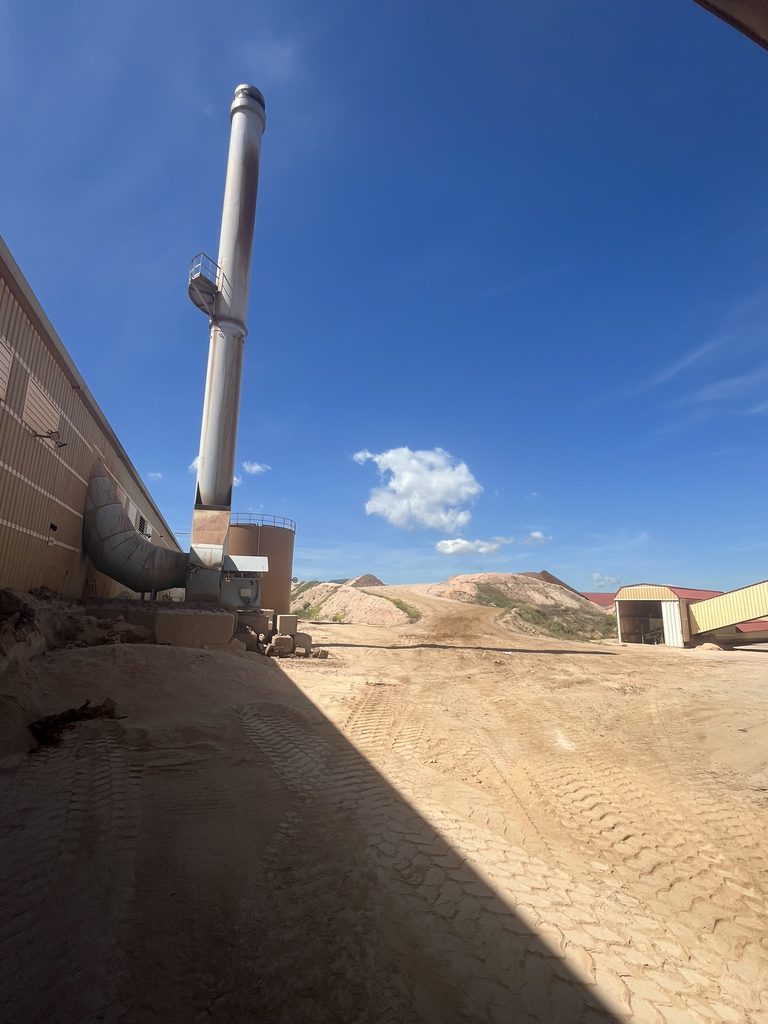
The exploration of Spanish materials continued with La Paloma, whose Madrid showroom introduced us to the architectural possibilities of ceramics and brick. A visit to the company’s factory in Segovia offered a particularly interesting perspective, taking us beyond the finished product to the manufacturing process itself. Here, the relationship between raw materials, technical precision and architectural expression became tangible. It was a reminder that some of the most compelling innovations in contemporary design emerge from industries with centuries of history, where traditional materials continue to find new applications in modern architecture.
What emerged from these three days was a portrait of a Spanish design culture that moves confidently between scales and disciplines. From the engineering ambition of the Santiago Bernabéu to the material innovation of Porcelanosa, the manufacturing expertise of La Paloma and the creative experimentation of Casa Decor, each visit revealed a different expression of the country’s design identity.
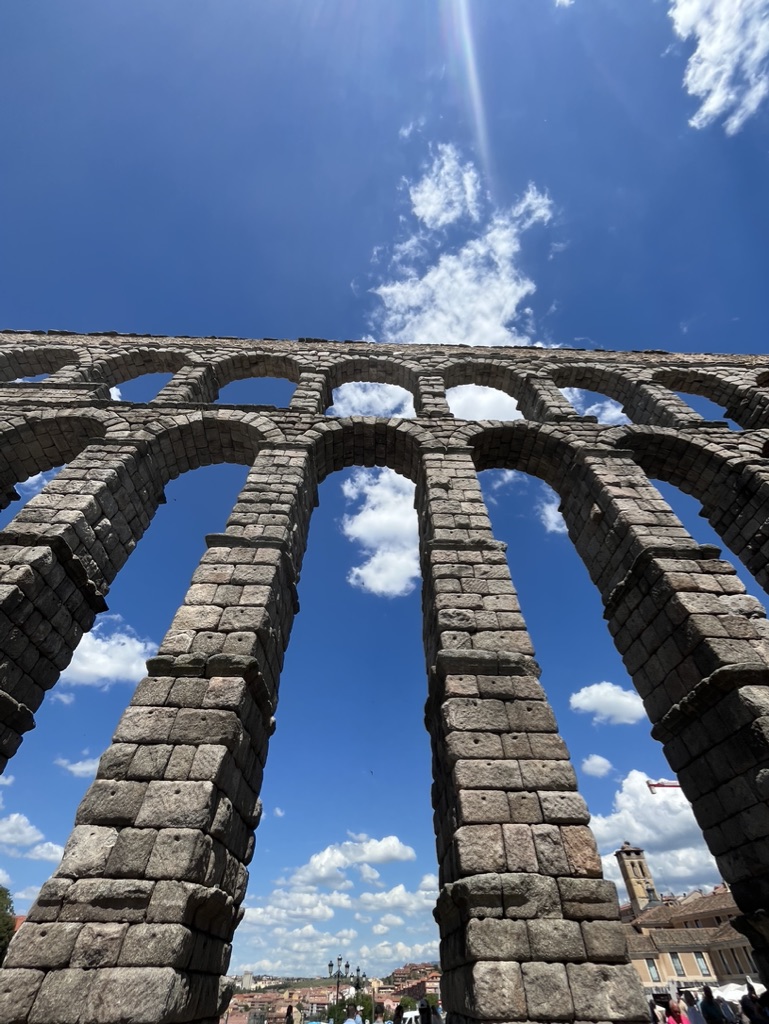
There is a certain confidence in the way Spain approaches design: a willingness to experiment, but also a respect for the materials, techniques and knowledge that have shaped its architectural heritage. In Madrid and beyond, tradition and innovation are not competing ideas. They are part of the same conversation.